



STRAPPING BAND
What is strapping?
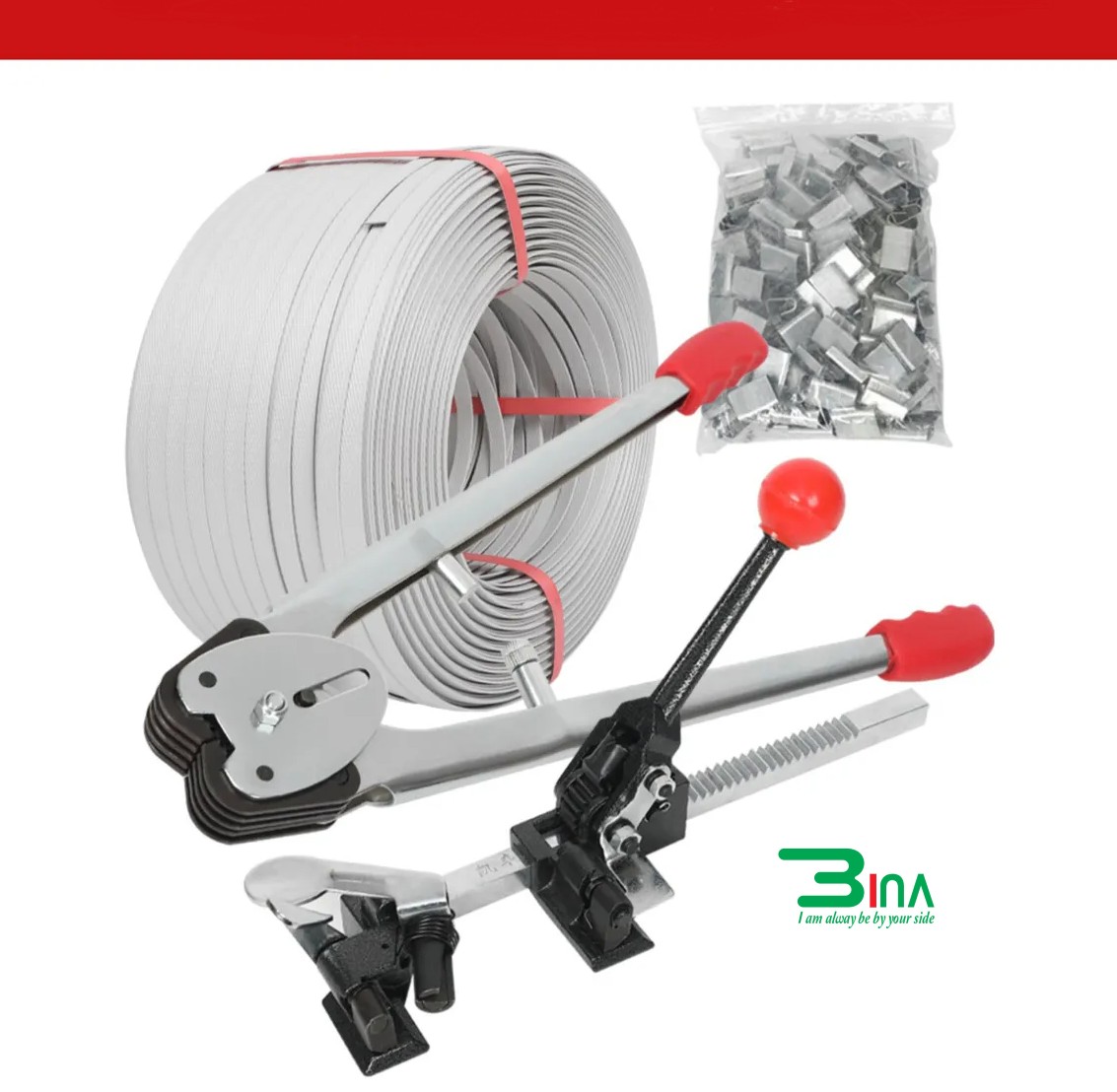
Strapping is one of the most commonly used means of packaging and bundling in the packaging industry. There are many different types of strapping products, as well as many types of applications, but strapping is particularly used in environments such as:
 |
- Package together for handling and transportation: newspapers, pipes, lumber, concrete blocks, etc.
- Attach items to pallets, skids, and crates
- Reinforce wooden boxes, crates, and cardboard boxes, such as gaylords
- Attach items to flatcars, flatbed tractor-trailers, etc.
- Secure a unit load of bricks, packaged glass, metal parts, etc.
- Close cardboard boxes and shipping containers
- Secure steel or paper coils
- Hold agricultural produce or textile bales
- Secure loads of items inside intermodal containers, freight cars, and tractor-trailers
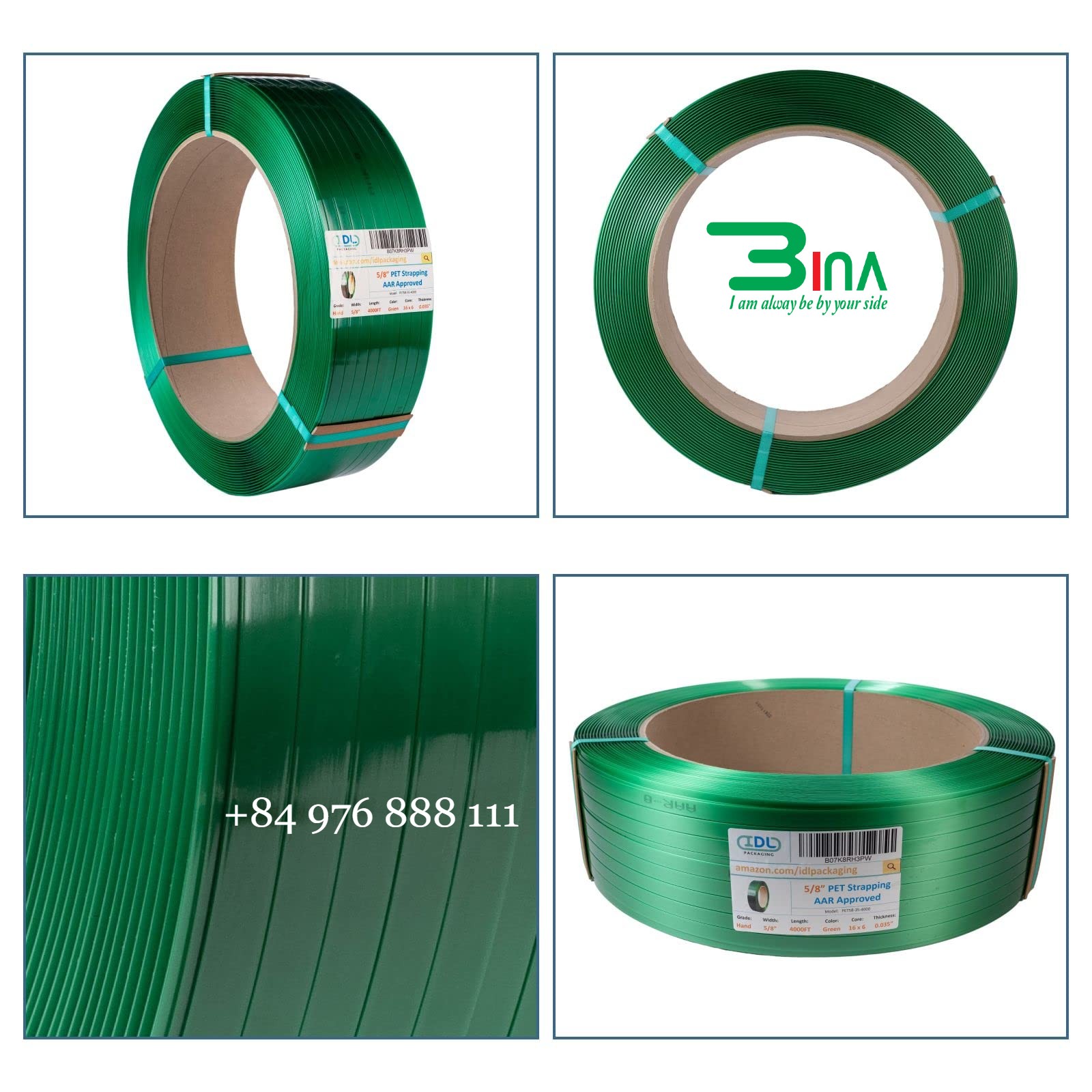
- Securing is commonly used in complete horizontal or vertical bands. Typically, edge protectors are used to help distribute the strap tension over the load at the corners and reduce damage caused by that tension. Straps can also be used in loops attached to holding points such as railcars, trailers, or skids.
 |
☞See more:
- https://hadupack.com/en/danh-muc/vat-tu-phong-sach/
- https://hadupack.com/en/danh-muc/carton/
- https://hadupack.com/en/danh-muc/hat-nhua/
- https://hadupack.com/en/danh-muc/hat-chong-am/
Main Types of Strapping Available
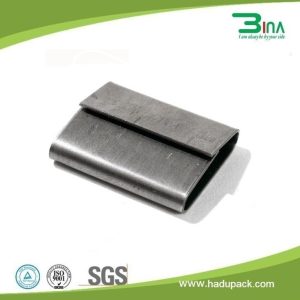
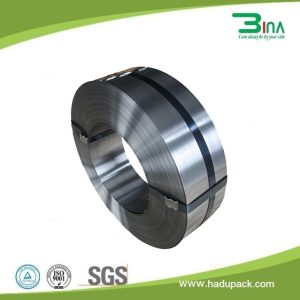
Steel strapping: steel is the oldest, strongest, and highest-tensile-strength type of strapping available. It comes in a variety of widths and thicknesses, as well as variations in steel grade. Steel is used to secure heavy loads when high strength and minimal elongation are required, as well as when the product may be sharp or hot.
When you want to know whether you need something as heavy-duty as steel strapping for your shipment, ask yourself these three questions:
- Is the load heavy and stable?
- Does it need to travel a long distance?
- Does it need to be loaded and unloaded multiple times before reaching its destination?
If the answer to these questions is yes, then you will have the most success with steel strapping.
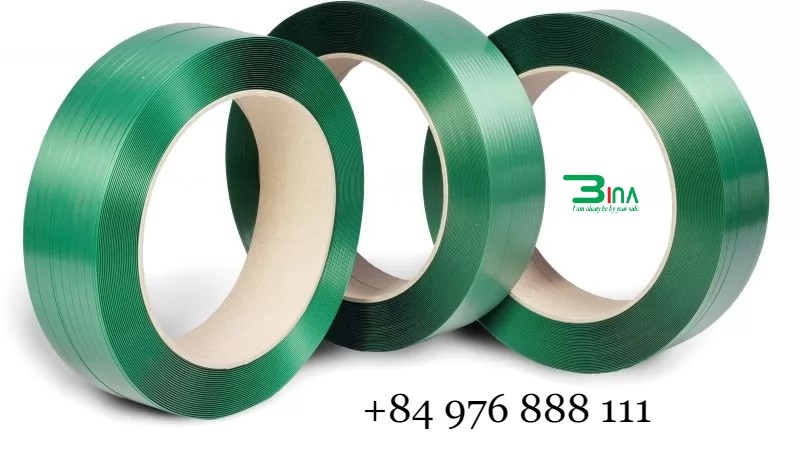 |
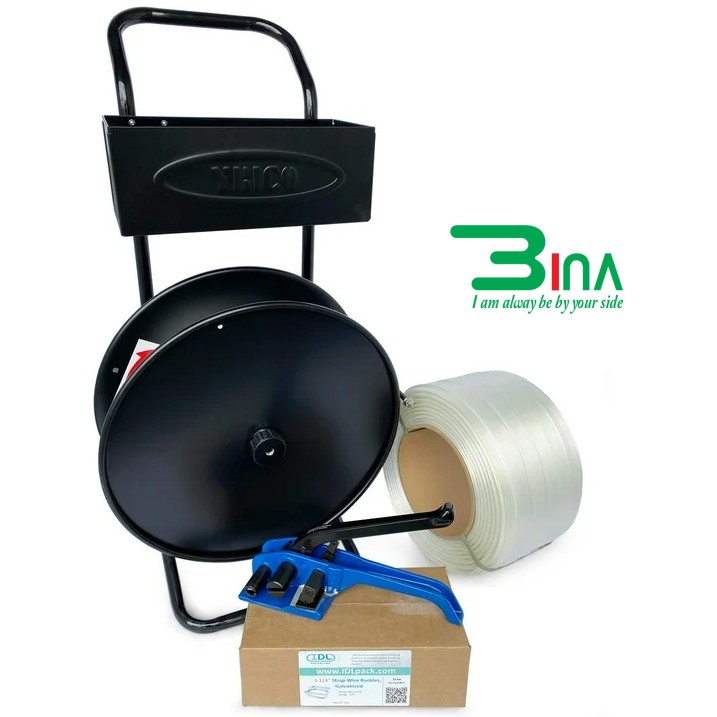
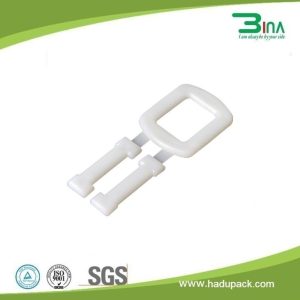
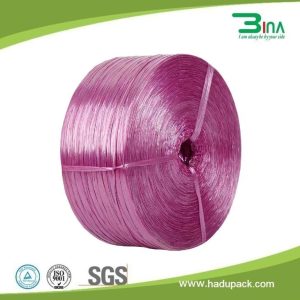
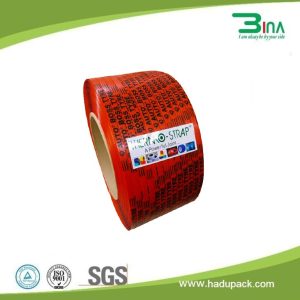
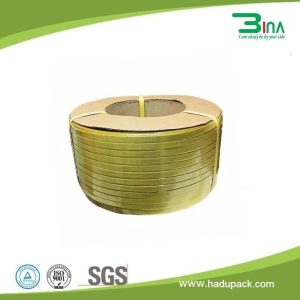
Plastic strapping: Polypropylene and polyester strapping are the main types of plastic strapping currently available. Polypropylene strapping is an economical material designed for bundling, palletizing and securing light to medium-weight goods.
The product is available in various widths, thicknesses and polymer variants (e.g.: copolymer). This product has higher elongation, but tends to undergo unrecoverable creep when subjected to continuous stress.
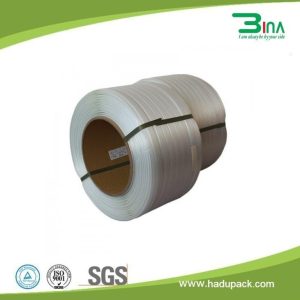
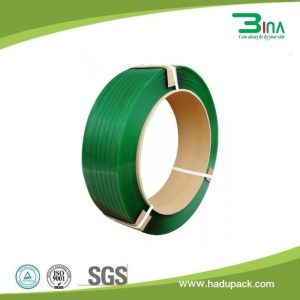
Polyester strapping is the most rigid option, providing the strongest plastic strapping and being used as a viable alternative to steel in many industries.
- Polyester provides excellent retained tension on rigid loads and its excellent recovery properties help loads absorb impact forces without breaking the strapping. It has significantly less elongation than polypropylene and retains tension for longer periods.
- Plastic strapping, in general, is often collectively referred to as “poly strapping” although there are specific differences. This can cause some confusion, but keep the following helpful tips in mind to distinguish them best:
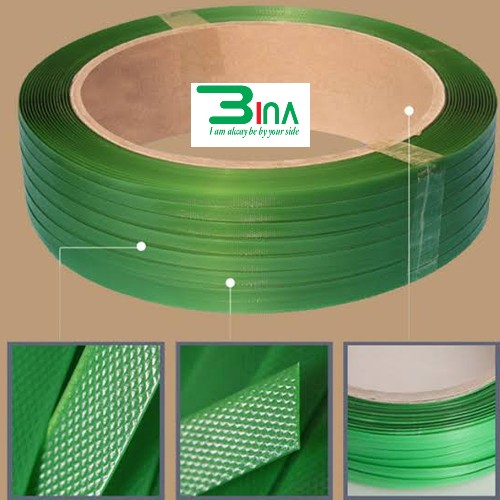
- Polypropylene strapping is usually embossed, feels more plastic-like and has a matte-style finish.
- Polyester is a shiny, smooth type of strapping; it does not resembl polyester fabric in any way.
Because polypropylene is the most common type of plastic strapping, the term “poly strap” is often used to refer to polypropylene. Polyester performs best when you need higher initial tension; polypropylene performs best when high initial tension is not important and only low maintained tension is needed.
Due to its long history in the packaging world, there are now many different types of strapping; however, most strapping is made from steel or plastic. Each type has its own advantages and disadvantages, making it very important to determine exactly which type is right for your specific needs.
To better understand strapping, its advantages and disadvantages, as well as its characteristics, it is important to understand the key terms used in the industry:
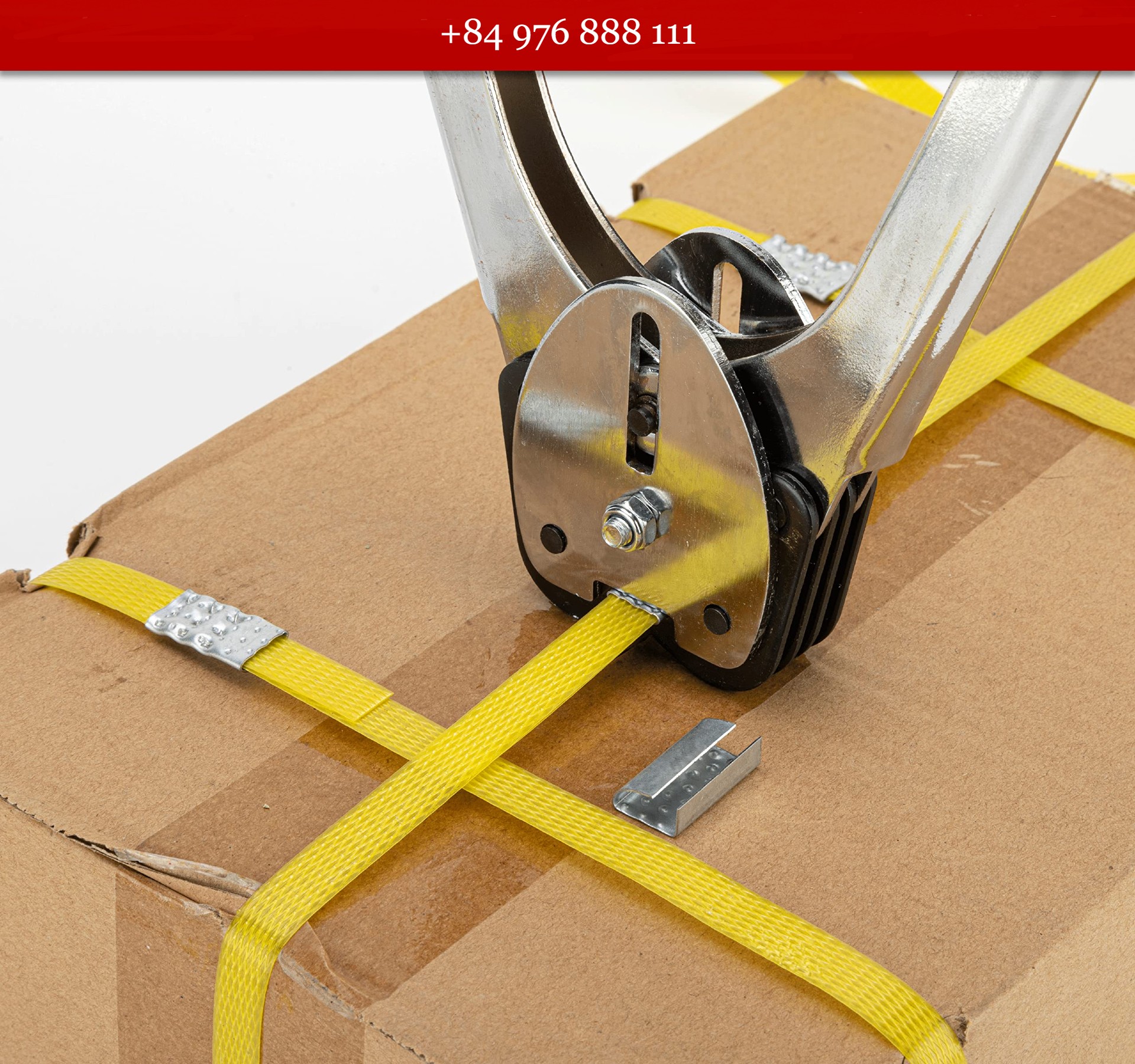
- Tension: any form of pushing or pulling to tighten the strap
- Elongation: the amount the strap stretches when under tension
- Elongation recovery: the strap’s ability to return to its original state after the tension is removed
- Operating range: stretching the strap to the point where the strap wants to recover, but not so much that it cannot recover; this is the ideal point at which the strap will perform as well as possible
- Creep elongation: over time, elongation will gradually decrease; polyester exhibits the least elongation, while polypropylene exhibits the greatest elongation
- Tensile strength (or breaking strength): the amount of force, measured in pounds, required to break the strap
- Core size: the diameter and depth of a roll of strap; must correspond to the dispenser or machine used to strap
- Thickness: the physical thickness of the strap, measured in a fraction of an inch
- Width: the physical width of the strap; must correspond to the tools or machine used to strap
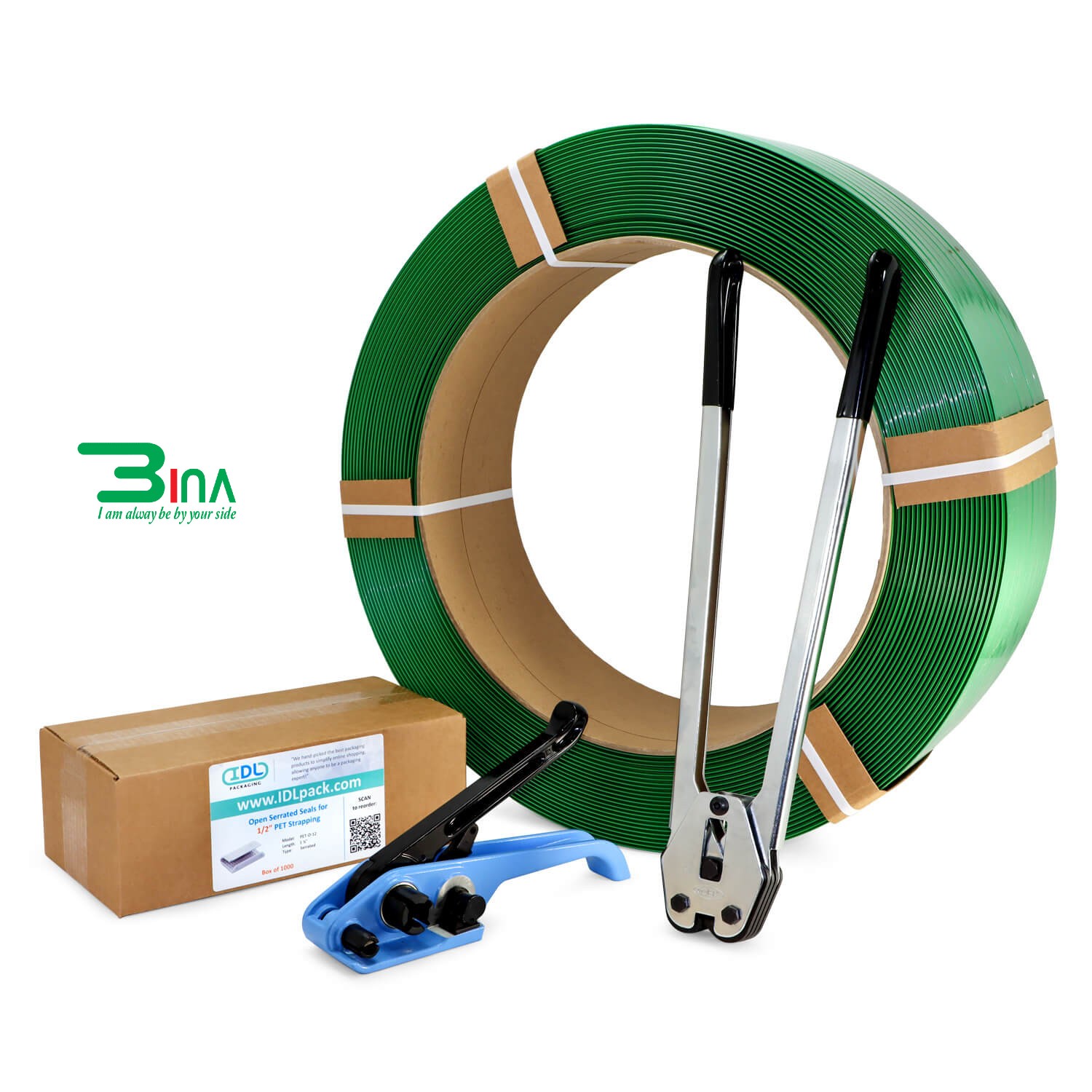 |
What are you strapping? This will determine the type and size of strapping product you need. Let Hadupack help you.
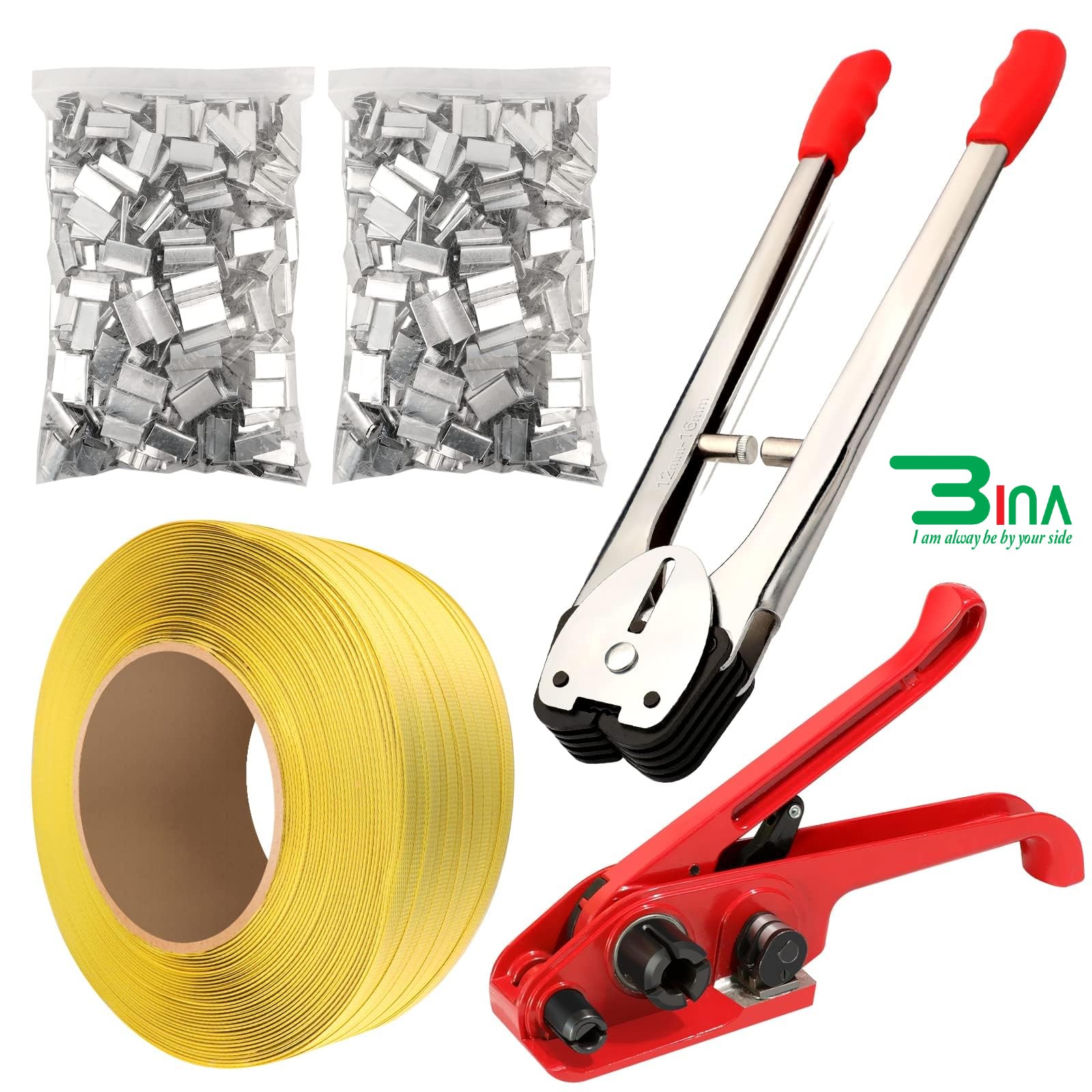
Remember: steel strapping has no elasticity. Therefore, if you need elongation, you will need to use plastic strapping. All plastic strapping materials elongate under tension and partially recover their elongation when the stress decreases.
 |
Post-quality – the elongation recovery capability of plastic strapping – allows the strap to contract as the package contracts. On the other hand, steel strapping elongates a small amount, but has 100% recovery capability below the yield point. Plastic strapping materials will vary in their elongation and recovery capabilities. Before selecting plastic strapping based on elongation recovery capability, you must ask three questions:
- How much elongation recovery is needed? (This is most important for loads that will contract.)
- How much tension can the strapping material be pulled without damaging the product?
- How much tension retention (deformation) is allowed?
 |
Please remember the following:
The elongation recovery capability of polyester strapping will be approximately 70%.
The elongation recovery capability of polypropylene strapping is between 20 and 40% depending on the initial tension.
Humidity does not affect the elongation recovery capability of polyester strapping or polypropylene strapping. However, temperature has a negative impact on all plastic strapping materials, but the impact is more significant on polypropylene strapping.
For more information about strapping, see our guide to steel and poly strapping. Then, pick up the phone and talk to one of our knowledgeable product experts about how strapping can help change the look of your packaging forever.
Showing all 12 results
Sản Phẩm Mới




Tin Tức
 Temperature Warning LabelWednesday July 29th, 2026
 Moisture indicator stripThursday July 23rd, 2026
 Mold-resistant PE sheetThursday July 23rd, 2026
 LDPE mold-resistant sheetThursday July 23rd, 2026
 What is fabric interfacing?Wednesday July 22nd, 2026
 White plastic slip sheetSaturday July 18th, 2026
 HDPE plastic slip sheetSaturday July 18th, 2026
 VCI anti-rust powderSaturday July 18th, 2026
 3M sandpaperWednesday April 15th, 2026
 Solder – Solder wire – Solder bar – Solder pasteTuesday April 14th, 2026

