



Description
What is steel strip?
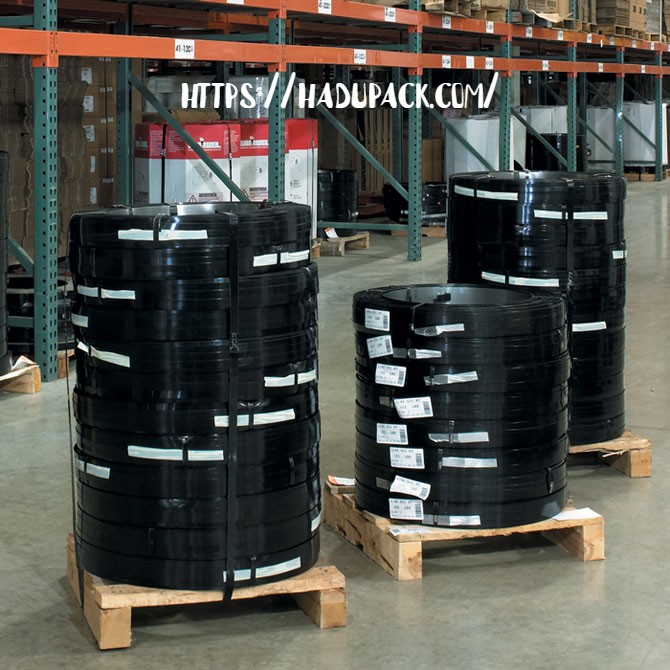
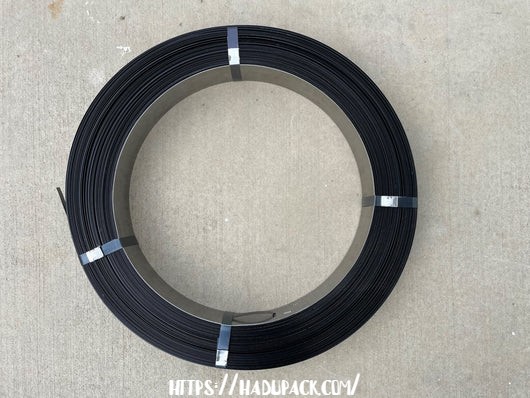
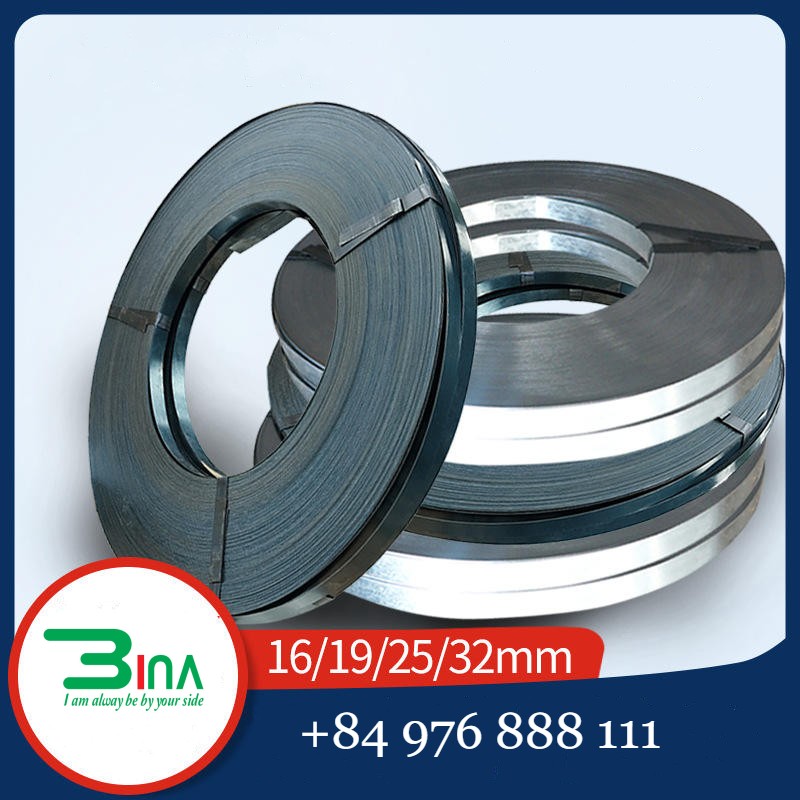
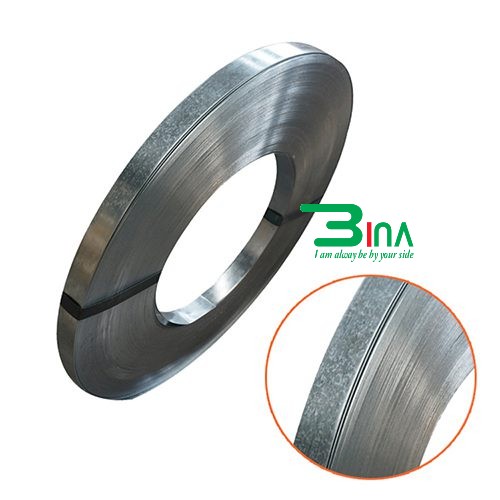
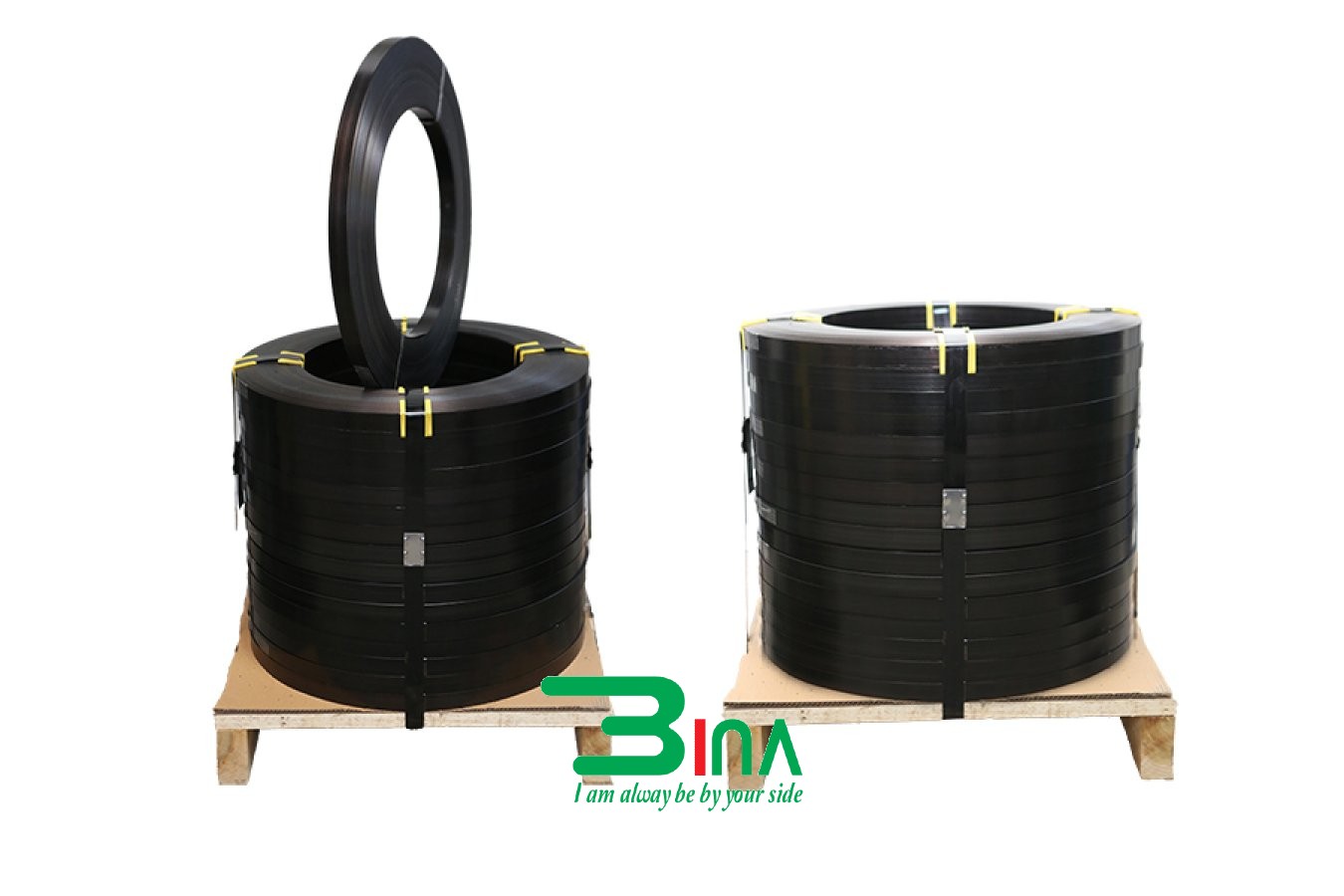
Steel strip is a narrow, long, flat steel product with a width of less than 1300mm, supplied in coil form. It is manufactured through cold rolling or hot rolling processes and is characterized by high dimensional accuracy, good surface quality and high strength. Steel strip is widely used in the production of welded pipes, packaging and bundling, household appliance components, tools and the automotive industry.
 |
Core Overview of Steel Strip
- Definition and shape: A narrow and long steel sheet, usually supplied in coils.
- Classification: Classified by production process into hot-rolled strip steel and cold-rolled strip steel; classified by material into ordinary carbon steel, high-quality carbon steel, spring steel, stainless steel, etc.
- Characteristics: High strength, good durability, high dimensional accuracy, easy to machine automatically.
 |
Main applications of steel strapping:
- Industrial manufacturing: Production of steel pipes, cold-formed steel, tools, blades and machine parts.
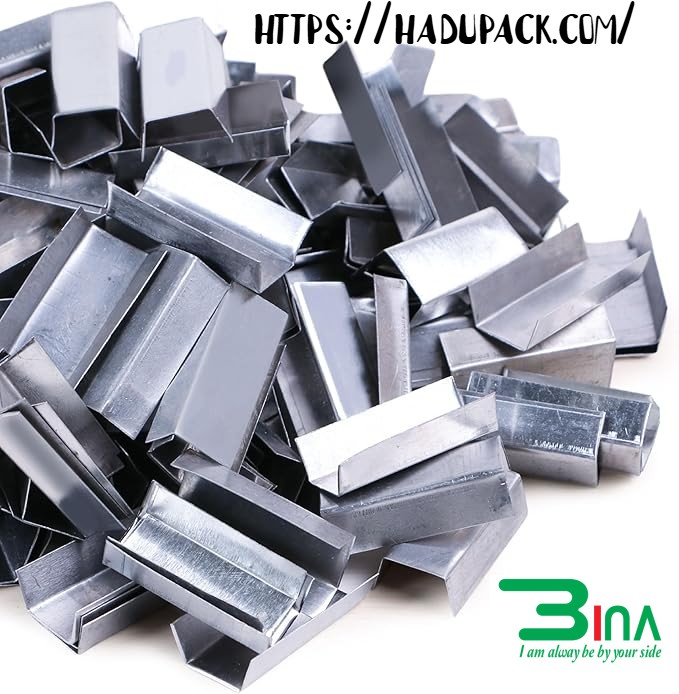
- Packaging and bundling: Used to bundle large items in industries such as steel, wood, construction and glass (steel strapping for packaging).
- Electronic equipment: Used in the production of housings and components for refrigerators, washing machines, etc.
 |
Differences between cold-rolled strip steel and hot-rolled strip steel:
- Hot-rolled strip steel: Usually 2mm-6mm thick, with an oxide layer on the surface, commonly used for general structural components or as raw material for welded pipes.
- Cold-rolled strip steel: Thinner (usually 0,05mm-3,60mm), with a smoother surface, higher precision and stronger performance.
Uses and Manufacturing Methods of Steel Strapping
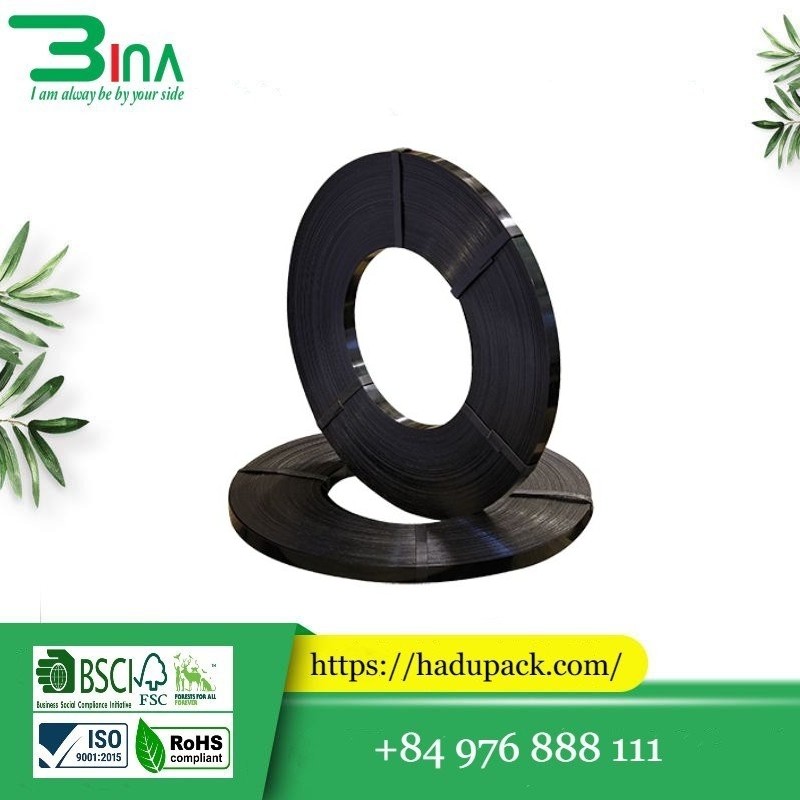
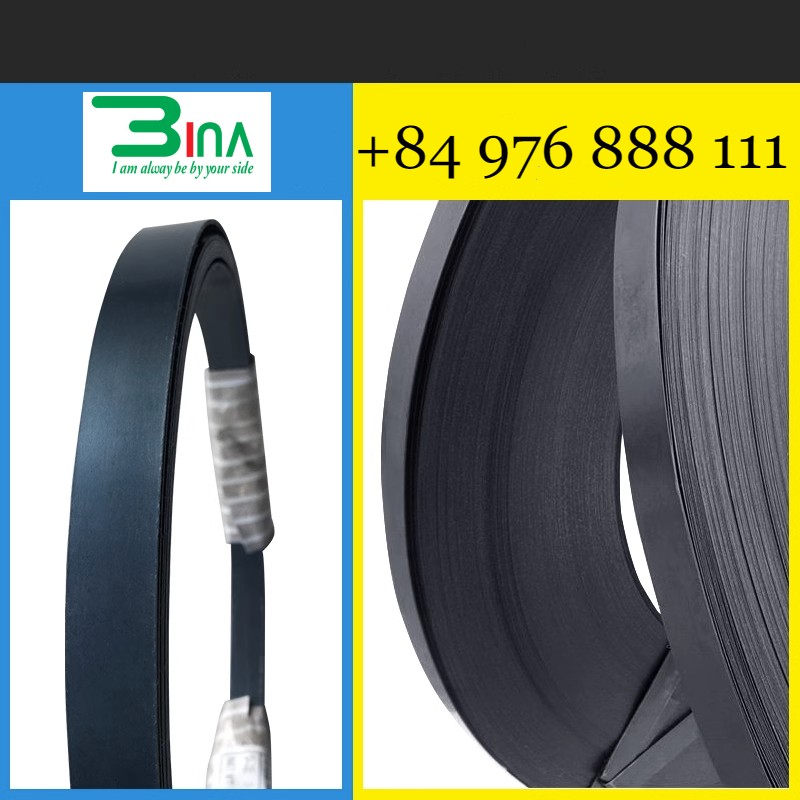
For businesses looking to purchase stainless steel wire and steel strapping products, we have been providing high-quality materials at competitive prices for over 70 years. Steel strapping is a process in which metal straps are fastened around boxes, structures, or other items to secure them so that they do not shift.
 |
 |
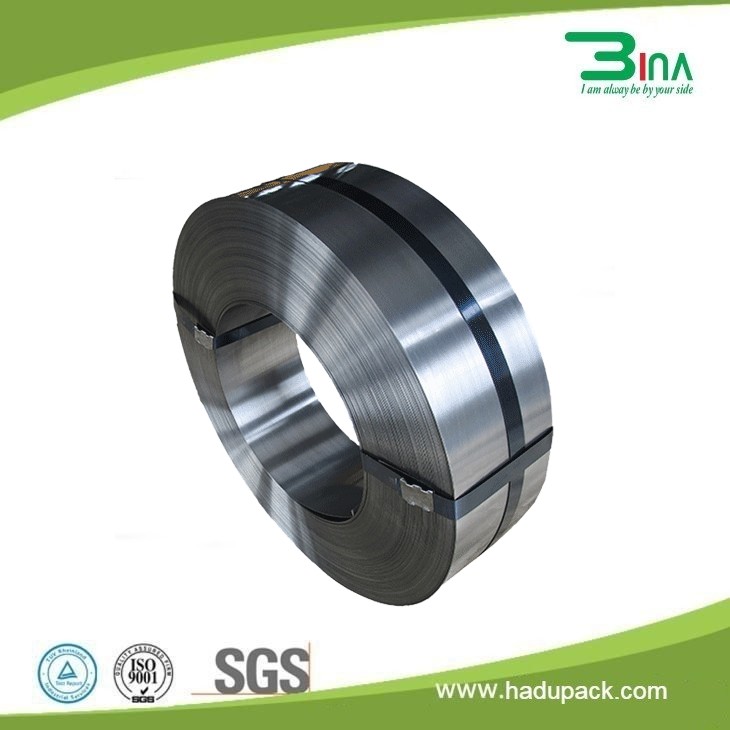
Strip steel production mainly includes processes such as steelmaking, hot rolling, cold rolling, annealing and finishing. Steel billets are rolled into coils through rough rolling and finish rolling, then cold-rolled to adjust the thickness and properties. Finally, finishing steps such as annealing, descaling, leveling and cutting are carried out to produce high-quality strip steel with specific dimensions and mechanical properties. This process typically includes decarburization heating, edge trimming and continuous heat treatment to ensure surface quality.
 |
 |
The specific process for producing steel strip is as follows:
- Raw material processing: Molten steel is processed to obtain steel billets with a chamfered structure.
Hot rolling process: After heating the flat steel billet, it is rolled through a roughing mill and a finishing mill. The steel strip is cooled to an appropriate temperature by a laminar flow cooling system and is finally coiled into a raw steel coil by a coiler. - Cold rolling and preheating: Cold rolling is used to achieve high thickness accuracy. Before entering the high-temperature stage, the steel strip is preheated to approximately [temperature missing] to burn off carbides on the surface and ensure surface smoothness.
- Continuous operation and trimming: Steel coiling is carried out using a feeding frame, and the lap pressure welding method is used for welding. Loop formation ensures continuous production.In the trimming section, the V-shaped roller extrusion method is used to remove edge burrs, and flat rollers are used to correct the shape of the sheet.
- Heat treatment and finishing: Quenching is performed by high-frequency induction heating, followed by counterflow cooling by immersion, and then tempering using a semiconductor ultra-high-frequency power source. Finally, the product is inspected and packaged.
 |
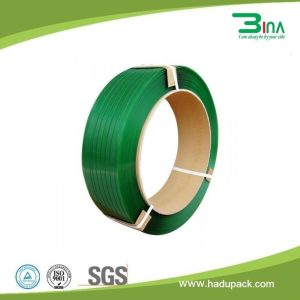
Stainless steel strapping
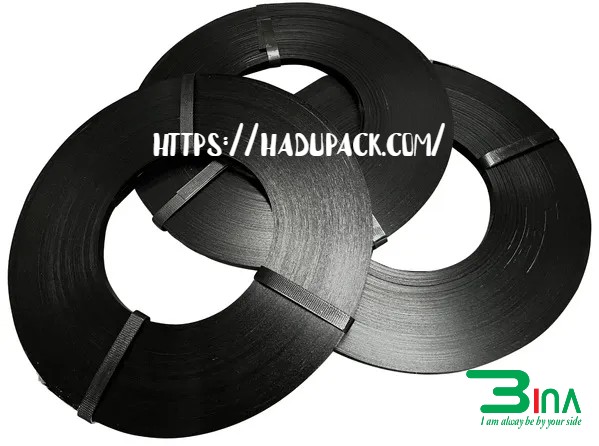
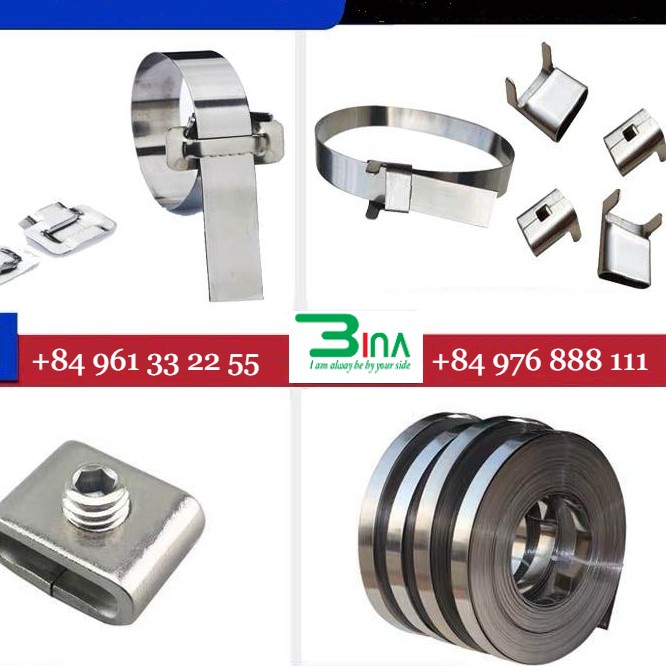
Stainless steel is the most common material used to make metal strapping. This material can be manufactured in various sizes, all of which are welded and shaped to comply with the specifications of the product that the strapping will be used to secure.
It has extremely high tensile strength, meaning it can hold very rigid objects without stretching. However, if the steel breaks, it will become obsolete and ineffective. A very large force is required to break the belts, and they will not simply bend and continue functioning.
 |
 |
 |
◆Learn more:
- https://hadupack.com/danh-muc/day-dai/
- https://hadupack.com/san-pham/day-dai-nhua-pet/
- https://hadupack.com/san-pham/day-dai-nhua-pp/
Uses of steel strapping
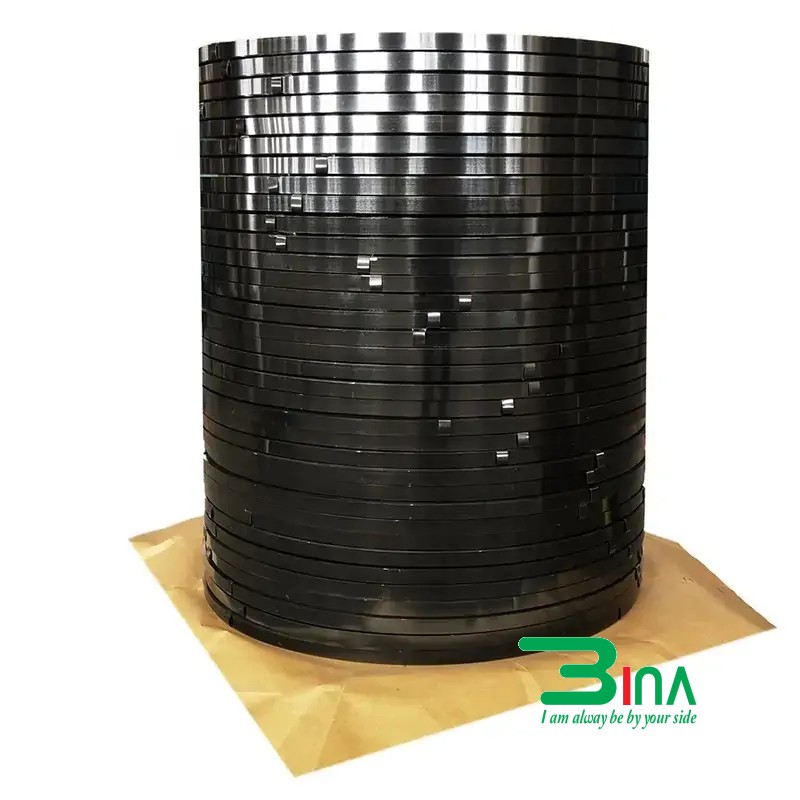
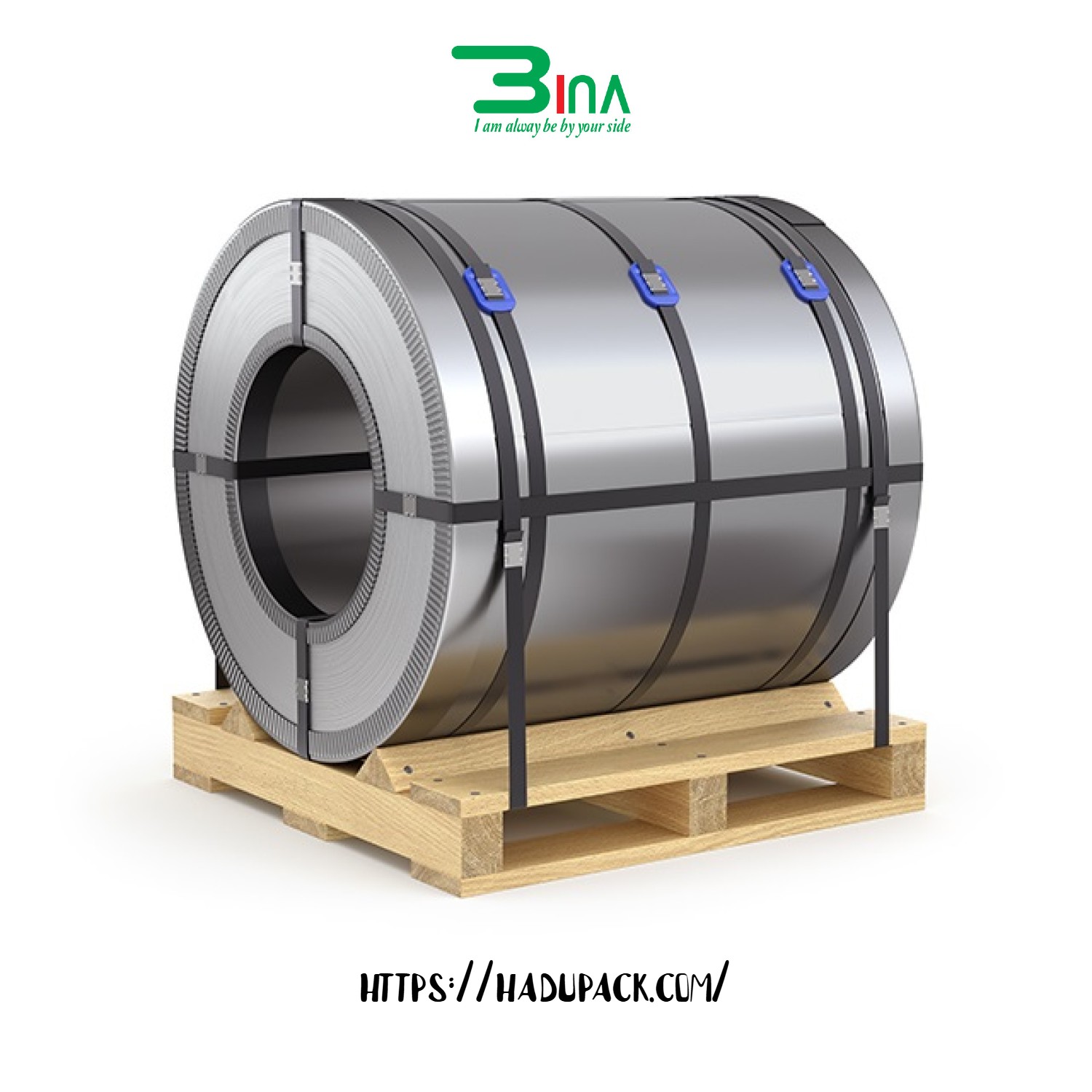
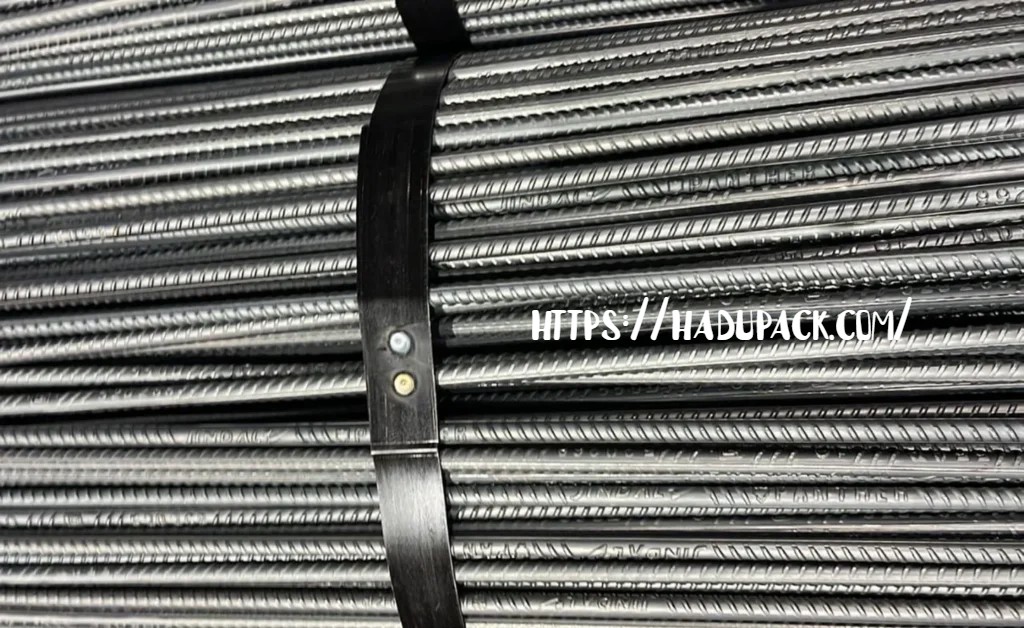
Steel strapping is commonly used to bundle durable steel coils, paving stones and bricks, coil ends, bale ties and other metals together. Other common uses of steel strapping include:
- Helps secure packaged glass to ensure that it is firmly locked in place, so that no scratches, damage or breakage occur.
- Secure large loads inside large containers such as trailers, freight cars and semi-trailers.
- Seal metal shipping containers and corrugated storage boxes tightly.
- Lock items into the correct positions on crates and pallets.
- Secure smaller items, such as books, small packages, newspapers, paper, tools, etc., for handling and transportation.
 |
Joining process
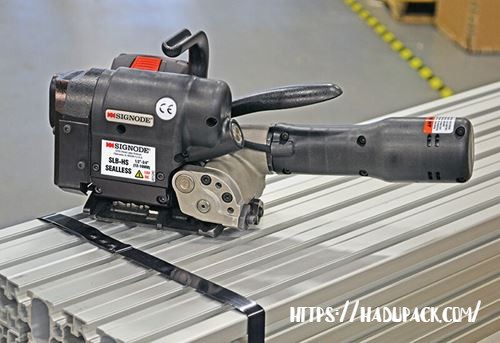
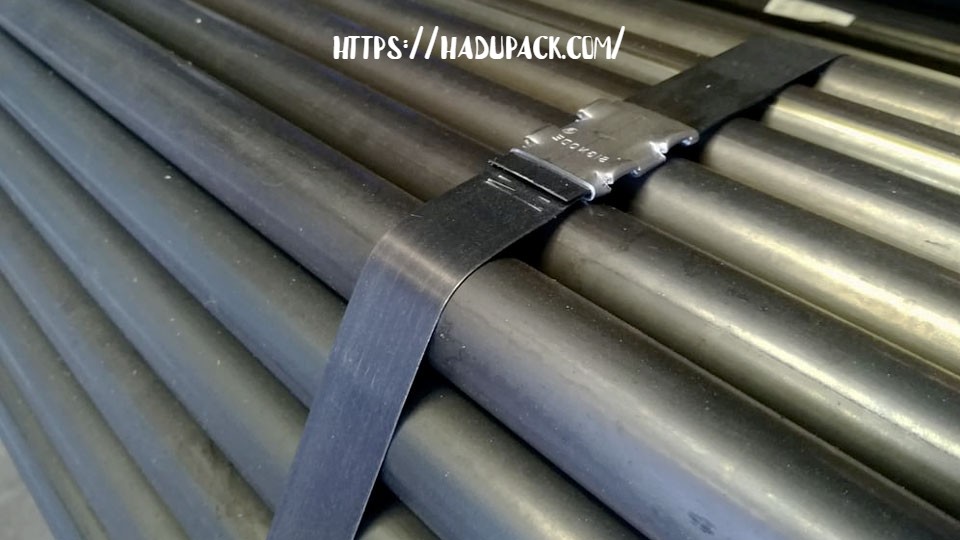
When a company has decided what they will secure and what type of strapping they intend to use, the strapping will be tensioned to the highest level, then sealed to itself. For thinner strapping, ideal for heavier, tougher and larger equipment and jobs, a hammer can be used to seal the strapping to itself. However, if the strapping is slightly thicker, the sealing process is usually best carried out by crimping and sealing, welding or using a notched joint.
 |
Additionally, metal strapping can be joined by galvanizing. This process involves coating the iron or steel with a layer of zinc for protection. This process will protect the strapping while also protecting it from corrosion. For more information or to purchase steel strapping materials, simply browse our website https://hadupack.com.
How to Choose Good Steel Strapping
Selecting high-quality strip steel requires a comprehensive consideration of material properties, manufacturing processes, and application scenarios. High-quality strip steel typically offers high strength, good fatigue resistance, precise dimensional tolerances, and a smooth surface finish. Key factors include selecting the appropriate material (carbon steel, stainless steel, or alloy steel), confirming the cold-rolling or hot-rolling process, inspecting hardness and surface quality, and ensuring that the material meets the corrosion resistance and wear resistance requirements of the working environment.
 |
1. Material and steel grade selection (Material determines performance)
- High-quality carbon structural steel (e.g.: 45#, 65Mn): Has good mechanical properties and low phosphorus and sulfur impurity content, and is commonly used in chains, tools, and measuring instruments.
- Stainless steel (e.g.: 304, 316, 420, 430): Strong oxidation and corrosion resistance. 304/316 have excellent corrosion resistance, while 420 is suitable for cutting tools requiring high hardness.
- Alloy spring steel (e.g.: 60Si2Mn): Has high elasticity and fatigue resistance, making it suitable for heavy-load applications. High-carbon steel (carbon content >0,60%): Used to manufacture tools requiring hardness and wear resistance.
 |
Process and Surface Quality
- Cold Rolling vs. Hot Rolling: Cold-rolled steel strips offer higher dimensional accuracy and a better surface finish, making them suitable for precision machining.
- Surface Treatment: High-quality steel strips should have a smooth surface, free of cracks and decarburized layers. Polished, surface-ground, or coated steel strips are selected according to requirements.
- Mechanical properties: Check whether the strength and hardness meet the application requirements, such as whether the fatigue life under high loads is sufficient.
3. Geometric dimensions and uniformity
- Dimensional accuracy: High-quality strip steel has very small deviations in width and thickness, even achieving high dimensional precision as required.
- Straightness: High-quality strip steel needs to have good straightness along its length, without warping or twisting.
4. Brand and technical support
Brand: Brands with more than a century of experience or leading technology in strip steel manufacturing often provide high-quality finished products and superior weldability.
In summary, high-quality strip steel needs to be comprehensively evaluated based on its specific application (such as machinery manufacturing, toolmaking, or electronic applications) in terms of material, heat treatment durability, dimensional accuracy, and surface finish.
 |
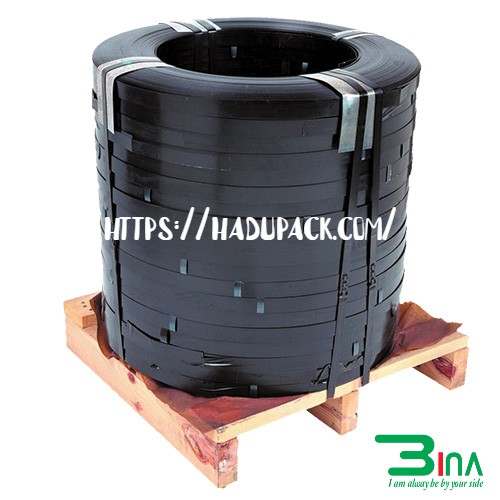
How to store steel strapping
The most important thing when storing steel plates is to prevent moisture, prevent corrosion, and keep them in clean, well-ventilated conditions. They should be stored in a closed, dry, well-ventilated warehouse, with a level floor and supported by spacers (covered on top and padded underneath). Avoid storing them together with corrosive substances such as acids, alkalis, and salts. Regularly check humidity and airtightness to extend the service life of the steel plates.
The specific storage requirements are as follows:
Site selection: Choose a clean warehouse with good drainage, away from factories or mines that produce toxic gases or dust.
- Warehouse requirements: Use an enclosed warehouse (with a roof, walls and windows, doors kept closed) with a ventilation system. Ventilate on sunny days and keep the warehouse closed to avoid dampness on rainy days.
- Stacking steel plates: Steel plates must avoid direct contact with the ground. They must be covered on top and cushioned underneath (using wooden planks or iron pads) to prevent localized rusting and deformation.
- Storage by type: Different types and specifications of steel plates must be stacked separately. They must not be stored together with substances that corrode steel, such as acids, alkalis, salts and cement.
- Maintenance and upkeep: Regularly check the humidity in the warehouse, especially after rain. If there is moisture, ventilate or remove the moisture immediately.
- The durability of the packaging should be checked before storage. Immediately repair any damaged packaging.
 |
How to buy steel strapping
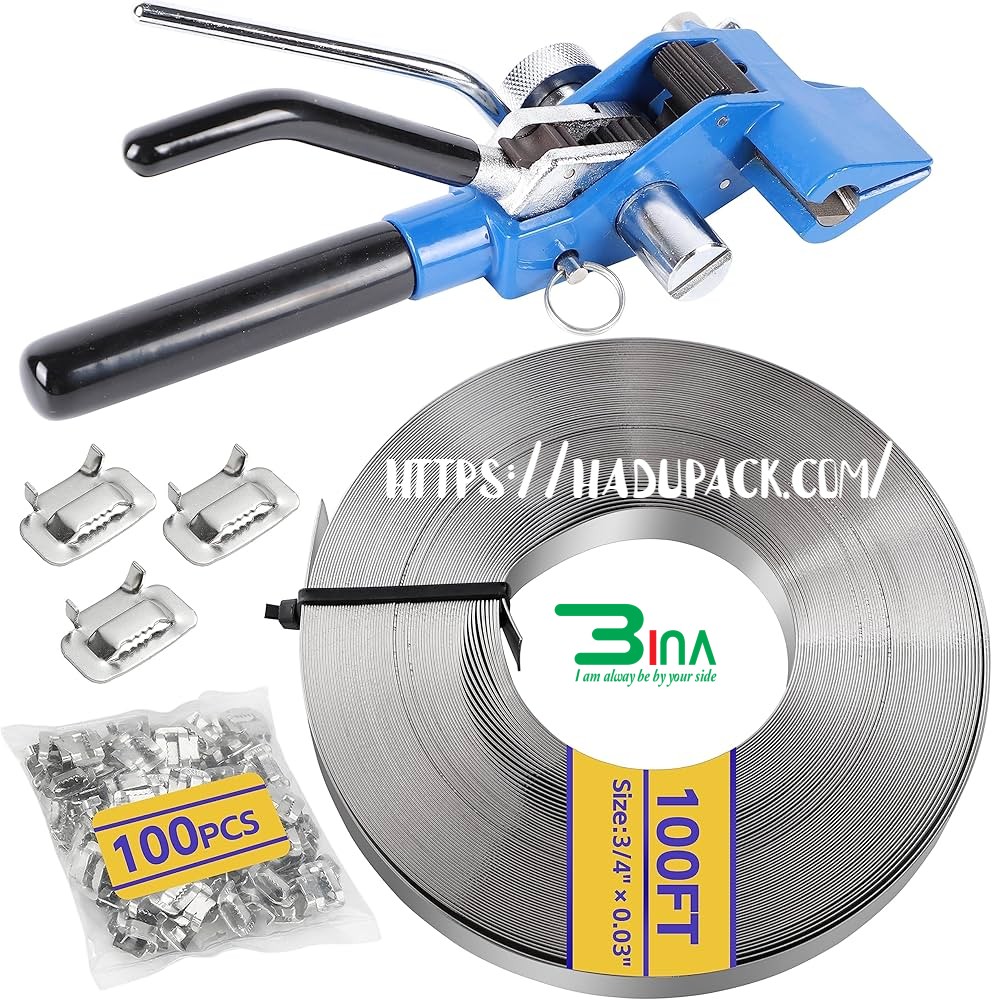
You can buy steel bars through industrial e-commerce platforms (such as Misumi and Wurth), traditional steel markets, building materials stores or by contacting manufacturers directly.
First, you need to determine the required type (packaging, fastening, stainless steel, etc.), material, thickness, width, and length. When requesting a quote, you need to specify the durability requirements and find a supplier that provides after-sales technical support to ensure quality.
 |
The specific purchasing process and suggested channels are as follows:
**Determine the requirements:** Identify the intended use, such as bundling, securing (in harsh environments), tying structural components, etc.
**Determine the material requirements (e.g., stainless steel) and coating.**
- Online industrial platforms: Search for products with specific technical specifications on platforms such as Misumi or Wurth. These platforms provide detailed product parameters and technical specifications.
- Direct purchasing: Check the surface treatment, hardness and packaging of steel bars at local metal material markets or large building materials and electrical equipment markets.
- Contact the manufacturer directly: For large quantities, you can contact professional steel plate manufacturers directly to get more competitive prices and customized services https://hadupack.com
When purchasing, pay attention to the product’s rust resistance, tensile strength, and surface coating to ensure that the product meets the requirements of the actual working environment.









Reviews
There are no reviews yet.