



Description
Steel strapping tensioning tool
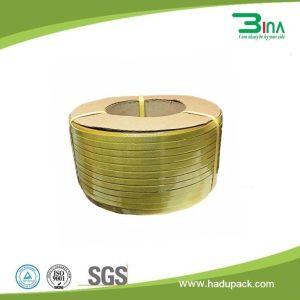
Steel strapping tensioning tools are industrial packaging equipment specifically designed to tension, seal, and cut heavy loads using steel strapping (a high-tensile-strength, extremely low-elongation binding material). They are widely used in industries such as metal, building materials, and machinery, ensuring safe transportation by wrapping and securing steel strapping around objects. Based on their power source, they are mainly divided into three types: manual, pneumatic, and battery-powered (no seal required).
 |
Structure of Steel Strapping Tools
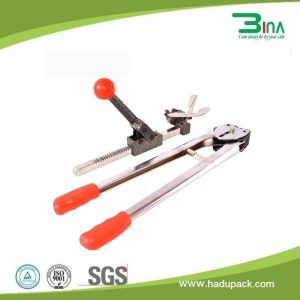
Steel strapping tools generally consist of a frame, tensioning mechanism, sealing (locking) mechanism, and cutting mechanism. They are manufactured with a sturdy construction using precision casting methods. The core structure includes a tensioning wheel (which tightens the steel strap through a lever or pneumatic drive), locking teeth or clamping device (for buckle-free connection or sealing of the steel strap), and blade (for cutting off excess steel strap). The overall design is lightweight and easy to operate, and is widely used for packaging heavy materials such as metal, wood, and other materials.
◆Learn more:
- https://hadupack.com/san-pham/dung-cu-siet-day-dai-nhua/
- https://hadupack.com/san-pham/day-dai-in-logo/
- https://hadupack.com/san-pham/day-dai-thep/
I. Core Structural Components
- Main frame: Usually made of precision-cast high-strength alloy, it houses all working components and serves as the tool’s support structure.
- Tensioning mechanism: Consists of a tensioning wheel, ratchet, lever, or cylinder. Its main function is to rotate the tensioning wheel, continuously tightening the steel strap until the required tension is achieved.
 |
 |
Sealing/locking mechanism:
- Clamping type: The steel strap (lock) is pressed onto the steel strap using pressing blocks.
- No-clamp type: A special punching mechanism creates interlocking joints between the male and female ends of the steel strap, eliminating the need for steel locks. The structure, as shown in the diagram, typically includes a dual power unit.
- Cutting mechanism: The blade assembly cuts the end of the steel strap by pressing down on the handle or through pneumatic actuation.
II. Main Classifications and Structural Features
- Manual steel strapping tools: For example, model A333, these tools typically integrate tensioning, sealing, and cutting functions into one device. Using the pendulum principle, they have a simple structure and are very easy to move.
- Pneumatic steel strapping machines: The core structure includes a cylinder, pneumatic motor, and feed roller assembly. Powered by compressed air, they are suitable for high-intensity industrial strapping, providing more reliable joints.
- Separate-type tools: The tensioning unit and sealing unit are separated. The tensioning unit is suitable for strapping round or specially shaped objects.
III. Structural Design Principles
- High reliability: The locking tooth design ensures clamping force at the steel strap joint, preventing heavy packages from falling apart.
- Easy operation: The tools are usually equipped with an operating handle and a clamping handle. Some handles use a hollow round-tube structure, which reduces weight while ensuring strength and even force distribution.
In summary, steel strapping tools, through a reasonable and compact mechanical structure, perform the tying, locking, and cutting of steel straps, making them indispensable tools in the logistics and manufacturing industries.
 |
Classification of steel strapping tools
- Manual steel strapping tools: Usually include a tensioner and a sealer, suitable for mobile operations or light-load strapping, with lower costs.
- Pneumatic steel strapping machines: Powered by compressed air for strong, high-efficiency operation, suitable for heavy-duty industrial applications.
- Electric rechargeable/battery-powered steel strapping machines: Such as Signode BST, offering superior portability and fast sealing without the need for seals, reducing seal wear.
 |
Main uses of steel strapping tools:
Steel strapping tools are essential for packaging heavy goods, such as:
- Metal industry: Bundling steel coils, metal sheets, pipes, and profiles.
- Construction materials industry: Securing bricks, precast concrete components, wood, etc.
- Large machinery: Reinforcing machinery and equipment in export packaging.
 |
Instructions for using a steel strapping tensioning tool
Steel strapping packaging machines are mainly divided into manual separate types (tensioner + sealer) and combination types. The operating process is generally as follows: wrap and thread the strap, install the sealer, tension the steel strap, seal the sealer and cut off the excess strap. Cut-resistant gloves and safety goggles must be worn during operation, and the operator must stand to the side in the direction in which the strap may spring out to avoid injury.
I. Operating steps for a manual separate steel strapping packaging machine (Tensioner + Sealer)
Suitable for packaging heavy goods requiring medium to high tension:
- Preparation and strapping: Wrap the steel strap around the package. Hold the strap with your left hand and use your right hand to thread the strap end through the sealer (packaging buckle) and fold it back.
- Installing the tensioner: Raise the tensioner handle and thread the two layers of steel strap between the tensioner base and the rotating wheel.
Adjusting the steel strap:
- Rotate the handle up and down; the tensioning wheel will rotate, tightening the steel strap until the desired tightness is achieved.
Clamping and sealing: Place the clamping device on the sealer and press the clamping handle down firmly to tighten and secure the steel strap. - Cutting the steel strap: Press down the cutter handle of the tension adjuster to cut off the excess steel strap.
Removing the tool: Pull the release handle of the tension adjuster to remove the tool, completing the packaging process.
 |
II. Operating Steps for the Manual Combination Packaging Machine (No Clamping Required)
This machine integrates tension adjustment, locking, and cutting functions into one tool to improve efficiency:
- Threading the strap: Thread the steel strap through the packaging machine, around the item, and simultaneously thread both layers of the strap into the front of the tool.
- Tightening the strap: Turn the handle to tighten the strap.
- Sealing: Turn the long handle once; The tool automatically completes the clamping (sealing without clamping) and cutting.
III. Key Precautions
- Safety protection: Steel straps have high strength; always wear protective gloves during operation.
- Injury prevention: The tail end of the steel strap is very likely to spring out when cut; never stand in front of the strap, operate from the side.
- Tool maintenance: Regularly lubricate the tension wheel and blade.
IV. Application Scope
- Manual steel strap cutter: Portable, requires no electricity, suitable for small- to medium-scale packaging scenarios or mobile on-site operations.
- Stainless steel strap cutting tool: Specially designed to pierce, secure, and cut stainless steel straps.
 |
Maintenance of steel strapping tools
Maintain steel strapping tools by cleaning them daily with compressed air, brushing the tension wheels/teeth with a wire brush, and lubricating moving parts regularly. Check the gripper jaws, cutting blades, or springs for damage weekly and store the tools in a dry, secure place to prevent corrosion and accidental damage.
- Blow away debris: Use compressed air to clean metal shavings and dust, especially from the tension wheel and gripper areas.
- Brush the teeth: Clean the feed wheel and toothed plate with a brass wire brush after each shift to maintain grip.
- Check the gripper jaws and cutting blades: Check for worn gripper jaws and dull cutting blades, and replace them to prevent weak joints.
 |
Preventive maintenance:
- Lubrication: Regularly oil the designated lubrication points and moving joints, especially if the tool is used in a high-humidity environment.
- Fastener inspection: Ensure all screws and bolts are tightened to prevent misalignment, which can cause uneven tension.
- Battery care: For battery-powered tools, charge the battery properly and avoid fully discharging it to maximize battery life.
Safe operation and storage:
- Proper storage: Store the tool in a dry place to prevent rust. Using a desiccant in the tool case can help.
- Proper use: Only use the tool with the recommended steel strap size to avoid damaging the tensioning and cutting components.
- Operator training: Proper training helps reduce premature wear caused by drops and improper tensioning.