


Temperature warning labels
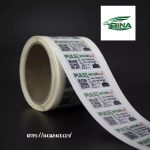
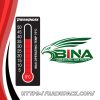
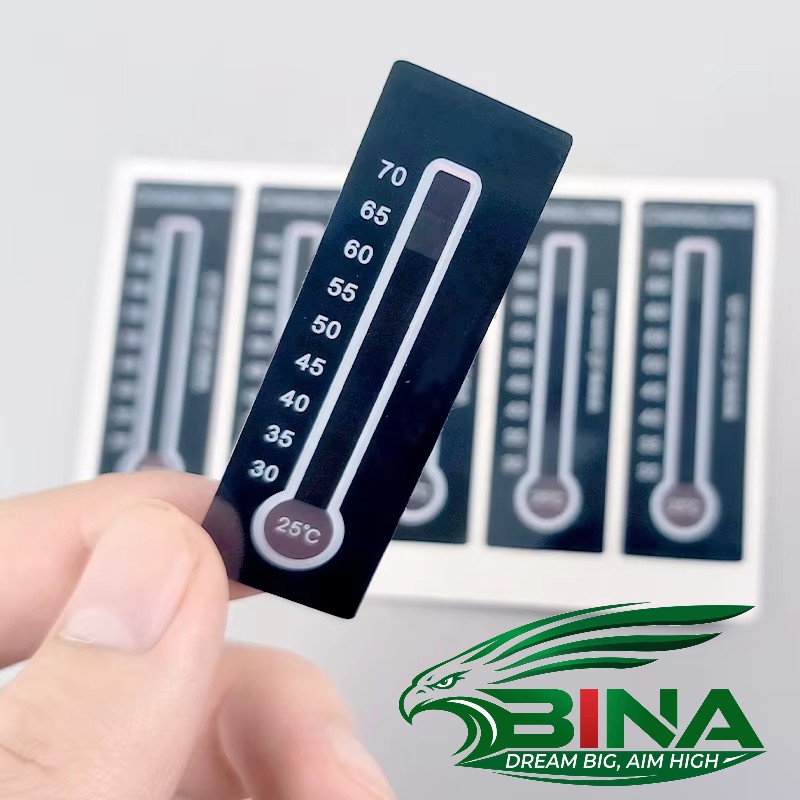
Temperature warning labels are safety and quality management tools used to identify, monitor, or detect the hazards of high and low temperatures. They are mainly divided into three types:
 |
- Graphic warning labels
- Temperature-sensitive color-changing labels
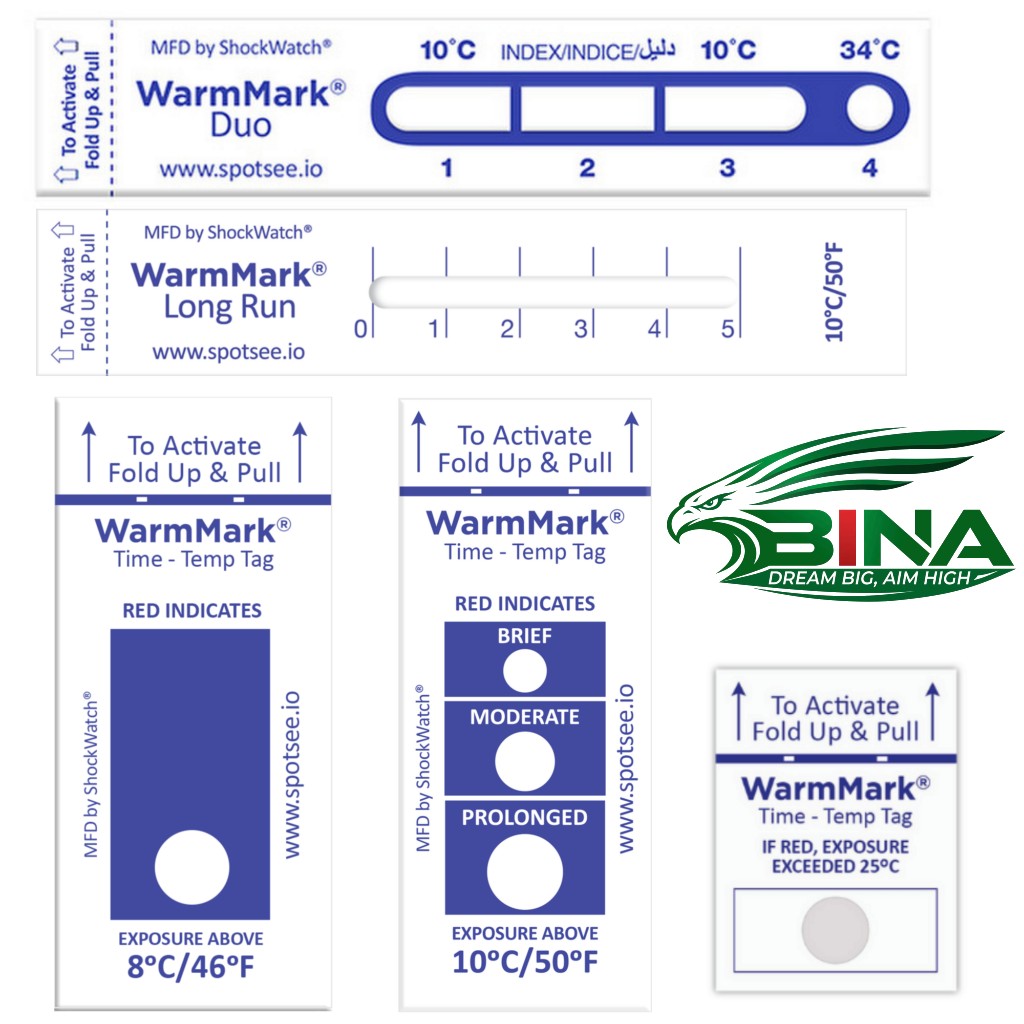
- Cold chain shipping labels
They prevent burns to people or ensure the temperature safety of goods through visual symbols or chemical reactions.
 |
◆Learn more:
Main types of temperature warning labels:
- Graphic warning labels: Printed on a yellow background with a black triangle or a hot hand symbol, and affixed to the surfaces of machinery and equipment to remind personnel to pay attention to high temperatures and avoid touching them.
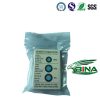
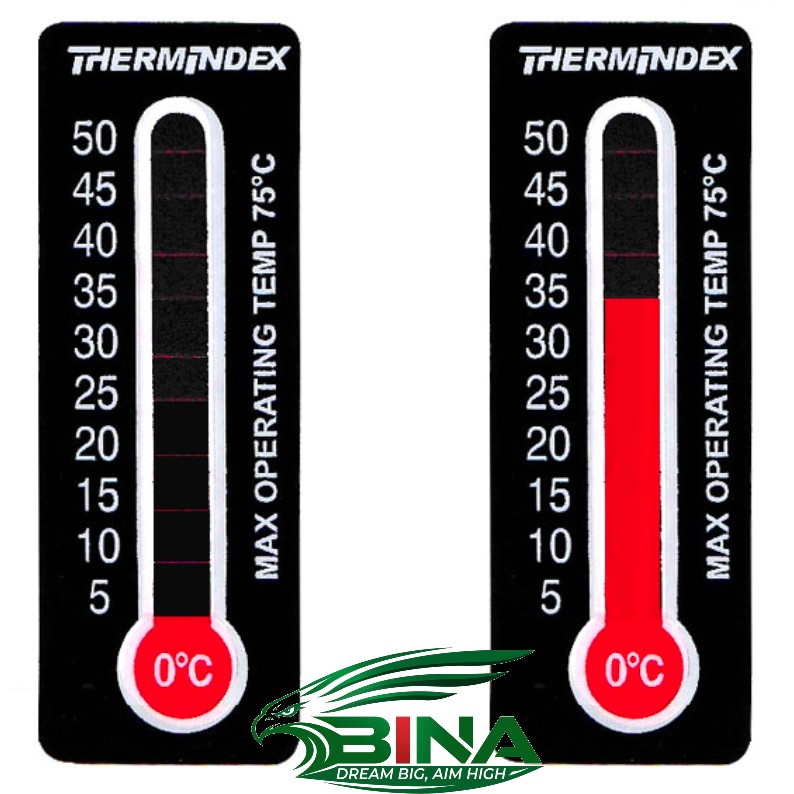
- Temperature-sensitive color-changing labels: Use special heat-sensitive materials that change color (reversibly or irreversibly) when the environment or object surface exceeds a specific temperature, and are used to monitor overheating of electronic components or machinery.
- Cold chain monitoring labels: Used in the transportation of food or pharmaceuticals to monitor exposure to non-compliant high- or low-temperature environments; once the color changes, it cannot be reversed, and the label records the history of overheating.
Main application scenarios:
- Industrial safety: Burn warnings for heated machinery, pipelines, and transformer enclosures.
- Electronics and electrical: Overheating warnings for circuit boards and bus connectors.
- Transportation and logistics: Monitoring temperature violations for sensitive items such as vaccines and fresh food.
 |
Temperature warning label production process:
The core of producing temperature warning labels lies in precisely laminating temperature-sensitive indicator materials (such as liquid crystals, temperature-sensitive color-changing dyes or shape-memory polymers) between a heat-resistant substrate layer and a protective layer. This ensures that the label produces an accurate, irreversible or reversible visual change at a specific temperature. These labels are widely used in demanding fields such as power source traceability, cold chain logistics and the automotive industry. The core laminated structure of a standard temperature warning label usually consists of five or more layers:
- Surface protective film: Usually made of transparent, heat-resistant and UV-resistant PET or polyimide (PI) film, protecting the inner layer from solvents and vapors.
- Temperature-sensitive layer: The core technology of the label, consisting of encapsulated temperature-sensitive color-changing microcapsules, melting chemicals or shape-memory polymers.
- Substrate barrier layer: Usually a white or light-colored substrate, used to highlight the black or red color change of the temperature-sensitive material when it reaches the rated temperature.
- Self-adhesive: Uses permanent pressure-sensitive acrylic adhesive or high-performance silicone, ensuring that it does not peel off at high or extremely low temperatures.
- Release paper/Protective film: Protects the adhesive layer and makes it easy to peel off the label during use.
Main production process: [Substrate preparation and surface treatment] ➔ [Thermochromic coating formulation] ➔ [Precision coating and printing] ➔ [Lamination and laminating] ➔ [Die-cutting and finished product inspection]
1. Substrate preparation and surface treatment: Select the substrate according to the label’s application environment. For general industrial applications, polyester (PET) film is commonly used; for extremely high-temperature environments of 200°C – 320°C (such as printed circuit board soldering), polyimide (PI/Kapton) film must be used as the surface material. The substrate generally needs to undergo corona treatment before printing to improve the adhesion of the thermochromic coating.
2. Formulation of thermochromic ink/material:
- Reversible type (liquid crystal/microcapsule): Temperature-sensitive color-changing dyes are encapsulated using microencapsulation technology and mixed into a water-based or resin-based carrier. The formulation is adjusted to induce changes in chemical bonding or crystal structure within a specific temperature range, exhibiting a reversible color cycle such as red, green, and blue.
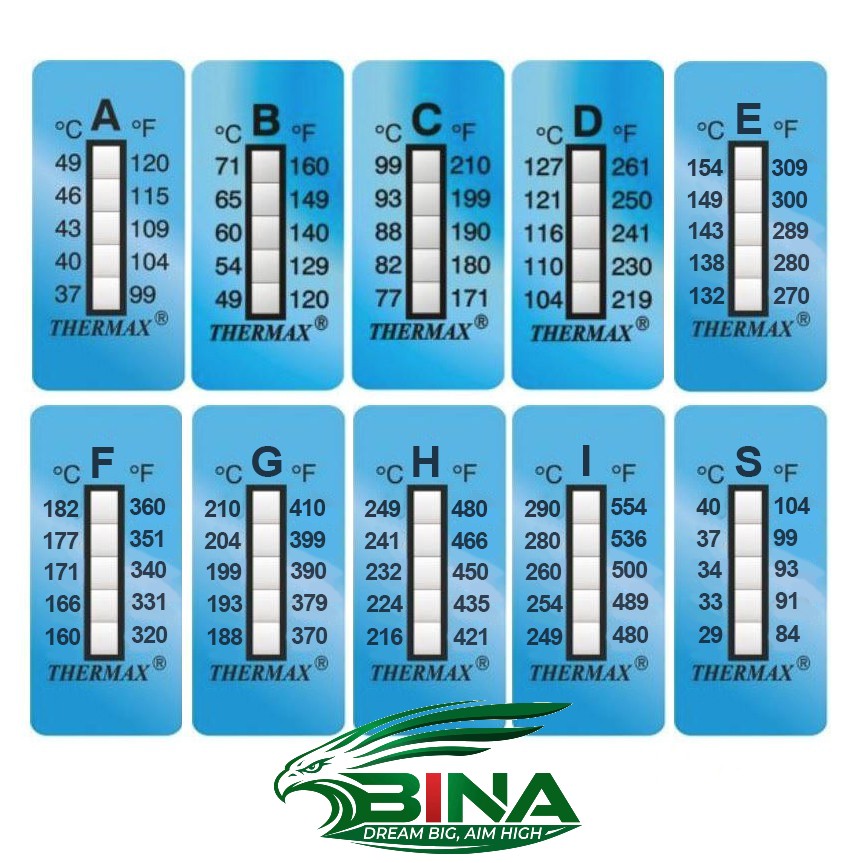
- Irreversible type (melting/phase change): Organic compounds with specific melting points are finely ground and mixed into a curing agent. When the temperature exceeds the specified level, the material melts and is absorbed by the absorbent paper underneath, revealing the previously covered black background, and this black background cannot be restored after cooling.
3. Precise coating and segmented printing: Because temperature warning labels often contain multiple temperature levels (for example: one level, 4 levels or 10 levels), printing usually uses a multi-color flexographic printing or screen printing process: the company logo, warning text and temperature graduation marks on the label are printed with conventional heat-resistant ink. The thermochromic ink for each temperature point is sequentially and precisely coated (or screen-printed) within the corresponding grid or circle area, ensuring that the coating thickness is completely uniform for each level (the thickness is usually controlled at the micrometer level to ensure temperature response time).
4. High-precision lamination and composite printing: The thermochromic layer is very fragile after printing. At this point, the label manufacturing machine uses a cold lamination or hot press lamination process to firmly bond the transparent protective layer coated with pressure-sensitive adhesive to the thermochromic substrate. The lamination process requires strict control of tension and pressure to prevent air bubbles or premature physical damage to irreversible thermochromic materials.
5. Die-cutting, coding and quality control: Die-cutting is performed using a high-precision rotary die-cutting machine or flatbed die-cutting machine to cut large laminated label rolls into individual circles, rectangles or custom shapes, with an automatic waste removal system.
- Laser encoding: Some advanced traceability labels use laser engraving technology to engrave unique QR codes or serial numbers on their surfaces.
Finished product inspection: The production environment must be strictly controlled for temperature and humidity. The QC team will take samples and place them in a standard hot water bath or a precise heating platform to check the temperature calibration of color change, ensuring that the color-change error is controlled within ±1°C to ±2°C. Besides the conventional chemical color-change process, there are two other advanced production processes on the market that use different technological methods:
- Shape-memory polymer process: This process involves pre-deforming a thermodynamic shape-memory polymer film at a temperature higher than its glass transition temperature through stretching, indentation, or flattening. After exceeding this temperature, the polymer’s spontaneous shape-recovery effect causes a pronounced change in physical morphology, serving as a warning.
- Light-activated process (preventing premature color change): To prevent labels from failing prematurely due to excessive temperatures during transportation and storage, some new labels incorporate a light-sensitive blocking layer. These labels are in a “hibernating” state at the factory, activating the temperature-sensing function only after exposure to specific light at the end point of the supply chain or before use.
 |
Instructions for using temperature warning labels
📋 Preparation:
- Check the surface: Ensure the surface to be labeled is clean, dry, and free of grease and dirt.
- Confirm the temperature: Choose a label with a temperature slightly lower than the maximum tolerance limit of the item being checked.
- Control the environment: Apply the label at room temperature (approximately 20℃-25℃).
🛠️ Label application steps:
- Peel off the label: Carefully peel the label from the backing paper, avoiding rubbing or bending the label by hand.
Align: Choose the surface that best represents the actual temperature of the item (for example: the center of the heat source or heat sink). - Press firmly: Apply the label and press firmly with your finger for a few seconds to ensure the edges are fully adhered.
👀 Reading and monitoring the results:
Regularly check for changes in the color of the label window.
- Assess the color change: The window changes from its original color (usually white or a light color) to black or the specified warning color.
- Assess the status: When the color changes, it indicates that the object has reached or exceeded the rated temperature indicated on the label.
- Irreversible: The color will not return to its original state after the temperature decreases, providing permanent evidence of overheating.
📦 Storage and precautions:
- Store away from heat sources: Store in a dry, cool, dark place, below the activation temperature of the label (for example, in a refrigerator, but avoid moisture).
- Avoid direct sunlight: Avoid direct sunlight and strong ultraviolet rays to prevent premature aging of the label material.
- Single use: This label is a single-use consumable; it must be replaced with a new label after the color changes.