



Description
What is a plastic strapping tensioner?
A plastic strapping tensioner, or plastic strapping tool, is a device used to fasten, secure, and cut plastic packaging straps (such as PP or PET straps). They are widely used in logistics, warehousing, and manufacturing to secure goods during transportation and storage. These tools can be classified into manual, pneumatic, and battery-powered types, significantly improving packaging efficiency and allowing straps to be tensioned and sealed quickly.
 |
◆Learn more:
- https://hadupack.com/san-pham/day-dai-in-logo/
- https://hadupack.com/san-pham/day-dai-nhua-pp/
- https://hadupack.com/san-pham/day-dai-nhua-pet/
Types and Main Features:
- Manual plastic strapping tools: Usually include a tensioner and sealing pliers, suitable for small-volume, lightweight, or temporary packaging operations.
- Battery-powered plastic strapping tools: Portable, automatically tension, friction-weld, and electrically cut, ideal for high-intensity, mobile industrial applications.
- Pneumatic plastic strapping tools: Operate using compressed air, providing high tension levels, suitable for automatic and semi-automatic packaging lines, whether vertical or horizontal.
- Applications: Mainly used for packaging industrial products, securing pallets, packaging cartons, and bundling heavy loads. Compared with metal strapping, plastic strapping tools are safer, more environmentally friendly, and less likely to cause injuries.
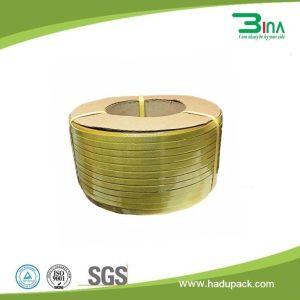
These tools are commonly used with PP (polypropylene) or PET (polyester) plastic strapping, securely fastening the straps through friction welding or mechanical joints.
 |
Structure of Plastic Strapping Tools
Plastic strapping tools (such as manual strapping machines and buckle-free strapping machines) mainly consist of a strapping mechanism, strap cutting mechanism, locking mechanism (or welding device), and machine frame. They are designed to strap, lock, and cut the strap. The main structure includes a highly wear-resistant strapping wheel, a ratchet wheel locking handle, a cutting blade, and a base plate for securing the strap. Some automatic tools use ultrasonic welding or friction welding.
 |
Core structural components:
- Machine frame/Base plate: The supporting frame of the tool, usually made of metal to ensure wear resistance and structural durability.
- Tensioning mechanism (straightening device): Through the ratchet and locking pin structure, rotating the handle tightens the plastic strap (PP or PET), achieving high tensile strength.
 |
Locking/welding mechanism:
- No manual locking required: Based on a specially designed quick-connect fitting, the strap is folded and tightened through a mechanical structure, eliminating the need for metal buckles.
- Electric/pneumatic: Uses principles such as motor friction and ultrasonic heating to quickly weld strap joints.
- Strap cutting device: The cutting blade located on the side of the machine body cuts off the excess strap after locking and welding.
Connecting components: Buckles, hooks, etc., are used to help secure and position packaging straps.
This structural design is simple, easy to carry, and suitable for quickly strapping various types of plastic packaging.
 |
Instructions for using plastic strapping tools
The basic steps for using plastic strapping tools (such as a manual tensioner and pliers) include threading the strap, tightening, locking and cutting. First, wrap the strap around the package, thread it through the slot of the tensioner and tighten the strap using the tensioning lever. Then, install the plastic or metal buckle. Finally, use the pliers to tighten the buckle and cut off the excess strap to ensure a secure seal.
 |
Steps for operating a manual plastic strapping tool:
- Threading and wrapping the strap: Thread the strap through the tensioning tool from underneath, then wrap it around the box to form a closed loop. Thread the other end into the slot on the tensioning tool.
- Tightening the strap: Continuously push the tensioning lever; the tensioner will move the strap until it is tightly wrapped around the box.
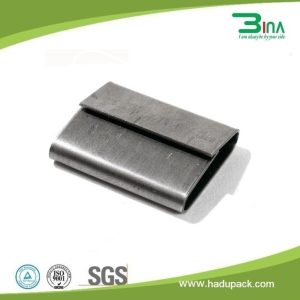
- Installing the buckle: Place a metal or plastic buckle over the two layers of tightly tensioned strap at the top and bottom, ensuring the buckle holds the strap securely.
- Locking and Cutting: Use strap sealing pliers (clamp) to press the buckle tightly; the buckle will deform and clamp the strap securely. Finally, cut off the excess strap to complete the process.
 |
Different types of packaging tools:
- Manual strapping tensioner + packaging pliers: The most common combination, low cost, suitable for light and small packages.
- Handheld electric strapping machine: Can complete strap tensioning, friction welding (no buckle required), and strap cutting with just one click, highly efficient, suitable for industrial logistics.
- Usage notes: Wear gloves during operation to avoid scratches from the edges of the straps. Ensure the package is neatly arranged before tightening.
 |
Maintaining plastic strapping tools
The key to daily maintenance of plastic strapping tools (manual, electric, pneumatic) lies in keeping them clean, lubricating them regularly, and checking the wear of components to extend their lifespan and ensure strapping efficiency.
 |
Key points for daily maintenance:
- Keep clean: Use high-pressure compressed air to blow away debris and dust accumulated in grippers, cutting blades and welding points to prevent blockages that could affect work.
- Lubrication: Regularly apply lubricating oil to moving parts such as spindles, bearings and connecting rods to reduce wear, especially in high-frequency working environments.
- Clean welding components: Clean the welding plates of electric/pneumatic tools, use a brush to remove excess plastic and ensure secure welds.
- Check tightness: For hand tools, regularly check for loose screws and deformed handles; for power tools, regularly tighten housing screws.
- Blades and gears: Check for dull cutting blades and worn grippers (flattened teeth). Replace when necessary to ensure clamping force.
- Battery and compressed air supply: Keep power tool batteries clean and dry to prevent oxidation of the charging terminals; pneumatic tools must be equipped with an oil-water separator to prevent cylinder rust.
Regular inspections help detect faults early and avoid downtime that affects production.