


PLASTIC PACKAGING
What is plastic packaging?
One of the 4 main materials in the packaging industry. Plastic packaging refers to packaging made of plastic. Plastic is made primarily from synthetic or natural polymer resins. After adding various additives, it becomes malleable under certain temperatures and pressures and can retain its shape after cooling.
 |
The process in which natural or synthetic polymer resin molecules are in a molten state and the additive molecules are evenly distributed around them is called the plasticization process. If this process is achieved, it is called plasticization. If it has not yet been achieved, it is considered not to have been plasticized. Plastic packaging is one of the 4 main types of materials in the packaging industry: paper and cardboard account for 30%, plastic accounts for 25%, metal accounts for 25% and glass accounts for 15%.
 |
☞See more:
- https://hadupack.com/en/danh-muc/bang-dinh/
- https://hadupack.com/en/danh-muc/mang-xop/
- https://hadupack.com/en/danh-muc/day-dai/
- https://hadupack.com/en/danh-muc/tui-phuc-hop/
Classification of plastic packaging:
Plastics can be divided into two types based on their respective properties: thermoplastics can be melted and molded repeatedly while essentially retaining their properties, whereas thermosetting plastics can only be melted and molded once.
According to their applications, they can be divided into general-purpose plastics, which are widely used, inexpensive, and have good overall properties, such as PE, PP, PVC, PS, and amino-based resins; plastics with good mechanical and physical strength that can be used in engineering machinery as substitutes for engineering plastics such as: ABS, nylon, polyester, POM, TPX-1, etc. And a type of engineering plastic with exceptionally superior special properties, such as special plastics with particularly good radiation resistance, high-temperature resistance, etc., such as polyarylsulfone, liquid crystal polymers, etc. According to the crystalline size of thermoplastic molecules, thermoplastics can be divided into two types: amorphous polymers and crystalline polymers.
 |
Key features of plastic packaging
The main properties of plastics are:
- First, with low density and high specific strength, higher packaging efficiency can be achieved, that is, “packaging volume or packaging area per unit mass”.
- Second, most plastics have good chemical resistance, resistance to acids, alkalis and various organic solvents. They will not oxidize if stored for a long time.
- Third, they are easy to shape, and the energy consumption required for shaping is lower than that of metal materials such as steel.
- Fourth, they have good transparency and are easy to color.
- Fifth, they have good toughness, high strength per unit weight, impact resistance and are easy to modify.
- Sixth, low processing costs.
- Seventh, excellent thermal insulation.
 |
Characteristics of Different Types of Plastic Packaging
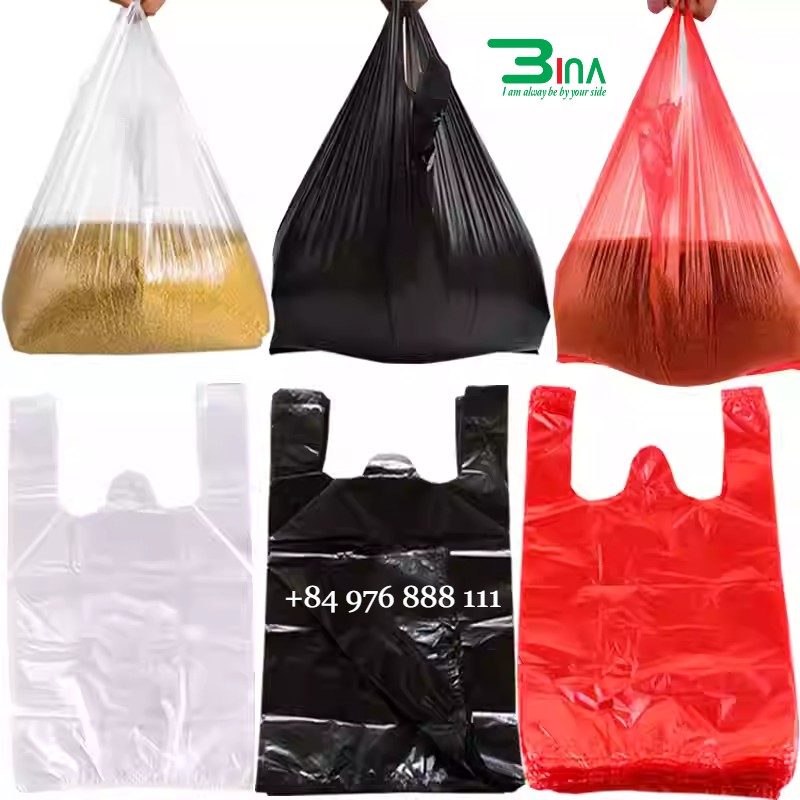
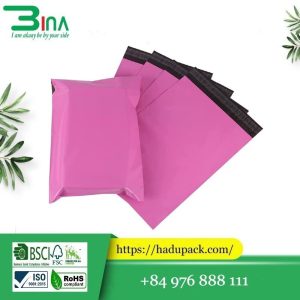
Plastic packaging bags can be divided into OPP, CPP, PP, PE, PVA, EVA, composite bags, co-extruded bags, etc. according to their materials.
OPP plastic bags:
Characteristics: Rigid, does not change after stretching. It cannot be stretched (stretched in two directions), and the single sheet is folded in half and the edges are heat-sealed and sealed. The maximum length must not exceed 640m/m. The single sheet is 1.28M long and 0.6M wide.
- Advantages: good transparency.
- Disadvantages: The two-sided adhesive strips are easily torn.
PP plastic bags: Polypropylene
Characteristics: The rigidity is second only to OPP, can be stretched (stretched in two directions) and can be stretched into a triangle shape, with the bottom or side sealed (envelope bag), tubular material. Transparency is poorer than OPP.
PE plastic bags: Polyethylene
Characteristics: Contains formalin, slightly less transparent.
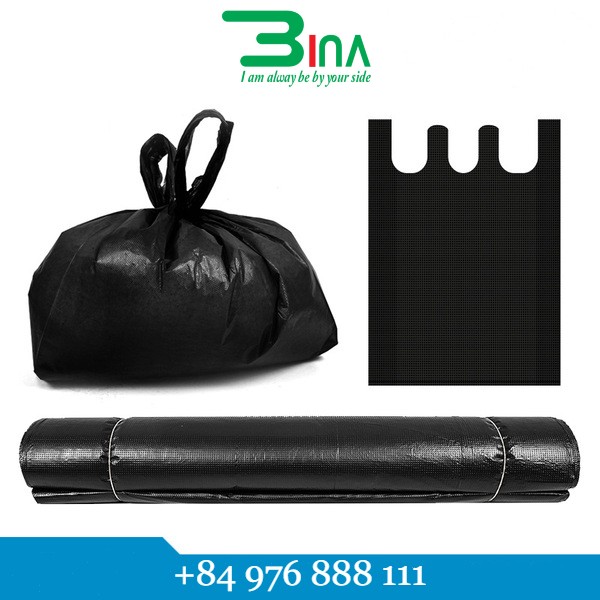
- HDPE: High-density low-pressure polyethylene. High-density polyethylene has a crisp feel and is often used to make vest bags.
- LDPE: Low-density polyethylene has a soft feel when touched.
PVA plastic bags: Vinylon
- Features: Environmentally friendly material, will dissolve in water. This raw material cannot currently be produced domestically and must be imported from Japan, is expensive, and is widely used overseas.
- Advantages: soft and transparent, non-polluting.
CPP plastic bags:
Features: non-toxic, can be combined, better transparency than PE, slightly lower rigidity. It will stretch out after being pulled and has a soft texture, with the transparency of PP and the softness of PE.
Composite bags:
Features: strong edge seals, printable, and the ink will not come off.
Co-extruded bags:
Features: good transparency, soft texture, printable.
 |
Blister molding:
A type of plastic processing technology. The main principle is to heat and soften a flat, rigid plastic sheet, then use vacuum suction to draw it onto the surface of a mold, and finally cool it to form the desired shape. It is widely used in plastic packaging, lighting, advertising, decoration, and other industries.
Blister packaging:
A general term for using the blister molding process to produce plastic products and using corresponding equipment to package the products.
- Features: The main advantages of blister packaging are that it saves raw and auxiliary materials, is lightweight, easy to transport, has good sealing performance, and meets the requirements of environmentally friendly green packaging; cushioning materials need to be added for packaging; the packaged products are transparent and visible, have an attractive appearance, are easy to sell, are suitable for mechanized and automated packaging, facilitate modern management, save labor, and improve efficiency.
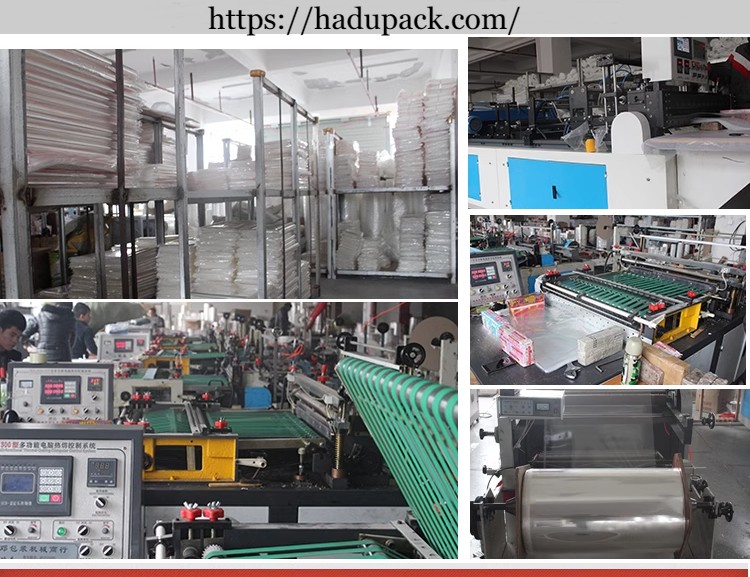
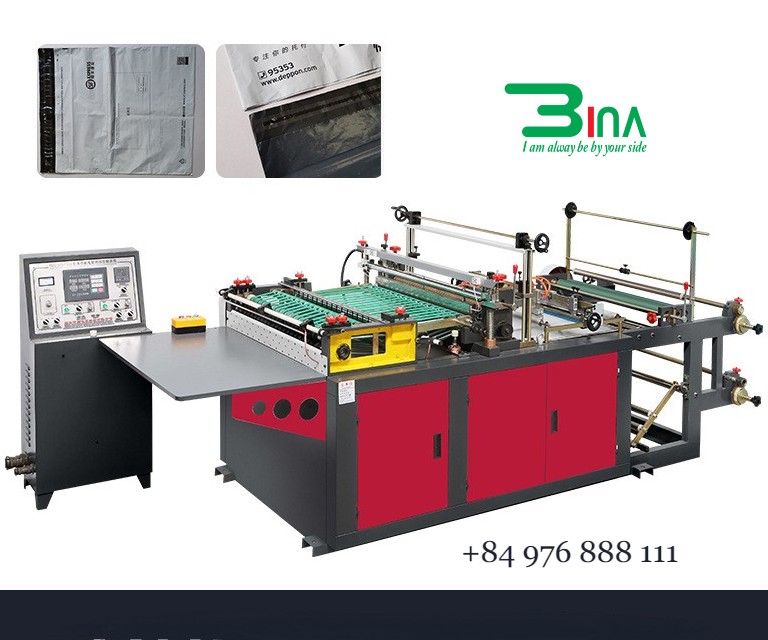
- Equipment: Blister packaging equipment mainly includes: blister forming machines, punching machines, sealing machines, high-frequency machines, and folding machines.
- Product classification: Packaged products can be divided into insert cards, suction cards, double blisters, half blisters, half-fold blisters, triple-fold blisters, etc.
PPO Plastic:
PPO plastic, whose English name is polyphenylene ether. It has the advantages of high rigidity, high heat resistance, flame retardancy, high strength and excellent electrical properties. In addition, polyphenylene ether also has the advantages of wear resistance, non-toxicity and pollution resistance. The dielectric constant and dielectric loss of PPO are among the lowest of engineering plastics. They are hardly affected by temperature and humidity and can be used in low-, medium- and high-frequency electric fields. The load deformation temperature of PPO can reach above 190oC and the embrittlement temperature is -170oC.
Pure PPO material has the disadvantages of poor flowability and high cost. The products sold on the market are all modified products with excellent comprehensive properties.
Applications:
- PPO plastic is widely used in: electronics and electrical applications: it can meet the requirements for excellent insulation under conditions of humidity, load and high temperature. It is used to manufacture TV integrated circuit regulators, coil cores, microwave insulation components, protective sleeves. and high-frequency printed circuit boards, various high-voltage electronic components, TVs, computers, fax machines, photocopier housings, etc.
- Automotive industry: suitable for dashboard components, window frames, shock absorbers, pump filters, etc.
- Machinery industry: used for gears, bearings, pump blades, wind turbine blades,..
- Chemical industry: used to manufacture corrosion-resistant components such as pipes, valves, filters and submersible pumps.
Plastic packaging is currently widely used in the electronics, food, beverage, wine, tea, tobacco, pharmaceutical, medical products, cosmetics, small household appliances, clothing, toys, sports goods and other industries as well as supporting industries for product packaging. industries.
Showing 1–16 of 57 results





Sản Phẩm Mới


Tin Tức
 Temperature Warning LabelWednesday July 29th, 2026
 Moisture indicator stripThursday July 23rd, 2026
 Mold-resistant PE sheetThursday July 23rd, 2026
 LDPE mold-resistant sheetThursday July 23rd, 2026
 What is fabric interfacing?Wednesday July 22nd, 2026
 White plastic slip sheetSaturday July 18th, 2026
 HDPE plastic slip sheetSaturday July 18th, 2026
 VCI anti-rust powderSaturday July 18th, 2026
 3M sandpaperWednesday April 15th, 2026
 Solder – Solder wire – Solder bar – Solder pasteTuesday April 14th, 2026

