



COMPOSITE BAGS
What is composite packaging?
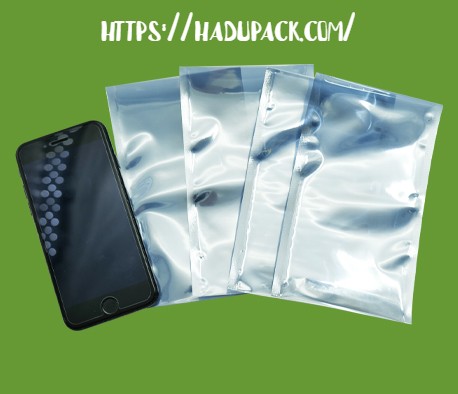
In fact, composite packaging bags are made by combining two or more materials through one or more dry lamination processes to form composite packaging with specific functions. Generally, they can be divided into a base layer, a functional layer, and a heat-sealing layer.
 |
- The base layer primarily serves aesthetic, printing, and moisture-resistant functions. Examples include BOPP, BOPET, BOPA, MT, KOP, KPET, etc.;
- The functional layer primarily serves as a barrier and provides light protection, such as VMPET, AL, EVOH, PVDC, etc.;
- The layer in contact with the packaged items provides adaptability and moisture resistance, good heat resistance, as well as transparency, easy opening, and other functions, such as LDPE, LLDPE, MLLDPE, CPP, VMCPP, EVA, EAA, E-MAA, EMA, EBA, etc.
◆Learn more:
 |
Methods for making composite bags
There are two ways to make bags.
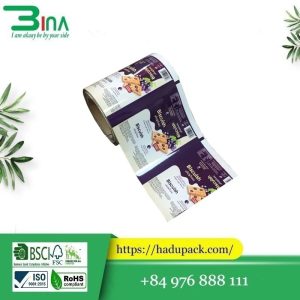
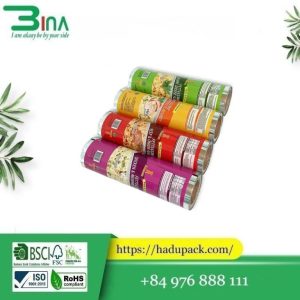
- One is for packaging manufacturers to use roll film for packaging on automatic packaging machines, forming and packaging it into various types of packaging bags
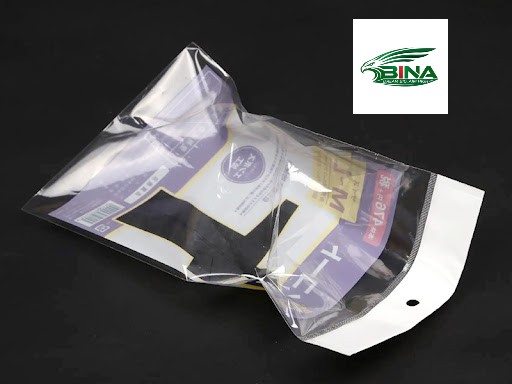
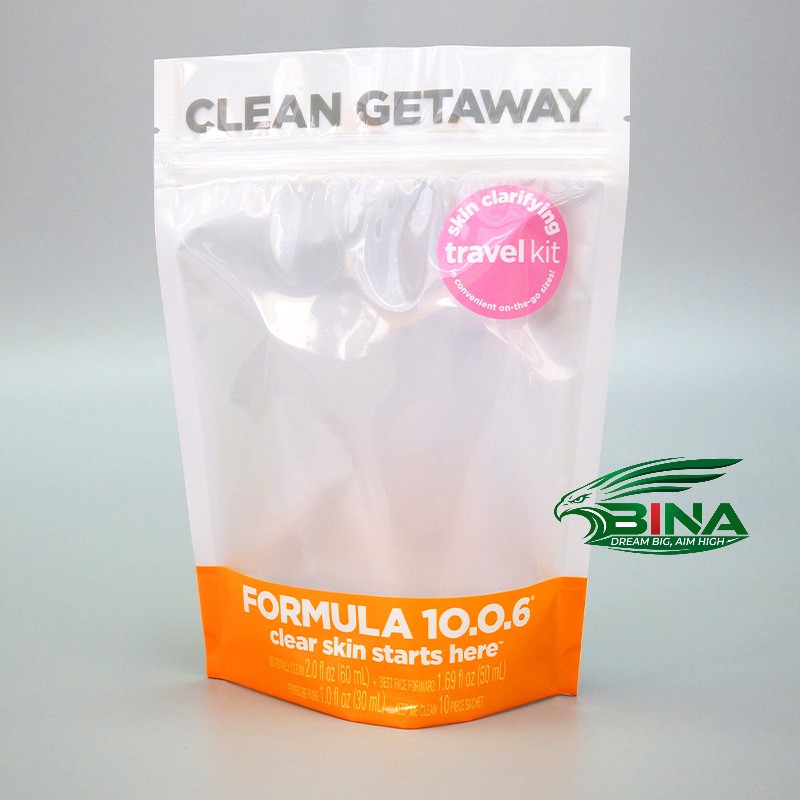
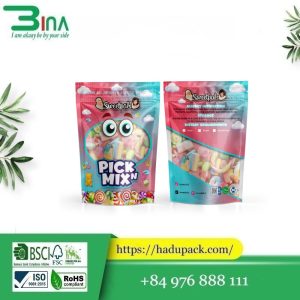
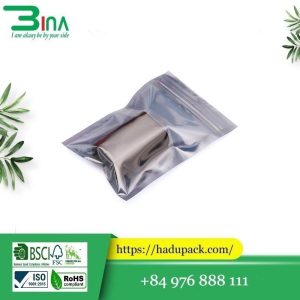
- The second way is for bag-making machines to produce various types of packaging bags and then repackage the contents. Due to the precise control of professional bag making, the attractive appearance of the bags, the wide range of bag-making methods and the many bag shapes, in many cases, the bags are made in advance. The main types of bags include: three-side seal bags (Gasho seal bags), back-seal bags, gusseted bags (accordion bags), stand-up bags, special-shaped bags, eight-side seal bags, etc.
 |
Key features of composite bags
- Multilayer structure: Usually consists of a base layer (surface printing), functional layers (barrier and protective layers), and a heat-sealing layer (inner sealing layer).
- Superior properties: Compared with single-layer plastic bags, multilayer bags offer moisture, oxidation, and light resistance, effectively extending the shelf life of food, pharmaceuticals, and other products.
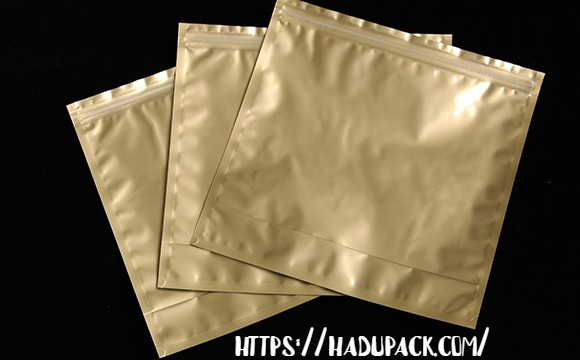
- Common materials: OPP, PE, CPP, PET, NY (nylon), AL (aluminum foil), etc., are commonly used as composite layers.
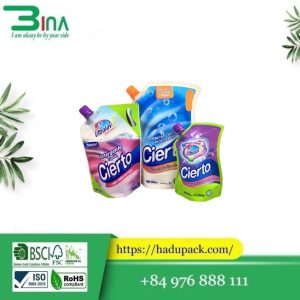
- Wide range of applications: Used for packaging food, liquids (bagged detergents), vacuum packaging of cooked food, daily-use chemicals, electronic products, and precision instruments.
 |
Common types of multilayer bags:
- OPP/CPP: High transparency, mainly used for packaging ordinary food products.
- PET/CPP: High-temperature resistant, suitable for sterilized food.
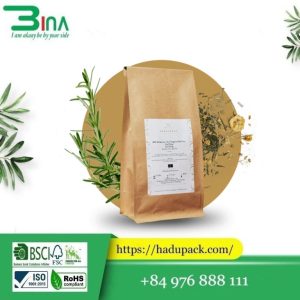
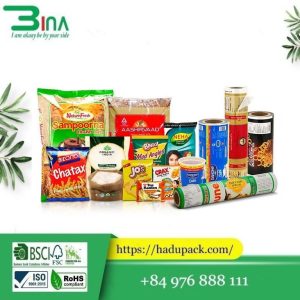
- BOPP/VMPET/LLDPE: Three-layer composite bags, commonly used for packaging tea and snacks.
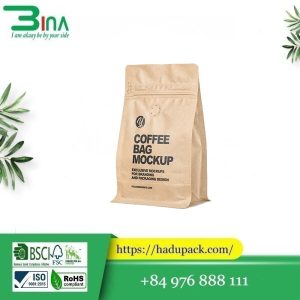
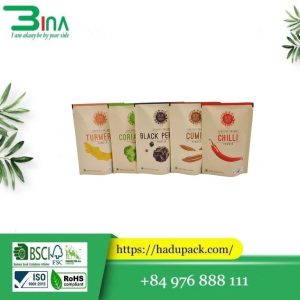
- Paper-plastic composite bags: Kraft paper + plastic, combining environmental friendliness with water resistance.
Showing all 13 results

Sản Phẩm Mới


Tin Tức
 Temperature Warning LabelWednesday July 29th, 2026
 Moisture indicator stripThursday July 23rd, 2026
 Mold-resistant PE sheetThursday July 23rd, 2026
 LDPE mold-resistant sheetThursday July 23rd, 2026
 What is fabric interfacing?Wednesday July 22nd, 2026
 White plastic slip sheetSaturday July 18th, 2026
 HDPE plastic slip sheetSaturday July 18th, 2026
 VCI anti-rust powderSaturday July 18th, 2026
 3M sandpaperWednesday April 15th, 2026
 Solder – Solder wire – Solder bar – Solder pasteTuesday April 14th, 2026

