




Description
What are plastic cable ties?
Plastic cable ties are usually made of nylon 66 (PA66), and are strip-shaped tools that combine self-locking, quick fastening, electrical insulation, and high durability. They work by having a rack at one end and a locking head at the other, using a one-way anti-reversal structure to tighten when the tie is pulled tight. They are widely used in cable and wire management, packaging, electrical installation, and industrial fastening.
 |
Key features and information of plastic cable ties:
- Material and composition: Primarily made of UL-approved nylon 66, offering advantages such as high strength, good toughness, flame resistance (94V-2 rating), corrosion resistance, and aging resistance.
- Structure and operating principle: Strip-shaped, with a strap body (with teeth) at one end and a self-locking head at the other. After the cable tie head passes through the locking head, the internal pawl engages with the teeth on the strap body, forming a secure closed loop. Generally intended for single use.
 |
Applications of plastic cable ties:
- Cable management: Bundling wires inside electronic and mechanical equipment.
- Everyday organization: Organizing the home, securing objects.
- Industrial fastening: Securing various types of pipes and packaging.
- Main types: Self-locking, reusable, labeled, with heads, etc.
In addition to conventional nylon plastic cable ties, there are also plastic-coated cable ties made of stainless steel, suitable for more demanding industrial environments.
 |
Plastic Cable Tie Manufacturing Process
The main production process for nylon cable ties (self-locking type) is as follows: drying the raw materials, injection molding, moisture conditioning, and packaging. The core process involves injection molding nylon 66 material into high-precision molds under high pressure using an injection molding machine. After cooling, the cable tie body and locking mechanism are formed. The moisture conditioning process is then used to optimize the material’s toughness. High-speed, high-precision production is typically achieved by using multi-cavity molds.
The detailed production process is as follows:
- Raw Material Preparation and Drying: Nylon 66 (PA66) resin pellets are placed in a dryer to remove moisture and prevent bubbles or brittleness during injection molding.
- Injection Molding (Core Step): The dried material is heated and melted by the injection molding machine.
- The molten plastic is injected into a high-precision multi-cavity mold.
- High-pressure, high-speed injection molding forms the cable tie body, serrated strip, and self-locking mechanism.
- After the mold cools, the molded products are automatically ejected.
- Moisture Conditioning (Key Process): Because nylon material becomes dry and brittle after injection molding, the products need to undergo “moisture conditioning” or “preconditioning” (soaking or steam humidification) to restore toughness and prevent breakage during use.
- Inspection and Packaging: Inspect the locking force, tensile strength, and elongation at break of the cable ties.
- Count and package the finished products by machine or by hand.
 |
How to choose and buy plastic cable ties
The selection and purchase of plastic cable ties (nylon cable ties) should be based on the bundling diameter, tensile strength (load-bearing capacity), and the usage environment. Measure the circumference of the item to be bundled and leave an unspecified length], then choose the appropriate size with suitable tensile strength. For outdoor use, choose UV-resistant material (black). Check the appearance; it should be smooth, odorless, and free of defects.
Selection and purchasing strategy:
- Determine the purpose of use: Determine the diameter of the item to be bundled; the maximum tightening diameter of the cable tie must be greater than the actual requirement.
- Tensile strength is an important factor: Use thinner cable ties for small items and thicker cable ties for large items. Excessively high tensile strength may make it difficult to secure small items.
- Consider environmental factors: For general indoor use, ivory white (nylon 66) is commonly selected; For outdoor sun protection and corrosion resistance, choose black UV-resistant material.
- Check the appearance: High-quality cable ties are finely crafted, free of air bubbles, and have smooth edges.
- Specification selection: Common models include width and length units.
Do not stockpile too much to avoid deterioration. Purchase in moderation and leave some extra length when selecting.
 |
How were plastic zip ties invented and what are they used for?
Welcome to your comprehensive guide to one of the unsung heroes of the world of electrical work and organization, the humble plastic zip tie, or plastic cable tie. Cable ties, commonly known as zip ties, were invented in 1958 by Maurus C. Logan, who was born in Dalmuir, Scotland. He worked for the electrical design and manufacturing company Thomas & Betts in the United States and patented the cable tie under the original name Ty-Rap.
 |
 |
 |
Whether you are an experienced electrical engineer, a DIY enthusiast, or simply someone curious about the countless uses of different types of plastic cable ties, this article is for you. We will unravel the mysteries behind these versatile tools, exploring their materials, applications, and the nuances that make one type more suitable for a task than another. So, join us in the world of plastic zip ties, where we will answer all the questions you didn’t even know you had.
◆Learn more:
- https://hadupack.com/san-pham/day-dai-composite/
- https://hadupack.com/san-pham/day-dai-thep/
- https://hadupack.com/san-pham/day-dai-nhua-pp/
 |
 |
 |
Sizes and packaging of plastic cable ties:
- Plastic cable ties 3 × 100mm, standard packaging 1000 pieces/bag
- Plastic cable ties 4 × 150mm, packaging 500 pieces/bag
- Plastic cable ties 4 × 200mm, packaging 250 pieces/bag
- Plastic cable ties 4 × 250mm, packaging 250 pieces/bag
- Plastic cable ties 5 × 300mm, packaging 250 pieces/bag
- Plastic cable ties 8 × 400mm, packaging 250 pieces/bag
- Plastic cable ties 10 × 500mm, standard packaging 100 pieces/bag
- Plastic cable ties 8 × 300mm (standard version), standard packaging 250 pieces/bag
At Hadupack, we accept orders for manufacturing cable ties and plastic fasteners in custom sizes, with pricing and packaging according to the required quantities. In addition, the ties are available in various colors for you to choose from: green, blue, red, black, white, etc. The most common type on the market today is probably the one that is currently the most popular. It is still white and black.
 |
Using plastic zip ties
What is the difference between plastic zip ties and cable ties?
There is no difference between cable ties and cable ties. Cable ties and cable ties are one and the same. Both terms describe the same fastening tool used to secure wires and cables. Cable ties are important for electrical engineers, providing tight, adjustable bundling to meet different tensile strength and environmental requirements.
What are cable ties used for?
Cable ties are primarily used to bundle and secure cables and electrical wires to keep installations neat and safe. They are useful in electrical setups, data centers, and for organizing cables in both industrial and household environments. Available in many different materials and sizes, cable ties provide a reliable solution for effective cable management.
How many types of cable ties are there?
There are many types of cable ties, including standard nylon, inline cable ties, releasable cable ties, stainless steel, polypropylene, and specialized plastics such as TEFZEL, HALAR Fluoropolymer, and Polyetheretherketone (PEEK). Each different type of zip tie is designed to meet specific strength and environmental requirements, with various widths and lengths to accommodate different cable management needs.
 |
Can cable ties damage cables?
If tightened too much, cable ties can potentially damage cables by pinching the insulation or putting excessive pressure on the wires, leading to reduced functionality or safety risks. Using the correct size and tension, and a tensioning tool if needed, can help prevent damage and ensure safe, secure cable management.
How to use cable ties?
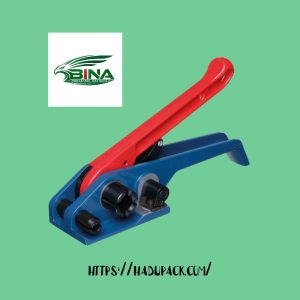
To tighten a cable tie, insert the tail end into the head and pull it tight to secure the bundle of wires. To tighten it precisely and ensure the cable tie is not overtightened, which could cause damage, use a cable tie tensioning tool. This tool allows you to adjust the tension, ensuring a secure installation while still ensuring.Cable ties should be tightened enough to secure the cables without overtightening and potentially damaging them. Using a suitable cable tie tensioning tool ensures the correct tension, maintains safety and prevents damage to the wire insulation while allowing the cables to move slightly.
 |
Can you connect two cable ties together?
Yes, you can connect two cable ties together to extend their length by inserting the tail of one tie into the head of the other. However, we offer cable ties in various lengths to meet different needs, providing a simpler solution for securing larger bundles or objects.
Can you connect metal cable ties together?
Connecting metal cable ties together is generally not recommended due to their design and material properties. Metal ties are designed to provide strength and durability at single lengths. For applications requiring longer ties, it is recommended to choose metal ties of the appropriate length to ensure maximum performance and safety.
Can you remove cable ties without cutting them?
Standard cable ties are designed for single use and typically require cutting to remove them. However, releasable cable ties have a mechanism that allows them to be removed without cutting, making them reusable for applications that require adjustment or removal.
 |
Cable Tie Materials
Why are cable ties so durable?
Cable ties are durable because they are made from high-quality materials, such as nylon or stainless steel, and feature a locking mechanism that allows for a tight, non-slip bundle. This combination provides lasting tensile strength, ensuring secure fastening for a wide range of applications.
Which cable ties are the most durable?
The most durable cable ties are made from stainless steel, offering superior tensile strength and durability. Designed to withstand harsh conditions, including extreme temperatures, chemicals, and UV exposure, stainless steel cable ties are ideal for demanding applications where maximum durability and reliability are essential.
Can cable ties be used outdoors?
Cable ties can be used outdoors, as long as you choose the appropriate type. UV-resistant and weather-resistant cable ties are manufactured to withstand sunlight, weather, and temperature changes, ensuring they remain durable and perform well in outdoor environments for extended periods.
 |
Do cable ties have UV resistance?
Not all cable ties are UV resistant. Standard cable ties can degrade under sunlight. However, there are cable ties specifically designed to resist UV rays, made from materials that can withstand prolonged exposure to ultraviolet radiation, making them suitable for outdoor applications without deteriorating quickly.
What temperatures can cable ties withstand?
The temperature resistance of cable ties varies depending on the material. Standard nylon cable ties can withstand temperatures from -40°C to 85°C, while Panduit Polyetheretherketone PEEK cable ties can withstand temperatures up to 260°C (500°F). Stainless steel cable ties can withstand temperatures up to 540°C (1004°F).
To find the right type of cable tie for your needs, refer to our chart below.
Do cable ties break in cold weather?
Standard cable ties can withstand cold temperatures down to -40°C before becoming brittle or prone to breaking. However, Panduit weather-resistant cable ties have better cold resistance, operating at temperatures down to -60°C (-76°F). For extreme conditions, stainless steel cable ties are recommended because they can withstand cold temperatures down to -80°C, providing superior durability and performance.
 |
How do you protect outdoor cables?
To protect outdoor cables, use UV- and weather-resistant cable ties or stainless steel ties for durability against the elements. Additionally, consider using cable clips and/or clamps for stable routing along structures. Ensure the ties are snug but not too tight to avoid damaging the cable insulation, using a cable tie tensioning tool.
What is the difference between black and white cable ties?
White or natural-colored cable ties are designed for indoor use or short-term use and are not durable for outdoor use. Black cable ties, which are heat- and/or UV-resistant, are better for outdoor setups. However, it is important to verify their specifications, as not all black ties guarantee this resistance.
 |
Why are UV-resistant cable ties black?
UV-resistant cable ties are usually black because carbon black is added, a stabilizing agent that enhances resistance to ultraviolet rays. This makes them more durable and suitable for outdoor use, as carbon black helps prevent degradation caused by exposure to sunlight.
What are metal-detectable cable ties used for?
Metal-detectable cable ties are used in industries where preventing contamination is critical, such as food processing and pharmaceuticals. Their metal content allows safety scanners to easily detect them, reducing the risk of contamination by ensuring that any cable ties accidentally incorporated can be quickly identified and removed.
How are metal-detectable cable ties manufactured?
Metal-detectable cable ties are manufactured by incorporating metal powder, typically stainless steel or another detectable material, into nylon or plastic during production. This integration allows the cable ties to be detected by metal scanning equipment, making them ideal for use in sensitive environments such as food processing and pharmaceuticals, where contamination control is paramount.
 |
Plastic cable tie comparison table
Find the right cable tie based on color, material, design, resistance to heat, UV rays, chemicals, and flame.
| Product name | Available colors | Outdoor use | UV protection | Heat-resistant | Flammability rating | Chemical resistance |
| n-Ty Nylon 6.6 Natural | Black Red Yellow Blue Green Fluorescent green |
White 85°C (185°F) | ||||
| Natural Pan-Ty Nylon 6.6 | Black Red Yellow Blue Green Fluorescent green |
✔️ | ✔️ | White 85°C (185°F) | ||
| Pan-Ty Nylon 6.6 | black | 115°C (239°F) | ||||
| black | ✔️ | ✔️ | 115°C (239°F) 🔥🔥 |
|||
| Pan-Ty Nylon 6.6 Flame Retardant | Ivory | 100°C (212°F) 🔥 |
UL 94V-0 | |||
| Weather-resistant Panduit Nylon 6.6 cable ties | ✔️ | ✔️ | 85°C (185°F) | |||
| Nylon 6.6 Cord | Naturally | 85°C (185°F) | ||||
| Barb-Ty Nylon 6.6 Weather Resistant | black | ✔️ | ✔️ | 85°C (185°F) | ||
| Barb-Ty Nylon 6.6 heat stabilized | Black Naturally |
115°C (239°F) 🔥🔥 |
| Barb-Ty Nylon 6.6 heat-resistant, weather-resistant | black | ✔️ | ✔️ | 115°C (239°F) 🔥🔥 |
UL 94V-0 | |
| Barb-Ty Nylon 6.6 Flame Retardant | Ivory | 100°C (212°F) 🔥 |
||||
| Sta-Strap Nylon 6.6 strap | Naturally | 85°C (185°F) | ||||
| Sta-Strap Nylon 6.6 Weather Resistant | black | ✔️ | ✔️ | 85°C (185°F) | ||
| Sta-Strap Nylon 6.6 heat stabilized | black | 115°C (239°F) 🔥🔥 |
||||
| In-line cable tie | Black Red Yellow Green Hunter green Dark blue Light blue Gray Magenta Tan brown |
✔️ | ✔️ | 85°C (185°F) | ||
| Weather-Resistant Nylon 12 Pan-Ty | black | ✔️ | ✔️ | 90°C (194°F) | High humidity, corrosion (zinc chloride and dilute acid) | |
| Polypropylene Pan-Ty | Blue | 115°C (239°F) 🔥🔥 |
Hydrochloric acid, salts and bases | |||
| Polypropylene weather-resistant Pan-Ty | Blue | ✔️ | ✔️ | 115°C (239°F) 🔥🔥 |
Hydrochloric acid, salts and bases | |
| Pan-Ty PEEK (Polyetheretherketone) | ✔️ | 260°C (500°F) 🔥🔥🔥🔥🔥 |
UL 94V-0, low smoke and toxicity, halogen-free | Exposure to chemicals and radiation |
| Pan-Ty TEFZEL | ✔️ | ✔️ | 170°C (338°F) 🔥🔥🔥🔥 |
UL 94V-0, low smoke density | Chemical attack, gamma radiation, meets the requirements of IEEE 383 | |
| Fluoropolymer Pan-Ty HALAR | ✔️ | ✔️ | 125°C (257°F) 🔥🔥🔥 |
UL 94V-0, low smoke density |
 |
Storage of plastic cable ties
The proper storage method for plastic cable ties (mainly nylon) is: sealed, protected from light, cool and dry. They should be stored in the original packaging in a cool, well-ventilated place at a temperature of approximately 15°C đến 30°C and humidity of approximately 40% đến 60%. Avoid direct sunlight, heat sources (such as heaters) and chemicals to prevent them from becoming brittle due to drying out, developing mold due to excessive humidity, or aging and breaking.
- Keep the original packaging sealed: Nylon cable ties are hygroscopic; the original packaging helps maintain their moisture content and strength. Use them as soon as possible after opening. Unused cable ties should be resealed in an airtight bag.
- Ideal environment: Store at room temperature, away from direct sunlight, as direct sunlight can accelerate material aging.
- Control environmental humidity/dryness: Avoid long-term storage in an excessively dry environment, as this will cause moisture loss and make the cable ties brittle.
- Avoid applying pressure: Do not fold or twist the cable ties during storage to prevent scratches and creases, which can reduce tensile strength.
- Storage tip: Use a toolbox, plastic container or dry plastic box to store the items together, avoiding clutter and damage from mechanical impact.
If the cable ties become brittle in winter, soak them in warm water for about half an hour before use to improve their toughness.










Reviews
There are no reviews yet.