



Description
What are PVC – POF – PE heat shrink films?
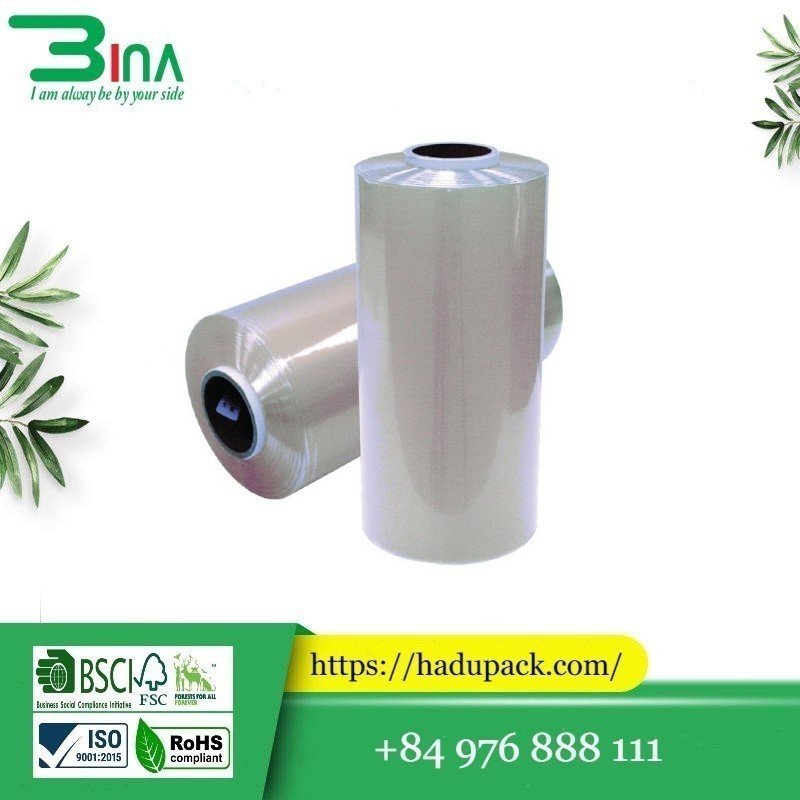
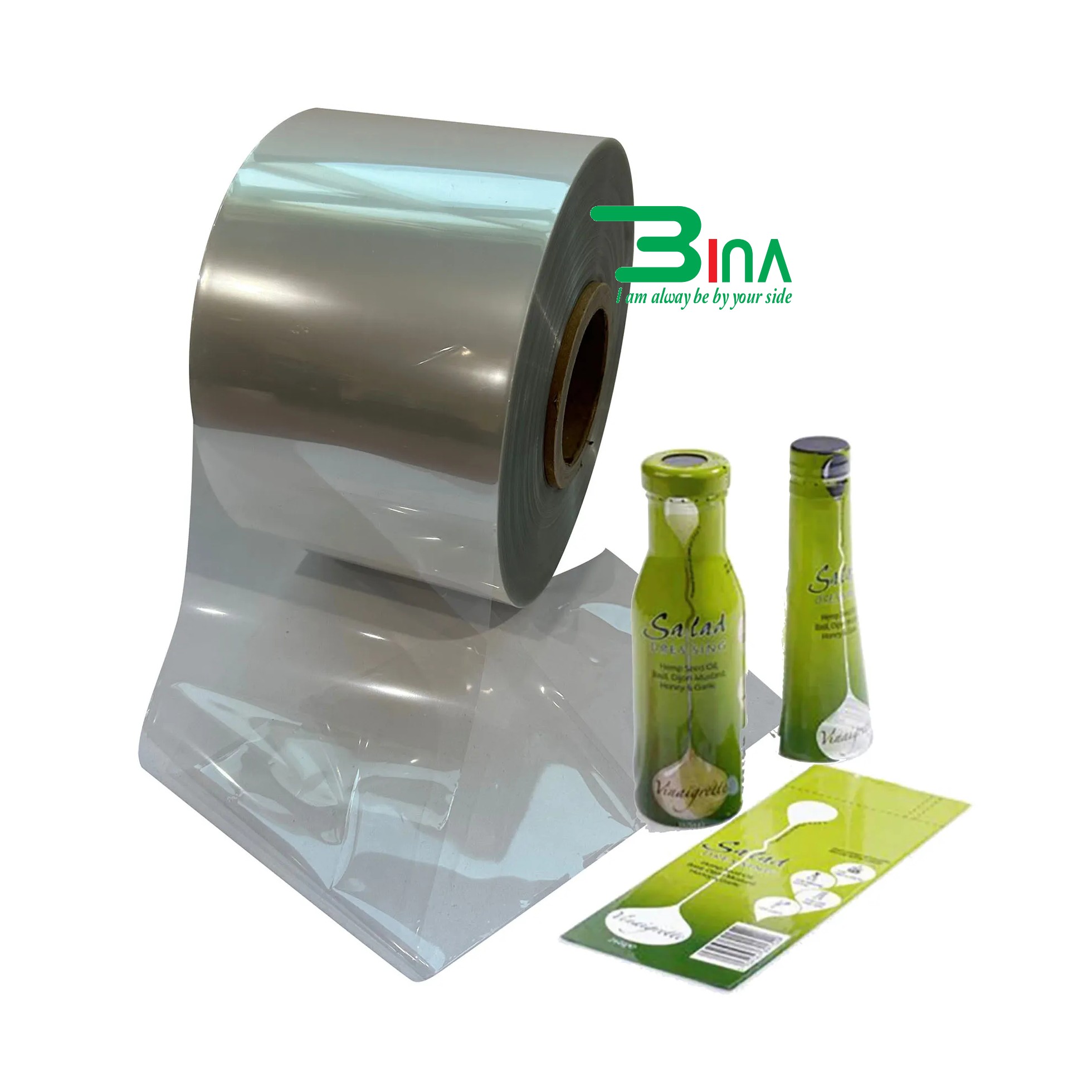
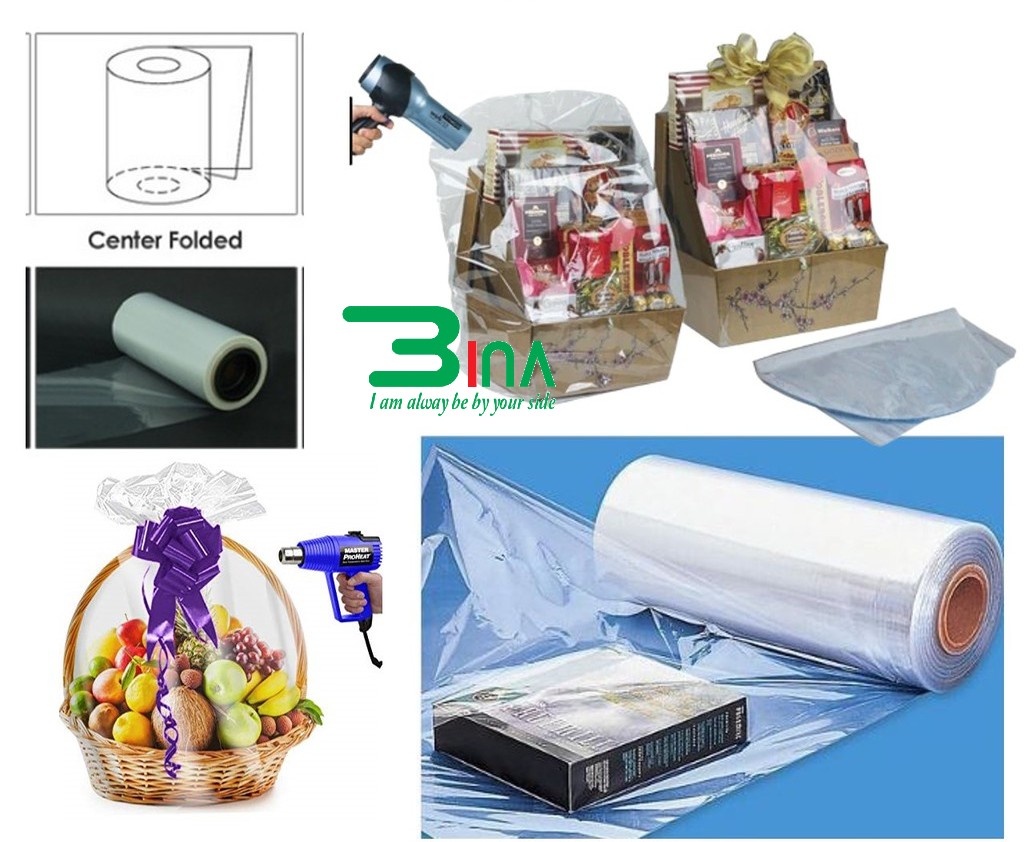
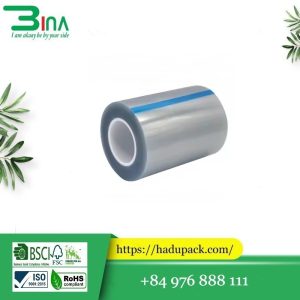
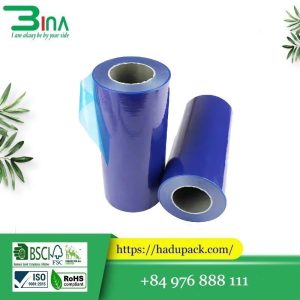
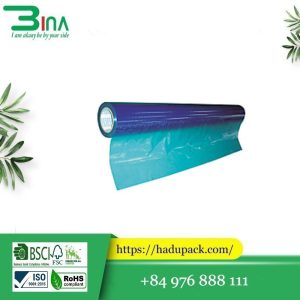
Heat shrink film is a material made from polymer plastic film. When heat is applied, it shrinks tightly around whatever it covers. There are many uses for shrink film and shrink wrap. Some common shrink film applications include wrapping food, gift baskets, boxes, toys, books, soap, etc. Below is an analysis of the two most commonly used types of shrink film.
 |
 |
 |
◆Learn more:
- https://hadupack.com/san-pham/mang-bopp/
- https://hadupack.com/san-pham/in-tui-nhua/
- https://hadupack.com/san-pham/mang-co-pof/
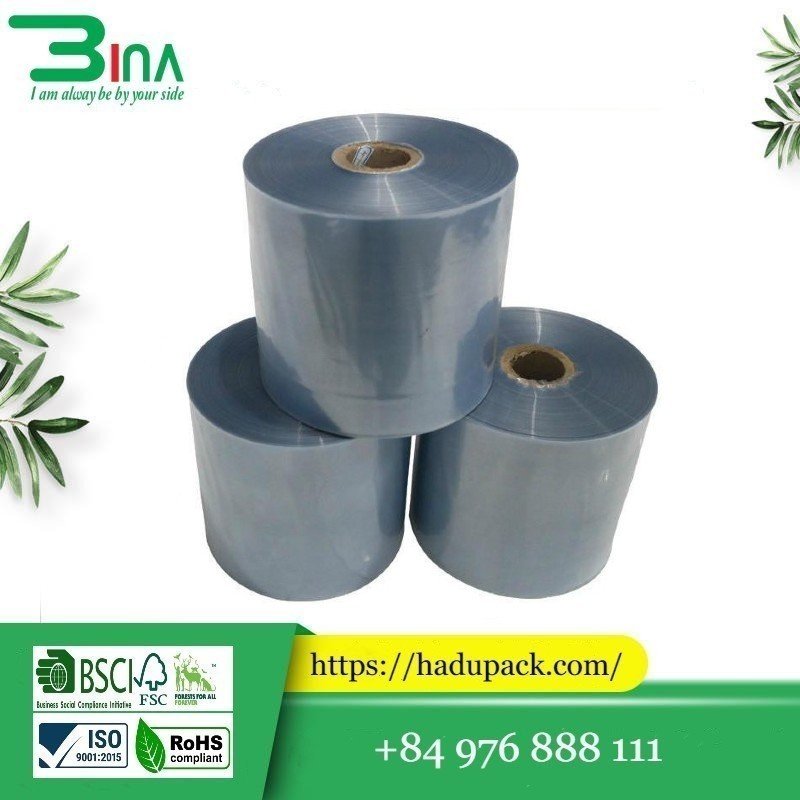
PVC shrink film – A type of shrink film used for many different applications. PVC stands for Polyvinyl chloride. Polyvinyl chloride is the third most widely produced plastic in the world. PVC shrink film was the most commonly used type of shrink film until it was replaced by polyolefin (POF) shrink film a few years ago.
Common uses of PVC shrink film – Applications of PVC shrink film include packaging boxes, CD and DVD packaging, software, small boxes and other non-edible items.
Disadvantages of PVC shrink film – Seal strength, storage issues and sealing byproducts are common disadvantages of PVC shrink film. The plasticizer in PVC shrink film hardens under cold conditions and softens under hot conditions, thereby reducing the strength of the seal and plastic. PVC shrink film also releases small amounts of hydrogen chloride into the air and carbon residue that adheres to the sealer. Proper ventilation is required when sealing PVC shrink film.
 |
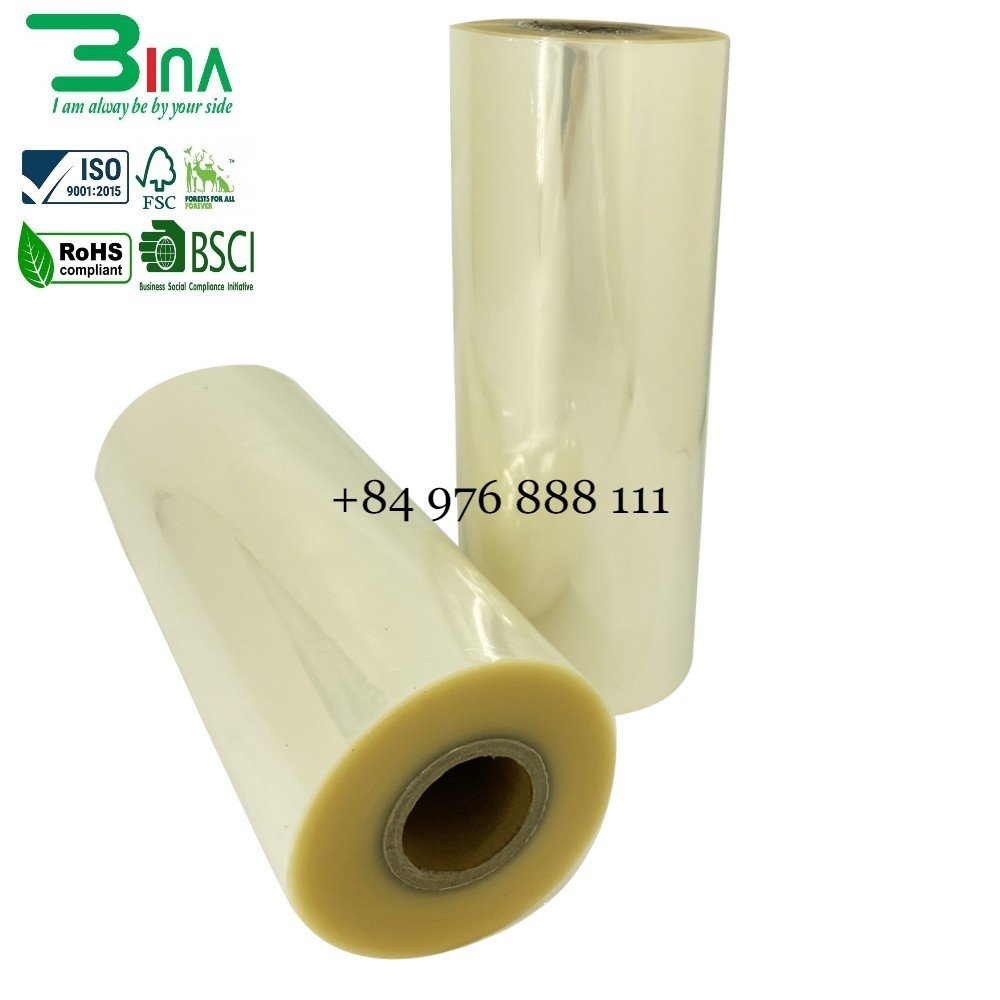
Polyolefin shrink film – A type of shrink film that has become a preferred choice for packaging products, both edible and non-edible. Polyolefin shrink film is favored for many reasons, including less odor when sealing, stronger seals and more flexible storage. Polyolefin shrink film does not contain any plasticizers, therefore, it does not produce hydrogen chloride gas. Polyolefin shrink film does not contain any plasticizers, therefore temperature is not an issue. Polyolefin can be stored across a wide range of temperatures and does not become rigid or soften in different environments like PVC shrink film.
Common uses of polyolefin shrink film – Polyolefin shrink film is used for almost every type of application. Applications include toys, sporting goods, printed film, food, stationery and cards, just to name a few.
Disadvantages of Polyolefin shrink film – Cost and machine compatibility are two significant disadvantages of Polyolefin shrink film. Polyolefin is generally more expensive than PVC shrink film. Many packagers prefer PVC for this reason. There are many types of polyolefin shrink film that are more compatible with machinery, but Polyolefin machinery compatibility is an issue for packagers.
Cross-linked polyolefin shrink film – Irradiation is applied to standard polyolefin shrink film to make the film stronger and provide better sealing performance. Cross-linked shrink film is sterile and FDA approved for direct food contact. It provides excellent clarity for displaying packaged products. To see details about the manufacturing process and history of cross-linked shrink film, see our blog post titled What is Cross-Linked Shrink Film.
 |
Cross-linked shrink film also leaves less residue on the sealing machine, helping cutting blades or sealing wires last longer. Cross-linked shrink film is manufactured for use with high-speed machines and high-output operations.
Common uses of cross-linked polyolefin shrink film – Cross-linked shrink film is used with products similar to those packaged with standard polyolefin shrink film. Cross-linked film is commonly used in high-volume operations. It can also be used for heavier products; standard polyolefin shrink film cannot package them properly.
Disadvantages of cross-linked polyolefin shrink film – Cross-linked shrink film requires higher shrinking and sealing temperatures than standard polyolefin shrink film. Higher temperatures can damage and deform heat-sensitive products. Higher shrinking and sealing temperatures. In addition, it requires higher energy costs.
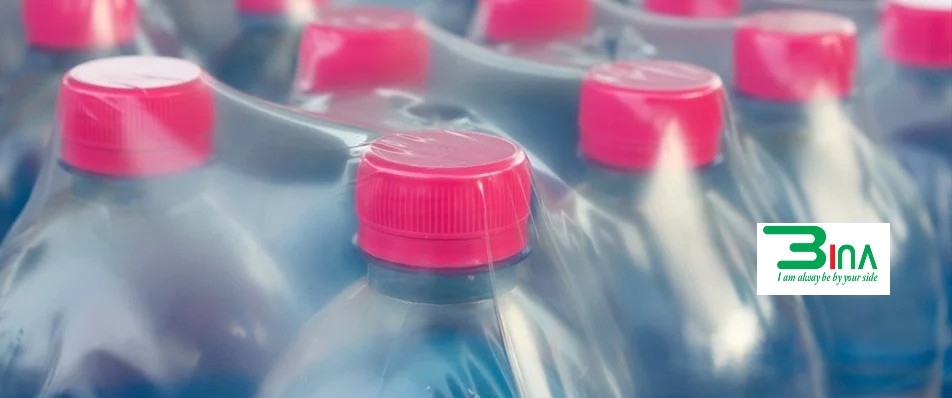 |
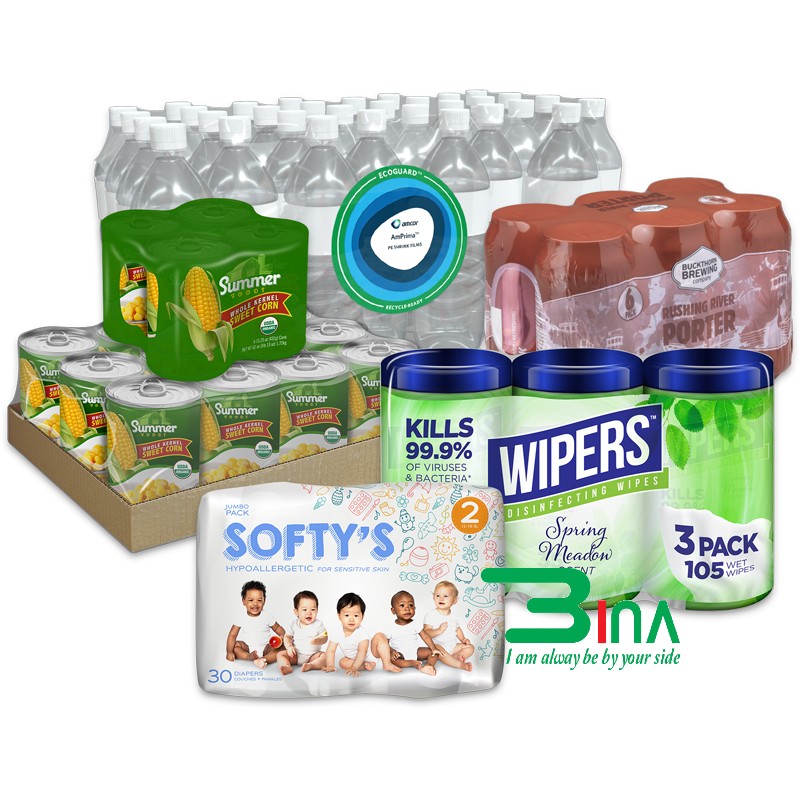
Polyethylene shrink film – Polyethylene shrink film is used to package heavier products. Polyethylene shrink film (bundling film) is typically extruded into single-wound or flat rolls. The rolls are used on shrink bundling machines with sealing bars and shrink tunnels.
Disadvantages of Polyethylene shrink film – Polyethylene shrink film requires a shrink bundling machine to operate the product effectively. Shrink bundling machines with shrink tunnels can be expensive and cost thousands of dollars. Polyethylene shrink film also requires longer exposure to heat to shrink completely. Heat-sensitive products may melt or be damaged while the shrink film is shrinking completely. Polyethylene shrink film has a low shrink rate of 15% or less. Product measurements are essential to ensure the correct shrink roll size is purchased.
 |
 |
| Thickness | Material | Characteristics | Average shrinkage temperature | Average contraction speed | General uses |
| 45 gauge | Cross-linked polyolefin | Ultra-thin film with minimal puncture resistance and a soft feel to the touch, Excellent clarity | 300°-350° F | 25%-35% | Business cards, grilled food, lightweight uniform products |
| 60 gauge | Polyolefin | Soft, delicate film to the touch with light sealing strength, Excellent clarity | 300°-350° F | 30% | Printed products, small toys, board games, baked goods |
| 60 gauge | Cross-linked polyolefin | Thin, soft film to the touch with a stronger seal and increased puncture resistance, Excellent transparency | 300°-350° F | 25%-35% | Higher-volume packaging for lightweight toys, crafts, souvenirs, and other lightweight items |
| 75 gauge | PVC | Standard film thickness becomes rigid after exposure to heat, Good transparency | 200°-300° F | 30%-40% | DVD, CD, unsold goods |
| 75 gauge | Polyolefin | Standard film thickness, soft to the touch, with puncture resistance and good sealing strength. Excellent transparency | 300°-350° F | 30% | The most common shrink film, Everything from pizza to wood and metal products |
| 75 gauge | Cross-linked polyolefin | Stronger than standard 75-gauge polyolefin, better for high-speed machines. Excellent clarity | 325°-400° F | 25%-35% | Many types of products often weigh under 12-15 lbs. |
| 100 gauge | PVC | A thick and durable film that hardens and becomes rigid after exposure to heat, with excellent transparency | 275°-325° F | 30%-40% | Heavier books, dog bones, shrink wrap around bottled products up to 20 lbs. |
| 100 gauge | Polyolefin | Soft to the touch, with excellent puncture resistance and sealing strength. Excellent transparency | 350°-375° F | 30% | Used to transport products and package products weighing up to 25 lbs. |
| 100 gauge | Cross-linked polyolefin | Like 100 ga. polyolefin with greater puncture resistance and stronger seal strength. Excellent clarity | 350°-425° F | 25%-35% | Products weighing up to 30 lbs, in high-volume operations |
| 200 gauge | PVC | A tough, durable film with excellent tear and puncture resistance. Relatively clear | 300°-325° F | 25%-35% | Wrap around the bottle and heat-shrink tube |
| 2-20 Mil | Polyethylene or Polypropylene | Load-bearing film can range from fairly transparent to opaque | 300°+ F | 20% or below | Load-bearing applications ranging from water bottles to boats and buildings |
Frequently Asked Questions About Shrink Wrap
What is shrink wrap used for?
Shrink wrap is a general term that can refer to many types of materials. Shrink wrap used to wrap pallets of goods is often called shrink wrap. Shrink wrap is another type of material that shrinks when exposed to heat, commonly used to protect commercial, retail, and personal products. Both are essential for preventing product damage or loss.
Can you make shrink wrap yourself?
Yes, you can make shrink wrap yourself with everyday household items, but the finished appearance will not be as professional. PVC shrink wrap bags and a hair dryer will shrink around the product. Applying tape before using heat can help patch the shrink wrap together. The finished appearance will not be as clean as with a sealer, but the shrink wrap will cling tightly to the product. We recommend purchasing a sealer, heat gun, and shrink bags to wrap more than a few products.
What is the difference between plastic wrap and shrink wrap?
Plastic wrap and shrink wrap are vague terms used to refer to many different types of materials. Plastic wrap can be kitchen food wrap, stretch film, cellophane, and other materials. Shrink wrap can also be some of these materials. Shrink wrap differs from all other materials because of the additives used during extrusion. Those additives allow the chemical compound of the material to shrink when heat is applied without melting through the plastic.
Is shrink wrap the same as food wrap?
Although both can be made from equivalent compounds, shrink wrap has special additives that make it shrink when heat is applied. PVC was once popular in both food wrap and shrink wrap. In recent years, polyolefin has become the preferred material in shrink wrap. Do not apply heat to food wrap; it will melt.
 |
How do I measure shrink film?
Measuring shrink film is relatively simple but is determined by the type of shrink product you intend to use. See below for the measurement formulas for every type of film. Remember that, if the exact size needed is not available, move up to the next size. All of our shrink films have a shrink ratio of at least 30%.
- Centerfold shrink film measurement formula: Width + Depth x 2 x 1,1÷2 = Required centerfold shrink film width
- Shrink bag measurement formula: Use the same formula above to determine the bag width, for the length, add 1-2 inches to allow enough room to create a seal.
- Shrink tubing measurement formula: For square objects, use the same formula as above, but most people use tubing for cylindrical purposes. If measuring for a round object, use the equation below. Circumference x 2 x 1,1÷2 = Required tubing width
When do I use shrink film and when do I use stretch film?
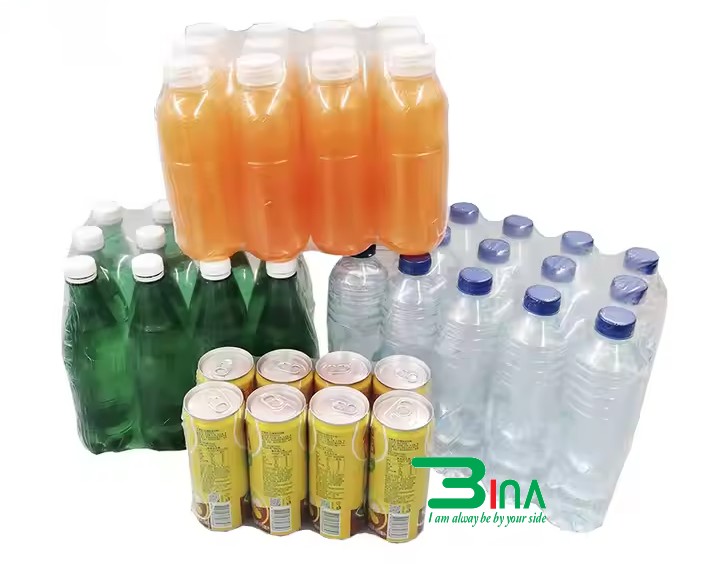
Shrink film is commonly used to protect and package a single product, such as a toy or CD. It is also used to help bundle multiple products together. It is used to bundle soda, water bottles and many other packaged products together. Typically, shrink film is used to hold boxes and products together on a pallet for shipping. It can also be used to hold other objects together for shipping or storage. Stretch film can have many types of specialty films. Some examples are UV stretch film, vented pallet wrap, anti-static stretch film, colored stretch film, pre-stretched stretch film, etc. Are stretch film and shrink film recyclable? Both stretch film and shrink film are recyclable. Check with your local recycling center and make sure that they accept soft plastics.
Do I need a specific shrink wrap machine?
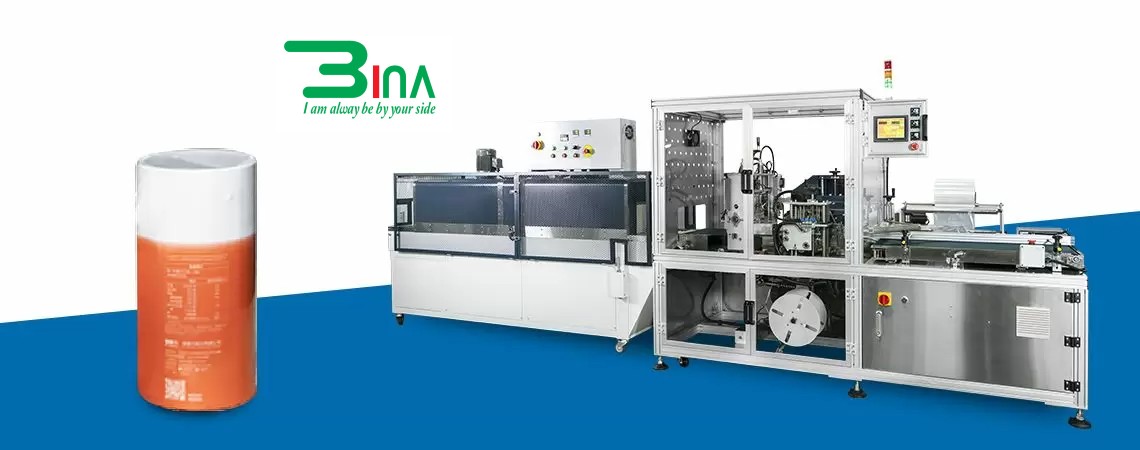
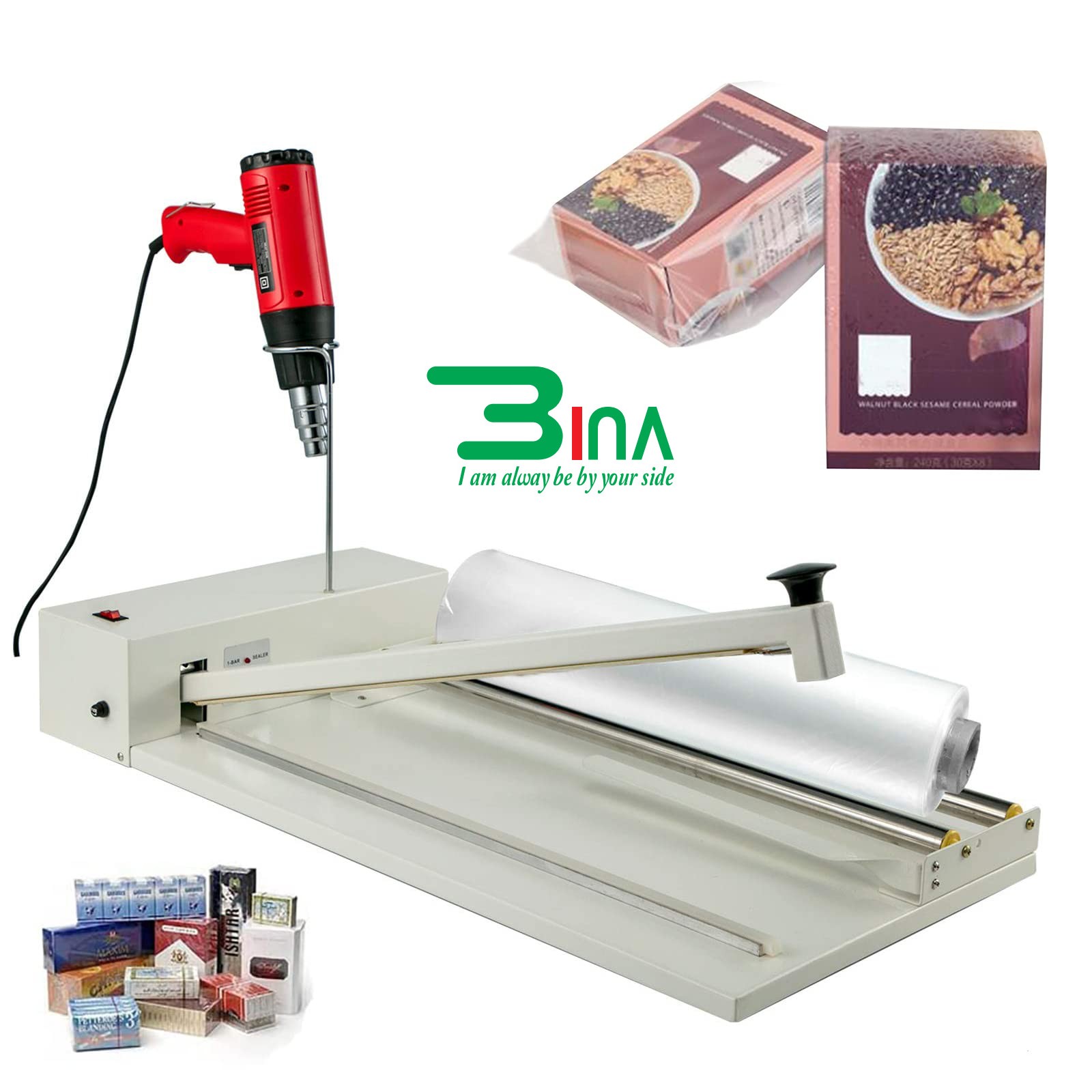
Different applications require different machinery. When using shrink wrap, you need a heating tool to shrink the film. There are many types of equipment available, depending on the purpose you want to achieve. Common tools include heat guns, L-Bar sealers, I-Bar sealers, and shrink tunnels.
Does a shrink wrap machine cut and seal the shrink film at the same time?
Yes, most shrink wrap sealers cut and seal the shrink film in one motion. After sealing and cutting, the scraps can be removed, and heat can be applied to the shrink film. The heat will reduce the size of the shrink film and help it conform to the product.
Can a hair dryer replace a heat gun for shrink wrap?
Heat gun for shrink wrap No, if you want a professional appearance, you should use a heat gun. Shrink film needs to reach a temperature of 300 degrees F to shrink properly. Heat guns for shrink wrap are very affordable.
What type of shrink film do I need?
We recommend 75 gauge shrink film for products under 12 pounds. 100 gauge shrink film is recommended for products weighing up to 30 pounds. To view our size conversion chart, click here.
What are shrink wrap bags?
Shrink bags are pre-measured bags, typically made from PVC shrink film and available in a variety of sizes. They allow one or more products to be placed inside the bag for quick and secure packaging. Shrink bags are used to package a wide variety of products, including CDs, DVDs, gift baskets, assorted products, etc. If you are packaging products that will come into direct contact with food, a polyolefin bag is required.
How do I measure shrink film tubing?
Start by measuring the circumference of the object that will be wrapped with shrink film. Once you have determined the circumference, add 10% to it. Divide the final number by two and that number will be the width of the shrink film tubing you need. If the required shrink tubing width is not available, you can use a larger size. PVC shrink tubing can shrink by up to 40% — see: How to measure shrink tubing.
How do I measure a shrink bag?
Measure the product to be shrink-wrapped around the widest point of the product. Add 10% to that circumference and divide that number by two. This number will tell you the width of the shrink bag you need. Next, measure the product to be shrink-wrapped around from top to bottom. Once you have determined that number, add 10% and then divide by two. This number will tell you the required length of the shrink bag.
 |
Common Terminology for Shrink Film
- Centerfold Shrink Film: Film that is folded in half lengthwise to make packaging easier and faster.
- Crow’s Feet: Wrinkles that radiate from the corners of a finished package
- Dog Ears: Triangular protrusions of unshrunk film at the corners of a completed package. Common in packages wrapped with PVC shrink film.
- Gauge: A measurement used to describe the thickness of film. One gauge equals .254 Micron. See our gauge conversion chart for more detailed information.
- Impulse Sealer: A sealer that uses a heating element that is electrically pulsed during sealing. Heat from the sealer bonds polymer materials together.
- L-Bar Sealer: A sealer with an inverted “L”-shaped sealing surface. A versatile sealer for those who want to seal faster than with an impulse sealer.
- Overlap Seal: Creating a seal by using two overlapping layers of shrink film.
- Machine Direction: The direction in which the film is manufactured and moves through the sealing equipment.
- Memory: The ability of shrink film to maintain its properties after sealing
- Optics: The visual properties of shrink film or stretch film.
- Polyolefin: A type of polymer produced from simple olefins (also called alkenes with the general formula CnH2n) as monomers. Shrink film is made from this material and is commonly referred to as POF shrink film.
- PVC: Polyvinyl Chloride, a thermoplastic polymer, is the third most widely produced plastic in the world. PVC shrink film is a common shrink film used for many different applications.
- Shrink Tunnel: Equipment that uses a chamber to generate heat with a continuously running conveyor passing through the chamber.
- Tear Resistance: The ability of film to resist tearing when strong force is applied to the film. Using shrink film with higher tear resistance is important when wrapping heavy products or products with sharp edges.
 |
Industries that commonly use shrink film
- Toys & Sporting Goods: Manufacturers, retail agents, wholesalers and retailers commonly use shrink film to package a wide variety of goods and products. PVC shrink film is commonly used for these items. It helps prevent tampering and detect tampering and is an affordable form of packaging.
- Printing & Paper Products: Many companies in this industry use shrink film to protect their products and goods, prevent tampering and detect tampering. Food – One of the largest industries that commonly uses shrink film. Shrink film packaging helps eliminate oxygen exposure to food and can minimize waste. POF (Polyolefin) shrink film is the standard shrink film used for food packaging. Make sure the POF shrink film you choose is FDA approved for food contact.
- Shrink-Wrapped Food: Food – One of the largest industries that commonly uses shrink film. Shrink film packaging helps eliminate oxygen exposure to food and can minimize waste. POF (Polyolefin) shrink film is the standard shrink film used for food packaging. Make sure the POF shrink film you choose is FDA approved for food contact.
- Hardware & Household Goods: Many manufacturers and retailers in these industries commonly use shrink film to prevent and detect tampering. They also commonly use shrink film to bundle multiple products together.
- Electronics: The electronics industry commonly uses shrink tubing and shrink film. Shrink tubing is used in electronics to provide abrasion resistance and environmental protection for exposed wires in various components. They also commonly use PVC shrink bags and centerfold PVC shrink film to package a wide variety of products in the industries below.
- Pharmaceuticals: This industry uses shrink film to help seal caps and provide tamper-evident protection.
- Miscellaneous: There are many different industries and uses for shrink film. The marine industry commonly uses shrink film to protect boats from environmental elements and prevent freezing.
 |
Common Problems When Shrink Wrapping
- Wrinkles: One of the most common problems companies new to using shrink film encounter. Lines on the shrink film after heating indicate that the film needs to be heated more. If using a shrink wrap gun, apply more heat to the wrinkled areas. If using a heat tunnel, slow down the conveyor speed or increase the temperature.
- Dog ears: Shrink film gathers at the corners of the package. Another common problem when shrink wrapping. Dog ears will occur on almost every shrink-wrapped package, but excessive dog ears can be prevented by applying more heat to the shrink film.
- Bubbles: Excess air trapped inside sealed shrink film. Bubbles occur after the seals are made and heat is applied. It is difficult to determine which products will develop bubbles. If you encounter bubbling, small vent holes can be made with a needle to prevent future bubbling. We sell perforated shrink film rolls and bags to prevent bubbling.
- Burn holes: Burn holes occur when too much heat is applied to the shrink film being used. If using a heat gun, move the heat gun farther away from the product. If using a shrink tunnel, increase the conveyor speed or reduce the heat.
- Shrink film tearing: Shrink film tearing is usually caused by the type of shrink film being used or the thickness of the shrink film being used. If tearing occurs, consider using a thicker film or applying a different type of film. If using PVC, switch to polyolefin or polyethylene.






Reviews
There are no reviews yet.