


Description
Stretch PE film is essential in every industry
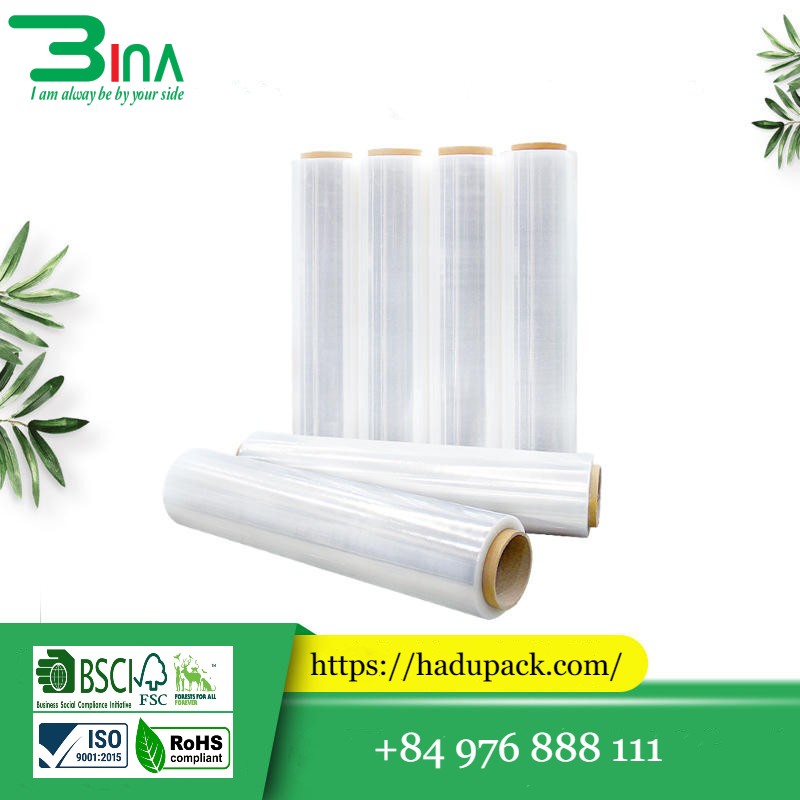
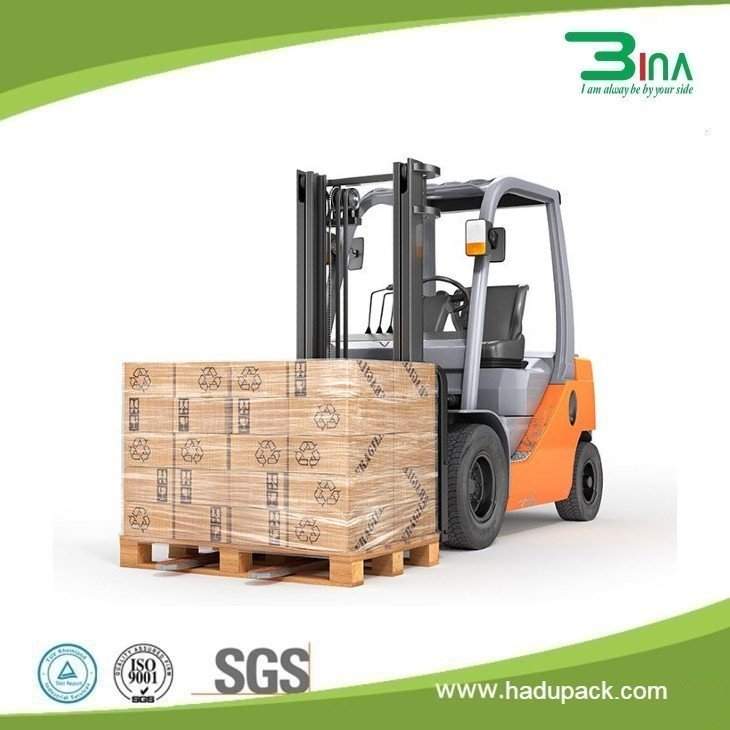
Many products across various industries can be damaged during transportation. Stretch PE film helps keep goods securely in place and protects them from any potential damage. This makes stretch film one of the most widely used packaging materials. These elastic nylon films are a simple yet effective solution for properly packaging products.
 |
 |
 |
◆Learn more:
- https://hadupack.com/san-pham/mang-bao-ve/
- https://hadupack.com/san-pham/mang-pe-mau/
- https://hadupack.com/san-pham/mang-co-nhiet/
What is stretch film?
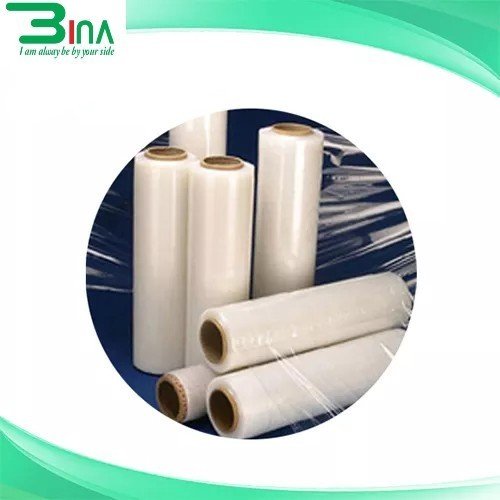
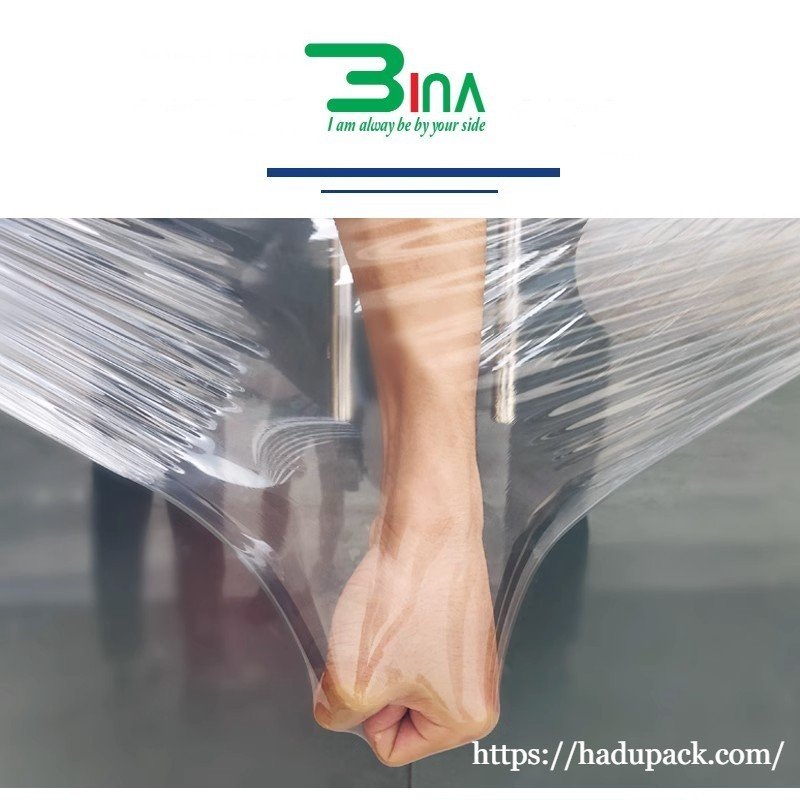
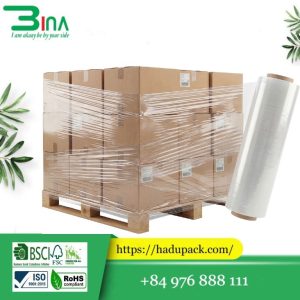
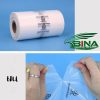
Stretch film is a type of stretchable plastic wrapping film used to package products and keep them securely in place. Stretch film is similar to the cling film used in kitchens, the difference being that stretch film is heavier and has a strong coating to keep products securely in place.
 |
 |
 |
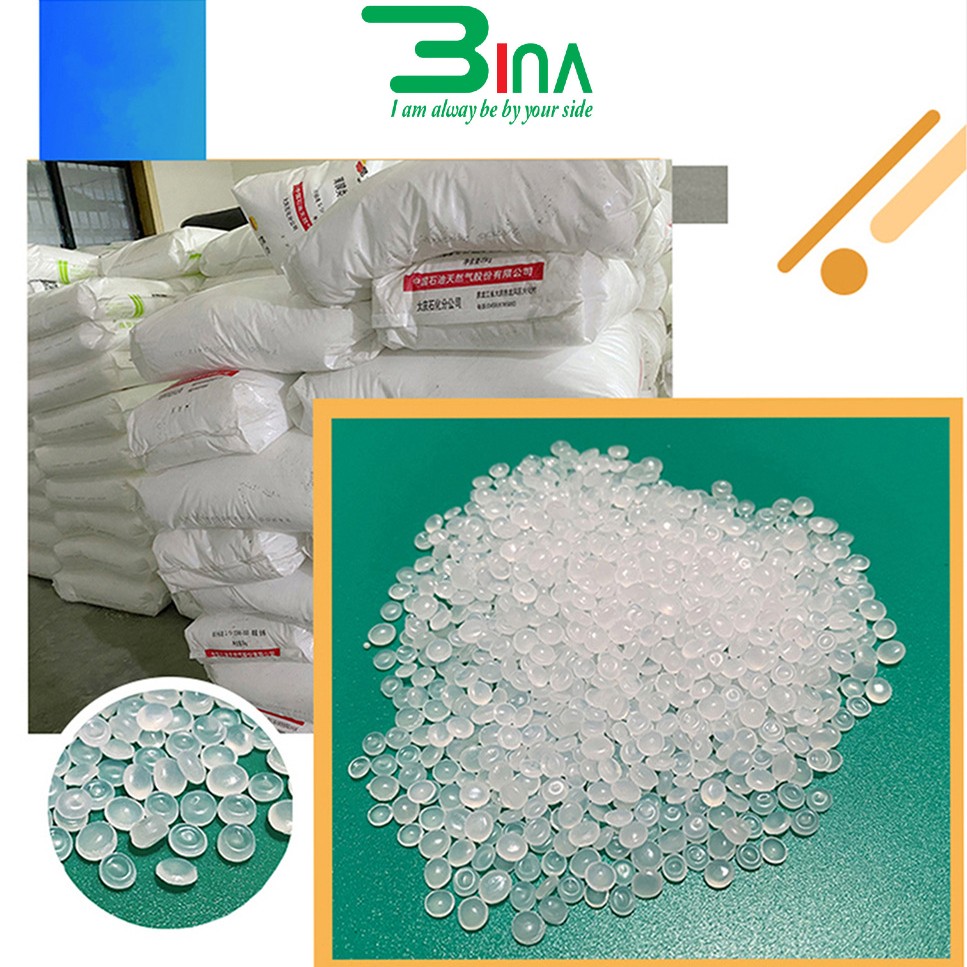
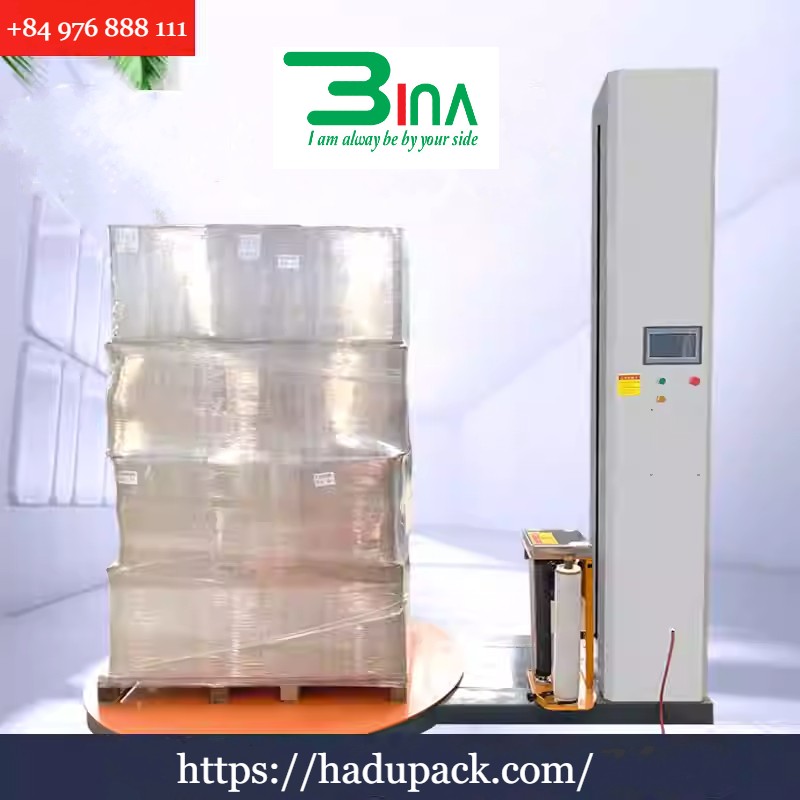
This type of wrapping film can be easily used for many types of goods with different shapes and sizes. It is very quick and easy to open. In addition, you can easily reduce the packaging volume as much as possible to save space. This wrapping is opened by hand and, after opening, you can recycle it for reuse. The most common material for stretch film is linear low-density polyethylene, which is produced by copolymerizing ethylene with alpha-olefin.
 |
 |
 |
Where is PE polyethylene stretch film used?
Considering that stretch film is available on the market in different layers, it can meet the expectations of different businesses for packaging various products. These polyethylene films are used for packaging food products, healthcare products, agriculture, construction, and many other applications.
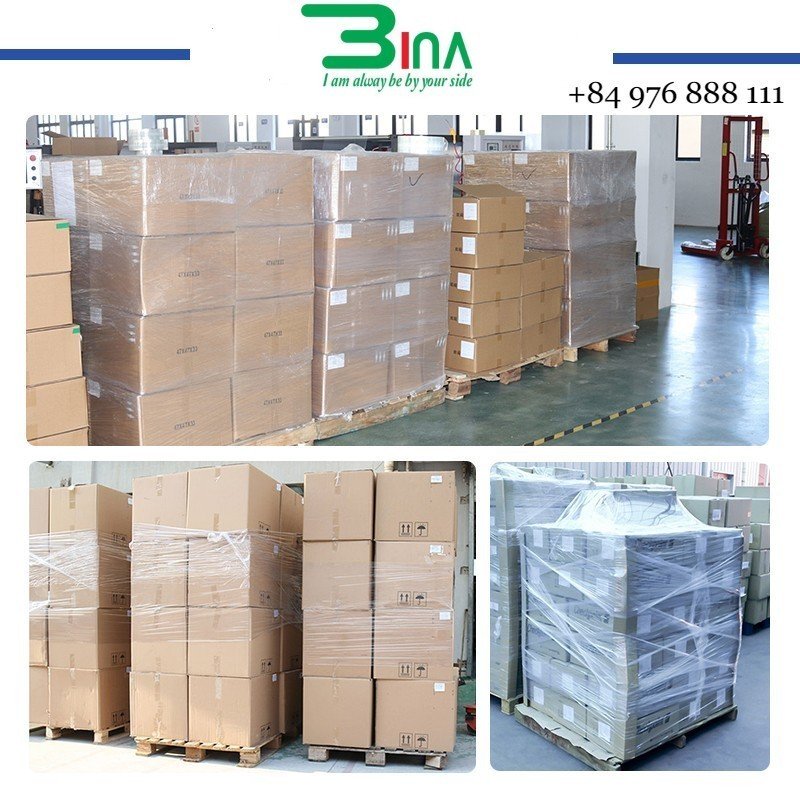
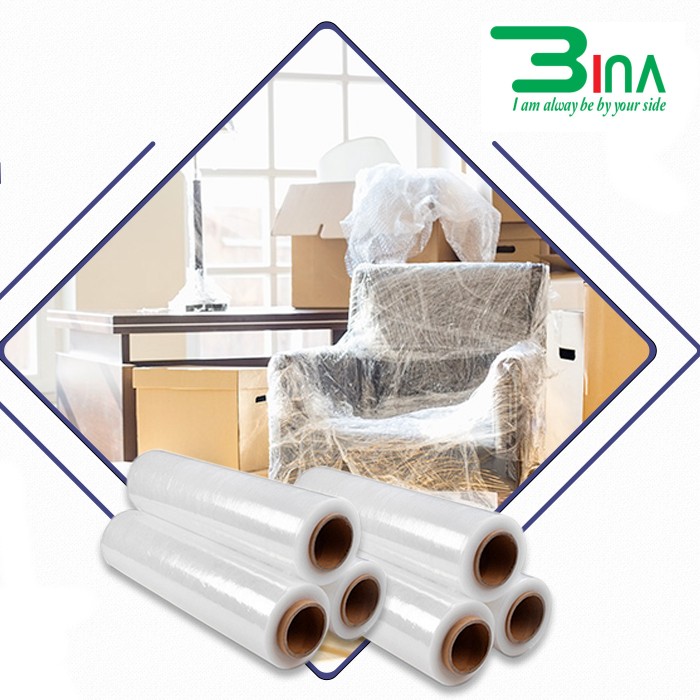
Because these stretch films are placed over products, we use them when we intend to prevent even dirt and moisture from entering the products. One of the most important uses of stretch film is for transportation to very distant destinations. Due to the high resistance and effectiveness of stretch film, products are rarely damaged.
 |
 |
 |
Types of stretch film manufactured by Hadupack in Hanoi
Stretch film comes in many different types to meet various packaging needs. For example, UV-resistant stretch film contains chemical additives that neutralize light. When items are wrapped outdoors and exposed to harsh weather and other environmental factors such as sunlight, these additives provide optimal protection. In general classification, they can be divided into the following types:
- Machine stretch film: Machine stretch film is used to package and protect products that need to be handled by machinery. Of course, it should be noted that these machine stretch films mounted on machines also come in different types.
- Hand stretch film: This type of stretch film is used when we plan to package products manually. The thickness of hand stretch film ranges from 17 to 30 micrometers. The length and width of this stretch film are measured and cut with high precision.
 |
 |
 |
What are the characteristics of polyethylene stretch film?
Among the very important characteristics of polyethylene stretch film is that it is very durable. In addition, it is also very flexible. On the other hand, it is moisture-resistant. For this reason, stretch film is very effective.
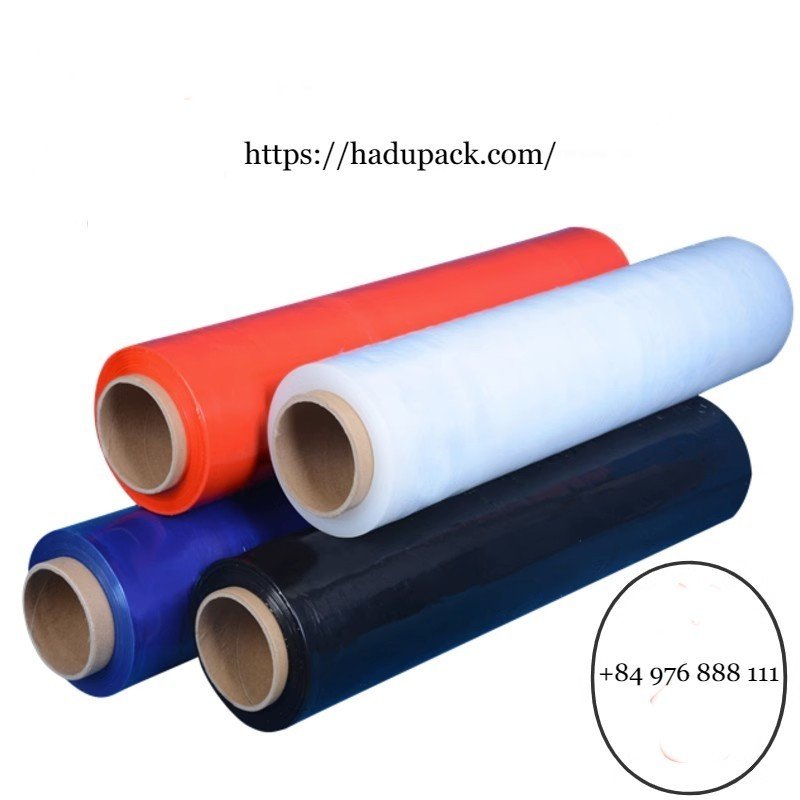
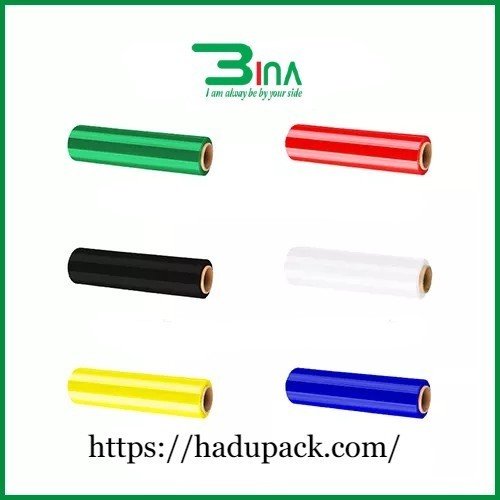
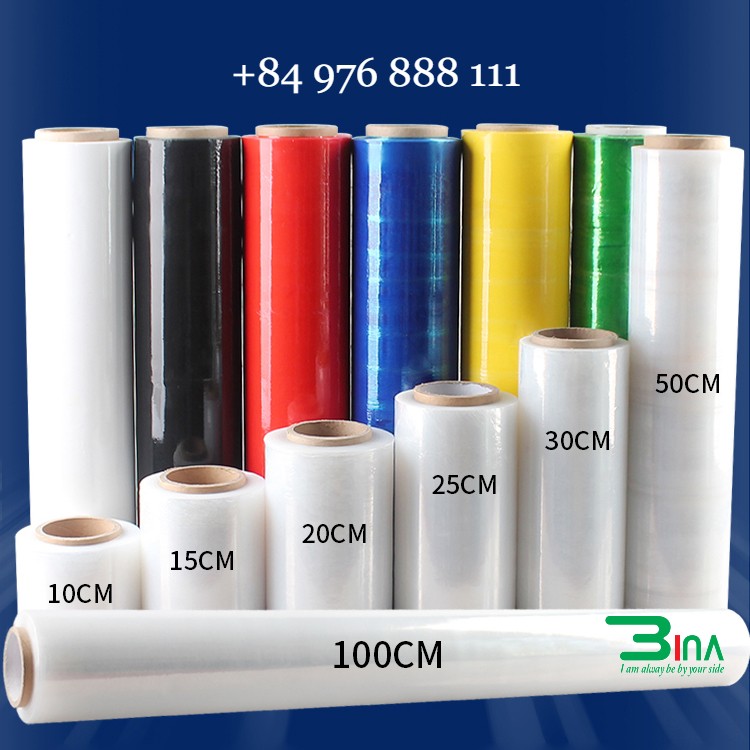
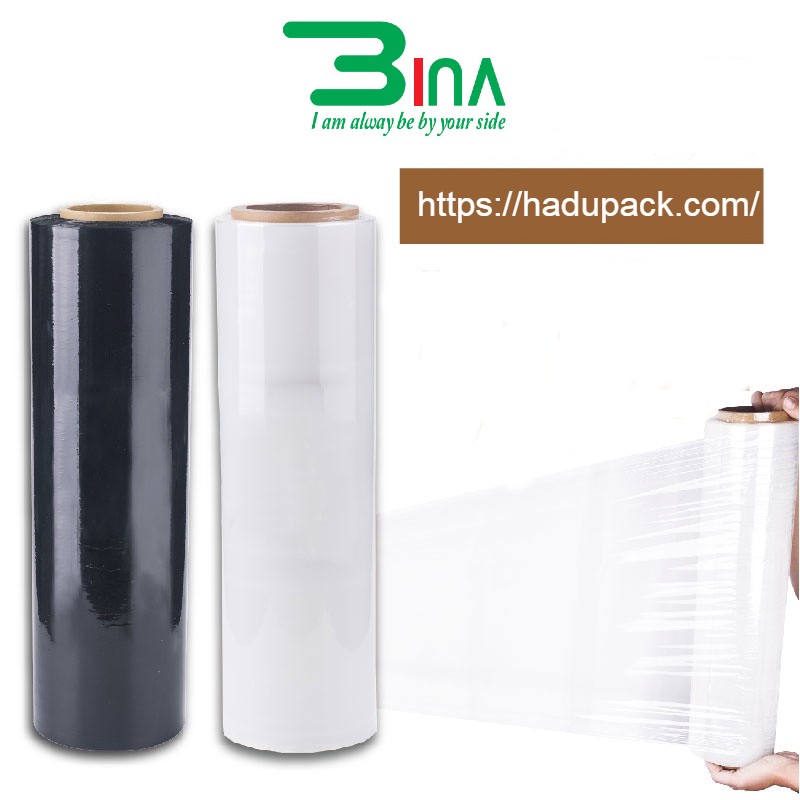
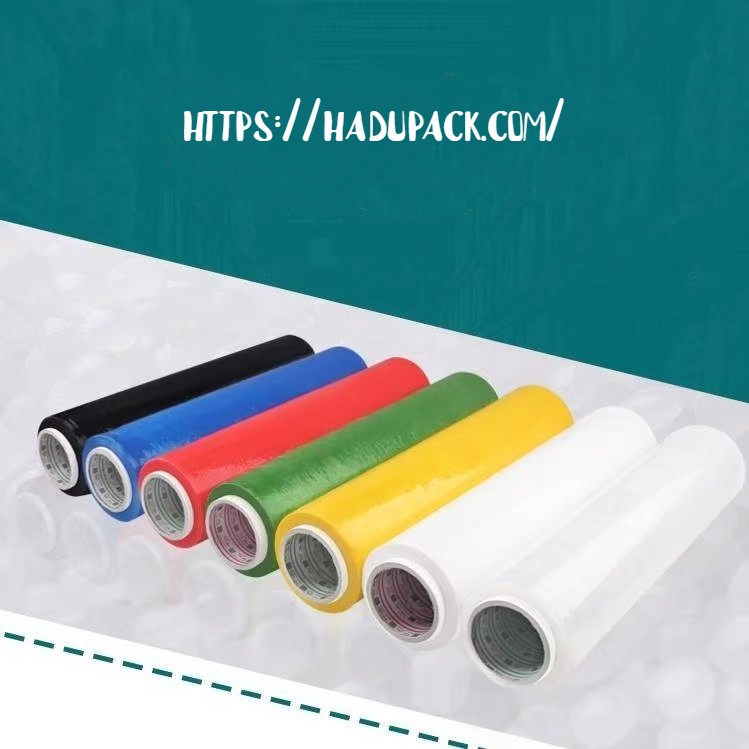
You might think that despite these advantages, stretch film is expensive, but it is much cheaper than similar products. You can order stretch film in various colors and sizes according to your needs, entirely depending on the customer’s requirements.
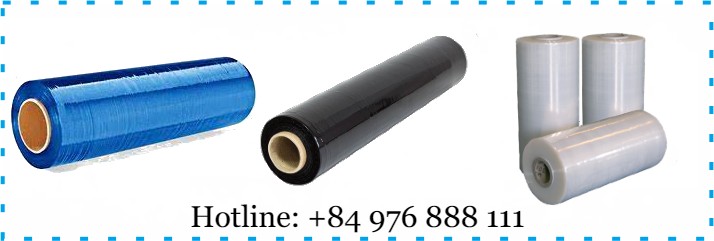
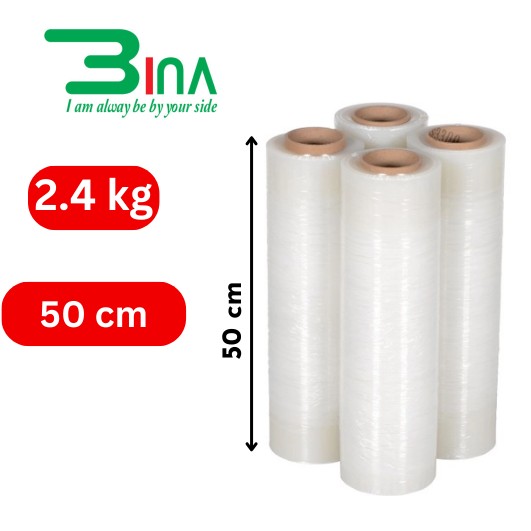
In addition, polyethylene stretch film can also be ordered in various thicknesses. For example, stretch film used for food, stretch film used in construction, and stretch film used for automobiles are completely different. You can change the thickness and order the number of layers according to your needs. Due to all these conveniences and features, polyethylene stretch film is highly preferred by many people. Other features of polyethylene stretch film are as follows:
 |
 |
 |
- Type: hand stretch and machine stretch
- Application: manual or machine pallet wrapping, easy pallet wrapping with short and lightweight rolls, long-term protection of goods
Increases packaging durability for better security during the transportation and storage of goods - Improves inventory management in the warehouse
- High puncture resistance due to the multilayer structure
- High clarity for product inspection
- Anti-slip protection
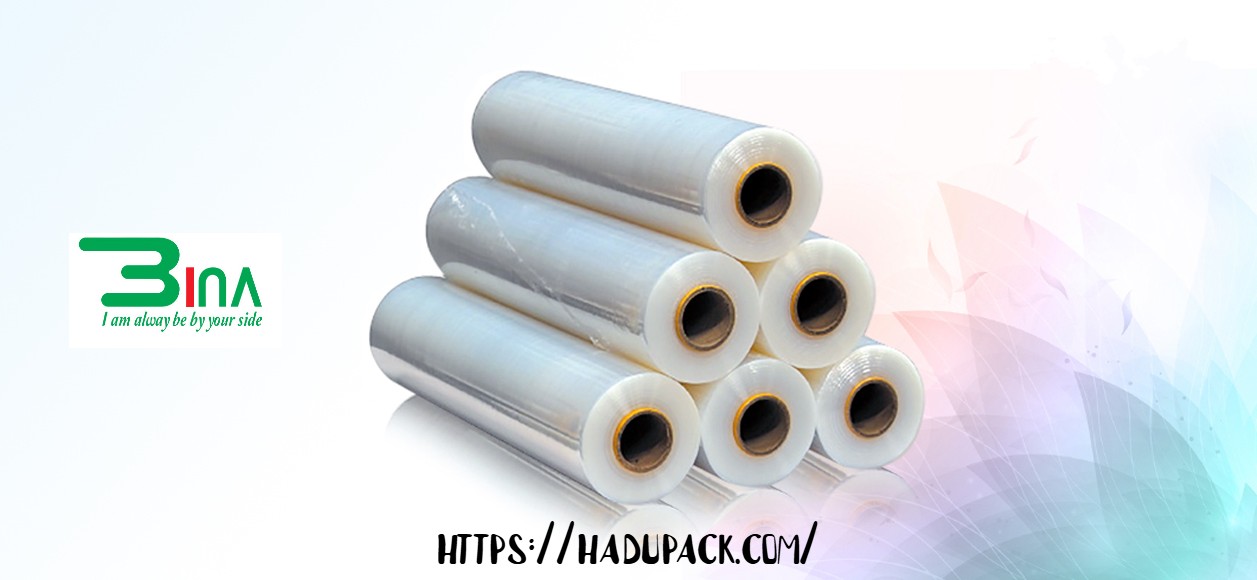
This type of film has unique features that make it suitable for specific applications, including ensuring packaging durability to enhance security and the transportation and storage of goods, improving security and inventory management, high puncture resistance due to the multilayer structure, high clarity for product inspection, UV resistance and anti-slip protection.
 |
PE stretch film production process
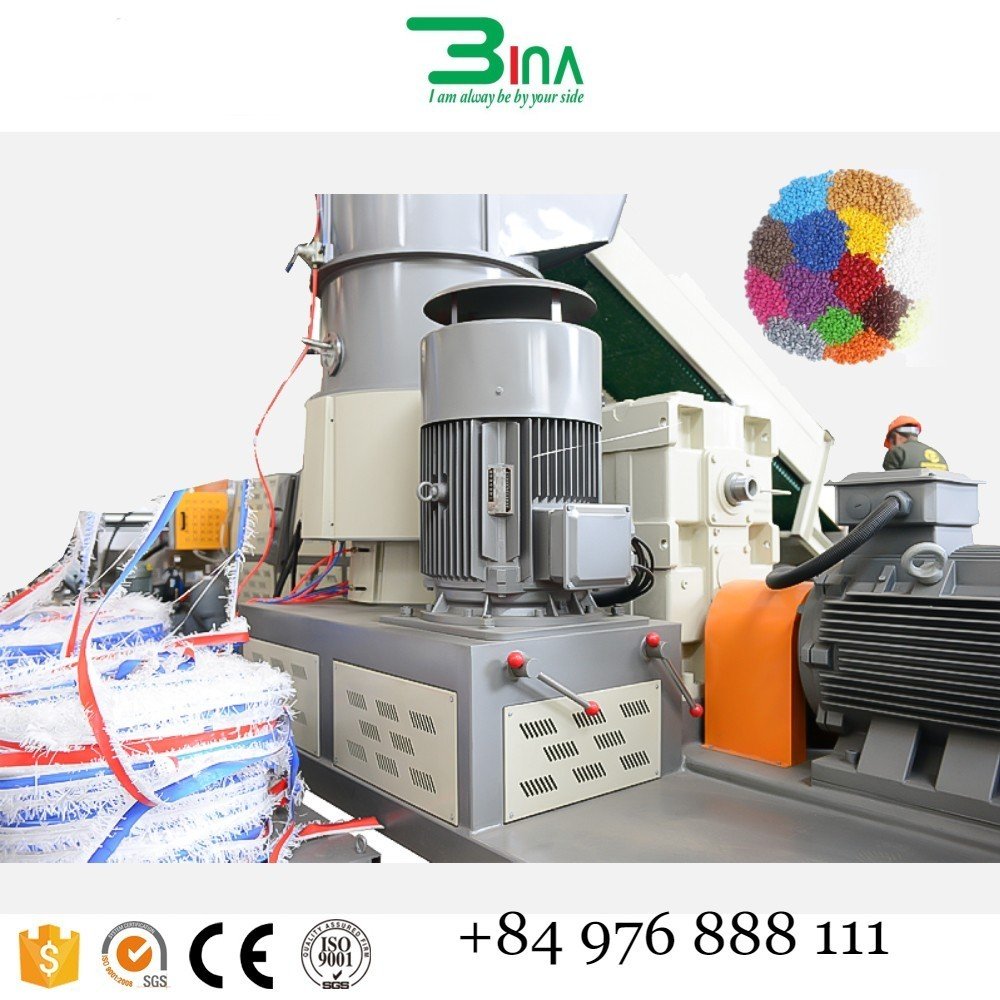
The PE wrapping film production process mainly includes raw material mixing, extrusion, forming (casting or blow molding), cooling, stretching, winding and cutting. The casting method is commonly used, in which molten polyethylene resin (such as LLDPE) is melted at high temperature and extruded through a die. It is then formed by cooling rollers, stretched longitudinally and transversely on stretching rollers to improve strength and toughness, and finally wound. This method is commonly used in industrial packaging.
1. Main production methods
- Cast film: The most common method. Molten PE resin is cast through a T-die onto cooling rollers to form the film, and then stretched by stretching rollers. The film has high transparency and uniform thickness.
- Melt-blown film: The molten material is extruded through a ring die by an extruder, inflated and then cooled. Suitable for producing films with high toughness.
2. PE stretch film production process
- Mixing: Linear low-density polyethylene (LLDPE), tackifier (such as PIB) and other additives are thoroughly mixed.
- Extrusion: The mixture is melted and mixed at high temperature by an extruder. Casting/Blow molding: The molten resin is formed into film.
- Cooling: Rapidly cooled and formed on cooling rollers.
- Stretching: Uniaxial or biaxial stretching at high elasticity significantly increases the length and strength of the film.
- Winding: The formed film is wound into finished rolls by a winding machine.
3. Key control points
- Formulation ratio: The tackifier content determines the film’s self-adhesive ability.
- Temperature control: Stretching must be carried out within the temperature range in which the molecular chains soften but do not completely melt to ensure the performance of the final product.
- Stretch ratio: Directly affects the strength and elongation of the film.
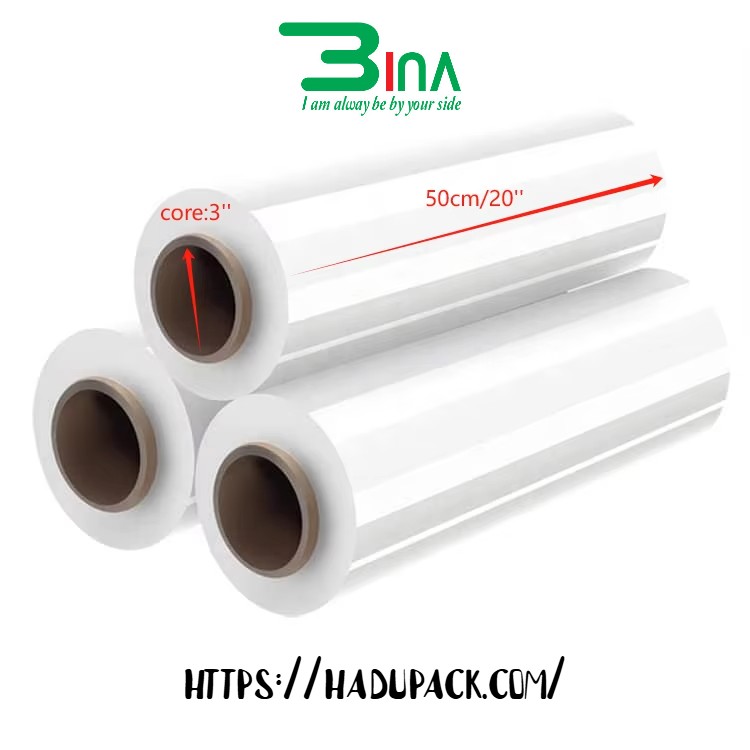
PE stretch film has high impact resistance, puncture resistance and transparency, making it an indispensable packaging material in modern warehousing and logistics.
 |
Storage of PE Stretch Film
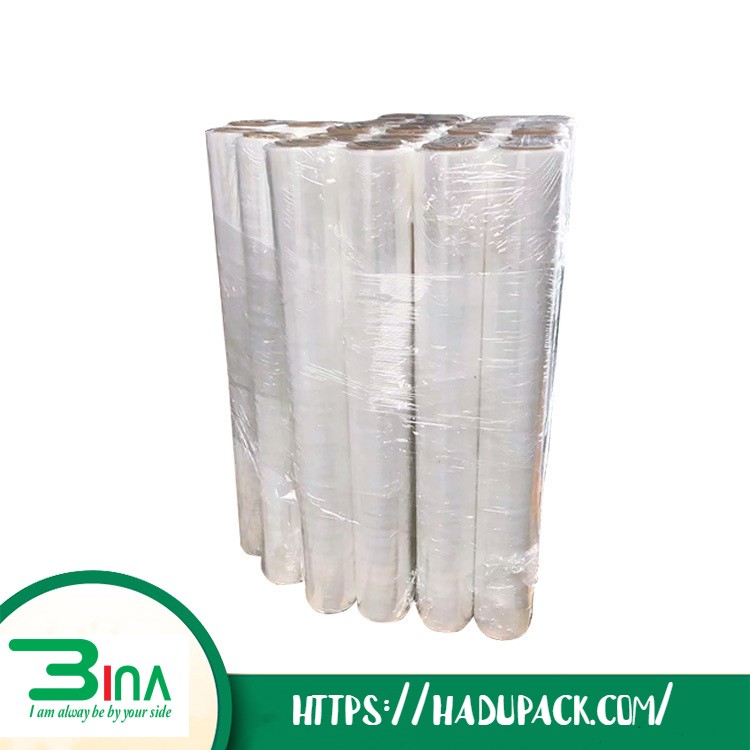
The key to storing PE stretch film lies in controlling the temperature (5℃-30℃), maintaining dryness (humidity 40%-60%) and avoiding light. It should be stored in a dry, cool, well-ventilated warehouse, and absolutely avoid contact with acids, alkalis and solvents. Avoid compressing it tightly and store it upright or on shelves to prevent softening, aging, moisture absorption or damage that could lead to peeling, brittleness and reduced performance.
Detailed storage instructions:
- Temperature control: The optimal temperature is from 5℃ to 30℃.
- Excessively high temperature (>30℃): may soften the film, causing the layers to stick together, and may even make the film impossible to tear or break, significantly reducing its shelf life.
- Excessively low temperature (<5℃): The film will harden and become brittle, making it prone to breaking when stretched.
- Environmental dryness and humidity: Relative humidity should be maintained between 40% and 60%.
- Excessively high humidity: Moisture can easily condense on the film surface, leading to mold growth or affecting its stretching properties.
- Excessively low humidity: Static electricity is easily generated, causing impurities to be attracted.
- Protection from light and moisture: Avoid direct sunlight, as ultraviolet rays in sunlight will accelerate the aging process of PE material.
- Do not allow contact with acids, alkalis, oils, organic solvents, etc., to avoid chemical reactions.
- Storage method: It is recommended to store the film vertically to avoid excessive stacking, which may cause the bottom rolls to deform or tear due to pressure.
- Use dedicated racks for storage and ensure good ventilation.
- Shelf-life management: Follow the “first in, first out” principle. The shelf life of standard stretch film is usually 12 months; proper storage can extend the product’s service life.
 |
How to Choose PE Stretch Film
When choosing PE wrapping film (stretch film), the principles of “safety and protection, high cost-effectiveness, and ease of use” should be followed. The key factors include: selecting the thickness (usually 15-30μm) based on the shape (with or without sharp corners) and weight of the packaged goods; choosing between hand stretch film or machine stretch film based on the packaging method; focusing on self-adhesion, transparency, and puncture resistance; and prioritizing more environmentally friendly PE materials (instead of PVC).
Core Parameters for Selecting PE Stretch Film
Thickness Selection (gauge/micrometers):
- Hand-held/Light Packaging (<200kg): It is recommended to use 15-20 thick film (approximately 1.5-2 gauge) for easy handling and moderate tension.
- Standard Pallets (500-1000kg): It is recommended to use 20-25 thick machine stretch film (approximately 2-2.5 gauge) to ensure sufficient wrapping force.
- Heavy Loads/Sharp Objects: It is recommended to use high-strength PE film, co-extruded at 30-50 gauge (3-5 gauge) or multilayer film.
Width Specifications:
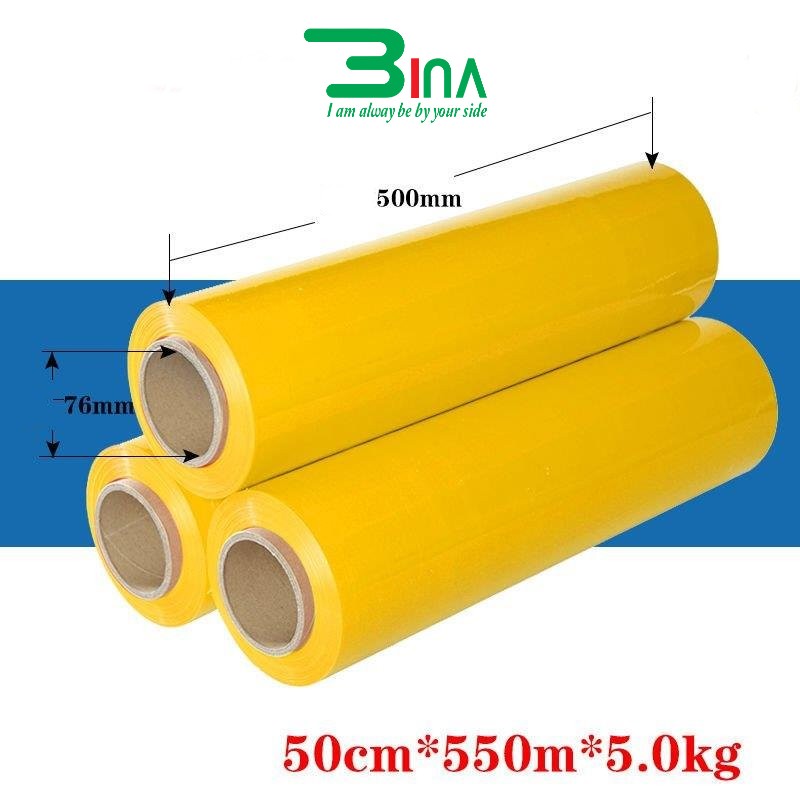
- Standard Selection: 500mm or 600mm, suitable for most pallet packaging and equipment.
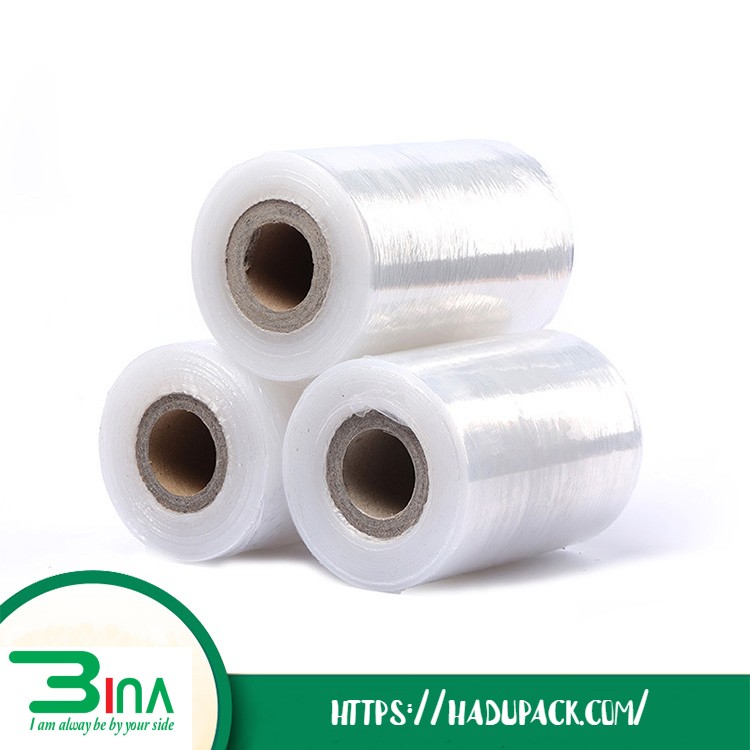
- Special Applications: Narrow bands (50-300mm) for small items or special bundling.
Self-Adhesion (Important):
Good PE film needs to have good self-adhesion on one or both sides to ensure that goods do not fall or separate during transportation.
Stretch Ratio:
High-quality PE film has a high pre-stretch ratio (usually 200%-400%), meaning that more goods can be packaged with the same length of film, making it more cost-effective.
Packaging method determines the type of film
- Manual packaging: Use a lighter film that is easier to handle and more flexible (15-20).
- Machine packaging: Use specialized stretch film for machinery, with high tensile strength and tear resistance (20 or higher).
 |
Key points for identifying quality
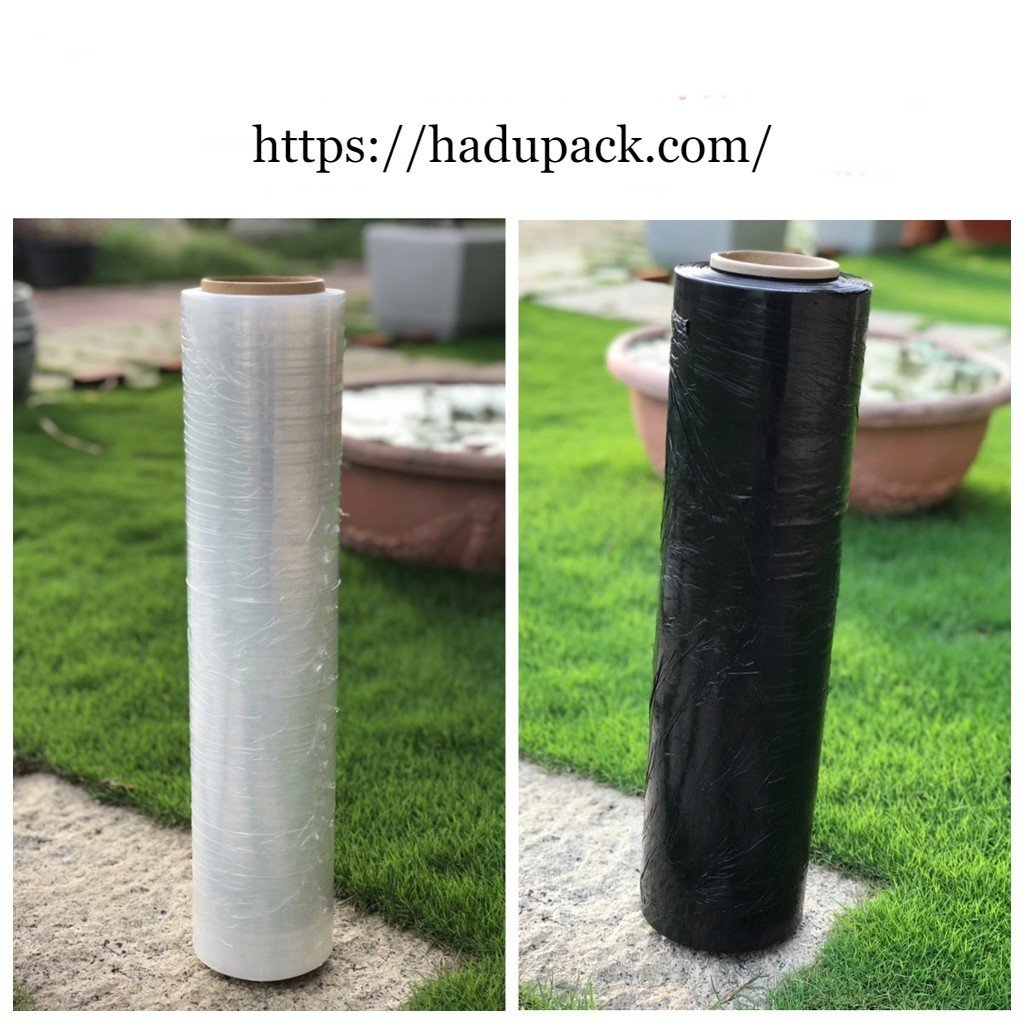
- Appearance: High-quality PE film has high gloss and good transparency, allowing the goods inside to be clearly visible.
- Color: High-quality film is colorless and transparent or pure white. A yellowish tint usually indicates that the film is made from recycled materials.
- Odor: PE film smells like candles when burned, without a pungent odor.
- Puncture resistance: When subjected to pressure during testing, film with high puncture resistance will not be easily punctured by sharp objects.
Summary and recommendations:
For everyday lightweight packaging, a film thickness of 15-18 mm is sufficient; if used for large machinery or heavy pallets, please choose film with high tensile strength of 25 mm or more. It is recommended to compare the tensile strength and self-adhesion of samples before purchasing in large quantities.
 |
Key points for identifying PE film quality:
- Appearance: High-quality PE film has a high gloss and good transparency, allowing the goods inside to be clearly visible.
- Color: High-quality film is colorless and transparent or pure white. A yellowish tint often indicates that the film is made from recycled materials.
- Odor: PE film smells like candles when burned and does not have a pungent odor.
- Puncture resistance: When subjected to pressure during testing, film with high puncture resistance will not be easily punctured by sharp objects.
Contact information for ordering PE stretch film
- BiNa Vietnam Joint Stock Company
- No. 289 Thanh Am Street, Viet Hung Ward, Hanoi City, Vietnam
- +84 522 806 806
- MST: 0111436560
- www://hadupack.com
- Admin@binajsc.com.vn





Reviews
There are no reviews yet.