


Description
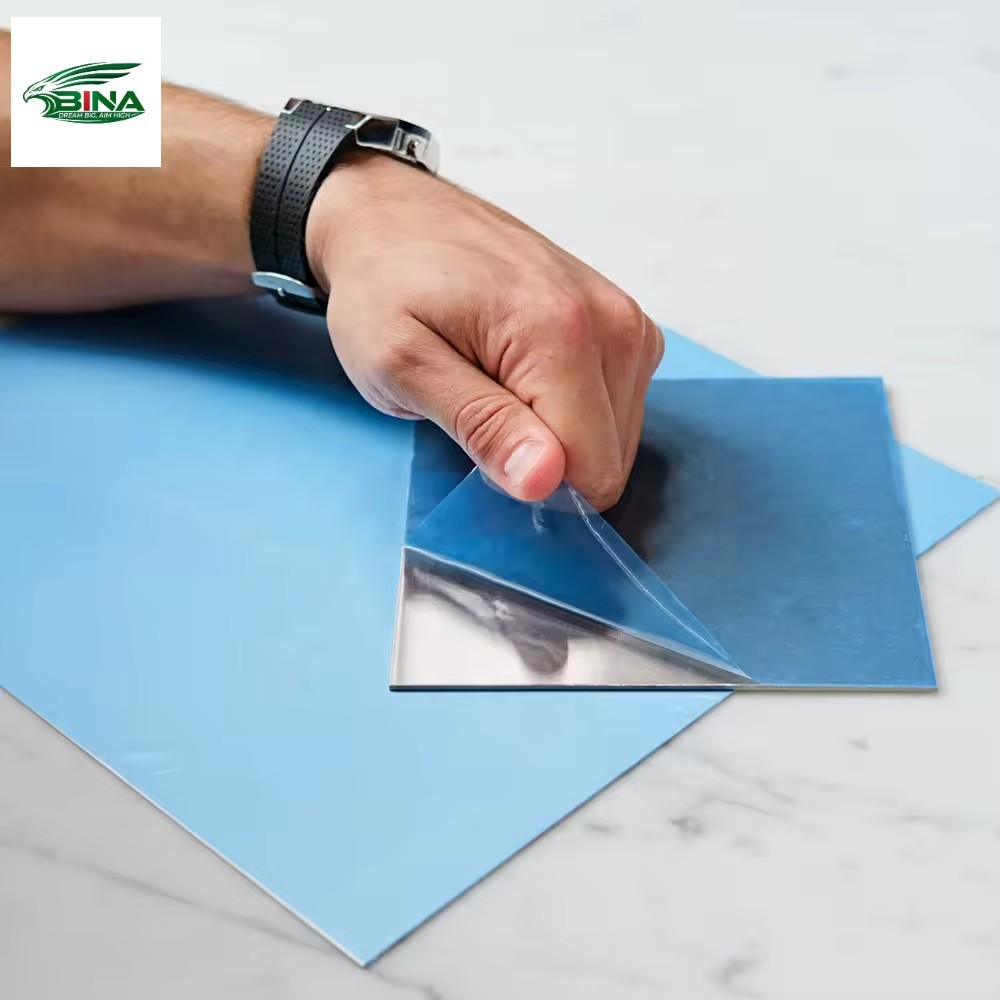
What is stainless steel surface protection film?
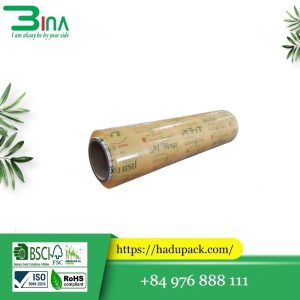
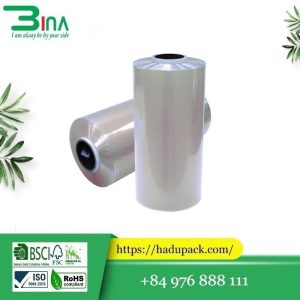
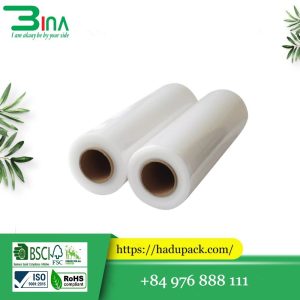
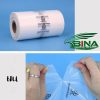
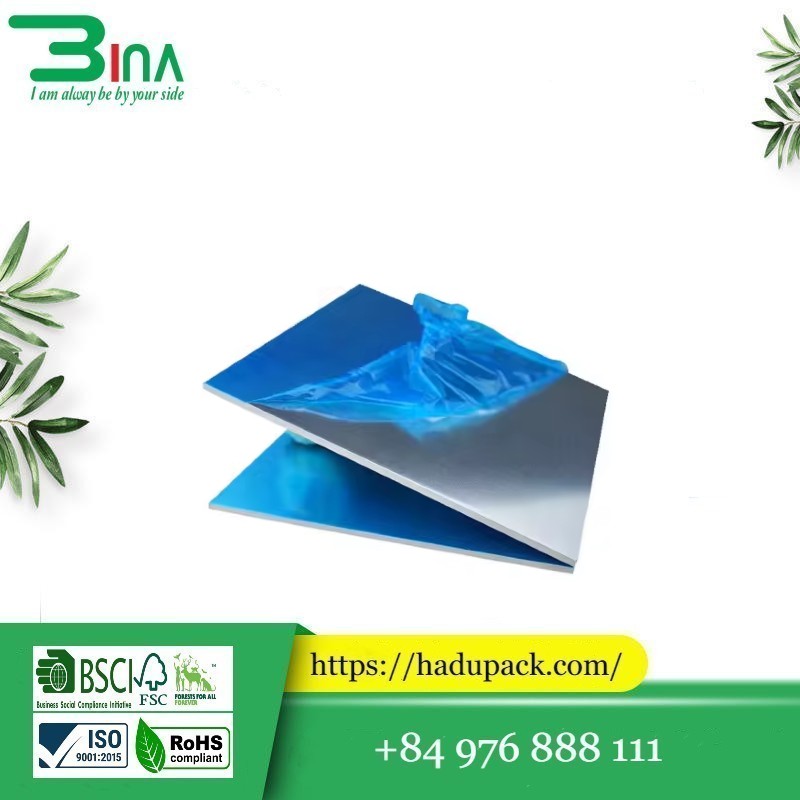
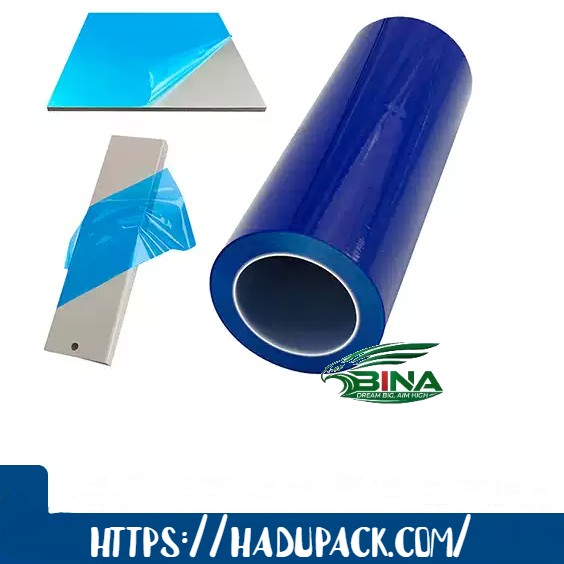
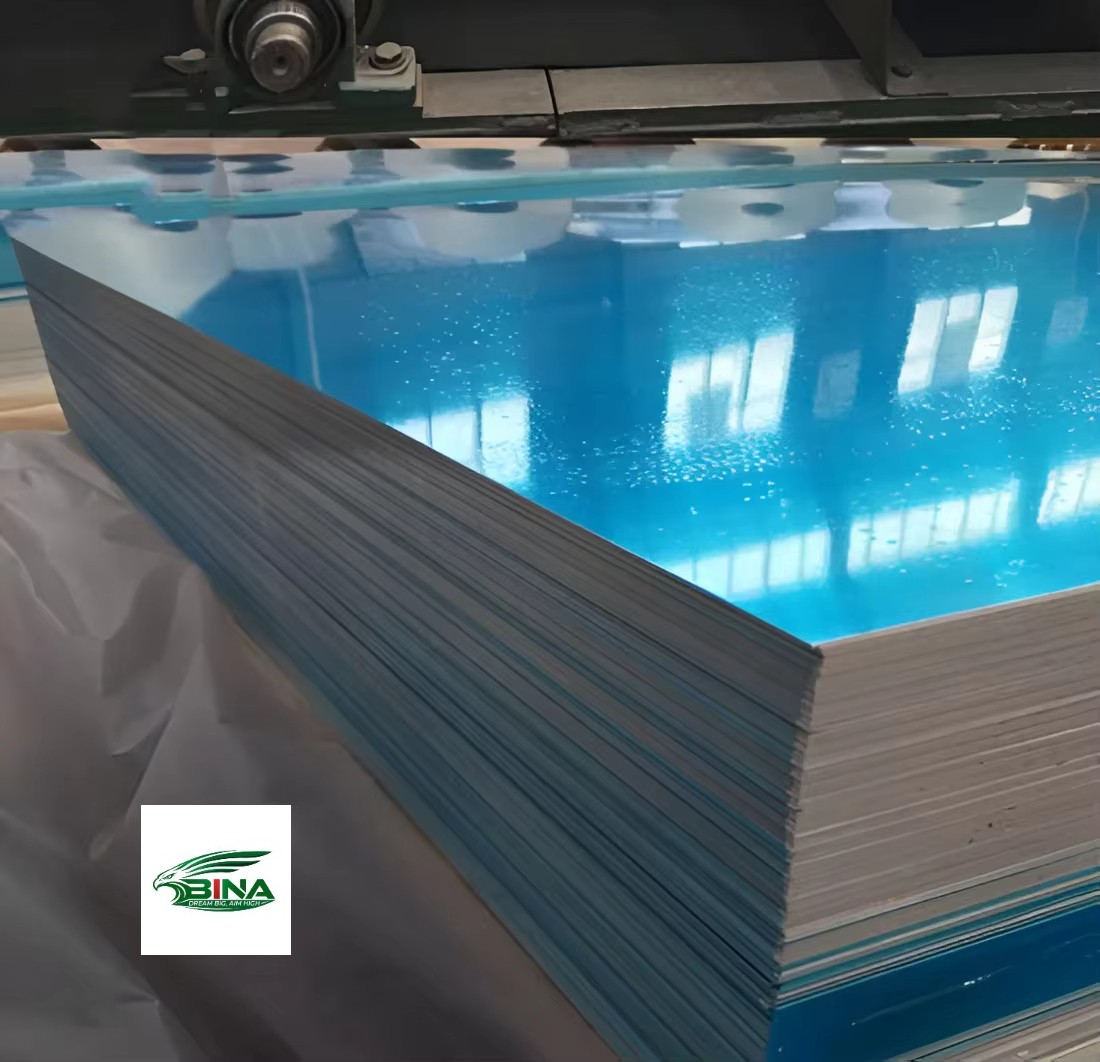
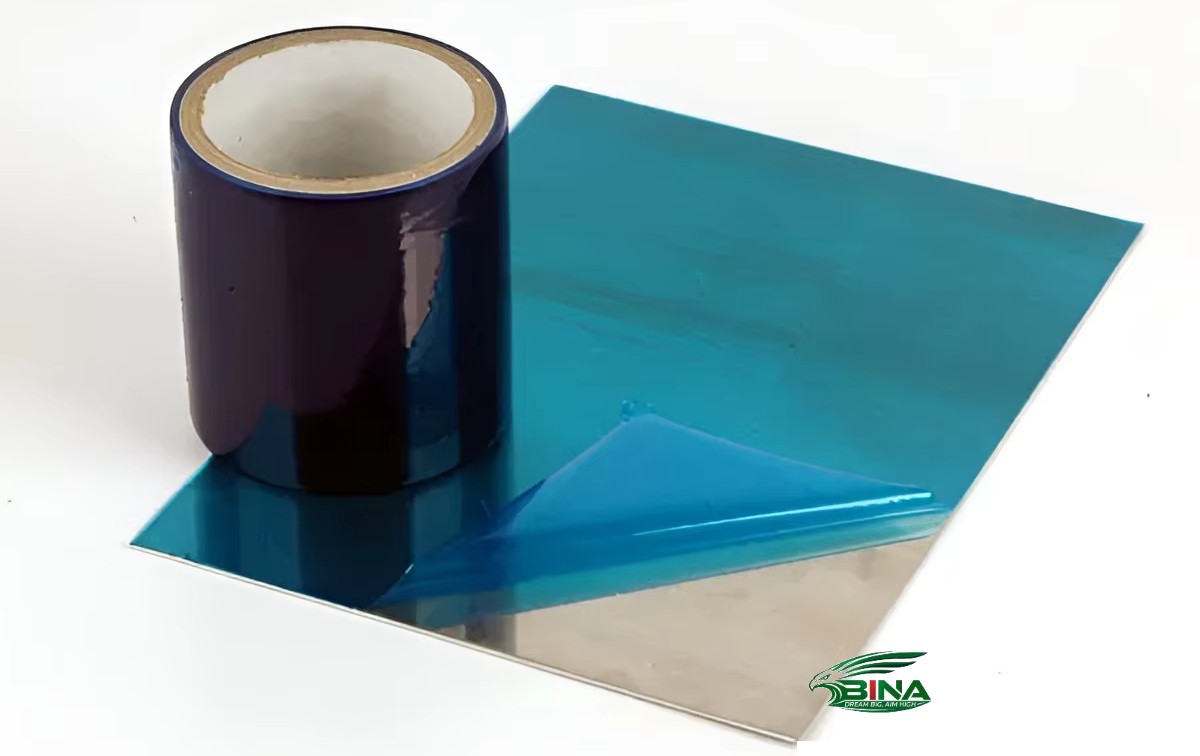
Stainless steel surface protection film (primarily made of PE) is mainly used to prevent scratches, contamination, or oxidation of stainless steel sheets during processing, transportation, and installation. Its features include stable and adjustable adhesion (from low to high), easy peeling without leaving residue, and good heat resistance. Common colors include transparent, blue, black, and white films, suitable for polished, mirror-finished, or matte stainless steel surfaces.
 |
Key characteristics and material selection for protective films for stainless steel surfaces:
Polyethylene (PE) is commonly used as the base material, with acrylic resin as the pressure-sensitive adhesive.
◆Learn more:
- https://hadupack.com/san-pham/mang-bao-ve-be-mat-nhom/
- https://hadupack.com/san-pham/bang-keo-bao-ve-be-mat/
- https://hadupack.com/san-pham/mang-bao-ve-pe-chong-tinh-dien/
Functions:
- Scratch protection: Prevents abrasion during stamping, cutting, and forming.
- Contamination protection: Prevents surface contamination from dirt and fingerprints.
- Weather resistance: High-quality protective film can protect stainless steel in outdoor environments.
Adhesion options:
- Low adhesion: Suitable for protecting smoother surfaces, easy to tear.
- Medium adhesion: Suitable for polished or rough surfaces.
 |
Common technical specifications:
The thickness is mainly (0.03 mm – 0.1 mm) (3-10 microns), usually blue or transparent.
Applications and notes:
Widely used for household appliance panels, stainless steel doors and windows, elevator decoration, machinery and equipment, the automotive industry, and other fields.
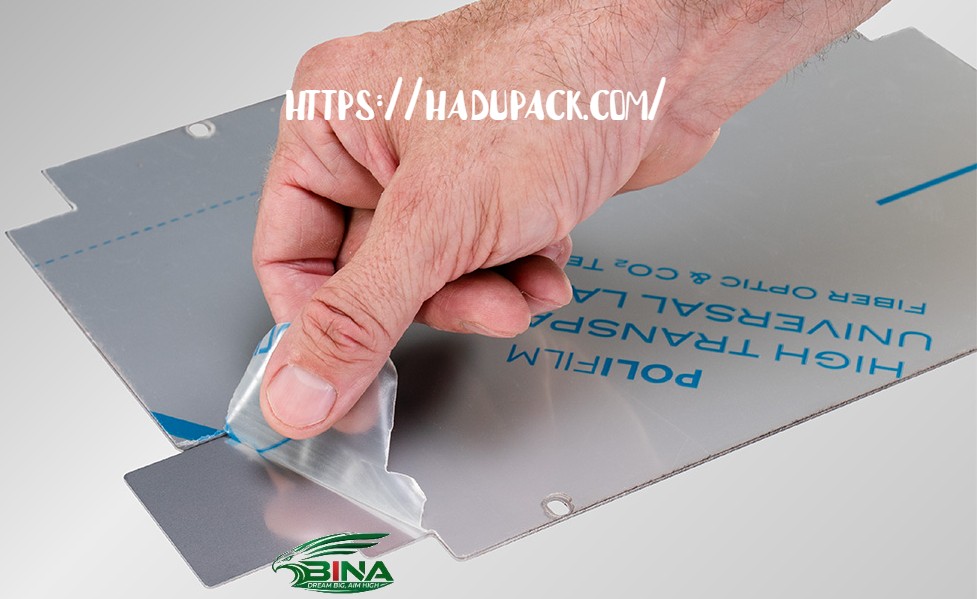
- Residue removal: Although most high-quality protective films ensure that no residue is left behind, some residue may remain after a period of use. In this case, you can use a hair dryer (heat gun) to soften the film before peeling it off, or use an adhesive remover.
- Selection recommendation: Choose the appropriate adhesion based on the surface finish (mirror, brushed, matte) to ensure that no scratches or residue are left behind.
Production process of stainless steel surface protective film
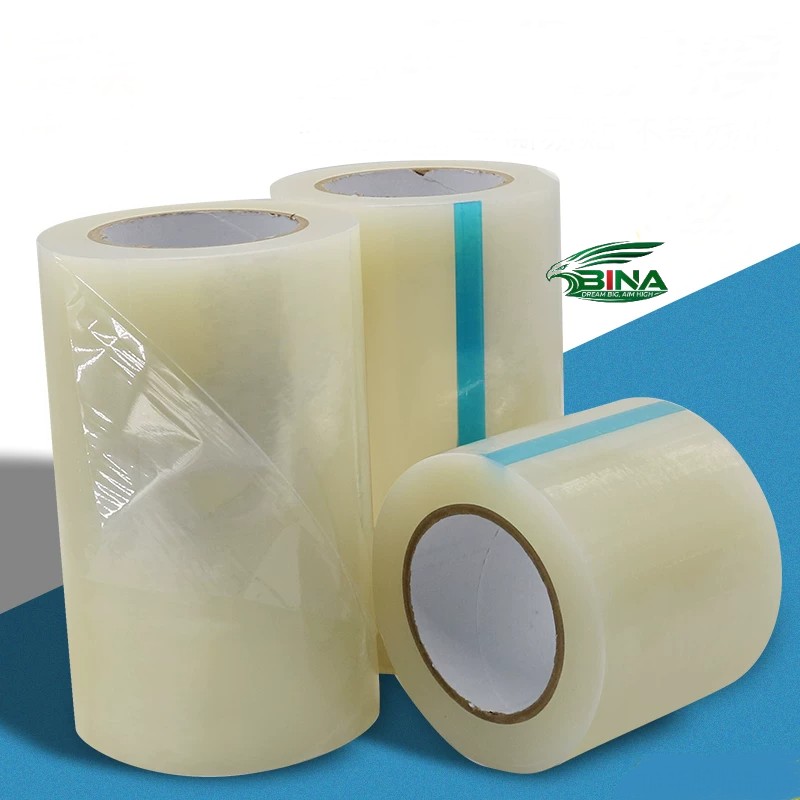
The production process of stainless steel surface protective film (mainly polyethylene PE film) generally includes steps such as raw material mixing, blown film extrusion (or casting), adhesive coating, curing, cutting, and packaging. A specially formulated PE substrate combined with pressure-sensitive adhesive protects stainless steel and aluminum sheets from scratches during transportation and processing. The key lies in controlling the adhesive strength and substrate flexibility to ensure high-temperature resistance and residue-free performance.
 |
I. Main production process (Using PE pressure-sensitive protective film as an example)
- Raw material mixing: Mix polyethylene (PE) resin, ultraviolet stabilizers, antioxidants and other additives.
- Blown film extrusion/Casting: Heat and melt the mixed raw materials, then blow them into cylindrical film using a blown film extrusion machine (blown film extrusion) or cast them into film using a T-die (casting). This step controls the thickness of the protective film (usually 3C-10C).
- Adhesive coating (Pressure-sensitive adhesive): Coat one side of the substrate with polyacrylate (acrylic) resin or rubber-based pressure-sensitive adhesive. This is the source of the protective film’s adhesion.
- Film lamination and curing: For composite films, the film material is laminated with the adhesive layer and then cured in a curing chamber to ensure stable adhesive properties and improve tensile strength and adhesion.
- Cutting and packaging: Cut and package according to the customer’s required dimensions, followed by inspection and packaging.
 |
II. Surface treatment and processing types:
- Stainless steel protective film has various applications depending on the subsequent processing requirements:
- Laser cutting protective film: Suitable for high-precision laser processing.
- Stretching protective film: Suitable for stamping and stretching sheet metal.
- Special processes: Physical or chemical methods such as PVD, titanium plating, or direct fingerprint-resistant treatment create a protective layer on the surface.
III. Product features:
- Good flexibility: Quickly wets the surface to be covered.
- Low peel strength: Low peel strength increases after application, ensuring no adhesive residue when removed.
- Aging resistance: Resistant to UV rays, suitable for outdoor environments or storage.
 |
Notes When Choosing Stainless Steel Protective Film
When selecting protective film for stainless steel surfaces, to ensure effective surface protection and prevent residue during processing, transportation, and installation, the following points should be noted:
1. Selection of adhesive and adhesion (viscosity):
- Selection according to surface roughness: Mirror-like stainless steel surfaces require protective film with low viscosity to avoid leaving adhesive residue when peeled off; brushed or rough surfaces require medium to high viscosity to ensure firm adhesion.
- Check residue and stability: It must be confirmed that the film remains easy to peel off without leaving residue after heat treatment (such as laser cutting) or long-term storage.
2. Thickness and protective performance:
- Uniform thickness: Choose film with uniform thickness and no significant differences in thickness. The thickness of domestic films is generally between 0.04 mm and 0.07 mm, ensuring uniform protection.
- Tensile strength: The protective film must have sufficient tensile strength to prevent tearing or excessive stretching during application (elongation after application must be less than 1%).
 |
3. Requirements for color and printing:
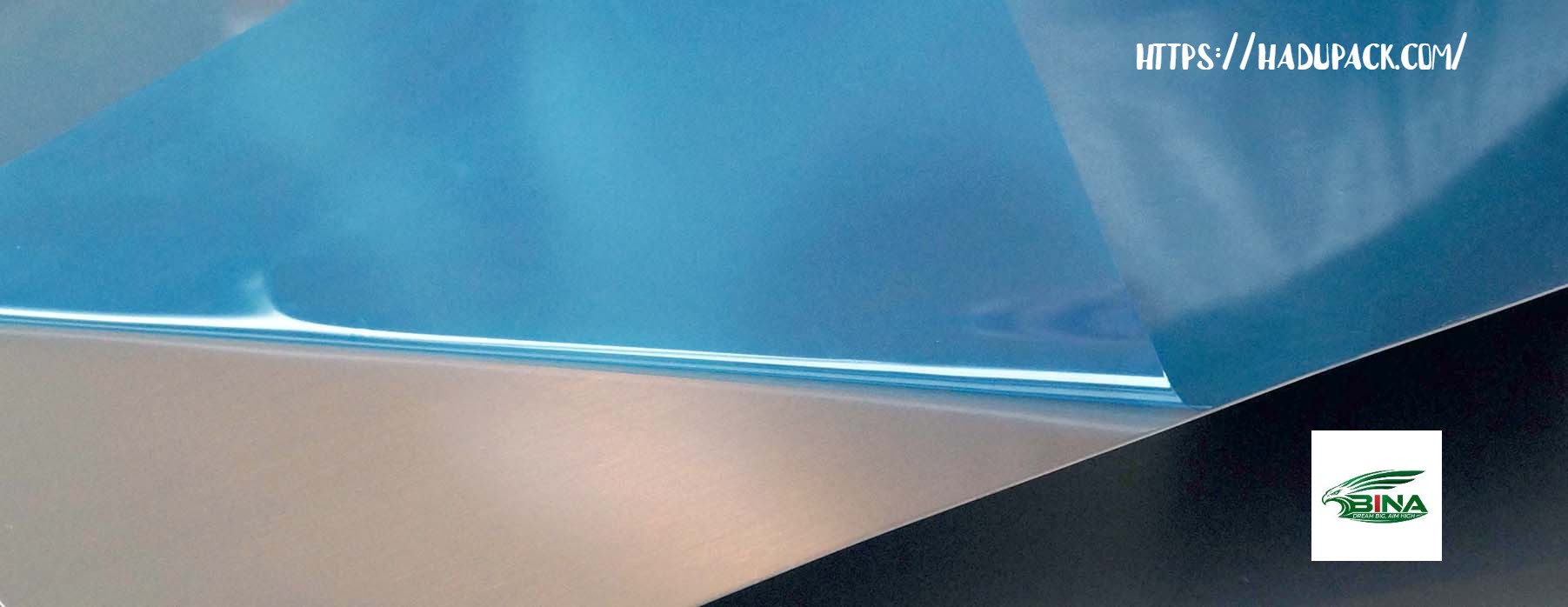
- Color selection: Common colors include transparent, blue, milky white, black and white, etc., selected according to the processing environment (e.g.: requirements for reflection and light blocking).
- Printing of markings: If text, logos, or serial numbers (anti-counterfeiting) need to be printed on the surface of the protective film, a printable type of film should be selected.
4. Adaptability to processing (Lamination process):
- Cleaning and lamination: The film surface must be clean, dry, and free of grease. A laminating machine should be used to avoid air bubbles.
- Resistance to bending/scratching: If the stainless steel will undergo deep processing (e.g.: bending, cutting), the protective film must have tear resistance and good elongation to protect the metal from being scratched by processing machinery.
 |
5. Storage and shelf life:
- Ambient temperature: Store in a clean, dry place, away from direct sunlight.
- Aging issue: Prolonged exposure to sunlight will cause the protective film to age, resulting in an increase in residual adhesive when removed. It must be removed within the specified period (usually 3-6 months).
BiNa Vietnam Joint Stock Company provides various types of specialized protective films for stainless steel, which can be selected according to the processing environment.
Detailed information about Hadupack from us
 |