


Description
What is surface protection film?
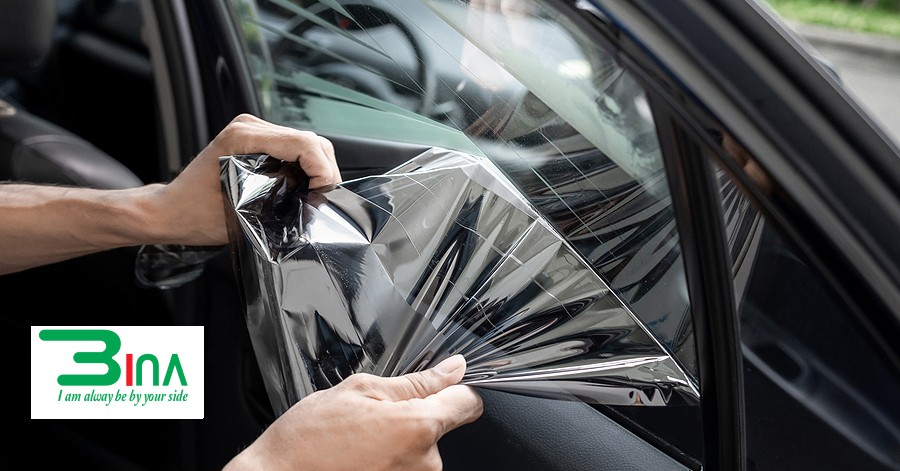
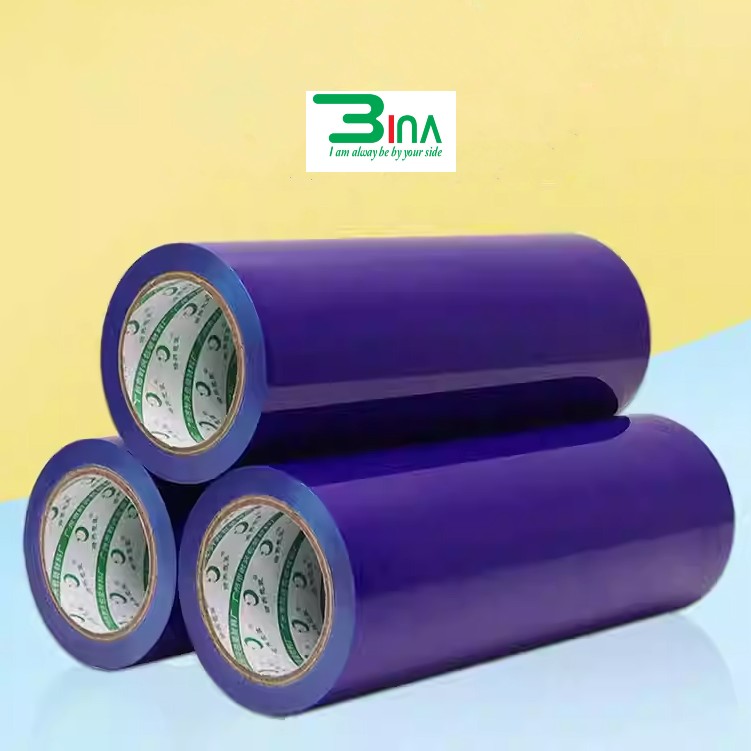
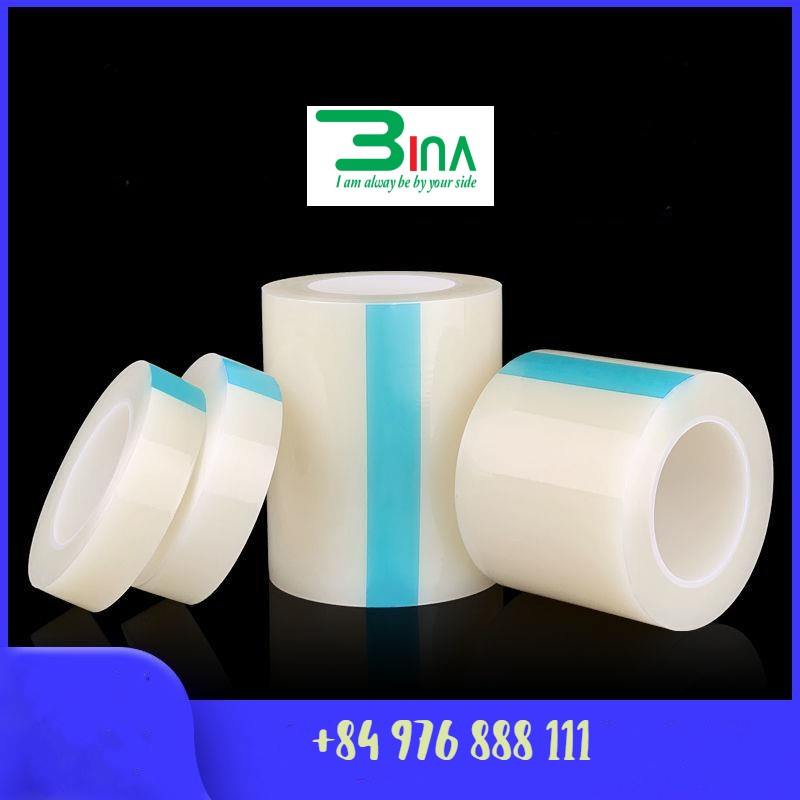
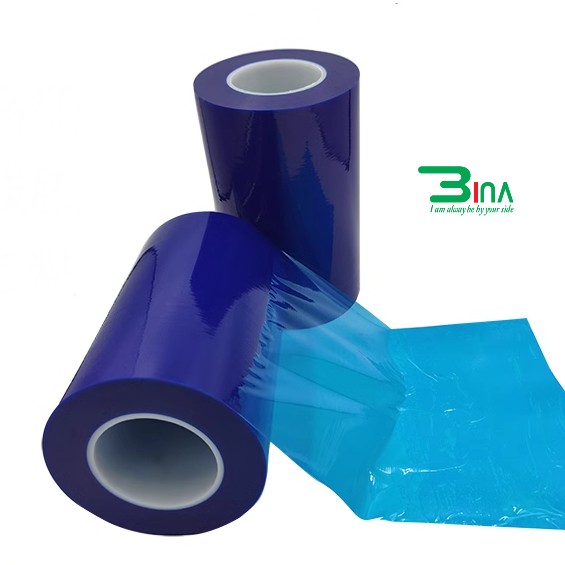
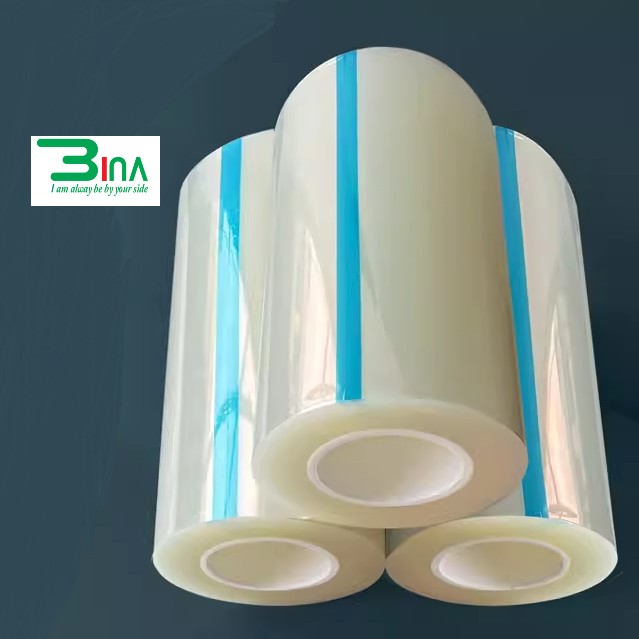
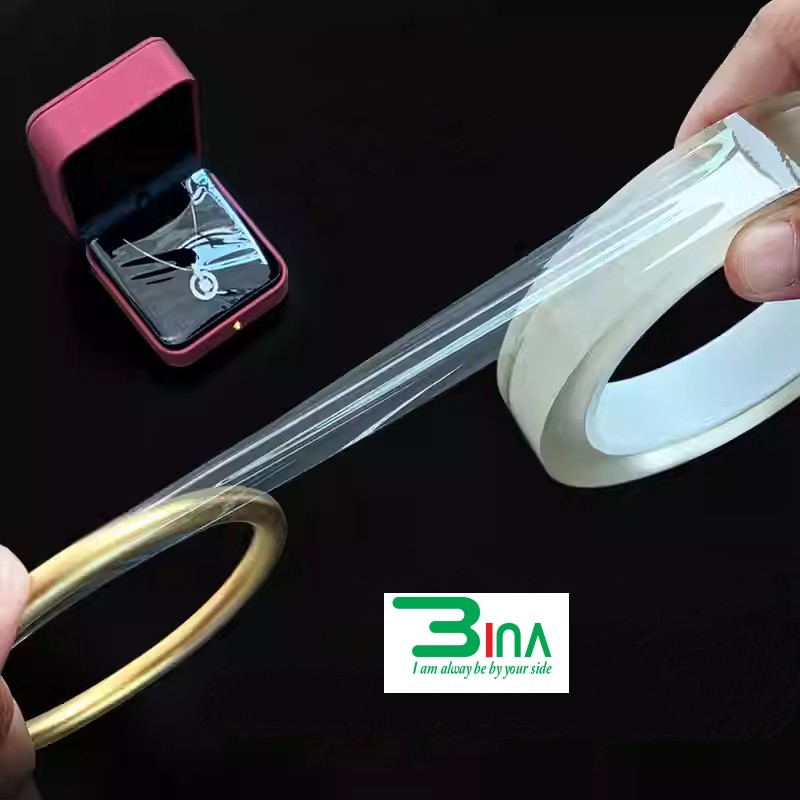
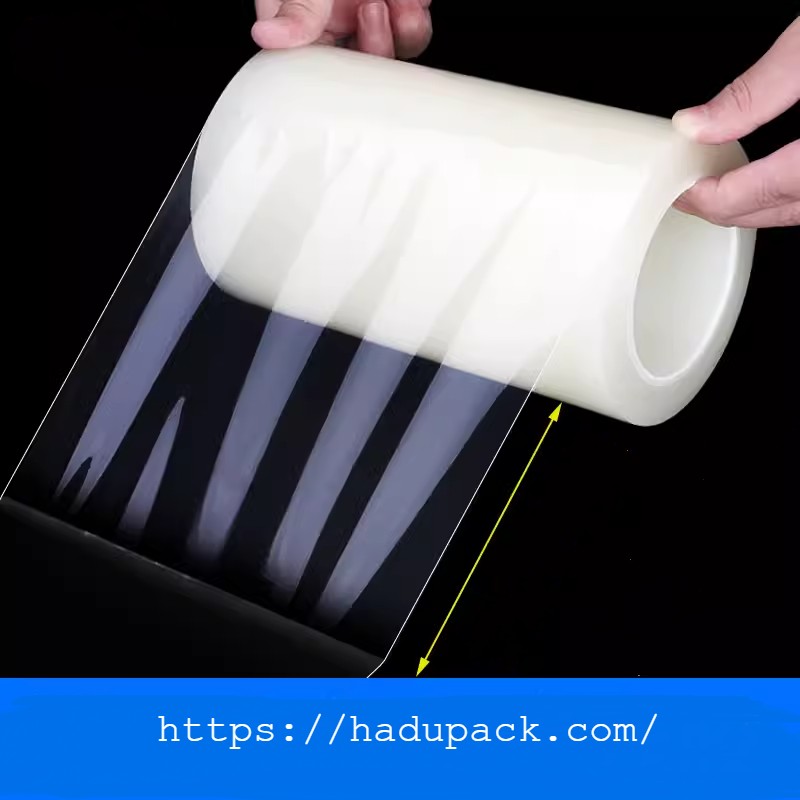
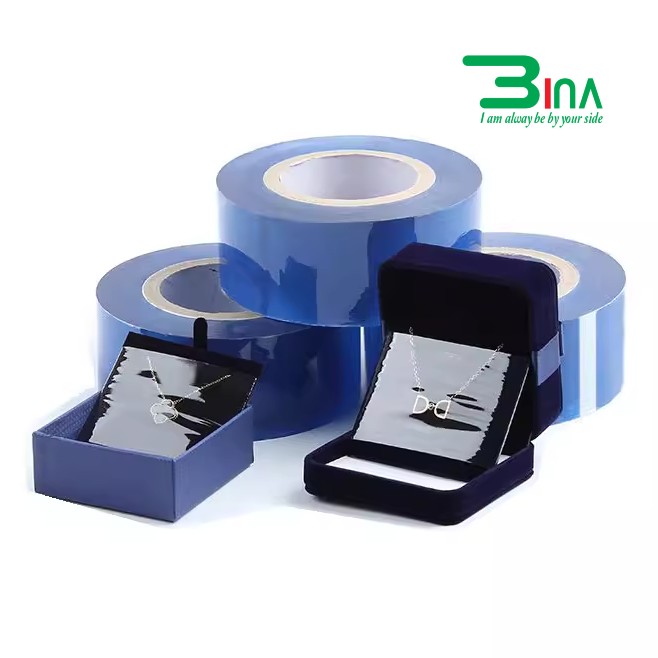
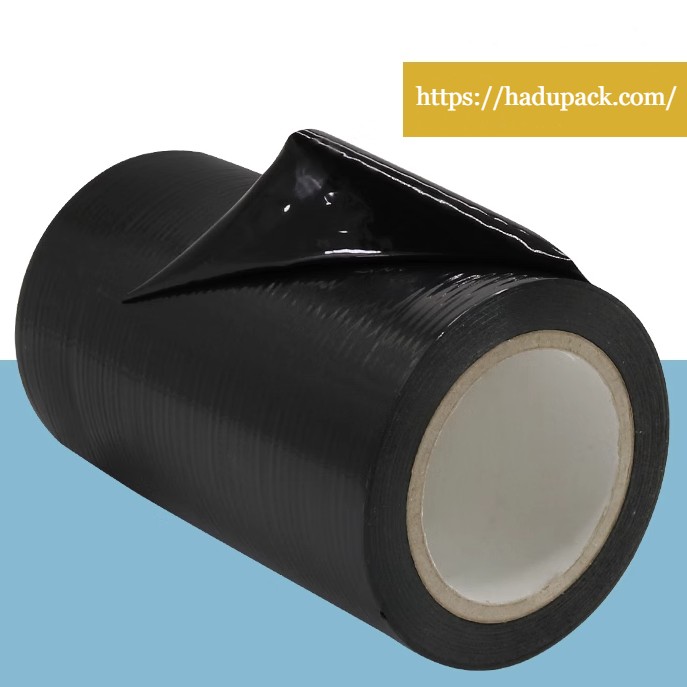
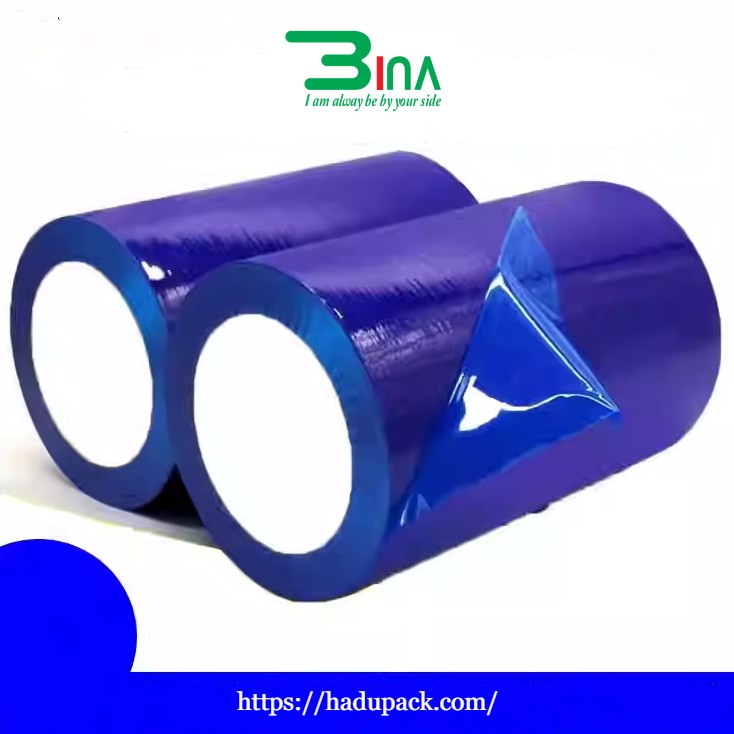
Even if you have never used surface protection film for your own purposes, you may already be familiar with its presence on many products that you purchase every day. By now, you may actually expect to find protective film on every new i-Something, TV, computer monitor, or large household appliance that you buy. Chances are your customers also expect to find that magical scratch-resistant protective film on your products.
 |
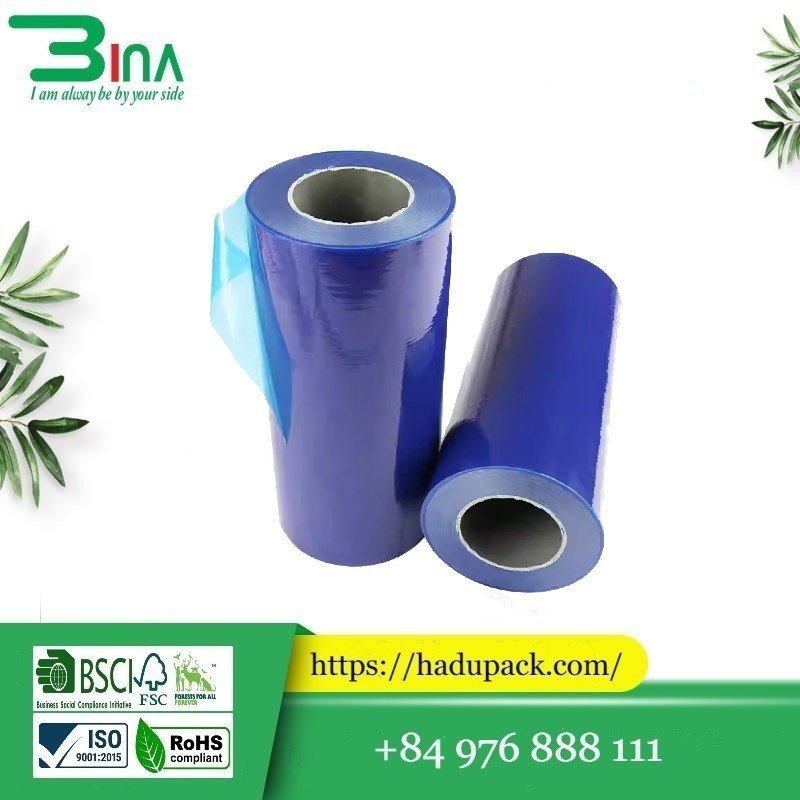
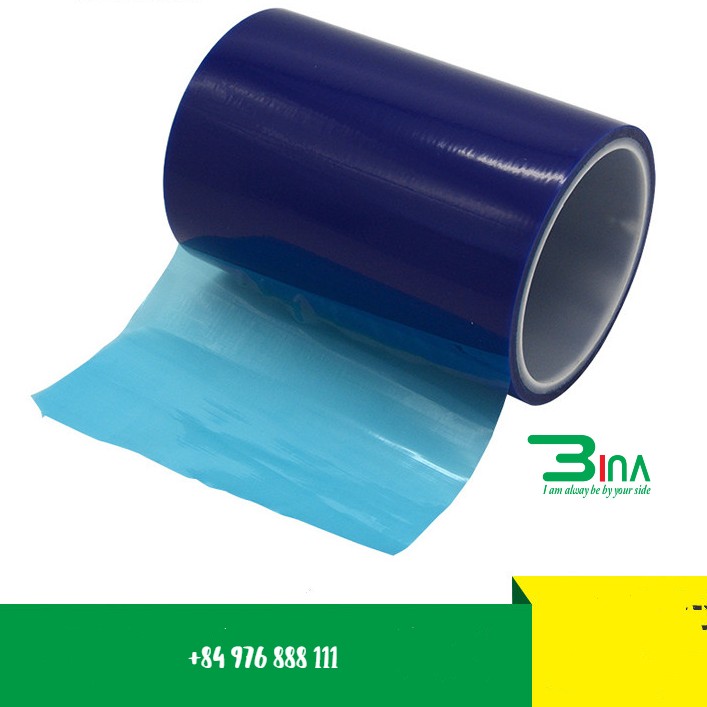
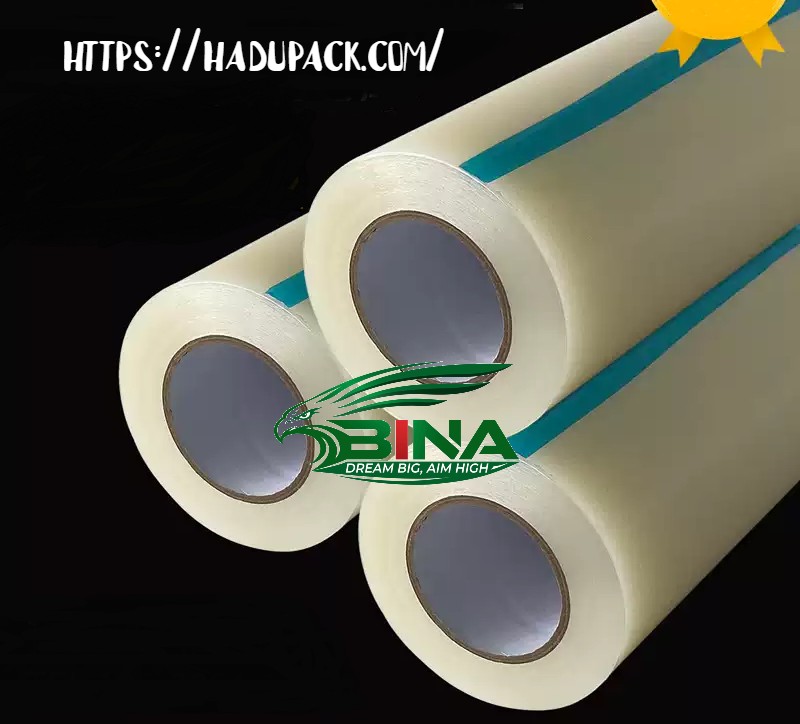
In its simplest form, temporary surface protection film is a thick plastic layer coated with a specialized pressure-sensitive adhesive (PSA). One keyword when describing protective film adhesives is “temporary”. By design, temporary surface protection film is not intended to remain on a surface indefinitely. We have all experienced the frustration of trying to remove a temporary price tag from a new gadget, only for the price tag to tear into strips or leave behind sticky residue. That is quite undesirable for a protective film. Read how to choose a protective film to prevent that from happening with your protective film.
 |
 |
◆Learn more:
- https://hadupack.com/san-pham/mang-cang-pe/
- https://hadupack.com/san-pham/khay-xop-pe-foam/
- https://hadupack.com/san-pham/mang-bao-ve/
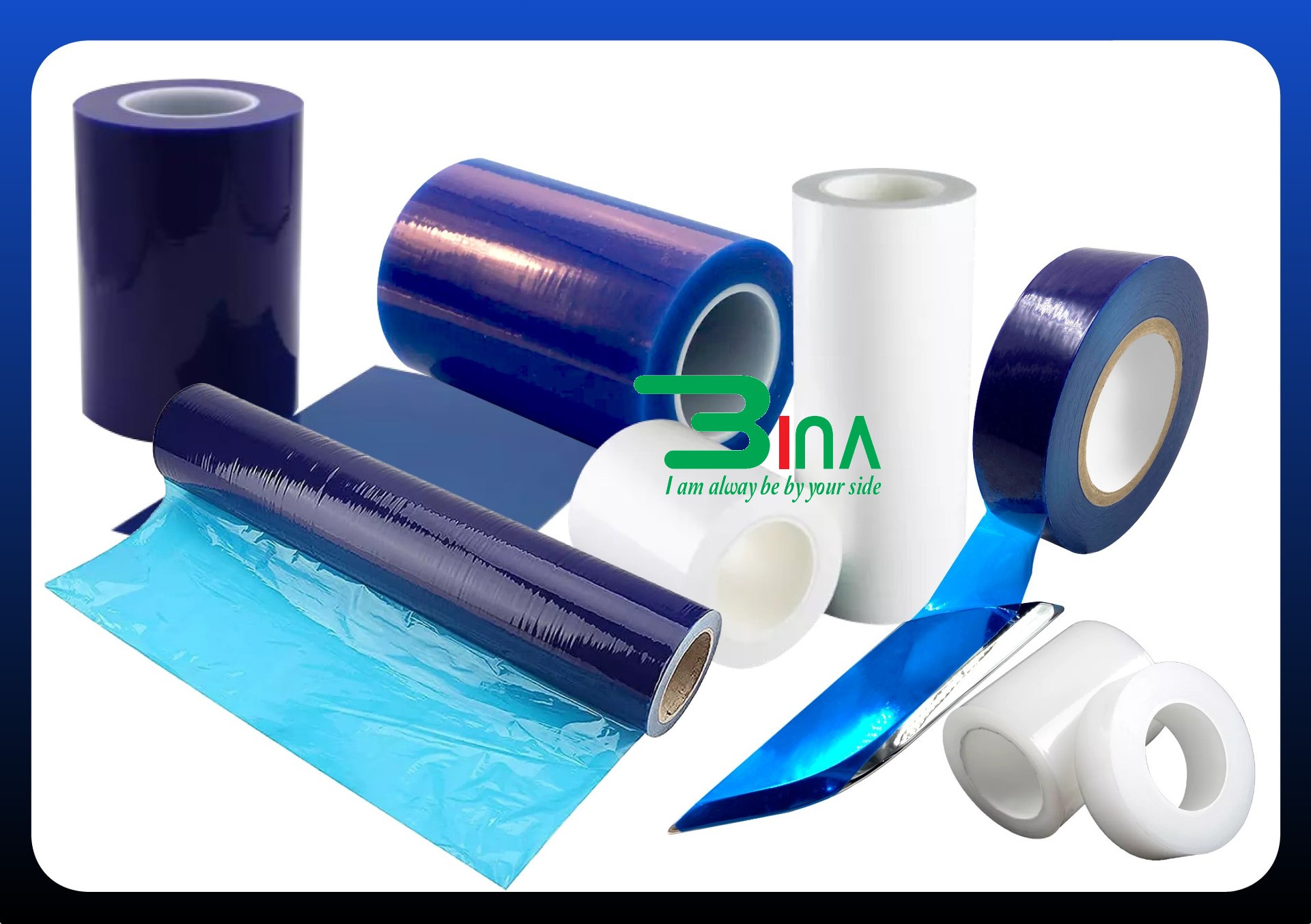
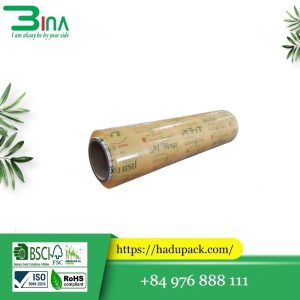
Here are some specific types of materials, mainly plastics, commonly used to create scratch-resistant surface protection films:
- Low-density PE polythene protective film has improved elasticity and flexibility and is generally lightweight
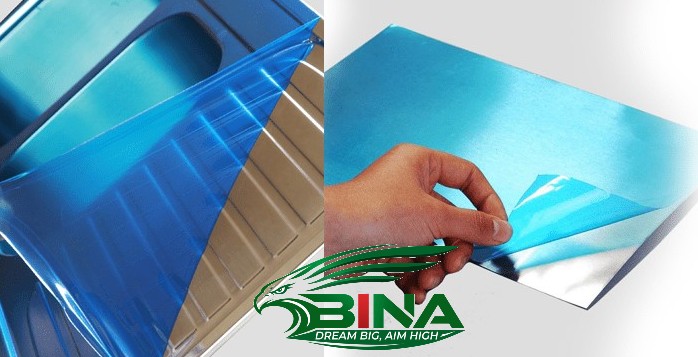
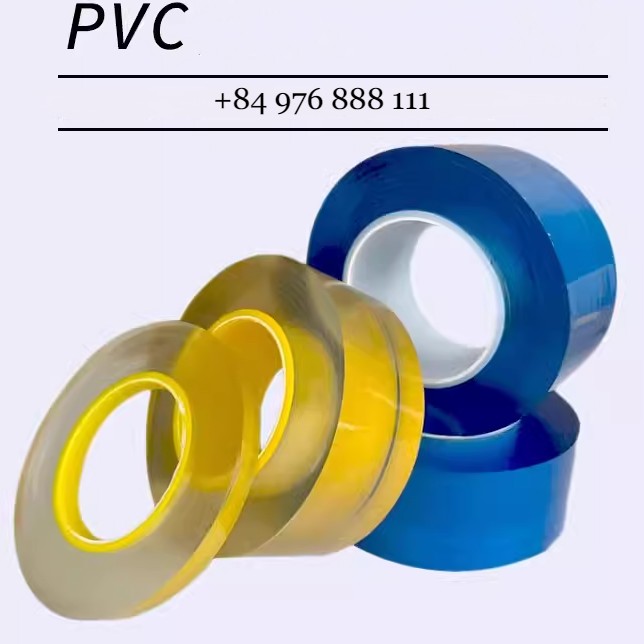
- PVC Polyvinyl chloride protective film is smooth and glossy with a relatively higher degree of elasticity, making it an ideal choice for protecting metal surfaces
- Polypropylene is less elastic and holds firmly even at higher temperatures
- Polyolefin works particularly well with glass or painted metal and specific variants are used for packaging
- Co-extruded low-density polythene provides a higher level of protection by using layering techniques
- Paper is commonly used to protect against very low-impact damage
PVC surface protection films are generally slightly more expensive and are used in specialized applications, such as metal forming and protecting exterior windows, where the film will be exposed to sunlight for up to one year. LDPE treated with UV inhibitors can also be used for exterior applications. To avoid problems, do not use film rated for interior use for exterior applications.
 |
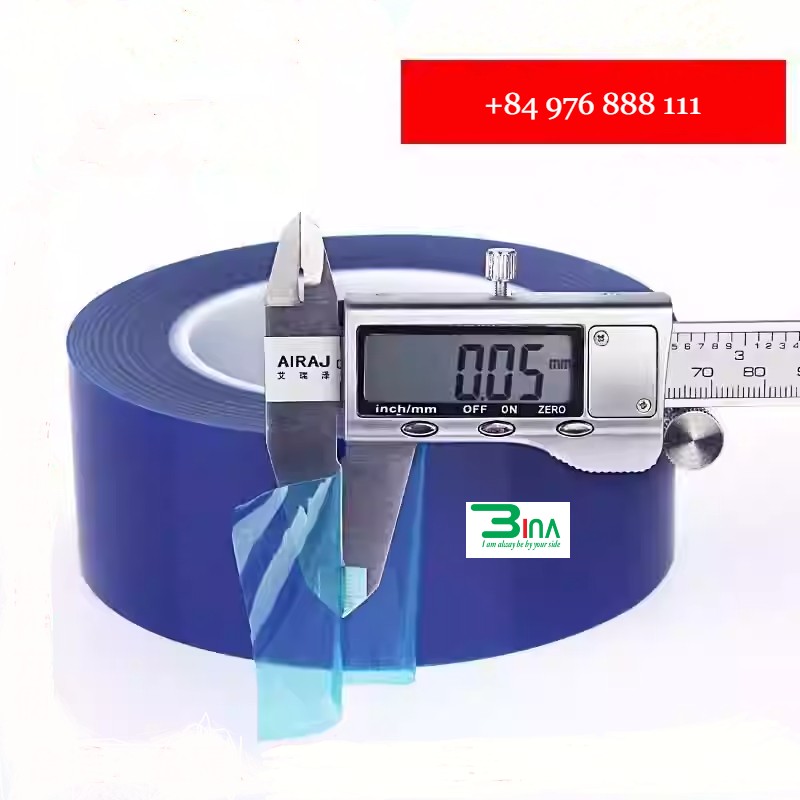
Film thickness is usually described as the combined thickness of the plastic and the adhesive. In the United States, film is measured in thousandths of an inch or mils. (Not the same as millimeters). Typical film thickness ranges from 1 mil to 6 mil, sometimes higher. The thicker the film, the greater the protection against abrasion, scratches, etc. Thicker films tend to be stiffer and can be more difficult to apply to contoured surfaces.
The type of adhesive is also an important consideration. Textured surfaces typically require a thicker and softer adhesive. If the adhesive only contacts the “peaks” of the surface, the adhesive may only touch less than 5% of the total surface area and be prone to falling off the surface. Adhesives for textured surfaces also tend to have higher adhesion values.
 |
Adhesion, or the stickiness of an adhesive, is measured in ounces per inch. For the best performance, the lowest adhesion value should be used, with adhesion strong enough to hold the film on the surface throughout its service life. Using a higher level of adhesion than necessary can increase the risk of the film being difficult to remove or leaving adhesive residue. For example, protective film used to protect LCD screens on mobile phones has an adhesion of about one ounce/inch. Film used to protect carpets has an adhesion of 25 ounces/inch or higher. Using carpet film on an LCD screen could likely pull the screen off when the film is removed.
 |
 |
 |
 |
 |
 |
 |
 |
 |
 |
Types of scratch-resistant surface protection films
Protective films come in many different styles, each specifically designed for an application and typically differing in thickness, material, and adhesion. Here are the two most common types of protective films you will encounter:
1. SURFACE PROTECTION FILMS
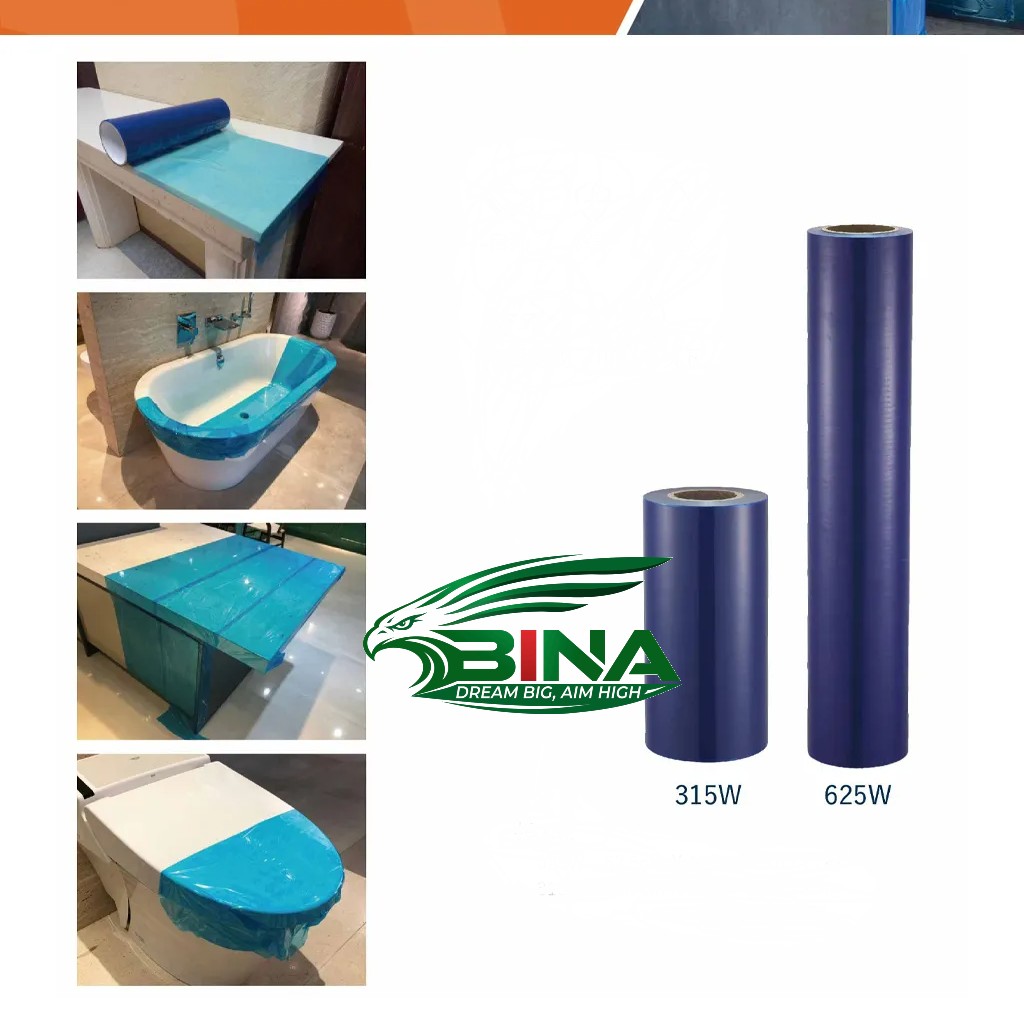
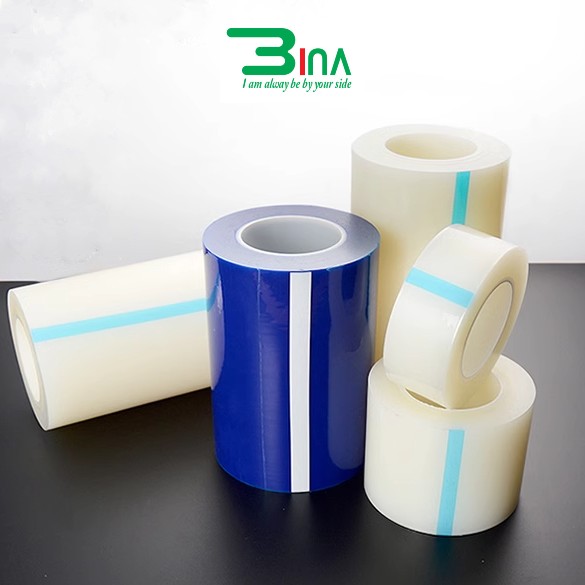
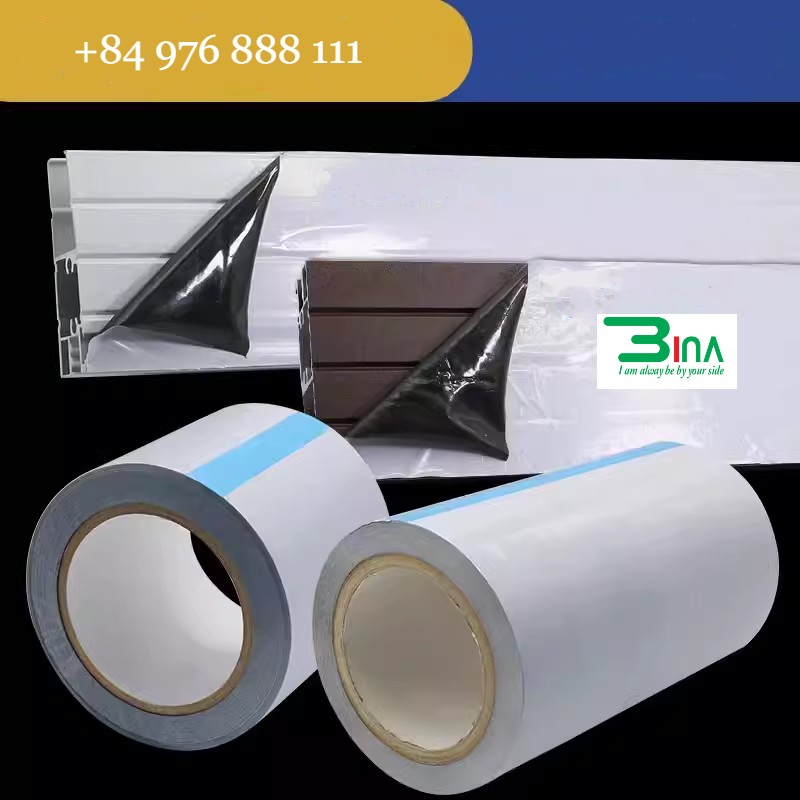
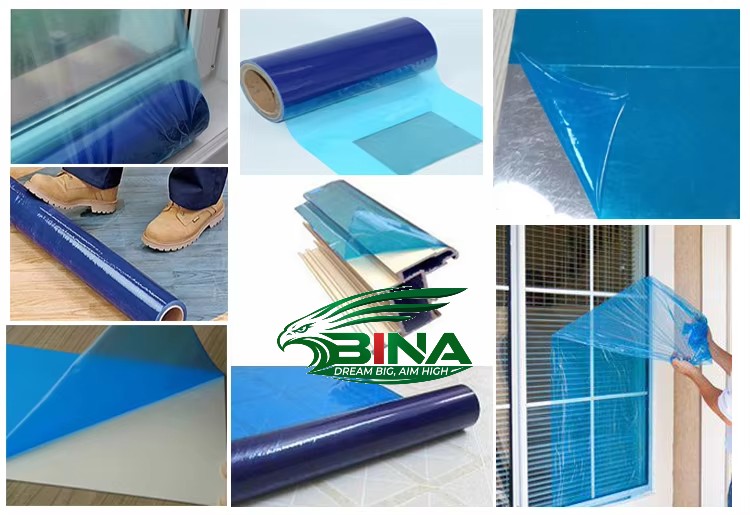
High-quality surface protection films can be easily applied and removed while still providing a sleek finish to the surface they are used on. These films protect vulnerable surfaces: glass, commercial glass, plastic, stone, tile, granite, marble, etc.
Industries focused on manufacturing and distributing packaged products often find themselves in need of this type of protection. However, cutting these films into suitable shapes to fit various surfaces becomes difficult. In addition, users must ensure there are no air bubbles when applying them, which often requires the expertise of a surface protection film professional.
 |
2. PROTECTIVE FILM FOR PAINTED SURFACES
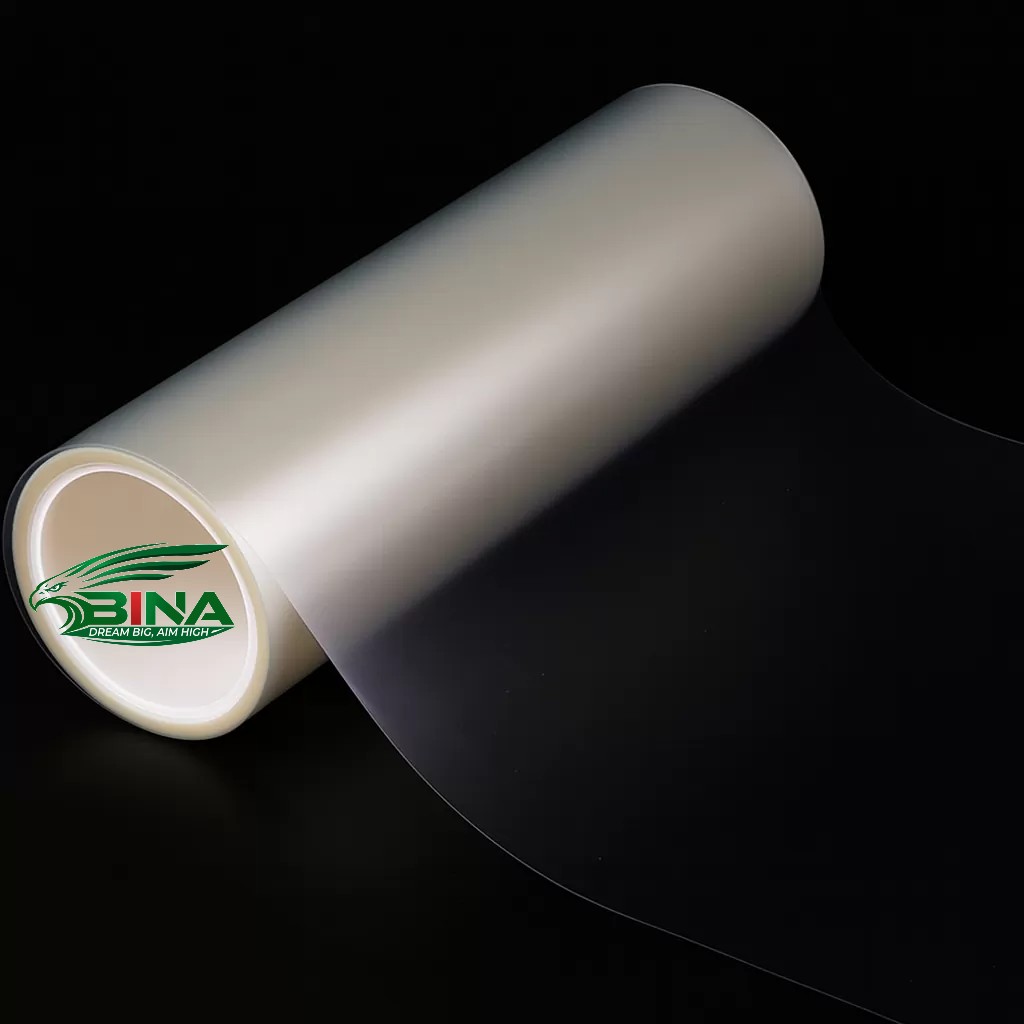
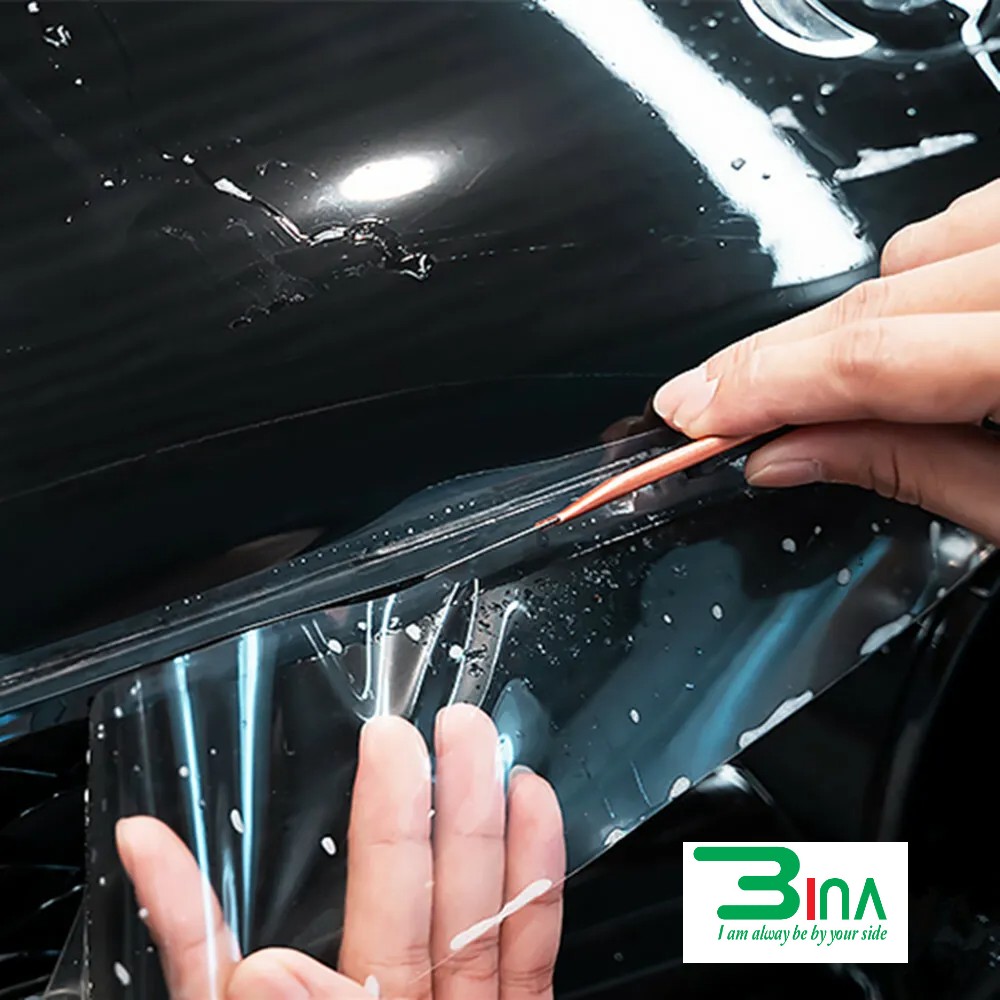
Paint protection films generally offer higher impact resistance. Variants such as clear paint protection film (PPF) have “self-healing” properties that allow them to return to their natural shape after impacts or scratches.
These types of films are typically made from elastic polymers, giving the film flexibility. Traditionally, they are invisible, allowing the object to maintain its aesthetic value while adding an extra level of protection. That is why common applications include mobile phones, electronics, cars, aircraft and other equipment.
Although PPF is not bulletproof, it provides superior protection against stone chips and other environmental contaminants. It is also chemical-resistant, allowing you to wash or clean your equipment without worrying about losing adhesion or being unable to perform maintenance.
 |
Protective film production process
The protective film production process mainly includes core steps such as substrate treatment, coating, drying, lamination and slitting. The core process is as follows: After corona discharge treatment, the substrate (PET/PE/PVC) is evenly coated with adhesive by a coating machine, dried and solvent-removed in a high-precision drying oven, laminated with a protective film (if necessary), and then slit and inspected to become a finished product. The core challenge lies in achieving a uniform coating and a suitable adhesive formulation.
I. Core production process
- Substrate preparation: PET or PE plastic film is commonly used. To improve adhesive adhesion, the film surface is treated with corona discharge or coated with a primer to increase surface energy.
- Coating: The prepared pressure-sensitive adhesive (acrylic adhesive, silicone, etc.) is evenly coated onto the substrate using a coating machine (such as a knife-over-roll coater or slot-die coater).
- Drying/Curing: The coated film is fed into a drying oven, where the solvent is dried through a gradient-temperature process, allowing the adhesive to cure and form a smooth adhesive layer.
- Lamination: A protective film can be laminated onto the coated surface to protect it from contamination before use.
- Inspection & Slitting: The film’s transparency, adhesion and air bubbles are inspected, and finally, the film is slit to the appropriate width according to requirements.
 |
II. Production characteristics of different types of protective films
- PET protective film: Emphasizes high transparency. Production typically uses fine coating technology and is commonly used to protect screens. The surface may be coated with antistatic agents and a scratch-resistant layer.
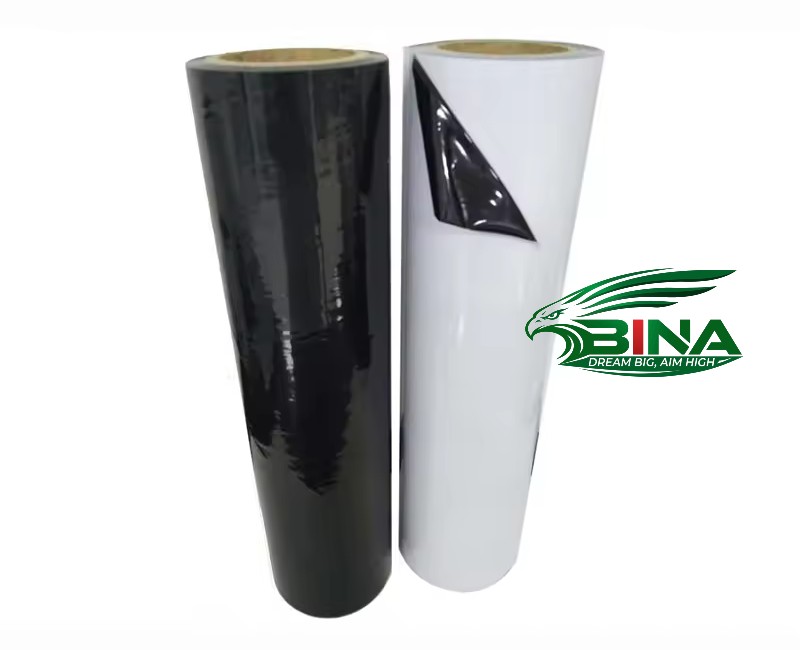
- PE protective film: Production mainly uses the blown film process, in which PE raw materials are heated and melted, extruded through a circular die, then blown, cooled, and formed.
- Functional protective film (e.g.: privacy film): After the coating stage, steps such as UV plastic lamination are required to create a smooth texture and fill with black filler.
III. Key process technology control
- Coating accuracy: The adhesive layer thickness is usually only a few micrometers to several dozen micrometers; uniformity determines the optical quality of the product.
- Drying efficiency: Drying too quickly may cause bubbling on the film, while drying too slowly may leave solvent residues, resulting in excessive residual adhesion or unpleasant odors.
- Cleanliness: Protective film production is usually carried out in Class 100 or Class 1000 cleanrooms to prevent dust particles from forming bright spots or raised and recessed marks.
Through these processes, protective films provide scratch resistance, explosion resistance, and contamination resistance for electronic products, plastic components, and metal surfaces.
 |
Common Issues in the Production of Surface Protection Films
In the production and processing of protective films (such as films made from PE, PVC, and PET), common quality issues mainly focus on adhesive properties, the physical properties of the substrate, and production environment control. The following are common issues and their causes:
1. Adhesive Performance Issues
- Adhesive Transfer (Residual Adhesive): When the protective film is peeled off, the adhesive layer does not peel away with the substrate but remains on the surface of the protected object. Common causes include improper selection of pressure-sensitive adhesive during production, insufficient adhesive curing, or adhesive aging due to storing the protective film in high-temperature and high-humidity environments.
- Insufficient Adhesion/Self-Peeling: The protective film peels off by itself after application, failing to provide effective protection. This is usually caused by insufficient adhesive strength, uneven surface coating, or insufficient pressure during the application of the film to the surface of the object to be protected.
- Rapid Increase in Adhesion Over Time: The protective film cannot be peeled off after a period of time, or the protected surface is damaged during peeling. This is usually caused by a chemical reaction between the adhesive in the formulation and the surface of the coated object.
 |
2. Physical Performance and Appearance Issues
- Shrinkage/Edge Curling: After a period of use, the protective film may curl at the edges or shrink in its overall dimensions. Causes include improper tension control during lamination and insufficient curing (cooling and stabilization) of the protective film before cutting.
Bubbles, Wrinkles, Impurities (White Spots): During the film lamination process, air infiltration or the absorption of particulate impurities leads to an uneven surface. This is often due to an insufficiently clean production environment (inadequate dust-free conditions) or uneven adhesive coating. - High Haze, Poor Transparency: Substrate quality issues, impurities in the coated adhesive, or poor drying process control lead to reduced light transmission.
- Surface Scratches/Abrasion: Rough guide rollers on the production line or excessive roll tension cause physical damage to the film surface.
3. Processing and Die-Cutting Issues
- Shrinkage After Die-Cutting: During die-cutting, the protective film is compressed, and the substrate returns to its original state, resulting in smaller dimensions. This requires tension control during the lamination process.
- Dimensional Instability: Uneven stretching of the film during production leads to excessive tensile stress, causing deformation during subsequent processing.
 |
4. Environmental and Aging Issues
- Yellowing: The PVC protective film turns yellow after prolonged exposure to sunlight or outdoor storage, resulting in reduced light transmission.
- Poor weather resistance: The adhesive deteriorates and loses adhesion at high temperatures.
Summary and Solutions:
Common issues in protective film production can often be addressed by:
- Controlling the production environment: Maintaining stable temperature and humidity and extremely high cleanliness (cleanroom).
Optimizing the adhesive formulation: Adjusting viscosity for the surface to be laminated (glass, metal, plastic). - Fine tension control: Precisely controlling tension during film blowing, coating, and slitting processes to minimize subsequent shrinkage.
Addressing these issues requires consideration of multiple aspects, including raw materials (adhesive, substrate), production processes (coating, lamination, drying), and environmental management (cleanliness).
 |
What are the benefits of using protective film in industry?
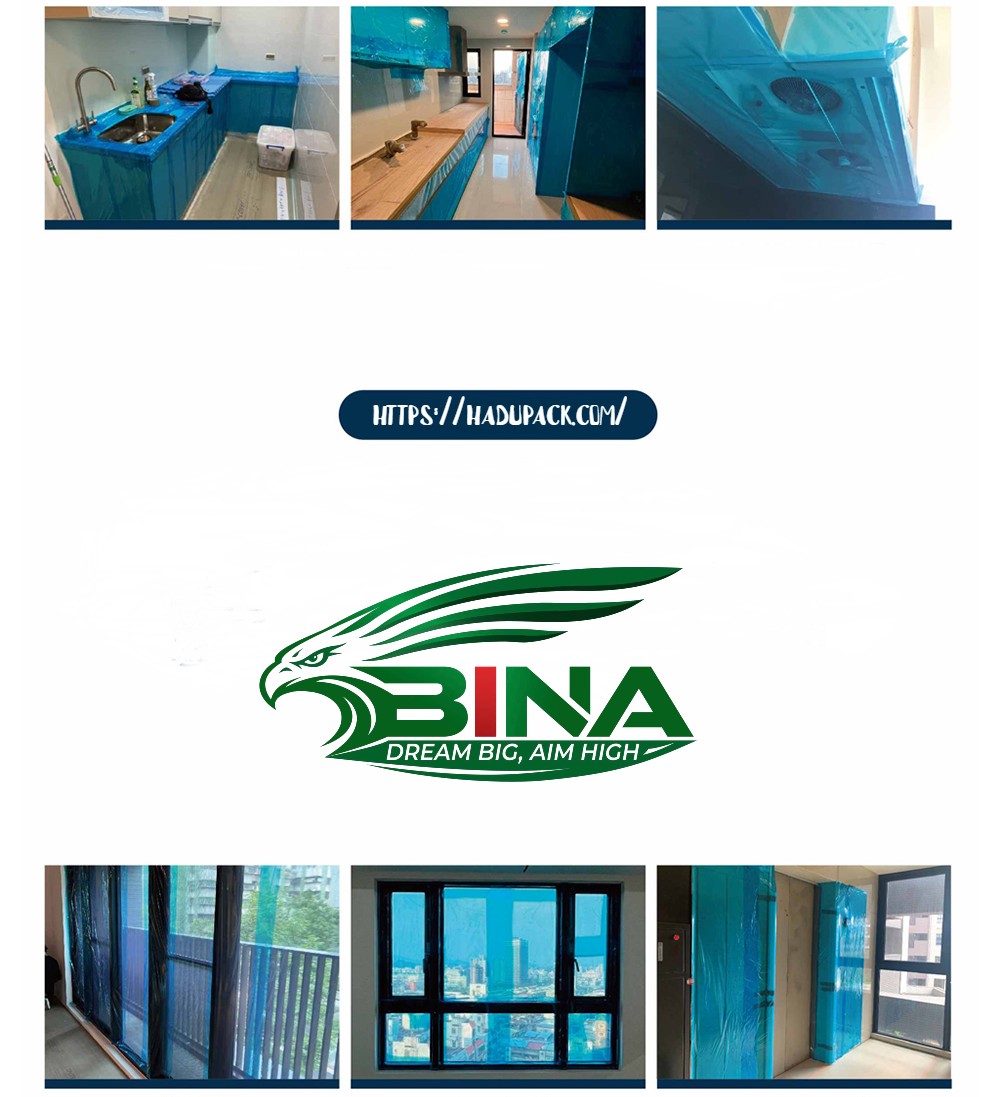
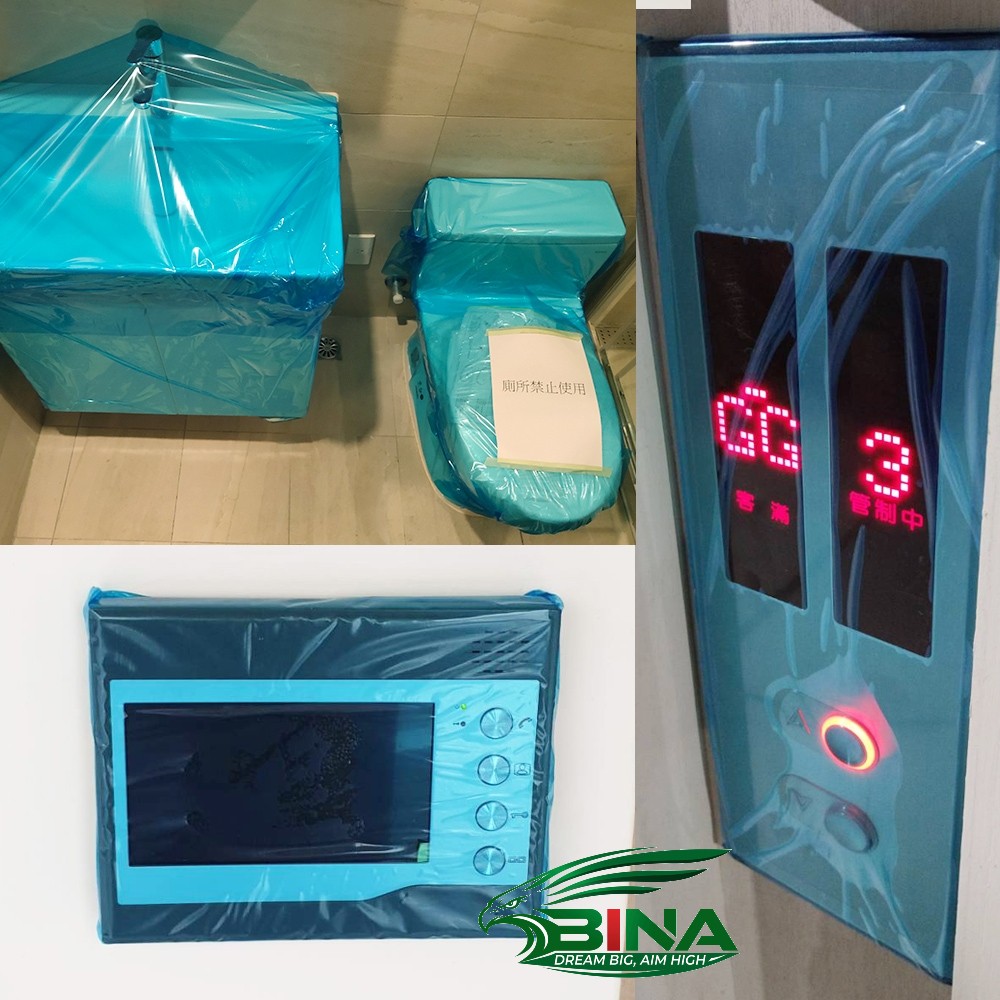
The applications of protective film are diverse and nearly limitless. However, in the aerospace, electronics, industrial, automotive, medical, and defense industries, protective film can be particularly important for functionality. In the following industries, protective film provides benefits such as protection against scratches and abrasion, protection against moisture and dirt, resistance to hot or cold temperatures, UV resistance, and chemical resistance.
- AEROSPACE: Aerospace engineering is constantly striving to create equipment that is quieter, lighter, and more resistant to damage. In the aerospace industry, protective film is essential for extending the lifespan and improving the quality of aircraft materials.
- ELECTRONICS: Electronic devices such as mobile phones and other hardware are susceptible to physical damage, especially screens. There are also many potential applications for television manufacturers, companies that ship electronic goods, and other similar businesses.
- INDUSTRIAL: In general, industries have a wide range of applications for protective film and often require custom protective film pieces to fit newly manufactured equipment or products. Finished products can be significantly damaged when being moved to distribution centers or warehouses.
- AUTOMOTIVE: From wheels and doors to fenders and bumpers, automobiles need comprehensive protection. Protective film is an excellent way to achieve general surface protection without affecting the vehicle’s aesthetics.
- MEDICAL: Medical equipment is often expensive and requires extensive maintenance to prevent metal corrosion. Adding a protective layer helps prevent premature wear and tear and keeps machinery operating smoothly.
- DEFENSE: Defense equipment may require stronger types of surface protection. Protective film helps ensure that critical military equipment, weapons, and machinery operate effectively.
 |
 |
Which type of protective film should you choose?
To choose the right type of film for your needs, you should consider the following factors:
- Durability: Installing a cheap film that will fail after a few months is counterproductive. Instead, invest in a high-quality branded film with excellent durability.
- Warranty: Make sure that the product you are investing in comes with reputable customer service and a good warranty. In general, Pregis PPF comes with a warranty of up to ten years. This is excellent for items such as cars that you will likely use for a long time.
- Quality: Now that you know about the role of materials in determining film quality, make sure you ask about it. At the very least, you should be able to purchase PPF that meets all the basic requirements for scratch resistance, abrasion resistance, and UV resistance.
- Of course, quality depends on your budget, but generally, it is relatively easy to find high-quality film at a reasonable price.
- Application: Applying or installing protective film can be challenging, especially when you have no experience. Ideally, you should hire a professional to ensure that air bubbles are avoided on the surface.
 |
 |
Tips for Storing Surface Protection Film
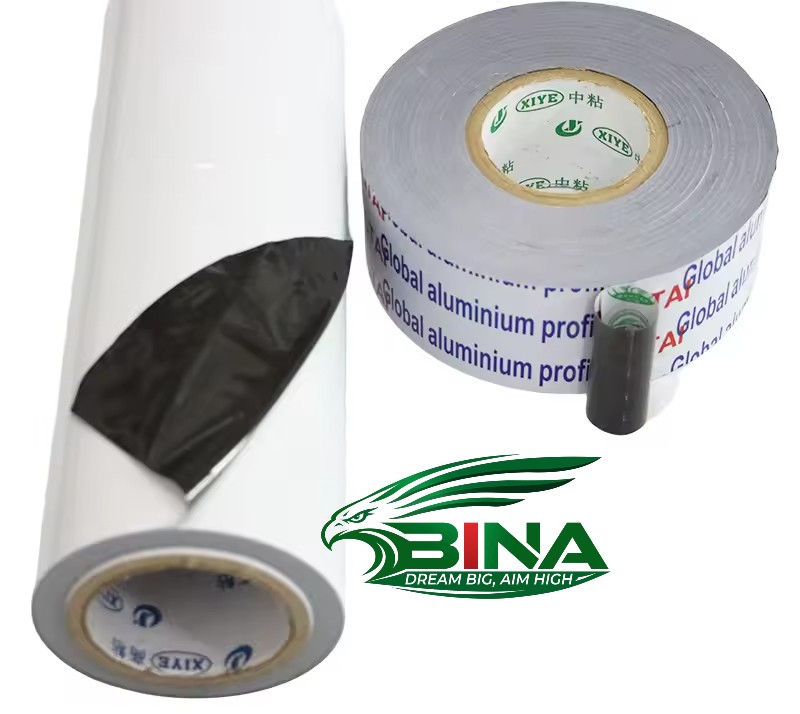
The most important factors when storing protective film (such as PE film, PET film, automotive film, and industrial film) are “stable temperature, protection from light, humidity, and pressure”. The ideal conditions are a temperature of 10 degrees C – 28 degrees C, humidity of 40% – 70%, and storage in a dry, well-ventilated place. Keep it in sealed packaging to avoid direct sunlight and scratches from sharp objects. It is best to lay it flat or hang it to prevent deformation. Specific storage and protection methods are as follows:
1. Suitable Environment
- Temperature control: Store in a cool, shaded place at a temperature of 5 degrees C – 30 degrees C. Avoid exposing the protective film to excessively high or low temperatures to prevent thermal expansion and contraction, which may lead to damage, reduced adhesion, or performance degradation.
- Humidity control: Keep the environment dry, with an ideal relative humidity below 60% to prevent moisture from causing hydrolysis and damaging the adhesive layer.
- Avoid direct sunlight: Strong light not only accelerates the aging of the protective film surface but can also cause substrate deformation or the appearance of yellow spots.
2. Packaging and Placement
- Sealed storage: To prevent moisture and dust, unused protective film should be sealed in its original packaging. If removed from cold storage, leave the film in the bag for several hours until it reaches room temperature before opening the seal to prevent condensation on the surface due to temperature differences.
- Stacking and placement: Rolled protective film should be hung or stacked vertically to prevent the film from becoming loose or the core from deforming due to prolonged horizontal storage.
- Avoid sharp objects: Keep away from sharp objects to prevent scratches and damage.
3. Use and Expiration Date
- Observe the expiration date: The adhesive properties of protective film generally have a shelf life (usually around one year). After long-term storage, adhesion and peel strength should be carefully checked before use.
- Avoid secondary contamination: Ensure that the storage area is away from sources of contamination and corrosive gases to prevent dust from adhering to the protective film and affecting its use.
- Summary: If you have PET film or electronic protective film that needs to be stored for a long time, you can use a desiccant box. For film rolls such as automotive film, they should be properly stored in an upright or horizontal position in an indoor cabinet, away from direct sunlight.
 |
How to use protective film successfully
There is no doubt that the quality of the film material largely determines whether it is suitable for the task at hand. However, there are two important aspects to keep in mind about protective film.
- First, work with someone who understands the selection of materials in various sizes and thicknesses, some of which provide stronger, multi-layer protection. The more complex the object, the greater the need for customization, which is the second important aspect.
- Second, plan how to carry out your project: modern advances in rotary die-cutting technology allow converters to achieve precise results even when processing highly specialized aircraft and other intricately designed objects. Applying protective film to complex objects requires expertise in working with heat guns, torches, plotters, spray mounts and other installation techniques.
 |
Tips for choosing green PE protective film
Choosing high-quality green PE protective film requires considering both “physical property inspection” and “actual application needs”. Green PE protective film is commonly used to protect metal surfaces such as stainless steel and aluminum sheets because its bright color makes it easy to identify during processing.
Below are some tips and important factors for choosing high-quality green PE protective film:
1. Check physical properties (Observe and feel)
- Light transmittance and purity: High-quality PE film usually has few crystal points. Peel the film off and hold it under a light source; the clearer the film and the fewer crystal points it has, the purer the raw material and the better the quality.
- Haze and transparency: If checking in a dimly lit room with a fluorescent lamp, after peeling off two layers of protective film, if you see a white hazy layer inside the film and significant haze, this indicates poor transparency, which may be due to a high proportion of recycled or old materials.
- Color uniformity: The green color should be uniform, without different color streaks, indicating that the film coating technology has been well developed in the production line.
- Elasticity and elongation: Gently stretch the protective film; good PE film has good elongation and flexibility and is not easily brittle.
 |
2. Selection of adhesive and viscosity (The “Residue-Free” Techniques)
- Viscosity check: Viscosity must be determined based on the surface roughness of the object to be bonded. Medium to high viscosity is usually selected for metal surfaces; for smooth surfaces, excessively high viscosity may cause stretching and deformation when peeled off.
- Confirmation of residue-free technology: High-quality pressure-sensitive adhesive protective films require a well-designed formulation (e.g.: the ratio of elastomer and adhesive).
- Peel test: After application at room temperature for a period of time, the film should peel off easily without resistance, and the tape surface should not have any white residue or odor.
3. Target selection for different applications
- Protection of stainless steel and aluminum sheets: Blue PE protective film is mainly used for stainless steel. Its weather resistance needs special attention; will it become brittle and difficult to tear after prolonged exposure to sunlight?
- Processing environment: If high-temperature processing is required (such as cutting and forming), “heat-resistant PE protective film” should be selected to prevent the adhesive from sticking to the sheet at high temperatures.
- Surface roughness: Low-viscosity film is used for glossy materials such as mirrors; high-viscosity film is required for rough surfaces (such as brushed sheets).
4. Brand and production process
- Co-extrusion technology: Protective film using this technology produces the adhesive and PE resin simultaneously, resulting in stronger bonding between layers, less delamination, and better quality.
- Compliance with environmental standards: Ensure that the product complies with environmental standards (such as RoHS), as high-quality PE film can be recycled.
 |
When making your selection, prioritize “transparency, elasticity, uniform blue color and high flexibility”. It is best to request samples from the supplier and test viscosity and weather resistance on the actual treated surface.
You may be able to envision how protective film will benefit your specific industry, but you may be wondering which type to use or when your part will reach its final design. With experience working with a wide range of materials, our engineers at https://hadupack.com know that finding the right type of film and optimizing the design for your innovative solution is essential.
If you have a protective film application, your next step may be to find a converter that meets your specific needs. At Hadupack, we take pride in our ability to provide highly customized parts tailored to the specific needs of your product and application.





Reviews
There are no reviews yet.