

Description
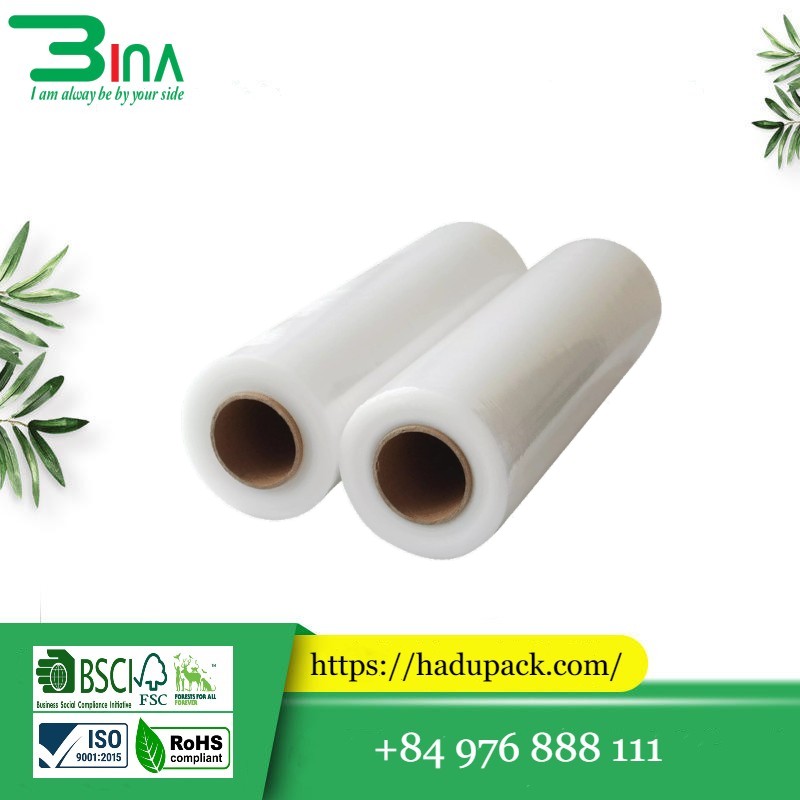
What is machine stretch PE film?
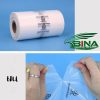
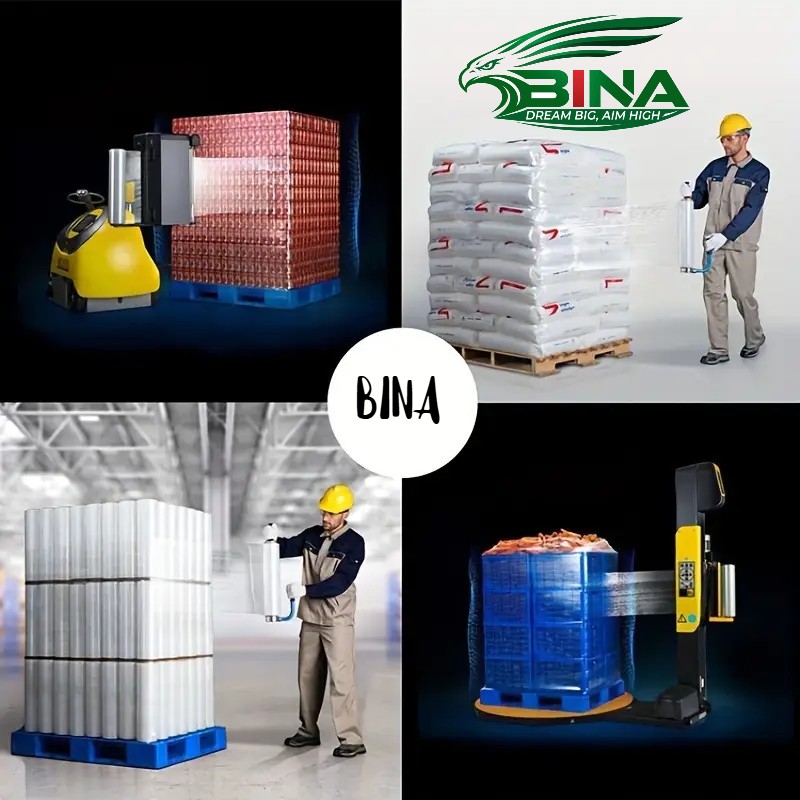
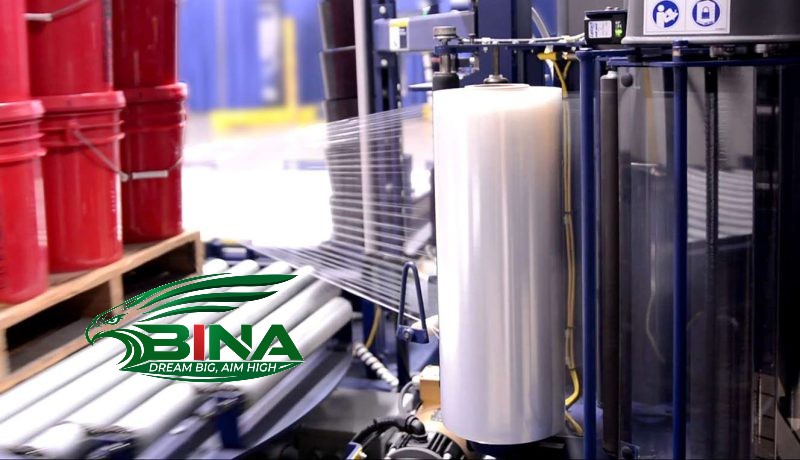
Machine stretch PE film used for packaging machines (machine stretch film) is a durable Polyethylene plastic film with high elasticity, typically 17-23 microns thick, designed to safely package goods on pallets using automatic or semi-automatic equipment. It helps stabilize goods, protect them from dust/moisture, and can be stretched 300-500% to maximize material efficiency.
 |
◆Learn more:
- https://hadupack.com/san-pham/mang-bao-ve/
- https://hadupack.com/san-pham/mang-pe-quan-tay/
- https://hadupack.com/san-pham/mang-pe-mau/
Production process for PE stretch film for automatic machines
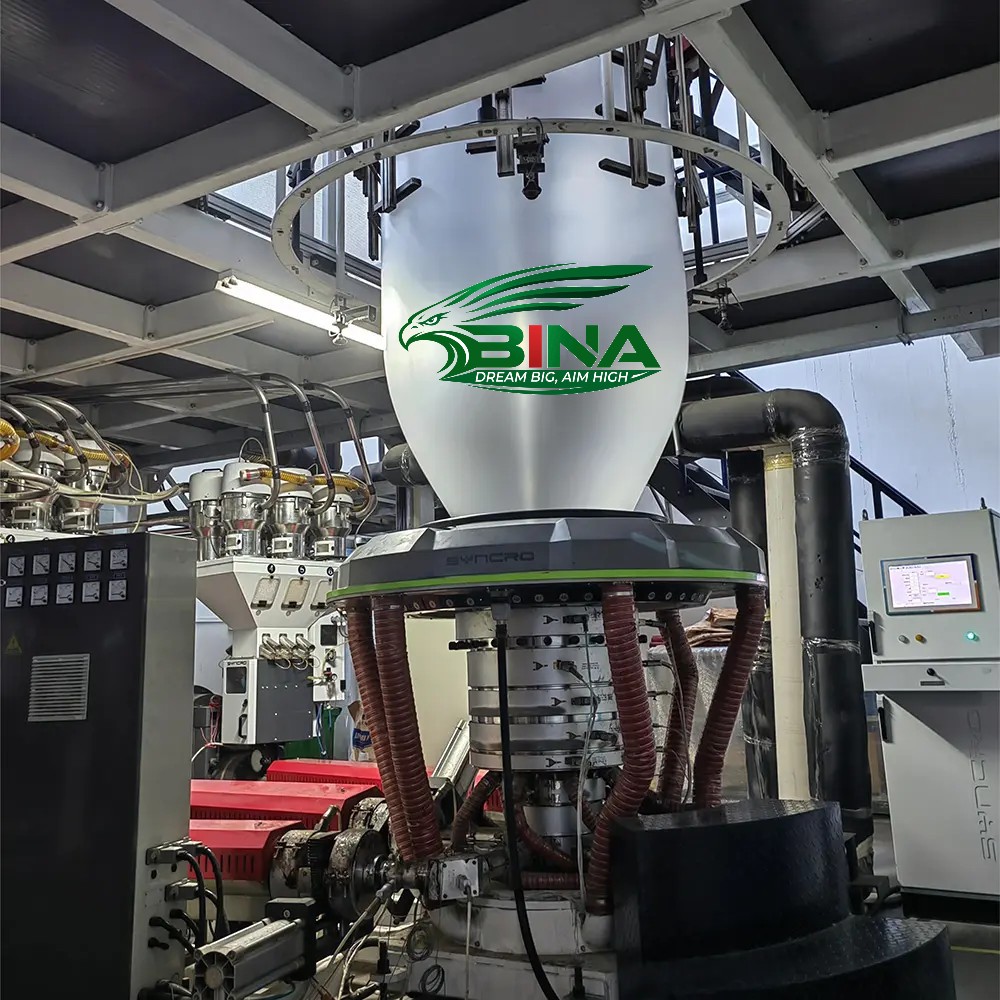
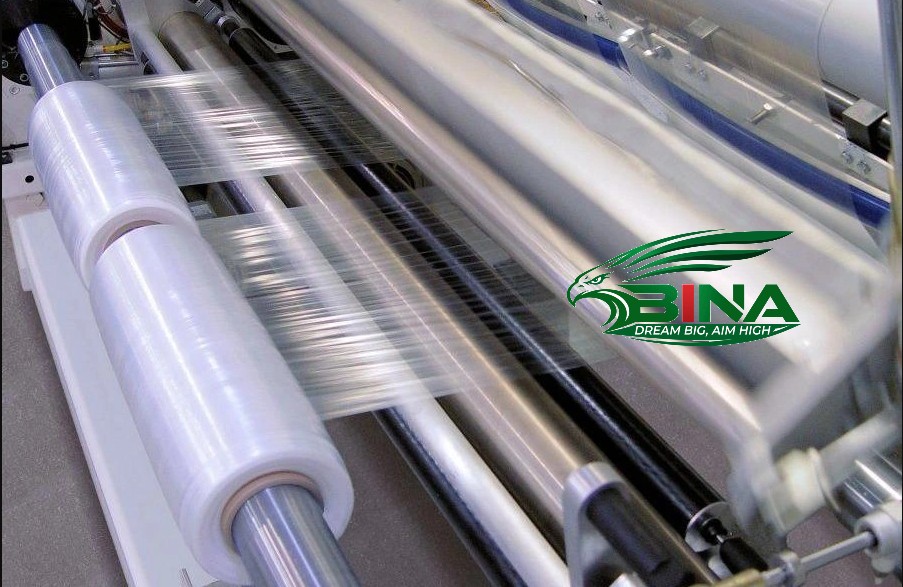
PE film used for packaging machines (stretch film) is primarily produced by extrusion, in which LLDPE resin pellets are melted, extruded through a flat T-die, cooled on a chill roll, stretched to increase strength, and wound into rolls. This process ensures the high tensile strength, uniform thickness, and superior cling properties required for high-speed, automated industrial pallet wrapping.
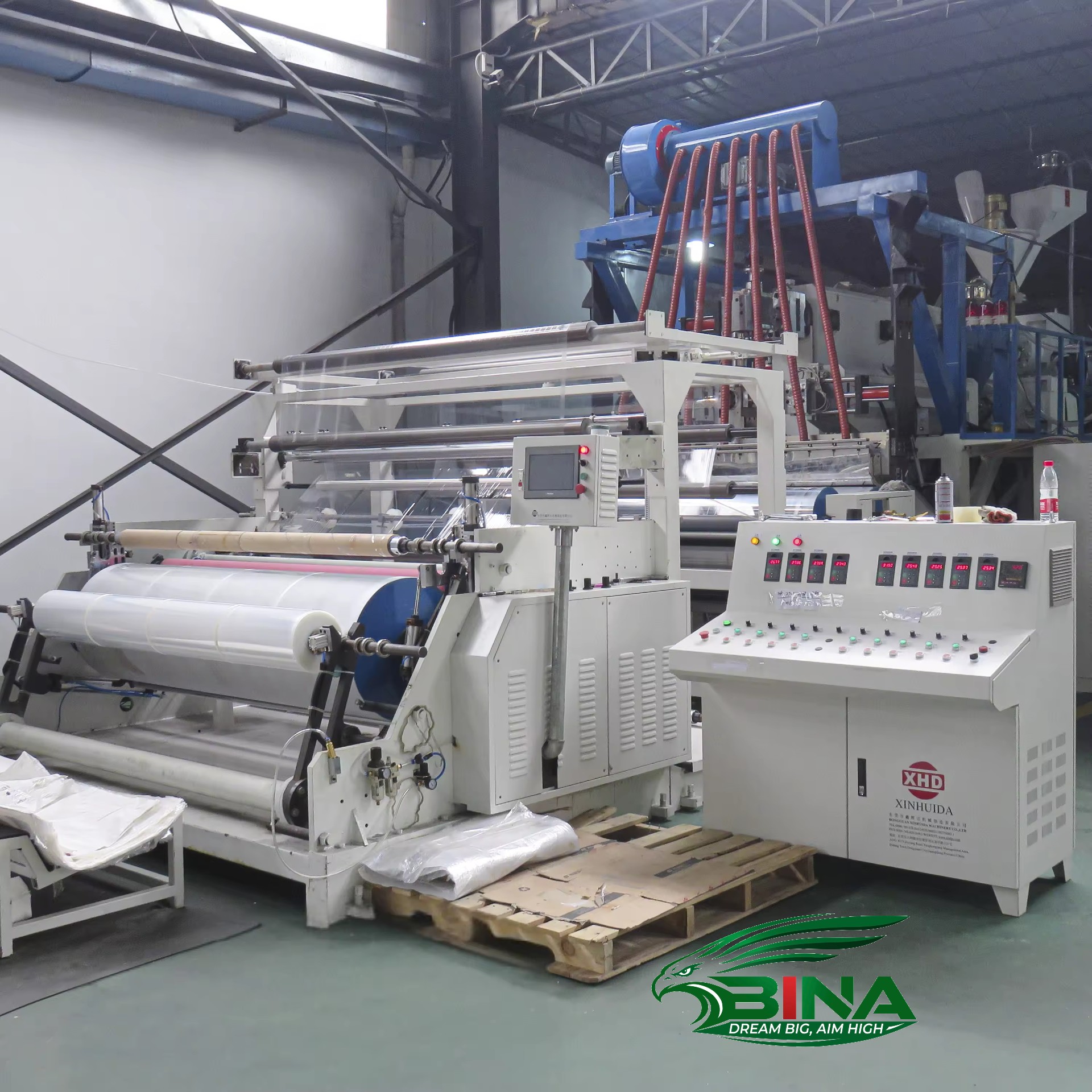 |
Main production steps:
- Mixing: Raw materials (mainly Linear Low-Density Polyethylene – LLDPE) are mixed with additives such as tackifiers (to increase adhesion) and stabilizers.
- Extrusion: The mixed plastic pellets are fed into an extruder, where they are heated and melted at high temperatures into a homogeneous liquid.
- Film Die/T-Die: The molten plastic is pushed through a T-shaped die to form a flat sheet.
- Cooling (Chill Roll): The molten film is rapidly cooled on a chill roll, which helps stabilize the film structure.
- Stretching (Orientation): The film is stretched (usually in both the machine direction and transverse direction) to increase tensile strength and ensure it can withstand the machine’s tension.
- Rewinding & Slitting: The finished film is wound into rolls of specific lengths and slit to the required widths.
Key points to consider for machine-use film:
- Material: Use an LLDPE blend, typically including metallocene (mLLDPE), for superior strength.
- Thickness control: Precise control is critical to ensure uniform thickness (+-1mic) for machine compatibility.
- Multilayer structure: Typically produced with 3, 5, or 7 layers to balance adhesion, strength, and cost.
 |
Key Features and Benefits
- High Performance: Specially designed with high tensile strength to withstand the high-speed tension of automatic packaging machines.
- Protection & Safety: Protects goods from shifting, impact, dust, and moisture during storage and transportation.
- Efficiency: Enables faster, more consistent, and more economical packaging compared to manual packaging.
- Characteristics: Transparent, flexible, and with strong cling properties for secure wrapping without the need for adhesives.
 |
Types of PE film used for machine wrapping
- Machine stretch film: Used in automatic machinery, with higher elasticity, typically stretched by around 300%.
- PE shrink film: A type of film that shrinks tightly around products after heating, commonly used in bundle packaging machines.
Common applications
- Logistics: Wrapping palletized goods for transportation.
- Manufacturing: Protecting raw materials and finished products.
- Electronics & Construction: Protecting sensitive equipment or materials.
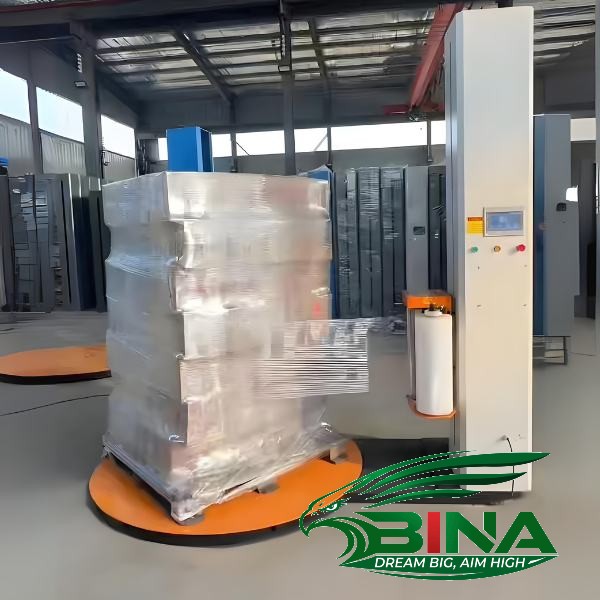
These types of film are commonly used with pallet wrapping machines, including turntable and robotic wrapping machines, providing a lower-cost alternative to other packaging methods.
 |
Guide to buying PE stretch film for machines
When buying PE stretch film for packaging machines, prioritize selecting a type that is suitable based on load weight, stability and machine capabilities. Key factors include choosing the appropriate thickness (typically 12–30 microns), a stretch level compatible with the machine and ensuring high puncture resistance for irregular loads. For machine applications, choose machine-grade LLDPE for better pre-stretch and holding performance. Key considerations when selecting PE film:
Load characteristics:
- Weight & Stability: Heavy or unstable loads require higher-micron film (23–30 microns) or high-performance, wide-width film, while light, stable loads can use thinner film (12–15 microns) to save costs.
- Load type: Sharp corners or irregular shapes require higher puncture resistance.
Machine compatibility:
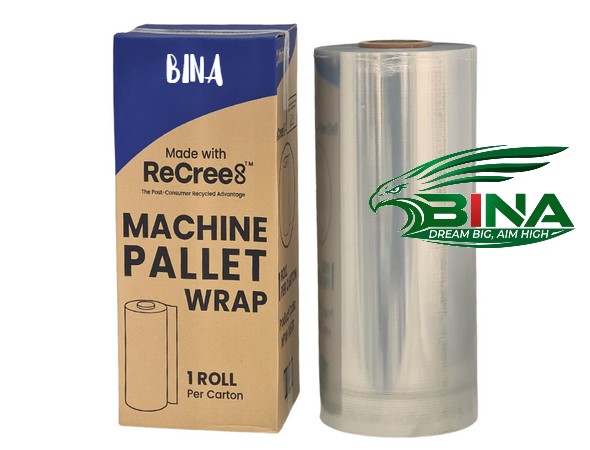
- Machine stretch film vs. hand stretch film: Ensure the stretch film is designed for machine use. Machine stretch film rolls are longer, have higher stretch and are capable of withstanding specific tension levels, while hand stretch film is not suitable for high-speed, automatic or semi-automatic packaging machines.
- Pre-stretch capability: Ensure the stretch film is designed for the machine’s pre-stretch ratio (high-performance machines can achieve high stretch ratios).
 |
Thickness (gauge) and strength of stretch film:
- 12–15 microns (gauge 47–60): Lightweight, non-fragile goods.
- 17–20 microns (gauge 67–80): Standard industrial goods.
- 23 microns (gauge 90): Medium-heavy goods, somewhat unstable.
- 25–30 microns (gauge 100–120): Heavy goods, with sharp edges or requiring high protection.
Key characteristics:
- Adhesion: Ensures the stretch film adheres tightly without additional adhesives or heating.
- Stretchability: Higher stretchability allows for greater material savings.
- Transparency: Essential if product labels or barcodes need to be scanned through the film.
- Notable features: UV resistance for outdoor storage or low-noise film.
Steps in the purchasing process
- Assess needs: Determine the load type (A, B or C, from stable to very irregular) and the weight, dimensions of the pallet.
- Request technical data sheets: Evaluate puncture resistance, dart impact and load retention indicators.
- Field testing: Always test the film on your machinery with your products before purchasing in large quantities.
- Consider total cost: Cheaper film often leads to higher consumption; higher-quality, thinner “premium” film can reduce the total cost per load.
Types of PE film
- LLDPE (Linear Low-Density Polyethylene): The most common, durable and cost-effective material for stretch film.
- LDPE (Low-Density Polyethylene): Used for special applications, or shrink film packaging requiring low stretch and high transparency.
- HDPE (High-Density Polyethylene): Used for applications requiring greater rigidity and strength.
 |
Tips for storing PE film for packaging machines
Store PE (polyethylene) film used for packaging machines in a dry, well-ventilated place at 10 degrees C – 30 degrees C or 50 degrees F to 86 degrees F), avoiding direct sunlight to prevent degradation caused by UV rays. Keep the film rolls in their original packaging, store them upright to prevent dents and deformation, and keep them away from chemical fumes, moisture and high temperatures. Main storage guidelines for PE film:
- Temperature & Environment: Maintain the temperature between 10 degrees C – 30 degrees C or 50 degrees F to 86 degrees F.
- Excessively low temperatures can make the film brittle, while excessively high temperatures will damage its elasticity. Keep the storage area dry to prevent the film from sticking or losing strength.
- Direct Sunlight & UV Exposure: Avoid storing the film under direct sunlight, as UV rays degrade the polymer, causing the film to become brittle and prone to tearing.
- Storage Orientation: Store the film rolls upright to prevent dents or damage to the film edges.
- Protection & Inventory Management: Keep the film rolls in their original protective packaging (wrapping film or carton boxes) until ready for use to maintain cleanliness and prevent contamination from dust or moisture.
- Chemical Exposure: Store away from solvents, oils and chemical products, as they can damage the material and cause deformation.
- Shelf Life: To ensure optimal performance, use the film within 6 months from the delivery date, as mechanical properties may gradually decrease over time.
Proper storage of PE film helps prevent punctures, tears and damage, ensuring consistent performance in automated machinery.