


Description
What is antistatic PE protective film?
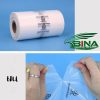
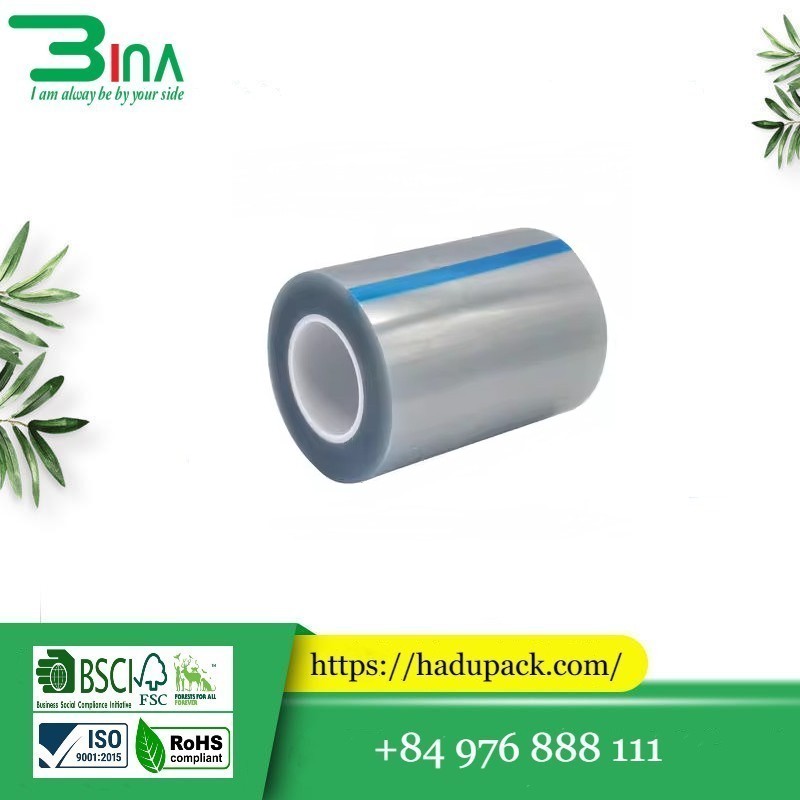
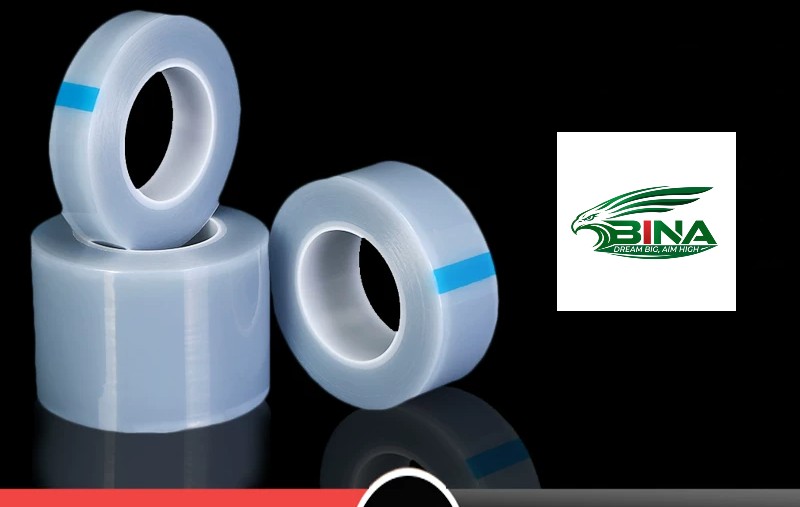
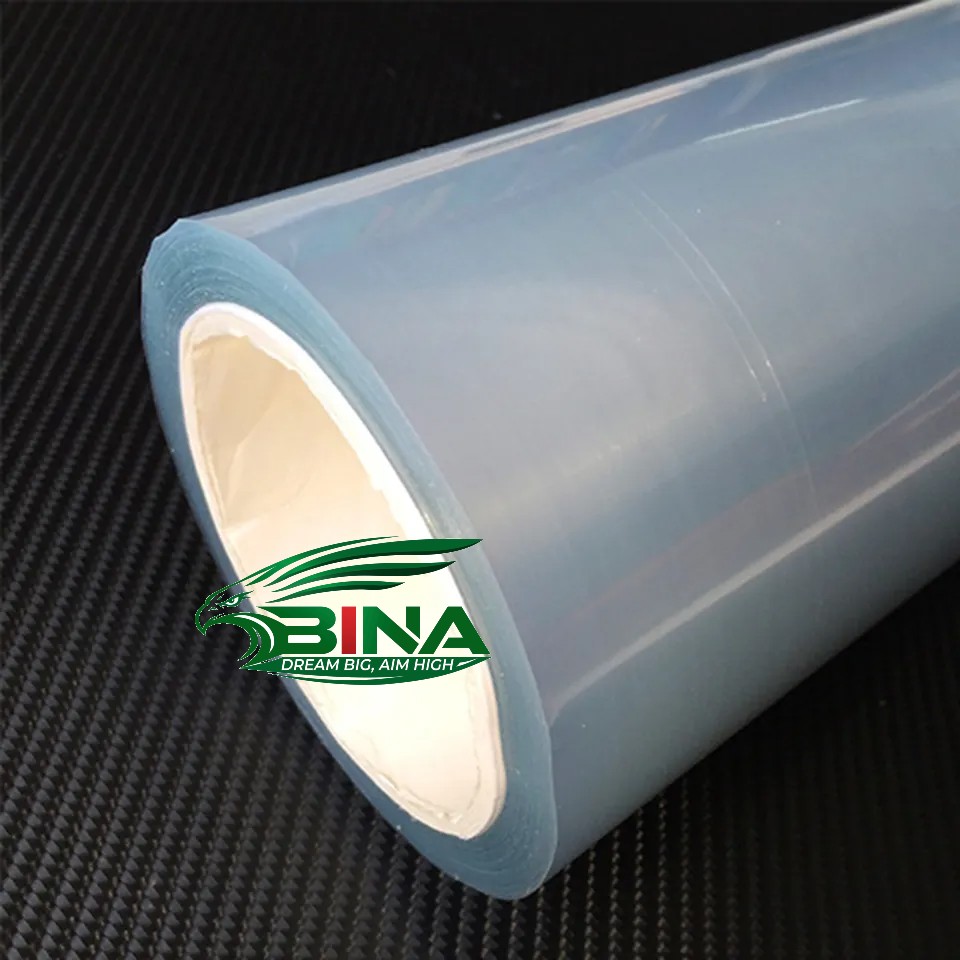
Antistatic PE protective film is a type of functional film made from polyethylene (PE) as the base material. By adding antistatic agents or applying surface treatment, it prevents the accumulation of static electricity and protects the surface (surface resistance is approximately 0.5%).
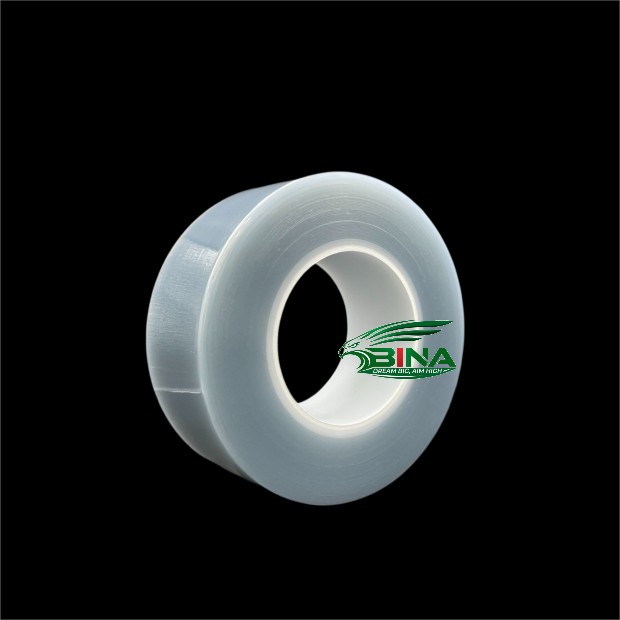 |
It effectively prevents damage caused by electrostatic discharge (ESD) to components during the manufacturing and transportation of electronic products and prevents dust adhesion. Suitable for smooth surfaces such as screens, plastic housings, and metal sheets. Available in adhesive types (acrylic adhesive) or self-adhesive types (electrostatic absorption without adhesive), easy to peel off without leaving residue, and effectively prevents scratches and contamination during production.
 |
◆Learn more:
- https://hadupack.com/san-pham/mang-pe-quan-pallet/
- https://hadupack.com/san-pham/mang-phu-nong-nghiep/
- https://hadupack.com/san-pham/mang-boc-thuc-pham/
Main features and applications of PE/ESD protective film
- Anti-static function: Prevents the accumulation of electrical charges on the surface, reducing the risk of static electricity.
- Surface protection: Prevents scratches and surface contamination during the manufacturing process.
- Good flexibility: Easily adheres to various smooth or slightly curved surfaces.
- No residue: Leaves very little or no adhesive residue even after prolonged use.
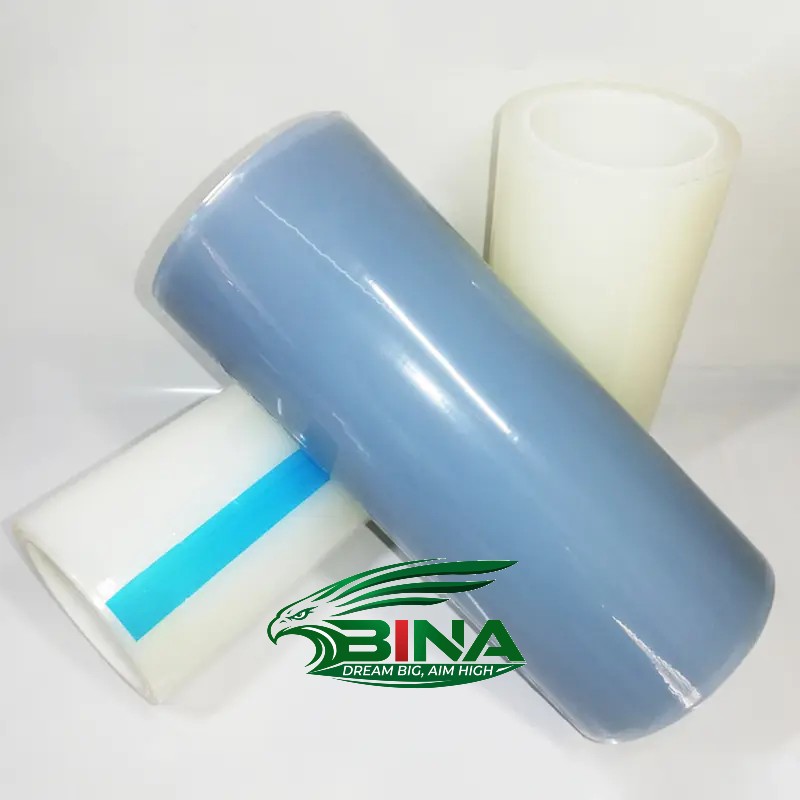
- Practical applications: Widely used in electronics and electrical equipment such as mobile phone lenses, LCD screens, touch panels (TP), backlight modules, sheets, handicrafts; process protection for PMMA, PC sheets and metal sheets.
 |
Synonyms/Related Terms for ESD Anti-Static PE Protective Film
- Anti-static PE protective film
- ESD anti-static film
- Anti-static adhesive tape
Difference between anti-static PE film and static cling film
- Anti-static PE protective film: Focuses on “eliminating static electricity”, usually with very low adhesion (light adhesion).
Static cling film (Pure static adsorption): Relies on the product’s own static adsorption, contains no adhesive, and is usually made from PE or PVC. - In general, anti-static film prevents the generation of static electricity through additives, while static cling film uses the principle of static adsorption to achieve the purpose of fixation and protection.
 |
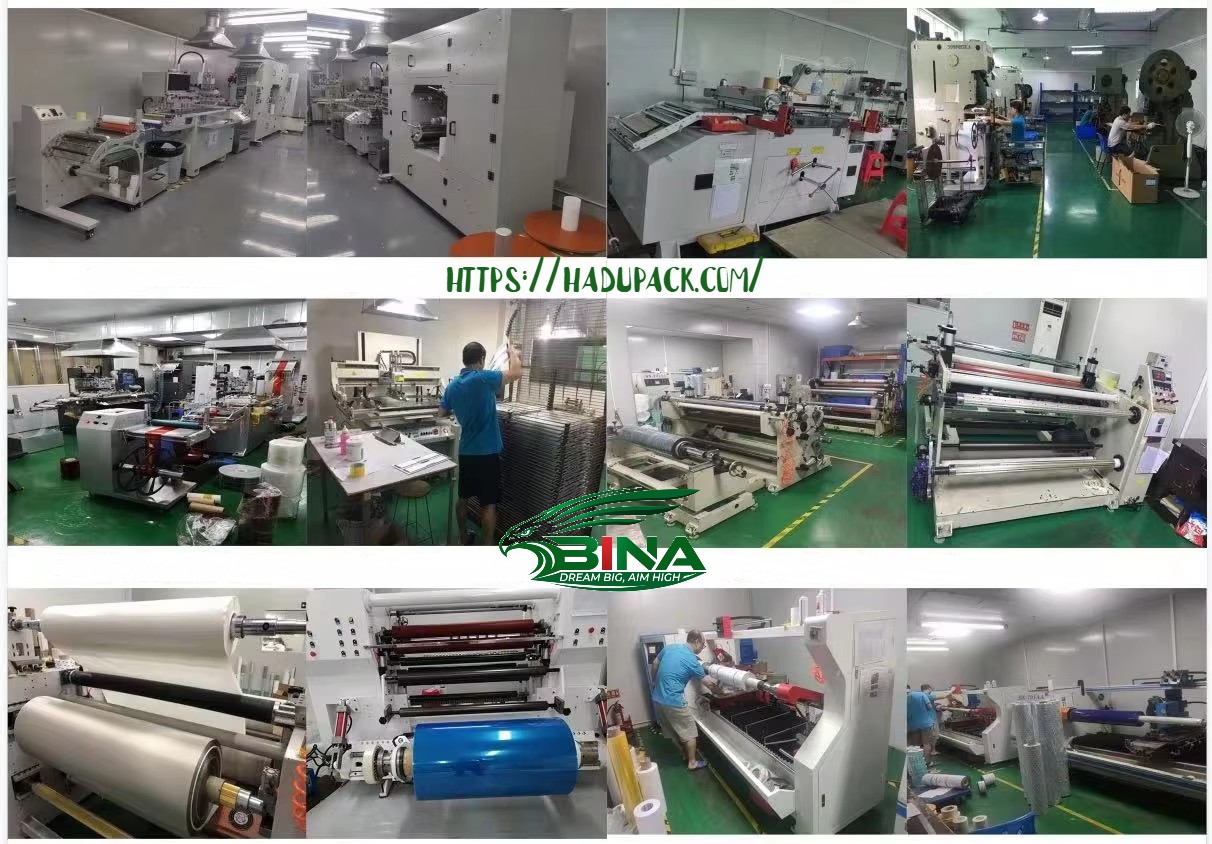
PE ESD Antistatic Protective Film Production Process
The production of PE antistatic protective film mainly involves melting PE raw materials with antistatic agents at high temperatures using the blown film or cast film method, forming the film, then cooling and rewinding it. The core processes include direct addition (blending) or surface coating with conductive agents to achieve antistatic performance. These films are used to protect the surfaces of electronic products, prevent scratches, and avoid damage to components caused by high voltage when the film is peeled off. Detailed production process of PE antistatic protective film:
Raw Material Mixing and Formulation:
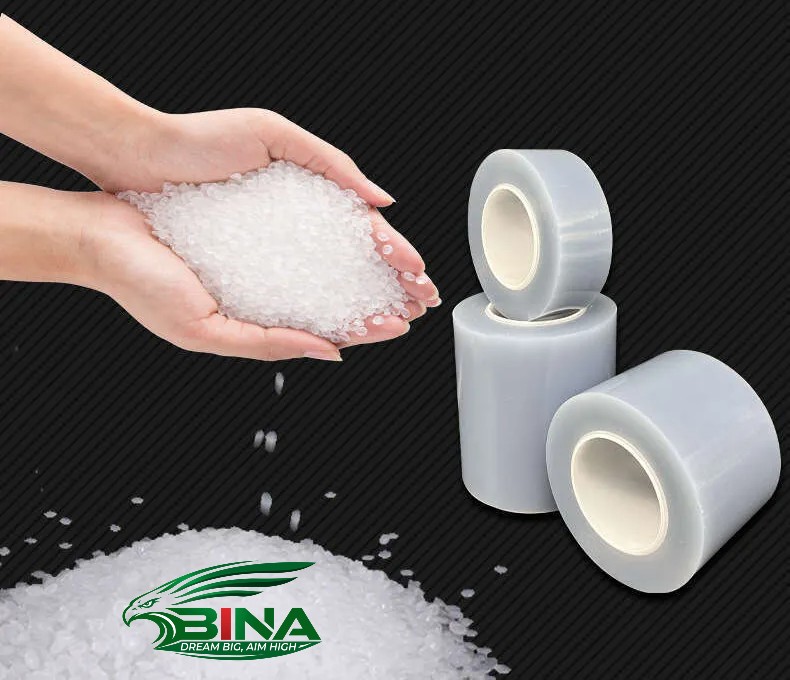
Linear low-density polyethylene (LLDPE) or low-density polyethylene (LDPE) pellets are used as the base raw material.
- Main steps: The antistatic agent (conductive polymer or surfactant) is blended into the resin, or permanent antistatic film is produced through a special ratio of polyethylene blends.
- Melt Extrusion: The blended plastic raw materials are fed into an extruder and heated until melted.
 |
Blown/Cast Film:
- Blown Film: A thin film is blown using a circular extruder, with cooling rate and film thickness adjusted by airflow.
- Cast: Flat extrusion casting technique, offering high speed, superior transparency, and uniform thickness.
- Cooling & Forming: The film is cooled by air or formed using a cooling wheel.
- Surface Treatment (Optional): If the additive method is not used, conductive material is coated onto the film surface to form a thin antistatic structure.
- Coating & Lamination: Low-adhesion acrylic adhesive is coated onto the PE substrate according to application requirements.
- Winding & Cutting: The completed antistatic protective film is wound into the finished product and cut according to customer requirements.
Core Technology Details:
- Conductive Principle: Permanent antistatic agents allow charges to be conducted and released on the film surface, reducing surface resistance.
- Advantages: Transparent, suitable for temporary surface protection, preventing scratches and damage caused by static electricity during transportation.
 |
Common Issues in the Production of ESD Anti-Static PE Protective Film
When producing anti-static PE (polyethylene) protective film, because the process includes multiple stages such as film blowing, coating, and laminating, common quality issues mainly involve unstable physical properties, reduced anti-static effectiveness, and surface defects. The following is an analysis of common issues:
1. Issues with Physical Properties and Appearance
- Uneven winding and wrinkles: Uneven winding tension, inconsistent equipment operation, or improper pressure settings during the film-blowing process can easily lead to folds and wrinkles in the finished protective film, affecting subsequent use.
- Crystallization points and spots: Poor raw material quality, an unreasonable formulation design, or improper equipment temperature control can result in incomplete melting of the raw materials, leading to crystallization points during extrusion.
- Haze/Poor transparency of the film surface: Incomplete barrel cleaning, the introduction of impurities, or incorrect temperature settings can reduce the transparency of the film surface.
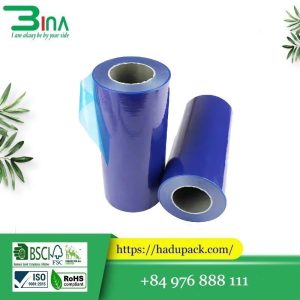
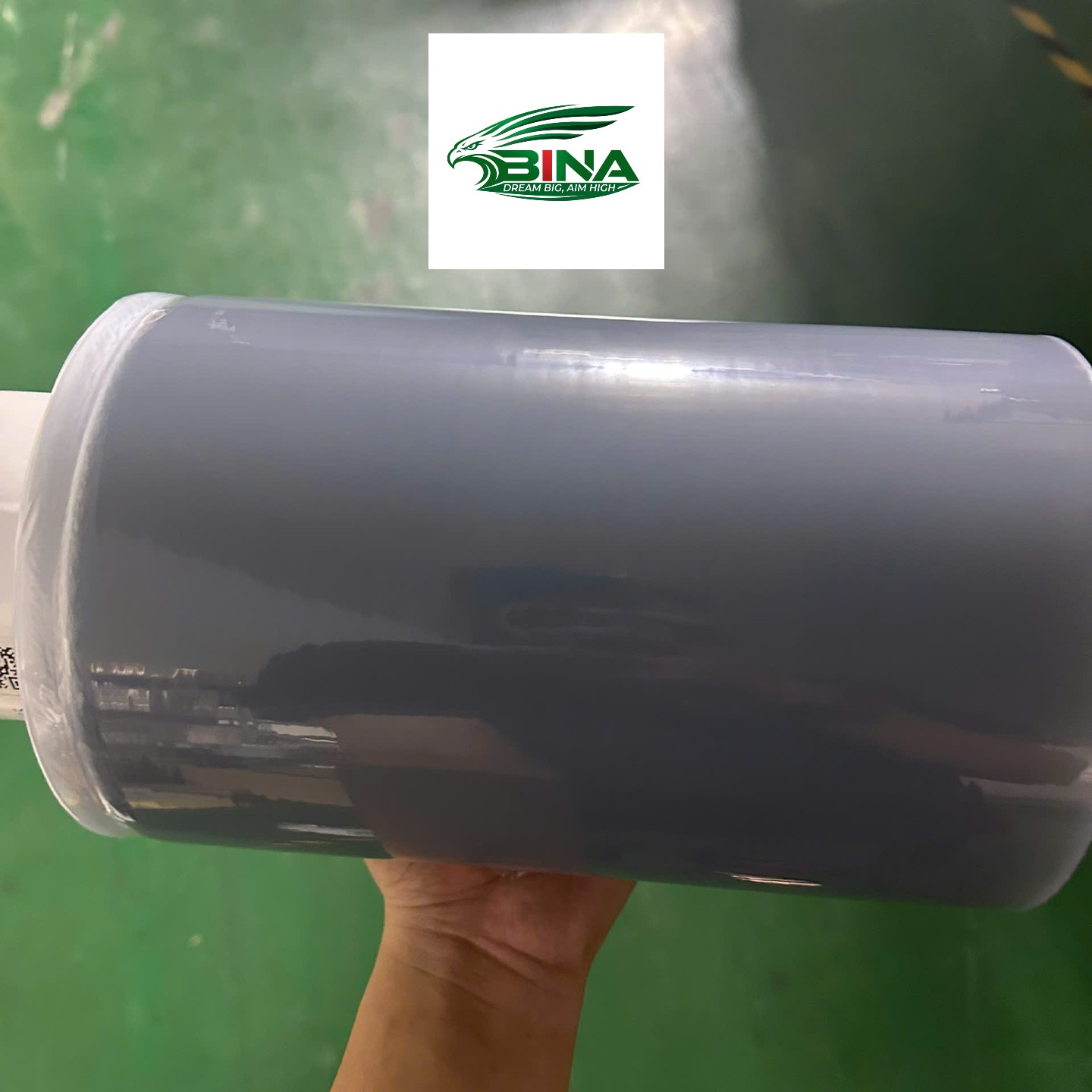
- Stretch deformation of the film material (rainbow pattern): High-temperature curing conditions during production can easily cause colored streaks (rainbow patterns) to form on the surface of the protective film.
 |
2. Issues with antistatic performance
- Unsustainable antistatic effectiveness (Changes over time): Antistatic agents typically migrate to the surface to take effect. If the type of antistatic agent is unsuitable, the amount added is insufficient, or it is affected by temperature and humidity, the antistatic effectiveness can easily decline over time, leading to increased surface resistance.
- Uneven migration of antistatic agents: Unstable migration rates can lead to uneven antistatic effectiveness across the film surface.
3. Issues with adhesion performance
- Poor adhesion/Peeling: This is often related to insufficient corona treatment of the protective film substrate, insufficient viscosity of the pressure-sensitive adhesive, or insufficient pressure.
- Viscosity changes over time: If the peel force increases excessively within six months to one year after application, it may lead to difficulties in subsequent removal or repositioning.
- Adhesive residue (Adhesive residue after peeling): Insufficient adhesion between the pressure-sensitive adhesive and the substrate, or aging of the adhesive under the effects of changes in temperature and humidity, causes the adhesive to peel off and stick to the protected surface during peeling.
4. Issues in production operations
- Material waste during product batch changes: Due to the variety of protective films (high-temperature resistant, blue, high-viscosity, etc.), a large amount of raw materials is consumed to clean the containers during material changes, resulting in material waste.
- Static electricity accumulation: Poor grounding of the production line can easily cause static electricity to accumulate during high-speed production, affecting the adhesion of finished products.
 |
Solutions
To address the above issues, manufacturers typically need to:
- Optimize the antistatic agent formulation, selecting additives with better compatibility with the substrate.
- Strictly control the film-blowing temperature and corona treatment intensity.
- Improve the operating environment and strengthen equipment grounding measures.
- Enhance the adhesion between the adhesive and the PE substrate to prevent adhesive residue.
 |
Tips for Choosing ESD Anti-Static PE Protective Film
When choosing an anti-static PE protective film, it is important to evaluate the material, surface resistivity, adhesion, weather resistance, and transparency. The key techniques include: selecting an appropriate static electricity value based on the sensitivity of electronic components, checking the residual adhesive rate, and choosing low, medium, or high viscosity based on surface roughness to ensure that the material does not react with the substrate. It is recommended to compare prices, confirm the PE protective film selection criteria through five main methods, and prioritize manufacturers with professional testing certifications. Here are the detailed selection tips:
 |
1. Check anti-static performance (Core indicator)
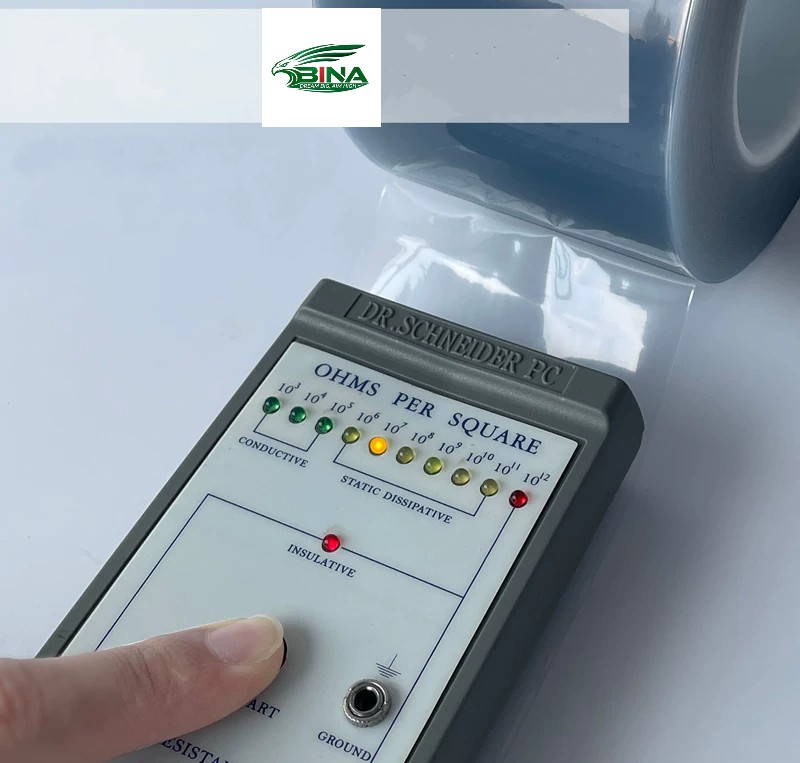
- Surface resistivity value: High-quality anti-static PE film usually has a surface resistivity in the range of 10 to the power of 6 – 10 to the power of 9
- Testing method: As mentioned in the tips for identifying anti-static protective film, do not rush to apply it; first conduct a cutting test to check whether it actually has anti-static properties, avoiding static electricity buildup that could damage electronic components.
2. Adhesion selection (Based on the surface to be protected)
- Low adhesion (less than or equal to 10g/25mm): Suitable for very smooth surfaces and materials that are highly sensitive to adhesive residue, such as mirrors, acrylic, and optical lenses.
- Medium adhesion (from 20g to 50g/25mm): Suitable for smooth surfaces such as color steel sheets, solar panels, and metal sheets.
- High adhesion (greater than 60g/25mm): Suitable for matte surfaces, rough aluminum materials, or plastic housings.
 |
3. Physical performance inspection
- Transparency and opacity: In a slightly dark room, after peeling off the protective film on the top and bottom, observe under fluorescent light to determine the uniform distribution of the opacifying substances.
- Thickness: Selected according to protection requirements, typically within 30 microns to 200 microns.
- Material: PE (Polyethylene), flexible, moisture-resistant, and chemically resistant.
4. Practical operating techniques
- Anti-static clothing: In the working environment, it is recommended to wear pure cotton clothing or anti-static clothing.
- Distinguishing adhesive film from non-adhesive film: Distinguish between anti-static film and adhesive film. Anti-static film generally uses its own static charge for adsorption, eliminating the risk of leaving residue.
- Price comparison: Comprehensively evaluate product quality, test reports, and the manufacturer’s level of service.
In summary, a good anti-static PE film should be easy to peel off after use, leave no residue, and effectively control the generation of static electricity.
Detailed information about Hadupack from us
 |