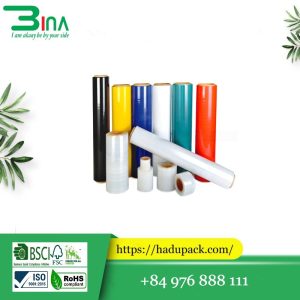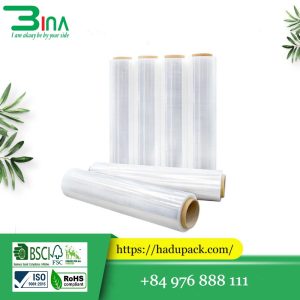



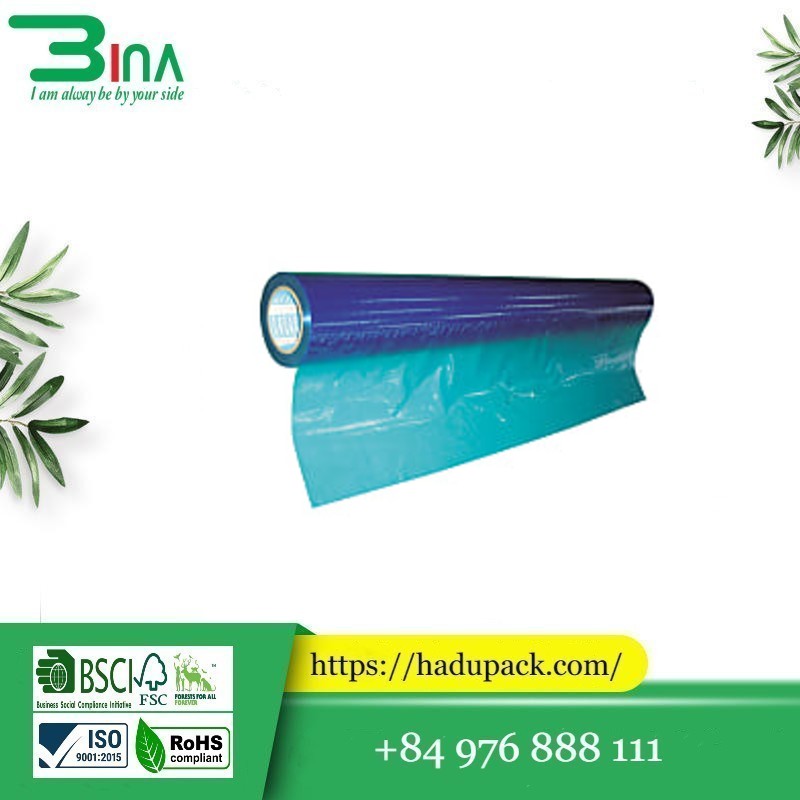
Description
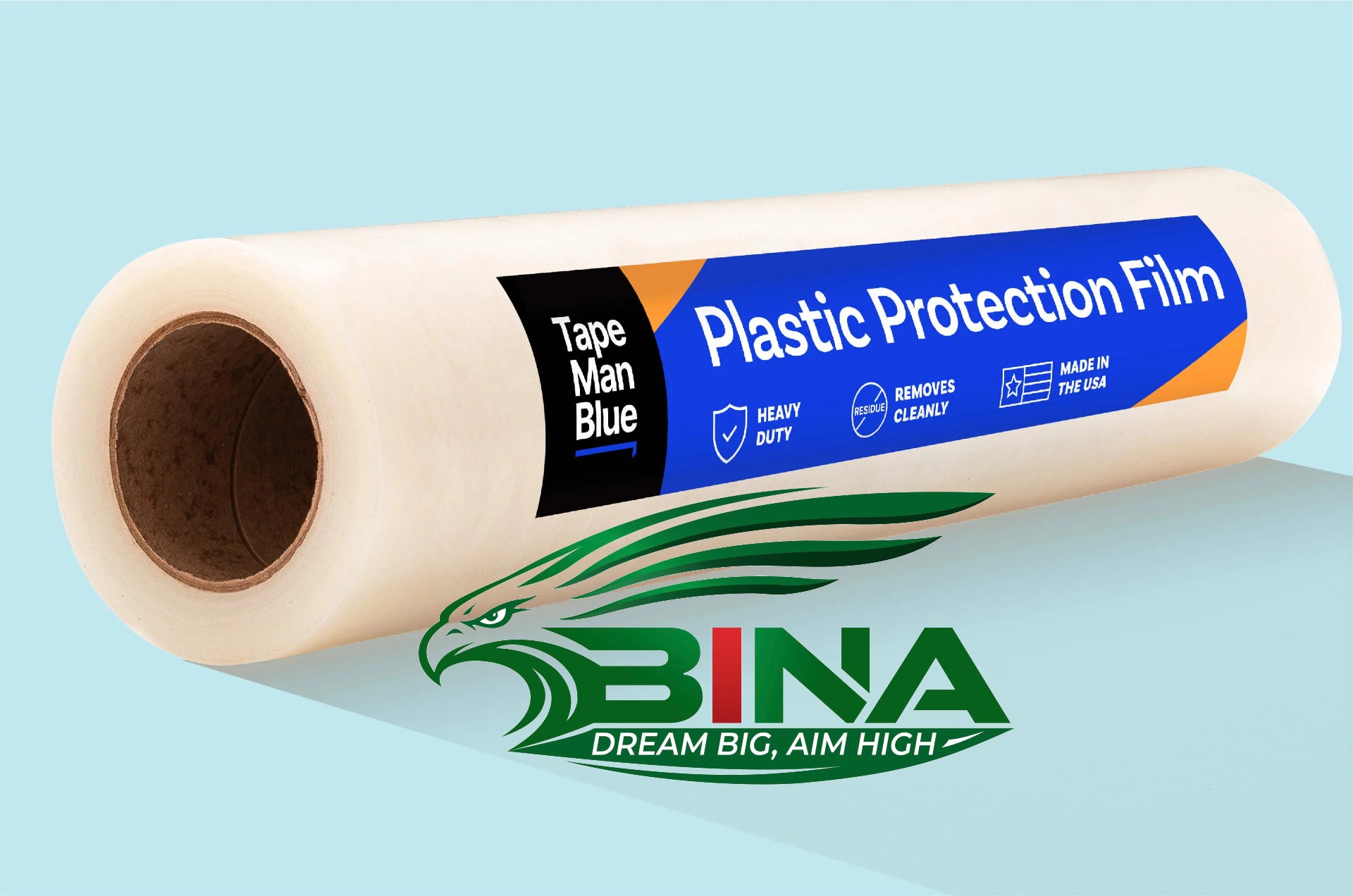
What is plastic surface protection film?
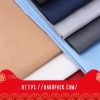
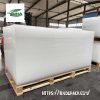
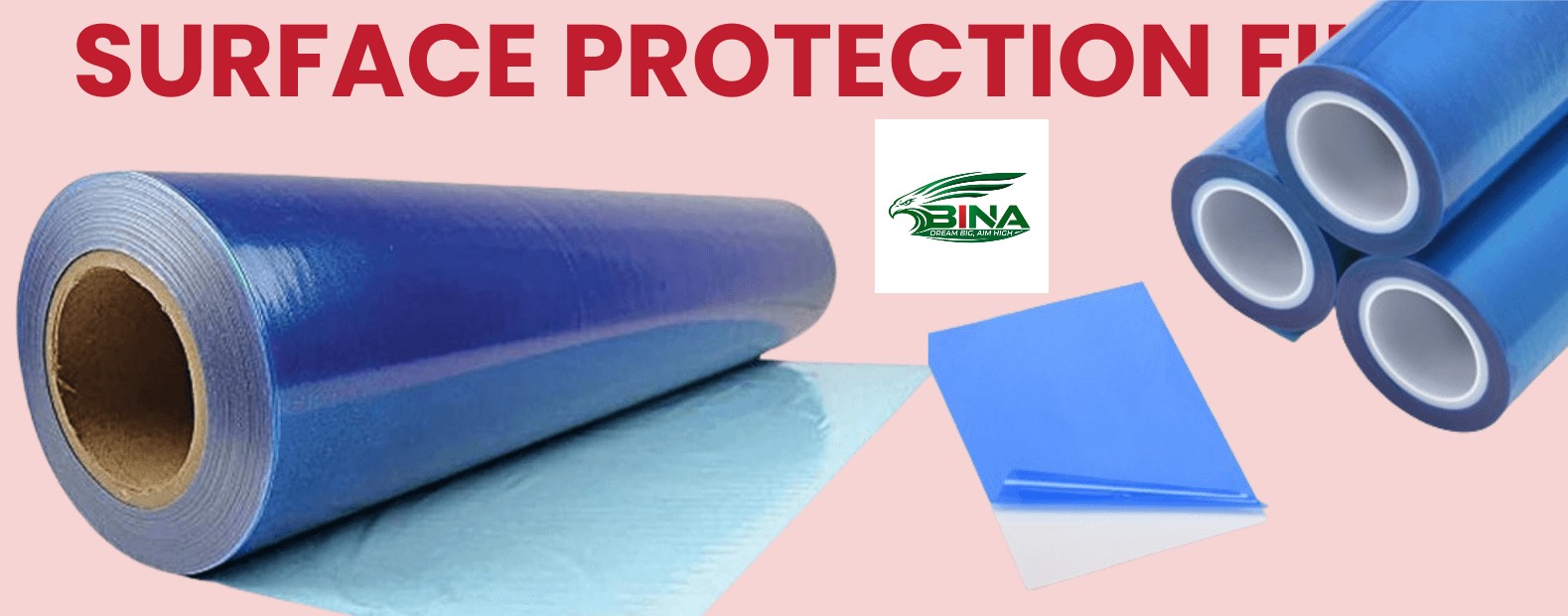
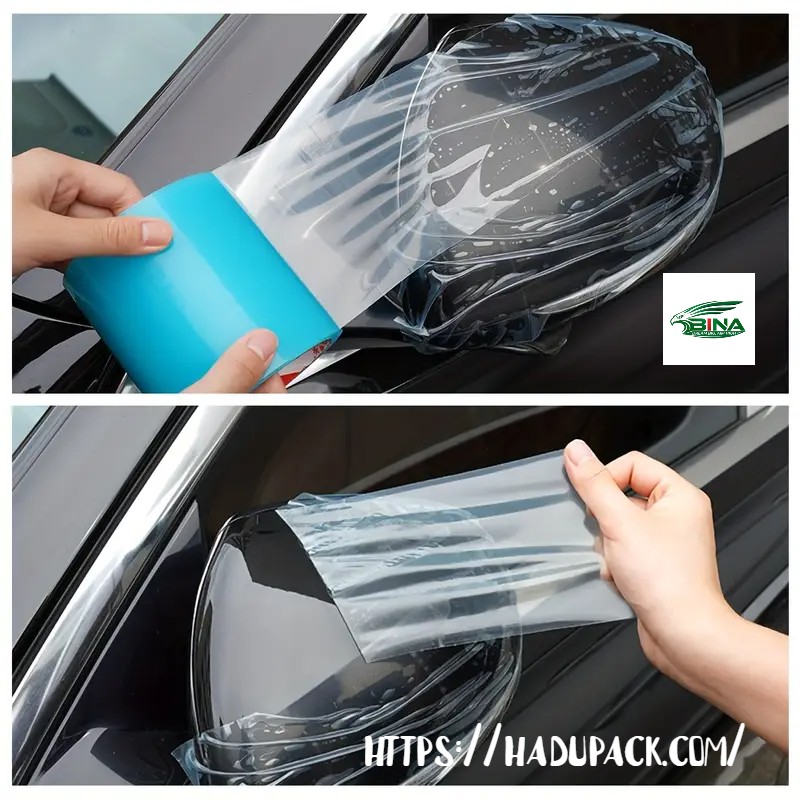
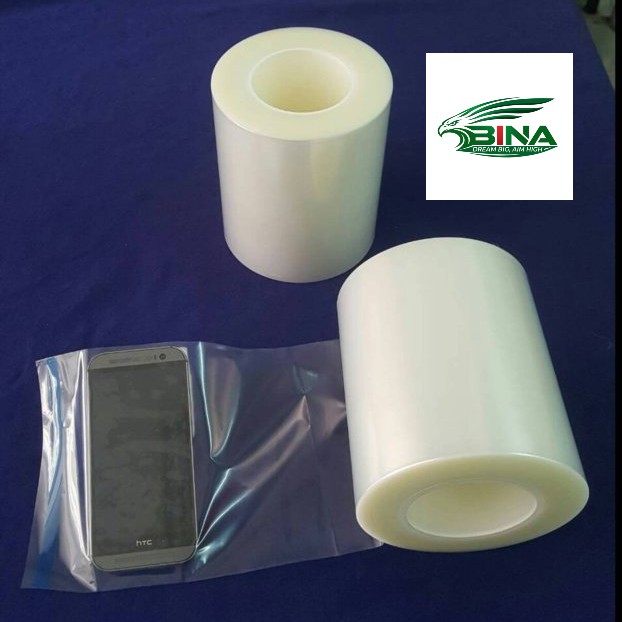
Plastic surface protection film (mainly made from PE, PVC, and PET) is specially designed to protect the surfaces of PVC, PET, PC, PMMA, and other sheets, optical films, or mirrors from scratches and stains during processing, transportation, and storage. They are characterized by leaving little residue and being easy to peel off. Common types include ordinary PE protective film, anti-static PE protective film, and films with glossy or matte surfaces, which are widely used in building materials, cladding panels, and painted surfaces.
 |
Key features of plastic surface protection film:
- Material: Polyethylene (PE) is the most common, but polyvinyl chloride (PVC) or composite materials are also used, offering excellent toughness and weather resistance.
- Adhesion options: Low (super adhesion), medium, and high adhesion levels are available to meet protection needs ranging from smooth surfaces (such as optical mirrors) to rough surfaces (such as matte sheets).
- Residue resistance: Professional protective films typically use EVA or acrylic pressure-sensitive adhesives to ensure no residue is left after removal.
- Additional functions: Anti-static, UV-resistant, abrasion-resistant, anti-fingerprint, or matte surface.
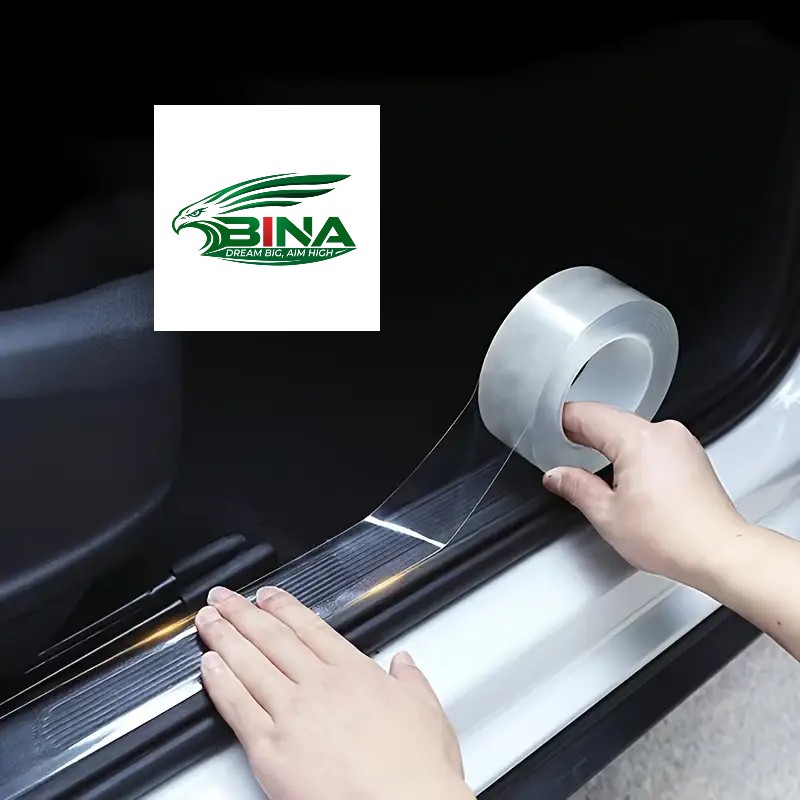
- Common applications: Home Appliances & Automotive: Glossy lacquered surfaces, finely crafted plastic parts.
- Optical Displays: Touch panels, light guide plates, PC boards, PET films, backlight modules.
- Construction & Materials: Protection of PVC, PET, PC, PMMA sheets, such as decorative panels and acrylic glass.
- Metal Processing: Protection of electroplated surfaces (electroplating tape).
- Selection tips: When choosing protective film, pay attention to surface gloss (glossy/matte) and adhesion to avoid leaving residue. Clean the surface before use and use composite film (such as EVA) to enhance protection.
 |
◆Learn more:
- https://hadupack.com/san-pham/mang-bao-ve-be-mat-nhom/
- https://hadupack.com/san-pham/bang-keo-bao-ve-be-mat/
Plastic Surface Protection Film Production Process
The production process for plastic surface protection films (such as PE, PET, and PU films) is a precise, multi-step process that mainly includes preparation of the base material (blown film extrusion/extrusion), adhesive formulation, coating, drying, lamination, slitting, and winding. The following is a detailed analysis of the production process for plastic surface protection films:
 |
I. Preparation of base materials:
- The base material of protective film is usually plastic material (such as LDPE, EVA, PET) formed into film through the following methods:
- Blown extrusion (Blown film) – Suitable for PE film: Process: Plastic pellets are melted in an extruder and extruded into thin tubes.
- Key point: While still hot, compressed air is used to inflate the thin tubes into bubbles, which are then flattened and wound after cooling. Film produced by this process has good flexibility.
- Calendering/Extrusion (Extrusion/Calendering) – Suitable for structural film: Process: After mixing the raw materials, they are extruded into sheets through an extruder and die.
- Characteristics: Precise thickness control, suitable for high-strength shock-resistant film.
 |
 |
II. Surface treatment and coating process
To make the protective film highly adhesive and easy to peel off, a coating process is required:
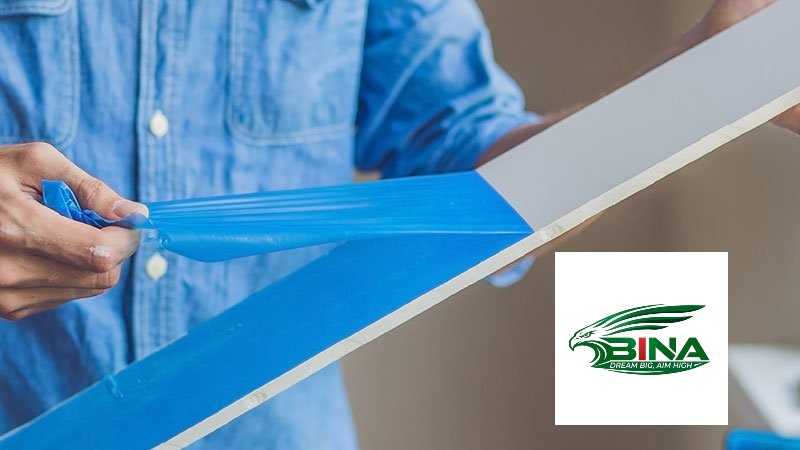
- Corona treatment: Before coating, the substrate is usually treated with corona. This changes the surface energy of the film, increasing the adhesion of ink or the affinity of the adhesive.
- Coating: Type: Use acrylic- or silicone-based adhesives.
- Method: The adhesive is evenly coated onto the substrate surface using an anilox roller, blade, or laminating.
- Lamination method: Molten resin is directly coated onto the substrate using an extruder.
 |
III. Drying & Curing
The coated film needs to be solvent-removed and cured:
- Tunnel drying: The coated film enters a long drying tunnel, where hot air evaporates the solvent (water or solvent) in the binder.
- Curing: The binder undergoes a cross-linking reaction under the influence of heat, reaching the designed viscosity value.
IV. Film Lamination & Finishing Process:
For protective films with special structures (such as multilayer films), lamination needs to be performed:
- Lamination: Two or more film layers are laminated together using hot rollers to enhance strength.
- Slitting and rewinding: The finished wide-width film is slit into narrow rolls according to customer requirements, and surface defects (such as scratches and black spots) are inspected.
V. Quality Inspection and Packaging:
The final step is to inspect various properties of the protective film:
- Adhesion test: Ensure moderate adhesion, leaving no residue after peeling.
- Transparency/Cleanliness: Inspect optical properties.
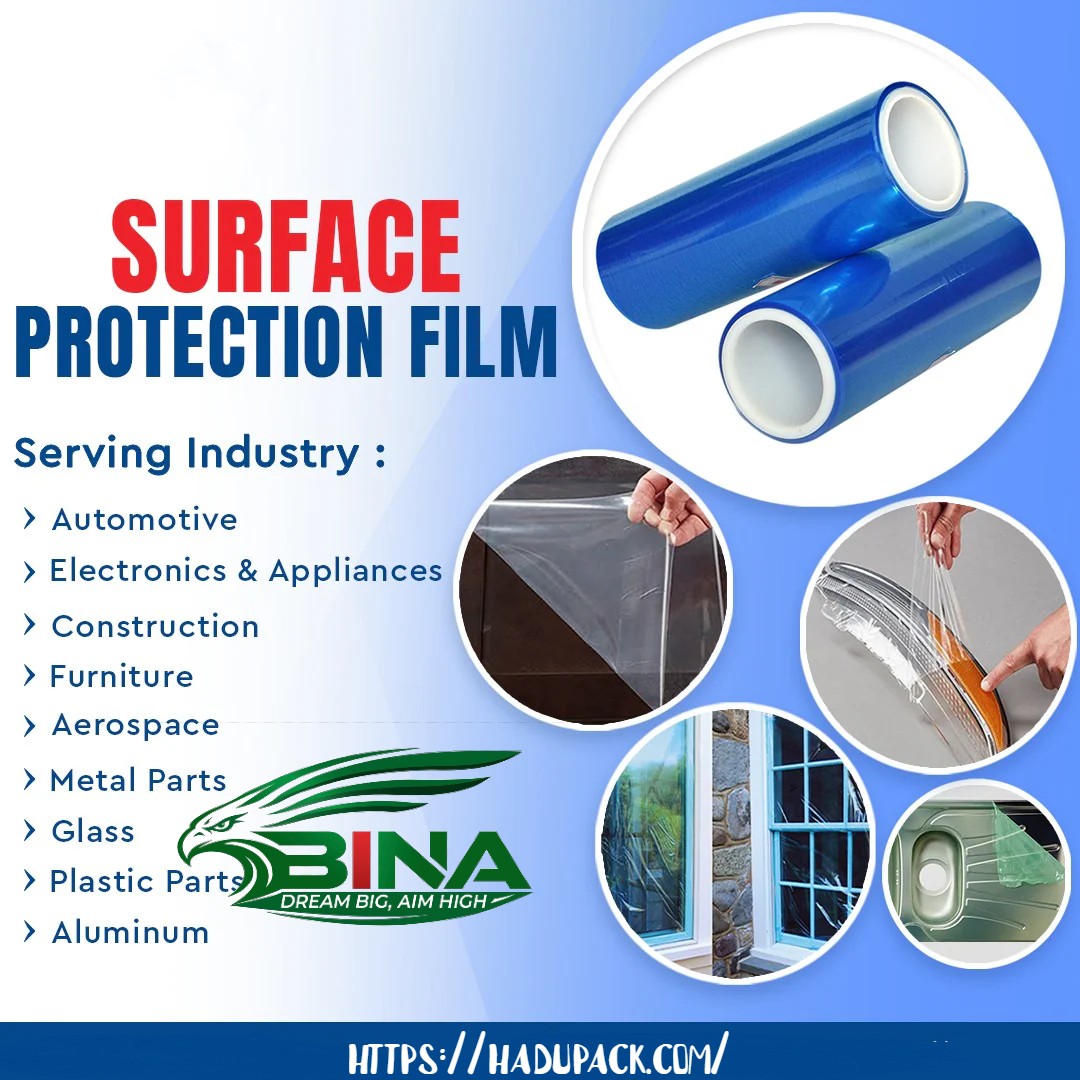
The core of plastic protective film production lies in the substrate formulation and film blowing process (which determine the film’s inherent properties) and precision coating technology (which determines the film’s adhesion). Different application scenarios (such as automotive and screen protection) require different plastic and adhesive formulations.
 |
Tips for choosing protective film for plastic surfaces
When choosing protective film for plastic surfaces (such as PE, PET, EVA, etc.), to ensure that the product is not scratched during processing, transportation, or storage, and to avoid residue-related issues, you can refer to the following tips:
1. Choose based on adhesion (most important).
There are many types of plastic surfaces (such as acrylic, PC, ABS, PVC, etc.), and choosing an unsuitable adhesion level can easily lead to residue.
- Low adhesion: Suitable for smooth, non-porous plastic sheets or glossy materials such as mirrors, and easy to peel off.
- Medium adhesion: Suitable for plastic surfaces with slight roughness during normal processing.
- High adhesion: Suitable for rough surfaces, plastic parts requiring strong protection, and parts undergoing processing or stretching.
2. Check the physical properties (Selection tips)
When specialized equipment is not available, you can use the following common methods to check the quality of PE protective film:
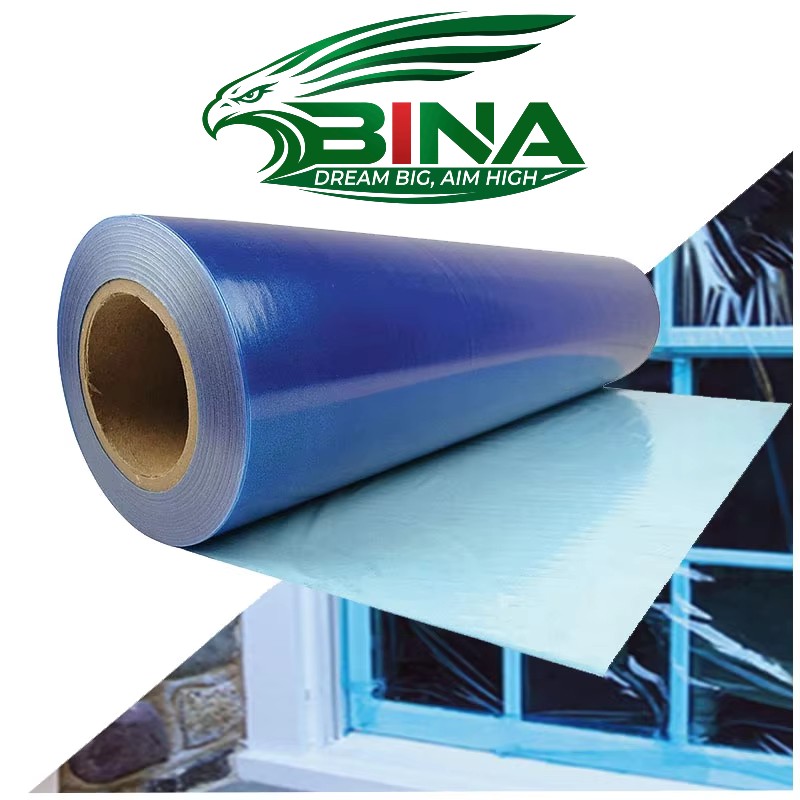
- Check transparency (light transmittance): Place different samples over a screen and create a new blank Word document. The less white it appears (the brighter it is), the better the transparency.
- Check haze: In a dark room, place the protective film between a fluorescent lamp and your eyes. If there is evenly distributed cloudiness in the film, the higher the haze, the poorer the quality.
- Check gloss and color: Observe whether there are “crystal spots” or “opaque spots” on the surface of the film. High-quality film has fewer of these impurities, high transparency, and a smooth feel.
 |
3. Choose heat resistance based on the processing environment:
- If the processing involves high temperatures, you must choose a “heat-resistant protective film”, otherwise the protective film can easily become carbonized or form residue.
- Weather resistance (UV resistance): If used outdoors, you should choose a special PE film with UV resistance to prevent aging, brittleness, and difficulty in peeling.
4. Surface characteristics and thickness:
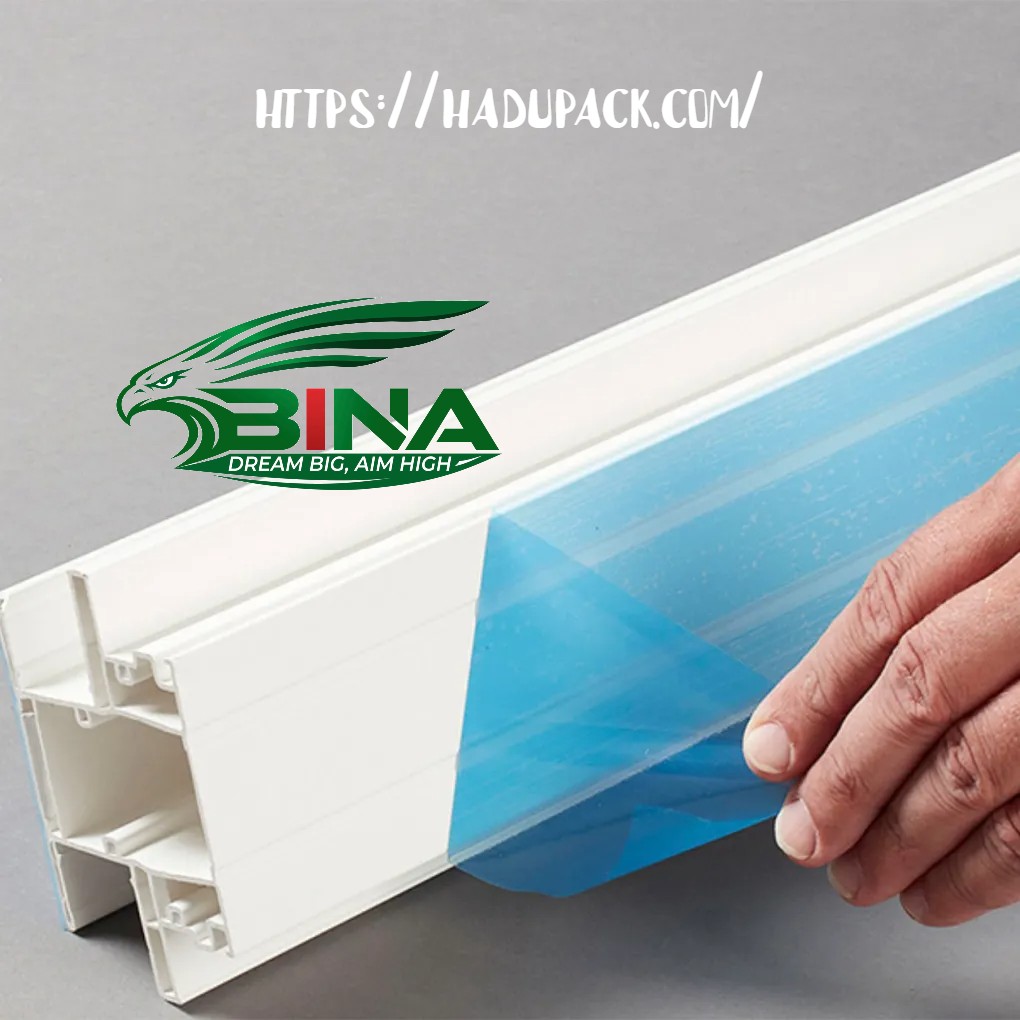
- Surface smoothness: Matte or textured plastics require a softer film to prevent edge peeling.
- Scratch resistance: For high scratch resistance, choose PET protective film, which is harder and has superior mechanical strength compared with PE.
 |
5. How to check residual adhesion and quality:
A good protective film should not increase adhesion too much after being applied for a period of time and should be easy to peel off.
- Anti-static capability: For precision electronic plastic components, it is recommended to choose a protective film with an “anti-static” function to reduce dust adhesion.
- In summary: When selecting, always clean the plastic surface first to remove grease and solvents and choose the appropriate adhesion level and material based on the product material, process and budget.
Detailed information about Hadupack from us
 |