

Description
What is aluminum surface protection film?
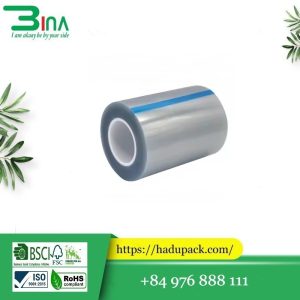
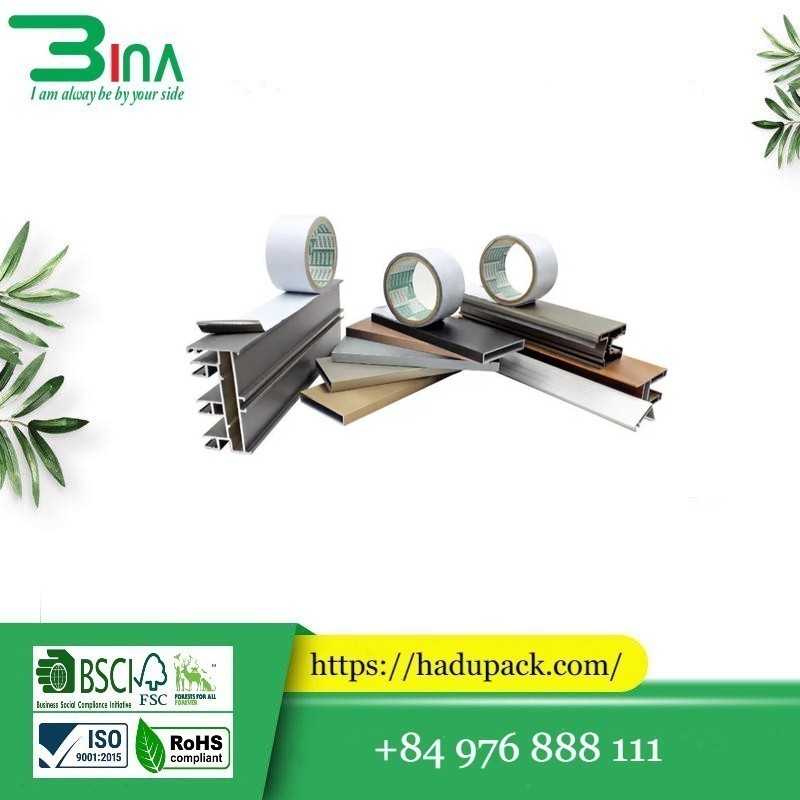
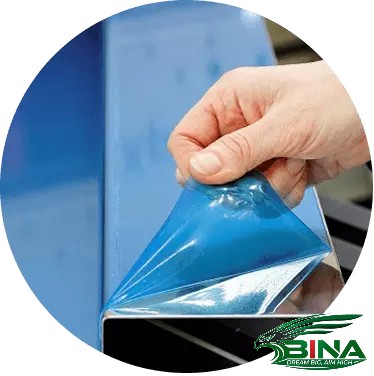
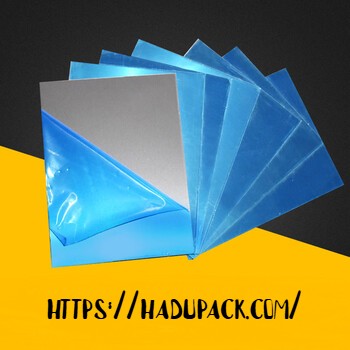
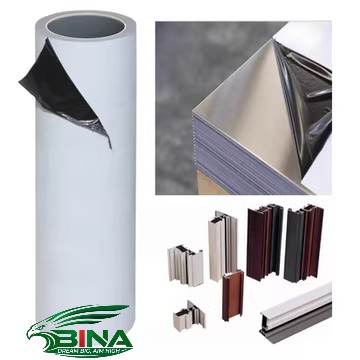
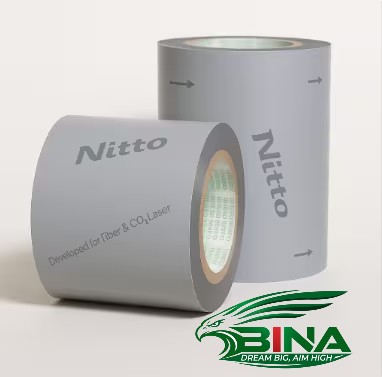
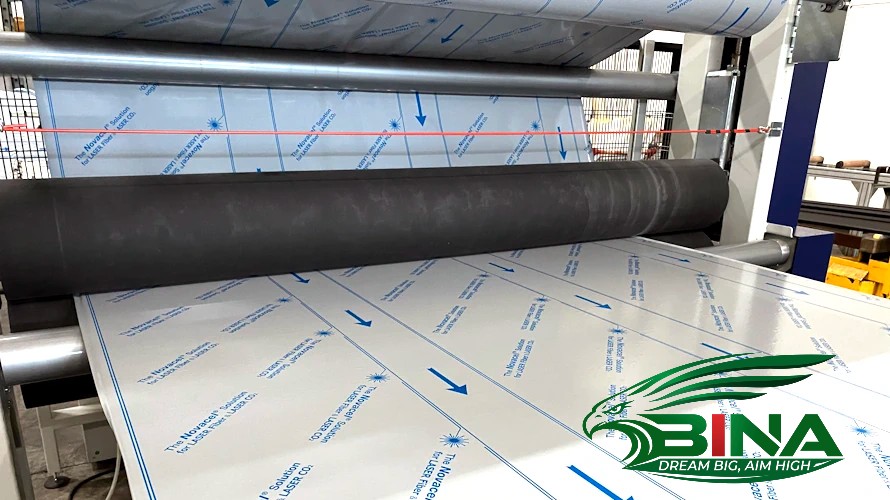
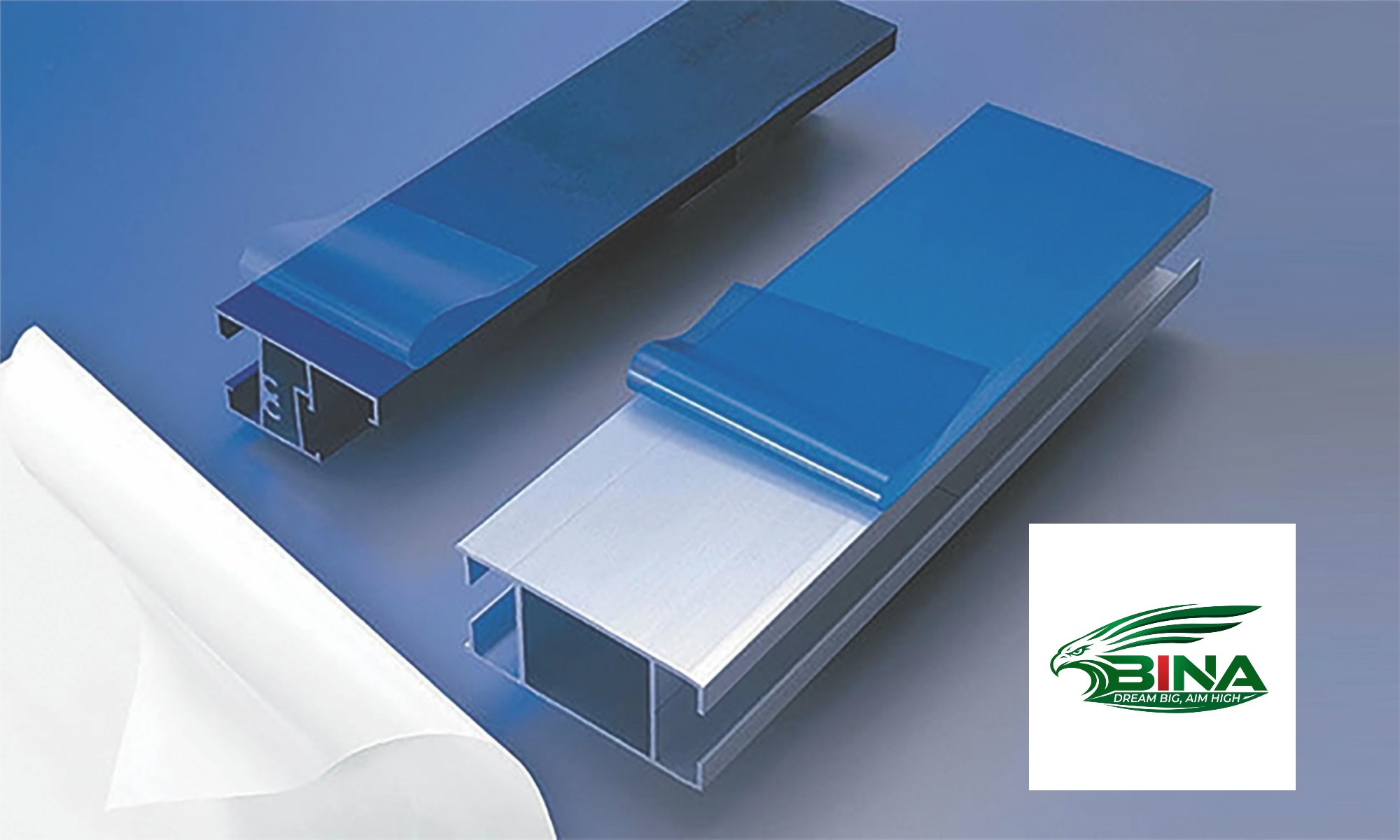
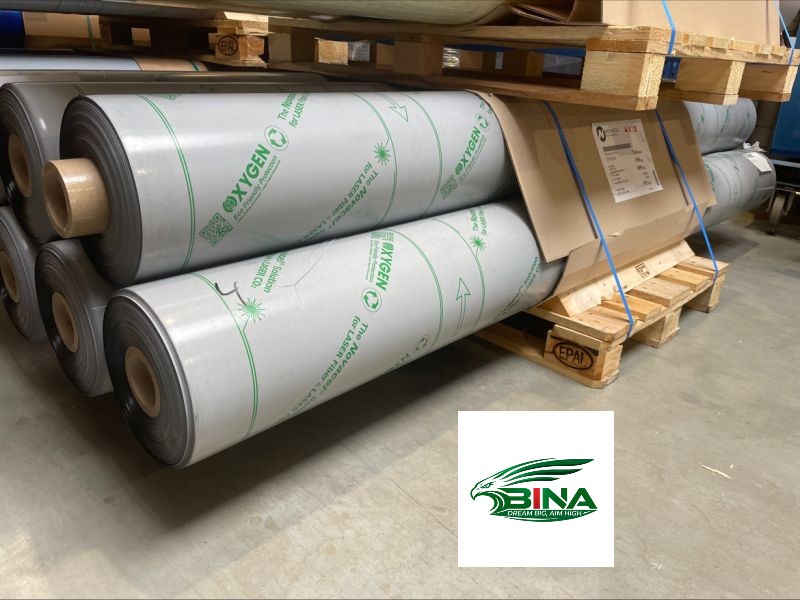
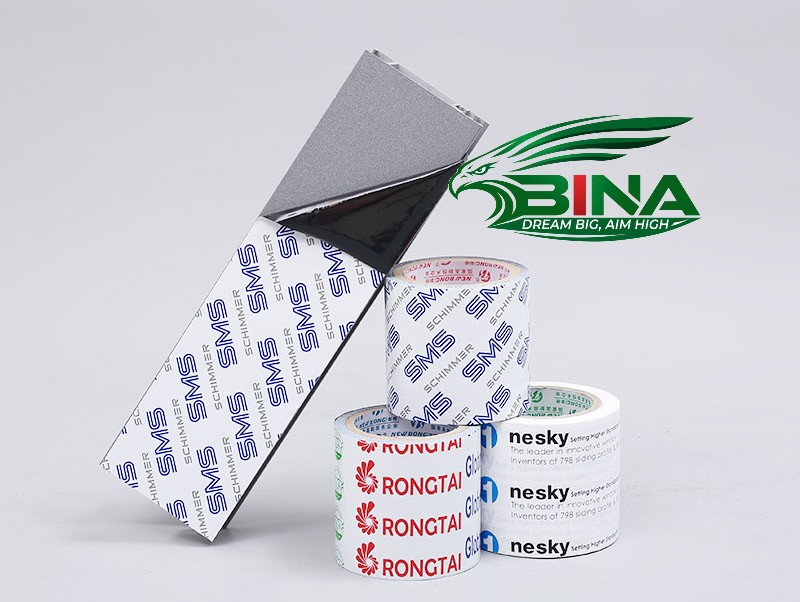
Aluminum surface protection film (usually with a PVC/PET/PE backing) is a self-adhesive film specially designed for aluminum profiles and sheets (anodized, mirror-polished, brushed) to prevent scratches, dirt, and oxidation during transportation, storage, and processing. Its features include easy application and removal, no residue, aging resistance, and UV resistance. It is suitable for metal surfaces with different levels of roughness, such as Novacel specialized aluminum protection film and aluminum window frame protection film.
 |
 |
◆Learn more:
- https://hadupack.com/san-pham/bang-keo-bao-ve-be-mat/
- https://hadupack.com/san-pham/mang-bao-ve-pe-chong-tinh-dien/
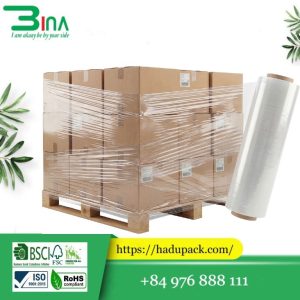
- https://hadupack.com/san-pham/mang-pe-quan-pallet/
Aluminum Surface Protective Film Production Processes
The production processes for aluminum surface protective films are generally divided into two main types: one is a temporary protective film physically applied (used during processing and transportation), and the other is a permanent protective film formed by chemical/electrochemical methods (used to improve corrosion and wear resistance). The main production processes are introduced below:
I. Permanent Surface Protective Film Technology (Chemical and Electrochemical Methods).
This type of technology changes the surface properties of aluminum to create a dense oxide film or coating.
- Anodizing Principle: Using electrochemical principles, the aluminum product is used as the anode, and electrolysis is carried out in an electrolyte to form an ultra-thin and dense aluminum oxide (Al₂O₃) film on the surface.
- Advantages: High hardness, wear resistance, corrosion resistance, and decorative properties.
- Process: Surface cleaning → Degreasing → Acid etching → Neutralization → Anodizing → Dyeing/Sealing (Optional) → Drying.
- Electrophoretic Coating Principle: Anodized aluminum is immersed in a water-soluble coating. Under the action of an electric field, the coating particles adhere evenly to the aluminum surface, forming a dense paint layer.
- Advantages: Uniform coating, high gloss, and excellent corrosion resistance.
- Chemical Conversion Coating Principle: A chemical solution reacts with the aluminum surface to form a stable chemical conversion film (such as chromate coating or chromate-free passivation). This method is often used as a pretreatment step before spraying to improve the adhesion of the coating.
 |
II. Production process of temporary protective film (composite film):
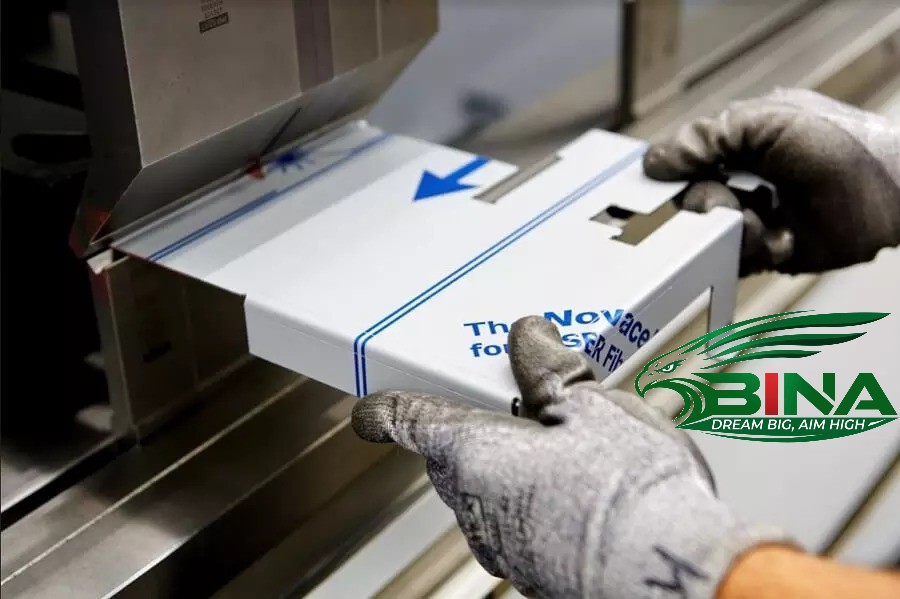
This type of protective film is usually a plastic film, used to provide protection during the processing and transportation of aluminum profiles, aluminum sheets, and aluminum composite panels.
- Film blowing/casting process: Polyethylene (PE) is commonly used as the base material. The plastic raw material is processed into a film with a certain thickness and tensile strength through a film blowing or casting process.
- Adhesive coating and film laminating process principle: A pressure-sensitive adhesive (acrylic-based adhesive) is coated onto one side of the PE film to adhere to the aluminum surface.
- Control technology: The key lies in controlling the viscosity (peel force) of the adhesive to ensure that the protective film remains firmly attached during processing and leaves no residue when peeled off.
III. Technological principle of special aluminum film (metallized PET/PVC):
On transparent substrates such as PET/PVC, vacuum evaporation technology is used to evaporate and deposit metallic aluminum onto the substrate surface, forming a protective/decorative layer with a metallic gloss.
When aluminum comes into contact with air at room temperature, it immediately and automatically forms an extremely thin aluminum oxide film, providing natural physical protection. In summary, for long-term mechanical protection, anodizing is usually selected; for surface protection during processing, self-adhesive protective film is used.
 |
 |
Common issues in the production of aluminum surface protective films
In the production of aluminum surface protective films (especially anodizing/oxidation treatment), common quality issues and technical bottlenecks mainly focus on surface appearance defects, film structure, and performance not meeting requirements. The following is a summary of common issues:
1. Surface appearance defects:
- Black spots/white spots/white streaks: Black streaks, mottled spots, or localized whitening appear on the surface after oxidation. This is often related to impurities in the extrusion profile, uneven composition, incomplete cleaning, or inadequate pretreatment before oxidation.
- Burned/discolored film: During hard anodizing, localized burning and roughness of the film often occur due to excessively high local current density and insufficient cooling capacity (excessively high temperature).
- Dull/non-glossy surface: Failure to achieve the required matte effect indicates incomplete oxidation or an unsuccessful anodizing reaction.
- Surface scratches/scuff marks: Damage during processing is amplified after oxidation, resulting in finished products with substandard appearance.
 |
2. Film performance does not meet requirements:
- Uneven film thickness: The thickness of the oxide film is inconsistent, with some areas being too thin, making it difficult to provide consistent protection.
- Pitting corrosion and surface corrosion: Although there is a protective film, pitting corrosion may still occur in humid environments if the film is not thick enough or has defects.
- Poor sealing quality: Inadequate sealing after the anodizing process leads to excessive adsorption by the film, making the surface prone to dirt accumulation or discoloration during subsequent use.
 |
3. Bottlenecks in the process:
Residual impurities after pretreatment: Incomplete removal of oil or discoloring substances from the aluminum surface directly affects the quality of the oxide film.
- Excessively high oxidation solution temperature: The oxidation process of aluminum alloys is an exothermic reaction; if the cooling system cannot cool it down in time, the oxide film may easily peel off or even dissolve.
- Water quality and impurities: Excessive metal impurities in the electrolyte or poor cleaning water quality may affect the density and appearance of the film.
Common solutions:
- Strengthen pretreatment: Use appropriate degreasing, alkaline etching, and brightening methods to thoroughly remove oil and impurities from the surface.
- Optimize parameters: Precisely control the temperature, voltage, current density, and electrolyte composition of the anodizing process.
- Strictly control the sealing process: Ensure the temperature and duration of the sealing process; If necessary, use deionized water for boiling to ensure good pore sealing.
 |
Key advantages and applications:
- Surface protection: Protects the surface of aluminum materials after processing, polishing, or anodizing from damage.
- Anti-aging and UV resistance: Particularly suitable for outdoor environments, preventing residue buildup caused by prolonged exposure.
- Application scenarios: Widely used in doors and windows, glass curtain walls, furniture, aluminum composite panels, electronic product housings, etc.
 |
Selection and usage recommendations:
When selecting protective film for aluminum surfaces, to ensure that the aluminum is not damaged during processing, transportation, storage and installation, the following core factors should be considered:
- Condition and characteristics of the aluminum surface: Surface treatment type: It is necessary to confirm whether the aluminum surface is anodized, powder coated, electrophoretically coated, or anodized and polished, because different surfaces have different adhesion requirements.
- Surface smoothness: The rougher the surface, the higher the required adhesion.
- Weather resistance: If used outdoors (such as glass facades, exterior wall decoration), it is recommended to choose protective film with strong UV resistance, high temperature resistance and moisture resistance to prevent sunlight from causing aging or leaving adhesive residue.
- Environmental corrosion: It is necessary to consider whether the surface will be exposed to cleaning water, continuous hot and cold temperature changes or industrial pollution.
- Adhesion: Choose an appropriate viscosity (low, medium, high) based on the roughness of the aluminum surface and the processing technology to ensure firm adhesion during processing, but without leaving residue when removed.
- Processing technology and mechanical durability: If deep processing is required (such as bending, stretching, stamping), the protective film needs to have sufficient elongation and abrasion resistance. The thickness of the protective film (usually required to be 20 micrometers or more) must effectively protect against scratches and impacts.
- Physical properties: Transparency: If it is necessary to inspect the aluminum surface while it is protected, a film with high transparency or a specific color should be selected.
- Easy to clean: In construction applications, the protective film needs to be easy to remove after installation.
- Economics and special requirements: Balance protection needs with cost. If brand protection or installation instructions are required, printable protective film (logo, text) can be selected.
In summary, the selection of aluminum surface protective film should follow the principles of “environmentally friendly, appropriate adhesion, suitable processability and reasonable cost”.
Detailed information about Hadupack we have
 |