
Description
What is pallet stretch film?
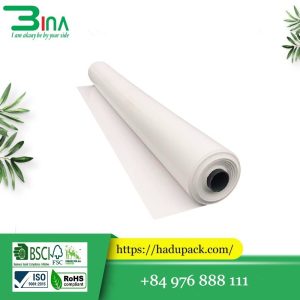
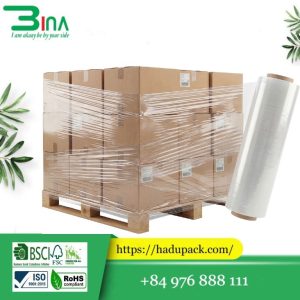
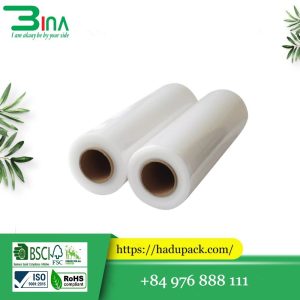
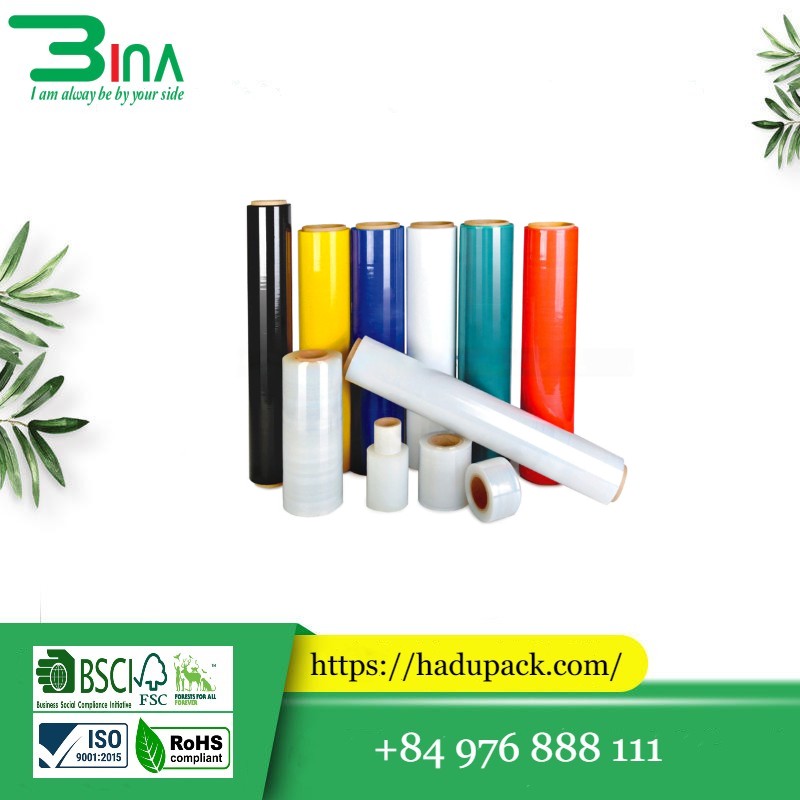
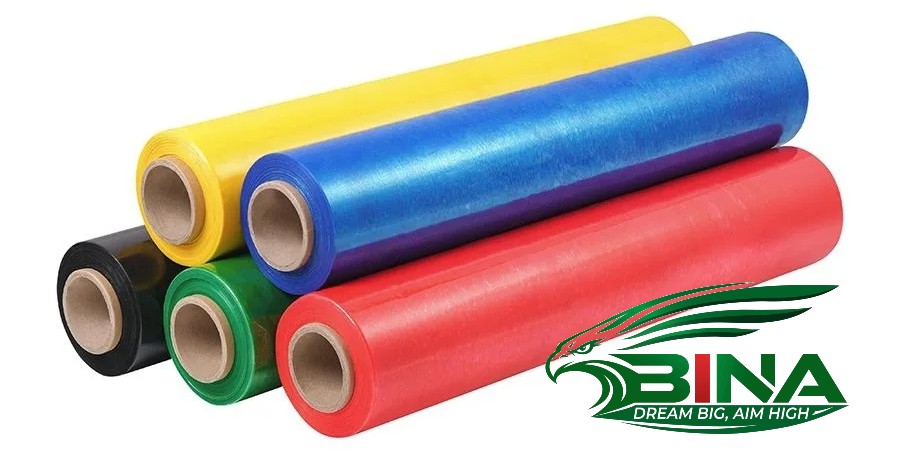
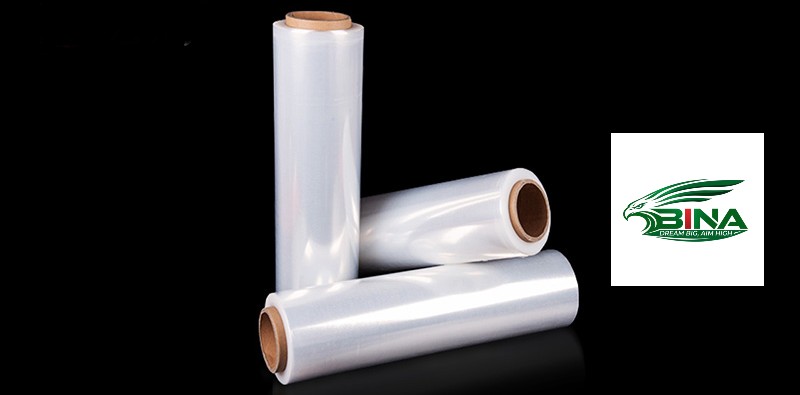
Pallet stretch film is a transparent and durable plastic film made from polyethylene (LLDPE, etc.). It has excellent tensile strength, shrink recovery, and one-sided or double-sided self-adhesive properties. It is specially designed to wrap palletized goods by machine or by hand, helping to securely hold items together as a single unit, prevent dust, resist moisture, prevent spillage, and protect the goods.
 |
Key features of PE pallet stretch film:
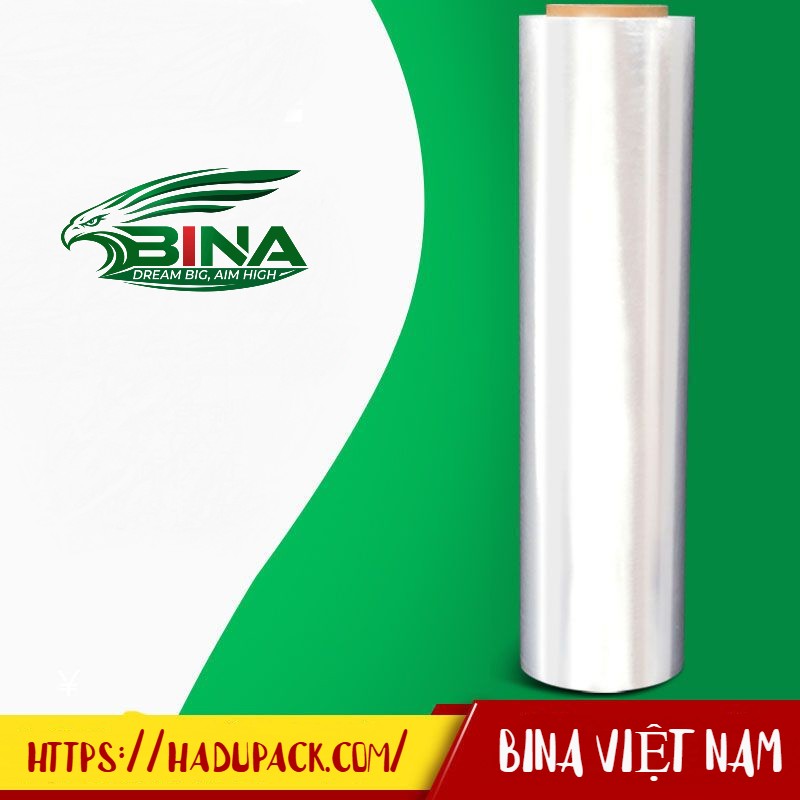
- High tensile strength and safety: It has extremely high tensile and tear strength, with an elongation rate of 300% – 350%, ensuring that goods remain stable and do not deform during transportation and storage.
- Unique self-adhesive properties: Its unique self-adhesive properties allow multiple layers to bond together, ensuring tight packaging without sticking to the surface of the goods.
- High transparency: Makes it easy to identify the packaged goods.
 |
Practical applications of PE pallet stretch film:
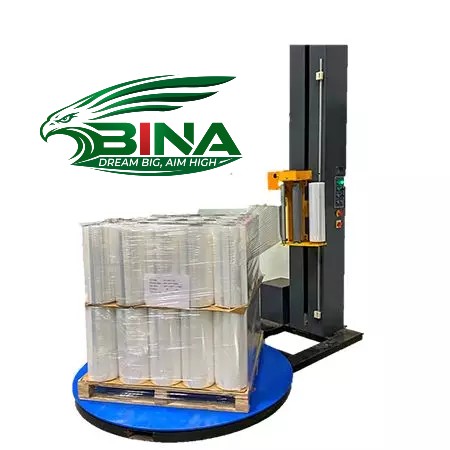
- Logistics and warehousing: Used to wrap pallets to secure boxes and packages together and prevent them from falling apart.
- Industrial manufacturing: Suitable for externally wrapping entire cartons containing construction materials, chemicals, metal products, etc.
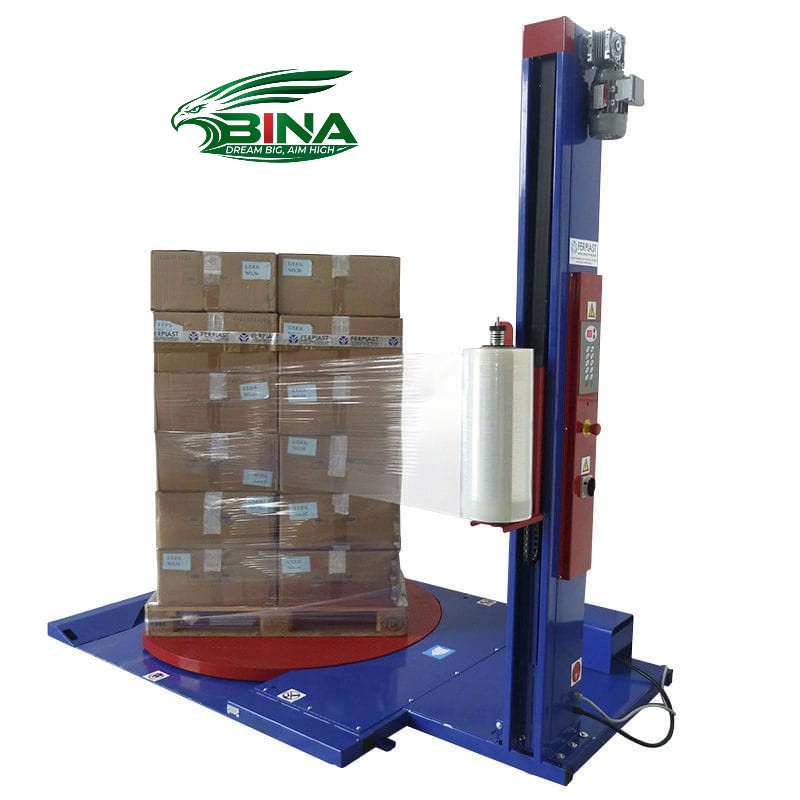
- Mechanical operations: Suitable for automatic machine wrapping and can also be used for manual wrapping.
 |
Pallet stretch PE film production process
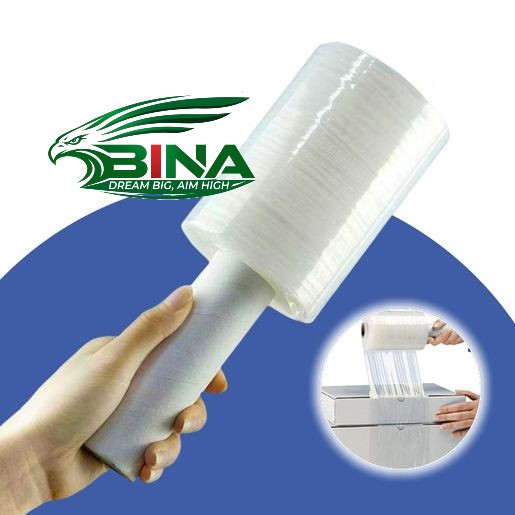
Pallet stretch PE film is mainly produced using the cast or blown film method. The core processes include raw material mixing, melt extrusion, die casting, cooling and shaping, winding and cutting. Using LLDPE as the main raw material, this wrapping film employs three- or five-layer co-extrusion technology, combined with an adhesive (such as PIB), to provide high transparency, strong tensile strength (300-500%) and self-adhesive properties, and is used for sealing cartons and pallet packaging.
 |
 |
I. Main Production Process (Cast Film)
The cast film process is currently the primary technology for producing PE stretch film, offering advantages such as uniform thickness and high transparency.
- Raw Material Preparation and Dosing: The main raw material is linear low-density polyethylene (LLDPE), sometimes with low-density polyethylene (LDPE) added to increase flexibility and adhesion. Tackifying additives (such as PIB) are often added to improve self-adhesion.
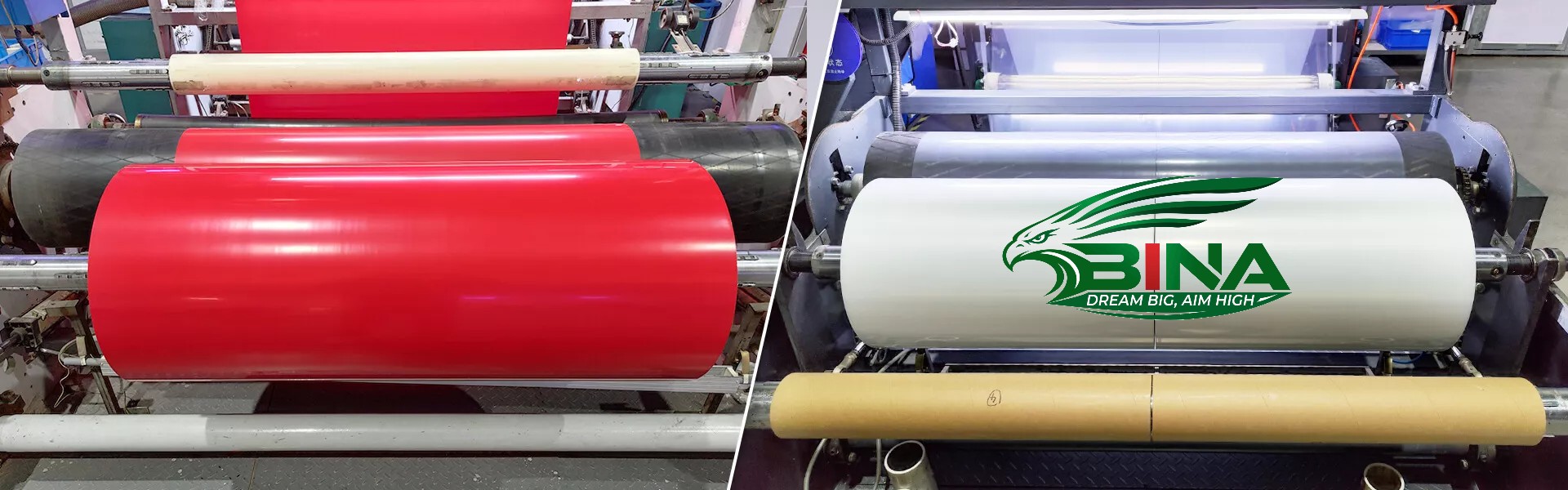
- Melt Extrusion: The raw materials are heated and melted through an extruder. Modern production lines often use multiple extruders for multilayer extrusion, typically three layers (A/B/C) or five layers (A/B/C/D/E), to achieve a combination of different functions (e.g., an adhesive surface layer, a strong core layer).
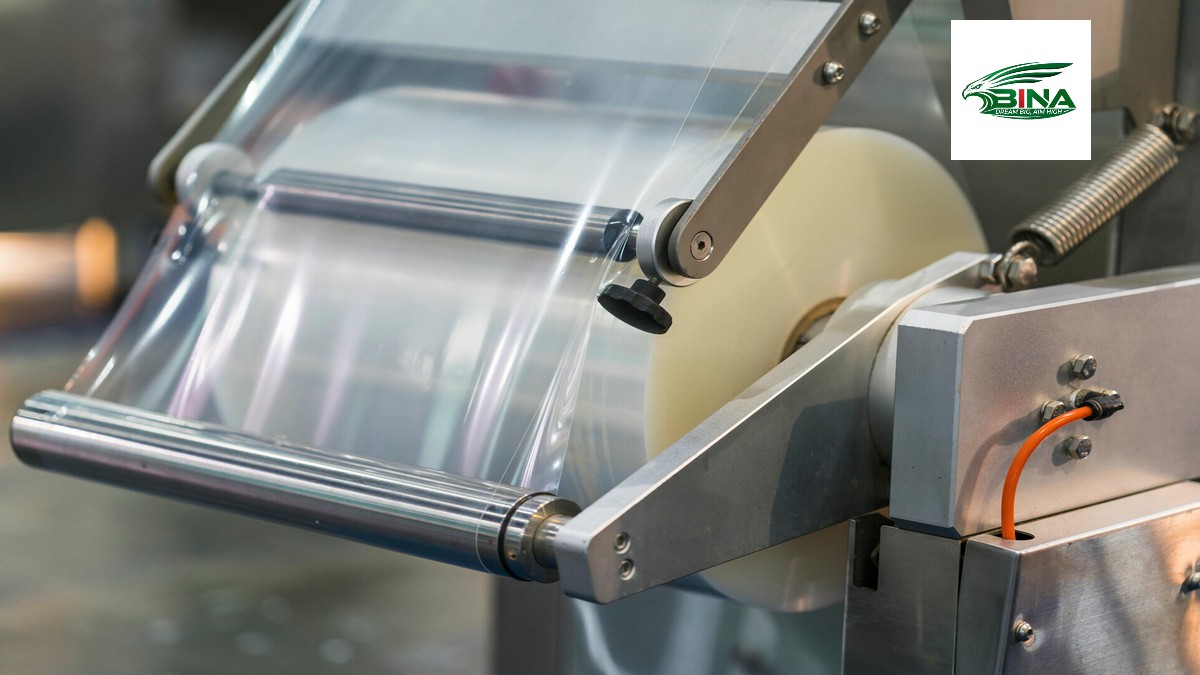
- Casting and Cooling: The molten resin is extruded through a T-die and cast onto cooling rollers for rapid cooling and forming.
- Thickness Measurement: An online thickness gauge monitors film thickness in real time to ensure uniformity.
- Winding and Slitting: The cooled film is wound into large rolls by a winding machine and then slit into smaller rolls with different widths and weights according to customer requirements.
 |
II. Main production technologies
- Multilayer extrusion technology: Through the three-layer A/B/C structure, the adhesive resin is usually concentrated in the surface layer, while the core layer uses high-strength materials, saving costs while ensuring strength and self-adhesive properties.
- Adhesive application: PIB (polyisobutylene) is used as an adhesive to provide single-sided or double-sided adhesion for the film, ensuring tightness for goods during packaging.
- Cooling rate control: The temperature of the cooling rollers directly affects the crystallinity and transparency of the film.
III. Characteristics of the blown film process
The initial technologies mainly used blown film extrusion. Films produced by blown film extrusion generally have slightly higher strength, but their thickness uniformity and transparency are generally slightly inferior to those of films produced by the cast film method. It is suitable for environments requiring extremely high strength.
IV. Main raw materials and functions
- LLDPE: Provides the film with excellent puncture resistance, tensile strength, and shrink force.
- Adhesive (PIB): Provides the necessary self-adhesion, ensuring tightness and preventing the packaging from coming loose.
 |
Common problems in the production of PE pallet stretch film
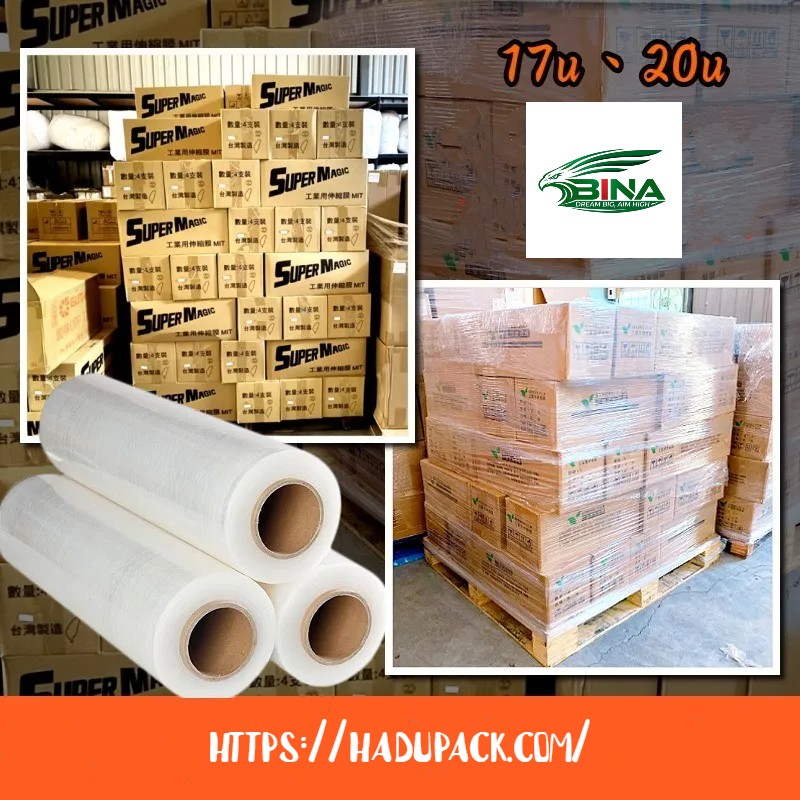
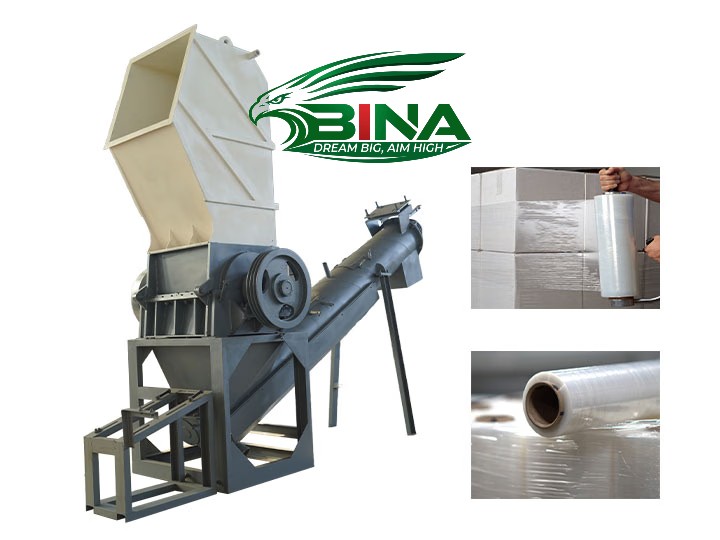
Common problems in the production of PE stretch wrap include: film breakage (insufficient tensile strength or impurities), poor adhesion (incorrect PIB ratio), crystallization points (impurities in the raw materials or poor plasticization), shrinkage defects (high internal stress), uneven thickness (improper die adjustment), and air bubbles in the finished product. These problems are often caused by unstable material temperatures or unsuitable raw material types during the molding process.
 |
I. Common production issues and cause analysis
- Crystallization points: Small particles protruding or indentations appearing on the film surface. The main cause is that the LLDPE raw material contains unplasticized particles or impurities, or is mixed with silicone, resulting in the resin not melting completely.
- Insufficient or excessive adhesion: The self-adhesion of stretch film depends on the PIB (polyisobutylene) or VLDPE blended in. Excessive PIB penetration will lead to excessive adhesion, while improper temperature control causing aging or degradation of PIB will result in insufficient adhesion.
- Film edge cracking/tearing during packaging: Usually caused by poor puncture resistance, an excessively high stretch ratio, improper adjustment of the machine’s pressure rollers, or the presence of small crystalline impurities in the film.
- Finished product becoming loose (loose after packaging): The film’s initial internal shrinkage stress is too high. After several hours of storage, the release of high internal stress causes shrinkage, resulting in strap failure.
- Uneven thickness: During cast film production, inaccurate die temperature control, unstable material flow at the edges, or uneven cooling roller speed leads to inconsistent thickness in the transverse or longitudinal direction.
II. Suggestions for improving stretch film quality
- Optimize the material ratio: Use a high-quality LLDPE substrate (such as C6, C8, or metallocene PE) and properly apply adhesive during the three-layer extrusion process.
- Strictly control molding temperature: Cast film production generally provides better transparency and thickness uniformity, but the melt temperature must be precisely controlled to avoid the formation of excessive crystallization points.
- Reduce stress: Adding an appropriate annealing process at the end of the production process can significantly reduce the shrinkage force of the wrapping film after packaging.
- Surface protection: Ensure an appropriate distance between the casting die and the cooling roller during operation to prevent impurities from entering.
 |
Classification of PE Pallet Wrap Film
PE (polyethylene) film used for wrapping pallets, commonly known as stretch film or stretch wrap, is mainly classified according to its intended use, production process, and functional properties. With high transparency, high strength, and self-adhesive properties, it tightly wraps goods stacked on pallets, providing dust resistance, moisture resistance, and stability.
1. Classification by intended use (Main classification)
Hand-stretch PE film:
- Characteristics: Moderate thickness (approximately 1.5 kg), relatively lightweight rolls (usually 2-5 kg), suitable for manual handling.
- Suitable applications: Packaging small batches of goods, individual irregularly shaped items, or repackaging during machine downtime.
Machine-stretch PE film:
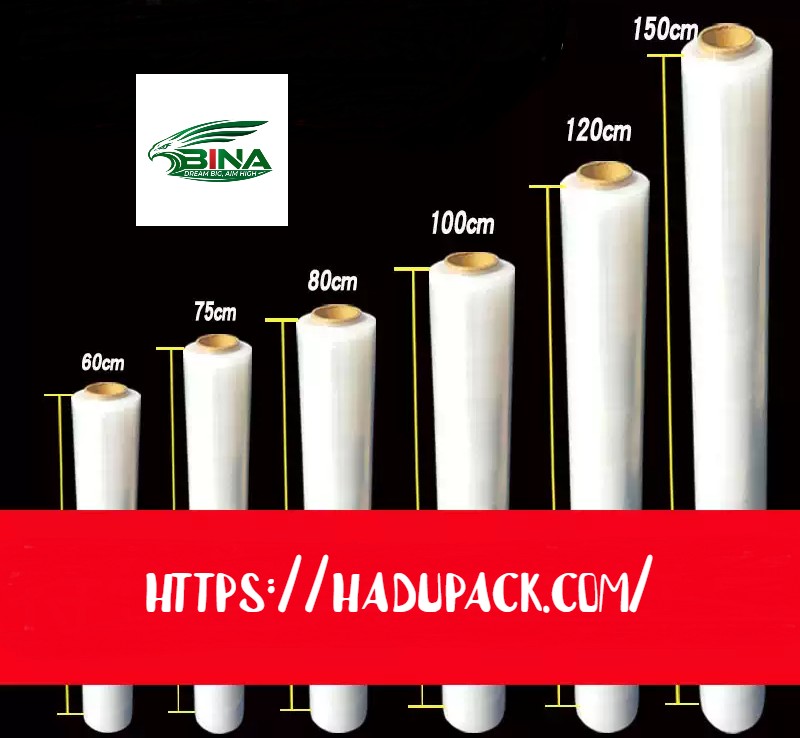
- Characteristics: High tensile strength, good elongation (usually over 300%), heavier rolls (over 15 kg), and high puncture resistance.
- Applications: Suitable for efficiently packaging palletized goods using automatic packaging machines, ideal for high-volume assembly line operations.
Pre-stretched wrap film:
Characteristics: Pre-stretched to a specific ratio by machine before shipment, requiring less effort during use, fewer wrapping cycles, and high elasticity, suitable for demanding packaging applications.
 |
2. Classification by production process
- Cast film: Developed using a cast production line with a multilayer extrusion process, featuring high transparency, high uniformity, and excellent adhesion, making it the most commonly used type.
- Blown film: Developed using a blown film production line, with tear strength and puncture resistance generally superior to cast film, particularly suitable for high-strength packaging.
3. Classification by function and appearance
- Transparent stretch film: The most common type, making it easy to scan barcodes and identify goods during transportation.
- Colored stretch film: Black, white, blue, red, etc. PE film. Mainly used for waterproofing, sun protection, concealing goods, or for classification and identification in logistics.
- Antistatic stretch film: Used for packaging electronic products to prevent component damage caused by static electricity generated by friction.
4. Other classification standards
- Adhesion: Single-sided adhesive (goods will not stick to each other after packaging, better for logistics) and double-sided adhesive.
- Material: LLDPE (linear low-density polyethylene) is currently the main raw material, offering excellent toughness and shrink force.
 |
Precautions when using PE stretch film to wrap pallets
When using PE film (stretch film) to package pallets, the following points should be noted: choose an appropriate thickness (usually 17-35) based on the weight of the goods to avoid waste; maintain uniform tension to ensure stability; avoid high-temperature environments to prevent film deformation and properly recycle non-biodegradable film scraps. Particular attention should be paid to reinforcing the bottom and overlapping the film by about 30-50% when wrapping from bottom to top.
Details of precautions when wrapping PE film around pallets:
Selection and thickness: Choose the thickness based on the weight of the goods and stability requirements. Generally, manual packaging uses thinner film, while automatic packaging, due to the sufficient film width and more regular pallet shape, is more suitable for thicker film.
 |
Handling Techniques:
- Securing the base: The starting and ending points usually require 3-4 wraps to ensure stability.
- Overlapping wrapping: When wrapping from bottom to top, each wrap should overlap the previous one by about 30%-50% to ensure a tight seal.
- Tension: Stretch the film evenly to ensure sufficient shrink force to secure the goods, but avoid overstretching to prevent tearing the film.
- Environment and storage: PE film is sensitive to temperature and should be stored in a dry, cool, well-ventilated place, away from direct sunlight. Avoid using it in high-temperature environments to prevent the film from deforming and reducing performance.
- Environmental handling: Used PE film is industrial plastic waste and should be collected and recycled separately; it should not be discarded indiscriminately.