



Description
What are anti-static bags, and how do they work?
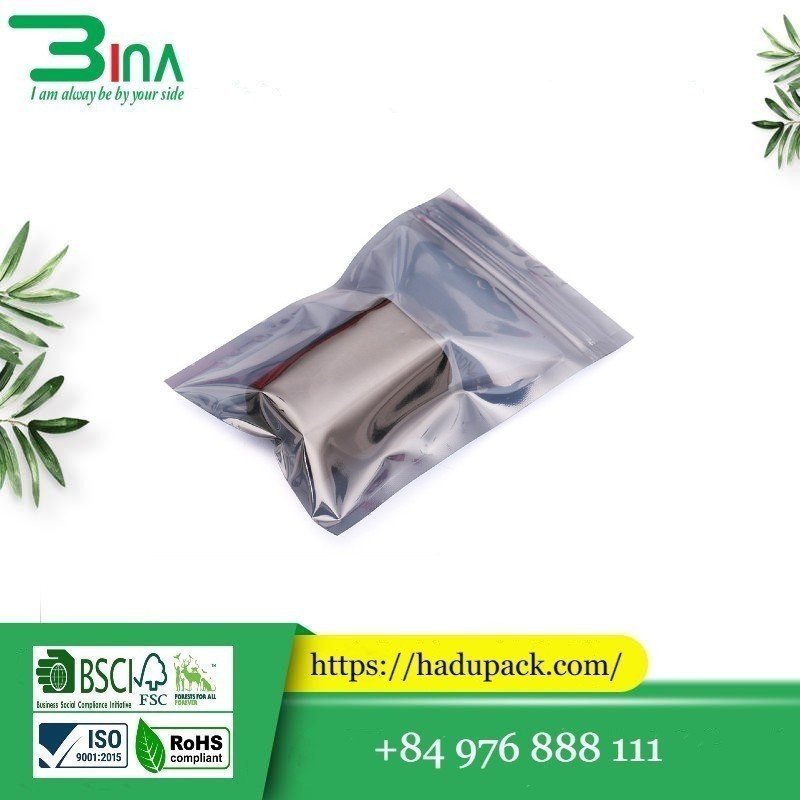
Anti-static bags prevent electrostatic charges by helping to counteract and control electrostatic discharge – the sudden flow of charged electrons between different objects. There are many different types of bags with varying levels of protection. It is important to understand the differences and choose the right type of bag for your needs.
 |
Many electronic components are highly sensitive and can be damaged when electrostatic discharge occurs. This static electricity can cause significant damage to the internal circuitry of components or microprocessors, rendering them useless or “burned out”.
◆Learn more:
- https://hadupack.com/san-pham/bao-bi-pp-det/
- https://hadupack.com/san-pham/bao-bi-thuc-pham/
- https://hadupack.com/san-pham/tui-opp/
 |
 |
Triboelectric charging is the most common factor causing static electricity buildup. We can define triboelectric charging as a form of contact electrification, which is where materials can become charged when they come into frictional contact with another material.
To prevent our components from being damaged, we use antistatic bags to help protect them from this phenomenon. The two most common types of antistatic bags used are dissipative antistatic bags and antistatic bags, however, most people will simply refer to them by the general term “antistatic bags”.
 |
 |
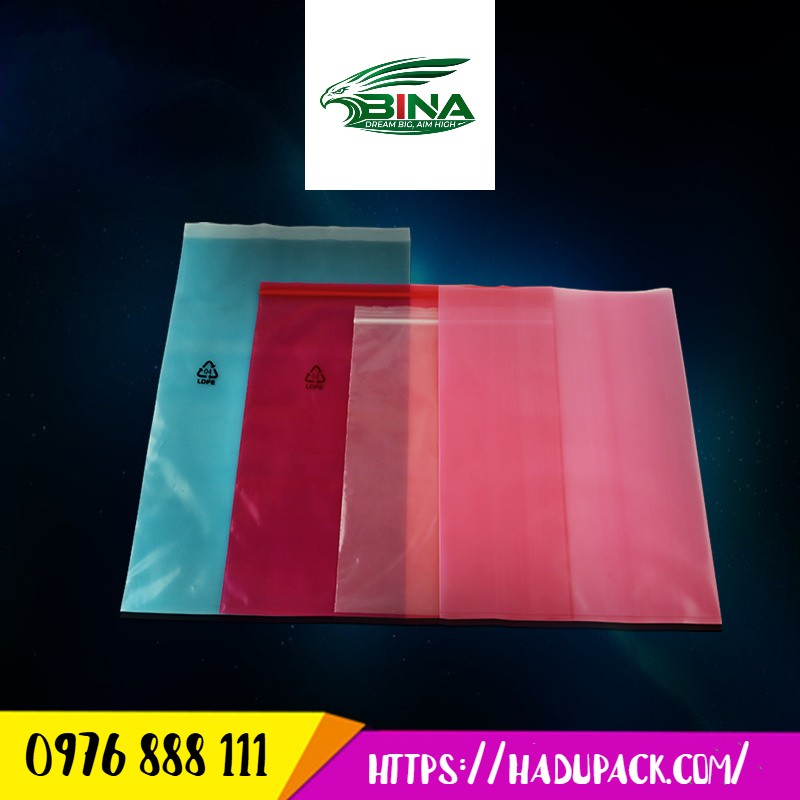
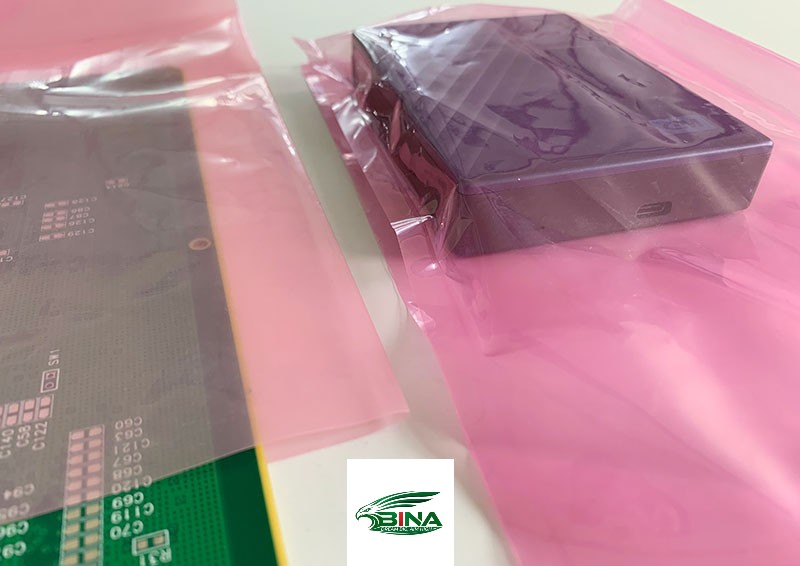
Dissipative PE anti-static bags:
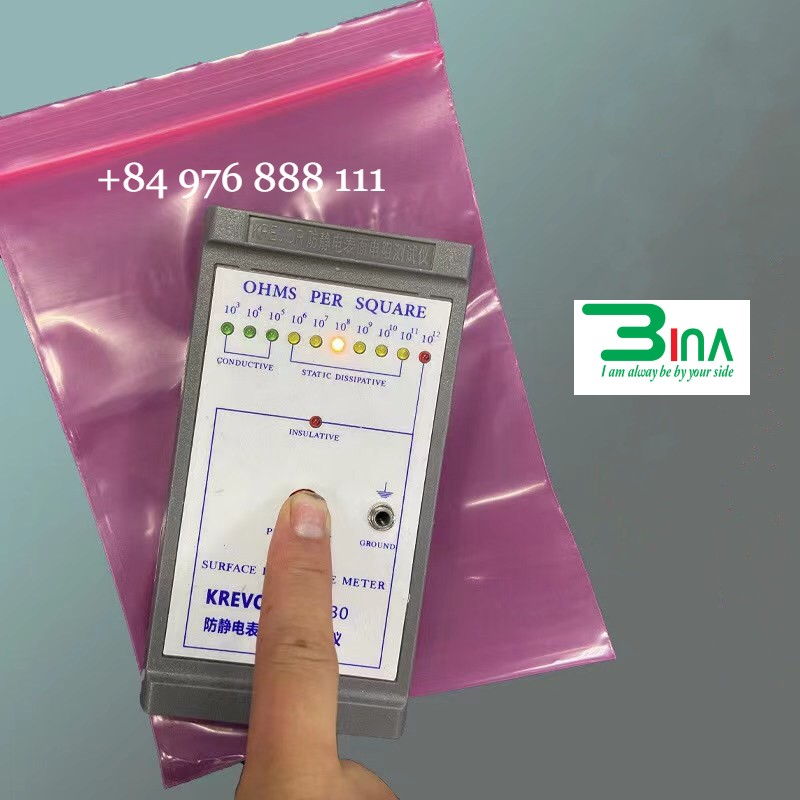
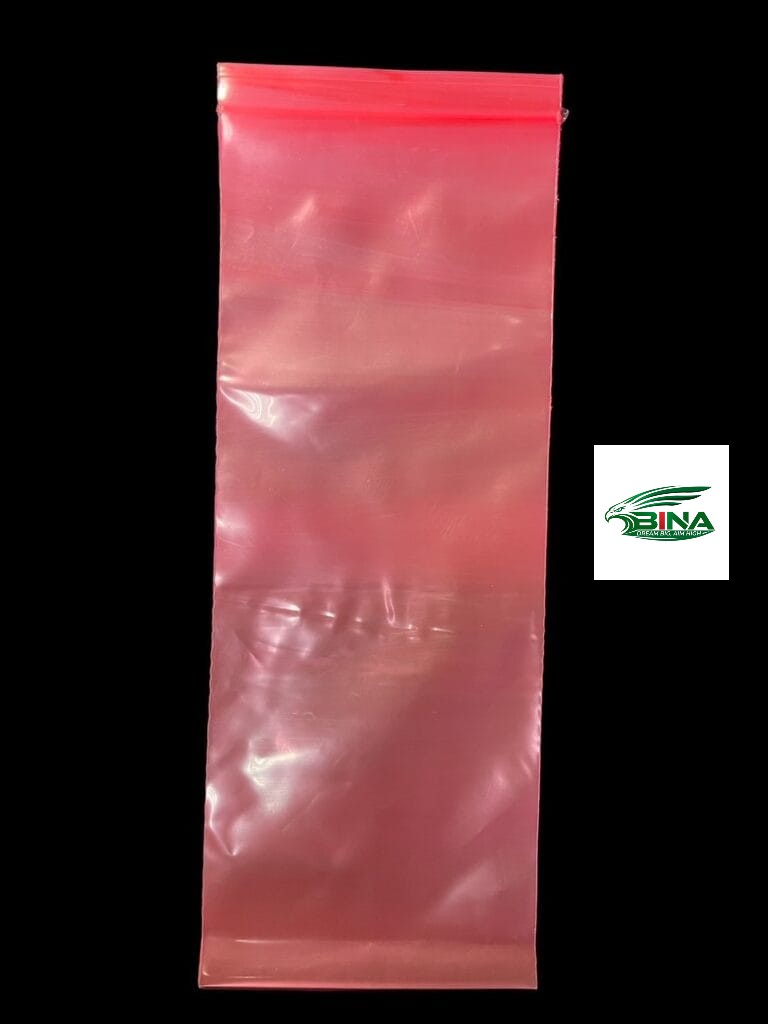
These bags are made from polyethylene plastic material and are usually pink or black. Polyethylene plastic does not generate or retain any form of electrical charge, which means that if the items inside the bag move or anything outside rubs against it, the triboelectric charging effect will not occur, so no static charge is generated.
 |
 |
During the transportation of electronic equipment, polyethylene plastic is not only used to make bags. Polyethylene plastic is also used to create polyethylene bubble wrap and poly foam to provide an additional layer of protection in packaging.
However, while these PE bags are effective at preventing static buildup, they will not protect electronic components from direct electrostatic discharge, so they should only be used for components that cannot be damaged by electrostatic discharge, but may be brought into environments where the buildup of electrostatic discharge could affect more sensitive components.
 |
 |
Production Process of Antistatic PE Bags
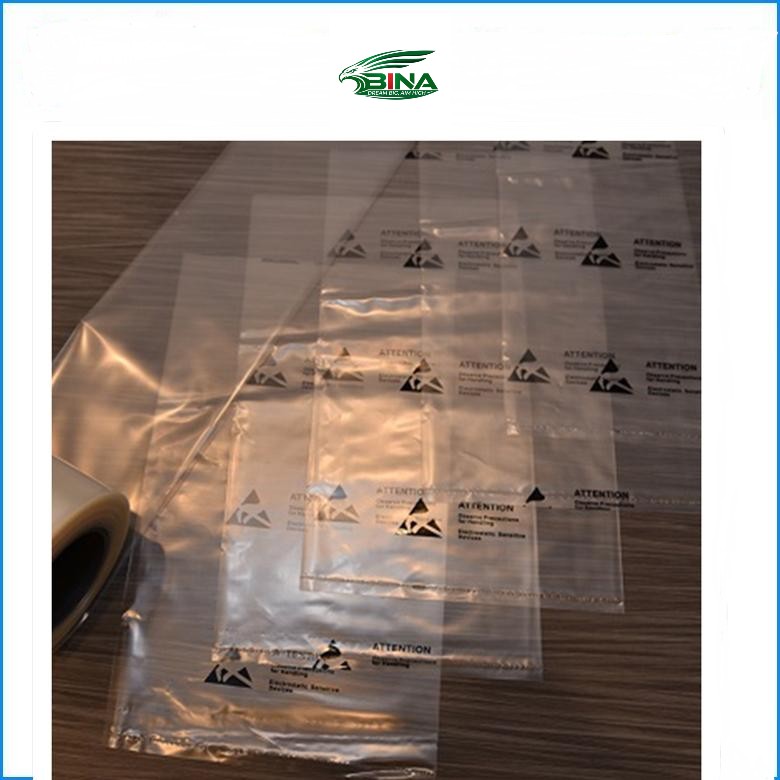
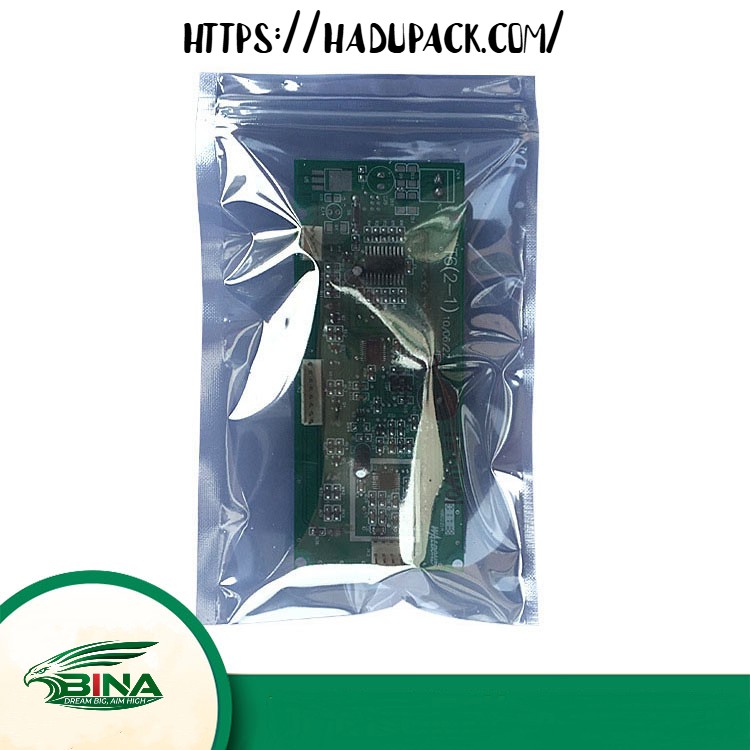
Antistatic PE bags (polyethylene bags) are mainly produced by adding antistatic colorants to LDPE/LLDPE resin, followed by blown film extrusion, cutting, and bag making processes. The core principle is to evenly distribute the antistatic agent throughout the resin matrix, giving the bags high surface resistance and thereby achieving static dissipation and shielding functions. They are commonly used for packaging electronic components.
 |
Core production process:
- Raw material proportioning and mixing: Low-density polyethylene (LDPE) or linear low-density polyethylene (LLDPE) is thoroughly mixed with specialized antistatic colorant and coloring agent (e.g.: pink) according to specific proportions.
- Blow molding (Film): The mixed raw materials are fed into a blow molding machine, where they are extruded, inflated, cooled and stretched to form antistatic film. The antistatic agent is evenly dispersed throughout the PE structure during this process.
- Printing (Optional): Antistatic symbols, company information or instructional text are printed on the film surface as required.
- Cutting: The blown film rolls are cut to bag size.
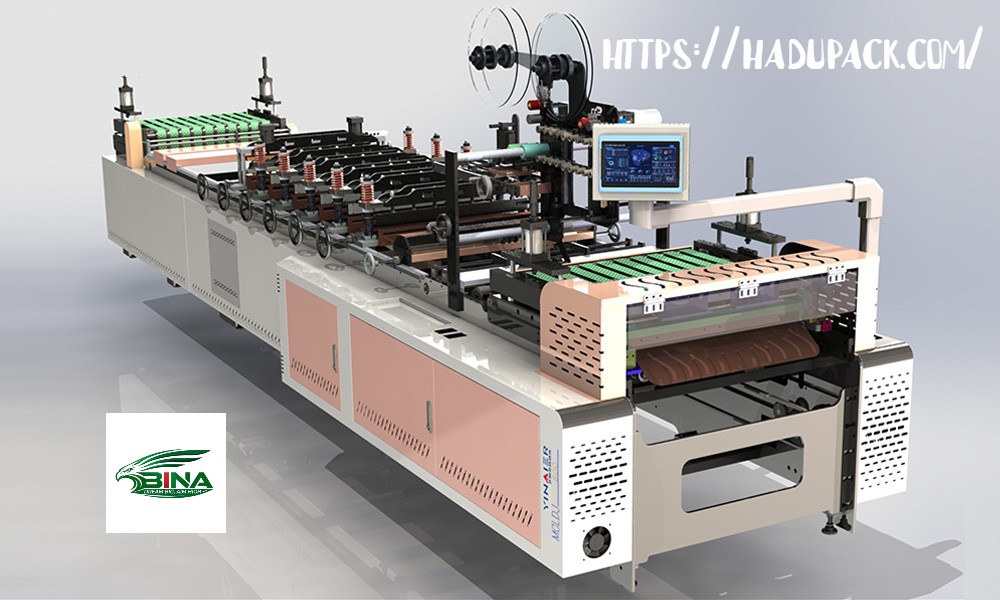
- Bag making (Heat sealing): The cut film is heat-sealed using a bag-making machine to produce flat bags, self-sealing bags or bubble bags.
- Inspection and packaging: The antistatic properties (surface resistance), thickness and sealing performance of the bags are inspected before final packaging and shipment.
 |
Key points in production:
- Temperature control: Controlling the temperature during the blow molding process is very important for the film’s antistatic effectiveness. Excessively high temperatures must be avoided to prevent degradation of the antistatic agent.
- Uniform mixing: The antistatic agent must be thoroughly mixed (usually requiring high-speed stirring) to avoid insufficient local concentrations, which can lead to unstable antistatic performance.
- Cleanliness: The electronics industry is often highly sensitive to microscopic dust; high-grade antistatic PE bags are produced in cleanroom environments.
Types of antistatic PE bags:
- Antistatic PE plastic bags: Pink or transparent, with a surface resistivity of 10 to the power of 8 – 10 to the power of 11 ohms, their main function is to eliminate static electricity on the plastic surface.
- Antistatic shielding bags: By bonding a metal layer to the surface of the PE film, they provide both antistatic and electromagnetic interference shielding functions.
 |
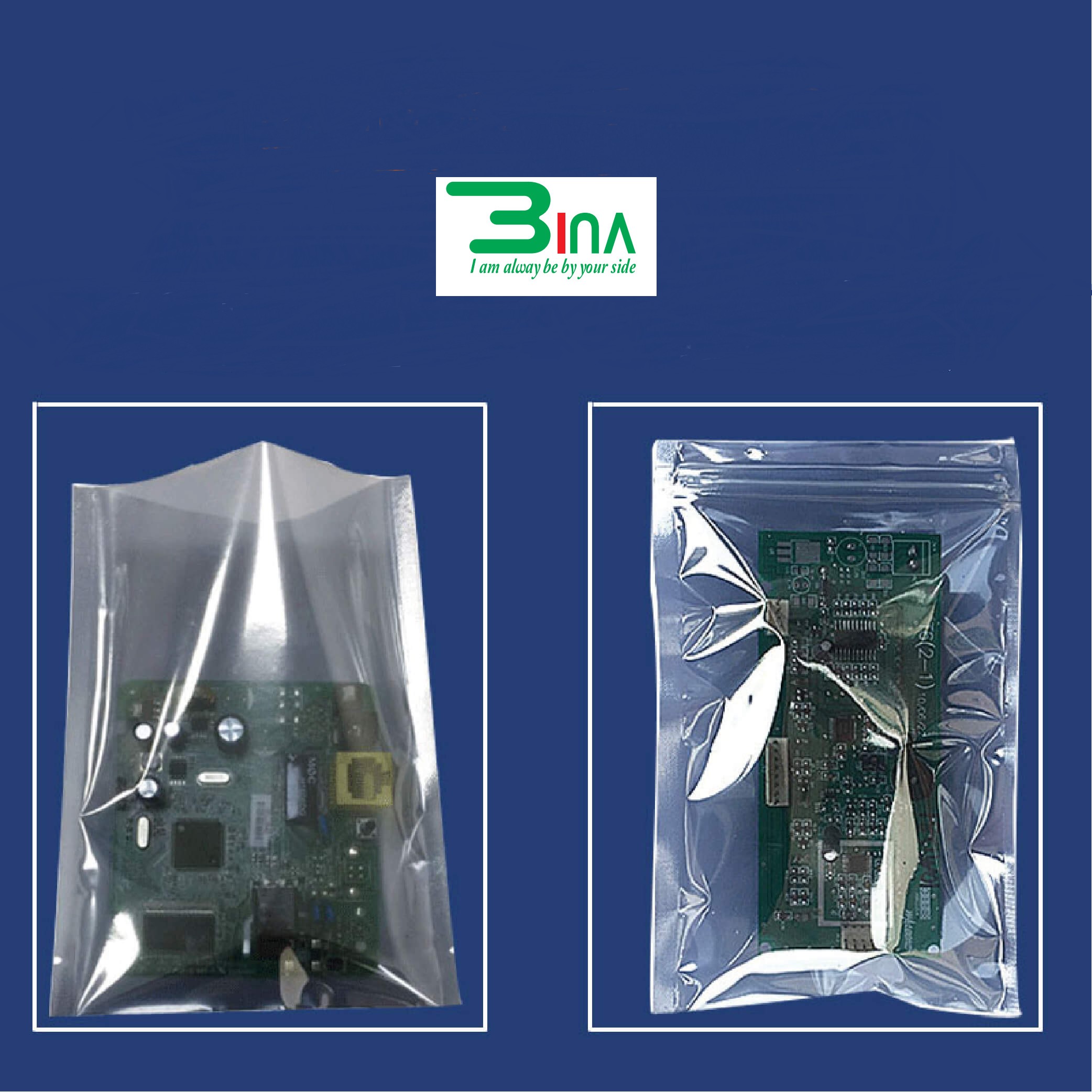
Multilayer ESD anti-static bags:
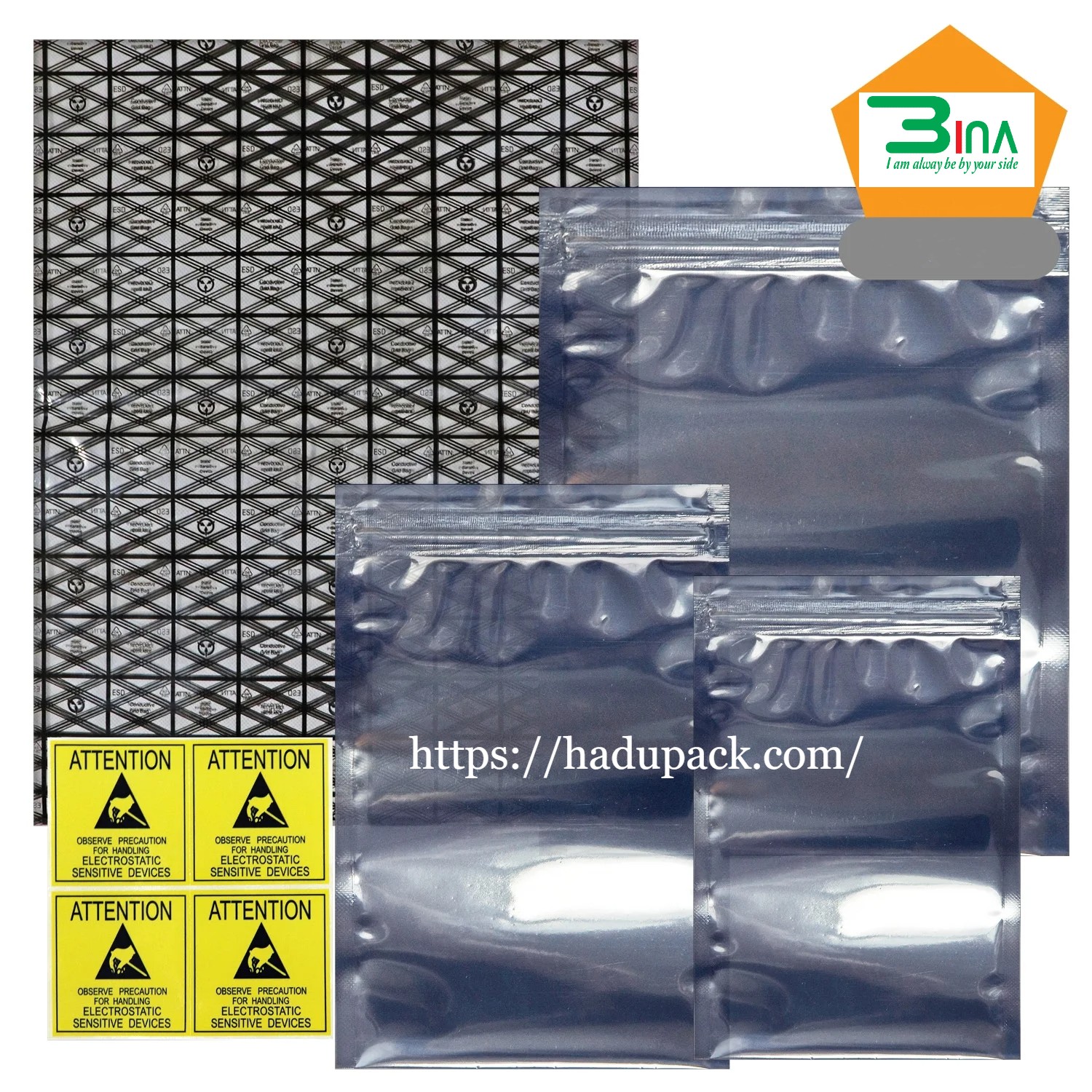
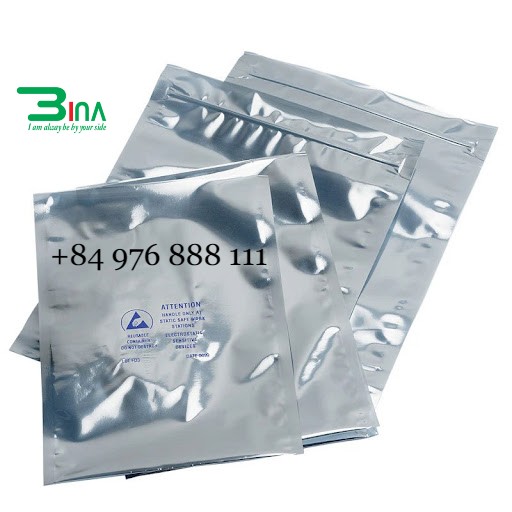
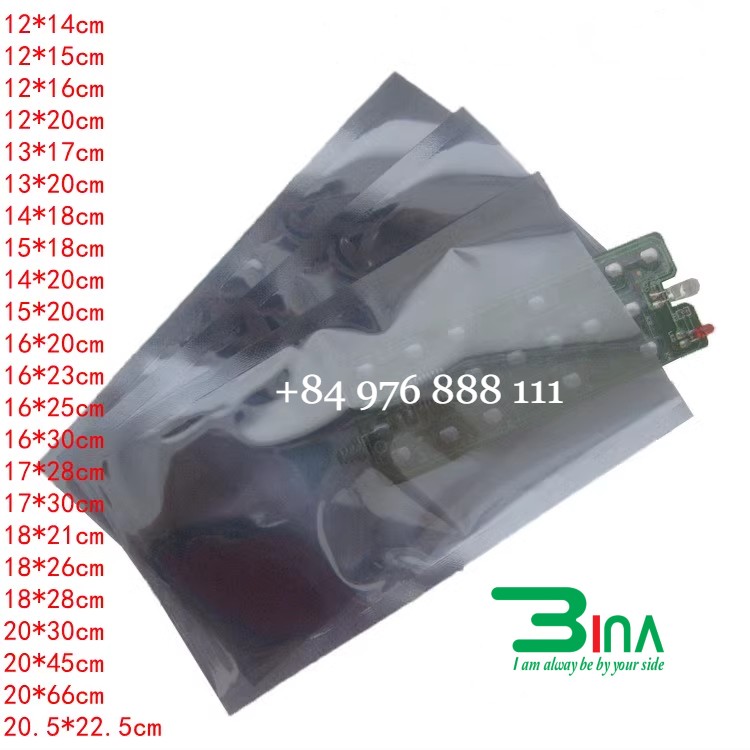
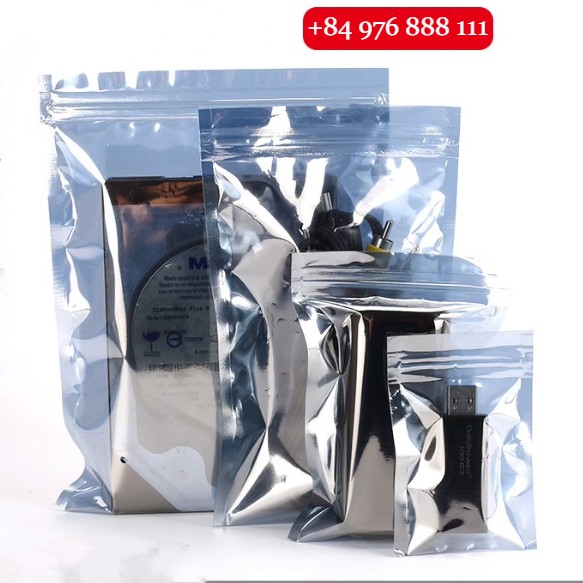
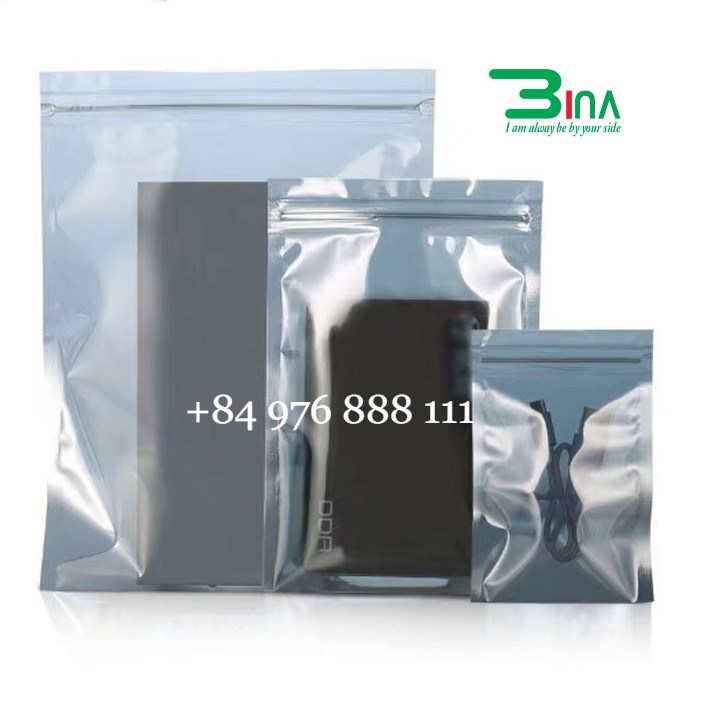
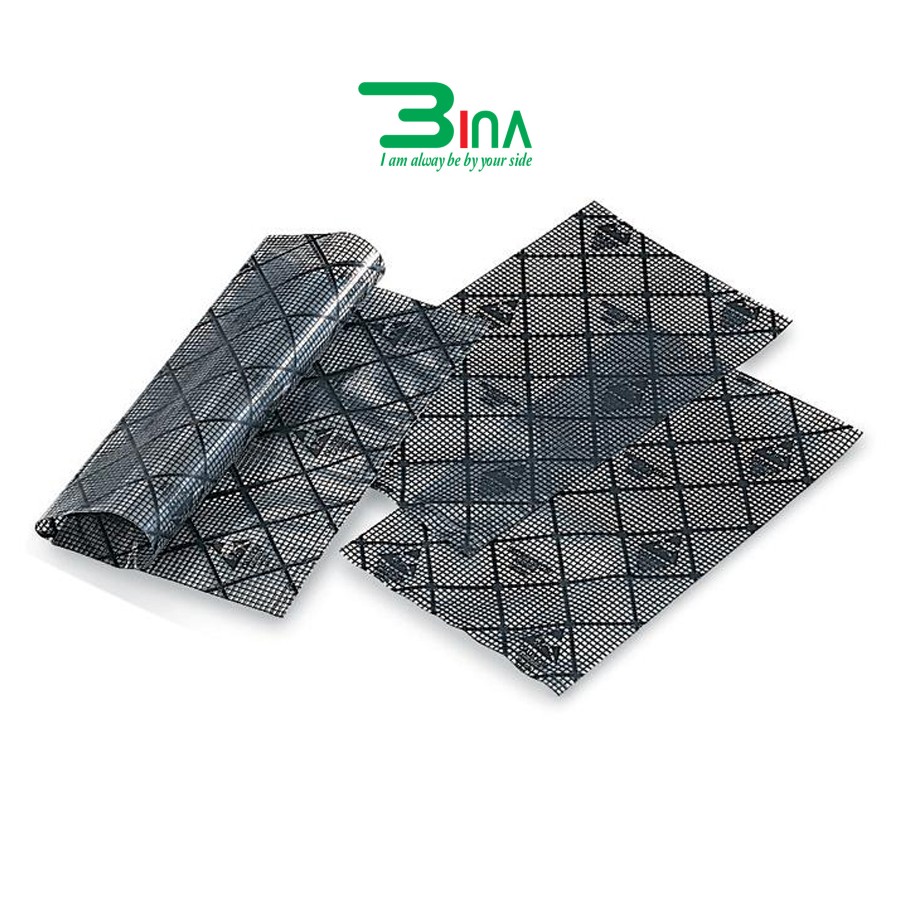
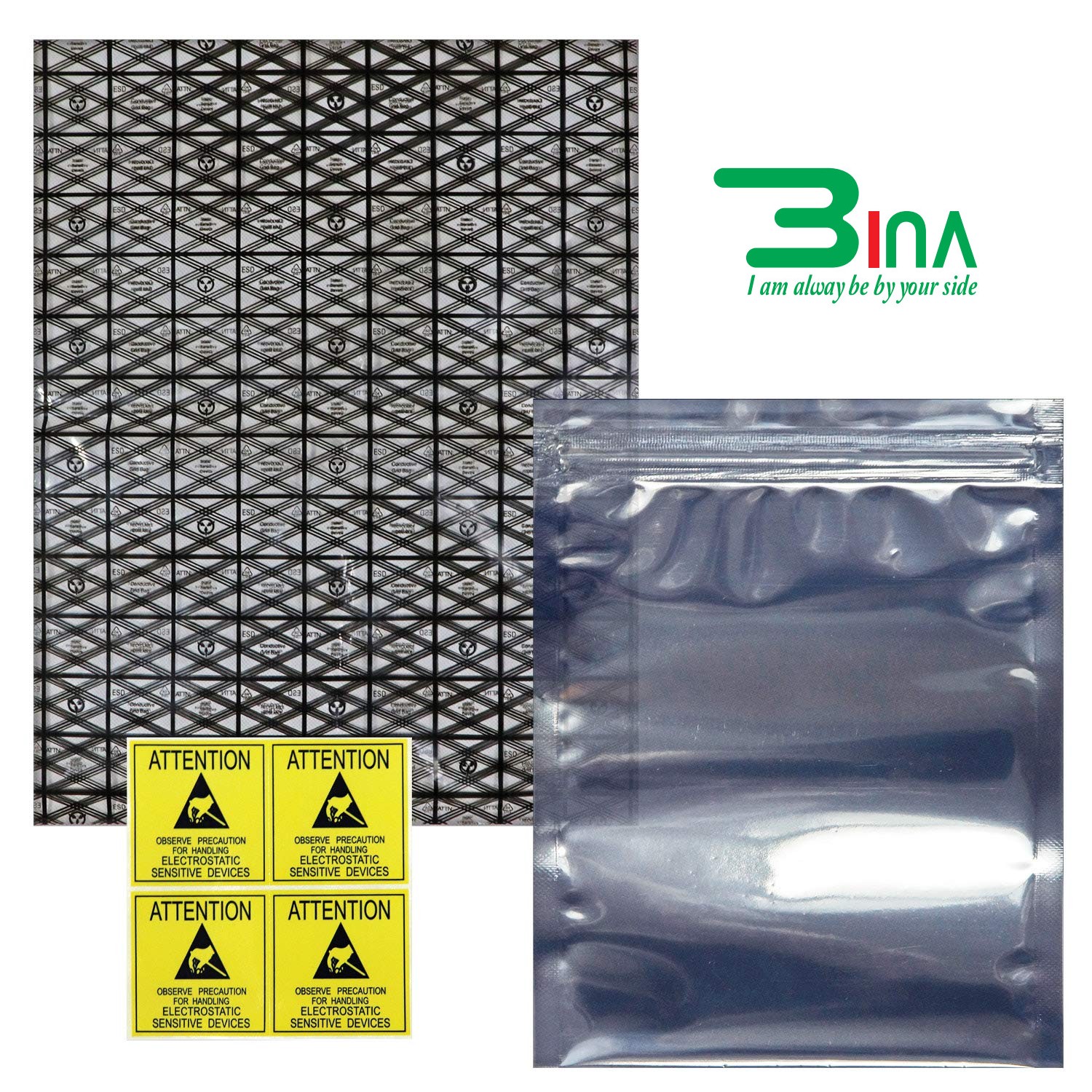
Made from multiple layers of different materials, these bags are heavier and bulkier than dissipative anti-static bags. Anti-static bags simulate the Faraday cage effect for the electronic devices inside them, completely protecting them from direct electrostatic discharge and static charge buildup. Anti-static bags are used for sensitive electronic devices that may be damaged by electrostatic discharge.
 |
 |
- The first layer (inside) of this bag is made from the same type of dissipative polyethylene plastic as an antistatic bag, creating a soft layer for electronic components to rest on while also preventing the buildup of static electricity that may arise from the movement of the components inside.
- The second layer (in the middle) of this bag is made of aluminum, forming a barrier against electrostatic discharge, which is used as a conductor to safely receive static charges directly and ground them, meaning that the items inside the bag remain safe.
- The third layer (outside) of this bag is made from a type of polyester with a dissipative coating similar to the coating on polyethylene plastic. This layer is used to add another layer of protection for the bag and the items inside because it helps protect the middle layer and prevents any buildup of static electricity on the outside of the bag.
 |
 |
Multilayer antistatic bag production process
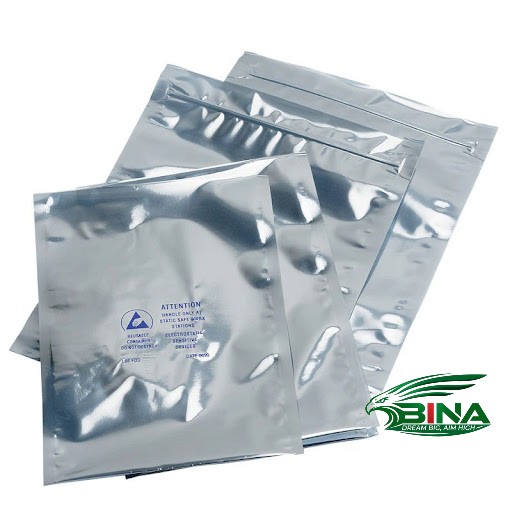
Multilayer antistatic bags are typically manufactured using a lamination process (dry lamination or extrusion lamination). From the outside to the inside, they mainly consist of three layers: an outer film layer, a metal barrier layer, and an inner antistatic layer, combining the Faraday cage principle with antistatic materials. The core of the process lies in combining a highly shielding metal layer (such as aluminum foil or an aluminum-coated layer) with antistatic PE material to achieve moisture resistance and electrostatic shielding.
I. Composition of multilayer antistatic bags:
A typical multilayer antistatic composite bag (such as an antistatic aluminum foil bag) has the following structure:
- Outer layer (wear-resistant, composite layer): Usually PET (polyester film), with high tensile strength, suitable for printing.
- Middle layer (barrier layer, shielding layer): AL (aluminum foil) or VMPET (aluminized film), providing electrostatic shielding and excellent barrier and moisture resistance performance.
- Inner layer (antistatic, heat-sealing layer): PE (polyethylene) blended with antistatic agents, providing antistatic and heat-sealing properties.
 |
II. Production Process Steps
- Raw material preparation: Prepare PET film, aluminum foil/metallized film, antistatic PE film and composite adhesive.
- Substrate pretreatment: Perform plasma cleaning or corona treatment on the substrate to enhance surface adhesion.
Film lamination:
- Dry lamination: Apply an environmentally friendly adhesive to the surface of the aluminum foil and laminate it with PET and PE to form three layers.
- Extrusion lamination: Bond the layers at the molecular level using melt extrusion technology.
 |
- Drying: Place the laminated film roll into the drying chamber for curing so that the adhesive is completely dried.
- Bag making (Sealing): Cut the composite film to the required dimensions using a cutting machine.
Use high-frequency welding equipment or a heat press to heat-seal the inner antistatic layer, ensuring that the resistance at the seam meets the specifications and forming a sealed antistatic space.
III. Key process technologies
- Application of antistatic agents: Antistatic agents must be evenly added to the inner layer of PE to ensure that the surface resistivity is within the range of 10 to the power of 6 to 10 to the power of 11 ohms
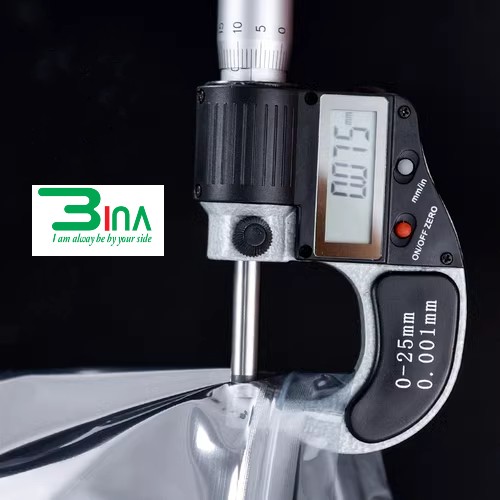
- Barrier layer bonding: The aluminum foil layer is very important for electrostatic shielding capability, with a thickness typically above 7um-9um ensuring protection against external electrostatic interference.
- Heat sealing temperature control: Precise sealing temperature determines the performance and durability of the finished antistatic bag.
 |
Finding a supplier of antistatic bags
When looking for a supplier of antistatic bags for your business, there are several key points to keep in mind.
- Bag quality; although low-priced bags may seem attractive, they may not be the best investment; especially when it comes to bag quality. When looking for bags, always check the supplier’s quality program, material traceability, and testing standards. The manufacturer should test the materials and bags before shipment.
- Supply chain; stability and delivery.
- Technical characteristics and specifications.
- Compliance with standards; consider the international standard IEC 61340-1-5.
- Standard size selection.
- Customization capabilities; if this is something you require.
- Finally, price.
 |
 |
Applications of ESD Anti-Static Bags
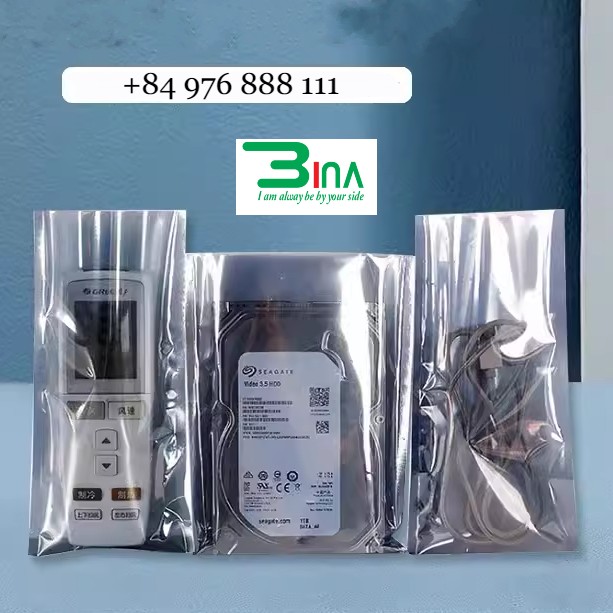
Anti-static bags (ESD bags) are primarily used for packaging and transporting electronic components that are sensitive to static electricity (such as IC chips, PCB boards, hard drives, etc.). By eliminating static electricity buildup or shielding against external static electric fields, they protect components from damage, electromagnetic interference, or performance degradation caused by electrostatic discharge (ESD). Their applications include industries such as electronics manufacturing, aerospace, communications, military, and precision medical equipment, and they come in various types, including anti-static plastic bags, static shielding bags, and anti-static moisture-proof bags.
Detailed application fields and scenarios:
- Electronics manufacturing and communications industry: Used for the production, packaging, storage, and transportation of electronic components such as computer motherboards, sound cards, graphics cards, PCB boards, IC integrated circuits, memory modules, hard drives, and CPUs.
- Aerospace and defense applications: Packaging sensitive aerospace electronic equipment, flight equipment, and satellite components, providing moisture-proof and anti-static protection in complex transportation environments.
- Medical equipment and automation: Used to protect high-precision medical electronic components, sensors, and automation PLC modules, ensuring their accuracy is not affected by static electricity.
- Transportation and logistics: During the transportation of finished products, sensitive electronic components are sealed and labeled as anti-static on the packaging bags to minimize customer complaints and returns caused by static electricity.
Common types and features
- Anti-static bags (Transparent Red/Pink): Eliminate static electricity generated by friction, suitable for non-sensitive components.
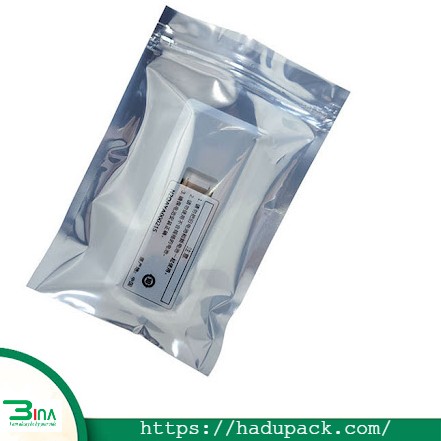
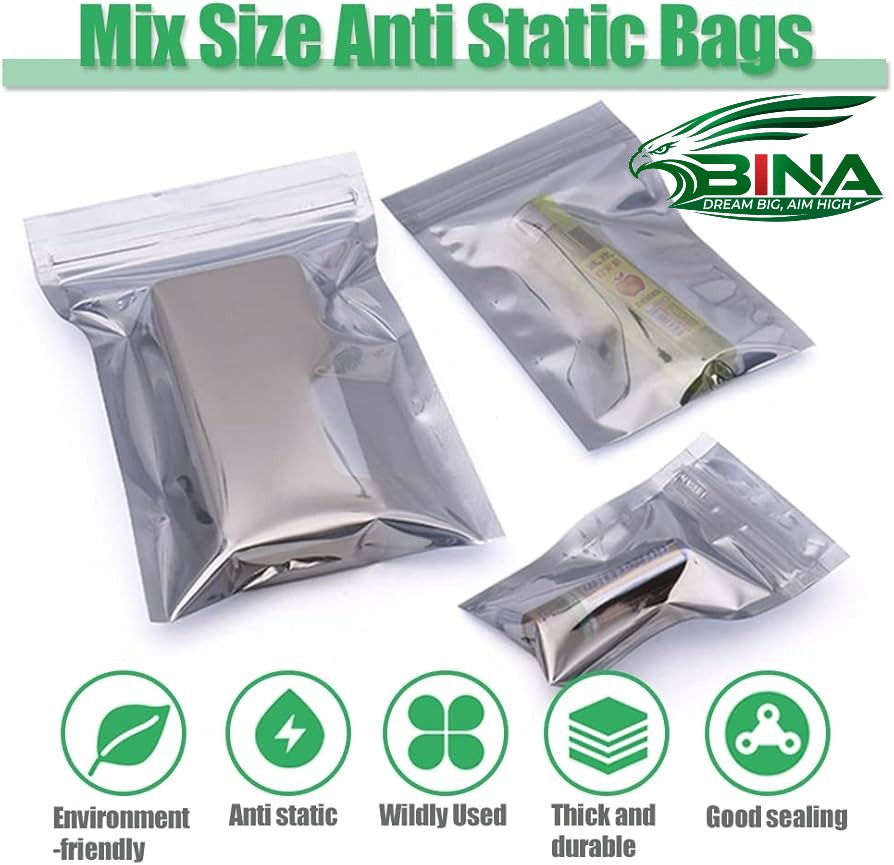
- Anti-static shielding bags (Semi-transparent Silver Gray): Use a metallized film structure with a “Faraday cage” effect, which not only prevents static electricity but also shields against external electromagnetic and static electric fields, protecting the most sensitive PCBs and ICs.
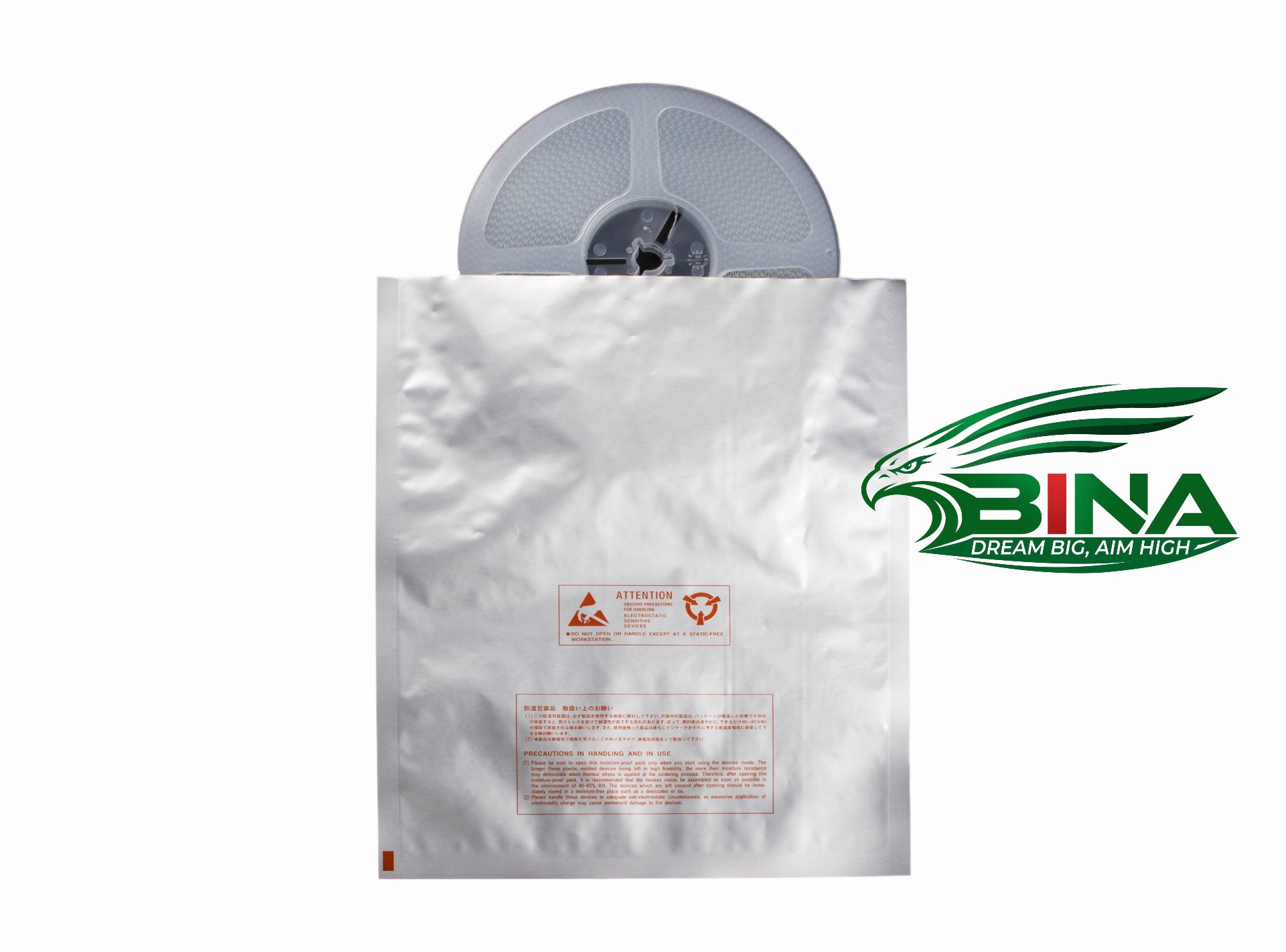
- Anti-static moisture-proof bags (Aluminum foil bags): Add a layer of aluminum foil to the shielding layer, especially suitable for packaging high-precision electronic products in humid environments.
Usage precautions
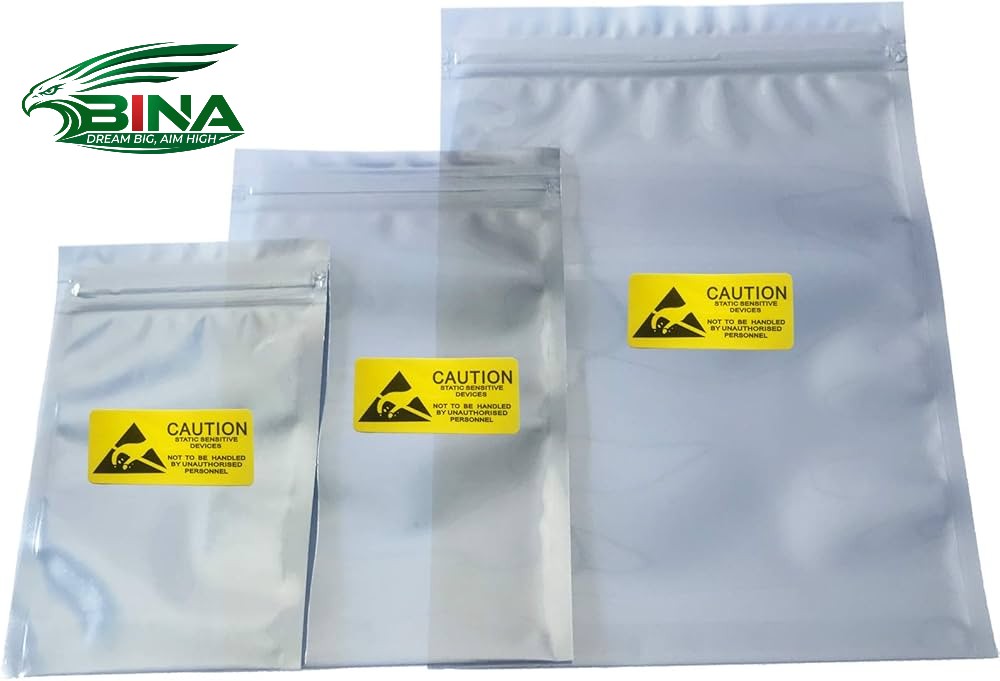
To ensure effective protection, sealing methods (such as heat sealing with a sealing machine or zip bags) should be used, and the bags should be kept from being severely damaged during storage and use to ensure good anti-static and shielding performance.
 |
How to Choose ESD Anti-Static Bags
The choice of anti-static bags depends on the electrostatic sensitivity of the electronic product (shielding bags withstand voltages <1000V, PE bags are for ordinary electronic components), moisture-proof requirements (aluminum bags for high requirements), and cushioning needs. When purchasing, choose a reputable supplier, confirm that they have ISO certification, and request samples to test performance.
I. How to Choose Anti-Static Bags
Based on sensitivity and material:
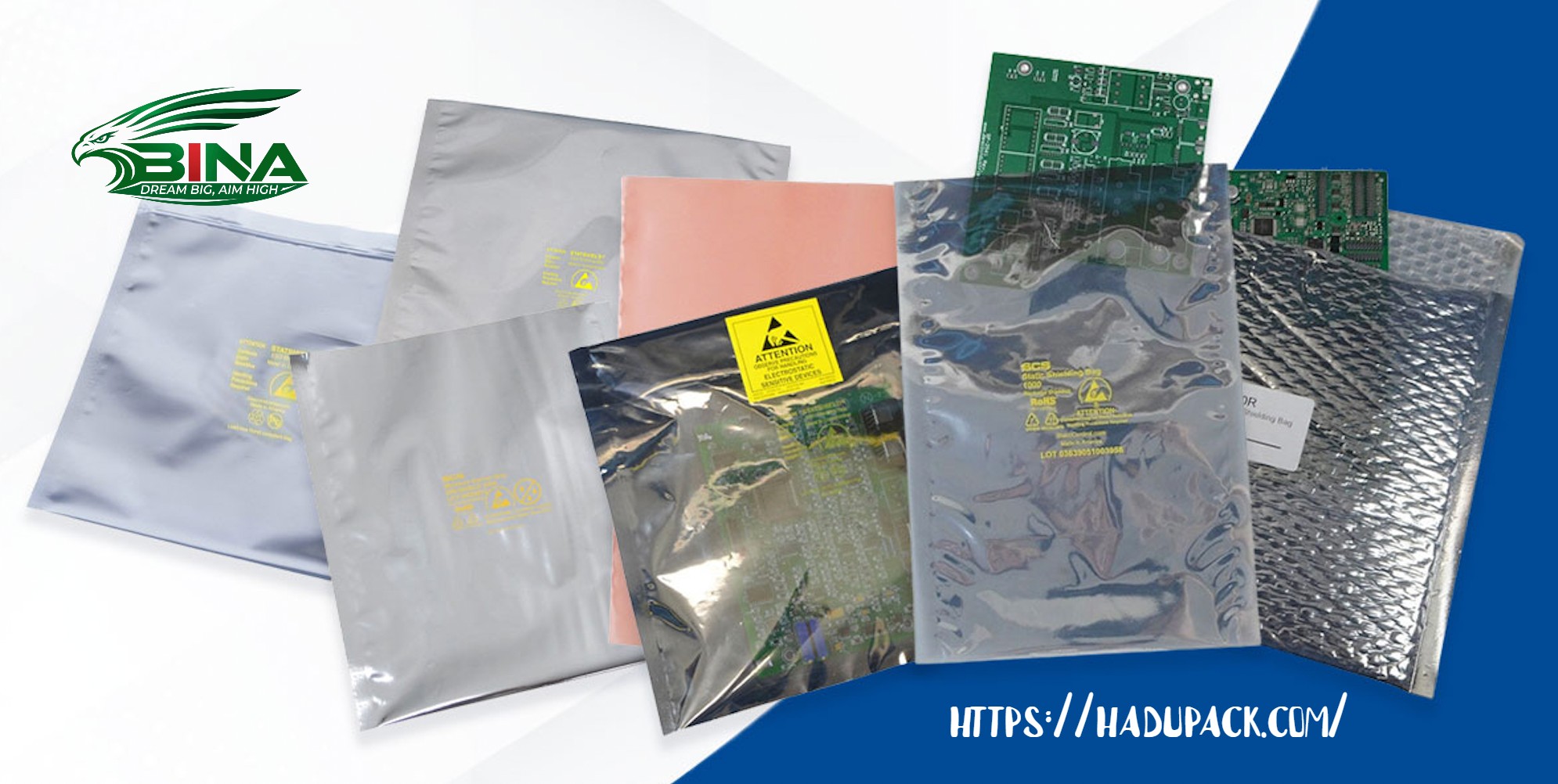
- Anti-static shielding bags (silver-gray, semi-transparent): Protect against electrostatic discharge (ESD) and external electrostatic fields, suitable for highly sensitive chips and circuit boards.
- Anti-static aluminum bags (matte silver-white): Provide optimal shielding, moisture resistance, oxygen barrier, and electromagnetic radiation protection, suitable for long-term storage of high-end electronic components.
- Anti-static PE bags (pink/transparent): Used to package ordinary, non-sensitive electronic components to prevent static buildup caused by friction.
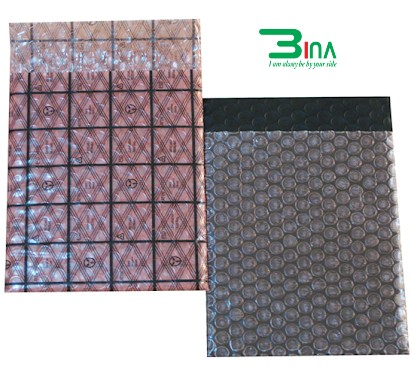
- Anti-static bubble bags: Add shock absorption and cushioning to the shielding layer, protecting fragile components.
- Based on environmental protection requirements: Prioritize recyclable or biodegradable materials.
- Key performance indicators: Ensure that the surface resistivity is within the specified range and check the sealing method (heat sealing for better airtightness, self-sealing for convenience).
II. How to Purchase Anti-Static Bags
- Choosing a supplier: Prioritize manufacturers with ISO 9001 certification or ISO 14644 cleanrooms and professional manufacturing experience.
- Sampling and testing: Before purchasing in bulk, request samples to test surface resistivity, electrostatic shielding voltage, seal strength, and moisture resistance.
- Customization requirements: Confirm the specific dimensions, thickness, whether anti-static markings (ESD symbols) are included, and printing requirements.
III. Quick Identification Method (Aluminum Bags vs. Metallized Bags)
- Light transmission method: Under strong light, opaque bags are high-quality aluminum bags, while translucent bags are usually metallized bags.
- Compression test: Aluminum bags are prone to wrinkling and have poor elasticity after being compressed; metallized bags have good elasticity and do not wrinkle noticeably.
 |
Tips for Storing Anti-Static Bags
The important thing when storing anti-static bags is to keep them in a dry, cool place, away from direct sunlight, and store them separately. Bags should be stored in a dry, well-ventilated warehouse at room temperature, away from direct sunlight and heat sources, and isolated from other items to prevent contamination or damage to the metal coating on the surface, thereby maintaining their anti-static function.
Below are specific guidelines for storage and use:
- Optimal storage environment: Store in a clean, well-ventilated warehouse, away from direct sunlight (such as a wooden cabinet). The temperature should be controlled at room temperature to prevent moisture absorption.
- Separate storage (Important): It is best to store anti-static bags separately, avoiding mixing them with ordinary plastic bags and other items. This prevents static electricity caused by friction or dirt adhering to the surface, which could lead to a loss of anti-static effectiveness.
- Store flat: Avoid folding, wrinkling, or creating unnecessary creases in anti-static bags. If the bag’s surface has obvious tears or excessive wrinkles, the bag is no longer suitable for use.
- Sealed storage: For anti-static bags containing electronic components, they must be sealed. The labels, adhesive tape, or zippers provided can be used for sealing to ensure the shielding effectiveness of the “Faraday cage”.
- Check the condition of the bags: Ensure that the packaged items are dry and clean before storage. Before using them after a long period of storage, check the bags for any damage.
Following these methods will maximize the effectiveness of anti-static bags and extend their service life.
 |
Protect components with ESD anti-static bag packaging
Although using ESD control products, such as grounding kits and ESD wrist straps, is important in an EPA, it is also necessary to consider how to transport ESD-sensitive components and equipment without damage. Fortunately, our range of anti-static bags and anti-static packaging makes it easy for you to find the shipping and storage supplies needed for any component. Don’t forget to add a warning symbol to the EPA-protected workspace to remind everyone to wear an anti-static wrist strap.
 |
How to buy ESD anti-static bags
Anti-static bags (ESD bags) can be purchased through e-commerce platforms such as Shoppe, Tiki, Lazada or from industrial packaging material suppliers such as https://hadupack.com. When purchasing, you need to confirm the material (anti-static, anti-static PE, moisture-resistant), size, thickness (usually 10-15 microns) and sealing method (self-sealing, flat bags) based on the requirements of electronic components
 |
Purchasing channels:
- Retail/Small-scale wholesale on e-commerce platforms: Shoppe, Lazada, Tiki (suitable for purchasing in large quantities)
- Professional packaging companies: For example, look for manufacturers specializing in ESD protective materials for customization (such as BiNa Vietnam Joint Stock Company).
Key selection specifications:
Type:
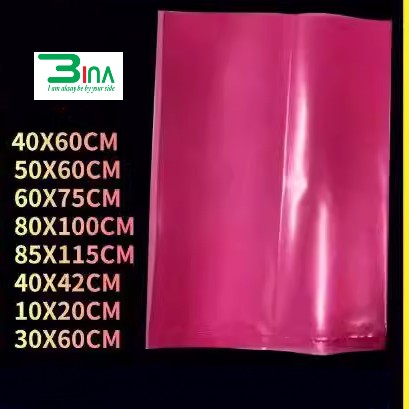
- Antistatic bags (Pink): Suitable for packaging general electronic components, with strong antistatic protection.
- Shielding bags (Silver-gray translucent): Provide both antistatic and electromagnetic wave shielding capabilities, suitable for sensitive devices such as printed circuit boards and hard drives.
- Moisture-proof and antistatic bags (aluminum bags): Suitable for SMD components requiring a high level of moisture protection.
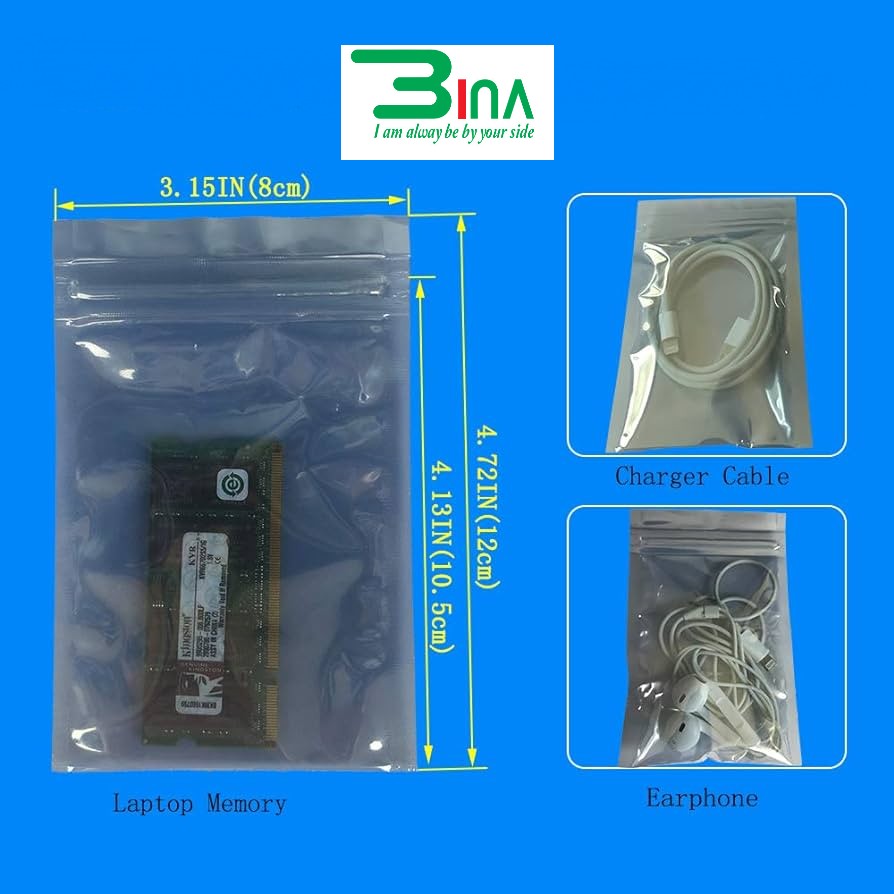
Size: Please purchase bags 2-3cm larger than the size of the product to be packaged. Common sizes include thickness: Usually measured in “mil” (µm), with common thicknesses ranging from 7-15 µm.
For advice on antistatic bags, please contact Hadupack. To learn more, browse our line of antistatic bags and static shielding bags right on our website https://hadupack.com, contact our friendly team at +522 806 806 or email us at Admin@binajsc.com.vn.












Reviews
There are no reviews yet.