


Description
What is instant noodle packaging?
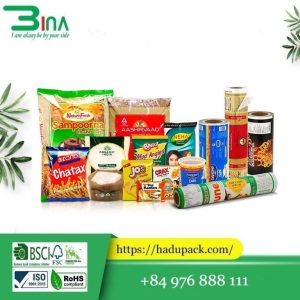
Instant noodle packaging, also known as packaging for instant noodles, mainly comes in two types: bags (multilayer composite plastic) and bowls/cups (paper-plastic composites or foam plastic). The main material is polyethylene (PE), supplemented with an additional layer of aluminum film or aluminum foil. These materials have high barrier properties, preventing moisture and oxidation and protecting the noodles and seasonings. They are generally not recyclable and should be disposed of in the “other waste” bin.
 |
◆Learn more:
- https://hadupack.com/san-pham/bao-bi-banh-keo/
- https://hadupack.com/san-pham/bao-bi-cafe/
- https://hadupack.com/san-pham/bao-bi-gia-vi/
Detailed analysis as follows:
Material characteristics:
Mainly uses composite plastic film:
- The innermost layer is usually food-grade polyethylene (PE), which is flexible and resistant to low temperatures
- The middle layer is usually aluminum foil (PET/aluminum/PE, etc.) to enhance barrier properties and prevent oil oxidation.
Packaging formats:
- Pouch format: Compact and economical, commonly used when cooking is required or a separate container is needed.
- Bowl/cup format: Comes with a separate container and an inner waterproof plastic film layer for easy preparation.
- Special components: The packaging is often filled with nitrogen gas for protection and contains desiccants to extend shelf life.
- Special note: Plastic packaging bags are classified as gray waste and are difficult to biodegrade naturally.
 |
Instant Noodle Packaging Production Process
The instant noodle packaging production process is a fully automated production line that mainly includes noodle cooling, seasoning packet distribution, pillow packaging, metal detection, and carton packing. After frying or drying, the noodles must be cooled to room temperature using air cooling to prevent the packaging film from sticking or moisture from forming. Finally, they are sealed with composite film to ensure shelf life. Detailed instant noodle packaging production process:
Cooling Process
- Hot air cooling: Noodles fried at high temperatures (approximately 160-170°C) require about 180 seconds of forced cooling with cold air.
- Purpose: To lower the noodle temperature to room temperature so they can be fed directly into the packaging equipment, preventing water vapor and grease from entering the sealing area.
Ingredient Distribution
- Automatic distribution: Automatic robotic arms or feeding systems accurately distribute seasoning packets, such as oil packets, powder packets, and vegetable packets, on top of or beside the noodles.
- Bowl/cup noodle packaging: For bowl-packed noodles, the machine places the noodle blocks into paper bowls, followed by the seasoning packets.
Pillow Packaging:
- Materials: Usually BOPP/CPP or plastic film composite materials.
- Sealing: The noodle blocks and seasoning packets are fed into the packaging machine, where a horizontal pillow packaging machine performs three-sided sealing (end sealing and back sealing).
- Cutting: The film is automatically cut to form individual packages.
Inspection and Packing
- Metal detection: All packaged products must be inspected using a metal detector to check for metal contaminants.
- Packing: An automatic packing machine places the instant noodles into cartons, which are then transported to the warehouse.Instant noodle packaging production process
The instant noodle packaging production process is a fully automated production line, mainly including noodle cooling, seasoning packet distribution, pillow packaging, metal detection, and carton packing. After frying or drying, the noodles must be cooled to room temperature through air cooling to prevent the packaging film from sticking or moisture from forming. Finally, they are sealed with composite film to ensure shelf life. Detailed instant noodle packaging production process:
Cooling process
- Hot air cooling: Noodles fried at high temperatures (approximately 160-170°C) require about 180 seconds of forced cooling with cold air.
- Purpose: To lower the noodle temperature to room temperature so they can be fed directly into the packaging equipment, preventing water vapor and grease from entering the sealing area.
Ingredient distribution
- Automatic distribution: Automatic robotic arms or feeding systems accurately distribute seasoning packets, such as oil packets, powder packets, and vegetable packets, on top of or beside the noodles.
- Bowl/cup noodle packaging: For bowl-packed noodles, the machine places the noodle blocks into paper bowls, followed by the seasoning packets.
Pillow packaging:
- Materials: Usually BOPP/CPP or plastic film composite materials.
- Sealing: The noodle blocks and seasoning packets are fed into the packaging machine, where a horizontal pillow packaging machine performs three-sided sealing (end sealing and back sealing).
- Cutting: The film is automatically cut to form individual packages.
Inspection and packing
- Metal detection: All packaged products must be inspected using a metal detector to check for metal contaminants.
- Packing: An automatic packing machine places the instant noodles into cartons, which are then transported to the warehouse.
Important aspects related to packaging
- Shelf life control: After frying at high temperatures and thorough cooling, combined with strict packaging sealing, the noodles can be stored for approximately 6 months even without preservatives.
- Composite film: Films with good oxygen barrier and water resistance properties are used to prevent the noodles from oxidizing and becoming greasy.
- Packaging types: Mainly divided into two types: bag (film) and cup/bowl (paper-plastic combo).
This automation process ensures high efficiency and meets hygiene requirements, and is key to achieving large-scale industrial production of instant noodles.
 |
Detailed Characteristics of Instant Noodle Packaging
Instant noodle packaging is characterized by high gas barrier properties, airtightness, light weight, and durability, ensuring that the noodles are protected from moisture and oxidation while remaining easy to store. It typically uses multilayer composite materials (such as PE plastic and aluminum foil), combined with pouch or cup packaging, to protect the noodles from moisture and light, preserve food quality, and facilitate instant consumption, transportation, and hot preparation. The following are the detailed characteristics of instant noodle packaging:
- High gas barrier properties and freshness preservation: The packaging typically uses aluminum foil composite film, which offers excellent light-blocking, moisture-resistant, and oxygen-barrier properties. It effectively isolates air and water molecules, preventing the oxidation of seasonings and the deterioration of the noodles.
- Airtightness and safety: Heat-sealable composite plastics (such as PE) are used to ensure that the packaging is not easily torn or leaked during long-distance transportation and shelf storage. The inner lining of the packaging typically uses food-safe materials to ensure food safety.
Various forms:
- Pouch packaging: Square film packaging, suitable for home storage and transportation.
- Bucket/cup packaging: Bowl-shaped or cup-shaped packaging, making it easy to add water to instant noodles and meeting the needs of convenient meals.
- Physical properties and light weight: The packaging must not only be lightweight and cost-effective but also have strong impact resistance (to protect the noodles) and withstand high temperatures (for hot preparation).
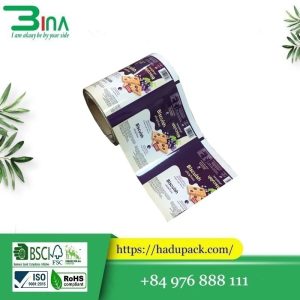
- High-quality printing: The exterior design is vibrant and typically uses gravure printing to display complete information (ingredients, nutritional values, production date), balancing marketing with consumers’ right to know.
 |
Instant noodle packaging applications
Instant noodle packaging serves to protect, preserve, and facilitate the consumption of noodles, using materials such as multilayer plastic films and aluminum foil to create barriers against moisture, oxygen, and light. The main applications include protection against physical damage, maintaining flavor/texture for 6-12 months, and providing heat-resistant containers for preparation. The main applications of instant noodle packaging:
 |
- Protection & Preservation: Prevents contamination (dust, bacteria) and protects the fragile noodle block from breaking during transportation. The packaging keeps the ingredients fresh by acting as a barrier against moisture and oxygen, preventing rancidity.
- Convenience & Consumption: Provides the convenience of “cook-in-bag” or “cook-in-cup”. Advanced packaging allows consumers to pour boiling water directly into the container or bag, which can serve as a bowl.
Packaging Structures:
- Pillow Bags (Pouches): Common for standard ramen noodle packs, which require a separate pot.
- Cups and Bowls: Enable on-the-spot food preparation, often featuring easy-peel lids or perforated lids for draining.
- Individual Seasoning Packets: Protect seasoning powders or cooking oils, keeping them separate from the bread until preparation.
- Branding & Information: High-quality printing on film provides branding, nutritional and safety information, such as production date codes.
- Extended Shelf Life: Specialized multilayer films (e.g., metallized polyester) ensure the product remains safe and appetizing for a long time.
 |
Tips for Choosing Instant Noodle Packaging
Choosing instant noodle packaging requires balancing cost, convenience, and protection. The main options include plastic bags (low cost, large quantities) or cups/bowls (high convenience, premium appearance). Choose durable, food-safe materials that can resist moisture damage, provide good heat-sealing performance to preserve freshness, and allow for eye-catching brand printing. Key considerations when choosing instant noodle packaging:
 |
Format Selection:
- Packs/Bags: Best for budget-conscious consumers and bulk retail.
- Cups/Bowls: Ideal for convenience-oriented customers (office/outdoor) and premium products with higher profit margins.
- Multi-packs: Useful for wholesale clubs and family shopping.
Materials and Safety:
- Use food-grade packaging to prevent oxidation and oil leakage.
- Paper/Cardboard: Used for bowls; check coating quality to prevent leakage and ensure heat resistance.
- Plastic/Laminate: Used for bags; check sealing performance, moisture resistance, and barrier properties.
 |
Logistics and efficiency:
- Weight & Volume: Consider shipping and storage costs. Large, bulky, or heavy packaging will increase shipping costs.
- Machinery compatibility: Ensure the material is compatible with your filling and sealing machinery to avoid downtime.
Branding and marketing:
- Use bright, attractive designs, as consumers often make quick decisions. Include clear, eye-catching labels with cooking instructions.
- Sustainability: Consider using environmentally friendly materials, which can strengthen brand reputation and meet regulatory standards.
Implementation steps:
- Identify the target market: Are you targeting budget-friendly, bulk, or premium, health-conscious options?
- Choose materials: Choose between plastic bags or coated paper cups based on your budget and convenience needs.
- Test the seal: Ensure the packaging is tightly sealed to maintain freshness and prevent moisture and mold.
- Verify compatibility: Match the packaging materials with your production machinery to avoid production delays.