


Description
What Are Lubricant Oil Labels?
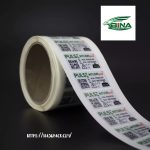
Lubricant oil label printing involves high-performance packaging labeling solutions specifically designed for products such as engine oils, industrial lubricants, and cooking oils. These labels require exceptional resistance to oil stains, corrosion, water, and peeling.
Commonly used materials include PP, PE, PET, and synthetic paper. Self-adhesive labeling and in-mold labeling (IML) processes are frequently used to ensure that the printed information remains clear, durable, and legible, even in demanding industrial environments.
 |
◆Learn More:
- https://hadupack.com/san-pham/tem-nhan-chai-lo/
- https://hadupack.com/san-pham/nhan-mac-thuoc-bao-ve-thuc-vat/
- https://hadupack.com/san-pham/nhan-mac-bao-bi-khau-trang/
Core Features and Key Technologies
- 1. Exceptional Weather and Environmental Resistance: Labels must withstand prolonged exposure to lubricating oils, high temperatures, and harsh environmental conditions without fading, wrinkling, or deteriorating.
- 2. Material Selection: Common label face materials include synthetic paper, PET, and transparent or white PE/BOPP films. The adhesive backing is typically made with strong, oil-resistant adhesives to ensure that the labels remain firmly attached to oil containers without peeling off.
- 3. Printing and Finishing Processes: Various finishing techniques, including glossy or matte lamination, hot stamping, and other processes, can be applied to enhance the visual appearance and overall quality of the labels.
- 4. Special Label Types: In-mold labels (IML) are commonly used in plastic blow molding or injection molding processes, allowing the labels to become an integral part of the container. This technology improves durability and provides enhanced anti-counterfeiting protection.
- 5. Product Information Display: Labels clearly display the lubricant brand, performance specifications (such as viscosity and grade), certification information, and safety warnings.
This type of label printing places particular emphasis on anti-counterfeiting measures and long-term reliability in demanding chemical environments.
 |
Printing Methods:
- 1. Flexographic Printing: Suitable for high-volume printing of container labels, offering vibrant colors and efficient production.
- 2. Offset Printing: Ideal for printing complex patterns and intricate designs that require high precision and excellent print quality.
- 3. Digital Printing: Suitable for variable data printing, including unique identification codes, serial numbers, and personalized labels.
Surface Treatment and Post-Printing Processes:
- 1. Lamination: Applying a transparent protective film to the label surface to enhance water resistance, abrasion resistance, and oil resistance.
- 2. Hot Stamping (Gold/Silver): Adding metallic gold or silver foil effects to enhance the premium appearance and brand image of the product.
- 3. Embossing: Creating raised patterns or text to enhance the label’s texture and provide a distinctive tactile effect.
- 4. Die Cutting and Waste Removal: Cutting the printed material into specified label shapes and removing excess waste material.
- 5. Inspection and Rewinding: Automated inspection equipment detects and removes defective labels. The finished labels are then rewound into rolls and packaged for use with automatic labeling machines.
II. Key Technical Requirements:
- 1. Oil and Corrosion Resistance: Preventing lubricating oils from penetrating the label material, causing peeling, or making printed text fade or become illegible.
- 2. Anti-Counterfeiting and Product Authentication: Utilizing cold foil stamping technology and variable data coding to help consumers easily verify product authenticity and protect against counterfeiting.
- 3. High Adhesive Strength: Ensuring strong and reliable adhesion, even at low temperatures or on oily and greasy surfaces.
 |
Important Considerations When Printing Lubricant Oil Labels
The key to successful lubricant oil label printing is addressing challenges such as oil leakage, poor weather resistance, weak adhesion, and counterfeiting. Film-based materials (such as PP and PET) are recommended, combined with thermal transfer printing using resin ribbons and a protective varnish or laminate to protect the printed graphics.
When selecting adhesives, high-tack, oil-resistant adhesives should be prioritized to withstand exposure to oil and grease, ensuring long-lasting adhesion and clear, legible information on industrial chemical labels.
I. Common Problems in Lubricant Oil Label Printing
- 1. Poor Oil Resistance: Lubricating oil can easily penetrate ordinary paper labels, causing ink smudging, deterioration, or label peeling.
- 2. Poor Weather Resistance: Prolonged outdoor exposure can cause labels to fade, age, become brittle, and lose their durability.
- 3. Weak Adhesion: Lubricant oil containers are commonly made from high-density polyethylene (HDPE), which has low surface energy. Oil and grease contamination on the container surface can further reduce adhesive bonding strength.
- 4. High Printing Quality Requirements: Printing small text, batch numbers, QR codes, and other detailed information requires high-resolution printing to ensure accuracy, clarity, and readability.
- 5. Anti-Counterfeiting Requirements: Lubricant oil labels are vulnerable to counterfeiting, making specialized printing and finishing technologies necessary. These may include security varnishes, special protective films, and other authentication features to help distinguish genuine products from counterfeit ones.
 |
II. Lubricant Oil Labeling Solutions
- 1. Material Selection: Use oil-resistant, waterproof, and chemical-resistant materials, such as synthetic paper, PP, PET, or PE self-adhesive labels. Avoid using ordinary paper labels.
- 2. Printing Methods: Thermal transfer printers are recommended, combined with scratch-resistant and chemical-resistant resin ribbons to ensure that the printed label information remains clear, durable, and legible.
Labeling Process:
- 1. High-Tack Adhesives: Use strong adhesives specifically designed for plastic surfaces and capable of maintaining adhesion in the presence of minor oil contamination.
- 2. Surface Treatment: Apply matte or glossy lamination or protective varnish to enhance abrasion resistance and oil resistance.
- 3. Anti-Counterfeiting Design: Incorporate complex security patterns or use color-shifting inks and thermochromic materials to create anti-counterfeiting features that help verify product authenticity.
III. Recommendations for Industrial Label Printing
For lubricant products with complex chemical compositions, it is recommended to consult professional self-adhesive label material suppliers to ensure that the selected materials can withstand the specific chemical components of the lubricating oil.