Description
Comparing Woven Labels and Printed Labels
The key to building a successful brand is recognizing that the subtle details often leave the biggest impression on your customers. Although choosing your clothing labels may seem unimportant, printed or woven labels can actually enhance the look and feel of your brand, conveying more about your company than what appears on the surface. And with so many label options available, it can be difficult to know where to start looking.
 |
In this article, our clothing label experts will analyze the two most popular options; printed labels and woven labels, examining the intended use of each type as well as their advantages and disadvantages so that you can make an informed decision.
 |
What is a woven label?
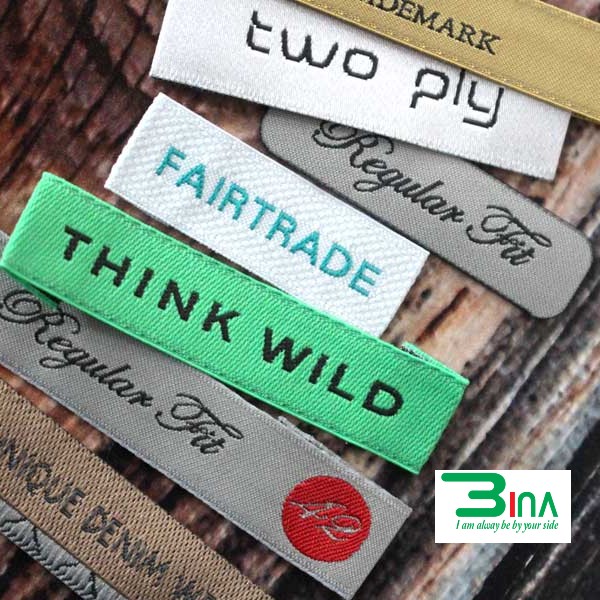
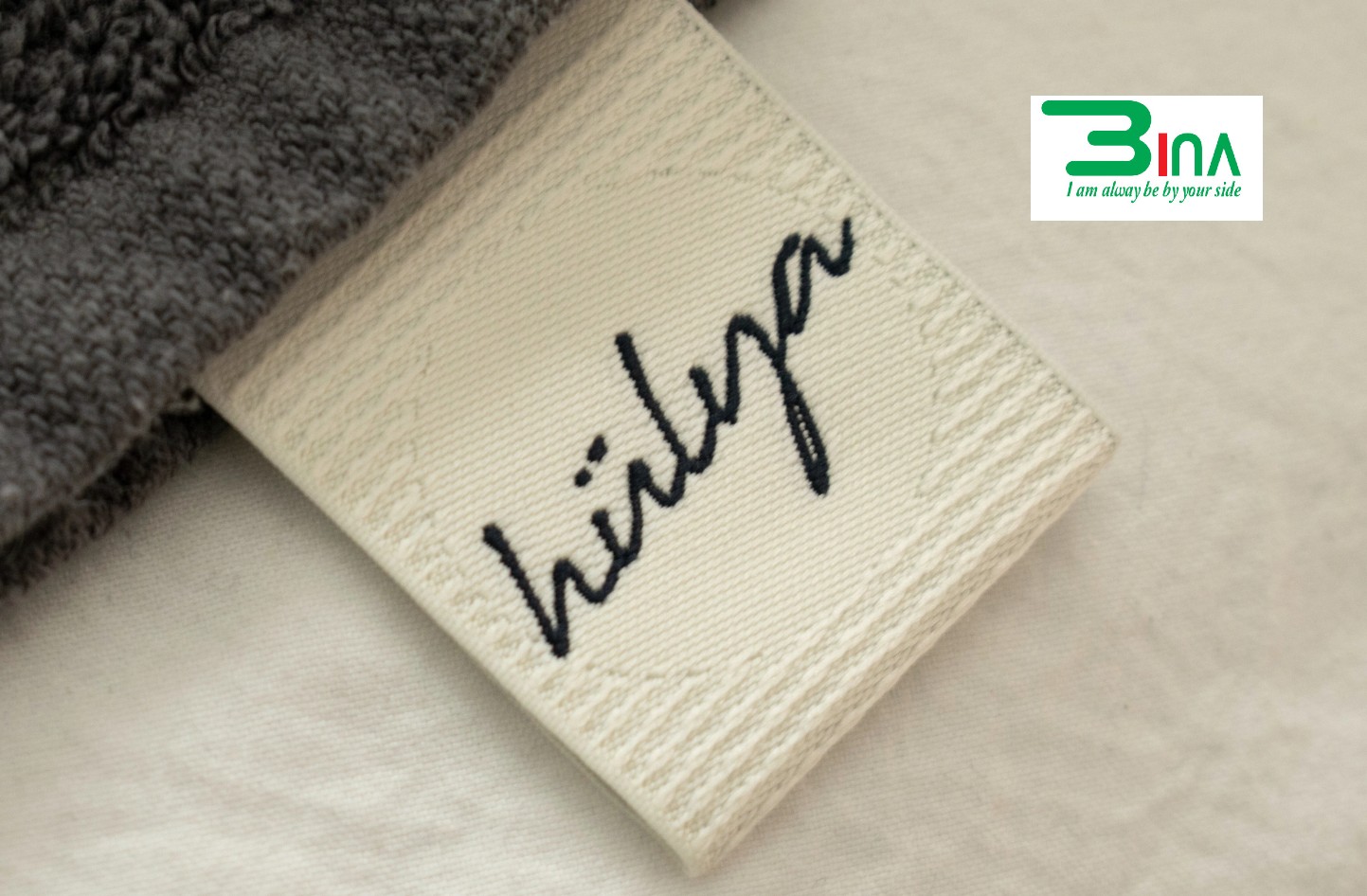
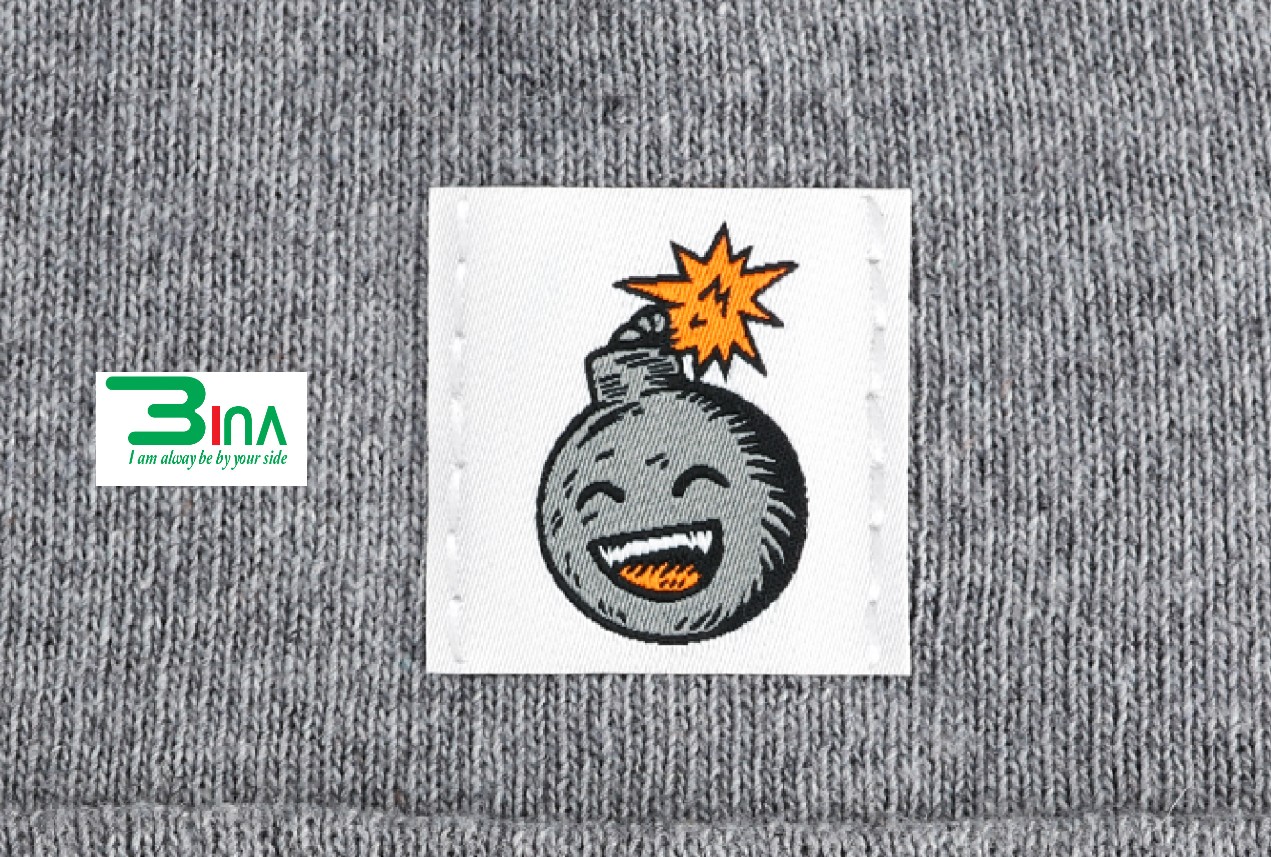
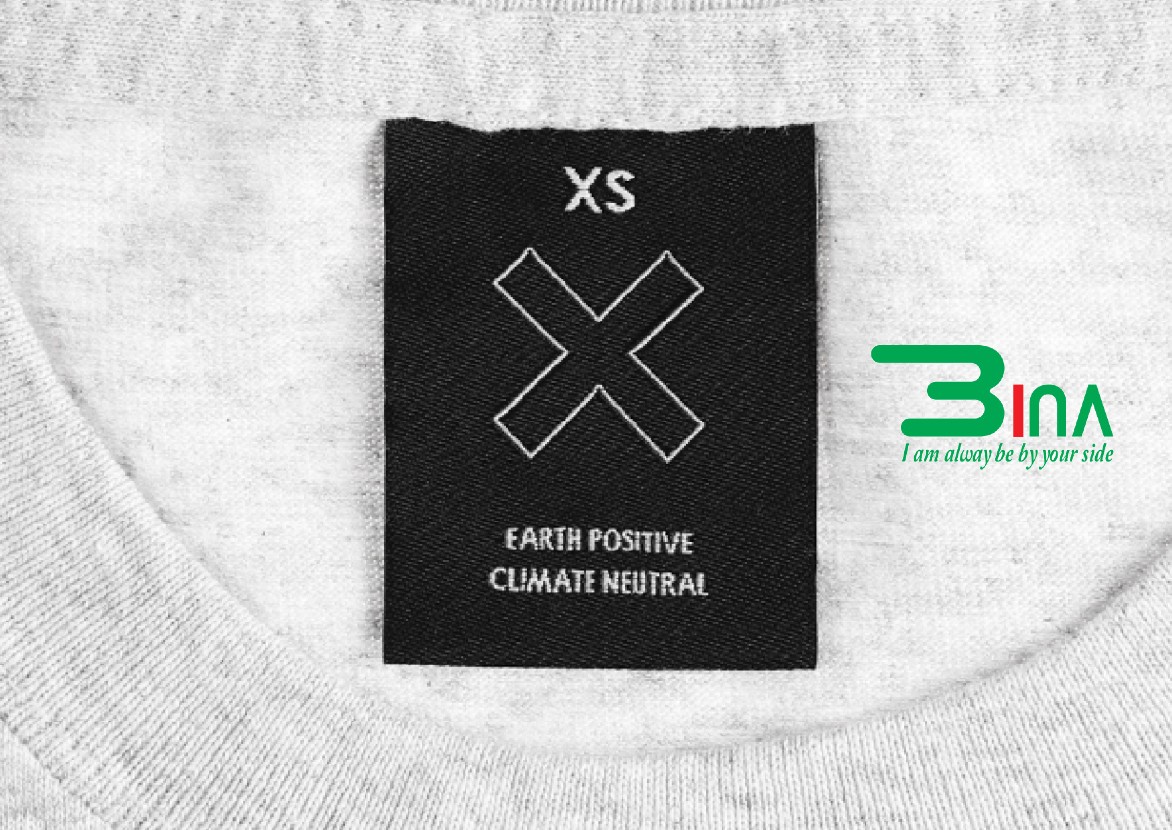
Woven labels are typically made from cotton or polyester, with threads woven together to create both your design and label. This allows the entire label to have a soft finish and increases durability. Due to the nature of woven labels, they can enhance the look and feel of your brand in a way that printed labels may not be able to. Cotton labels provide a luxurious feel that is often chosen by leading luxury brands such as Gucci, YSL and many others.
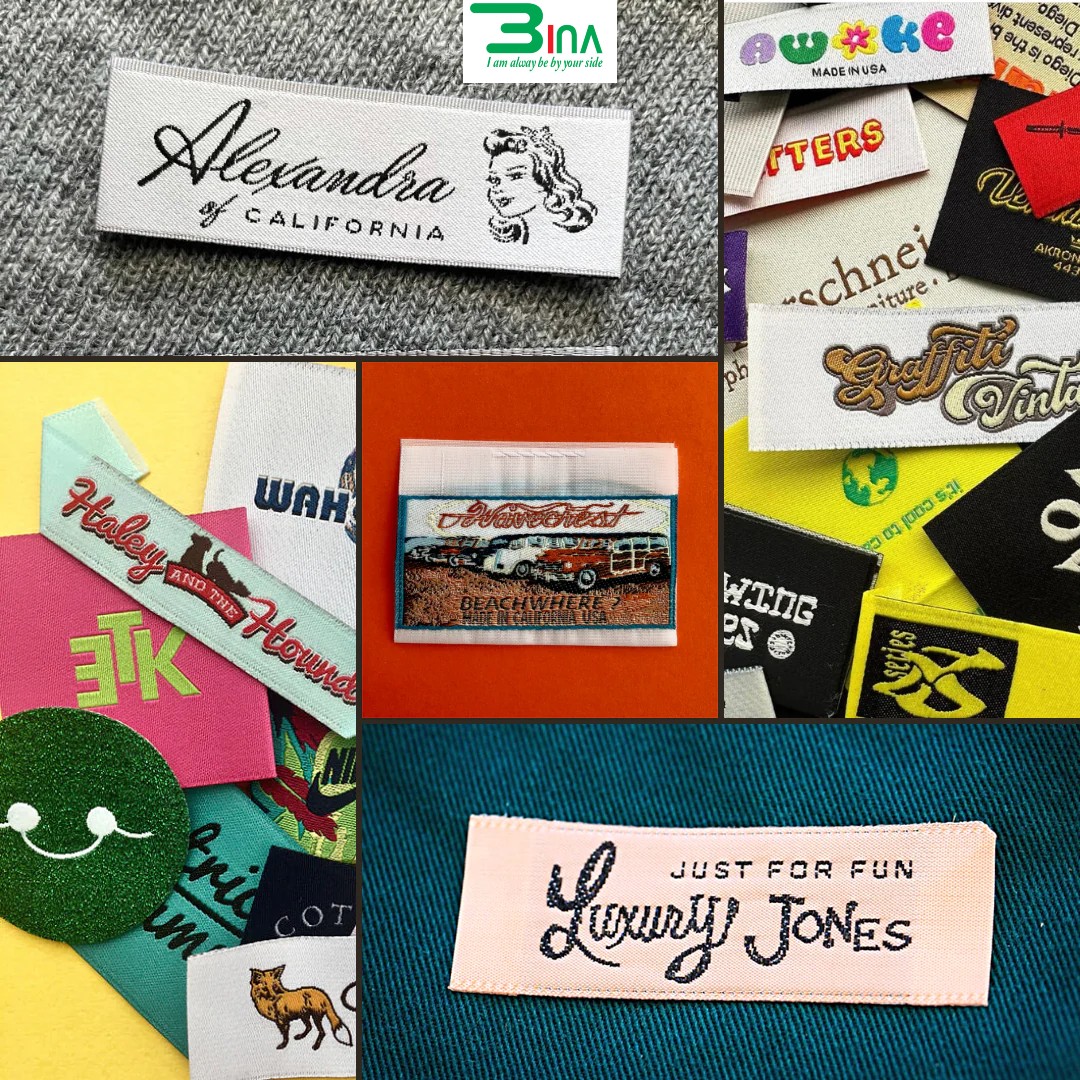 |
However, a minor drawback of choosing woven labels is that your design may be limited because the entire label is woven on a loom, meaning that complex, intricate designs can be difficult to achieve. The best results are achieved when customers use only their logo, slogan, or website address on their labels.
Perhaps the biggest difference between woven labels and printed labels lies in the price. Woven labels are more expensive than printed labels because they are made on a loom. However, the time and attention required, as well as the materials used, mean that woven labels tend to last longer and be of higher quality.
 |
☞See more:In ruy băng
Uses of Woven Labels
Woven labels come in many different forms and are used for various purposes. Here is an analysis of the different types of labels:
- Brand labels: Brand labels feature the brand name, logo, or both. They are an effective tool for promoting a brand and building brand recognition among customers.
- Size labels: Size labels are a practical addition to clothing items, ensuring that customers can easily identify and purchase the right size for their needs.
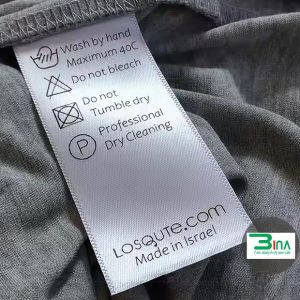
- Care labels: Clothing care labels provide essential information on how to properly care for garments, extending their lifespan and maintaining their quality.
- Origin labels: Origin labels indicate where a product was manufactured, valuable information for consumers who care about the origin of the product.
- Designer labels: Designer labels are associated with high-end clothing brands and convey exclusivity and high quality.
- Logo labels: Logo labels are a versatile option that can be used to increase brand recognition and make a strong visual statement on your products.
 |
Benefits of using woven labels
Using woven labels offers several advantages:
- Durability: Woven labels are known for their durability and long lifespan. Woven labels can withstand various environmental conditions without fading or fraying.
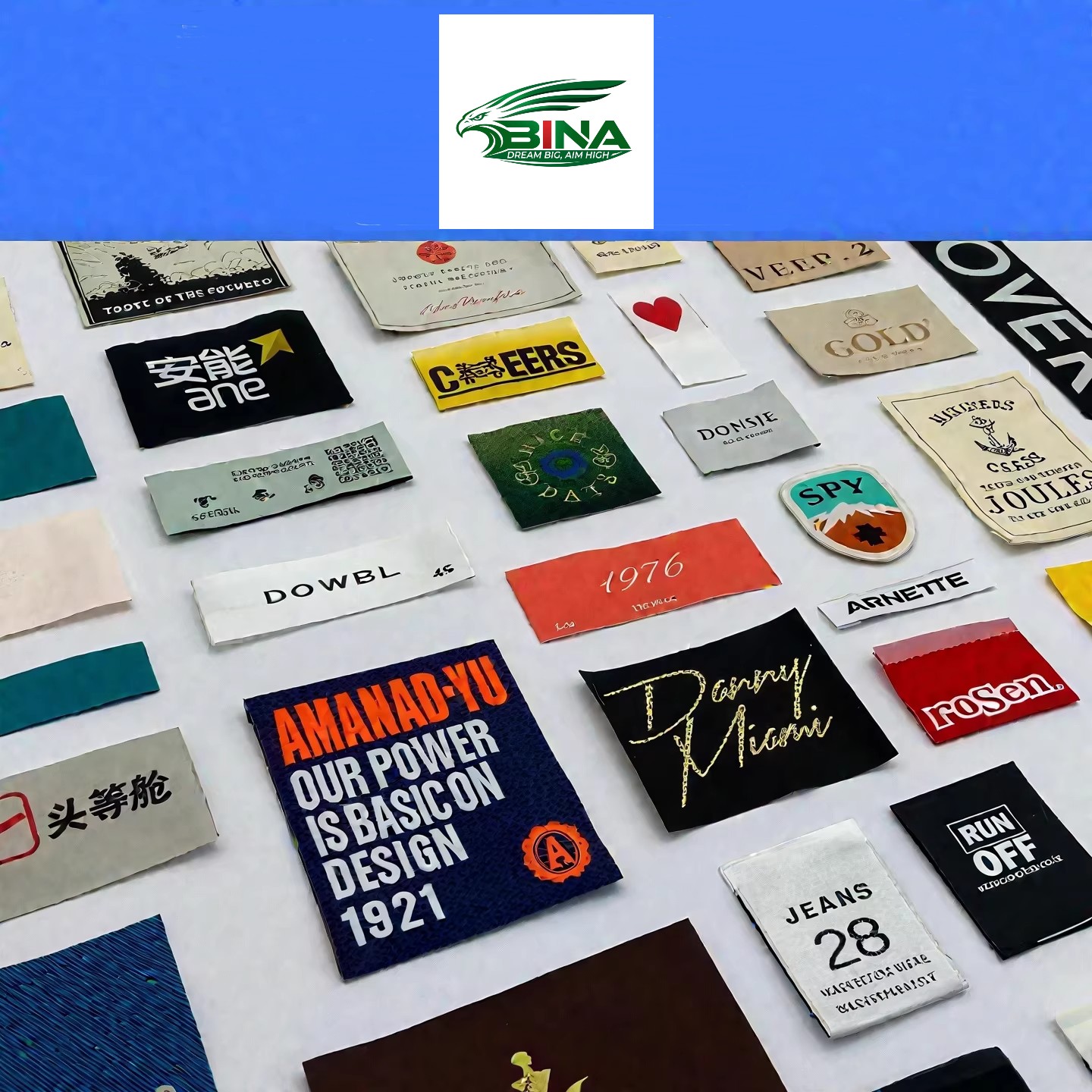
- Customization: Woven labels can be customized to showcase your unique designs, colors, and messages, allowing you to create labels that perfectly match your brand identity.
- Versatility: Whether you work in the fashion, manufacturing, or craft industry, woven labels can be used on a wide range of products, from clothing and accessories to bags and home textiles.
- Affordability: Woven labels are a cost-effective solution for information and branding, offering a premium look without breaking the bank.
 |
Woven Label Production Process
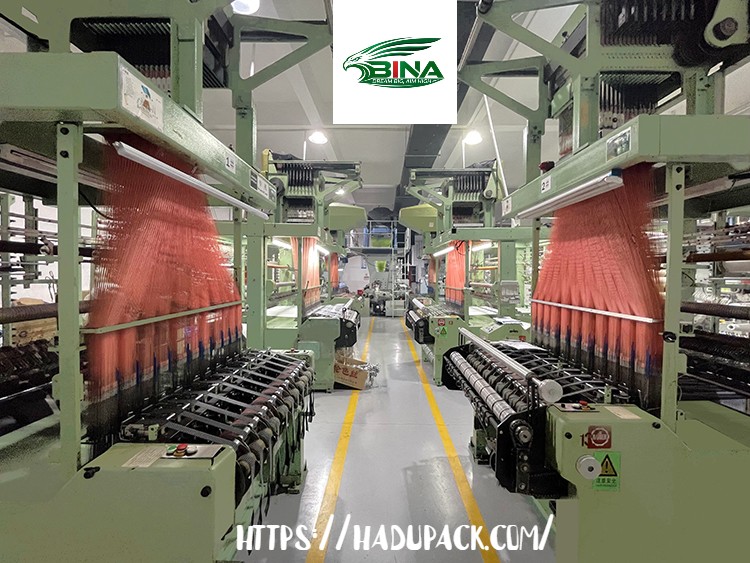
Woven label production is the process of weaving designed text and logos onto fabric labels using computerized jacquard looms, interlacing warp and weft threads. The main process includes: creating the design pattern (pattern writing) — preparing the yarn (warp/weft) — weaving with computerized looms — finishing (pressing, cutting/slitting) — quality inspection and packaging. The core lies in color matching and high-density weaving.
I. Core Production Process
- Design & Pattern Writing: Convert the customer’s brand label design into a computer-readable pattern (pixels), determining the weave structure, colors, and density. This is a crucial step that determines the quality of the woven label.
- Raw Material Preparation: Select warp and weft yarns according to the design. Common materials include polyester (high durability, low shrinkage), nylon, cotton, or metallic yarn.
- Computerized Weaving: The loom, controlled by a computer, interlaces the weft threads between the warp threads to create the pattern. This process is carried out on high-speed looms or large computerized looms. Material types include plain weave, satin weave, and twill weave.
- Finishing & Cutting: Woven labels need to be heat-cut, edge-sealed, or ultrasonically cut into individual pieces to prevent fraying. The labels are then rolled or cut into individual pieces.
- Quality Control & Packaging: Check the content, colors, dimensions, and surface defects.
 |
II. Types and Main Characteristics of Woven Labels
- Cut Edge: Uses heat-cutting technology to create smooth edges, suitable for main labels on clothing and care instruction labels.
- Woven Edge: The edges are sealed by machine on both sides, creating a softer feel and a more premium material.
- Satin Weave: Has a silk-like sheen and a smooth feel.
- Plain Weave/Twill Weave: Dense material and clear patterns.
III. Process Details:
- Color and Material: Confirm with the Pantone color chart to ensure the thread color matches the design.
- Heat Shrinkage: Polyester fibers shrink at high temperatures; tension must be controlled to ensure dimensional accuracy.
- Finishing Quality: Uneven or burnt edges will make the product unusable.
 |
Applications of Woven Labels
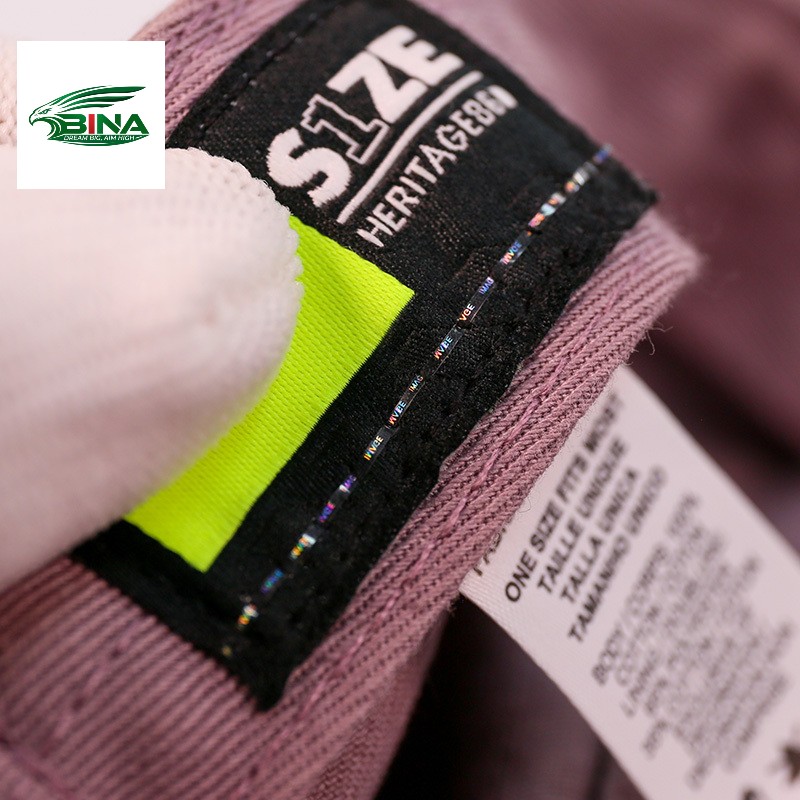
Woven labels are widely used in the apparel, handbags, footwear, home textiles and outdoor products industries. They are textile accessories used to display brand logos, fabric composition, sizes and washing instructions. Known for their vibrant colors, durability and premium feel, they are mainly classified into computer-woven labels, hook labels and woven labels, significantly enhancing brand recognition and perceived quality. Specific applications include:
Apparel accessories (most common):
- Main labels (collar labels): Located on the collar or center back, displaying the brand name.
- Washing instruction/Composition labels: Indicate fabric composition, washing instructions and country of origin, emphasizing washability.
- Size labels: Indicate the size.
- Decorative labels: Sewn onto cuffs, hems or trouser pockets for decoration and enhanced aesthetics.
- Handbags: Brand logos on backpacks, suitcases and handbags, enhancing their appearance.
- Footwear and hats: Brand logos on shoe tongues and sides, and brand marks on the front or back of hats.
- Home textiles: Decorative trims and labels on duvet covers, pillowcases, curtains and carpets.
- Outdoor and specialty products: Workwear, sportswear, tents and other products requiring high durability, using special fibers or hook labels.
- Customization and premium craftsmanship: Satin labels, with their smooth sheen, are often used in high-end fashion and suits; hook labels, thick and textured, are commonly used as main labels.
 |
What are printed labels?
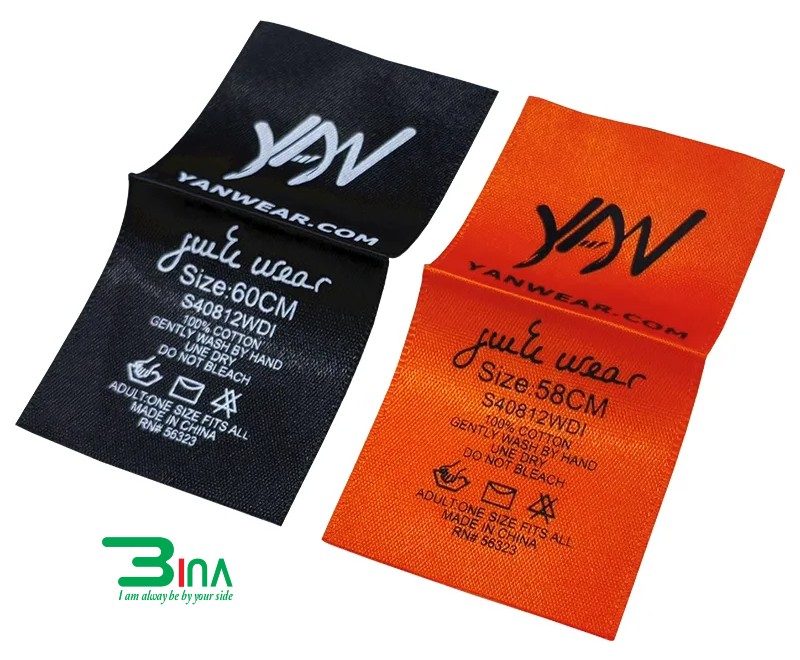
Printed labels are typically made from satin, cotton, or blended polyester. The logo or image you choose is digitally printed directly onto the label, meaning you have virtually unlimited options for colors and designs. This makes printed labels a great way to showcase who you are as a company and improve brand recognition.
Another advantage of printed labels is their high level of accuracy. When creating your design, you can print an exact copy onto the label, so you can be confident that it will look exactly as you envisioned. The ink used for printing labels is wash-resistant, so your logo will look as fresh and clear as when your customers first purchased the product.
Printed labels have a shorter preparation time than woven labels, meaning you can complete orders faster if you are working with a tighter timeframe and need to get to market quickly.
Although woven and printed labels are the most commonly used types of labels in the industry, there are still many more options if you are looking for something different. Our label experts will be able to guide you and help you choose the right option for your brand and budget. Contact us today via hotline +84 522 806 806.
 |
Conclusion
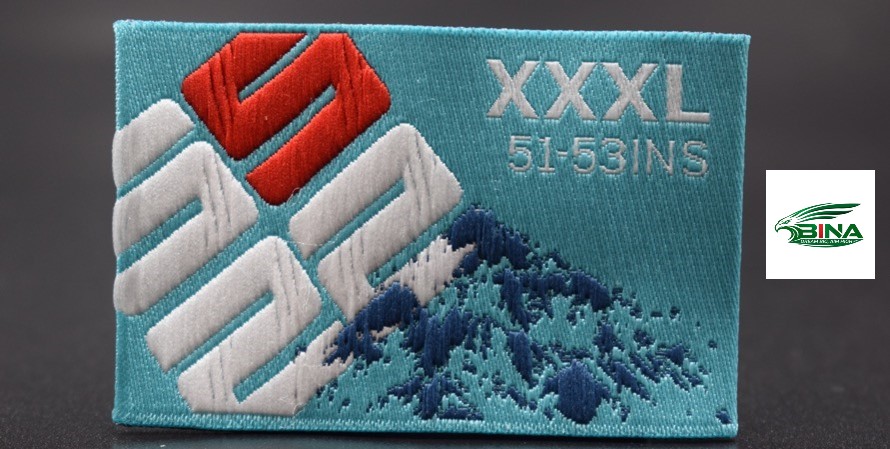
The main differences between woven labels and printed labels lie in the production process, materials, and cost. Woven labels are made by weaving threads, creating a strong three-dimensional effect, water resistance, and a premium appearance, making them suitable for main brand labels. On the other hand, printed labels are printed with ink, offering rich colors, lightweight materials, lower costs, and faster production times, and are often used for product care and composition labels. Woven labels are durable and do not fade, while printed labels stand out more for their ability to display intricate patterns.
 |
Detailed comparison between woven labels and printed labels:
| Characteristics | Woven label | Printed label |
| Production process | Woven using a computerized loom, creating yarn | Screen printing, offset printing, or heat transfer printing |
| Structure | It has a three-dimensional feel, is soft, and provides a pleasant tactile experience. | Thin, smooth, and without any bumps or uneven areas. |
| Water-resistant/Wear-resistant | Excellent, long-lasting color. | Poor quality; the printed text may fade after multiple washes. |
| Transparency/Color | Limited number of colors (usually no more than 4-6 colors), high accuracy but difficult to reproduce complex gradient colors. | It can perform full-color printing, with rich colors and subtle color gradients. |
| Production speed/cost | Long production cycles and high costs make it suitable for large-scale customization. | Fast production, low cost, suitable for small-batch production. |
| Popular places | Collars, side seams, and main body labels of premium ready-to-wear garments. | Washing instruction label, composition label, size label, side seam label |
Explain the key differences
Quality and class:
- Woven labels: They generally create a mature and premium impression. Suitable for mid-range to high-end clothing and textiles.
- Printed labels: They provide a more refined feel and are widely used in everyday clothing and fast-fashion brands.
- Pattern depth: Printed labels can reproduce complex images or highly colorful patterns with rainbow effects.
- Woven labels, limited by weaving technology, usually use only 4-6 colors, making them more suitable for simpler patterns such as letters and logos.
- Washability: Woven labels still look like new even after dozens of washes, making them ideal for clothing that needs frequent washing.
- Printed labels may fade or crack after many washes.
- Comfort: Modern high-quality woven labels often have softened edges for a comfortable feel when worn.
- Printed labels usually use strip-like materials, which can cause slight itching if not carefully processed, but they are thinner.
Summary:
- How to choose? Choose woven labels: Suitable for main brand labels, collar labels, armbands, premium shirts, children’s clothing, etc., emphasizing durability and quality.
- Choose printed labels: Suitable for size labels, washing instructions, low-cost promotional clothing, and labels requiring complex colors or patterns.
In the world of branding and product information, woven labels are an indispensable tool. Their ability to convey brand identity, provide essential details, and enhance product presentation makes woven labels a valuable asset for any business. Explore Hadupack’s custom woven labels to find the perfect solution for your branding needs. Get a free quote for custom woven labels and make your brand stand out!