

Description
What Are Face Mask Packaging Labels?
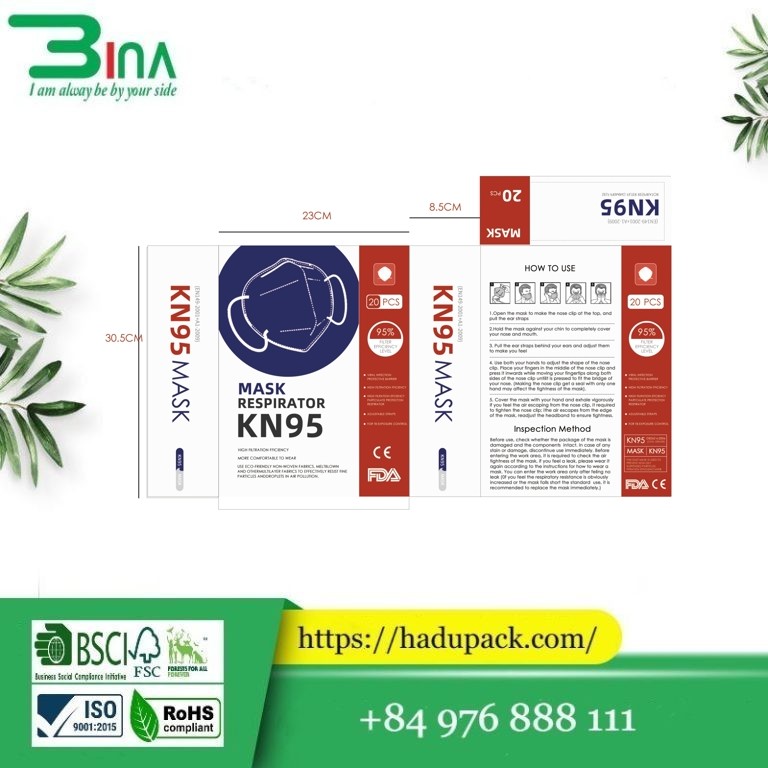
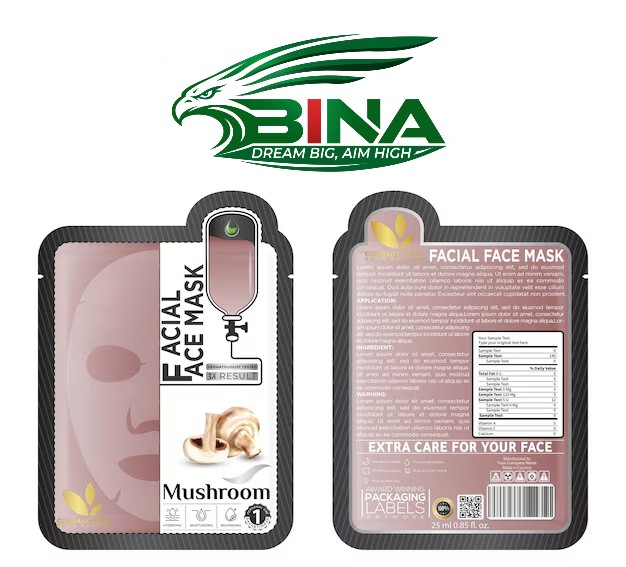
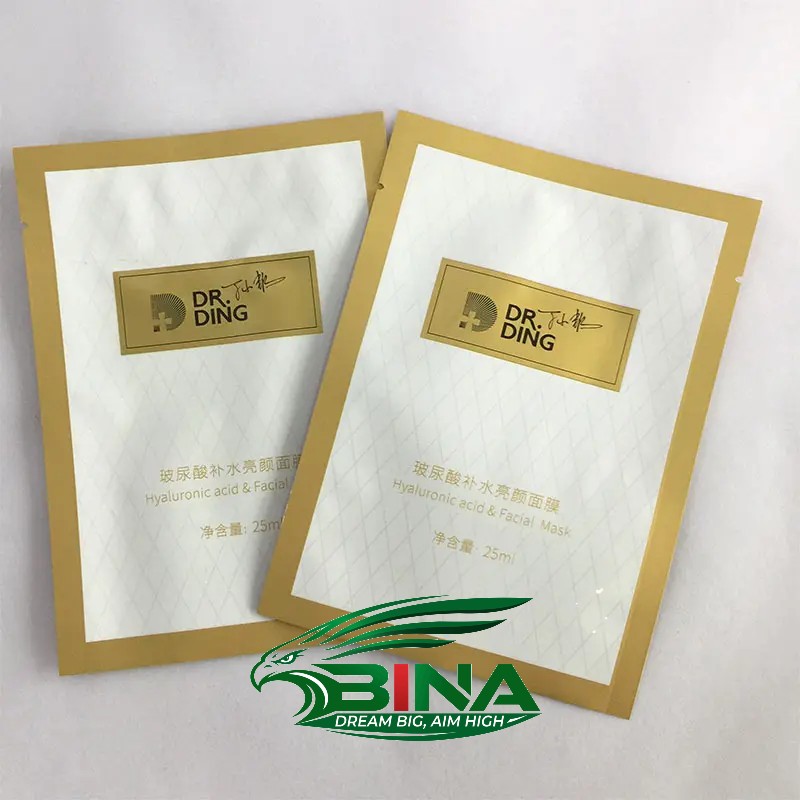
Face mask packaging labels are printed or affixed to the outer packaging of face masks, providing essential information such as the product name, manufacturer, applicable standards, manufacturing date, expiration date, protection level (e.g., KN95, N95), and manufacturing license or product registration number.
This information is crucial for verifying product authenticity and determining the intended use of the masks, whether for medical purposes or everyday personal protection.
Face mask packaging labels also typically include important technical specifications, such as Bacterial Filtration Efficiency (BFE), Particle Filtration Efficiency (PFE), and relevant product certification numbers, helping consumers assess product quality, safety, and compliance with applicable standards.
 |
◆Learn More:
- https://hadupack.com/san-pham/decal-giay-kraft-nau/
- https://hadupack.com/san-pham/tem-nhan-chong-tham-nuoc/
- https://hadupack.com/san-pham/tem-nhan-canh-bao/
The Following Is the Essential Information Commonly Found on Face Mask Packaging Labels:
- 1. Product Name and Applicable Standards: Indicate whether the product is a medical surgical mask, medical protective mask, or non-medical protective mask for everyday use.
- 2. Registration Certificate Number / Applicable Standard Number: Include relevant registration or certification details, such as a national medical device registration certificate or provincial registration number, where applicable, to demonstrate compliance with relevant standards.
- 3. Protection Level and Filtration Efficiency: Clearly display the protection classification, such as N95, KN95, FFP2, or FFP3, or filtration performance indicators such as Bacterial Filtration Efficiency (BFE) and Particle Filtration Efficiency (PFE).
- 4. Manufacturer Information: Include the manufacturer’s name, address, and contact details.
- 5. Product Specifications and Batch Number: Specify the mask size, typically classified as large, medium, or small, along with the production batch number and other relevant details for disposable masks.
- 6. Expiration Date: Clearly indicate the product’s expiration date to ensure safe and appropriate use.
Compliant face mask packaging labels help consumers verify that products provide the appropriate level of protection, such as protection against airborne particles and certain microorganisms. They also help consumers distinguish genuine, high-quality products from counterfeit or substandard alternatives.
 |
Materials Used for Face Mask Packaging Labels
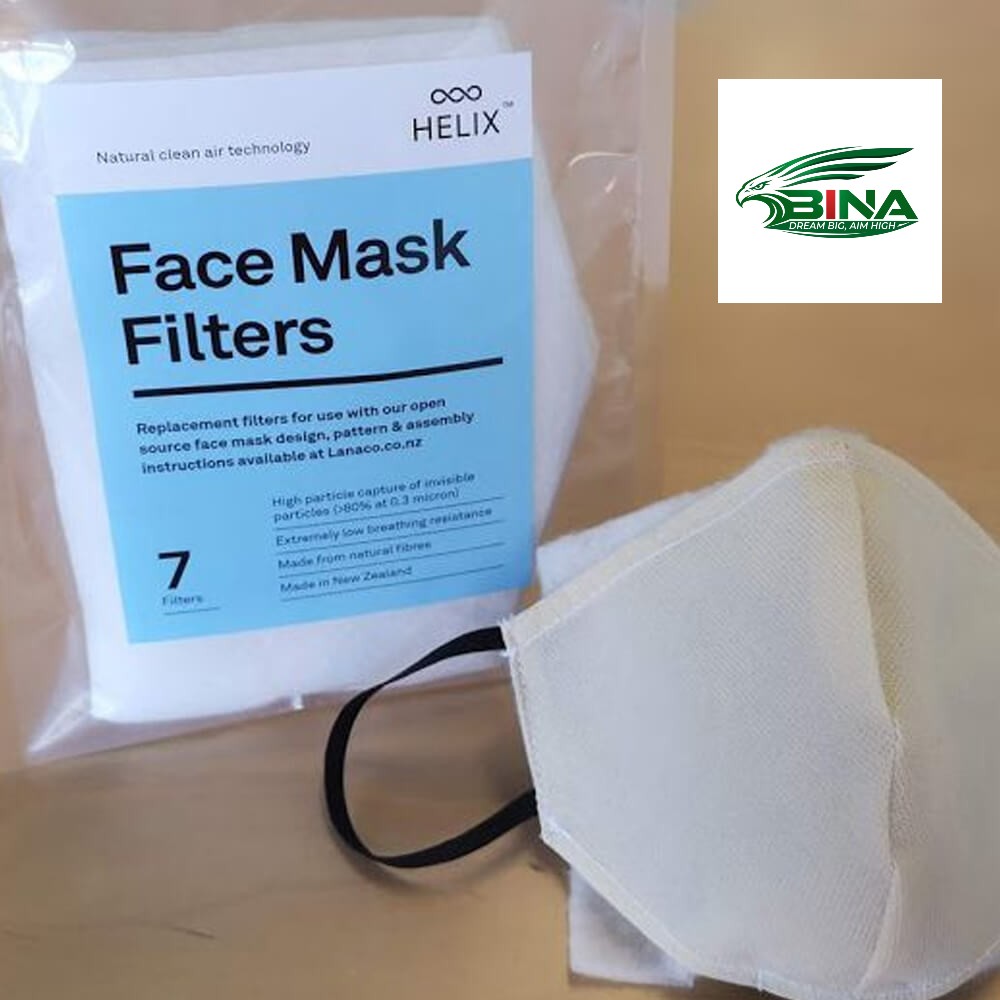
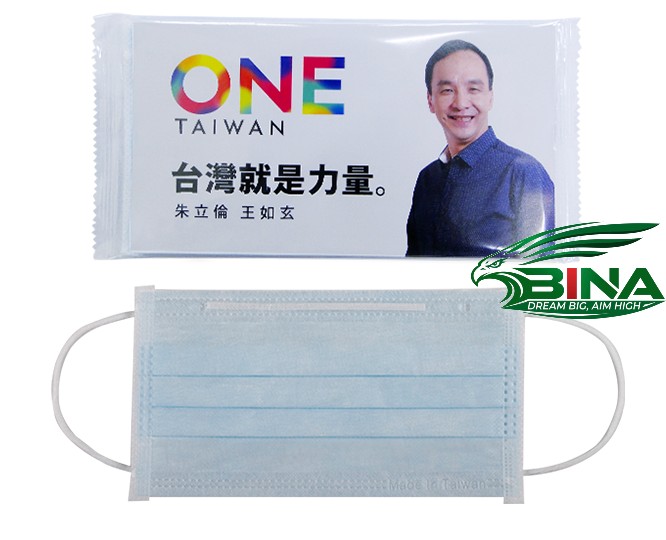
Materials used for face mask packaging labels mainly include paper, plastic films (such as PET, PP, OPP, HDPE, and PO), and synthetic materials. These materials typically require moisture resistance, high transparency, or light-blocking properties, depending on the packaging requirements.
Commonly used label materials include thermal paper, synthetic paper, coated paper, and plastic film labels. These materials are often combined with automated inkjet printing technology to ensure clear and accurate printing of brand information, barcodes, product specifications, and other essential details.
 |
1. Outer Packaging Materials for Face Masks (Bags/Boxes)
- 1. PO Bags (High-Density Polyethylene, HDPE): Cost-effective, widely used, and offer good durability and strength.
- 2. PET/PE Composite Films: Provide high transparency, excellent durability, and good flexibility. Commonly used for individual face mask packaging.
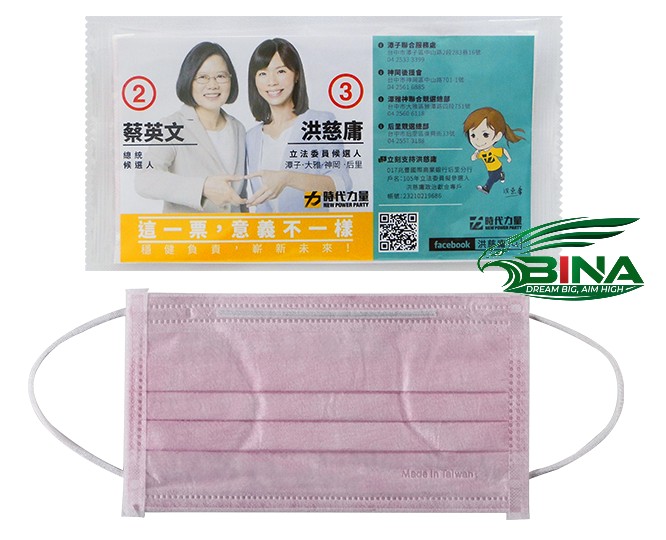
- 3. Aluminum Foil Composite Films: Offer excellent light-blocking and gas barrier properties, making them suitable for premium protective face mask packaging to prevent moisture penetration and preserve fragrance.
- 4. Resealable PP Bags (Polypropylene): Environmentally friendly, heat-resistant, and commonly used for packaging multiple face masks.
 |
2. Types of Label Materials
- 1. Thermal Labels: Suitable for thermal barcode printing, offering fast printing speeds and efficient production.
- 2. Synthetic Paper / PET Labels: Feature smooth surfaces with excellent abrasion resistance, tear resistance, and water resistance, making them suitable for packaging that requires long-term preservation of printed information.
- 3. Metallized Labels: Offer a metallic finish and excellent barrier properties, enhancing the premium appearance of packaging and improving brand recognition.
3. Packaging Label Coding Technologies
Inkjet and Laser Coding Technologies: Use industrial inkjet printers or laser marking systems from brands such as Domino or Videojet for high-precision coding on face mask packaging bags, including QR codes, manufacturing dates, and batch numbers.
4. Key Features
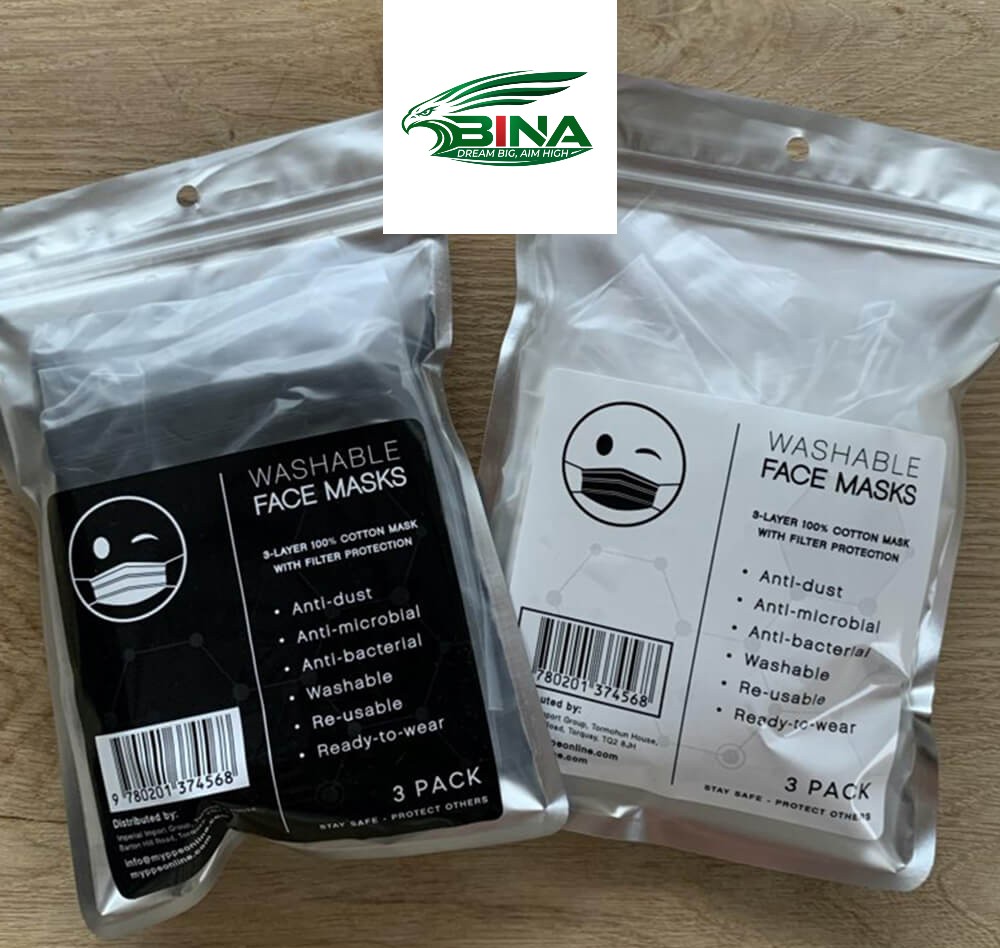
- 1. Transparency: Allows consumers to easily view the face mask designs and styles inside the packaging.
- 2. Sealing Performance: Ensures airtight sealing and maintains the hygiene and cleanliness of face masks during transportation and storage.
 |
Face Mask Packaging and Label Production Process
The face mask packaging and labeling production process is highly automated and is often carried out in cleanroom environments, following a workflow of “folding, assembling, cutting, packaging, sealing, and coding.”
The main steps include manufacturing mask bodies using automated mask-making machines, ultrasonic spot welding of ear loops, sterilization where required, automated packaging, and sealing individual masks or multiple-mask packs. Batch numbers and manufacturing dates are printed directly on the packaging during the production process.
1. Packaging Production Process
- 1. Automated Mask Forming and Packaging (Inner Packaging): The manufactured face masks are transported via conveyor belts and packaged individually or in batches using automatic packaging machines. The masks are automatically placed into packaging bags, which are then securely heat-sealed.
- 2. Sterilization (Medical Face Masks): For sterile medical face masks, sterilization processes, such as ethylene oxide (EO) sterilization, are performed using a validated procedure compatible with the packaging system to ensure compliance with applicable sterility and safety standards.
- 3. Cartoning and Sealing (Outer Packaging): Individually packaged masks or small mask packs are placed into cartons manually or using robotic packaging systems. The cartons are then automatically sealed to ensure secure packaging and efficient production.
 |
2. Labeling and Coding Process
- 1. Real-Time Printing and Coding: After heat sealing, automated coding machines print essential product information, such as production batch numbers, expiration dates, and manufacturing dates, directly onto the plastic packaging bags or sealed edges. This process is typically synchronized with the packaging production line to ensure accurate and efficient coding.
- 2. Regulatory-Compliant Labeling: Labels that comply with relevant national standards and regulations, including medical device registration certificate numbers, applicable product standards, manufacturing license numbers, and other required information, are applied to the outer packaging boxes to ensure product traceability and regulatory compliance.
 |
3. Quality Inspection and Key Processes
1. Defect Detection: Packaging production lines are equipped with sensors and automated rejection systems to detect and remove defective face masks, including those with missing ear loops, contamination, poor sealing, or incorrect packaging quantities.
2. Environmental Requirements: Medical face mask packaging must be carried out in cleanroom environments that meet specified cleanliness requirements, such as Class 100,000 or higher cleanliness standards, where applicable.
Main Equipment Used in Face Mask Packaging
- 1. Face Mask Packaging Machines: Automatically perform packaging, sealing, and product conveying operations to ensure efficient and consistent production.
- 2. Inkjet Printers / Inline Printing Systems: Print manufacturing dates, expiration dates, batch numbers, and other essential product information directly onto the packaging.
- 3. Electronic Weighing Scales / Inspection Systems: Check the weight of finished packages to verify that the correct number of face masks is included in each package.