Description
What is a woven label?
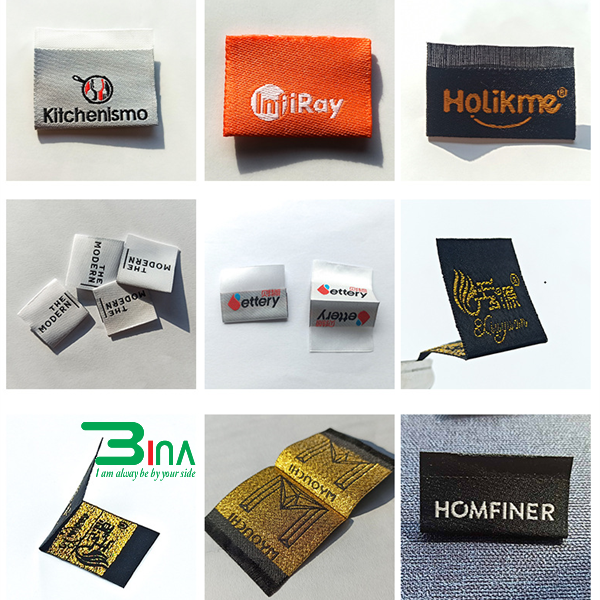
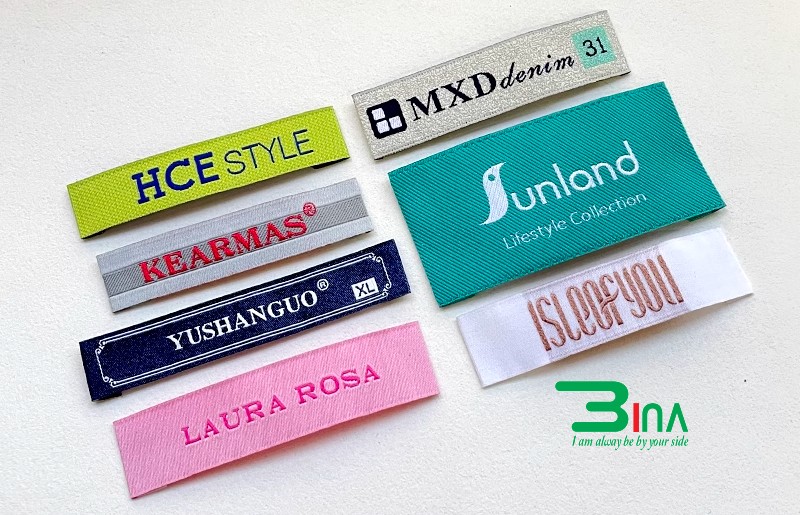
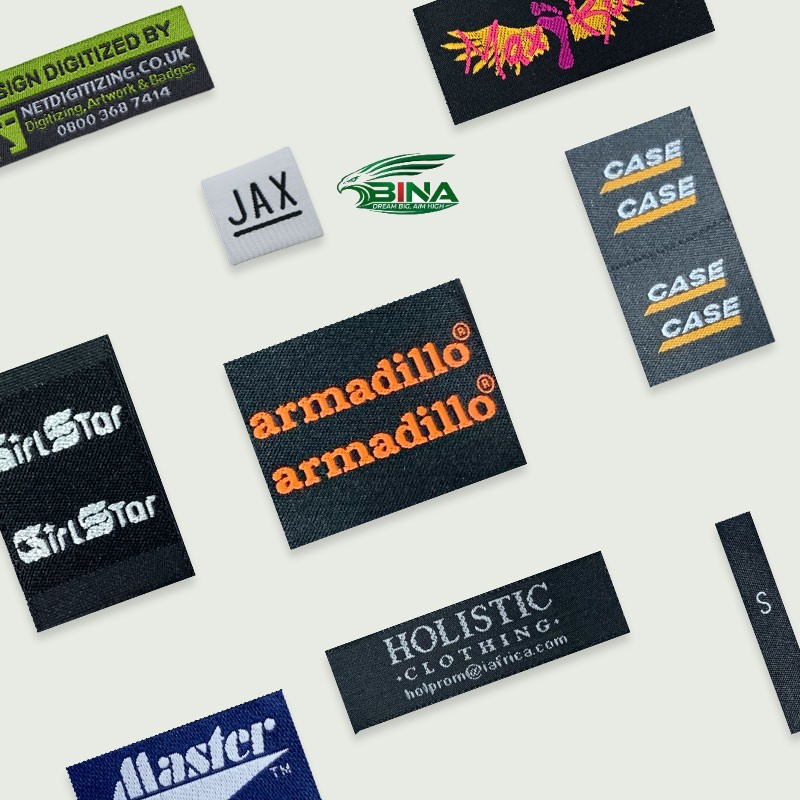
A woven label is a fabric label woven onto clothing and trousers, containing text, letters, and LOGO patterns. Garment factories, clothing manufacturers, and home textile factories use words, graphics, letters, numbers, three-dimensional symbols, color combinations, or other symbols to distinguish the origin of clothing and home textiles when they produce, manufacture, process, or sell clothing and home textiles. The combination of the above elements, with its distinctive characteristics, is a product of the modern economy.
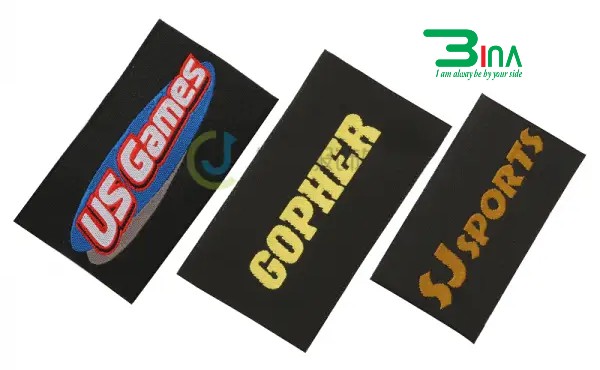 |
Woven labels are woven on a woven label machine by fixing the warp threads and using the weft threads to display text, graphics, letters, numbers, three-dimensional logos, color combinations, etc. They are characterized by a high-end appearance, durability, clear lines, and a soft, pleasant hand feel, etc.
 |
Classification of woven labels:
Woven labels, as a common identification material, are widely used in all areas of life and play an important role in identification, marking, and promotion.
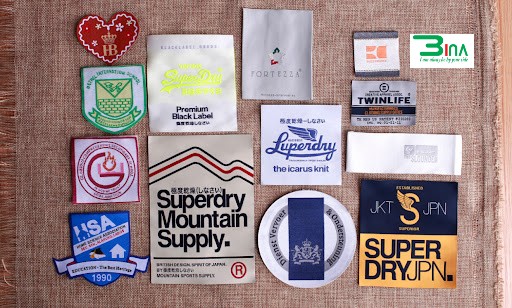
Woven labels are mainly divided into two types according to craftsmanship: selvedge and cut-edge.
- Selvedge woven labels: When the required labels are woven simultaneously according to the required width, they are called selvedge labels. This process avoids many of the disadvantages of trimming, but has lower productivity. There is also a flat/satin finish, which is characterized by softness and firmness. It is more suitable for high-end clothing products such as fashion, suits, etc. This type of machine is usually valued by Japanese manufacturers for its quality of use and is also manufactured in Japan. Selvedge woven labels are often made of satin, but the background color of satin is difficult to reproduce, so hot stamping/dyeing and other processes are often used to solve this problem. Selvedge weaving machines generally include wooden shuttle looms, which usually cannot have more than four colors; there are also machinery types that can weave with various craftsmanship qualities and can even add transparent polyester yarn to the warp, known as machine fish yarn. The cost structure of woven labels is related not only to width, total length of different colors, and craftsmanship, but also to the type of yarn used. JB series yarn is commonly used worldwide.
- Cut-edge woven labels: As the name suggests, they are woven into a complete piece on a special high-speed machine like fabric, and then cut into strips according to the specified width. Due to the melting characteristics of polyester, the yarns stick together when cut and do not fray. For the same reason, the appearance and feel will be affected to a certain extent. A good machine will produce better results, and ultrasonic cutting is better than an ordinary electric knife. Woven labels can be directly sorted and sent to the sewing workshop for processing; if the requirements are strict, they still need to be cut and folded. The maximum width of a single computer jacquard component is 20cm. By increasing the number of jacquard components, wider labels can be woven and larger shapes can be processed.
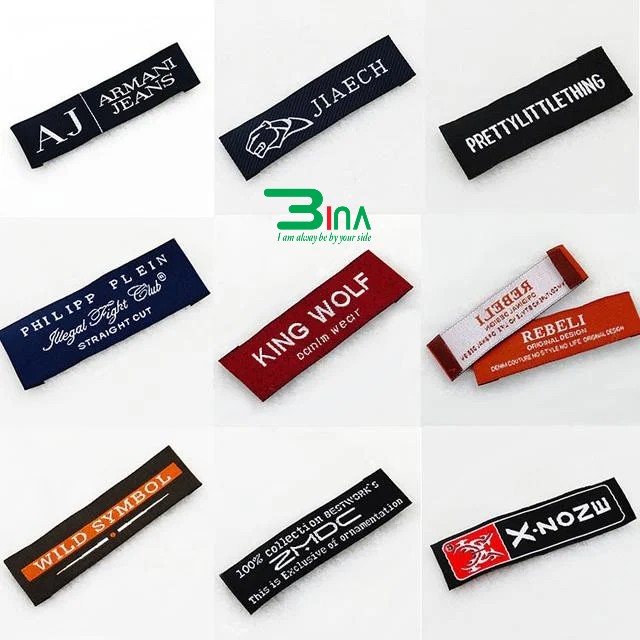 |
According to product characteristics, they can be divided into two types: flat labels and satin labels.
- Flat labels: Woven labels are similar in structure to fabric, with warp and weft threads simply interlacing up and down, which are called simple flat labels. Generally, the warp threads are fixed, either black or white, so there are black flat threads and white flat threads. For light-colored backgrounds, white flat threads are generally used, and for dark-colored backgrounds, black flat threads are generally used. The patterns and colors of woven labels are mainly expressed through the weft threads, and the colors displayed will differ due to the different effects when crossing with the warp threads. Since most machines are limited in the types of weft threads that can be used, the number of colors they can produce is also limited, usually to within 8 colors. From the above information, we can see that the price components include: the width of the woven label, that is, the amount of warp thread used; the length of the woven label and the length of each color in the warp direction. To express more detail and richer colors, all weft threads are doubled, which is called a double-sided label. If a certain color needs to have a more three-dimensional effect, another heavy thread is added, which is called a heavy shuttle. Except for washing instructions and sizes, most use double-sided flat labels. Woven labels are made of threads to express patterns, which will inevitably differ from the original graphic design. Therefore, mass production cannot be carried out without sample confirmation.
- Forged surface labels: Fabric is made by interweaving warp and weft threads. In addition to doubling the weft threads to improve quality, there is also doubling the warp threads, and this process is a satin structure. By doubling the warp threads, the texture of the fabric becomes softer and smoother. Because the warp density is too high after doubling, the weft threads cannot express the patterns well, and the colors on the underside cannot be flexibly displayed. Certain color requirements can only be achieved through post-processing. A machine is set to flatten or satin, generally speaking, relatively. The width of the cut satin fabric edge generally should not exceed 10CM, and the width of the fabric edge generally should not exceed 5.0CM.
- Other types of woven labels: such as size labels, waist labels, main labels, etc., are distinguished according to the purpose of the product.
- Price components of woven labels: The price of woven labels is based on the material, number of colors (that is, color types), specifications, and post-printing processing.
 |
Clothing woven label production process
Clothing label production mainly includes design and drawing, material selection, printing/weaving, and post-printing processing (cutting, folding, ironing). Commonly used technologies include offset printing, screen printing, digital printing, woven labels (embroidery), and heat transfer printing. Materials include webbing, woven label fabric, and paper hang tags. Labels include functional and branding elements, and some integrate RFID technology.
I. Main types of labels and production processes
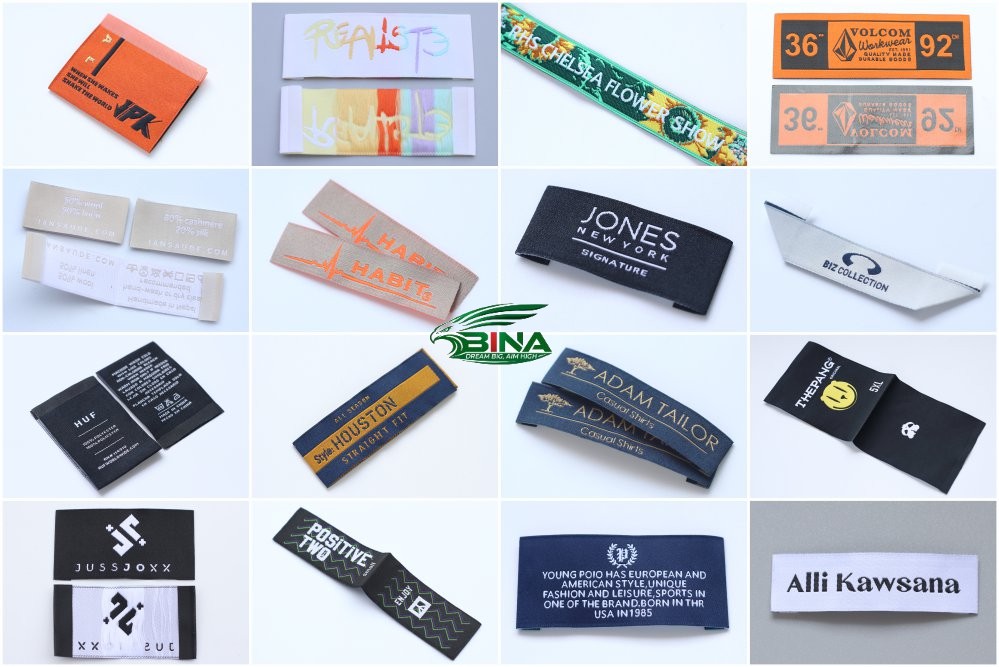
Woven labels: Made by weaving colored warp and weft threads using a label weaving machine. Available in flat and satin finishes, creating a strong three-dimensional effect, suitable for main labels and collar labels of high-end brands.
Care instruction labels:
- Screen printing: Vivid colors, suitable for large-volume production and washable.
- Heat transfer printing: Transfers dye onto satin fabric or ribbon at high temperatures, providing high clarity and a soft feel.
- Offset/flexographic printing: Suitable for high-speed printing on white ribbons.
Hang tags:
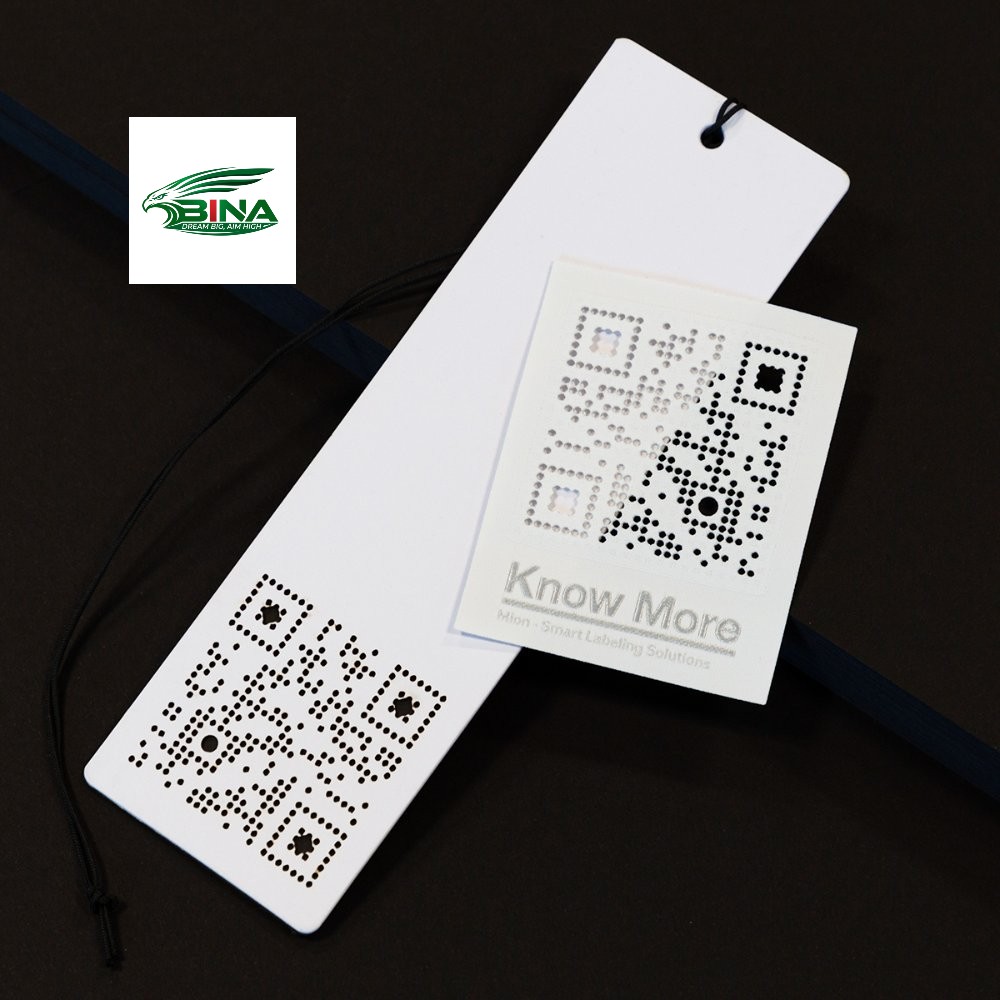
- Offset printing: The most common method, using four-color printing.
- UV treatment: Glossy surface, enhancing durability and protection.
- Hot stamping (Gold/Silver): Uses electroplated aluminum foil, transferred through high temperature and pressure, creating a strong metallic texture.
- Embossing: Uses pressure to create a three-dimensional raised texture on the surface of the paper.
RFID tags:
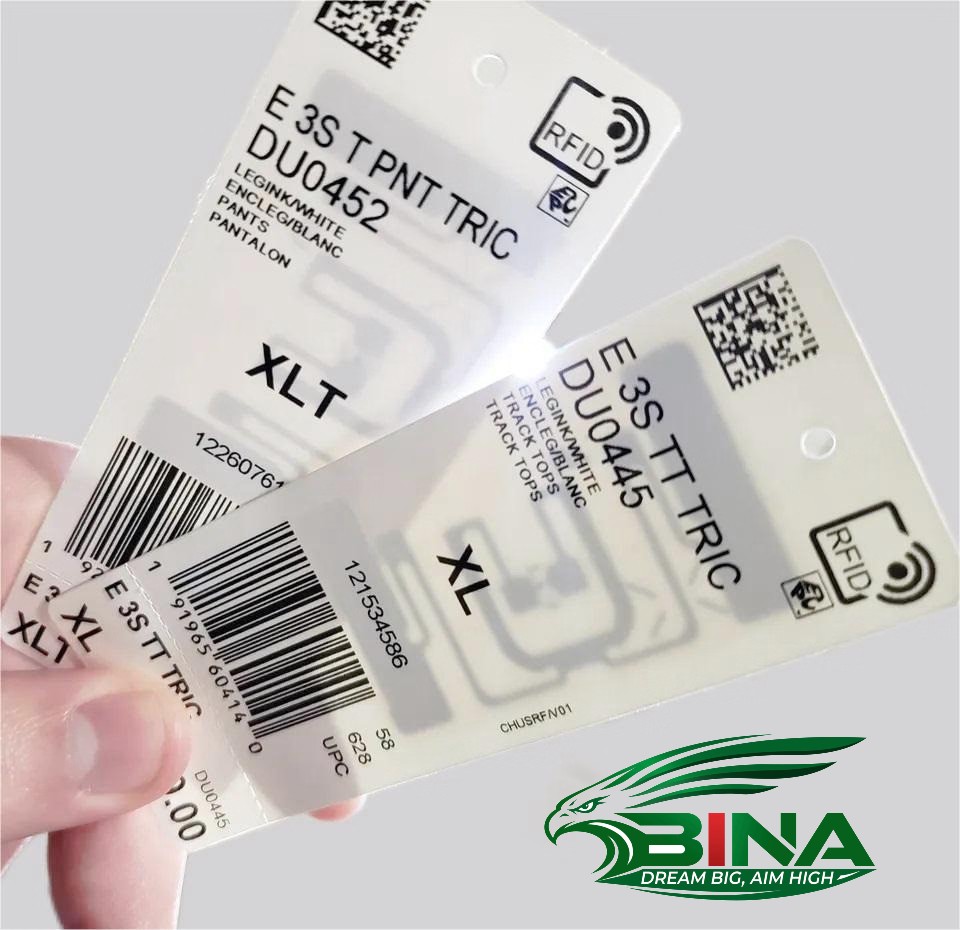
Embedding micro RFID chips into traditional fabric, supporting large-scale inventory management and anti-counterfeiting.
 |
II. Production process
- Design: Determine the brand logo, size, colors, and care symbols, and create the design using software such as Adobe Illustrator.
- Layout: Check the color samples (Pantone colors), arrange the materials, and finalize the design style.
Production:
- Printing: Print on paper or adhesive tape using a machine.
- Woven labels: Woven using computer-programmed machines.
Post-processing:
- Cutting: Divided into hot cutting (smooth edges, no fraying) and cold cutting.
- Folding: Divided into center fold, double fold, bottom fold, triangle fold, etc.
- Quality inspection and packaging: Defective products will be removed, and finished products will be packaged and shipped.
III. Main requirements
- Durability: Labels need to be resistant to abrasion and withstand washing and ironing at high temperatures.
- Environmental standards: For example, they must meet OEKO-TEX certification requirements and not be harmful to the skin.
- Labeling standards: Must comply with national standards, including the manufacturer, product name, specifications, composition, and care instructions.
 |
Applications of Woven Clothing Labels
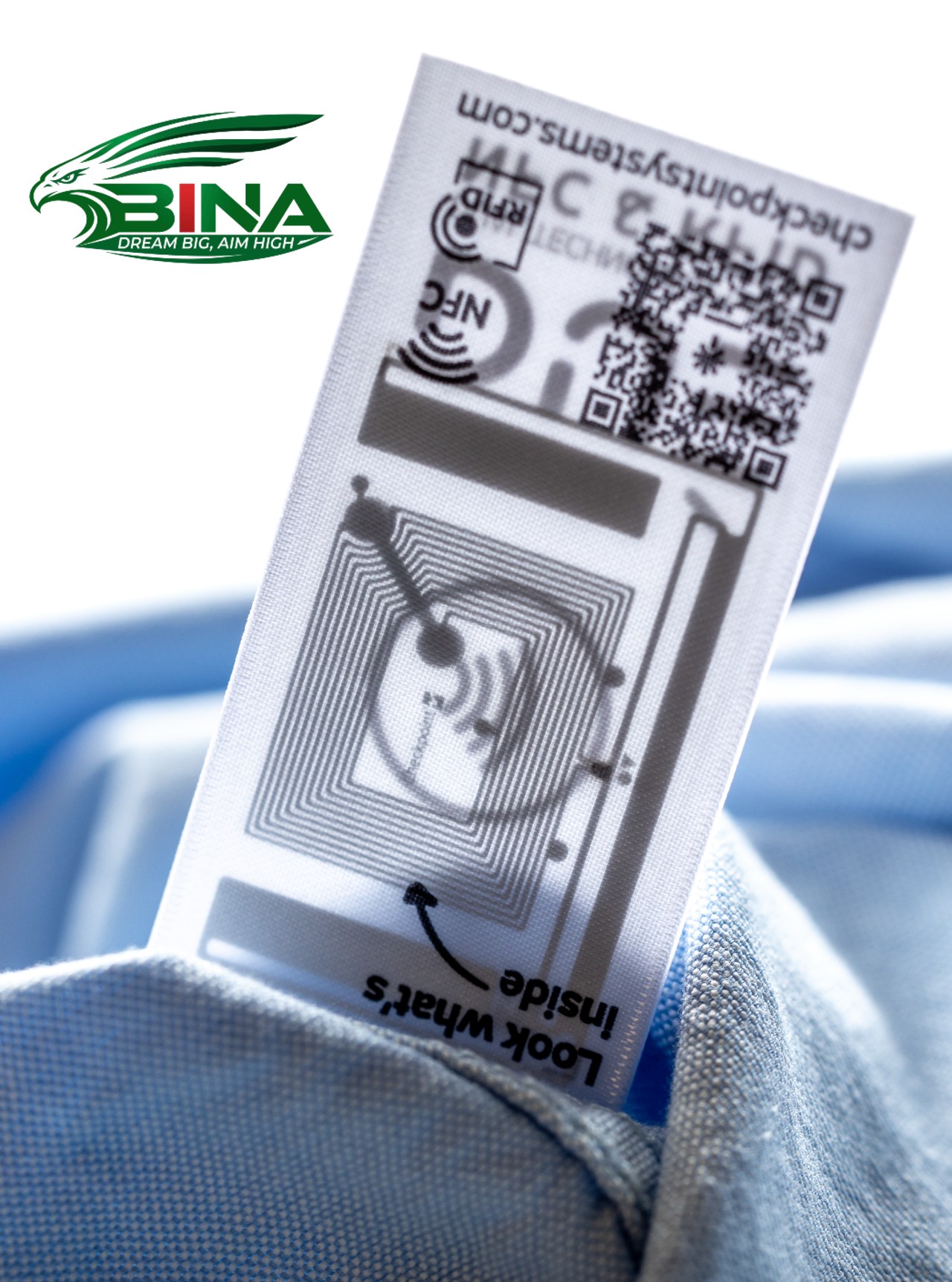
Woven labels (including hang tags, woven labels, care labels and RFID electronic tags) play an important role throughout the entire apparel industry chain. They not only carry important information such as brand, price, material and origin, but also serve as digital tools for inventory management, smart inventory checks, anti-counterfeiting traceability and theft prevention. Flexible RFID tags and PPS laundry tags are particularly suitable for large-scale tracking and efficient management of clothing and hospital/hotel linen rentals. Specific applications of woven labels in the apparel industry:
Brand communication and information (Hang Tags, Woven Labels):
- Brand display: Woven labels display the brand logo, while hang tags attract consumers.
- Product identification: Clearly identify materials, specifications and care instructions (care labels) to ensure compliance with national standards.
Logistics and smart inventory management (RFID):
- Rapid inventory checks: UHF RFID clothing tags can penetrate packaging for bulk reading, significantly improving inventory efficiency in warehouses and stores.
- Anti-counterfeiting and anti-diversion: Each tag is unique, effectively helping combat counterfeit and substandard products while standardizing sales channels.
- Smart warehousing: Tags record production progress and logistics information, enabling traceability throughout the entire process.
 |
Professional laundry management and rental (Flexible/silicone RFID tags):
- Industrial washing resistance: Specially designed flexible RFID tags or silicone tags can withstand more than 200 industrial washes, making them suitable for managing hospital and hotel linens as well as the clothing rental industry.
- Accurate tracking: Enables tracking of the number of washes and the owner of each garment.
Production and sales terminals:
- Automated production: Attached tags record processes in textile printing and dyeing lines and garment production, improving production efficiency.
- Self-checkout: Terminals read RFID information, allowing consumers to check out themselves and optimizing the shopping experience.
 |
Common types:
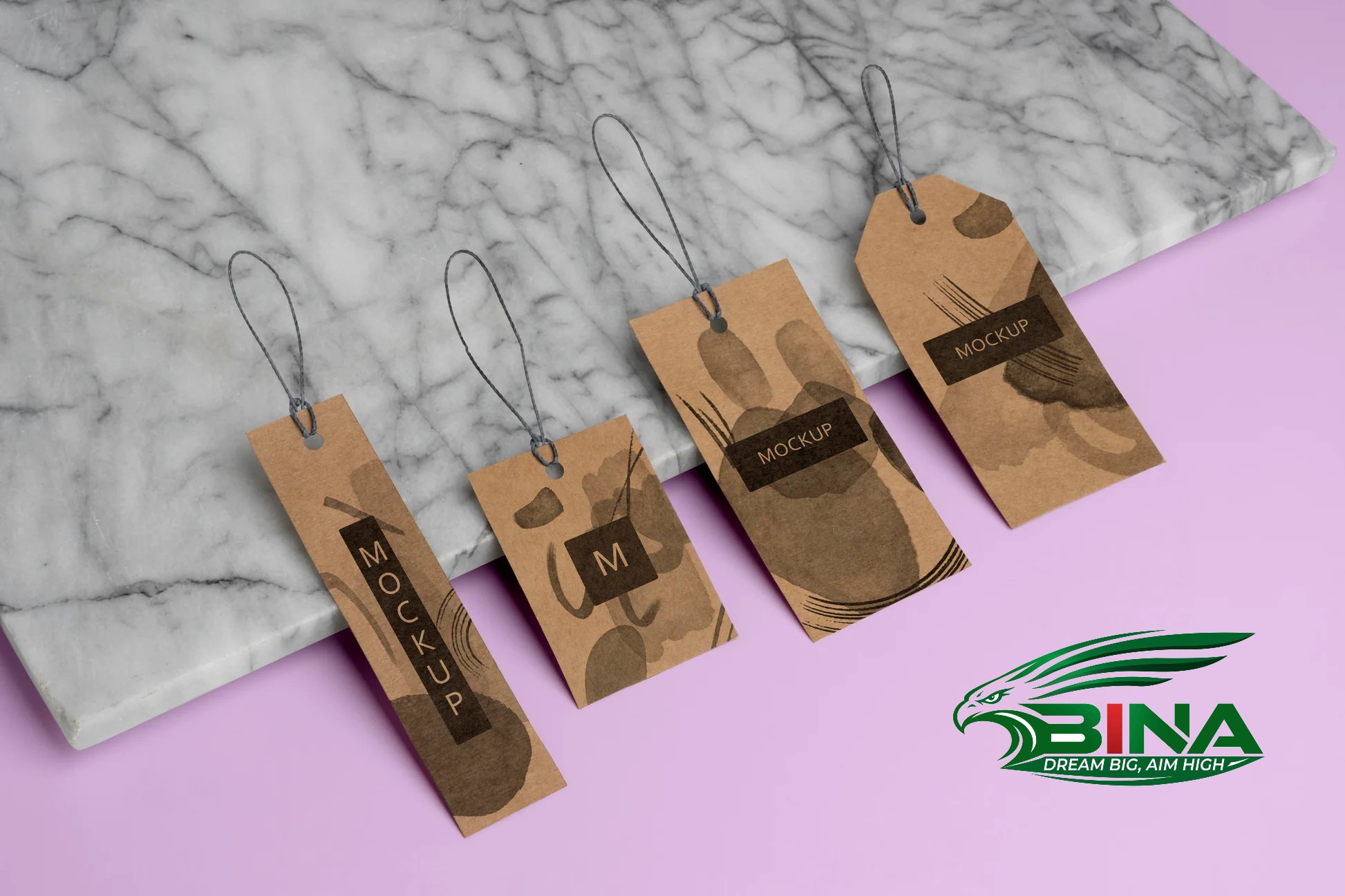
- Hang tags: Mainly made of paper, displaying information.
- Woven labels/neck labels: Indicate the weaving process, brand, and composition.
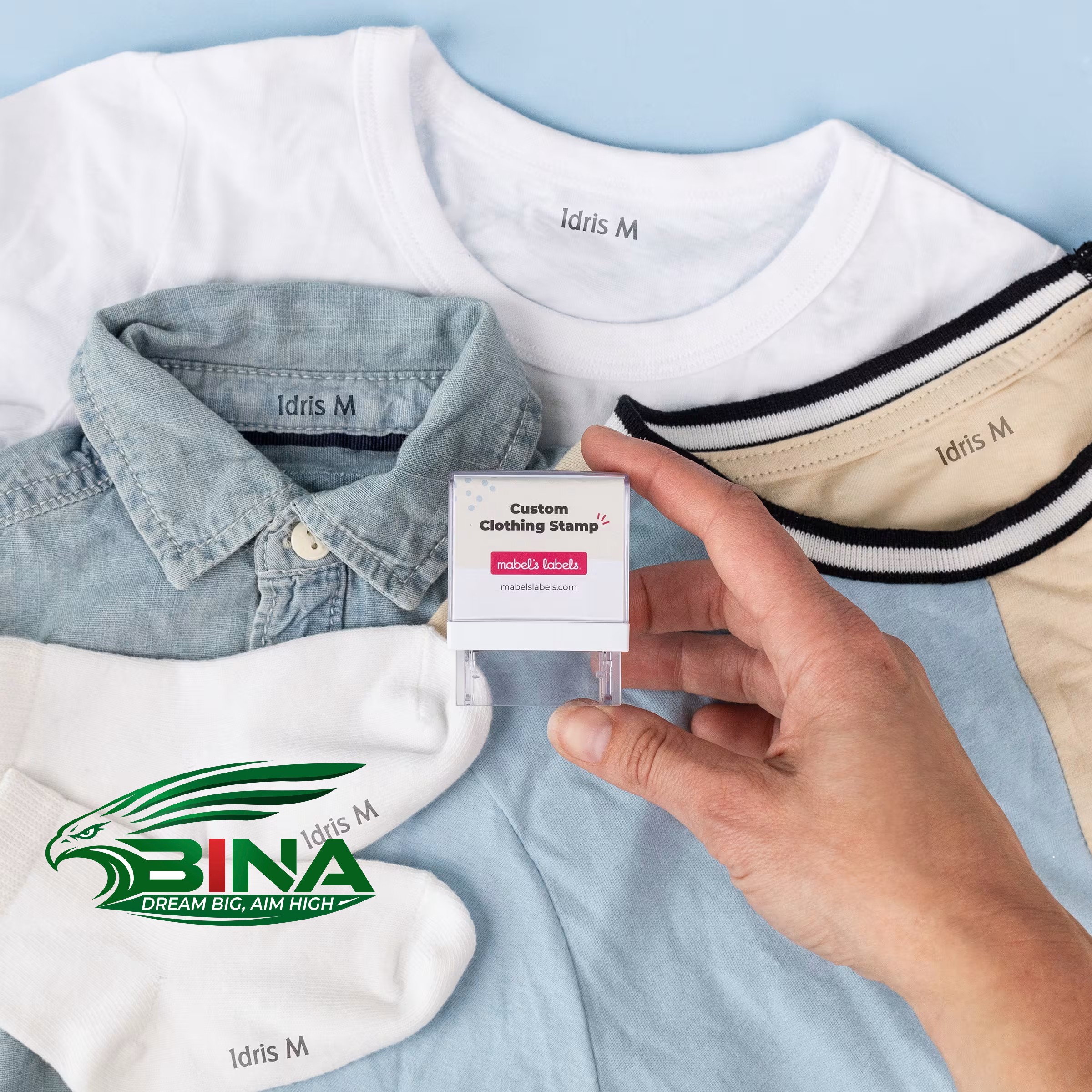
- Care labels: Made of special materials, washable.
- RFID electronic tags: Integrated with a chip, enabling digital management, such as transparent clothing labels, cable tie labels, and shirt button labels.
 |
What is the difference between woven labels and ribbons?
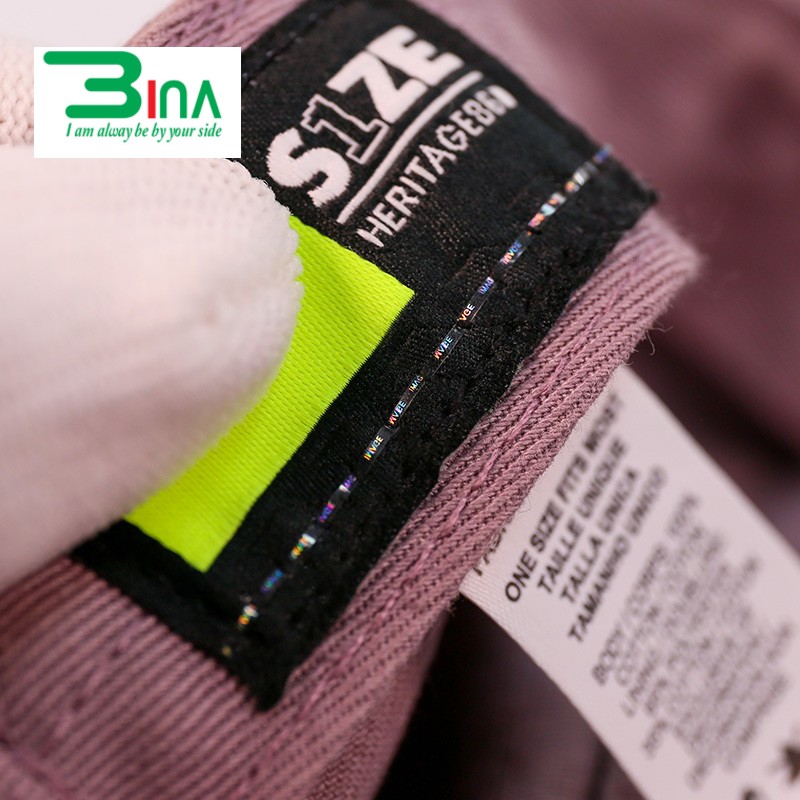
Typically, a piece of clothing or a pair of trousers will have two labels at the same time. The label on the collar is usually a woven label, while there is a washing instruction label at the waist, which is a printed care label. Woven labels are one of the essential components of clothing accessories, also known as labels, fabric labels, and clothing labels. So what is the difference between woven labels and printed ribbons?
 |
- The production machinery differs: one type is produced using ribbon weaving machines, while the other is produced using label weaving machines, but both belong to the jacquard machine product line.
- Although both are woven, under normal circumstances, ribbon is a woven product, while woven labels are knitted products.
Their main uses differ: ribbons are generally used for decoration, while woven labels are the core embodiment of the product.
Sometimes the two can overlap, which causes confusion for many people. - There are many products in the woven label category (cut-edge woven labels, hook labels, wooden loom woven labels), and similarly for the fabric product line (with text, without text, polyester, nylon, polypropylene).
The above are the differences between woven labels and ribbons. In general, carefully designed and manufactured woven labels can not only embellish and decorate the main body of clothing but also play a good role in promoting the brand. They are suitable for high-end clothing, women’s apparel, toys, hats, and other types of clothing.
 |
Consultation Guide for Choosing Clothes
When choosing a clothing brand, the key factors to consider are personal style and body shape, budget, fabric and garment quality, as well as brand values (such as environmental friendliness and durability). First, identify your personal style (for example: minimalist, fashionable, office wear), and try to find brands with styles that suit your body shape. Second, try on the clothes to assess the fabric and fit. Finally, consider the brand’s reputation and after-sales service before making a decision. Specific selection guidelines are as follows:
1. Identify your needs and characteristics
- Understand your personal style: Determine your preferred style based on the occasion (work, leisure, parties), such as minimalist, office wear, streetwear, European/American style, Korean style, etc.
- Identify your body shape: Looking for styles or brands designed for people with similar body types (height, weight, proportions) can significantly increase the chances of successfully putting together outfits. For example, people with petite builds may consider Japanese and Korean brands, while those with fuller figures may consider European/American brands.
 |
2. Consider the core attributes of the brand
- Materials and tailoring: Check the stitching, buttons, and material composition to assess the construction and durability of the clothing.
- Price and value for money: Choose premium, mid-range, and budget brands based on your budget. Don’t blindly pursue brand names; comfort and fit are the most important factors.
- Brand values: Some consumers prioritize environmental protection and sustainable fashion; brands like Jackalo, which emphasize durability, are a good choice.
3. Selection and fitting strategy
- Trying on is key: Only by trying clothes on in person can you confirm whether the style, material, and fit meet your expectations.
- Build a brand profile: Find 3-5 brands that suit your style and body shape; this can save you a lot of time on blind shopping.
- Leverage celebrity/blogger styles: Follow bloggers who frequently post outfit videos or celebrities with a style similar to yours, and find inspiration from their partner brands.
Through a systematic evaluation of the above aspects, we can help you choose branded clothing scientifically, reduce blind consumption, and establish a unique personal fashion style.