



Description
What is MPET film?
MPET film (metallized PET), also known as aluminum-metallized polyester film, is a composite packaging material created by coating an extremely thin layer of aluminum onto a PET (polyethylene terephthalate) substrate using vacuum metallization technology. It combines the flexibility of plastic film with the barrier properties of aluminum, offering high gas barrier performance, high moisture barrier performance, light resistance, and a superior metallic appearance. It is commonly used in high-performance packaging for food, pharmaceuticals, and electronic products.
 |
Detailed characteristics and applications of MPET film:
Detailed characteristics and applications of MPET film:
Technical principle: Aluminum atoms are deposited onto the surface of a PET substrate using vacuum evaporation technology to form a metallic film layer.
◆Learn more:
- https://hadupack.com/san-pham/mang-bao-ve/
- https://hadupack.com/san-pham/mang-pe-mau/
- https://hadupack.com/san-pham/mang-co-pof/
 |
Superior Performance:
- Barrier Properties: Effectively blocks oxygen and water vapor, extending the shelf life of food or electronic products.
- Light Protection: The aluminum coating protects against ultraviolet rays and sunlight, preventing light-induced deterioration of the products inside.
- Appearance: High-gloss metallic silver finish, visually appealing, enhancing the perceived quality of the packaging.
- Physical Properties: Possesses the high strength and toughness of the PET substrate, high tensile strength, and dimensional stability.
 |
Main applications:
- Food packaging: Moisture-resistant packaging for snacks, instant noodles, tea, etc.
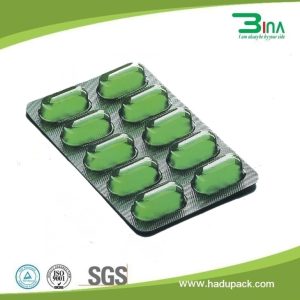
- Pharmaceutical packaging: Sealed packaging for tablets and pills.
- Electronics industry: Capacitor dielectrics, electronic insulating materials, protective films for electronic products.
- Others: Composite flexible packaging bags, insulating materials, decorative materials, etc.
MPET film generally offers good printability and lamination performance, making it an ideal choice for modern eco-friendly flexible packaging.
MPET Film Production Process
MPET film (Metallized Polyester Film) is a composite barrier material manufactured by depositing an extremely thin layer of aluminum atoms onto a PET (polyester) film substrate through a vacuum metallization process.
The production process consists of two main stages: PET base film production and vacuum aluminum metallization (MPET) processing. The specific process is as follows:
Stage 1: PET Base Film Production (BOPET)
1. Raw Material Drying:
PET (polyester) resin pellets are fed into a drying unit and thoroughly dried for 8–12 hours at high temperatures (above 150°C) or under vacuum conditions to completely remove moisture, thereby preventing air bubbles and hydrolysis-related defects during melt extrusion.
2. Melt Extrusion and Cast Sheet Formation:
- The dried resin pellets are fed into a screw extruder, where they are heated and melted at approximately 280°C.
- The molten polymer passes through a filter and metering pump before being extruded through a T-shaped die (coat-hanger die); it is then rapidly cooled on a chill roll (typically maintained at around 30°C) to form a thick, amorphous cast sheet.
3. Stretching and Biaxial Orientation (BOPET):
- Machine Direction (MD) Stretching: The thick cast sheet passes through preheating rollers and is stretched 3–4 times along the machine direction.
- Transverse Direction (TD) Stretching: The film enters a tenter frame and is stretched 3–4 times in the transverse direction. Biaxial stretching helps align the polymer chains in the plane of the film, significantly improving its tensile strength, stiffness, and optical properties.
4. Heat Setting and Film Winding:
- The stretched film undergoes heat setting to stabilize its crystalline structure, after which it is cooled and trimmed at the edges before being wound into large rolls of base film.MPET Film Production Process
- MPET film (Metallized Polyester Film) is a composite barrier material manufactured by depositing an extremely thin layer of aluminum atoms onto a PET (polyester) film substrate through a vacuum metallization process.
- The production process consists of two main stages: PET base film production and vacuum aluminum metallization (MPET) processing.
The specific process is as follows:
Stage 1: PET Base Film Production (BOPET)
1. Raw Material Drying:
PET (polyester) resin pellets are fed into a drying unit and thoroughly dried for 8–12 hours at high temperatures (above 150°C) or under vacuum conditions to completely remove moisture, thereby preventing air bubbles and hydrolysis-related defects during melt extrusion.
2. Melt Extrusion and Cast Sheet Formation:
- The dried resin pellets are fed into a screw extruder, where they are heated and melted at approximately 280°C.
- The molten polymer passes through a filter and metering pump before being extruded through a T-shaped die (coat-hanger die); it is then rapidly cooled on a chill roll (typically maintained at around 30°C) to form a thick, amorphous cast sheet.
3. Stretching and Biaxial Orientation (BOPET):
- Machine Direction (MD) Stretching: The thick cast sheet passes through preheating rollers and is stretched 3–4 times along the machine direction.
- Transverse Direction (TD) Stretching: The film enters a tenter frame and is stretched 3–4 times in the transverse direction. Biaxial stretching helps align the polymer chains in the plane of the film, significantly improving its tensile strength, stiffness, and optical properties.
4. Heat Setting and Film Winding:
The stretched film undergoes heat setting to stabilize its crystalline structure, after which it is cooled and trimmed at the edges before being wound into large rolls of base film.