


Description
Comprehensive Guide to Copper Foil Tape:
Discover everything you need to know about copper foil tape in our comprehensive guide, including its various applications and the different types available.
Copper foil tape is a versatile and practical product with a wide range of uses. In this guide, we will take a closer look at what copper foil tape is, how it works, the different types available, and its many applications.
Whether you are an experienced professional or just getting started with your projects, this guide will help you understand everything you need to know about copper foil tape.
 |
What Is Copper Foil Tape?
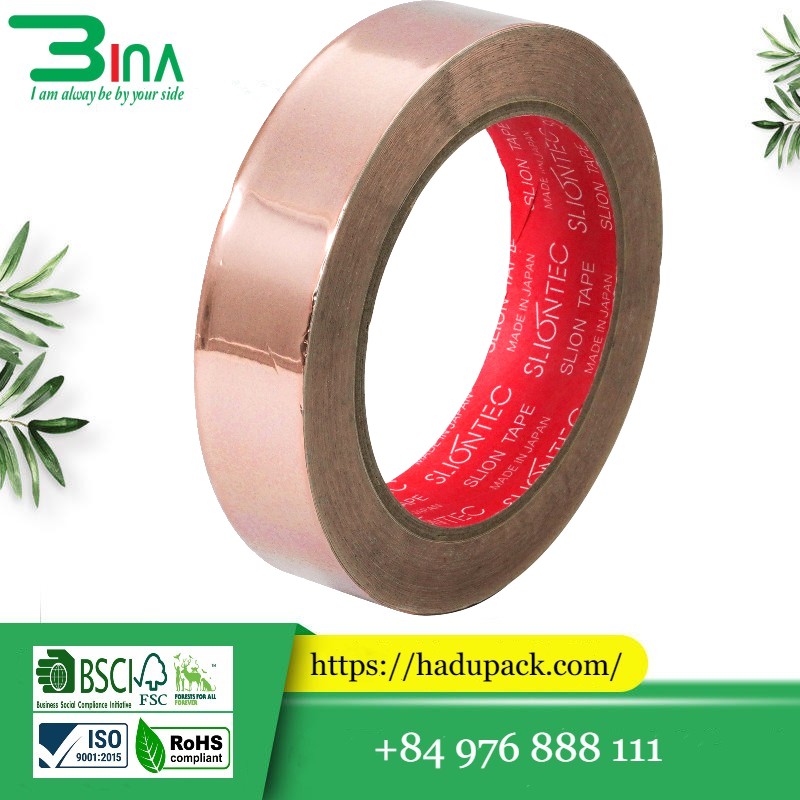
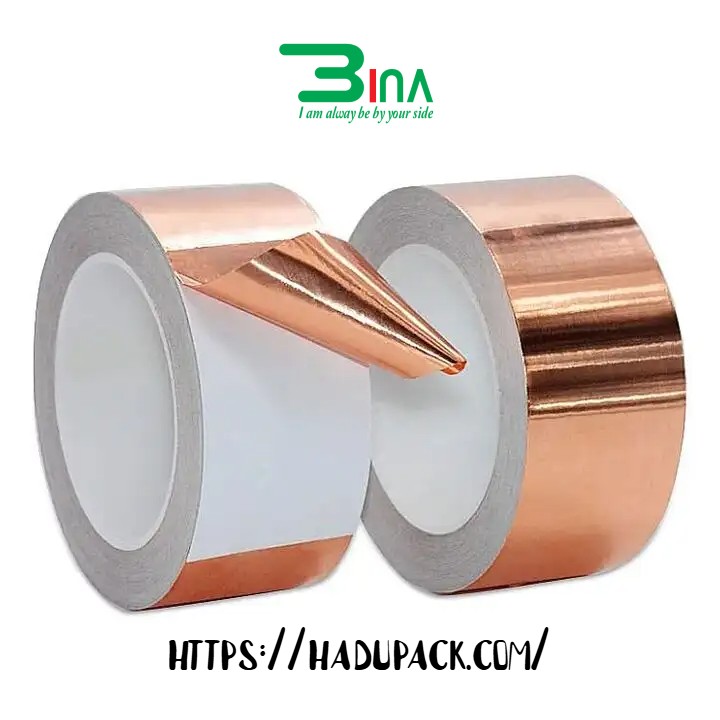
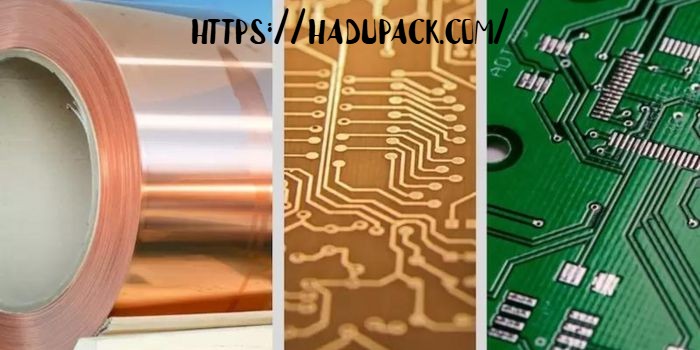
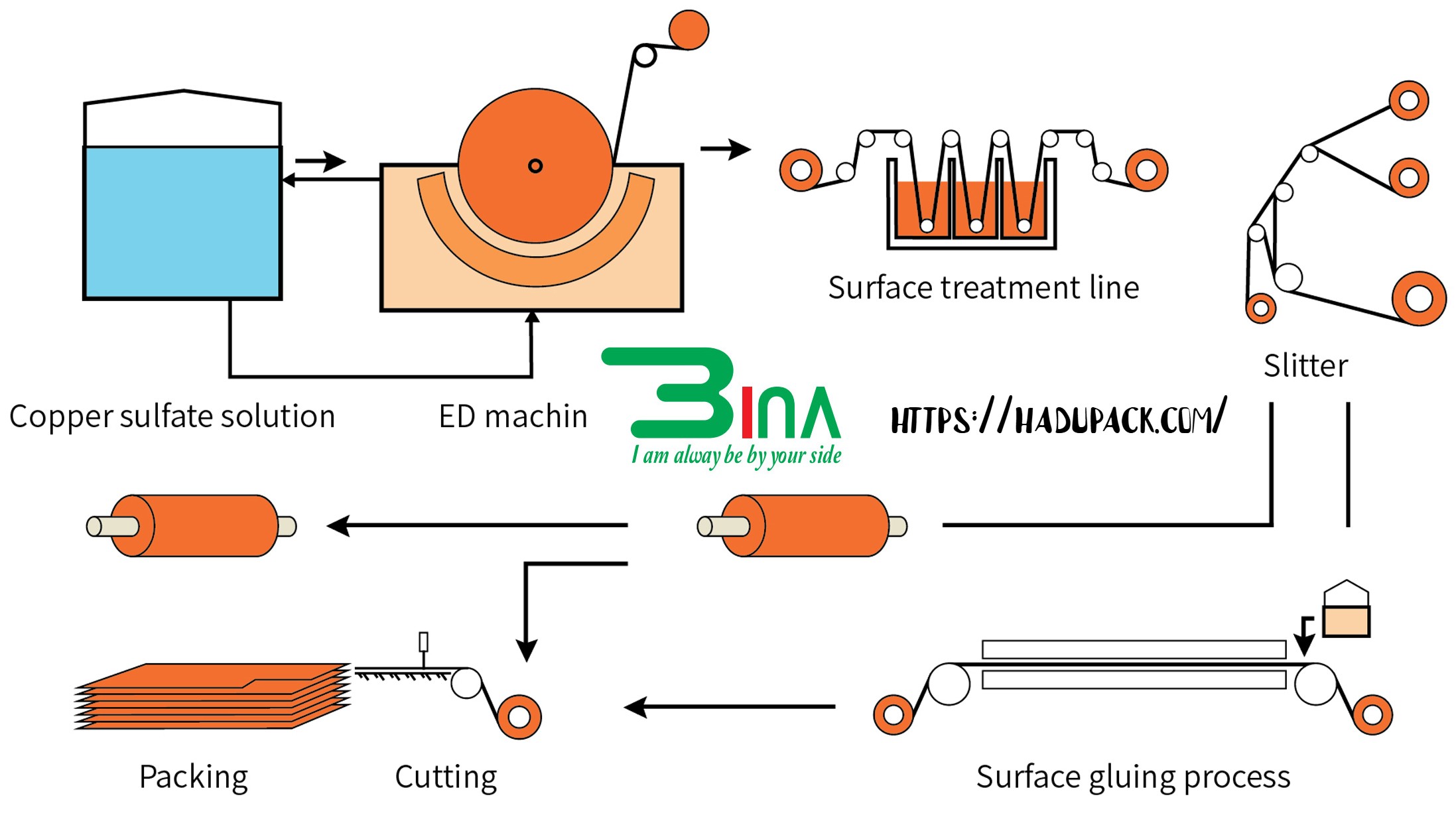
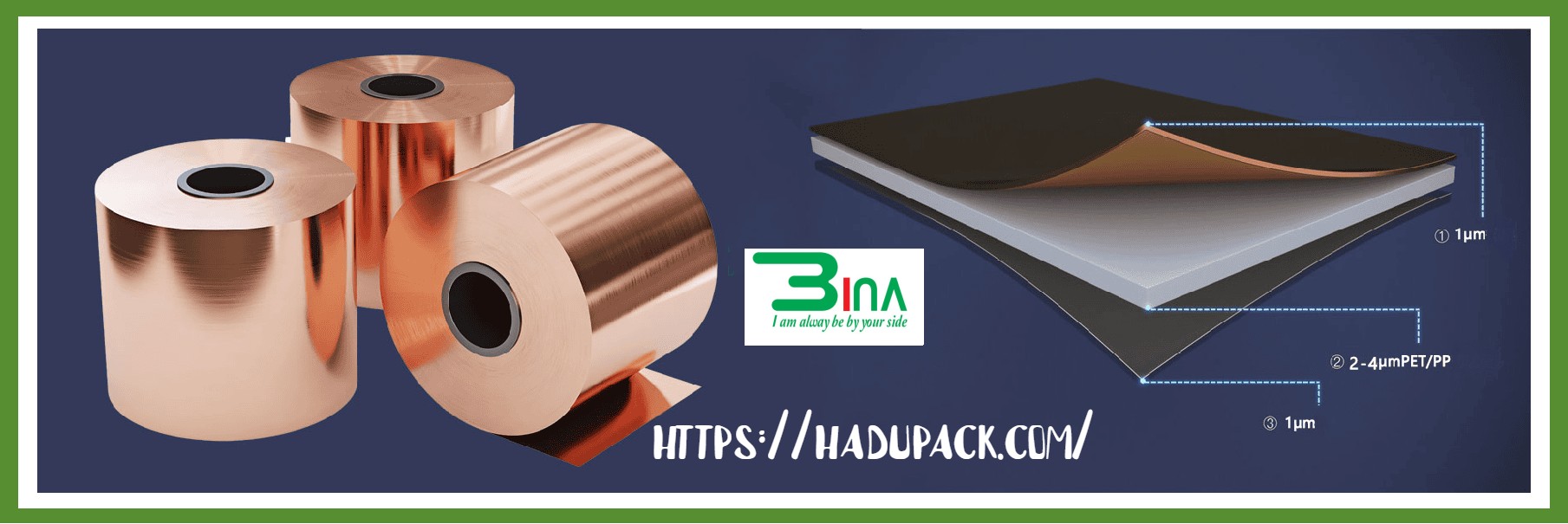
Copper foil tape is a thin strip of pure copper or copper alloy with an adhesive backing, primarily used for its excellent electrical conductivity.
It is commonly used for electromagnetic interference (EMI) and radio frequency interference (RFI) shielding in electronic devices, creating thin electrical circuits (paper circuits), electrical grounding, and serving as a natural pest deterrent in gardens.
 |
How Does Copper Foil Tape Work?
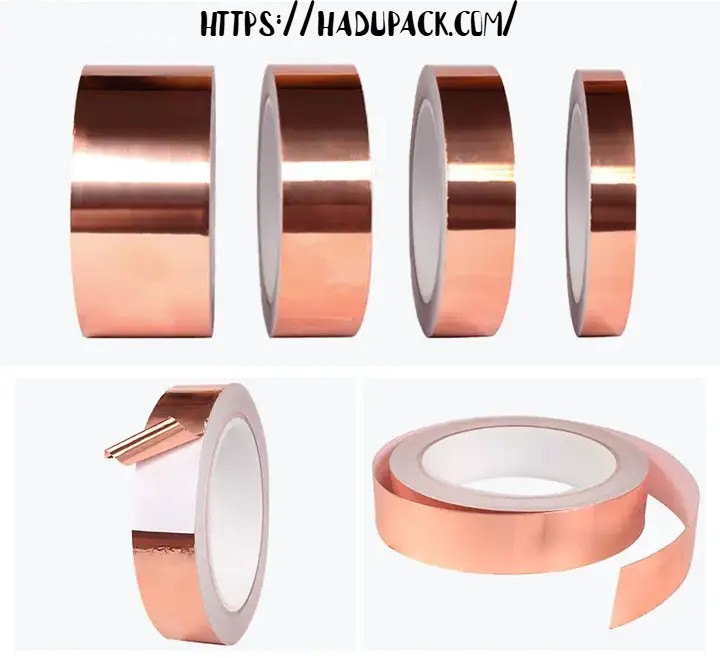
Copper foil tape works similarly to other types of adhesive tape, but with the added benefit of electrical conductivity. It is typically available in rolls of various lengths and can be easily cut to the desired size using regular scissors or specialized cutting tools for greater precision.
◆ Learn More:
- 1.https://hadupack.com/san-pham/bang-dinh-chong-tinh-dien/
- 2.https://hadupack.com/san-pham/bang-dinh-dan-nen/
- 3.https://hadupack.com/san-pham/bang-dinh-phan-quang/
When using copper foil tape, it is essential to ensure that it makes direct contact with the components or materials you want to connect or shield.
When using copper foil tape for electrical connections, it is important to ensure that the tape makes direct electrical contact with the conductive materials you intend to connect. For example, when using copper foil tape to create paper circuits, you need to make sure that the tape is in direct contact with the terminals or leads of the electronic components you are using.
When using copper foil tape for electromagnetic shielding, it is important to ensure proper electrical continuity between the tape sections and the shielding surface. For example, when applying copper foil tape to shield a guitar pickguard, you should ensure that the tape forms a continuous conductive shield around the components you want to protect.
 |
Types of Copper Foil Tape
There are two main types of copper foil tape: conductive adhesive copper foil tape and non-conductive adhesive copper foil tape. We will explore each type in more detail below.
Conductive Copper Foil Tape
Conductive copper foil tape is designed to provide electrical conductivity through both the copper foil and its adhesive layer. This makes it a useful material for creating electrical connections in a wide range of applications.
One of the most common applications of conductive copper foil tape is in the creation of paper circuits. Paper circuits are low-voltage electrical circuits commonly used in DIY projects and educational activities.
Conductive copper foil tape allows electrical current to flow from one part of the circuit to another, making it an ideal material for these types of projects.
Non-Conductive Adhesive Copper Foil Tape
Non-conductive adhesive copper foil tape conducts electricity through the copper foil itself, but its adhesive backing is non-conductive. This makes it less suitable for applications requiring electrical connections through the adhesive layer, as it cannot establish electrical contact in the same way as conductive adhesive copper foil tape.
Non-conductive adhesive copper foil tape is commonly used in applications where electrical conductivity through the adhesive is not required.
One of its most popular uses is as a deterrent against slugs and snails. For this purpose, the tape is typically applied around the edges of plant pots or garden beds. Copper tape may discourage slugs and snails from crossing the barrier, although its effectiveness can vary depending on environmental conditions.
Non-conductive adhesive copper foil tape is also widely used in arts, crafts, and decorative applications. Thanks to its attractive metallic appearance, it is often incorporated into creative projects where its shiny copper finish adds an elegant and sophisticated touch.
 |
Key Features of Copper Foil Tape
- 1. Electrical Conductivity: Available in two types: conductive adhesive copper foil tape (which allows electrical current to pass through the adhesive layer) and non-conductive adhesive copper foil tape (which conducts electricity through the copper foil but not through the adhesive backing).
- 2. Flexibility: Easily bends and conforms to corners, curved surfaces, and irregular shapes, making it suitable for various applications.
- 3. Applications: Widely used in electronics (repairs and electromagnetic shielding), arts and crafts (stained glass and Tiffany-style lamps), and gardening (as a deterrent against slugs and snails).
 |
Detailed Applications of Copper Foil Tape
Copper foil tape has a wide range of uses and applications. In this section, we will explore some of the most common applications of copper foil tape.
Copper Foil Tape for Soldering
Copper foil tape can be used in various soldering applications. It is often used as an alternative to traditional electrical wires when a more flexible or compact solution is required.
One of the most common applications of copper foil tape in soldering is the creation of stained glass artwork. When making stained glass pieces, artists and hobbyists often use copper foil tape to wrap around the edges of individual glass pieces. This creates a convenient solderable surface, allowing the separate glass pieces to be joined together to form the final design.
Copper foil tape is also commonly used in the creation of paper circuits. In these projects, copper foil tape serves as a conductive pathway, allowing electrical current to flow from one part of the circuit to another. This makes it an ideal material for low-voltage DIY electronics and educational projects.
When using copper foil tape for soldering applications, it is essential to ensure proper contact with the materials being joined. For example, when creating stained glass artwork, the copper foil tape should be securely wrapped around and firmly adhered to the edges of the glass pieces to provide a stable surface for soldering.
 |
Copper Foil Tape for Electromagnetic Shielding
Copper foil tape is commonly used in electromagnetic shielding applications. Electromagnetic interference (EMI) can cause problems in certain situations. It can disrupt sensitive electronic components and generate excessive electronic noise or unwanted feedback, making electromagnetic shielding an important method of protecting various devices.
Essentially, electromagnetic shielding works by creating a conductive enclosure, often grounded, around electronic components. This enclosure acts as a Faraday cage, helping to reduce electromagnetic interference.
Copper foil tape can be used to shield electronic components in a wide range of applications and environments. These applications include radio frequency (RF) shielding and shielding guitar pickguards to protect the instrument’s electronics from external interference.
Copper foil tape can also be combined with other materials to provide additional shielding protection. For example, it is often used together with conductive fabrics to create more effective electromagnetic shielding solutions.
Copper Shielding Paint
Copper shielding paint is an alternative to copper foil shielding tape. It is available in spray form and is designed to create a low-resistance conductive coating that provides radio frequency interference (RFI) and electromagnetic interference (EMI) shielding for plastic enclosures of electronic devices.
With improved adhesion, uniform surface coverage, and excellent scratch resistance, copper shielding paint offers numerous benefits and can be applied to various types of substrates.
Copper shielding paint is commonly used when a seamless or more integrated shielding solution is required. It can provide electromagnetic protection for electronic devices and components without the need for additional shielding sheets or separate components.
Copper Foil Tape for Plant Pots
Copper foil tape for plant pots is primarily used by gardeners to help prevent slugs and snails from damaging plants. Slugs and snails are common garden pests that can cause significant damage to plants if left uncontrolled. Many gardeners use copper foil tape as a deterrent to protect their plants and keep them healthy.
The application process is simple: apply a strip of copper foil tape around the plant pot, just below the rim, to create a continuous barrier.
However, there is ongoing debate about the effectiveness of this method and whether copper foil tape can reliably prevent slugs and snails from reaching plants.
Despite these uncertainties, many gardeners prefer trying copper foil tape as an alternative to potentially less environmentally friendly pest control methods, such as certain chemical slug and snail repellents.
Copper Foil Tape for Stained Glass
Copper foil tape can also be used in arts and crafts, especially for stained glass work. People who create stained glass art often use copper foil to wrap around individual glass pieces, creating a convenient guide and solderable surface for joining the separate pieces together into the final design. Copper foil tape is also available in different widths, making it easier to choose the right size for your stained glass project.
To use it, simply peel off the backing and apply the tape to the edge of the first glass piece. Press it firmly around the edge of the shape, taking extra care if the glass is sharp or jagged. Make sure each new section of tape overlaps the previous one to avoid any gaps.
Copper Foil Tape for Walls
Although copper foil tape is not specifically designed for use on walls, some people use it to create attractive decorative wall art. Thanks to its high flexibility, copper foil can be easily bent and shaped to fit a wide variety of patterns and designs.
Geometric designs are especially popular, but there is certainly no limit to your creativity. Alternatives include using washi tape or simply masking tape to create precise lines between different paint colors or shades on the wall.
Copper Foil Tape for Crafts
As mentioned earlier, copper foil tape can be incorporated into a wide range of craft and DIY projects. This may include stained glass art and wall designs, as described above, but it can also be used in many other creative ideas.
A few examples include adding shiny borders to artwork, creating textured art pieces, or combining it with other types of tape to produce unique metallic designs.
Copper Foil Tape for Paper Circuits
Paper circuits are low-voltage circuits that can be easily made using a few common materials. They are often used in school or home projects, especially to teach children about electrical circuits and conductivity.
Copper foil tape is used to carry electrical current from one part of the circuit to another. There are many different circuit designs you can use for activities like these, and copper foil tape is an excellent and ideal material for guiding low-voltage current through the circuit.