
Description
What Is Nitto Tape?
Nitto Tape is a high-performance industrial adhesive tape manufactured by Nitto Denko Corporation, a Japanese company. Nitto tapes are renowned for their advanced bonding technology, exceptional durability, and specialized applications in high-tech industries such as electronics and automotive manufacturing.
Nitto’s product range includes double-sided adhesive tapes, protective films, electrical insulation tapes, optical films, and more. These products are widely recognized for their superior quality, environmentally friendly solvent-free adhesive technology, and the use of specialized materials such as polytetrafluoroethylene (PTFE).
 |
The Following Are the Key Features and Main Types of Nitto Tape:
1. Main Application Areas
- Electronics/Semiconductors: Products such as semiconductor wafer processing tapes (SWT series) are used in chip dicing and thinning processes, offering excellent stability and antistatic properties.
- Automotive Electronics: Low-VOC double-sided adhesive tapes are used for automotive interior and exterior trim components, making them suitable for enclosed and confined spaces.
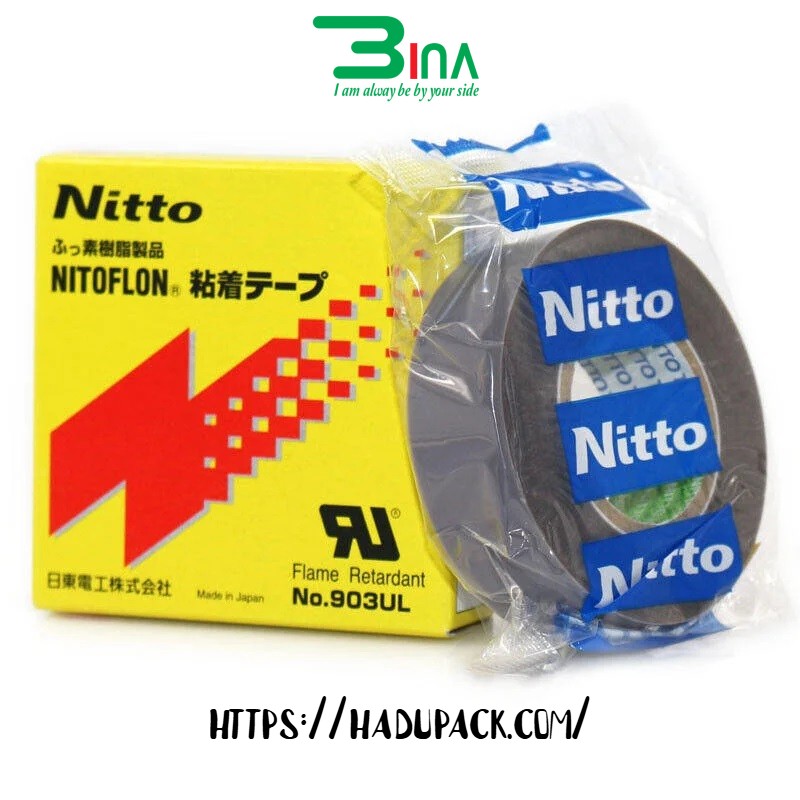
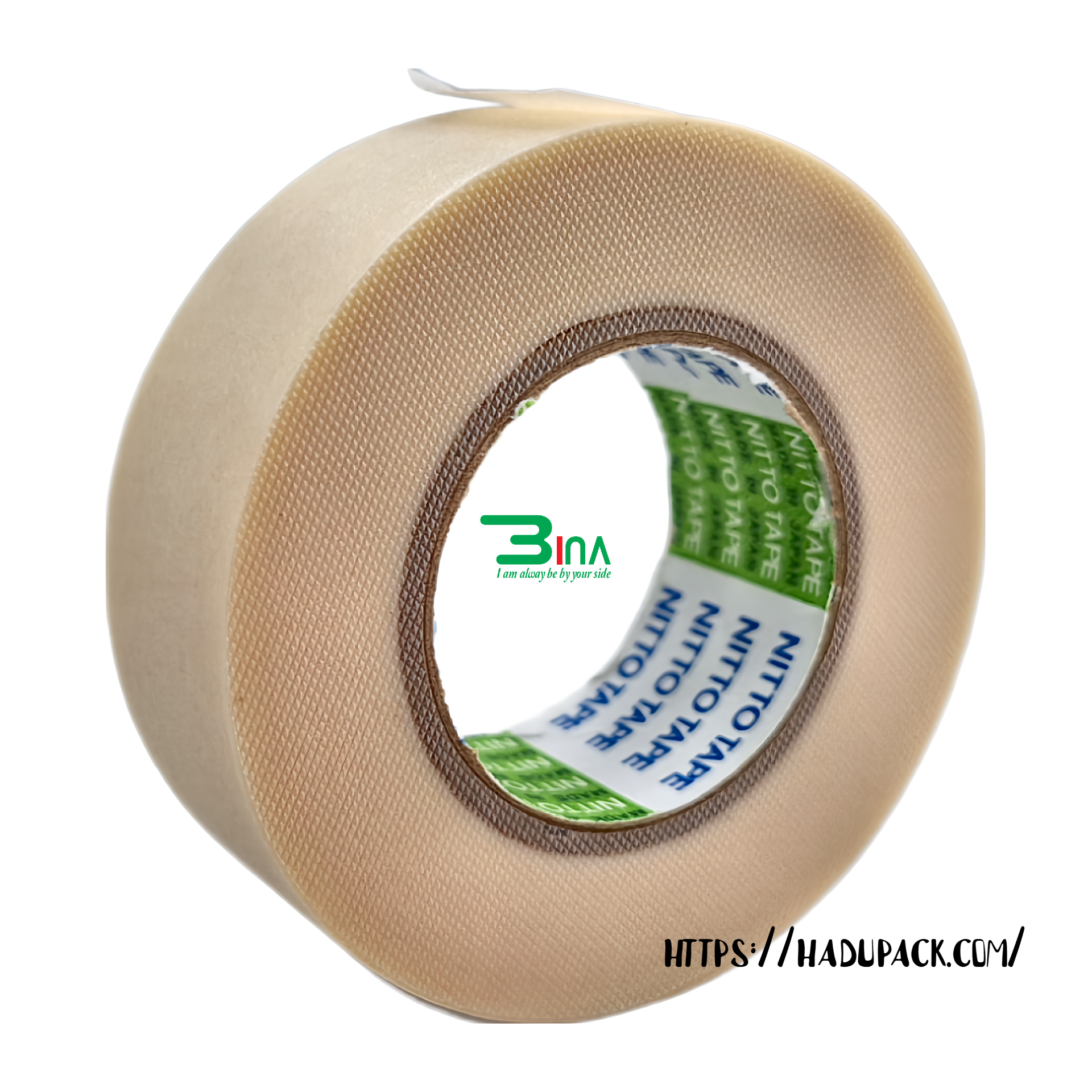
- Industrial Applications: PTFE tapes (Nitoflon) are used in high-temperature industrial environments and applications requiring self-lubricating properties.
◆ Learn More:
- 1.https://hadupack.com/san-pham/bang-dinh-2-mat-crown/
- 2.https://hadupack.com/san-pham/bang-rao-canh-bao/
- 3.https://hadupack.com/san-pham/bang-keo-che-phu/
 |
2. Main Product Types
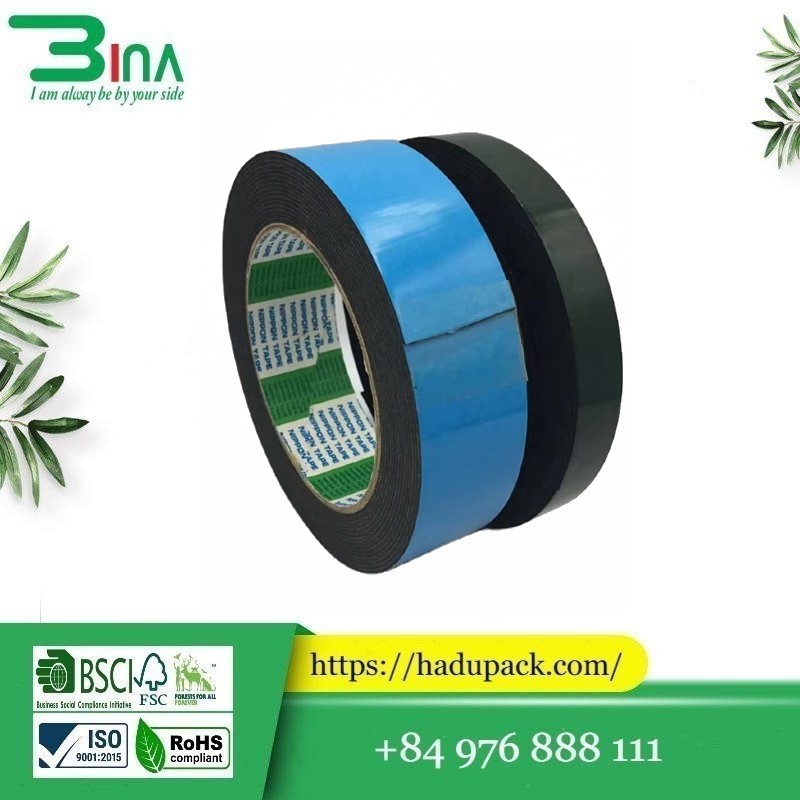
- Double-Sided Foam Tapes: Suitable for high-strength bonding applications, such as the Nitto 5790 series.
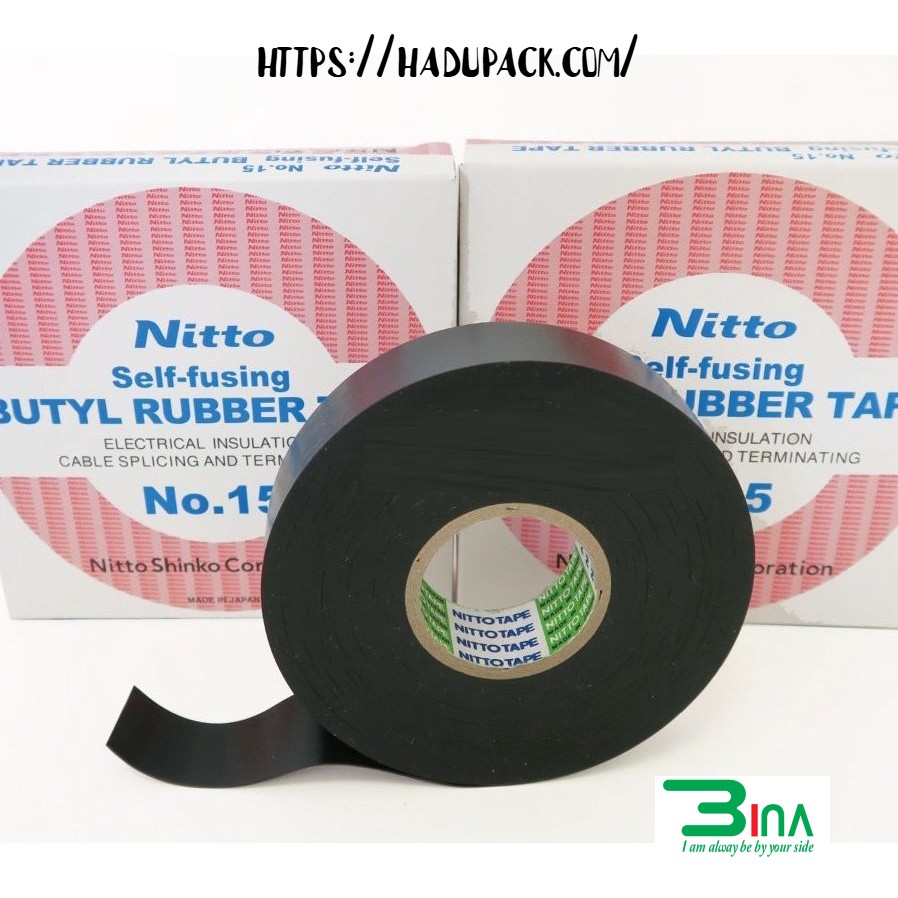
- Electrical Insulation Tapes: Specifically designed for electrical insulation applications and compliant with relevant IEC standards.
- Functional Films and Tapes: Include breathable, heat-resistant, and heat-releasable adhesive products, such as the REVALPHA series.
3. Technological Advantages
- Solvent-Free Technology: Manufactured using UV polymerization technology, offering a more environmentally friendly production process with low volatile organic compound (VOC) emissions.
- Specialized Adhesives: Provide high durability, excellent impact resistance, and superior bonding performance.
 |
Today, I’m Going to Talk About Something a Little Special: Nitto Tape.
Of course, I’m not talking about the ordinary transparent tape you see everywhere in schools (apparently, people have even come up with ways to roll it into tiny balls!). Instead, I’m referring to industrial adhesive tape.
Why Am I Talking About This?
Well, the main reason is that the screen of my rarely used tablet cracked the other day. I was thinking about finding an inexpensive replacement screen as a temporary solution. After all, it would be a waste to throw away the entire device just because of some minor damage.
So, I consulted a repair technician I know. He told me that if I didn’t want to replace the screen with an original one, I had two alternatives: a cheaper option costing 30,000 VND and a better-quality option priced at 50,000 VND.
 |
Curious, I Asked: What’s the Difference Between the Two?
Without even hesitating, the repair technician replied, “The better-quality screen uses Nitto-branded materials. It’s brighter, clearer, and won’t turn yellow over time! The cheaper one uses a generic brand, which may start to yellow after a year or two!”
For a moment, I was completely puzzled. I regularly analyze and take apart digital products, and I’m quite familiar with display manufacturers and suppliers, but I had never heard of a brand called “Nitto.”
Judging by the technician’s confident tone, however, it sounded like a major, well-known brand. So, when I got home, I decided to look up “Nitto.”
As it turned out, the brand he was referring to was Nitto Denko (hereinafter referred to as Nitto). In the display industry, Nitto primarily supplies industrial adhesive tapes and optical materials, such as polarizing films, rather than complete display assemblies.
After doing some further research, I discovered that the world of “industrial adhesive tapes” is actually a surprisingly interesting topic worth exploring.
Although these materials may seem insignificant, they play an essential role in our smartphones, computers, tablets, and even automobiles.
In fact, you could say that using the wrong adhesive tape can ruin the entire user experience! It’s like having “a grain of sand in your shoe”—a tiny detail that can cause a major inconvenience.
So, I’d like to share some of the information I’ve gathered. If you enjoy DIY projects or automotive modifications, you may find these insights useful when choosing the right adhesive tape.
 |
What Are the Different Types of Industrial Adhesive Tape?
When you think of industrial adhesive tape, the first thing that probably comes to mind is “electrical tape”—black, fabric-based tape mainly used for electrical insulation. When I was a child, whenever we needed to connect a light bulb or an electrical outlet, my father and grandfather would seriously take a roll of black electrical tape out of their toolbox and carefully wrap the neutral and live wires before we could turn the power back on.
That’s right, electrical tape is indeed a type of industrial adhesive tape. However, the traditional “black insulating tape” I mentioned has largely been replaced by more modern alternatives. Today, industrial adhesive tapes can generally be divided into three main categories: paper-based tapes, film-based tapes, and foam tapes. Let me briefly explain each of them below.
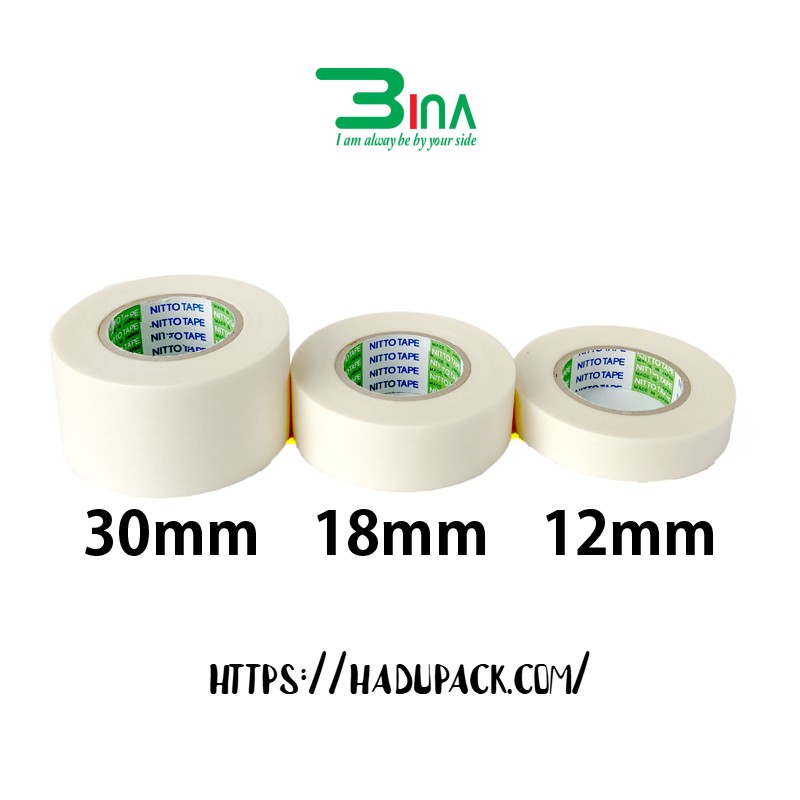
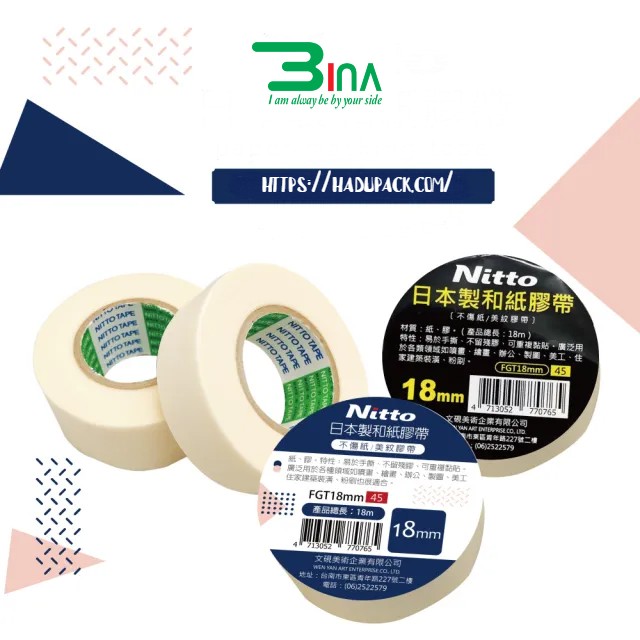
Paper-Based Tape: As the name suggests, paper-based tape uses paper as its backing material. The paper is coated with a pressure-sensitive adhesive or another type of adhesive to produce the finished tape.
Generally speaking, paper-based tapes are mainly used for packaging, sealing boxes, and bundling books. They are also sometimes used to temporarily secure small objects.
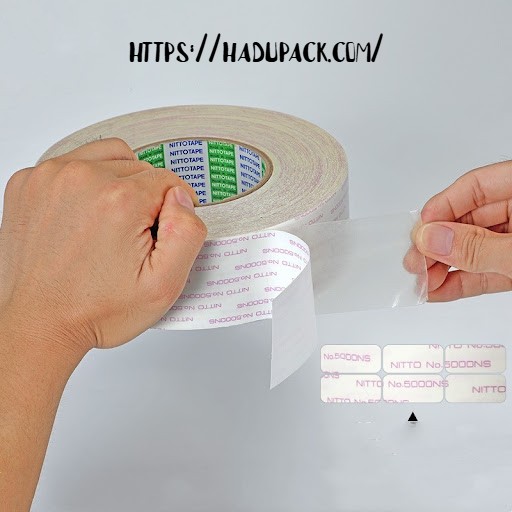
Nitto 5000NS High-Adhesion Double-Sided Tape is also used for label attachment. In warehouses, using paper-based tape for labeling and organizing goods can be extremely convenient.
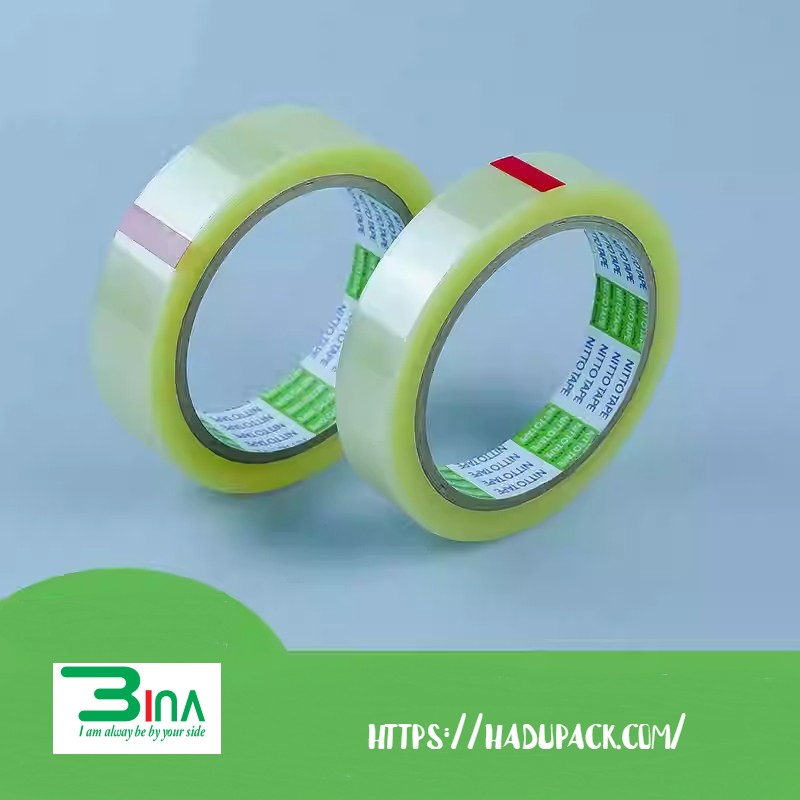
Film-Based Tape: Similarly, film-based tape uses a polymer film as its backing material, including polypropylene (PP), polyester (PET), and polyvinyl chloride (PVC).
The optically clear adhesive tape I mentioned earlier uses PET as its backing material, while the “new generation of electrical tape” that has replaced traditional black insulating tape uses polyvinyl chloride (PVC) film.
As a result, film-based tapes are among the most widely used types of industrial adhesive tape.
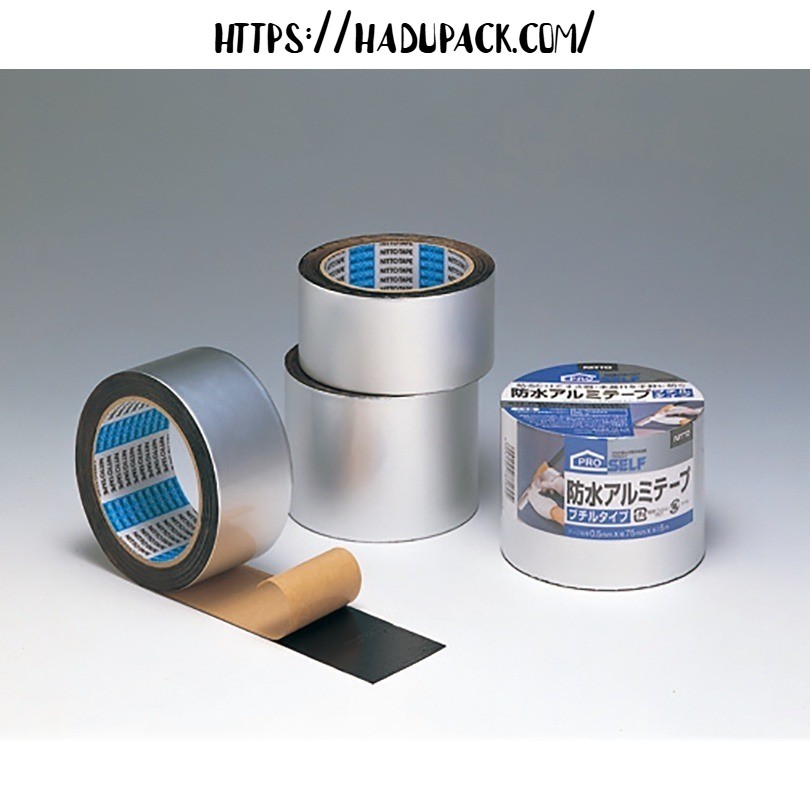
Nitto P-421 NAT Film Tape: This tape demonstrates the versatility of film-based adhesive products, which can perform a wide range of functions, including surface protection, securing components, bonding, waterproofing, electrical insulation, and sealing.
Foam Tape: I guess everyone can already guess the answer! That’s right, the backing material of foam tape is foam, which is mainly made from EVA (ethylene-vinyl acetate copolymer) or PE (polyethylene). After applying a pressure-sensitive adhesive to one or both sides, the tape is covered with a protective release liner. To use it, simply peel off the liner.
Thanks to its greater thickness, cushioning properties, and flexibility, foam tape is primarily used for sealing and shock absorption, making it one of the most effective cushioning solutions among industrial adhesive tapes. It is particularly essential for soundproofing and sealing strips used in automotive doors and windows.
These are essentially some of the most important types of industrial adhesive tapes. When purchasing industrial tape, we mainly need to pay attention to two factors: the strength of the backing material and the performance of the adhesive. The former determines the tape’s overall durability, while the latter determines whether the adhesive bond will fail prematurely and how long it will maintain its effectiveness.
Of course, since most of us are not particularly familiar with industrial adhesive tapes themselves, understanding the various supporting materials and technical specifications can be even more confusing.
But don’t worry! There’s a simple solution: choose adhesive tapes from reputable brands.
For example, Nitto, the brand mentioned by the repair technician earlier.
 |
Why Can You Confidently Choose Nitto Industrial Adhesive Tapes?
Nitto primarily focuses on products and materials used in the electronics, semiconductor, and automotive industries, particularly specialized components and supporting materials.
However, the company’s technology in the field of industrial adhesive tapes is also highly advanced. For example, in the optical materials sector, Nitto previously received the “Display Component of the Year” award from the Society for Information Display (SID) for its “Ultra-Thin Polarizing Film.” The company also received the Prime Minister’s Prize at Japan’s National Invention Awards for its innovative manufacturing method for ultra-thin polarizing films. These achievements demonstrate Nitto’s significant contributions to technological innovation, scientific advancement, and industrial development.
Furthermore, Nitto possesses extensive technological expertise in various other aspects of industrial adhesive tapes.
For instance, when it comes to adhesives—an essential component of adhesive tapes—Nitto has developed a wide range of high-performance adhesive formulations tailored to different applications.
For applications requiring strong adhesion, such as electronic device assembly, Nitto offers adhesive tapes that ensure secure bonding and reliable fixation, even when subjected to external forces. For temporary applications where components need to be removed later, Nitto also provides adhesives with adjustable bonding strength, allowing for clean removal without leaving adhesive residue.
In addition, Nitto’s adhesive formulations demonstrate excellent bonding performance across various materials, including metals, plastics, glass, and ceramics, ensuring both reliability and long-term durability.
Regarding one of the major environmental concerns associated with industrial adhesive tapes—volatile organic compound (VOC) emissions—Nitto employs solvent-free adhesive tape manufacturing technology based on ultraviolet (UV) polymerization.
This approach differs significantly from conventional adhesive tape manufacturing processes that rely on organic solvents. Instead of using organic solvents, liquid raw materials that form the adhesive are applied to the surface of the backing material and then exposed to ultraviolet (UV) light to initiate polymerization.
As a result, this manufacturing process can significantly reduce VOC emissions, helping minimize environmental impact and making the finished adhesive tapes more environmentally friendly.
Nitto also continuously incorporates technological innovations to enhance the functionality and performance of its adhesive tapes.
For example, specially designed tapes with properties such as high-temperature resistance, low-temperature resistance, and chemical corrosion resistance are developed to withstand a variety of demanding operating environments.
Additionally, specialized adhesive tapes featuring electrical conductivity, thermal conductivity, and electrical insulation provide tailored solutions to meet the specific requirements of the electronics, electrical engineering, and other industrial sectors.
 |
Which Nitto Industrial Adhesive Tapes Are Worth Choosing?
To be honest, when it comes to the three main types of industrial adhesive tapes I mentioned earlier—paper-based tapes, film-based tapes, and foam tapes—as long as they are manufactured by Nitto and carry the genuine “Nitto” logo, you can generally choose them with confidence, provided they meet your specific application requirements.
As for some of Nitto’s well-known industrial adhesive tape products, I’d like to briefly introduce their ultra-thin adhesive tape and newly developed oil-resistant double-sided tape, mainly because I’ve recently used both of them myself.
Nitto No. 5612 Ultra-Thin Double-Sided Polyester Adhesive Tape: As the name suggests, its most distinctive feature is its extremely thin profile.
This tape is primarily used in electronic devices designed to be increasingly lightweight and compact, such as smartphones, tablets, and laptops.
As smartphone components become smaller and thinner, an important question arises: How can we securely bond these components while minimizing the additional weight and thickness of the adhesive materials used to hold them in place?
 |
This is where “ultra-thin adhesive tape” comes into play. Nitto has developed this type of tape with a thickness of just 0.005 mm, making it virtually weightless. It is used to secure batteries to device housings, flexible cables and motherboards, camera modules, wireless network cards, and almost any other internal component. This helps maximize the use of limited internal space while ensuring the long-term reliability and durability of electronic devices.
Nitto’s development of ultra-thin adhesive tape represents an advanced technological achievement. It uses high-quality polyester film as its backing material, offering excellent strength, uniform thickness, and dimensional stability. High-precision coating technology ensures that the adhesive is evenly applied to the backing material. Precise control over the tape’s thickness not only provides strong adhesion but also delivers high transparency and excellent heat resistance, meeting a wide range of application requirements.
As for oil-resistant double-sided adhesive tape, the term may sound somewhat technical. However, if I mention adhesive patches used for Holter monitors or continuous glucose monitoring (CGM) devices, you’ll probably understand what I mean. These applications require adhesives that provide reliable bonding while resisting the effects of natural oils on human skin.
Beyond medical applications, oil-resistant double-sided adhesive tapes are commonly used in wearable electronic devices such as smartwatches and fitness trackers. They are specifically designed to bond sensors to circuit boards, secure batteries to device housings, and attach various small internal components. Since these devices frequently come into contact with human skin and skin oils, the tape’s oil-resistant properties are essential for maintaining reliable adhesion during prolonged use, ensuring proper device performance and extending its service life.
The most outstanding advantage of Nitto’s new oil-resistant double-sided adhesive tape is its ability to maintain stable adhesion and bonding strength even when exposed to oils and greasy substances. It retains strong adhesive performance even after exposure to fatty acids, alcohol, detergents, and cosmetics. For example, it can reportedly retain up to 99% of its adhesive strength after exposure to alcohol and detergents. This helps minimize the effects of sweat, perfume, cosmetics, and other chemicals encountered in everyday life, ensuring reliable bonding performance across various applications.
By the way, this reminds me of another Nitto product with some impressive “high-tech” features—REVALPHA Heat-Releasable Adhesive Film.
Its most remarkable feature is its ability to change its adhesive properties at different temperatures.
At room temperature, it provides adhesion comparable to conventional adhesive films, offering strong initial bonding to a variety of materials, including metals, plastics, glass, and ceramics. However, when heated to a specific temperature, its adhesive strength rapidly decreases, allowing the film to be easily and completely removed from the bonded surface without leaving adhesive residue. This keeps the surface clean and undamaged. Pretty amazing, isn’t it?
This unique characteristic makes Nitto REVALPHA Heat-Releasable Adhesive Tape a preferred solution for certain applications in the electronic component manufacturing industry.
After all, during electronic component assembly and processing, various components sometimes need to be temporarily secured for subsequent operations, such as soldering. However, once these processes are completed, the adhesive must be removed without leaving stains or residue that could interfere with the components’ future performance.
This is particularly important for miniaturized, high-precision electronic components, such as microchips and sensors, which require accurate positioning and materials that can “bond securely and be removed without leaving a trace.”
Nitto REVALPHA Heat-Releasable Adhesive Tape is undoubtedly an excellent choice for these demanding applications.
A Few Final Thoughts
By now, you probably have a better understanding of the importance and technological sophistication of industrial adhesive tapes. Although they may seem like minor “supporting materials,” their impact on long-term product performance and even our health can be quite significant.
Personally, I believe that if you need to purchase industrial adhesive tapes for DIY projects, repairs, or modifications, choosing high-quality products is essential. Nitto, the brand I’ve discussed throughout this article, is highly regarded for its advanced technology, reliable performance, and product quality.
In conclusion, Nitto Tape is much more than an ordinary adhesive material. It is a high-tech industrial consumable that plays a vital role in precision assembly, component bonding, and surface protection in modern manufacturing.