


What is a white plastic slip sheet?
A white plastic slip sheet refers to a white plastic sliding mat, commonly used to describe plastic slip sheets (also called liners) or plastic anti-slip mats. Their specific meaning depends on the use case:
 |
1. Packaging for goods transportation and warehousing:
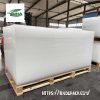
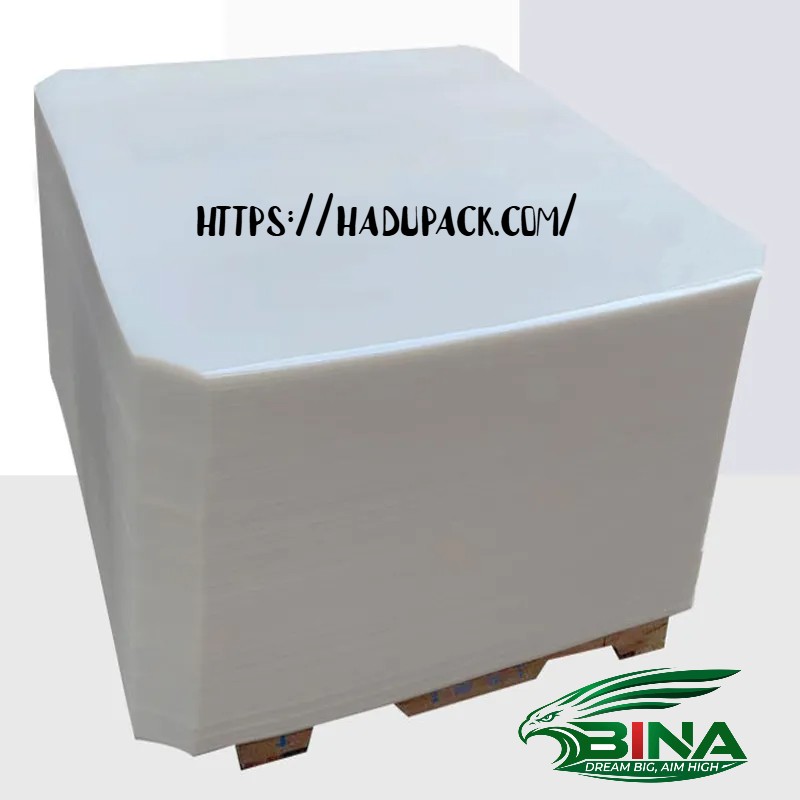
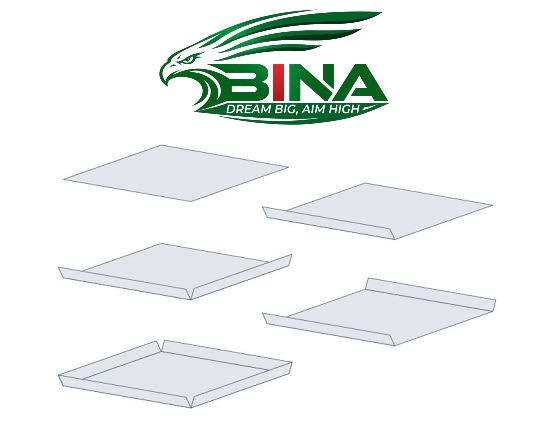
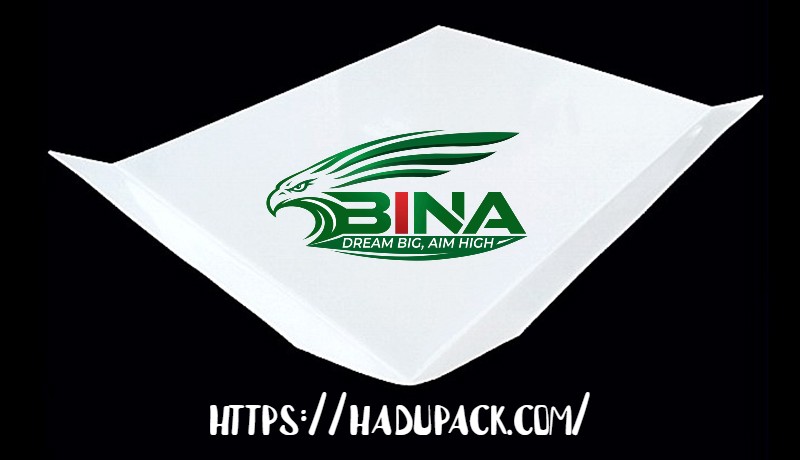
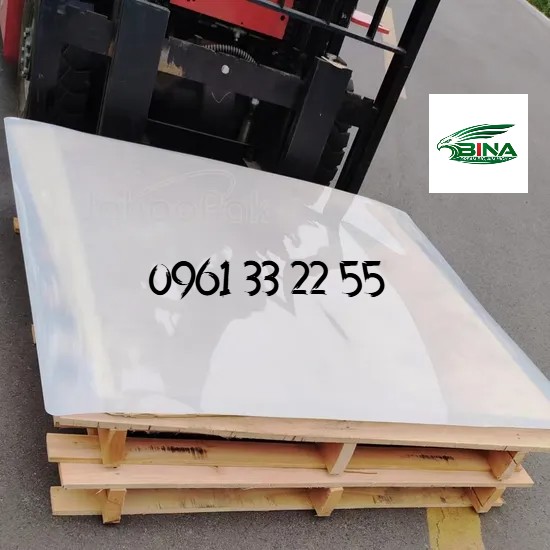
What is a slip sheet? It is an ultra-thin flat sheet made of plastic such as high-density polyethylene (HDPE). It has “tabs” (pulling edges) protruding from one or both sides.
- How to use it: It completely replaces traditional wooden pallets. After the goods are stacked on this plastic slip sheet, a push-pull mechanism (push-pull device) clamps onto the edge of the slip sheet, “pulling” the goods together with the slip sheet onto the transport vehicle or “pushing” them into the container.
- Advantages: Its thickness is usually only 1 mm to 3 mm, significantly saving transportation space. It is waterproof, abrasion-resistant, tear-resistant and can be reused many times.
 |
2. Anti-slip solutions for the home and everyday use:
What is an anti-slip mat? It is a mesh or striped sheet made of soft plastic (such as PVC foam or silicone). It usually has a perforated design.
- How to use it: It is mainly used in bathrooms, kitchens, under rugs, or inside drawers. It increases friction to prevent slipping or objects from shifting.
- Advantages: Waterproof, easy to clean, and mold-resistant.
 |
3. Electronics and mechanical engineering industry:
- What is an insulating/cushioning sheet: A rigid or semi-rigid, pure white plastic sheet (such as PP, PE, or Teflon).
- How it is used: It is used inside electronic products or mechanical components to provide electrical insulation, reduce vibration, or prevent direct friction between components.
 |
White plastic slip sheet production process
White plastic slip sheets are primarily made from virgin high-density polyethylene (HDPE). They are manufactured by extrusion or injection molding after melting and heating. Manufacturers apply a special anti-slip treatment to the surface and fold the edges for easy handling by the push-pull attachment of a forklift. They are lightweight but can withstand loads of 1 to 2.5 tons. The production process mainly includes the following steps:
- Raw material formulation: HDPE resin pellets are mixed with white colorant, anti-slip agent and hardener. Virgin raw materials ensure the slip sheet has high strength and toughness.
- Melt extrusion (or injection molding): The raw materials are melted in a heating barrel at a temperature of approximately 250°C. The molten plastic is injected into a mold under pressure, forming a flat sheet structure.
- Surface treatment: A special anti-slip coating is applied or co-extruded onto the surface of the slip sheet. This prevents goods from slipping during transportation.
- Folding: Depending on the requirements, a heated bending machine is used to fold one or more edges of the slip sheet upward by 90° for easy handling by the push-pull attachment of a forklift.
- Cooling and forming: After cooling and forming, the plastic sheet is cut, trimmed, inspected and packaged.
 |
Instructions for using white plastic slip sheets
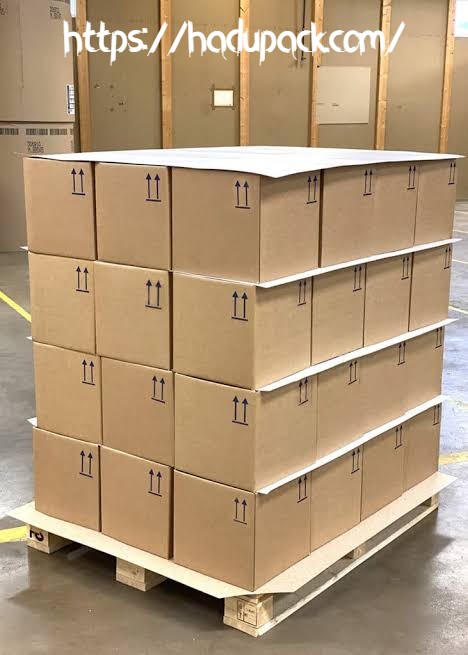
Thin, flat, and durable white plastic sheets are used as a replacement for wooden pallets. They help save space and costs during transportation. To use them, align your products on the sheet, secure the goods with stretch wrap and move the entire load using a forklift equipped with a “push-pull” attachment.
- Loading products place the slip sheet on a flat, clean surface. Arrange your boxes or bags neatly on the plastic sheet. Do not let products extend beyond the edge of the slip sheet. Leave at least one plastic edge (or tab) protruding. This edge will be used to grip the slip sheet.
Securing the goods plastic can be slippery. Tightly wrap the stacked boxes with stretch wrap. The wrap must hold the products firmly against the slip sheet so they do not slide off during movement. - Moving and lifting you need a specialized forklift attachment called a push-pull attachment. The push-pull attachment has flat metal plates (platens) and a clamp. The forklift operator aligns the platens with the slip sheet. The clamp grips the extended edge of the slip sheet. The attachment pulls the entire load onto the flat metal plates for lifting.
- Best practices proper storage: Keep spare plastic slip sheets flat in a dry, shaded place. Do not bend them. Weight limit: Check the maximum allowable weight specified by the manufacturer of your slip sheet. Do not overload.