


What is fabric interfacing?
In the Vietnamese garment industry, fabric interfacing is a key element in maintaining the shape of garments. Like the “skeleton” of a garment, it is fixed to the inside of the fabric by heat pressing or sewing, helping areas such as collars, cuffs, and plackets stay smooth, preventing wrinkles and giving the garment a more premium appearance. To help you quickly understand its types and applications, below are the common classifications used in Vietnamese garment factories:
 |
◆Learn more:
- https://hadupack.com/san-pham/vai-chong-tinh-dien-phong-sach/
- https://hadupack.com/san-pham/vai-khong-det/
Main types of fabric interlining:
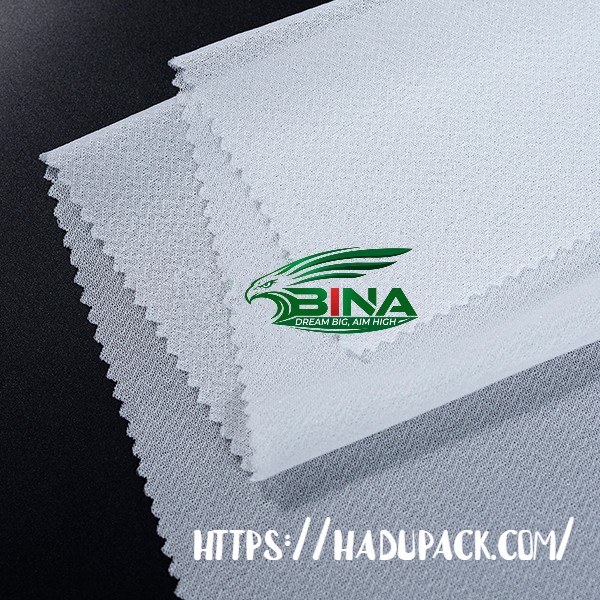
- Heat-adhesive interlining: Has a layer of heat-activated adhesive on the underside. After being heated with an iron, it bonds firmly to the fabric. This is the most commonly used type in modern ready-to-wear garments.
- Non-woven interlining: Inexpensive, with a paper-like feel. Often used in areas that need quick shaping, such as the edges of suit pockets and the inside of waistbands.
- Woven interlining: Made using a weaving process, giving it a softer feel. Mainly used in high-end suits and jackets, providing natural structure.
- Horsehair interlining/wool interlining: A traditional high-end type of firm interlining. Mainly used in the chest area of bespoke suits, it has high elasticity and creates a very beautiful three-dimensional shape.
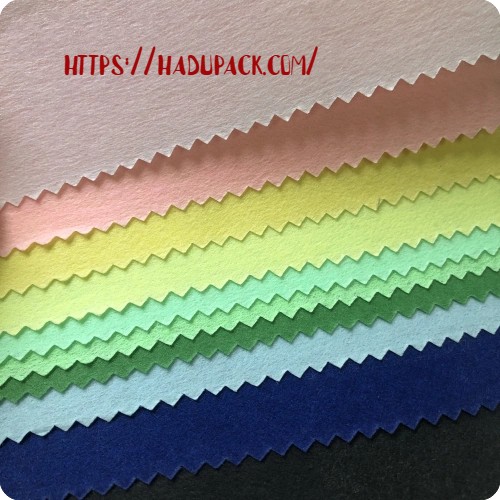 |
Main application areas of fabric and paper interlinings:
- Shirt collars: Use a stiff plastic interlining to ensure the collar stands upright and does not sag.
- Cuffs and plackets: Increase the thickness around the button area to prevent deformation when fastening buttons.
- Suit collars and lapels: Create perfect curves for a refined and stylish appearance.
- Skirt and trouser waistbands: Prevent the waist from rolling and keep the waistline stable. Production example: If the outer fabric is considered the “skin”, then the interlining is the “muscles and bones”. Without interlining, clothing will become loose and wrinkled after a few wears; with the right interlining, clothing can retain its original “perfect condition”.
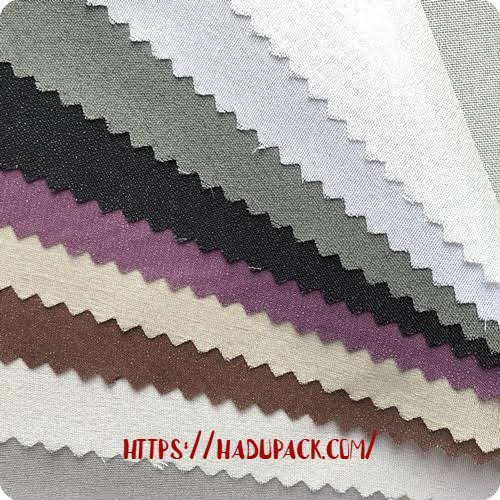 |
Production process for fusible interlining
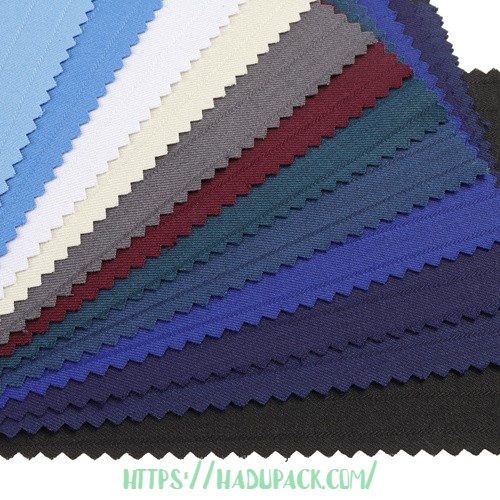
The production of clothing interlining mainly consists of three steps: making the base fabric, finishing and shrinkage control, and applying hot-melt adhesive. This process makes garments more structured, helps them retain their shape, and increases durability. The three main steps in interlining production:
- 1. Making the base fabric: Fibers are woven, knitted, or thermally bonded to create the base fabric. This is the basic framework of the interlining.
- 2. Finishing and shrinkage control: The base fabric undergoes high-temperature treatment and other processes to prevent deformation and shrinkage during washing or use.
- 3. Applying hot-melt adhesive: A high-molecular-weight adhesive (hot-melt adhesive) that melts when heated is evenly applied to the surface of the base fabric.
 |
Fabric construction
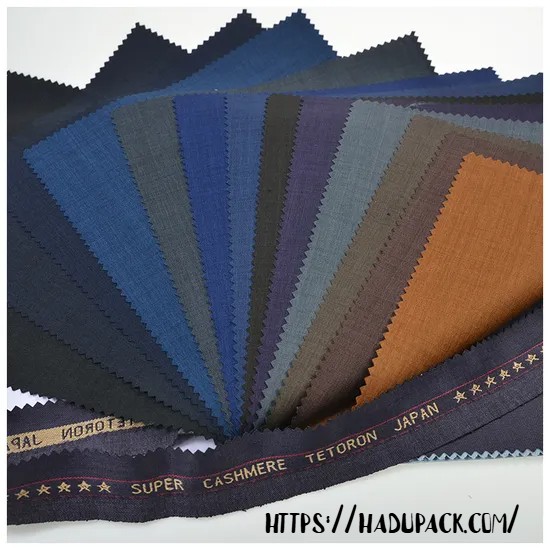
Fabric structure refers to the arrangement of fibers that make up a flat, flexible material. It is classified into three main types based on the manufacturing method:
Woven fabric: Created by interlacing two sets of fibers perpendicular to each other (warp and weft).
Common weaving patterns include:
- Plain weave: The fibers cross over and under each other, like a checkerboard. It is strong and used for items such as bed sheets.
- Twill weave: The fibers pass over multiple other fibers to form diagonal lines. It is durable and used for jeans.
- Knitted fabric: Created by looping continuous yarns together (like a sweater). This produces stretchy fabric.
- Nonwoven fabric: Created by bonding fibers together using heat or adhesive (like felt). In architecture, fabric structures are tension-bearing building systems in which a fabric membrane is stretched over a metal frame or cable frame. They are lightweight, translucent, and commonly used for stadiums, tents, and warehouses.
 |
Why is a fabric interfacing layer needed?
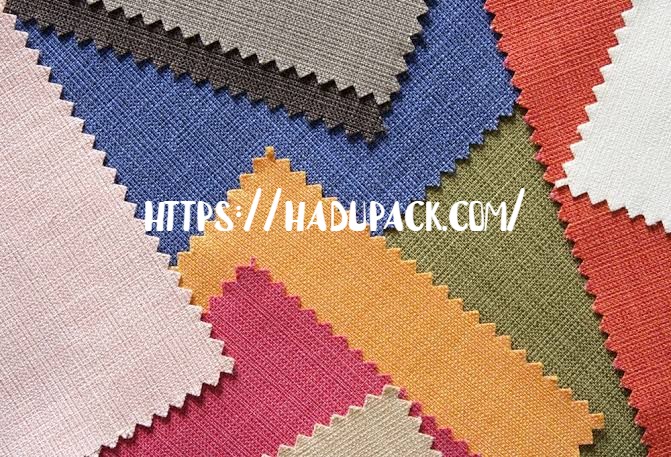
- Increase structure: Used in areas such as collars and cuffs, it prevents garments from collapsing and helps them retain their shape.
- Maintain shape: Prevents garments from stretching and deforming during daily wear and removal.
Increase durability: Increases the thickness of high-stress areas of the garment, extending its lifespan.
 |
Storing fusible interfacing
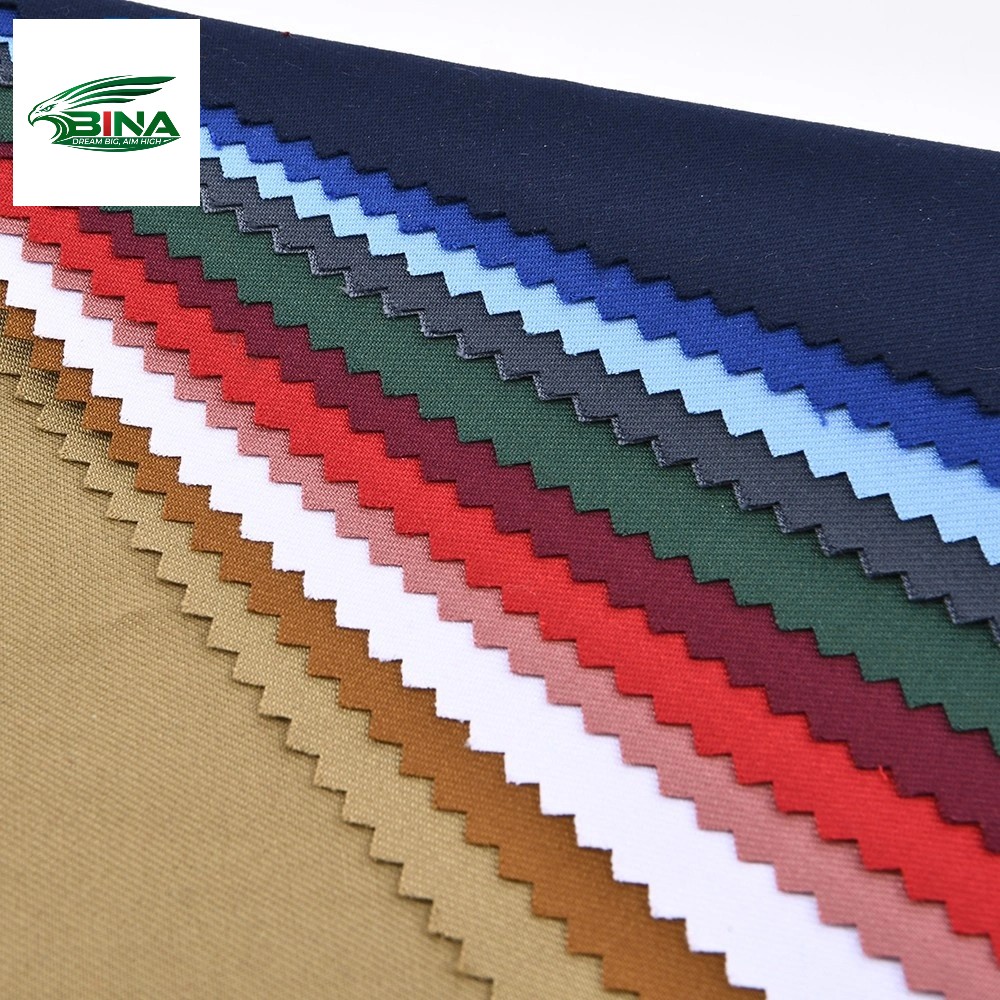
To store interfacing, keep it flat or loosely rolled in a dark, dry place. Avoid folding, as this will cause permanent creases. When sewing, use a cotton cloth as a pressing cloth and an iron on a low to medium temperature, without steam. This helps maintain its shape without damaging the adhesive. Follow these simple rules for the best results:
 |
1. Store and care for rolled fabric:
Store your fabric in long rolls instead of folding it. This prevents the delicate fibers from breaking along the folds.
- Keep dry: Keep the fabric away from damp places to prevent mold from growing.
- Keep cool: Keep the fabric away from strong direct sunlight to prevent fading.
2. Pre-shrink the lining fabric:
- Most lining fabrics are made from natural fibers such as cotton. Wash and dry it the same way you would wash the finished product so that the fabric does not shrink later.
- Test first: Always iron a small piece of the main fabric and lining together first. This ensures they bond well without bubbling.
 |
3. Ủi và ép không dùng hơi nước:
Hơi nước có thể làm hỏng keo trên vải lót ép (vải lót), sử dụng bàn ủi khô.
- Bảo vệ bàn ủi của bạn: Luôn sử dụng một miếng vải mỏng giữa bàn ủi và vải. Điều này sẽ hứng bất kỳ keo nào bị chảy ra.
- Ấn, không trượt: Giữ bàn ủi chắc chắn ở một chỗ trong vài giây. Không đẩy và trượt bàn ủi, nếu không lớp lót có thể bị xê dịch
4. Giặt và làm sạch
- Sử dụng nước lạnh: Giặt các sản phẩm đã hoàn thành của bạn bằng nước lạnh ở chế độ giặt nhẹ.
- Lộn trái: Luôn lộn trái quần áo để bảo vệ lớp lót khỏi bị cọ xát với máy giặt.
- Bỏ qua máy sấy: Phơi khô quần áo bằng cách trải phẳng nếu có thể. Nhiệt độ cao từ máy sấy có thể làm chảy keo theo thời gian.