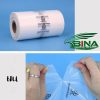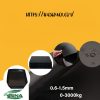



What is PE mold-resistant film?
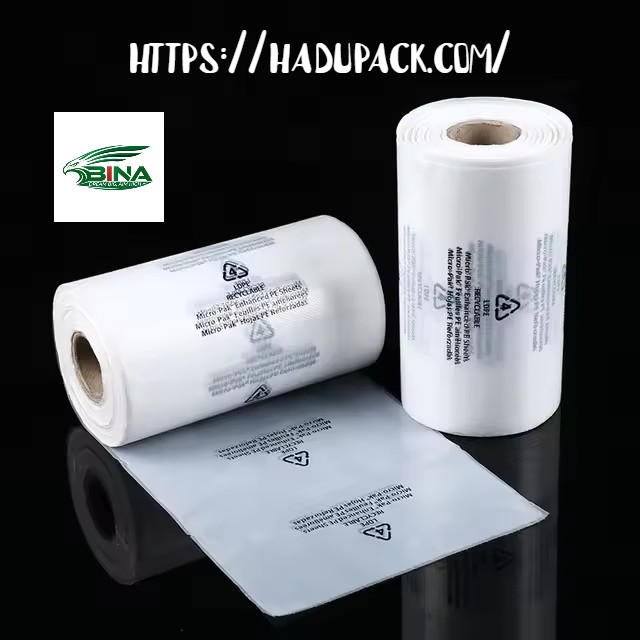
PE mold-resistant film is a functional packaging material made by adding long-lasting mold inhibitors or antibacterial additives (such as silver ions, zinc oxide, etc.) to polyethylene (PE) raw materials and then processing them through blow molding or casting. It creates a microenvironment inside the packaging that continuously inhibits the growth of mold and bacteria, while retaining the water resistance, moisture resistance, and high transparency of traditional PE film. It is widely recognized as one of the best materials for food contact.
 |
◆Learn more:
Its core characteristics and applications include the following aspects:
- Operating principle: By adding mold-resistant/antibacterial components to the film, the mold-resistant agents are slowly released, destroying the cell walls of microorganisms or interfering with their metabolism and reproduction, thereby achieving long-term protection.
- Application areas: Widely used in food packaging (for preserving fruits and vegetables, cooked foods, and pastries), precision hardware (to prevent oxidation and rusting of metals), and textile, clothing, and footwear packaging to prevent moisture and mold growth during storage and transportation.
- Environmental protection and safety: High-quality mold-resistant PE film primarily uses food-safe formulations, complies with international environmental standards such as REACH and RoHS, and contains no toxic chemicals.
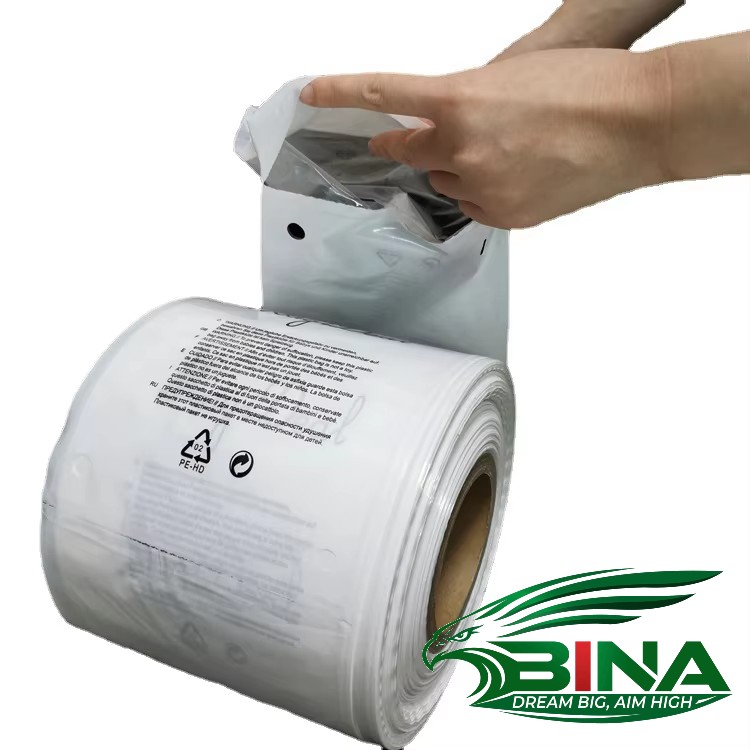
- Thickness and customization: Common thicknesses on the market range from 0.03 mm to 0.15 mm. Bag shapes, single-sided or double-sided adhesive, or special properties such as anti-fogging and breathability can be customized according to customer needs.
 |
PE mold-resistant film production process:
PE mold-resistant film is mainly produced through blown extrusion or casting methods. The core of the process lies in mixing and melting polyethylene (PE) resin with a highly effective mold-resistant/antibacterial compound, followed by extrusion, cooling, and rewinding. This process gives the film excellent physical properties and long-lasting mold resistance and antibacterial performance.
I. Core production process
- Main raw material: Select high-quality low-density polyethylene (LDPE) or linear low-density polyethylene (LLDPE).
- Additives: PE resin is mixed with a specialized mold-resistant and antibacterial compound (usually containing inorganic silver ions, copper ions, or synthetic organic mold-resistant agents) at a specific ratio.
- Mixing: Use a high-speed mixer to stir evenly, ensuring that the mold-resistant components are fully dispersed in the resin.
- Melt extrusion: The uniformly mixed raw materials are fed into the extruder and heated until molten (the temperature is usually controlled between 160℃ and 210℃). The screw rotates, pushing the melt forward, removing impurities through the filter screen, and then entering the die.
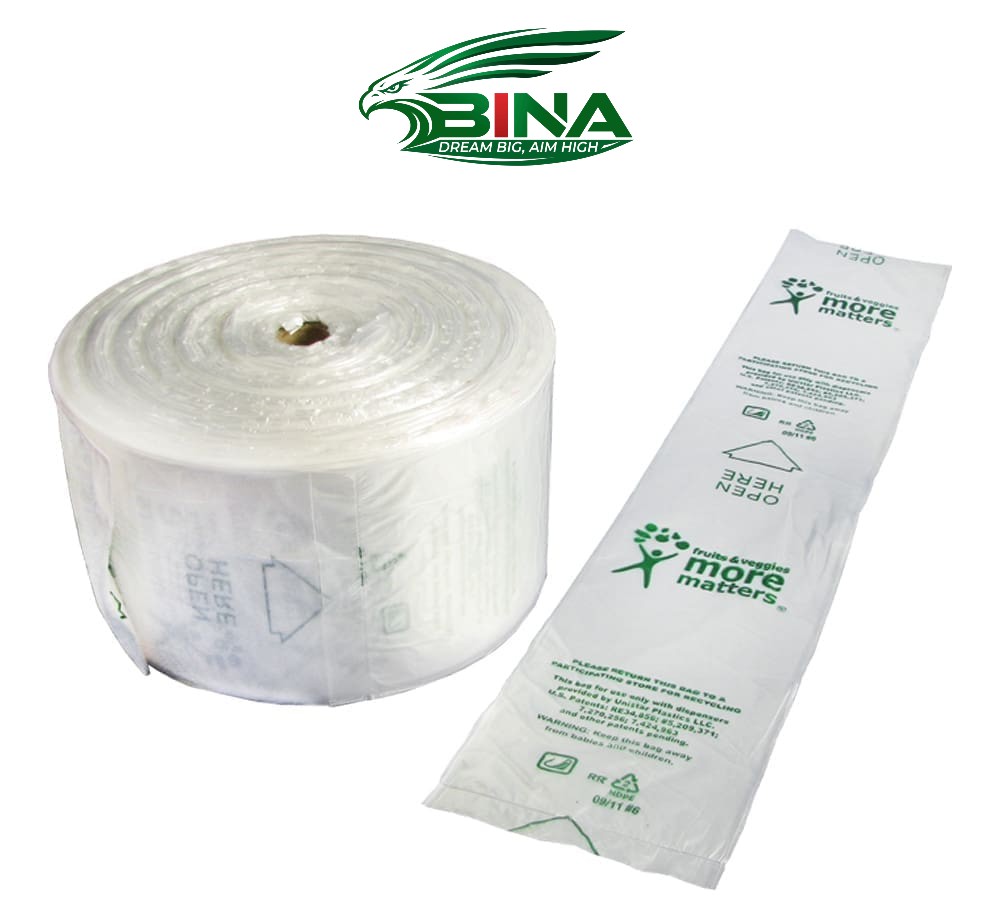
- Forming and blowing: The molten material is extruded from an annular die to form a tubular parison. Compressed air is then introduced through the center of the die head to inflate the tubular parison to the specified diameter. After cooling and forming, the inflated film is cooled by a cooling air ring to allow it to crystallize and solidify. Next, the film is pulled and wound by folding it in a herringbone pattern, stretching it with draw rollers, and finally winding it into a large film roll using a winding machine.
 |
II. Key technological points:
- Heat resistance of the mold inhibitor: Due to the high processing temperature, it is necessary to select a mold inhibitor that can withstand high temperatures, does not decompose, and does not volatilize to ensure that the finished film has long-lasting antibacterial effects.
- Dispersion uniformity: Uneven dispersion of mold inhibitor particles may lead to “pinholes” or localized mold inhibition defects on the film surface, affecting the overall level of mold inhibition (the required mold inhibition level is 0-1).
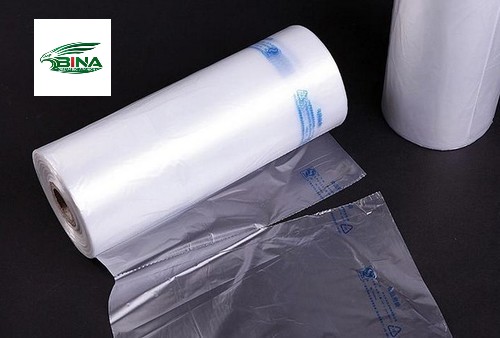
- Multilayer extrusion technology: Multilayer extrusion blown film machines are commonly used. For example, a three-layer structure (A/B/C) can add an antiblocking agent to the outer layer and a high-concentration mold inhibitor to the inner layer (the surface in contact with the object), ensuring both mold inhibition effectiveness and cost reduction.
- Thickness tolerance control: By adjusting the die gap and draw speed, uniform thickness of the mold-inhibiting film is ensured.
 |
Instructions for using PE anti-mold film
When using PE anti-mold film sheets, ensure that the products are completely dry and clean before packaging. Wear gloves to avoid contamination from hand sweat. After placing the products into the film bag, use anti-mold paper or sheets and quickly remove excess air before sealing. Avoid storing in high-temperature or high-humidity environments. The correct operating steps are as follows:
- Cleaning preparation: Before packaging, ensure that the products (such as footwear, clothing, handbags, precision parts, etc.) are clean, dust-free, and completely dry. It is recommended to wear gloves to prevent skin flakes or hand sweat from entering the packaging, creating conditions for mold growth.
- Place the anti-mold product: An appropriate amount of anti-mold paper or sheets should be placed inside the sealed PE anti-mold film/bag at the same time (the specific amount depends on the packaging volume). The anti-mold paper/sheet will slowly release anti-mold agents into the enclosed space, killing and inhibiting mold growth.
- Remove air and seal: When packaging the product, expel as much excess air from the bag as possible before heat-sealing or tying it tightly. The less air there is, the higher the concentration of anti-mold agent and the better the protective effect.
- Store in a suitable environment: Avoid exposing PE anti-mold film to high temperatures or direct sunlight, as this will accelerate film aging and reduce the effectiveness of the anti-mold agent. Packaged products should be stored in a dry, well-ventilated warehouse.
- Size selection: Choose an appropriate film thickness based on the volume and weight of the packaged product to avoid material waste or damage caused by excessive thinness.
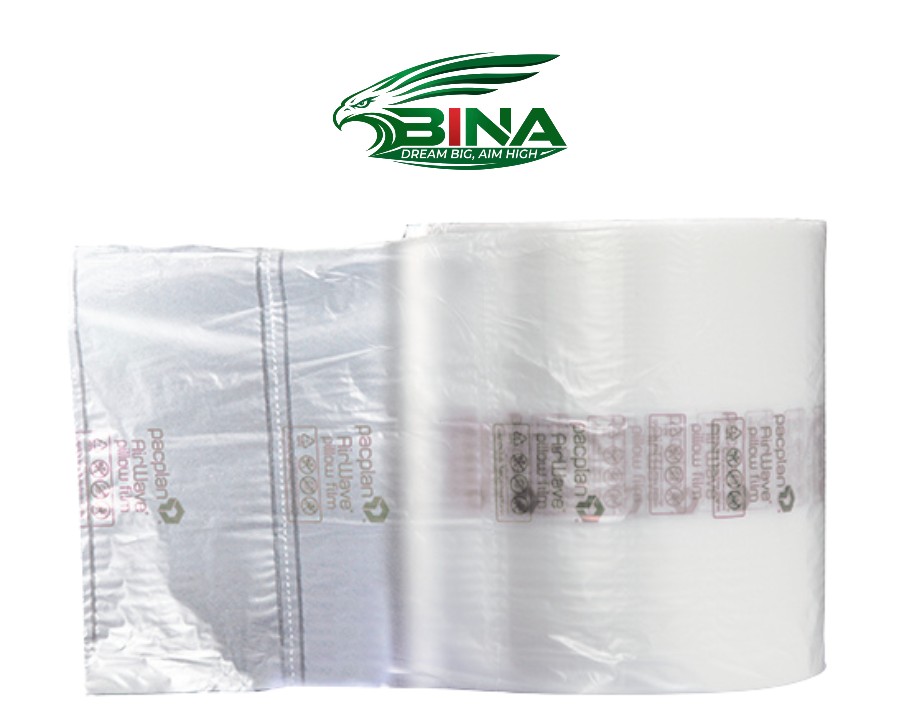 |
PE Mold-Resistant Film Storage Tips
PE mold-resistant film contains slow-release mold inhibitors and needs to be stored properly to prevent evaporation of the mold inhibitor and aging of the film. The main storage methods include: keeping it in a dry, cool, well-ventilated place, sealing the packaging tightly, stacking vertically, and using the first-in, first-out (FIFO) principle. Unused film must be immediately placed back into its original packaging or completely sealed in a plastic bag to prevent air from entering and stored in a dry, cool, dark indoor place.
- Control of storage environment temperature: The optimal storage temperature is between 5°C and 30°C. Avoid placing the film under direct sunlight at high temperatures or near heat sources, otherwise this will accelerate aging and soften the PE film or cause excessive evaporation of the mold inhibitor.
- Humidity control: The ideal humidity should be maintained between 40% and 60%RH. Excessive humidity may cause the film to absorb moisture and deteriorate, while excessively dry conditions can easily generate static electricity.
- Sealing and packaging requirements: Initial sealing is essential. PE mold-resistant film (bags) is prone to evaporation. Only use the amount needed. Any remaining unused portion must be tightly sealed in the original packaging bag or with food wrap to prevent the mold inhibitor from evaporating and losing its effectiveness.
- Safe storage: Avoid direct sunlight and ultraviolet rays. Strong light can make the film material brittle. Storage in a dark place is best.
Proper stacking and placement: Vertical storage is recommended. Film rolls should be hung or placed upright to avoid laying them horizontally and subjecting them to heavy pressure, which can cause dents or sticking along the edges. - Avoid scratches: Do not stack with sharp or hard objects to prevent punctures or scratches.
- Shelf-life management: The shelf life of PE mold-resistant film is generally about one year under normal temperature conditions and when tightly sealed (depending on the manufacturer’s formulation). It is recommended to follow the “first in, first out” principle, prioritizing older inventory to ensure mold-resistant effectiveness.
If you would like to learn more about the customized solutions of BiNa Vietnam Joint Stock Company, please let me know: What items do you plan to use the mold-resistant film to package or protect (for example: food preservation, mold prevention for leather, moisture protection for precision electronic equipment)? What film thickness and estimated production capacity do you require?