


Description
What is Kraft paper?
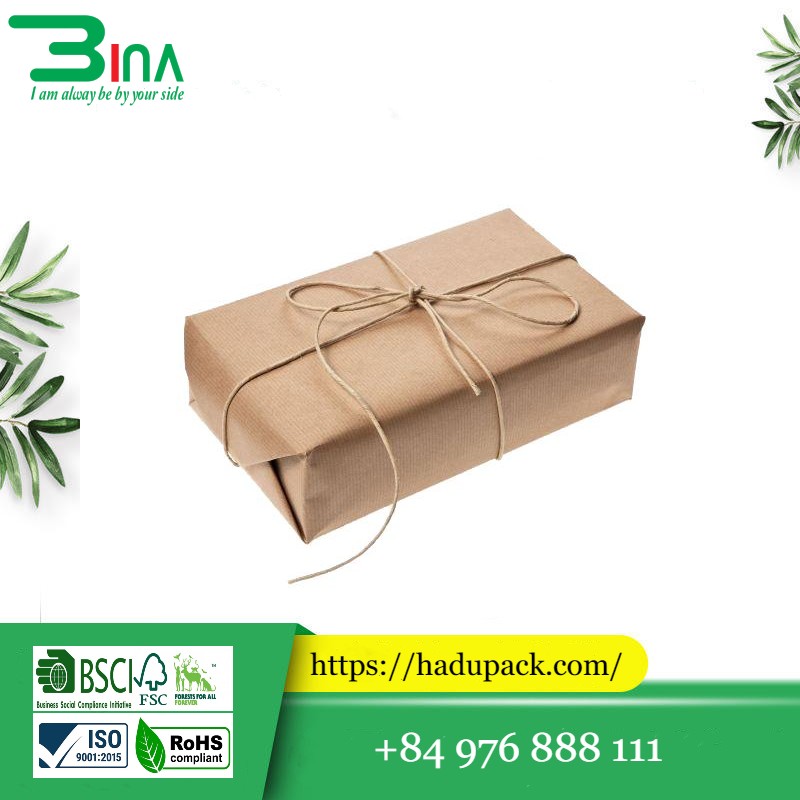
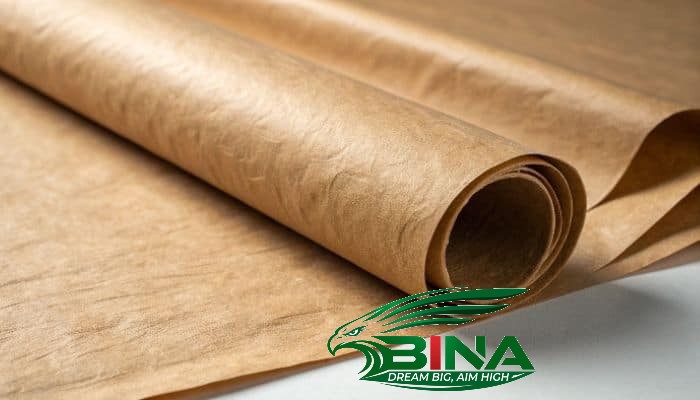
Kraft paper is a strong, durable packaging paper that is water-resistant and tear-resistant, produced using the sulfate pulping process. It is typically yellowish-brown or light brown and is widely used to make paper bags, envelopes, packaging boxes, and file folders thanks to its high strength, environmental friendliness, recyclability, and tensile strength.
 |
Key characteristics of Kraft paper:
- High strength: Made from softwood pulp with long fibers, resulting in high tensile strength and tear resistance.
- Environmentally friendly: Usually unbleached and made from renewable resources, meeting environmental protection requirements.
- Various colors: Primarily natural-colored (brown), but bleached white Kraft paper is also available.
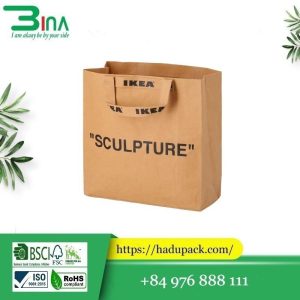
- Wide range of applications: Commonly used for packaging paper, shopping bags, food bags, and even industrial applications (such as cement bags).
◆Learn more:
- https://hadupack.com/san-pham/giay-duplex/
- https://hadupack.com/san-pham/tui-khi-chen-hang-container/
- https://hadupack.com/san-pham/giay-chong-gi-vci/
How is Kraft paper produced
The core of Kraft paper production is the “Kraft process”, which uses wood fibers through cooking, refining and papermaking. The main steps include cooking the raw materials to separate lignin, followed by thorough screening and refining to improve fiber bonding, and finally forming, drying and calendering on a paper machine to produce paper with high strength, toughness and tear resistance.
 |
I. Core Process of Kraft Paper Production
Raw Material Preparation and Cooking (Pulping)
- Raw materials: Typically, softwood pulp is used because it has longer fibers.
- Cooking: Wood chips are placed in a digester and cooked at high temperature and pressure with a mixture of caustic soda and sodium sulfide (white liquor). This step effectively removes lignin, releasing strong wood fibers.
- Washing & Screening: The cooked pulp is washed to remove chemicals, then screened to remove impurities, yielding pure kraft pulp.
Refining & Treatment - Refining: This is a crucial step. The refining process increases the surface area of the fibers, allowing the fine fibers to interlock and form a denser fiber network, significantly improving the strength of the paper.
- Surface treatment: Fillers or surface treatment agents are added as needed to improve water resistance.
- Paper machine: The pulp is evenly distributed through the forming wire system and dewatered and formed in a Fourdrinier machine.
- Pressing and drying: The wet paper web is pressed to remove most of the moisture and then fed into a dryer for heat drying.
- Calendering and winding: The dried paper passes through a calender to make the surface smoother and more uniform, and is finally wound into large rolls.
II. Characteristics and Applications of Kraft Paper
- High strength: Excellent tear resistance, tensile strength and abrasion resistance.
- Environmentally friendly: 100% recyclable.
- Appearance: Natural brown color with a unique classic and natural texture.
- Uses: Widely used in the production of packaging bags (cement bags, paper bags), shopping bags, paper tubes, envelopes, cartons, etc.
Common Problems in Kraft Paper Production
- The common problems in kraft paper production mainly focus on surface properties, structural strength, and printability. Due to its uncoated characteristics and coarse fibers, common issues include dust and paper fibers during printing, excessive paper stiffness causing machinery damage, poor print quality due to low surface smoothness, susceptibility to deformation when wet, and fading and brittleness under light. Insufficient interlayer bonding strength can also easily lead to delamination in kraft paper with high basis weight. Common problems in production and processing:
- Dust and paper fibers (Surface dust): Kraft paper has a porous and loose surface, making it prone to dust during printing, which seriously affects print quality. Paper with better surface smoothness should be selected.
- Paper stiffness and machinery damage: Due to its long-fiber characteristics, high-basis-weight kraft paper has extremely high stiffness, which can cause mechanical damage to printing machines.
- Difficulty in color development: Because kraft paper is brown, if the design colors are too light or high saturation is required, they are easily affected by the background color, making color reproduction difficult.
- Rough surface (Excessive ink absorption): Uncoated kraft paper is relatively rough and highly absorbent, easily causing “ink penetration” or unclear printing. Pretreatment is often required before printing.
- Insufficient interlayer bonding strength (Delamination): High-basis-weight kraft liner paper may delaminate between the surface layer and core layer if production controls are not properly managed.
- Deformation and brittleness during storage: Kraft paper is sensitive to moisture. Improper storage (high temperature or excessively dry conditions) can cause moisture to evaporate or be absorbed, resulting in paper deformation and brittleness.
- Light-induced fading: Kraft paper contains lignin; prolonged exposure can cause fading and yellowing, affecting the appearance of the paper.
 |
Proposed solutions:
- Adjust printing techniques: A “clear varnish coating” can be applied before printing to smooth the paper surface and optimize effectiveness.
- Improve storage conditions: The paper should be stored in an environment with controlled temperature and humidity, avoiding direct sunlight.
- Pay attention to temperature and humidity: When printing on high-basis-weight kraft paper, appropriate “moisture conditioning” can reduce stiffness and protect the printer.
 |
Why is Kraft paper better than ordinary paper
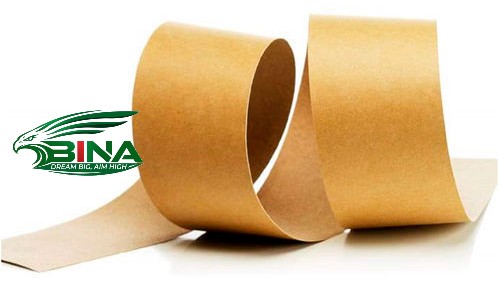
First of all, kraft paper is stronger due to its low lignin content and high sulfur ratio. It also does not involve extensive bleaching, which reduces paper strength and increases production costs. brown kraft paper texture blended not smooth Kraft paper texture and unlike other methods, it can use all types of wood, including resinous pine and bamboo, which are not used in traditional papermaking processes. In addition, because virtually all chemicals used in the process are recovered and reused, this is a self-sustaining method. The main by-products that are not recycled are turpentine and tall oil, which are used for other manufacturing purposes.
Kraft paper is considered “better” than ordinary paper (such as cultural paper and ordinary packaging paper) mainly because it uses long-fiber wood pulp during production and undergoes a special chemical treatment process. This gives it extremely high strength, excellent resistance to folding and tearing, good water resistance, environmental friendliness, and recyclability. It is particularly suitable as packaging material that needs to withstand loads or provide protection, with strength far exceeding that of ordinary paper.
 |
 |
Main advantages of Kraft paper:
- High strength and durability (tough as cowhide): Kraft paper mainly uses long fibers from coniferous trees, with the fibers tightly interwoven, resulting in high tensile strength, resistance to tearing and puncturing, and the ability to withstand significant pressure. It is suitable for making high-load paper bags or industrial packaging.
- Environmentally friendly and recyclable: Kraft paper is usually made from natural wood pulp and is 100% recyclable, in line with environmental and green trends.
- Water and moisture resistance: Compared with ordinary paper, Kraft paper has better water resistance. Some types of Kraft paper undergo special treatments (such as waterproof lamination), making them suitable for food packaging or environments requiring moisture resistance.
- Sturdy physical properties: Its physical structure is more rigid, making it suitable for sturdy packaging materials such as cartons and boxes.
- Printability: The surface has a rustic color and good printability. Common finishing options include single-sided printing, double-sided printing, or special embossing to enhance aesthetics.
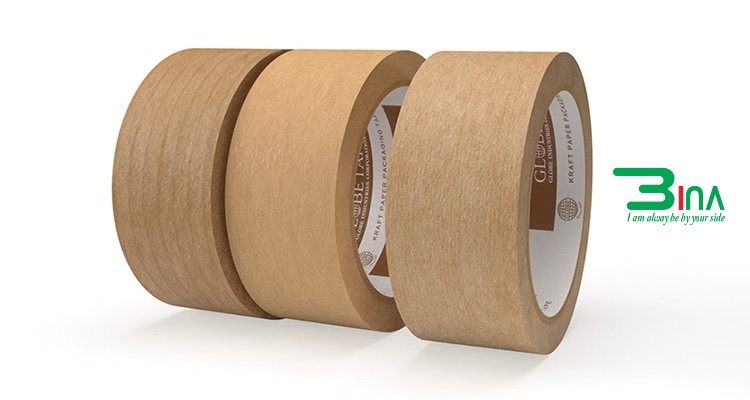
There are several benefits to packaging with kraft paper:
- Because it does not add much weight to the package, using kraft wrapping paper helps reduce shipping costs.
- The rough texture, durability, and flexibility of the paper provide better protection.
- Its natural quality gives business cards a simple and appealing appearance worldwide.
- Potential customers will appreciate your environmentally conscious perspective and see it as a reflection of your character.
- Your business cards will attract attention due to their unique appearance
- Kraft envelopes and boxes are more durable.
- The low lignin content in kraft paper makes it more durable and rigid than other materials (Kraft is a German word meaning strength and durability)
- Its neutral characteristics actually make kraft paper more conducive to creativity than multicolored, patterned paper because you can design and embellish it as you wish.
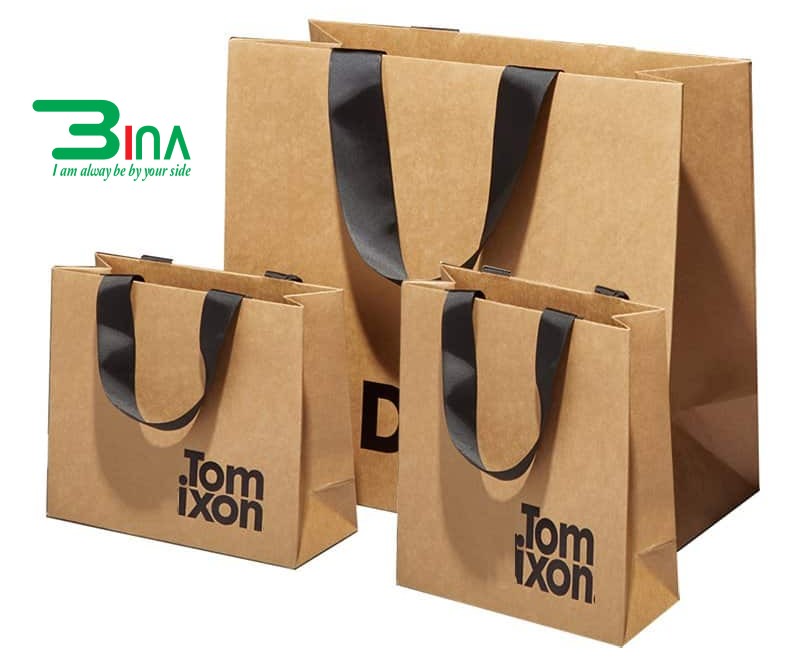
What makes Kraft paper so popular?
Kraft paper is a type of paper produced through the kraft process, which involves the chemical conversion of wood into wood pulp. This creates a durable, strong paper that is ideal for a wide range of applications. Kraft paper is known for its versatility and eco-friendly properties, making it a popular choice for packaging, wrapping and crafting. Its natural brown color and sturdy texture make it a favorite among DIY enthusiasts and environmentally conscious consumers. The popularity of kraft paper can be attributed to its durability, strength and biodegradability, making it an eco-friendly alternative to traditional packaging materials.
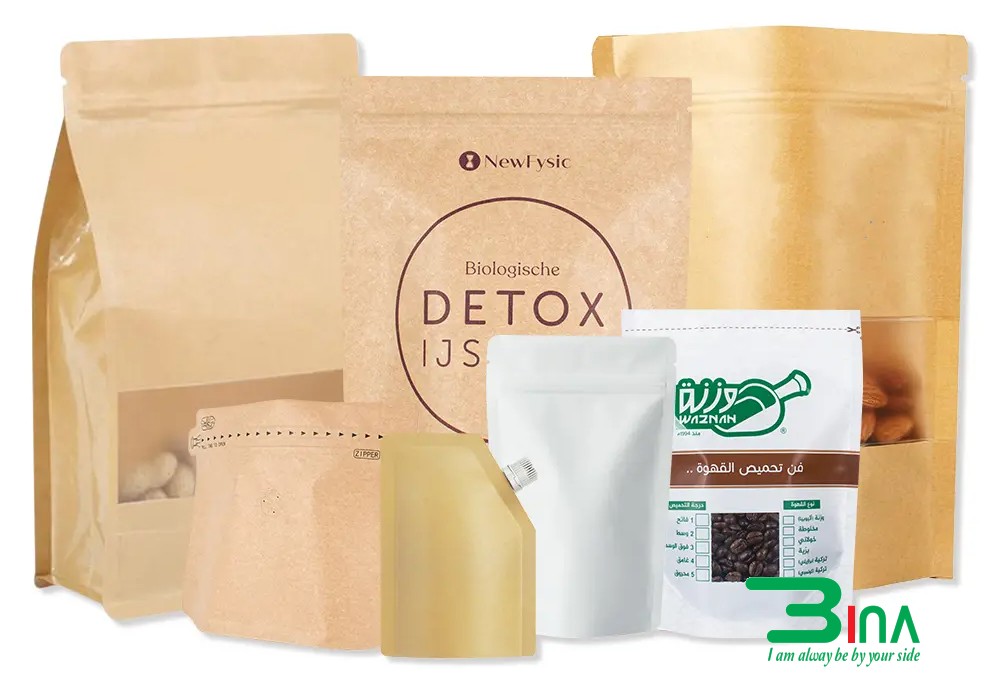
- Benefits of Kraft paper: One of the main benefits of kraft paper is its durability and strength, making it suitable for packaging and transporting heavy items. In addition, kraft paper is biodegradable and recyclable, making it an environmentally friendly choice for businesses and consumers. Its natural appearance and texture also bring a rustic and charming beauty to any product or gift. Furthermore, kraft paper is cost-effective and readily available, making it a practical choice for businesses of all sizes.
- Uses of Kraft paper: Kraft paper is commonly used for packaging, wrapping and crafts. It is often used to wrap gifts, line gift bags and protect items during shipping. In addition, Kraft paper is used in the food industry to wrap sandwiches, line trays and package dry goods. Its versatility also extends to crafting, where it is used for scrapbooking, card making and other DIY projects.
- Alternatives to Kraft paper: Although Kraft paper is a popular choice for packaging and crafts, there are alternative materials that can be used depending on specific needs. Some alternatives to Kraft paper include recycled paper, tissue paper and corrugated cardboard. Each material has its own unique properties and can be selected based on factors such as durability, appearance and environmental impact.
- Tips for using Kraft paper: When using Kraft paper for packaging, it is important to consider the weight and fragility of the items being wrapped. For crafts, Kraft paper can be decorated with stamps, stickers and ribbons to add a personal touch. In addition, Kraft paper can be folded, cut and shaped to create custom packaging or decorative elements.
- Environmental impact of Kraft paper: One of the main reasons kraft paper has become popular is its minimal environmental impact. As a biodegradable and recyclable material, kraft paper provides a sustainable alternative to traditional packaging materials. By choosing kraft paper, businesses and consumers can reduce their carbon footprint and contribute to a more environmentally friendly approach to packaging and crafts.
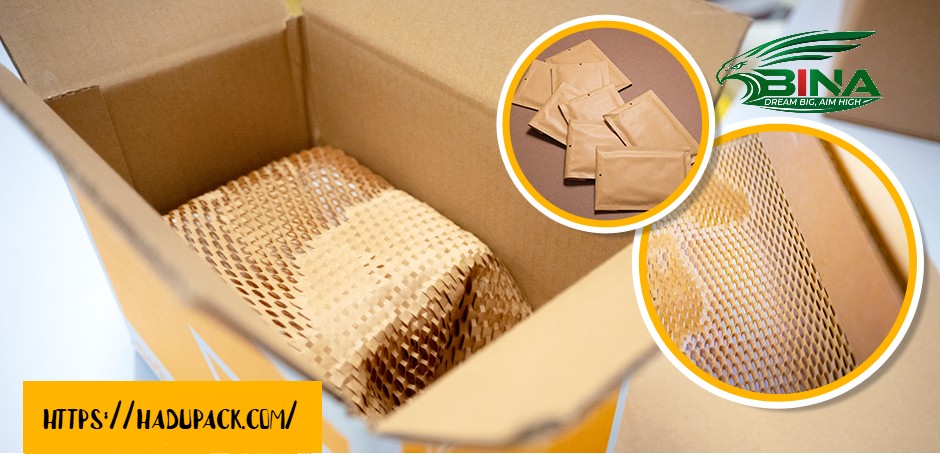 |
What is PE-coated kraft paper?
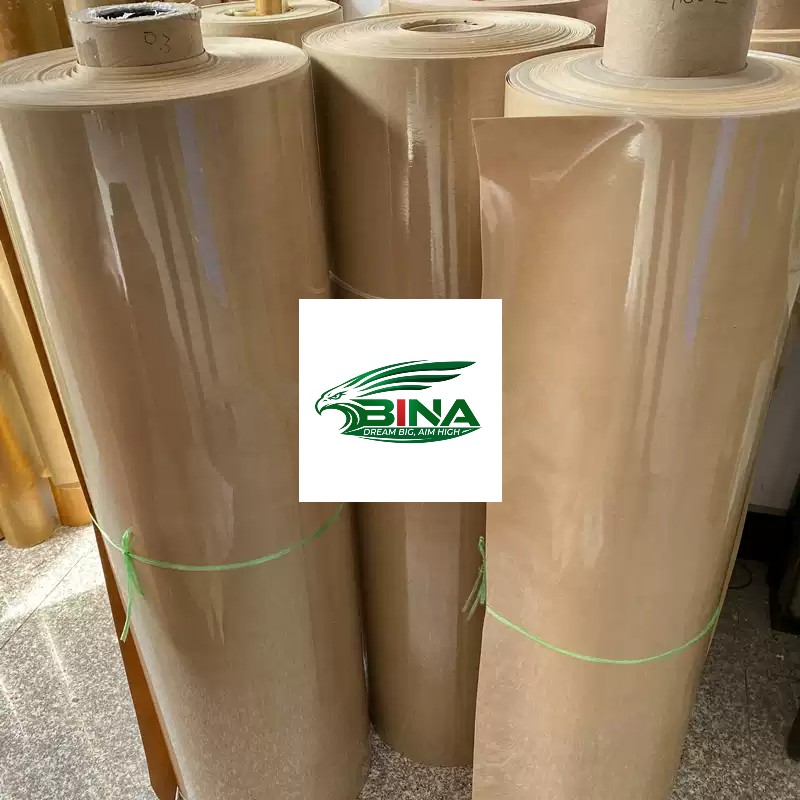
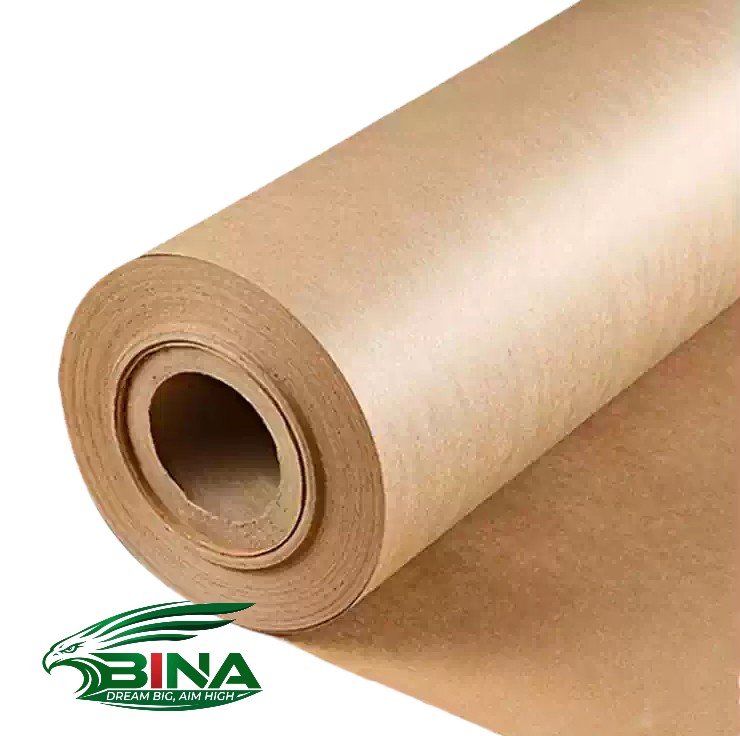
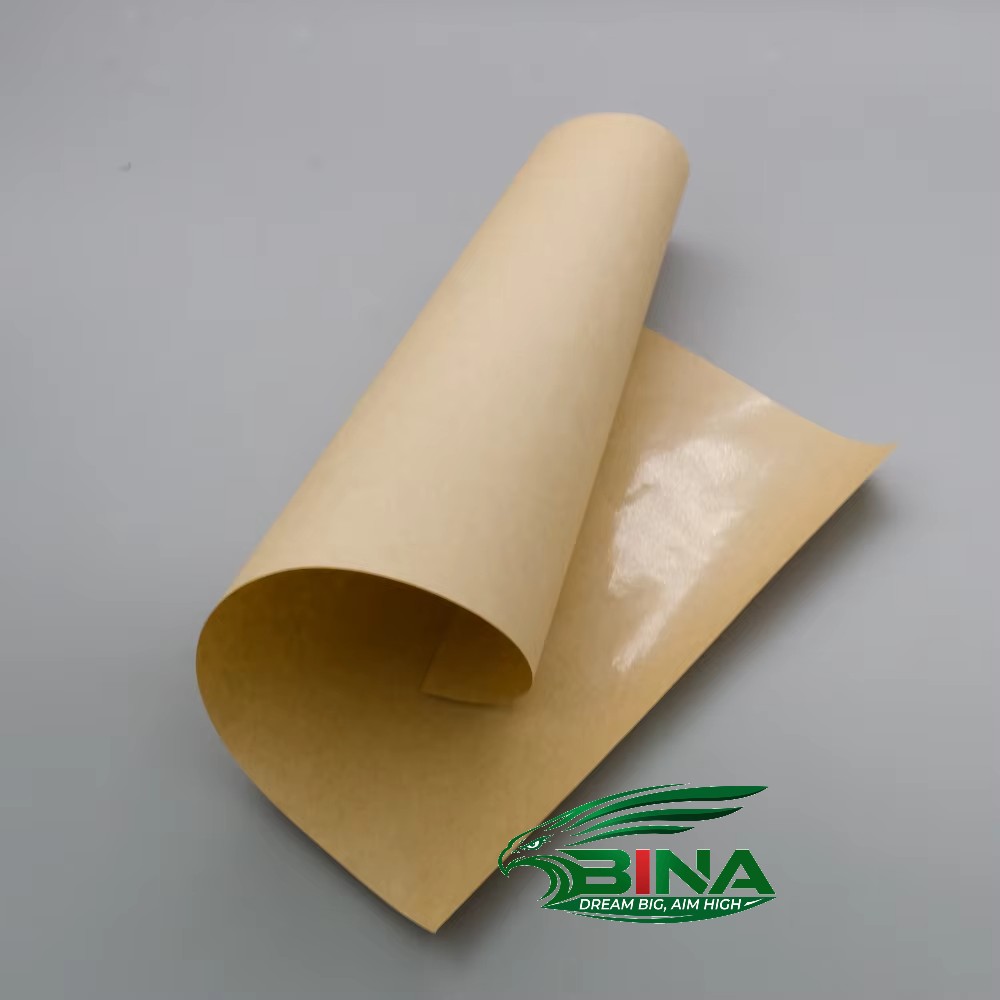
PE-coated kraft paper is a composite packaging material created by coating the surface of kraft paper with a polyethylene (PE) plastic film using extrusion technology. It combines the strength of kraft paper with the moisture resistance, oil resistance, and heat-sealing properties of PE. With a smooth surface and uniform color, it is widely used in food packaging (such as paper cups and lunch boxes) and industrial waterproof packaging.
 |
Key features and main uses:
- Water and oil resistance: The PE layer effectively isolates moisture and grease stains, making it suitable for containing greasy or moist foods.
- Heat-sealing properties: It automatically melts and seals when heated, making it easy to produce paper bags or boxes.
- High strength and durability: It has high tear resistance and stiffness, can withstand the weight of items, and is commonly used in high-strength packaging bags.
- Printability and decoration: The surface can be printed on, making it suitable for brand promotion and packaging design.
This type of material is also known as “coated paper”, “plastic-coated paper”, or “PE-coated kraft paper”, and is a packaging product that combines an environmentally friendly substrate with modern protective functions.
 |
PE-coated Kraft paper production process
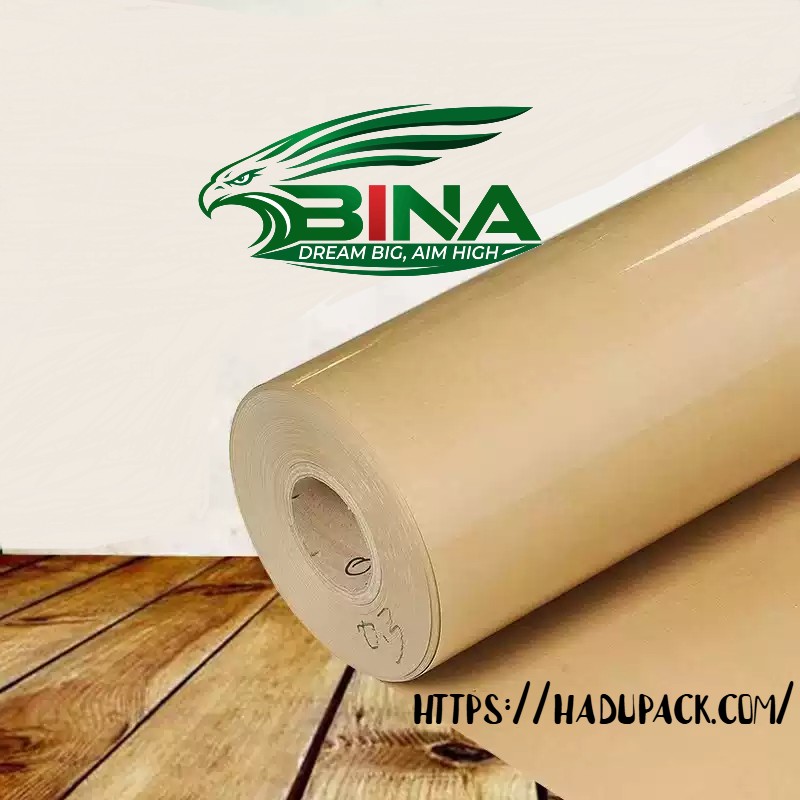
The core of the PE-coated Kraft paper (laminated paper) production process is the lamination method, which involves heating and melting PE resin pellets, then evenly coating them onto the surface of Kraft paper, and finally cooling them to form a composite material. This process does not use solvents, is environmentally friendly, and is characterized by high adhesion and resistance to water and oil. The main steps include: base paper preparation, hot-melt extrusion, lamination and cooling, and winding and cutting. The product is suitable for food packaging and industrial packaging. Detailed steps for producing PE-coated Kraft paper:
 |
- Select the base paper: Choose the appropriate kraft paper (yellow kraft paper, white kraft paper, or single-sided/double-sided kraft paper), which is usually made from natural wood pulp with good tensile strength.
- Melt the PE resin: Put PE (polyethylene) resin pellets into the extruder of the laminating machine and heat them to a high temperature to melt the resin.
- Extrusion & Film Coating: The molten PE film is extruded through the die.
- The molten PE film is evenly coated onto the surface of the high-speed rotating kraft paper.
- Lamination & Cooling: The PE-coated paper is pressed and cooled by cooling rollers, ensuring a strong bond between the PE and the paper.
- Surface Treatment & Winding: It can be coated on one side or both sides.
- After cooling, the finished product is wound into large rolls.
- Cutting & Finishing: Cut to the width required by the customer, producing the final PE-coated kraft paper rolls.
 |
Characteristics and Applications of the Process
- Environmentally friendly: The entire process does not use any chemical solvents, making it a relatively environmentally friendly film-laminating method.
- Water and oil resistance: The PE layer gives kraft paper excellent water resistance, oil resistance, and heat-sealing properties.
- Applications: Commonly used in the production of food containers, paper cups, packaging bags, and industrial packaging materials.




Reviews
There are no reviews yet.