


Description
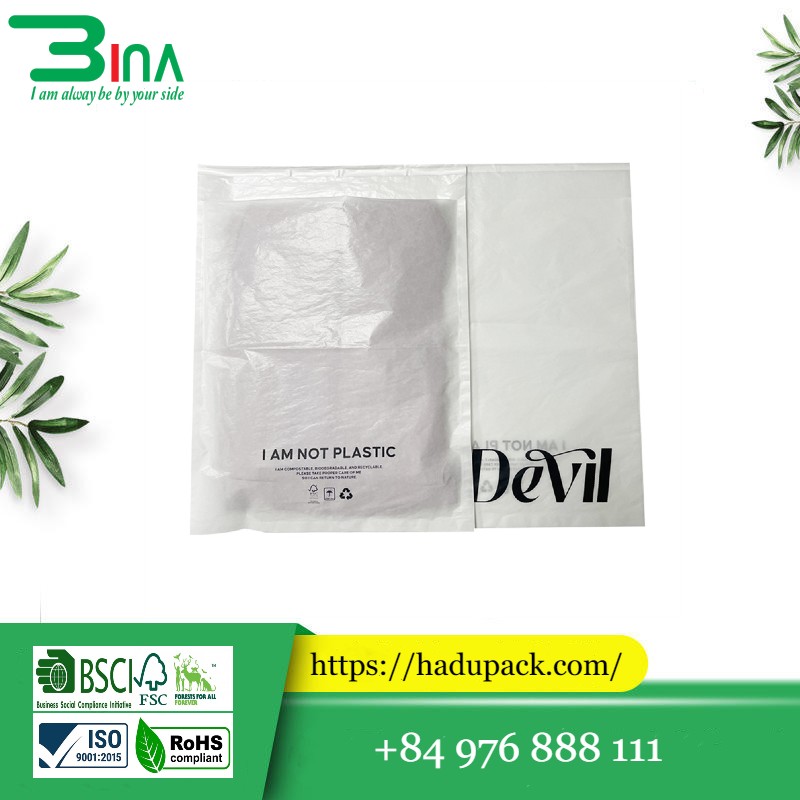
What is Poluya moisture-resistant paper?
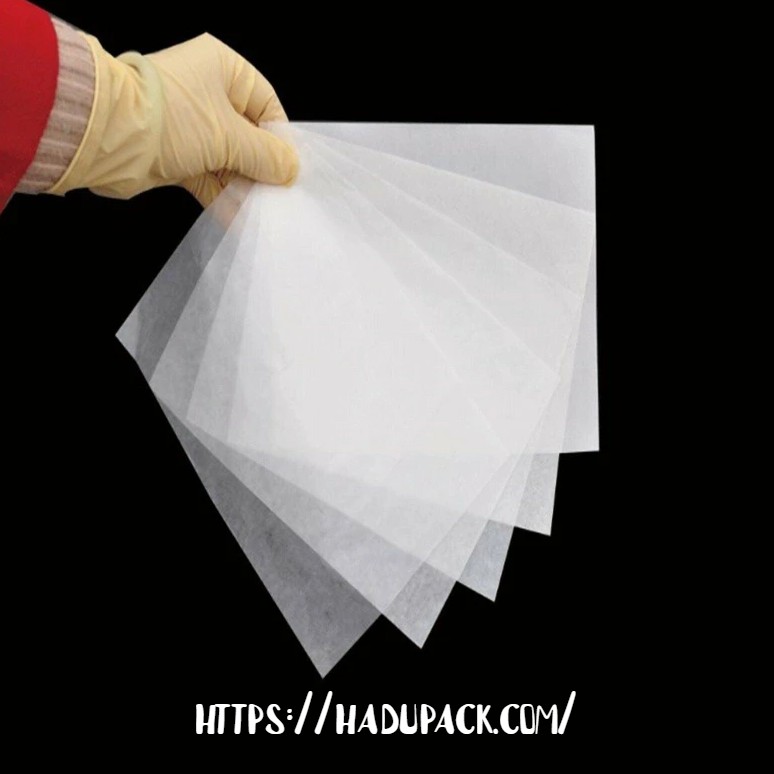
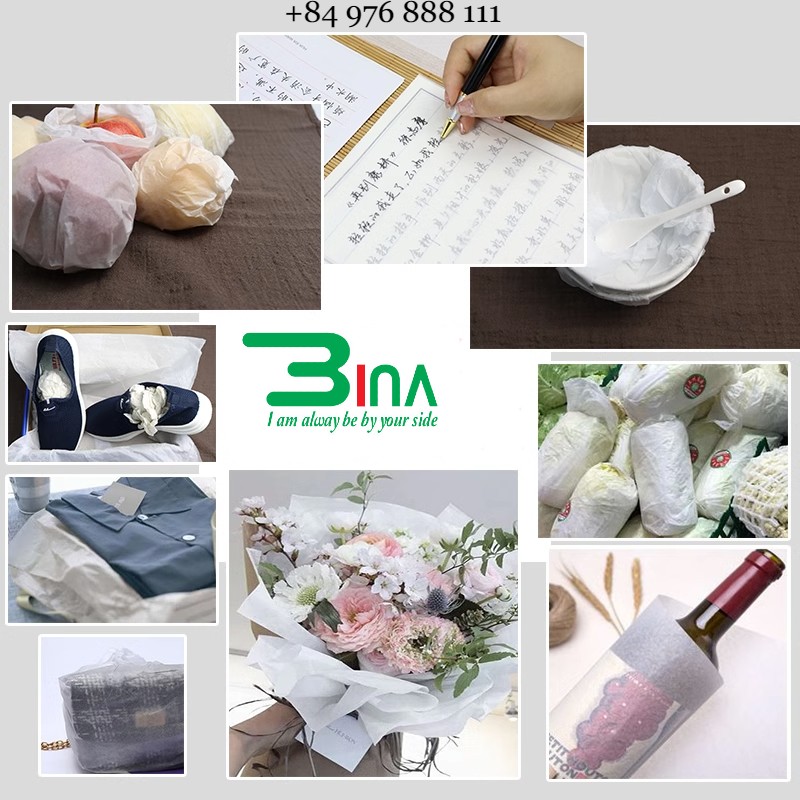
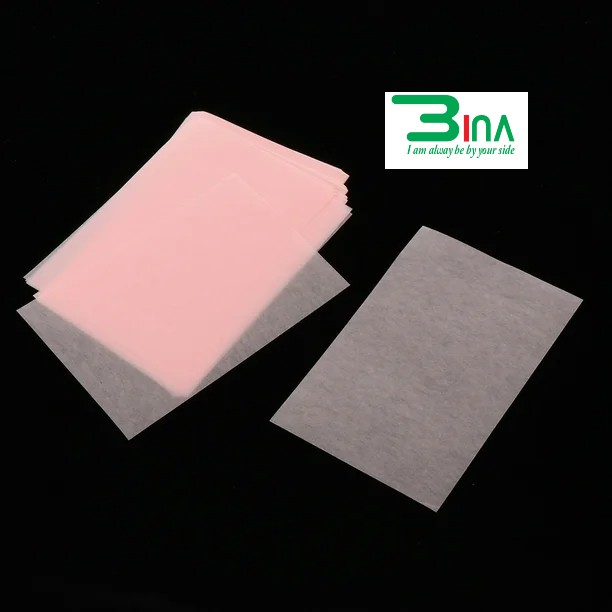
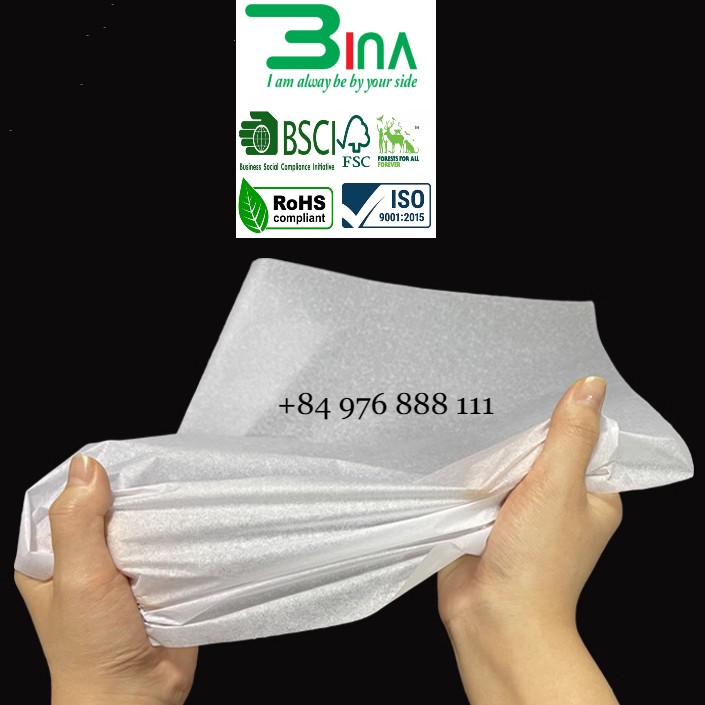
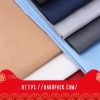
Poluya moisture-resistant paper (also known as Pelure paper or thin paper) is a type of treated thin paper widely used in industrial packaging. This type of paper is mainly made from pure cotton fibers or refined wood pulp, and is characterized by being thin, translucent, tough, and highly absorbent.
 |
Key features:
- Physical form: Extremely thin and lightweight (the usual basic weight is [not specified]), soft in texture and not prone to paper linting.
Moisture resistance/Moisture absorption: Absorbs moisture from the air, preventing products from rusting, deteriorating, or becoming moldy due to dampness. - Scratch protection: As a liner, it prevents product surfaces (such as leather, screens, and hardware) from being scratched or left with fingerprints.
- Eco-friendly: Typically uses natural fibers, which can be recycled and are biodegradable.
 |
Main application areas:
Poluya paper serves as a “protective layer” in many industries:
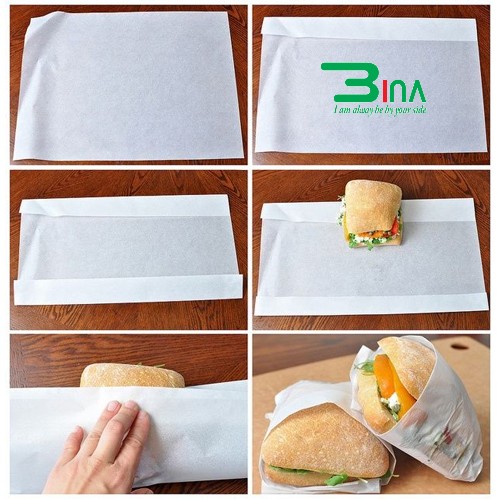
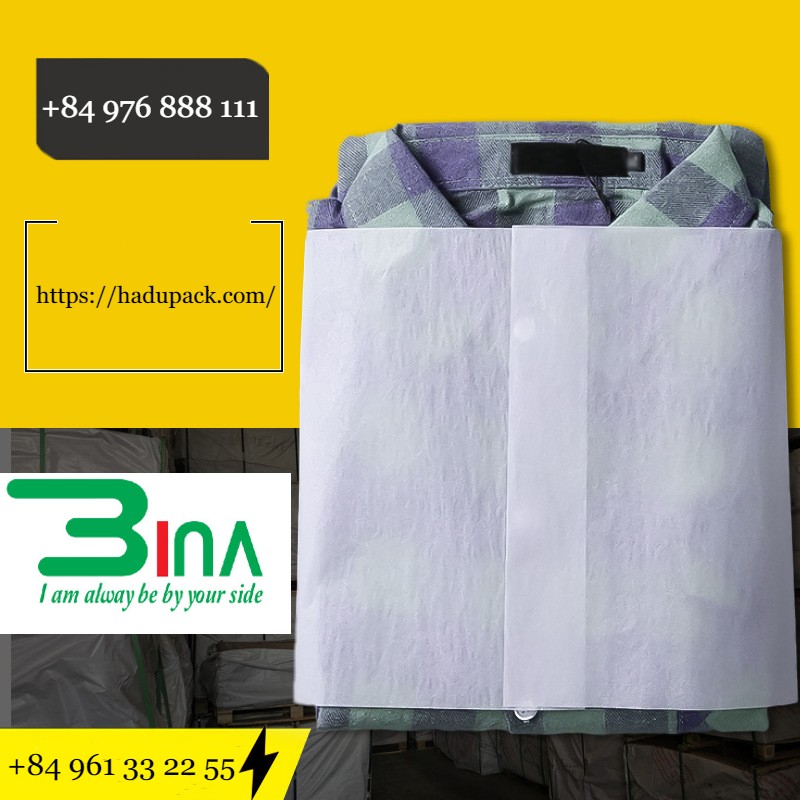
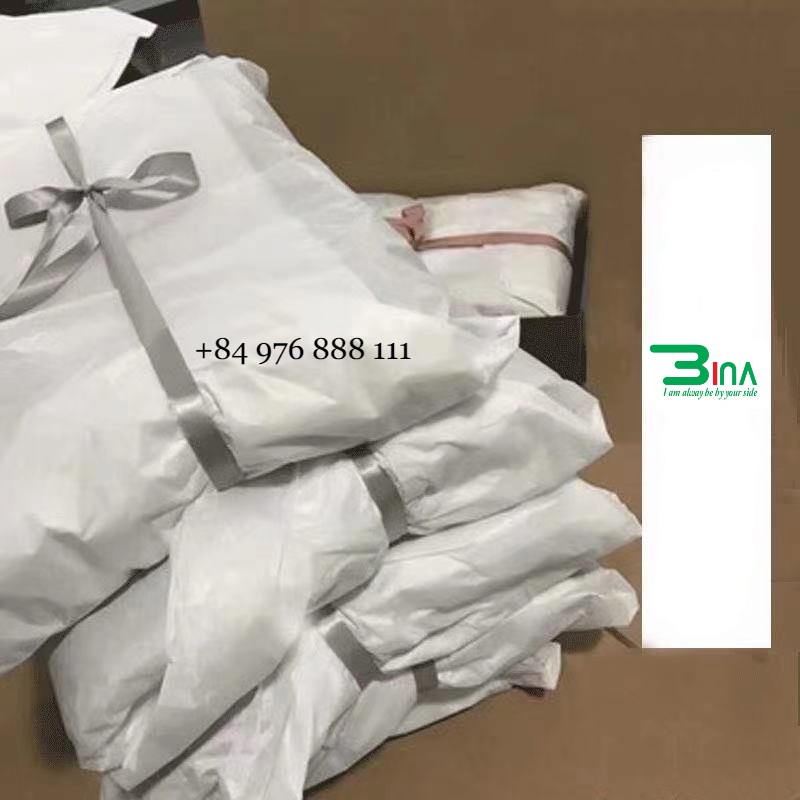
- Apparel and footwear: Often used as a lining for high-end clothing or stuffed into shoes, helping prevent mold and maintain shape.
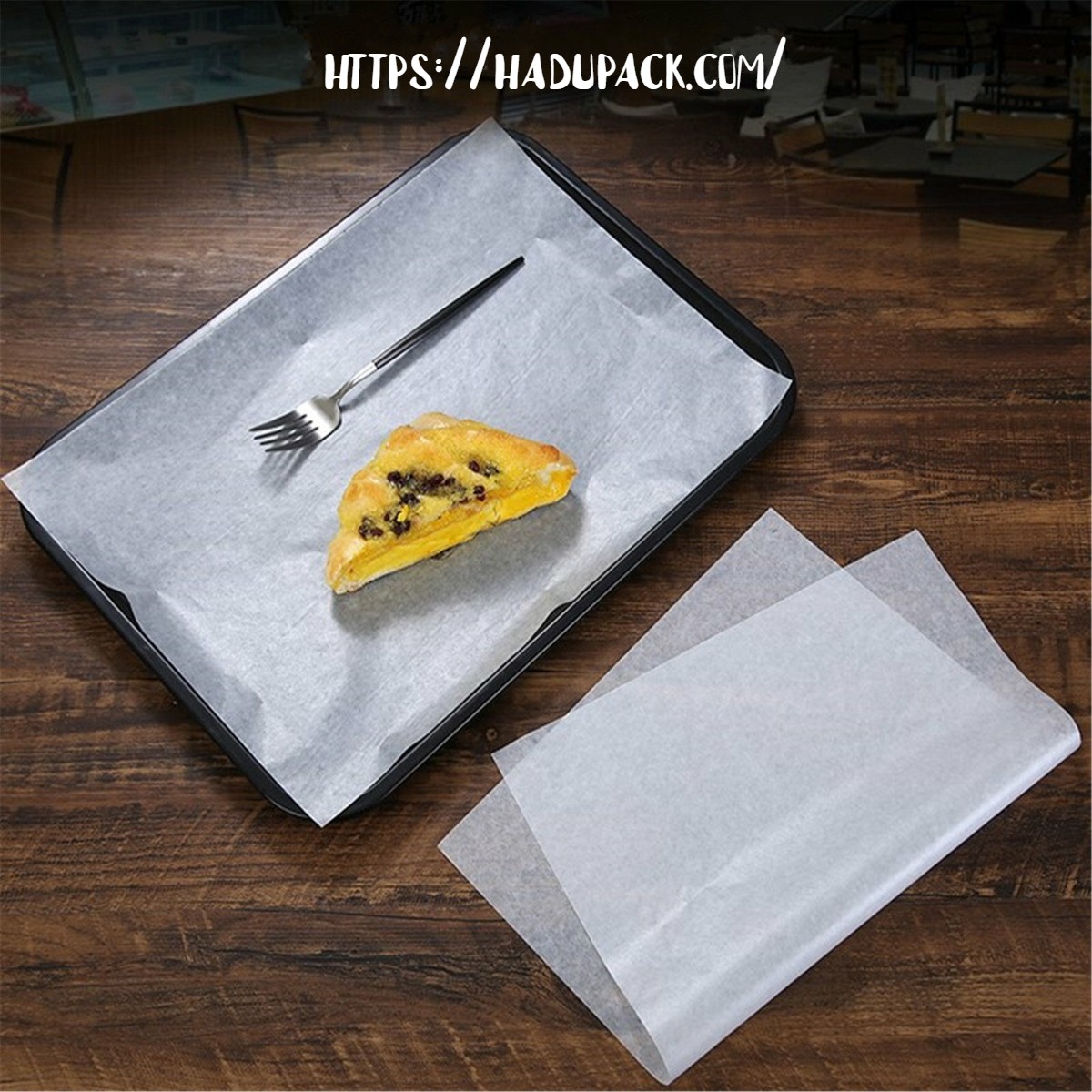
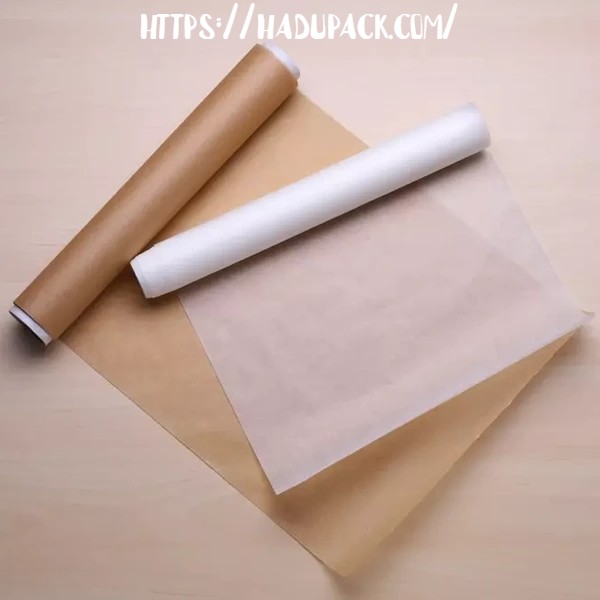
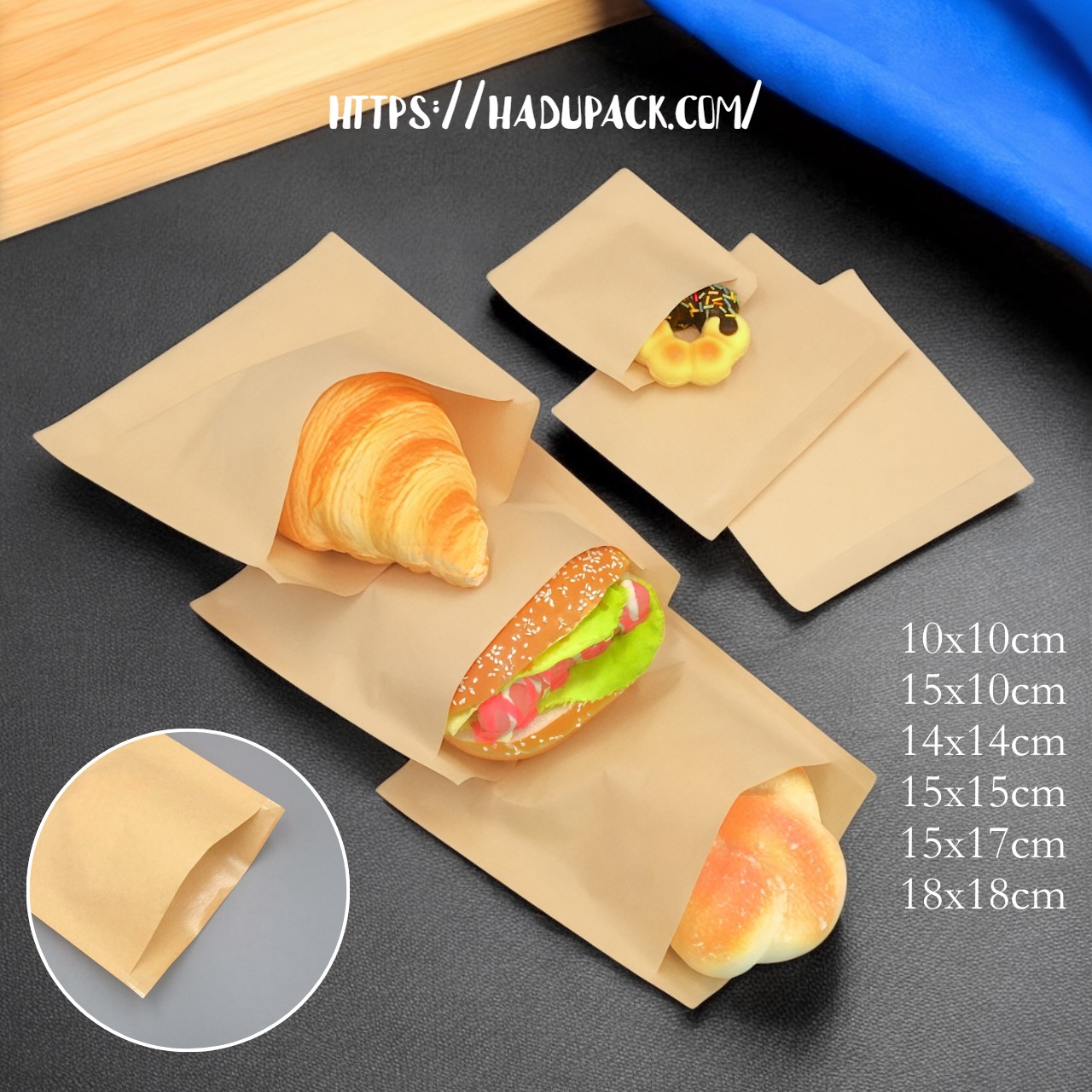
Electronics: Wraps delicate electronic components, protecting them from static electricity, dust and moisture. - Food industry: Used as a baking liner or packaging for candy, tea and coffee (often treated with a wax or silicone coating to increase oil resistance).
- Hardware and handicrafts: Wraps metal parts, jewelry, glassware or ceramics, preventing oxidation, discoloration and scratches.
 |
Reference specifications:
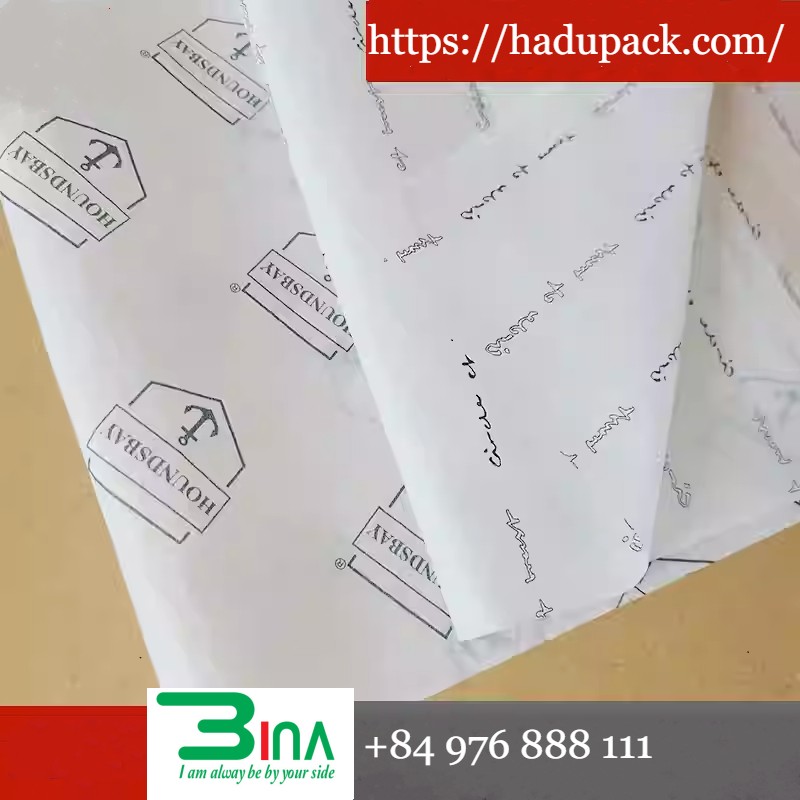
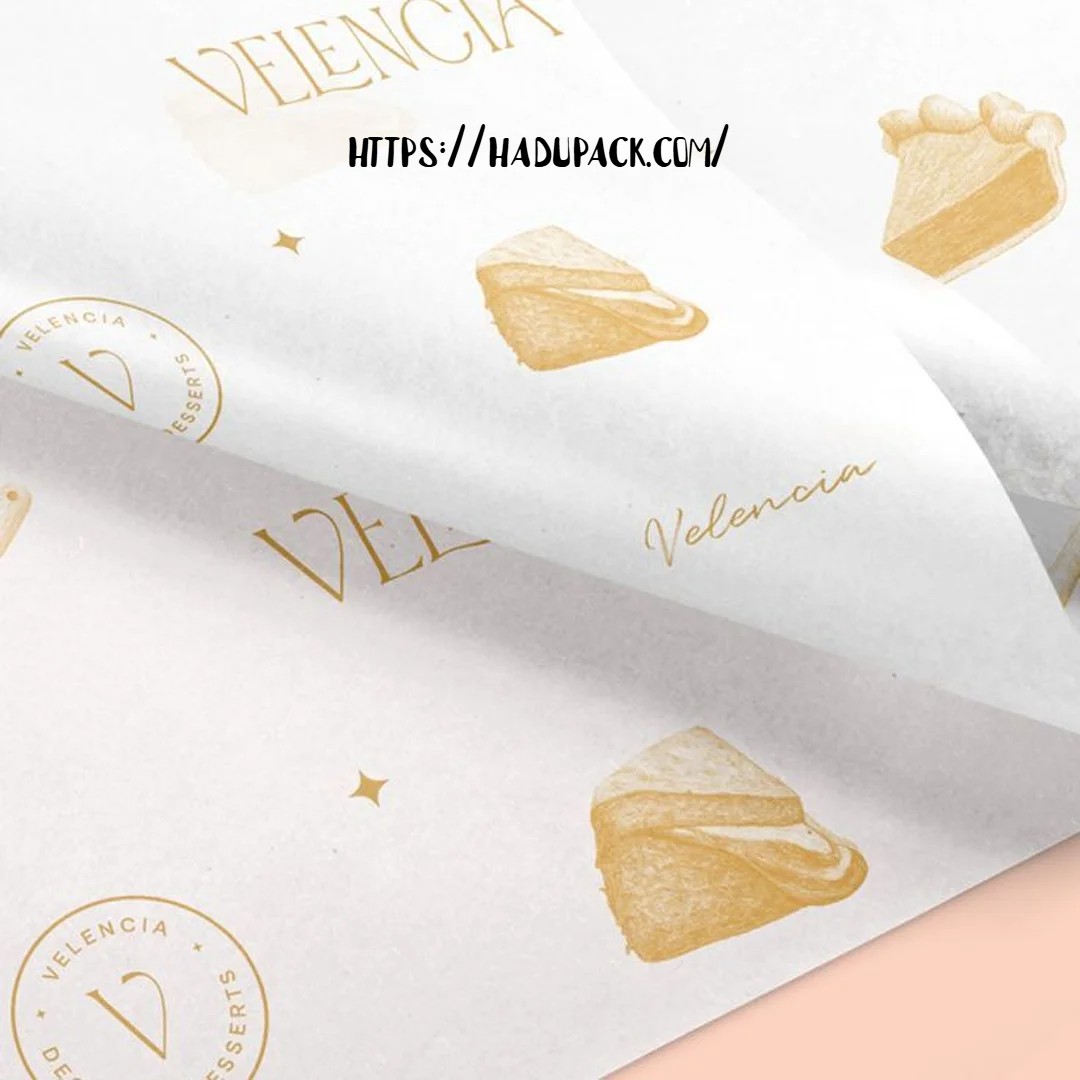
- Appearance: Primarily white or translucent, but company logos (custom branding) can also be printed upon request.
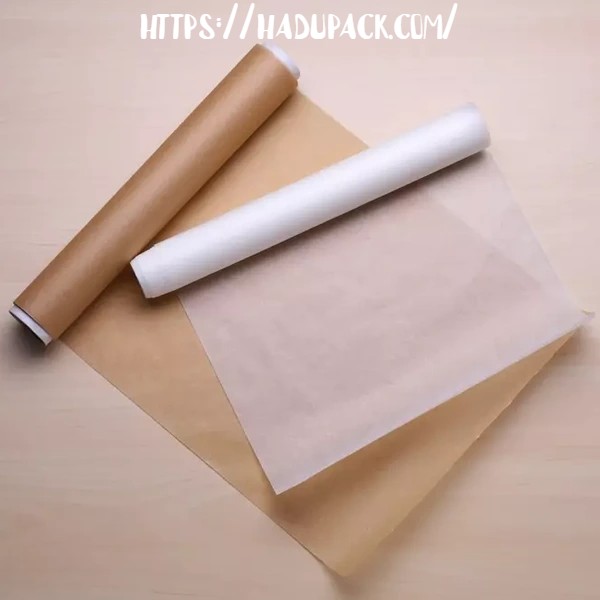
- Common sizes: Common sizes include materials in roll or sheet form.
If you are selecting packaging for a specific product, do you need to know whether the paper requires food safety certification or specific antistatic properties?
 |
Analysis of Basic Packaging Materials for Moisture-Resistant Paper
Moisture-resistant packaging materials are packaging materials that cannot or are difficult to permeate water vapor. Commonly used moisture-resistant packaging materials include paper, plastic, metal, glass, ceramics, etc. In addition to the functions of ordinary packaging materials, moisture-resistant packaging materials also have a special requirement for moisture-resistant packaging: low moisture permeability.
 |
 |
 |
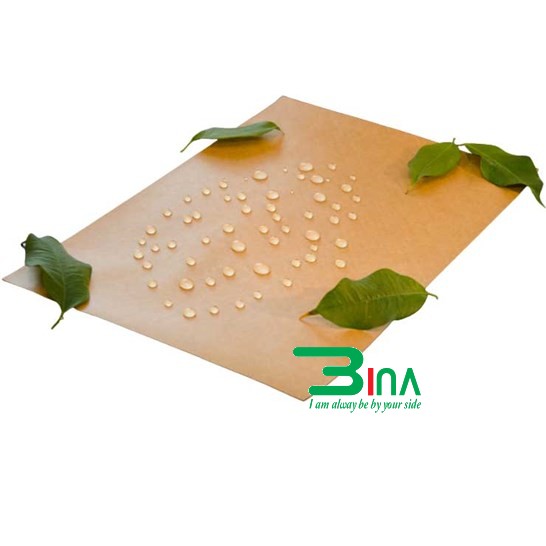
The lower the moisture permeability of a moisture-resistant material, the better its moisture-proof performance. Commonly used moisture-resistant paper packaging materials include moisture-resistant cellophane, paraffin paper, polyvinyl chloride-treated paper, asphalt waterproof paper, polyethylene-treated paper, aluminum-plastic composite moisture-resistant paper, moisture-resistant corrugated cardboard, etc. Different moisture-resistant paper materials are generally produced by adding unbleached kraft chemical pulp or coating the paper surface with various moisture-resistant chemicals, such as carbonamide resins, latex, polyamide resins and asphalt, paraffin, etc., and therefore the functional properties and environmental performance of moisture-resistant paper are greatly affected by the moisture-resistant chemicals. Moisture-resistant bag paper is used to make paper packaging bags for bulk products, inorganic fertilizers, daily waste and other goods under high-humidity transportation conditions.
 |
◆Learn more:
- https://hadupack.com/san-pham/anti-slip-sheet/
- https://hadupack.com/san-pham/giay-nen/
- https://hadupack.com/san-pham/tui-giay/
 |
 |
The function of moisture-proof packaging is to use packaging materials with high moisture resistance to slow down or prevent the penetration of external moisture into the package, or to use desiccants to absorb moisture that enters the package, thereby maintaining the moisture content of the product and achieving a certain shelf life. Currently, conventional moisture-proof packaging can meet certain moisture-proof packaging requirements by using moisture-resistant paper packaging or plastic film packaging with high moisture resistance. However, puffed foods or other high-end products with high requirements for moisture-proof packaging need to be sealed with desiccants to ensure the flavor of the food or quality requirements such as crispness,…
 |
 |
 |
Green moisture-resistant paper packaging material
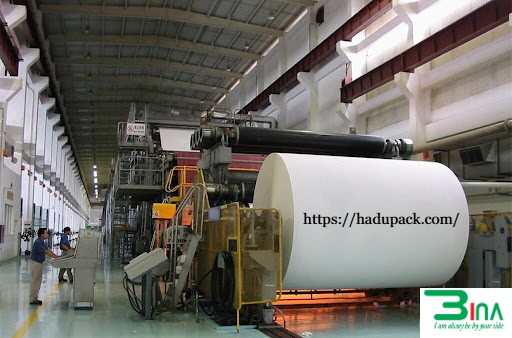
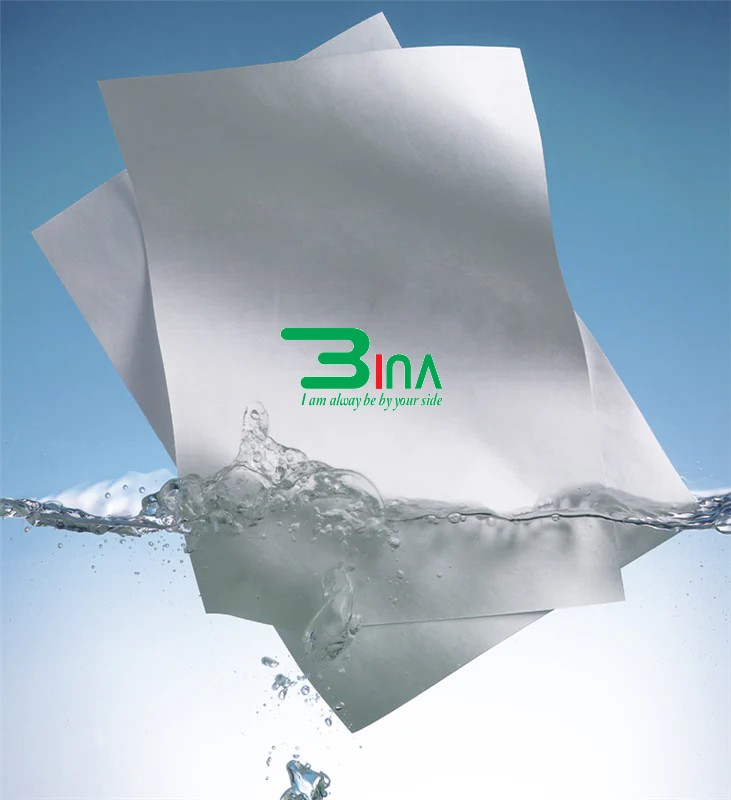
The production process of green moisture-resistant paper mainly involves the selection of fiber raw materials, the process of adding key chemical additives, and the recycling and recovery process of the target product. The following introduces a green process for producing moisture-resistant paper using natural softwood KP pulp and a waste paper pulp mixer. This process mixes a certain amount of waste paper pulp with wood pulp. On the one hand, it helps save wood resources; on the other hand, it makes full use of recycled waste paper, reducing resource consumption and energy consumption while saving costs. Adding chemical additives can enhance the dry and wet strength of the paper. The added PPE resin is an environmentally friendly and effective wet-strength additive.
 |
In addition to its moisturizing and strengthening effects, it also has a more pronounced dry-strengthening effect. The target product produced has a breaking length index of more than 6000m and a wet-to-dry strength ratio of 48%. In addition, for product regeneration and recycling, after the high-strength and water-resistant packaging paper produced by this process has been fully cured in an oven at 150°C, an appropriate amount of hypochlorite bleach can be used at 30 ~ 50° C. Soak for 10 ~ 30 minutes, then gently defiber it with a pulper to form pulp. The treatment process is easy to operate and simple, helping to reduce the environmental burden and resource waste during the papermaking process. Therefore, using this process to produce moisture-resistant packaging paper is simply a packaging paper production process with good environmental compatibility.
 |
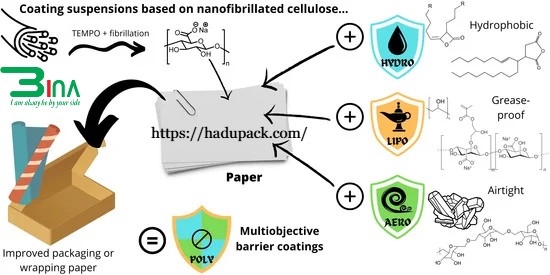
Improving the moisture, air and grease resistance properties of paper using nanocellulose-based coating suspensions
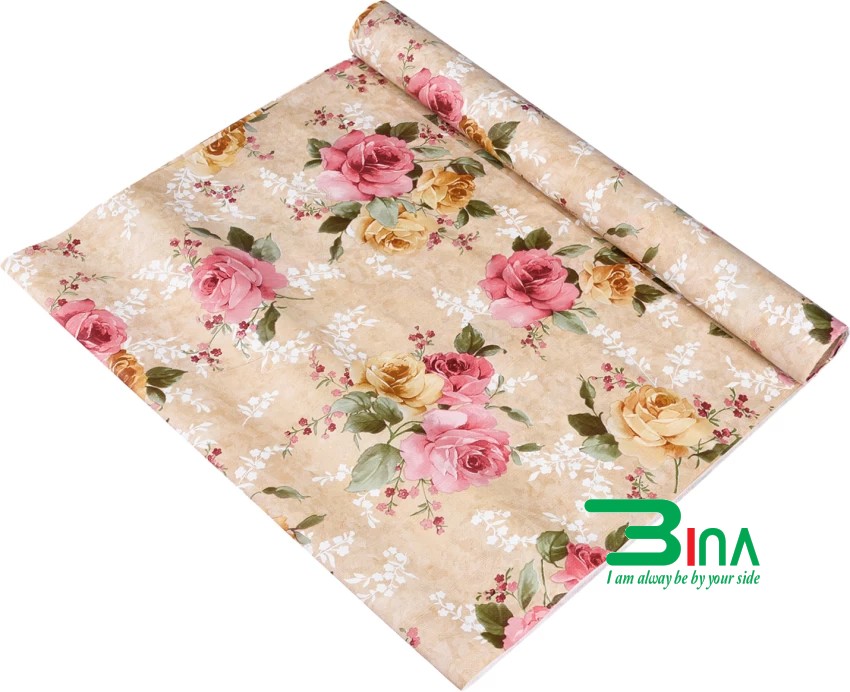
Food packaging manufacturers often use lamination, typically using non-biodegradable and non-bio-based polymeric materials, to create barrier properties for paper and cardboard. The current study examines a greener solution: enhancing the moisture, grease and air resistance of paper using an aqueous coating suspension. For the hydrophobic process, a combination of nanocellulose and conventional esterifying agents was considered, but the water vapor transmission rate (WVTR) remained too high for the intended packaging of moisture-sensitive products (>600 g m−2 d−1). However, an effective grease-resistant surface was obtained using nanocellulose, illite, sodium alginate and/or poly(vinyl Alcohol) (PVA), achieving a Kit rating of up to 11. Regarding air resistance, mineral-rich coatings achieved values above 1000 Gurley s.
 |
Thanks to these results, nanocellulose, minerals, PVA, pullulan, alginate and nonionic. surfactants are combined for multifunctional coating formulations. It is hypothesized that these materials reduce porosity while compensating for each other’s shortcomings, e.g.: PVA is successful in reducing porosity but has low dimensional stability. For example, a suspension mainly composed of nanocellulose, sizing agent, minerals and PVA provides a WVTR of approximately 100 g m−2 d−1, a Kit rating of 12 and an air resistance of over 300 s/100 mL. This indicates that multifunctional coatings can be satisfactorily incorporated into paper structures for food packaging applications, although not as food-contact layers.
 |
Poluya moisture-absorbing paper production process
Poluya paper (or Pelure) is produced from refined pulp through a process that includes raw material preparation, paper web formation on the machine, pressing, drying, and calendering to create a strong, durable type of paper, usually off-white in color. This process focuses on highly uniform refined pulp to ensure strength and moisture resistance, and typically includes specialized drying steps.
Key aspects of the production process:
- Raw Materials & Pulp Processing: High-quality fibers are refined to produce pulp that ensures strength.
- Paper Web Formation: The pulp is processed through a Hydra Pulper and formed into a wet paper web on the paper machine.
- Pressing & Drying: The paper web is pressed to remove water, then specially dried (often using a Yankee dryer) to achieve the desired strong and durable texture.
- Finishing: The paper is calendered to achieve the required surface finish and thickness.
- Environmental Control: The production process is monitored to ensure compliance with environmental regulations, and is commonly used for specific industrial applications such as liner paper.
For specialized absorbent papers, the process may include incorporating superabsorbent polymers (SAP) or, in the case of certain water-soluble papers, using polyvinyl alcohol and vacuum dewatering.
 |
Moisture-Resistant Paper Sizes
Moisture-resistant paper (typically pelure paper or water-resistant coated paper) comes in various sizes depending on the intended use, from industrial rolls to standard paper sizes. The main sizes include 79×109 cm, 75×105 cm, 65×100 cm, as well as 8,5″x11″ (Letter), 8,5″x14″ (Legal), 11″x17″ (Tabloid) and A4. Custom sizes are usually available.
Common sizes and specifications:
- Sheet size: Standard industrial sizes are 79 x 109 cm or 75 x 105 cm. Office-style waterproof paper (e.g., TerraSlate, FedEx Office) is available in A4 (), 8,5″ x 11″, 11″ x 17″ and 12″ x 18″.
- Roll size: Common wide formats include 60 cm, 79 cm and 109 cm.
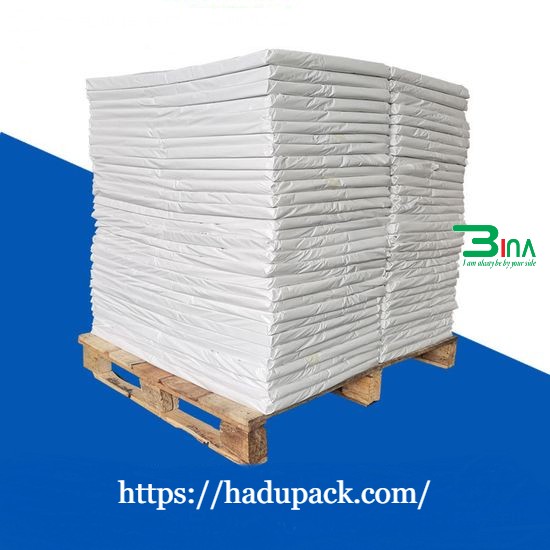
- Thickness (Basis weight): Ranges from 17-60 g/m² for clothing packaging/lining, to 160-490 g/m² (5-14 Mil) for heavy-duty, waterproof or tear-resistant applications.
- Applications: Used for clothing/leather packaging (moisture-resistant), technical documents, outdoor signs and maps.
 |
Applications of Poluya Absorbent Paper
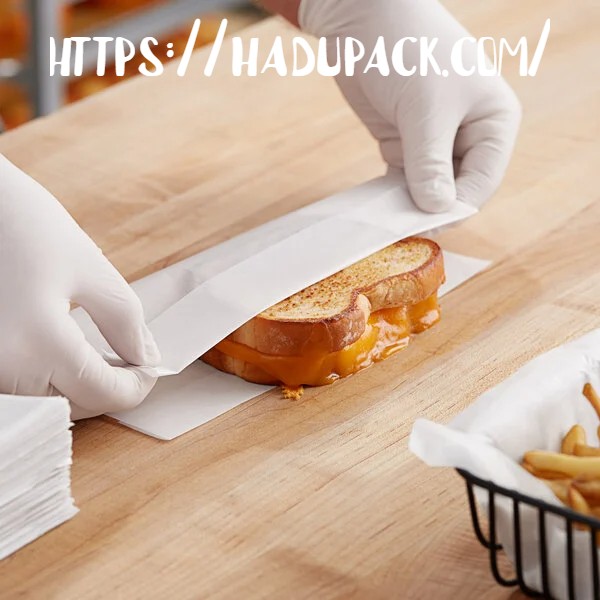
Poluya absorbent paper (commonly referred to as absorbent Kraft paper or specialized paper) is a highly porous material with good wet strength, designed to quickly absorb, retain, and filter liquids. Its main applications include absorbent pads in packaging, laboratory filtration, industrial humidity control, and personal hygiene products such as diapers and wet wipes, with high absorbency (16-28 times its weight) and biodegradability.
- Food packaging and industry: Used as absorbent pads to absorb liquids in food packaging, ensuring hygiene and extending shelf life.
Laboratory and medical use: Functions as blotting paper in laboratories to absorb excess liquids, as well as in disposable surgical towels and wound dressings. - Industrial/HVAC systems: Used in evaporative cooling and humidity control systems, taking advantage of its high wet strength.
- Personal hygiene: Functions as an absorbent core in diapers, sanitary pads and wet wipes.
- Industrial hygiene: Oil-absorbent sheets are used to clean up industrial spills (oil, kerosene) thanks to their high absorbency.
- Medical/Dental: Used in specialized applications such as endodontic absorbent paper for drying root canals.
Key properties:
- High absorbency: Capable of absorbing 16–28 times its own weight.
- Wet strength: Maintains its structure when wet.
- Biodegradability: Environmentally friendly, typically made from natural fibers.
- Chemical resistance: Suitable for laboratories, especially when combined with a protective liner.
 |
How to store Poluya moisture-resistant paper
To store moisture-resistant paper effectively, keep the paper in its original packaging (wrapping and carton box) until immediately before use to protect the specialized moisture-resistant coating. Store it in a dry, cool, and stable place (ideally at 40–60% humidity), avoiding direct sunlight, high temperatures, and damp areas such as basements.
Important storage tips:
- Keep it sealed: If opened, reseal the wrapping with tape or place it in a resealable plastic bag or airtight container to maintain the moisture-resistant coating.
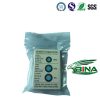
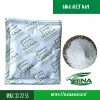
- Use a desiccant: Add silica gel packets to the container to absorb excess moisture.
- Position it properly: Store the paper flat to prevent warping.
- Avoid high-risk areas: Keep it away from windows, doors, and damp areas.
Allow the paper to acclimate to room temperature: Let the paper reach room temperature while still in its wrapping before opening to prevent condensation.




Reviews
There are no reviews yet.