


Description
What is a zipper bag?
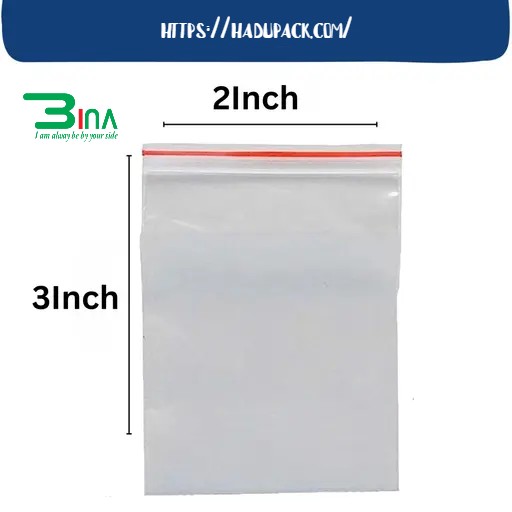
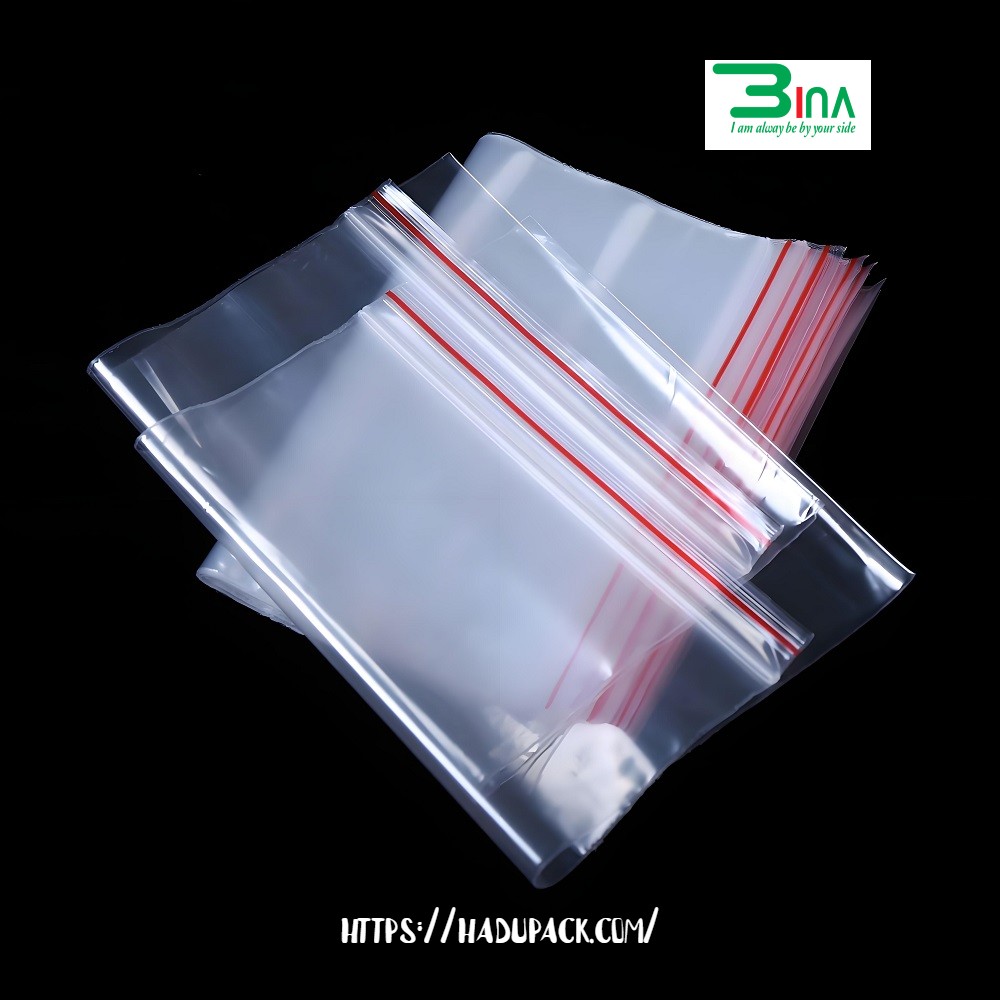
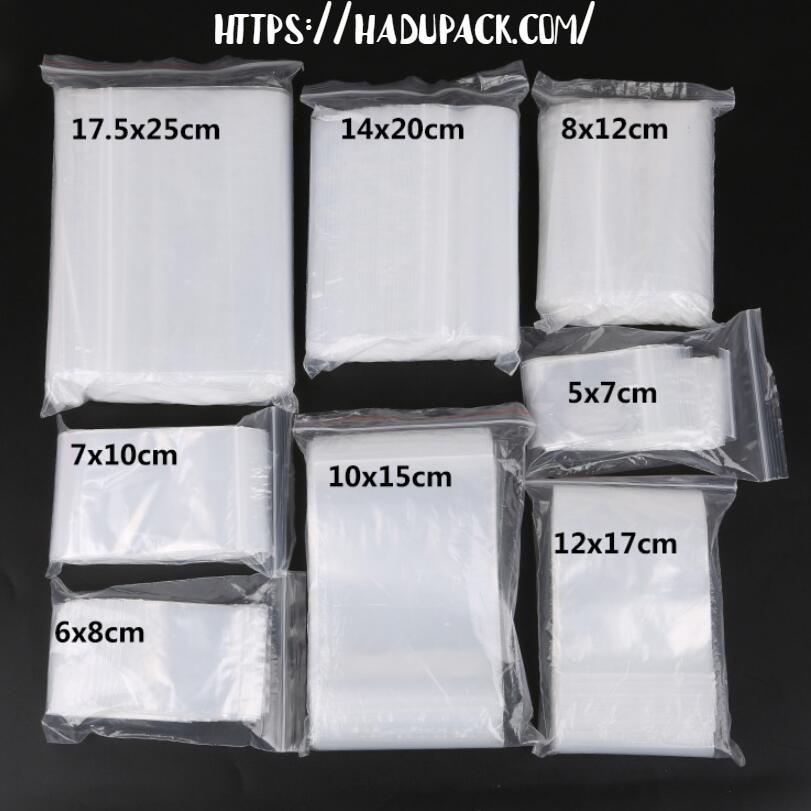
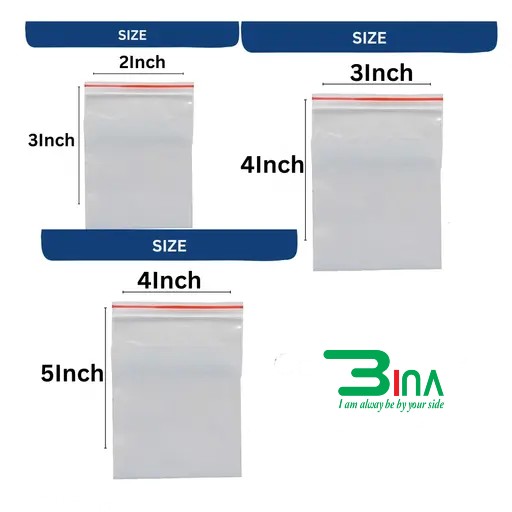
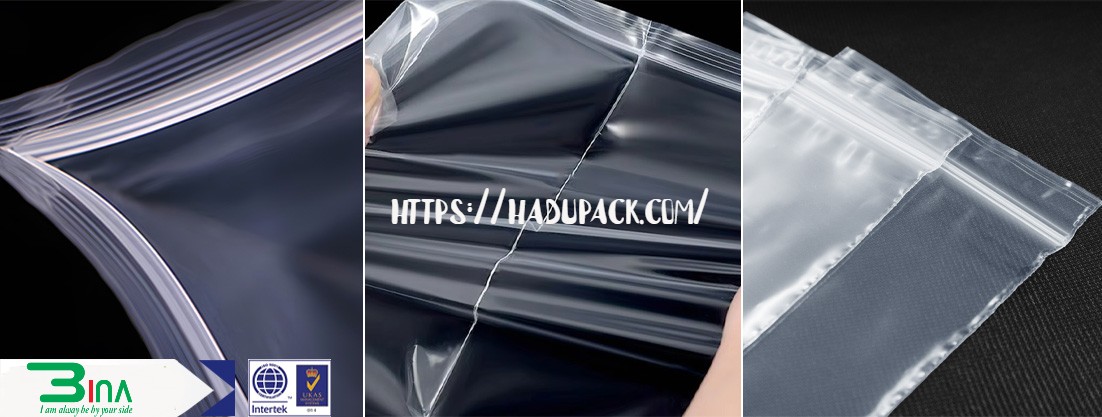
Zipper bags, or zip-lock bags, are a type of packaging made primarily from plastic film, using a pre-designed zipper closure that can be opened and closed multiple times. They are classified into three main types: regular zipper bags, document zipper bags, and concealed zipper bags.
 |
◆Learn more:
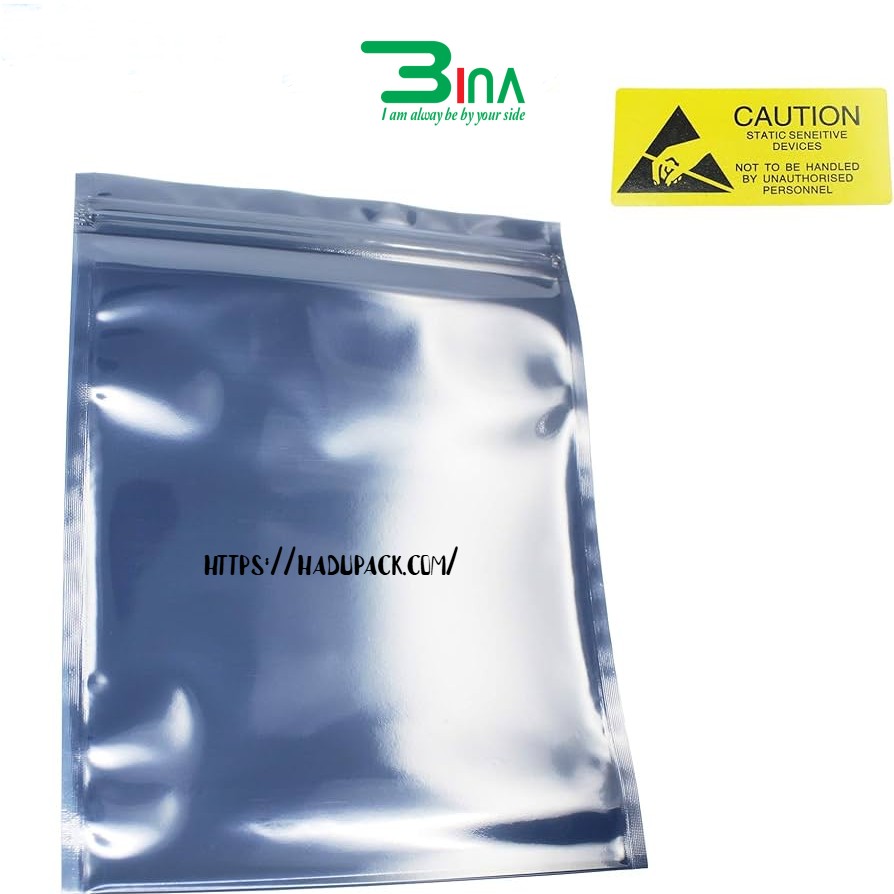
- https://hadupack.com/san-pham/tui-chong-tinh-dien/
- https://hadupack.com/san-pham/tui-niem-phong/
- https://hadupack.com/san-pham/tui-pe-day-keo/
The selected materials include various types of plastics such as PVC, PET/PA/CPP composite film, and PE. The production process includes high-frequency welding, sewing, and gravure printing.
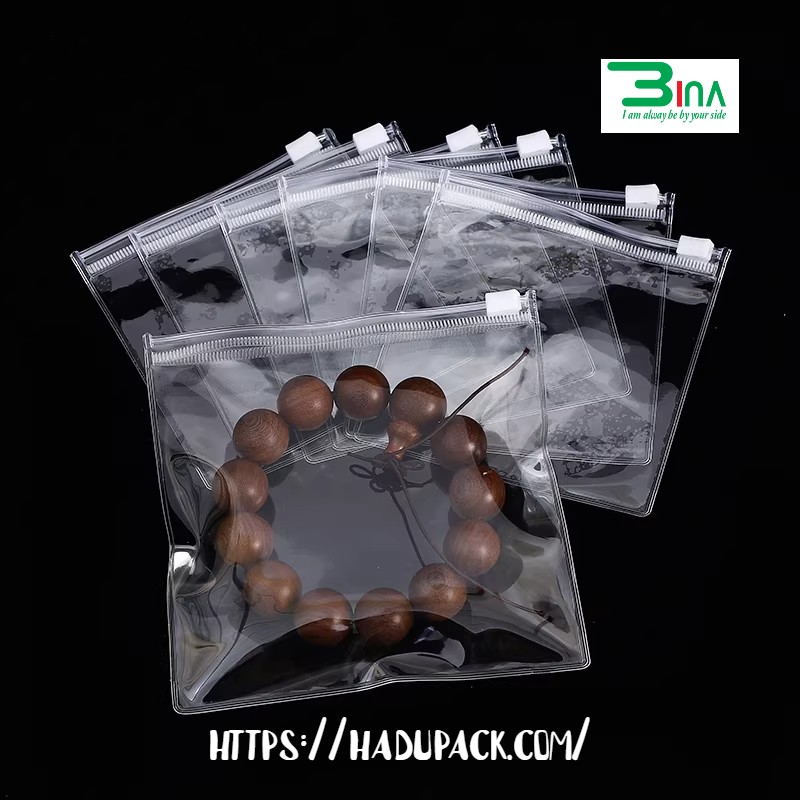 |
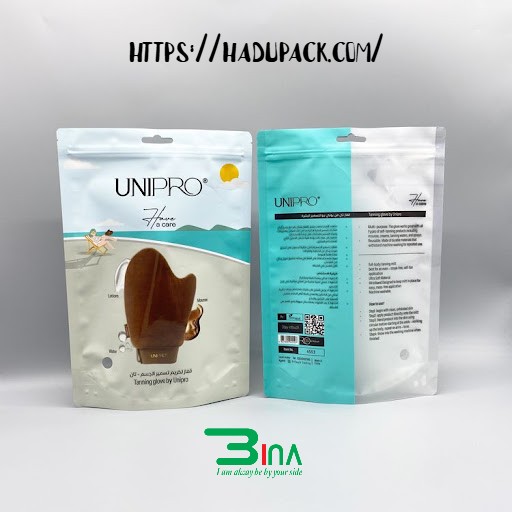
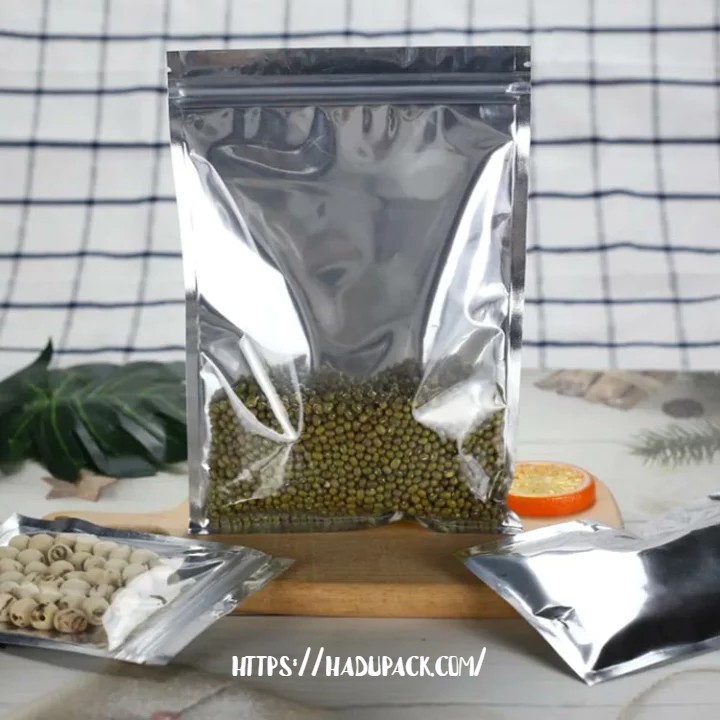
In terms of applications, ordinary zipper bags are widely used for packaging daily necessities and storing clothing accessories, document zipper bags are specially designed for stationery, and stand-up pouches are suitable for packaging food that requires high temperature and heat resistance.
 |
 |
 |
 |
Modern manufacturing companies often have Class 100,000 cleanrooms and ERP traceability systems to ensure that products meet food packaging standards.
 |
Application Areas
Each type of product has specific applications in different industries:
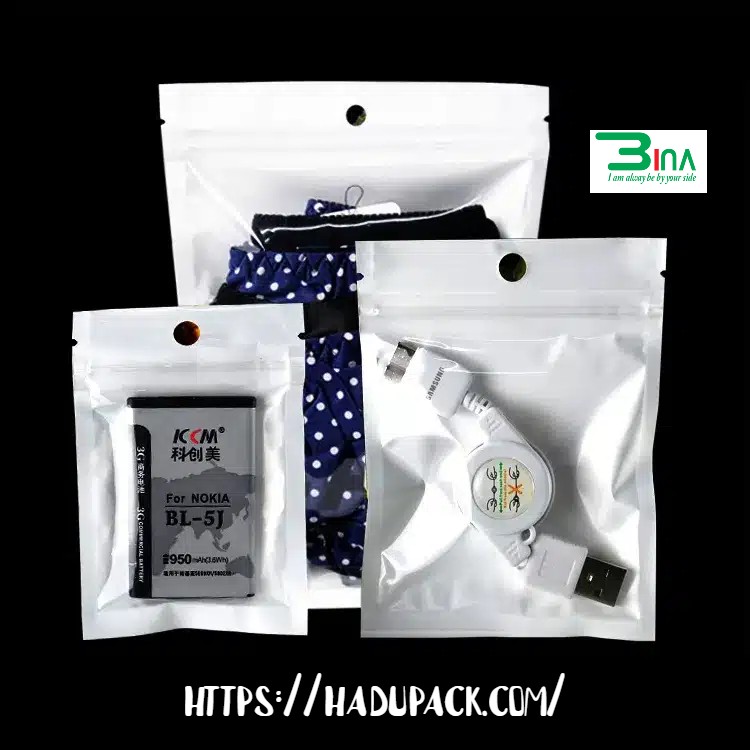
- Food packaging: Stand-up zip bags can hold liquid soups and semi-solid seasonings, while maintaining a tight seal after sterilization at 135℃
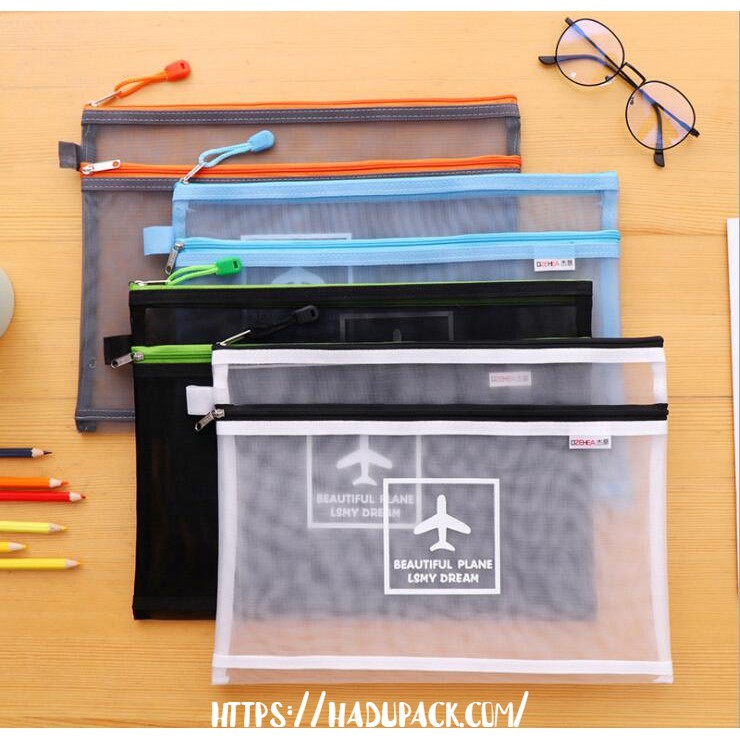
- Stationery manufacturing: Zip document bags are equipped with labeling slots for subject classification, suitable for storing books, exercise books, and other school supplies
- Industrial packaging: Customized PVC zip bags are used to protect precision parts from dust, and the surface can be printed with company logos and warning signs
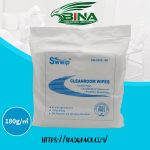
- Household hygiene: Zip-sealed packaging is used for wet wipes (such as kitchen cleaning wipes, antibacterial toilet wipes, and quick-drying wipes after exercise), and some brands use lightweight biodegradable zip bags (such as PLA+PBAT composite packaging).
 |
Classification and Structure
According to differences in application scenarios, it can be divided into three basic types:
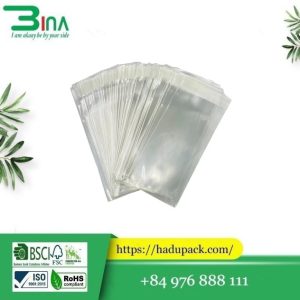
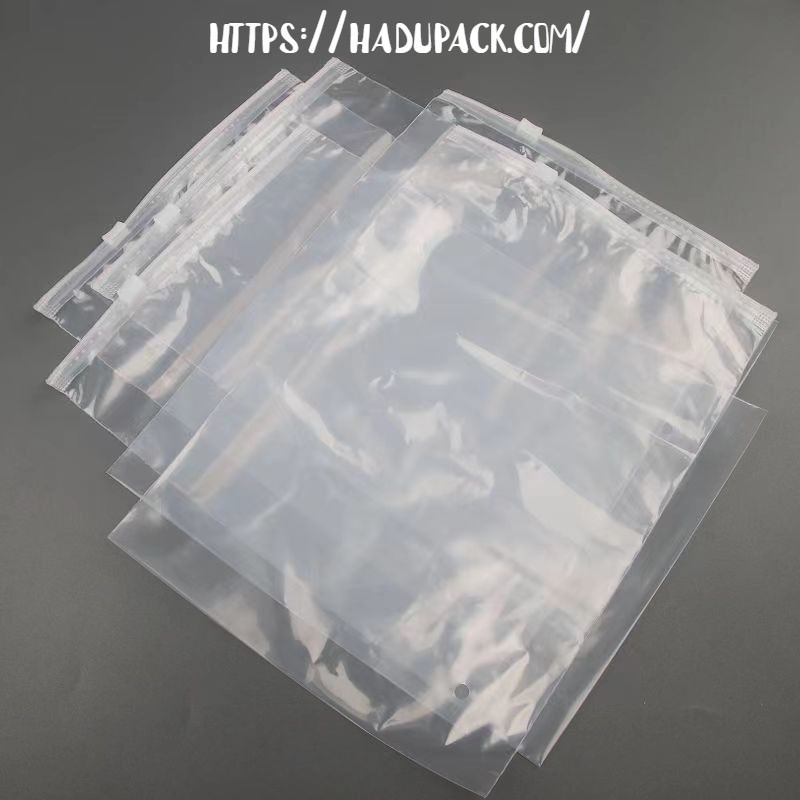
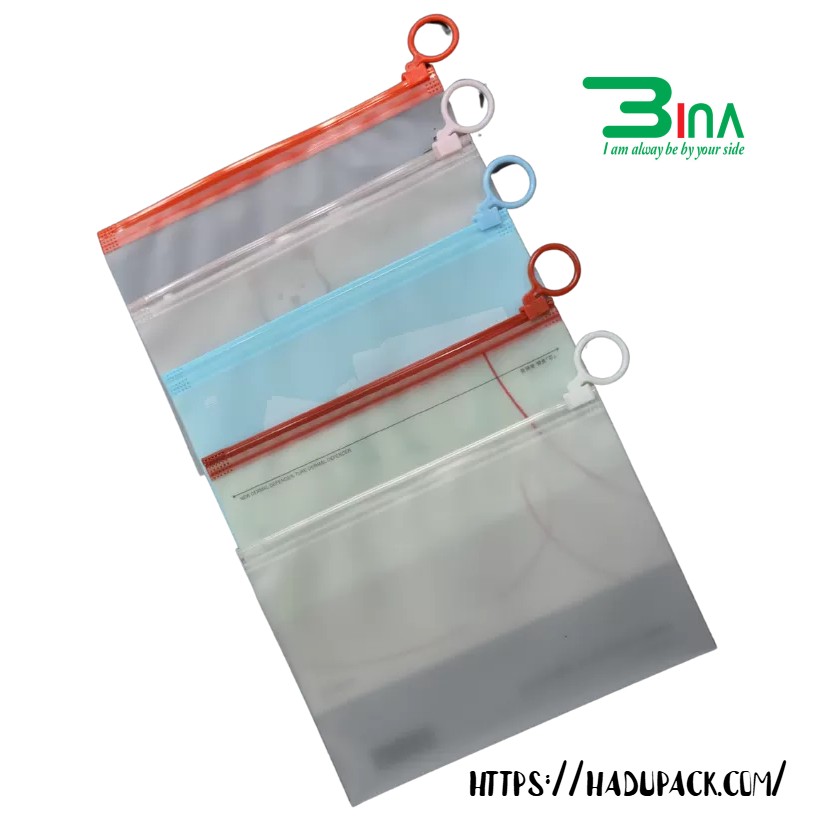
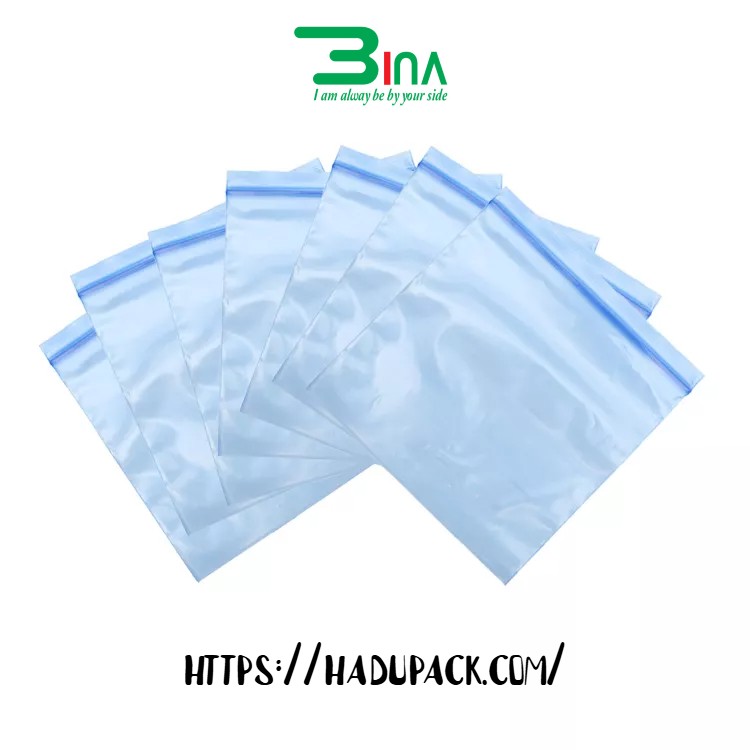
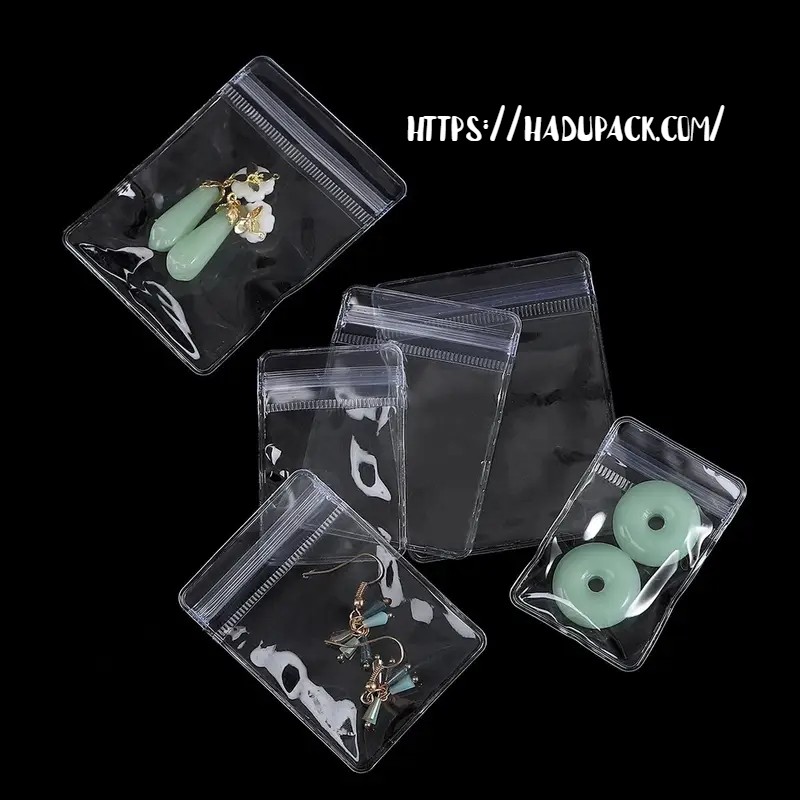
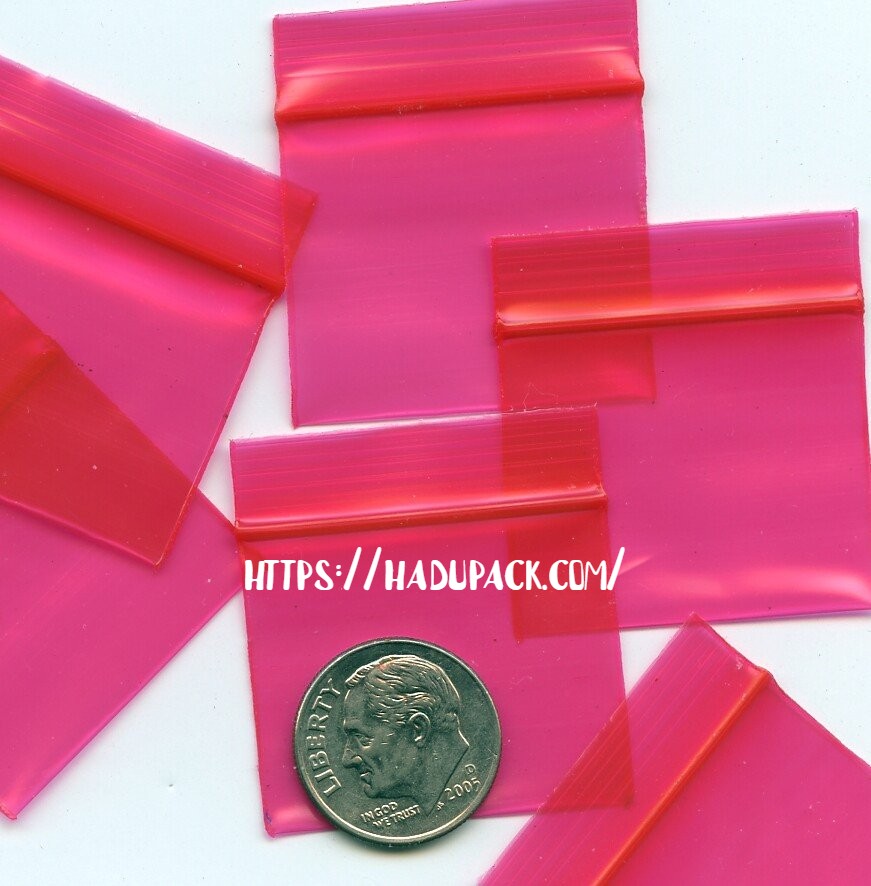
- Ordinary zipper bags: Made of transparent or frosted plastic film, including subtypes such as zipper bags with zippers and frosted zipper bags, suitable for packaging clothing accessories and storing daily necessities.
- Document zipper bags: Designed for A4-sized documents, using a double-mesh structure to improve durability, equipped with a viewing window and a smooth zipper system, suitable for students’ test paper classification and management needs.
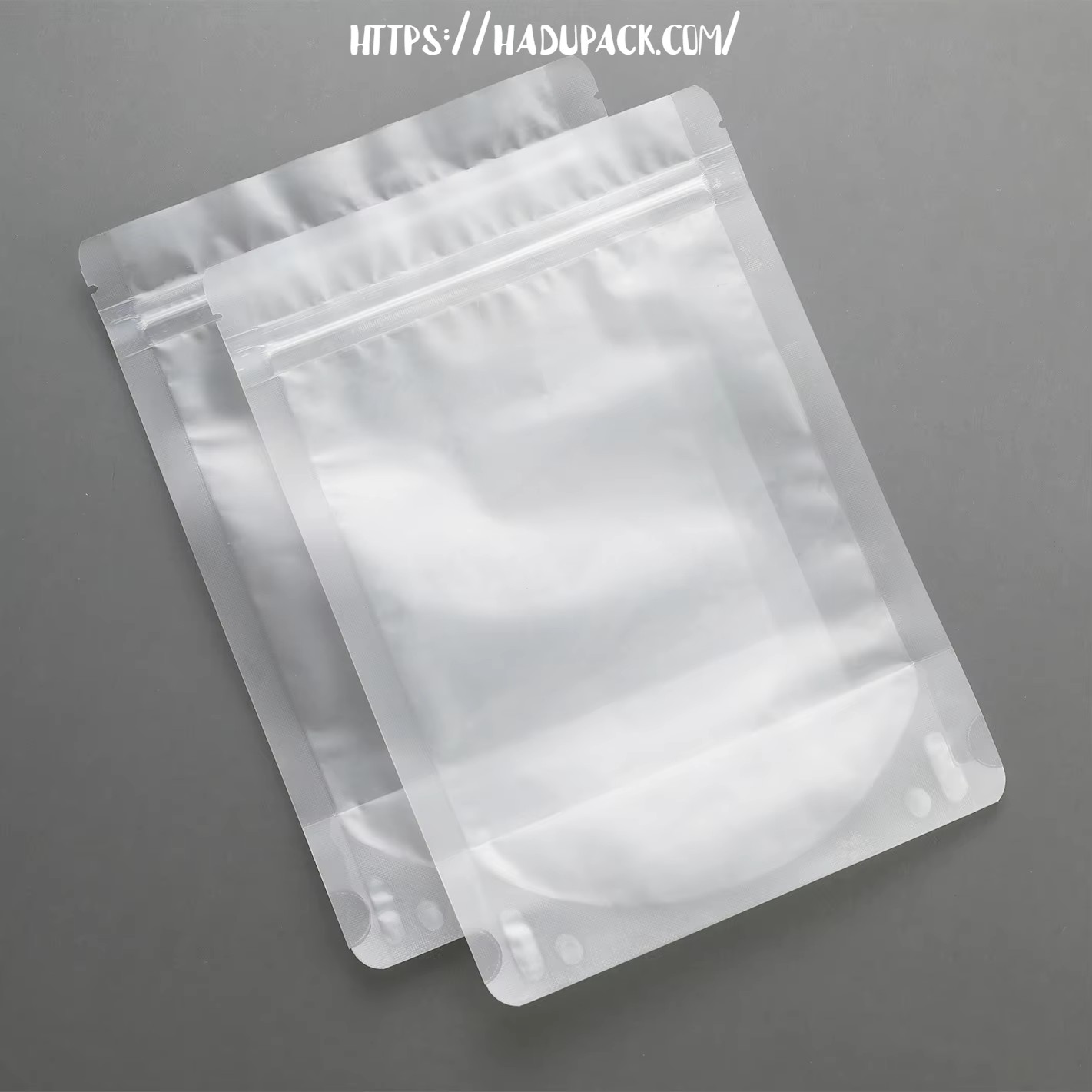
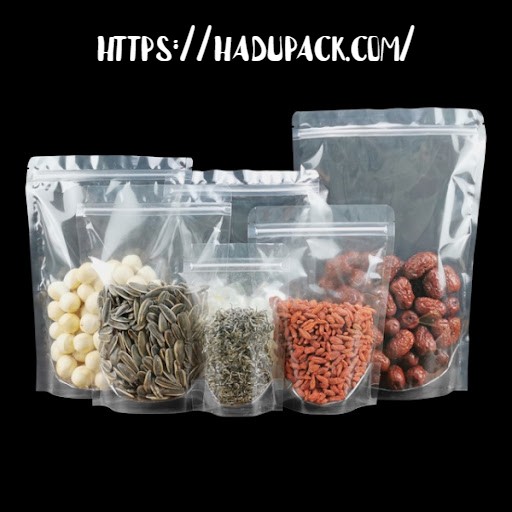
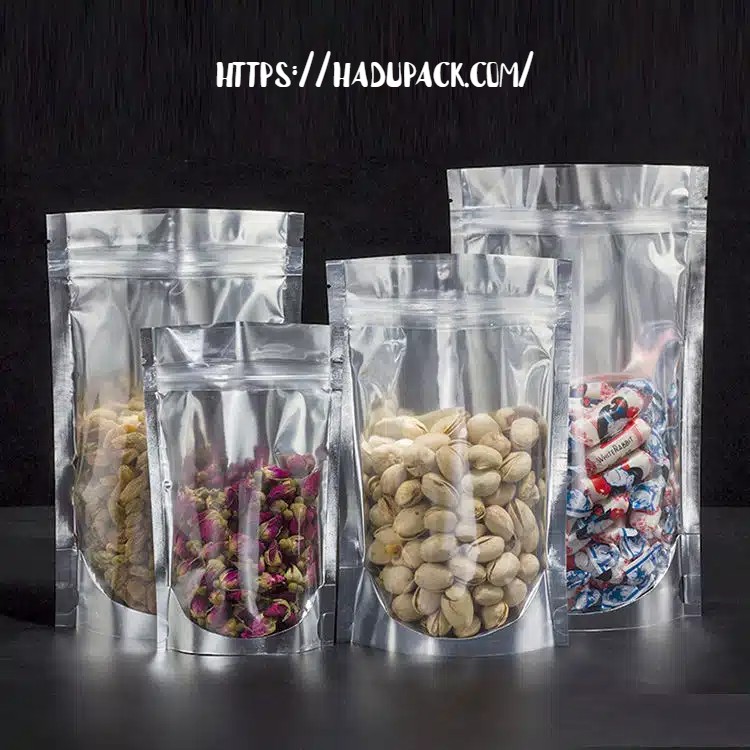
- Self-standing zipper bags: Achieve self-standing functionality by folding the bottom, mainly used for packaging powdered food, equipped with a high-temperature-resistant composite film to adapt to 121℃ sterilization processing.
 |
Materials and production processes
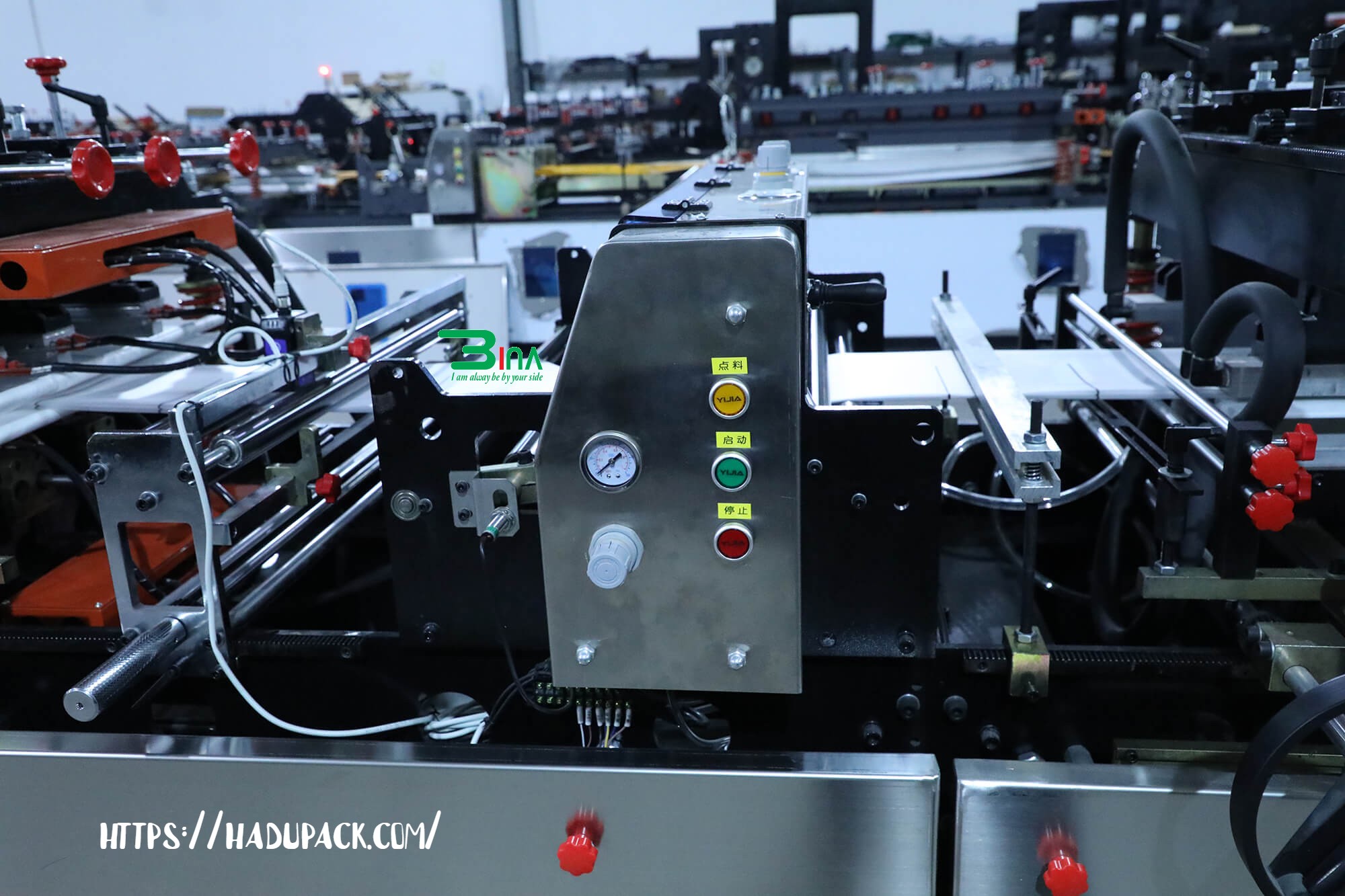
- The main products incorporate a combination of multiple processing technologies: High-frequency welding technology: Uses a high-frequency electric field to induce thermal motion in PVC molecules, achieving seamless bonding of the bag body, with welding strength of up to 50N/15mm.
- Multilayer composite process: Improves puncture resistance through the PA layer, enhances heat-sealing performance through the CPP layer, and provides a printing substrate through the PET layer.
- Stitch reinforcement process: Uses double stitching at the bag opening and metal zipper ends, enabling the opening and closing service life to exceed 5000 cycles.
 |
Product Features
Functional specifications meet diverse usage needs:
- Sealing performance: A dual-track zipper design is adopted, with a water vapor transmission rate <5g/(m2·24h), and an oxygen transmission rate <15cm3/(m2·24h·0.1MPa)
- Visual presentation: The matte surface treatment can make the haze value exceed 90%, ensuring content visibility while protecting privacy
- Weather resistance: Maintains flexibility in low-temperature environments, with elongation at break >250%
 |
 |
 |
 |
 |
 |
 |
 |
 |
 |
Production Standards
Large-scale manufacturing enterprises implement strict quality control processes:
- Environmental control: The air cleanliness of the production workshop reaches Class D (Class 100,000) according to ISO 14644-1, and the number of dust particles is ≤3,520,000/m³.
- Inspection system: Equipped with gas chromatographs to detect solvent residues (total <5mg/m²) and electronic tensile testing machines to test heat-seal strength (>35N/15mm)
- Traceability management: Raw material batch tracking is carried out through an ERP system to ensure that products meet food-contact standards.
 |
Zipper bags offer many benefits, including:
- Keeping food fresh: Ziplock bags with zippers help minimize food’s exposure to air each time you open the bag, helping to preserve freshness better. The resealable closure helps keep food fresh for longer.
- Portion control: You can easily reseal partially used bags to store leftovers or divide snacks into smaller portions without waste. This helps control portion sizes and prevents unused food from spoiling.
- Convenience: Zipper bags are easy to open and close with one hand, without needing clips or ties. This makes them extremely convenient for taking snacks directly from the bag.
- Resealability: The zipper design allows for repeated use, unlike ordinary plastic bags, which often cannot be resealed. This reduces plastic waste.
- Household use: Ziplock bags with zippers help extend shelf life, reduce waste, and provide a convenient and easy way to store or portion food. Their resealable design offers many advantages over ordinary plastic bags.
 |
What are Ziplock bags with zippers used for?
Resealable Ziplock bags are used for many different purposes thanks to their versatility, convenience, and ability to provide an airtight seal, effectively helping to prevent food from spilling. They create a seal that is particularly beneficial for maintaining the freshness and quality of food.
The secure seal not only prevents spills but also helps maintain the quality and flavor of the food inside, making these resealable bags a reliable choice for packaging a wide variety of foods.
Cooked food, frozen food… Pet food coffee and tea snacks and confectionery household goods Resealable self-sealing bags provide convenient packaging for food and other items thanks to their resealable and leak-resistant design.
Contact BiNa Vietnam Joint Stock Company soon for guidance on choosing a packaging bag formulation proven to suit your storage needs. Understand how material properties such as permeability and puncture resistance affect shelf life.