


Description
What Is Bottle and Jar Label Printing?
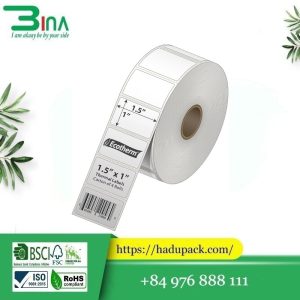
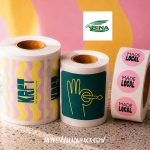
Bottle, jar, and can label printing is a specialized printing technology that involves the design, production, and printing of labels for various types of packaging, including bottles, jars, cans, and containers.
This technology is widely used in the food, beverage, household chemical, and pharmaceutical industries. It includes various labeling solutions, such as self-adhesive labels, heat-shrink sleeve labels, and in-mold labels (IML).
The main purposes of bottle and jar label printing are to enhance the visual appeal of products, communicate brand information, and meet logistics management and product traceability requirements.
 |
◆Learn More:
- https://hadupack.com/san-pham/nhan-mac-thuoc-bao-ve-thuc-vat/
- https://hadupack.com/san-pham/nhan-mac-dau-thuc-vat/
- https://hadupack.com/san-pham/nhan-mac-bao-bi-khau-trang/
Core Features and Technologies:
- 1. Wide Range of Materials: Commonly used materials include plastic films (PVC, PET, BOPP), synthetic paper, metallic paper, and other specialized materials. These materials offer excellent water resistance, oil resistance, abrasion resistance, and vibrant color reproduction.
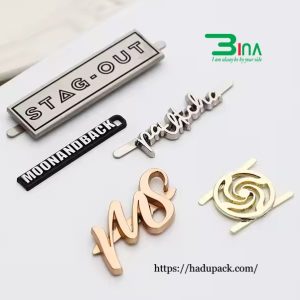
- 2. Various Printing Processes: Printing technologies include offset printing, gravure printing, letterpress printing, and screen printing. Special finishing techniques such as hot stamping, spot UV varnishing, anti-counterfeiting features, and transparent effects are also available to enhance the appearance and functionality of labels.
- 3. High Adaptability: Suitable label materials and adhesives are selected based on the bottle’s shape (flat or curved surfaces) and the labeling method (fully automatic or manual application), ensuring strong adhesion, durability, and consistent labeling quality.
 |
Types of Bottle and Jar Labels:
- 1. Self-Adhesive Labels: Easy to apply and widely used for everyday household chemical products and mid-range to premium beverages.
- 2. Heat-Shrink Sleeve Labels: Fit tightly around the packaging surface, providing full-coverage graphics and an attractive, seamless appearance.
- 3. In-Mold Labels (IML): Seamlessly integrated into the packaging during the injection molding process, providing a durable, high-quality, and aesthetically appealing finish.
Bottle, jar, and can label printing aims to provide waterproof, durable, and vibrantly colored packaging labels, ensuring efficient and reliable label application on automated production lines.
 |
Bottle and Jar Label Printing Process
The bottle, jar, and can label printing process typically includes design and prepress preparation, material selection (such as paper and plastic films), printing (flexographic printing, offset printing, and screen printing), post-printing finishing (lamination, hot stamping, and die cutting), and roll packaging.
For metal cans, a specialized metal printing process is used, in which designs are printed directly onto the can surface, followed by drying and finishing treatments.
Nowadays, automatic labeling technology has become widely adopted, significantly improving production efficiency and ensuring consistent labeling quality.
The detailed bottle, jar, and can label printing process is as follows:
Design & Prepress Preparation:
- 1. Label Design: Create label graphics, text, and barcodes according to the packaging dimensions, materials, and brand identity requirements.
- 2. Color Separation and Plate Making: Perform color separation on the artwork to prepare printing plates. For metal cans, specialized offset printing plates are used to ensure accurate and high-quality printing on metal surfaces
 |
Material Selection & Printing:
- 1. Material Selection: Select suitable materials such as transparent films, PP, PE, paper, or aluminum foil based on specific requirements, including water resistance and abrasion resistance.
- 2. Printing Methods: Common printing methods include flexographic printing (suitable for mass production), offset printing (providing fine details and sharp images), screen printing (offering thick ink layers and strong three-dimensional effects), and digital printing (ideal for small-batch production and a wide variety of products).
- 3. Special Finishing Processes: Apply special techniques such as hot stamping (gold or silver), embossing, spot UV coating, and other decorative finishes to enhance the visual appeal and raised effects of the labels.
Post-Printing Processes:
- 1. Lamination: Apply a protective film (glossy or matte) to the label surface to improve water resistance, abrasion resistance, and overall durability.
- 2. Die Cutting: Cut the printed roll material into the required label shapes and remove excess waste material.
- 3. Sheet Cutting / Roll Finishing: Cut the printed labels into individual sheets or produce finished label rolls according to the requirements of automatic labeling machines.
- 4. Automatic Labeling: Use automatic labeling machines to accurately and efficiently apply finished roll labels to glass, plastic, or metal containers, ensuring high labeling speed and consistent application quality.
 |
Important Considerations When Printing Bottle and Jar Labels
Bottle, jar, and can label printing requires selecting appropriate adhesives and printing methods based on the packaging material (plastic, glass, or metal) and environmental conditions (such as wet or cold environments).
Thermal transfer printing is commonly used to produce both permanent and removable labels. Key considerations include using suitable thermal transfer ribbons to improve barcode clarity, adjusting printhead temperature and printing speed to resolve issues with blurred or unclear images, and ensuring that the labeling surface is clean and dry before application.
The main challenges and their solutions are as follows:
 |
Material Compatibility:
- 1. Plastic Bottles (PET): Require abrasion-resistant label materials with strong adhesion. The bottle surface must be kept clean to ensure proper label application and long-lasting durability.
- 2. Cold/Wet Environments: Labels must be moisture-resistant, and the adhesives must withstand low temperatures to ensure reliable adhesion under cold and humid conditions.
 |
Print Clarity and Quality:
- 1. Blurry Images: This issue is often caused by prolonged printer use, resulting in wax ribbon residue accumulating on the printhead. Clean the printhead using a specialized cleaning pen or a suitable cleaning wipe.
- 2. Faded or Light Printing: Increase the printhead temperature (print density) and appropriately reduce the printing speed through the printer software to improve print quality.
Printer Troubleshooting:
- 1. Flashing Red Light / Printer Not Working: Check whether the printer cover is securely closed and whether the label sensor has been properly calibrated.
- 2. Label Misalignment: Reset the label length and width settings in the labeling software to ensure accurate label positioning and printing alignment.
 |
Automation and Compliance:
- 1. Automation: Use automatic labeling machines to improve production efficiency, reduce labor costs, and ensure consistent labeling accuracy and quality.
- 2. Compliance: Special containers, such as chemical bottles, must display appropriate hazard information and safety warnings on their labels to ensure long-term legibility and compliance with relevant labeling regulations.
For personalized labeling or homebrewing applications, waterproof label materials are recommended to withstand moisture and wet conditions caused by refrigeration, condensation, or washing.