
Description
What is a cotton label?
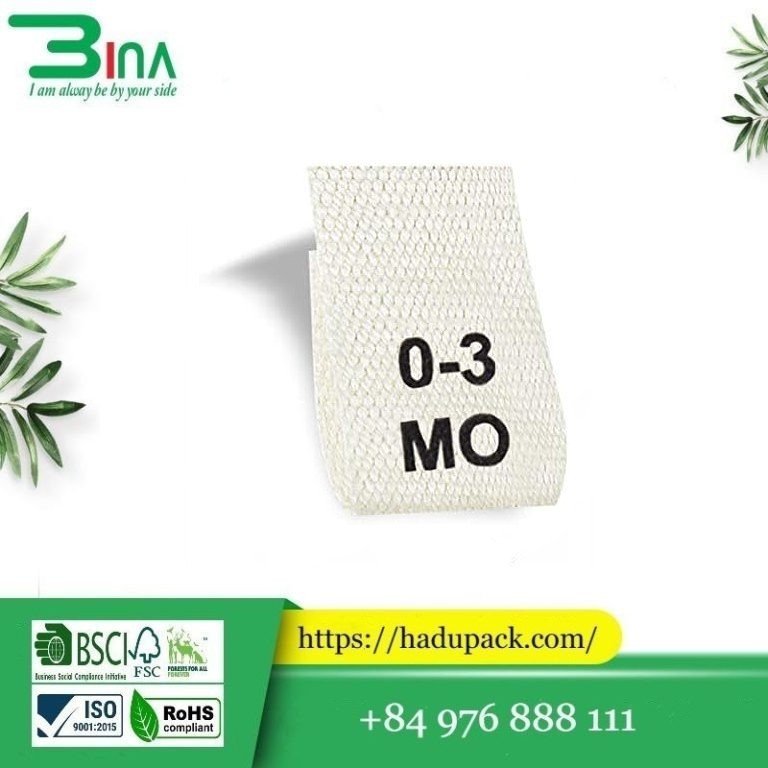
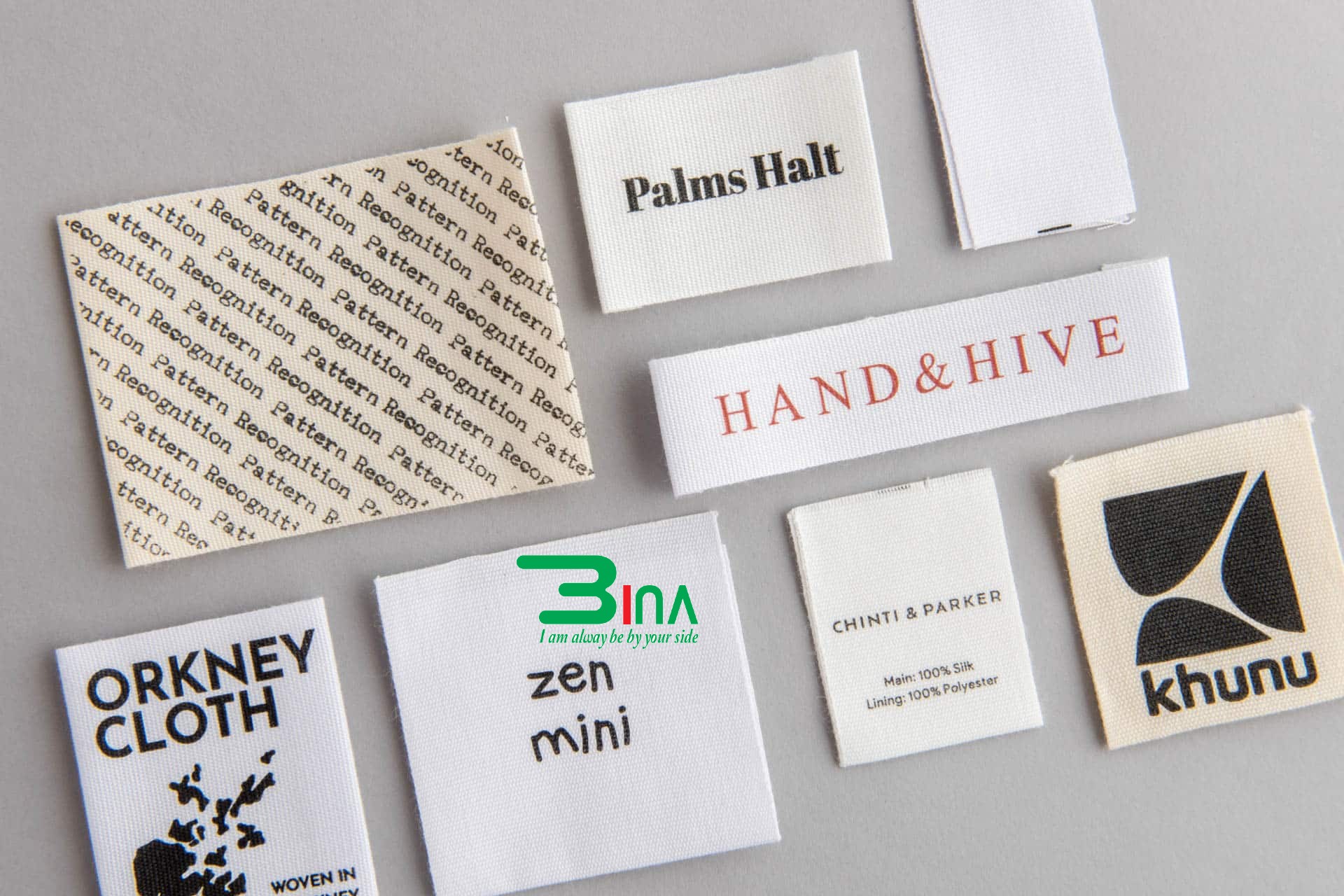
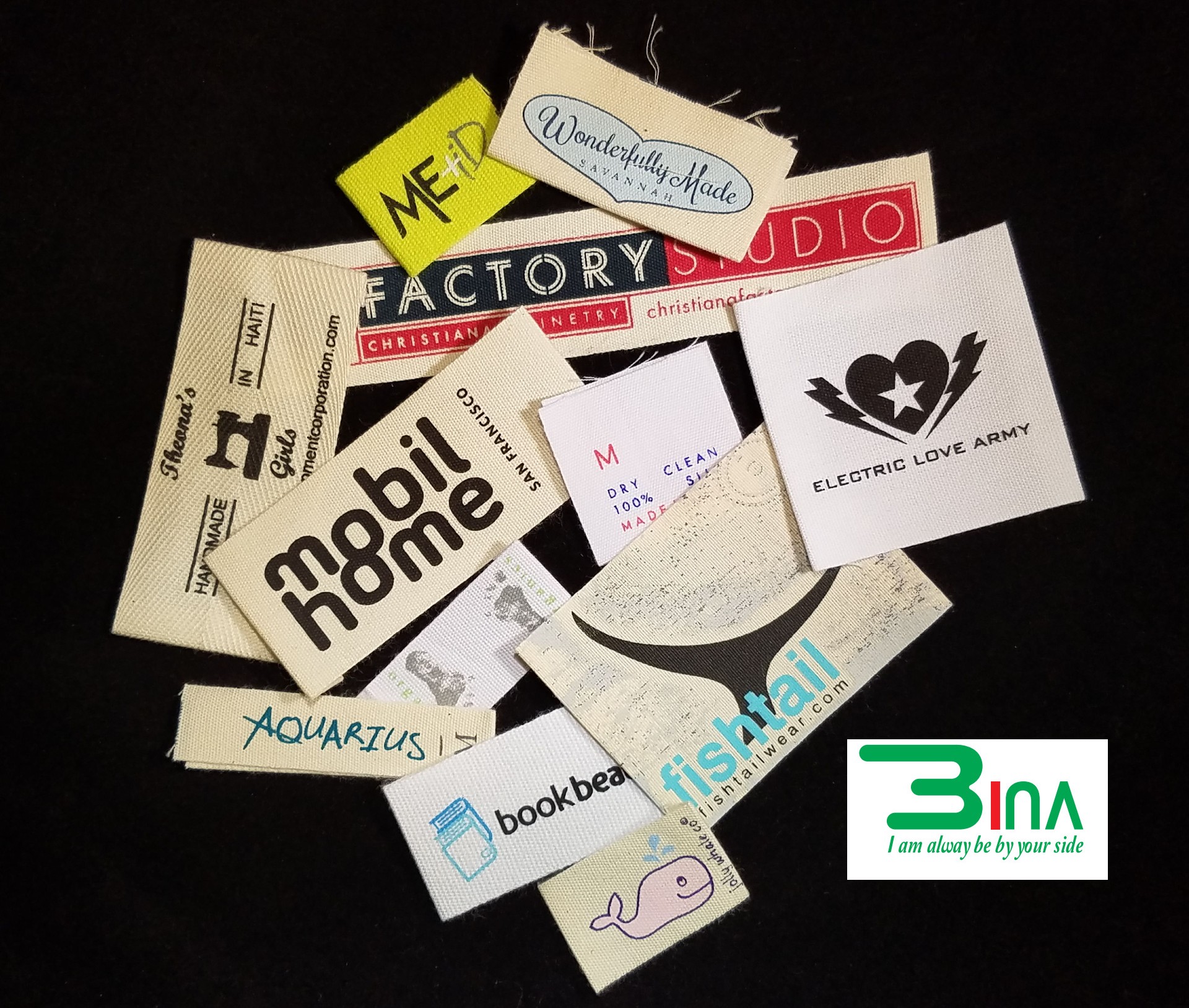
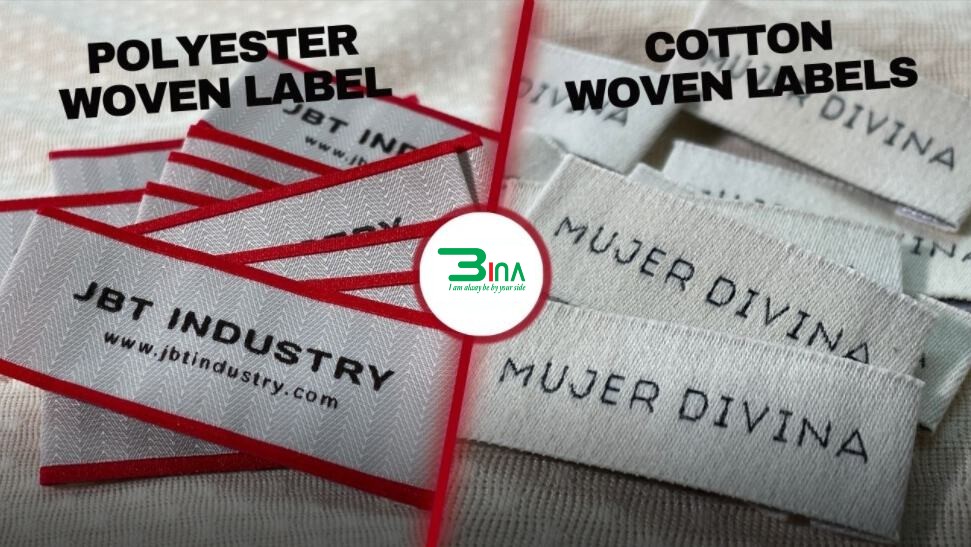
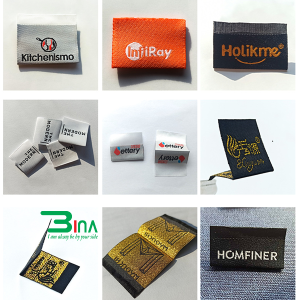
Labels added to textiles, specifically cotton labels, are pieces of fabric that are usually attached to certain clothing items as well as some other consumable products to inform users about the origin of the product and how to care for it. These cotton labels are relatively rustic and undemanding, which are the main criteria for labeling.
 |
What does “100% Cotton” mean on the label?
“100% cotton” as specified on a clothing label means that the product is made entirely from fibers extracted from the cotton plant, without any trace of other materials. Thanks to this special label, it is much easier to know the fiber blend, fabric composition, and care instructions.
☞Learn more:
- https://hadupack.com/san-pham/nhan-det-taffeta/
- https://hadupack.com/san-pham/nhan-mac-quan-ao/
- https://hadupack.com/san-pham/nhan-in-satin/
How can I distinguish between organic and conventional cotton labels?
Cotton is an ideal choice for us, although there are differences when using cotton under organic or conventional options and as indicated on the label. The best way to distinguish between organic and conventional is to look for certification seals on clothing labels. Customers should look for signs indicating that the product is organic, such as the Global Organic Textile Standard (GOTS), a certification that manufacturers strictly comply with sustainable practices from production to land and social protection.
 |
Are there any specific symbols or icons that I should look for on cotton labels?
Yes, cotton labels are known for having symbols related to care instructions, such as washing, drying, and ironing symbols. They also have labels certifying that garments are part of GOTS, OEKO-TEX, Fair Trade, etc. These symbols provide information about product quality and compliance with ethical standards.
Are there any new technological advances impacting cotton labeling?
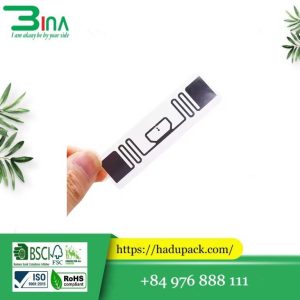
Innovations related to cotton labeling include QR codes and RFID tags containing extensive information about the product’s origin and production, and with just a few clicks, you can open a window with mandatory care instructions on an online platform. These technologies make interacting with cotton labels easier.
What are the benefits of printed cotton labels?
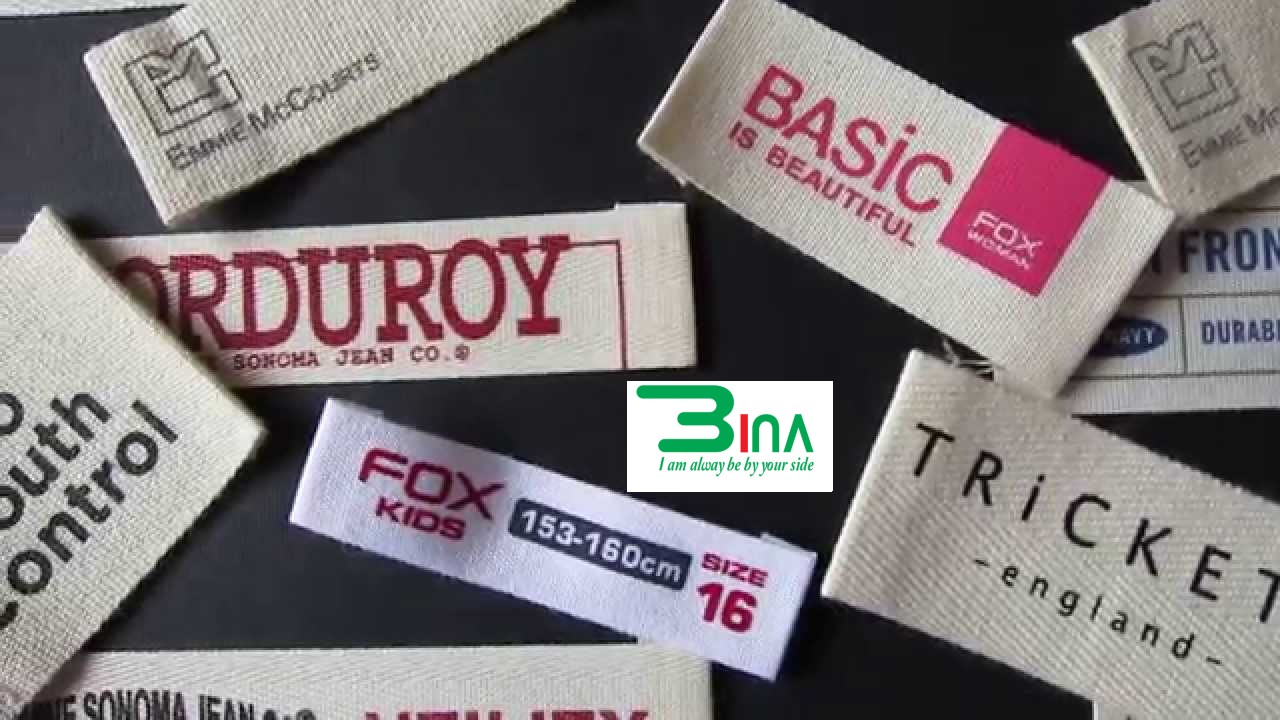
The standout features of printed cotton labels are that they have patterns suitable for attaching to everyday-use products while still serving essential functions such as durability, skin-friendliness, sensitivity, and clarity. Labels can also come in many colors, creating a more casual and simple appearance, with different font types and sizes that allow consumers to see the brand’s identity and experience.
 |
Are these labels washable?
Yes, cotton labels are washable. With good resistance to standard washing processes, these products are made to withstand them without fading or deteriorating, ensuring that the branding and care information remain legible throughout the product’s lifespan.
How do you sew cotton labels?
To sew a clothing label onto a garment, the user needs to determine the position of the label on the fabric, then pin the label in place and finally use a sewing machine or needle and thread to sew around the edges of the label. Throughout the process, the label should be sewn securely, with even stitches so that the label does not fall off.
 |
Which certifications and labels should we look for on the label?
- Global Organic Textile Standard (GOTS): Promotes environmental friendliness and protects workers’ rights.
- OEKO-TEX 100 Standard: This standard specifies that the product does not contain harmful chemicals.
- Fair Trade Certification: This standard ensures fair treatment of workers, allowing them access to fair wages and conditions during production.
- Cotton USA Certification: This indicates that U.S. cotton products are preferred and that customers trust the quality of the fiber and the standards of the cotton production and manufacturing process.
These certifications and symbols will provide you with convenience and confidence in cotton products, ensuring that all standards, including safety and ethical aspects, are applied and met. Although the company is responsible for providing consumers with evidence of sustainability, the labels must receive consumers’ attention to promote it.







Reviews
There are no reviews yet.