


Description
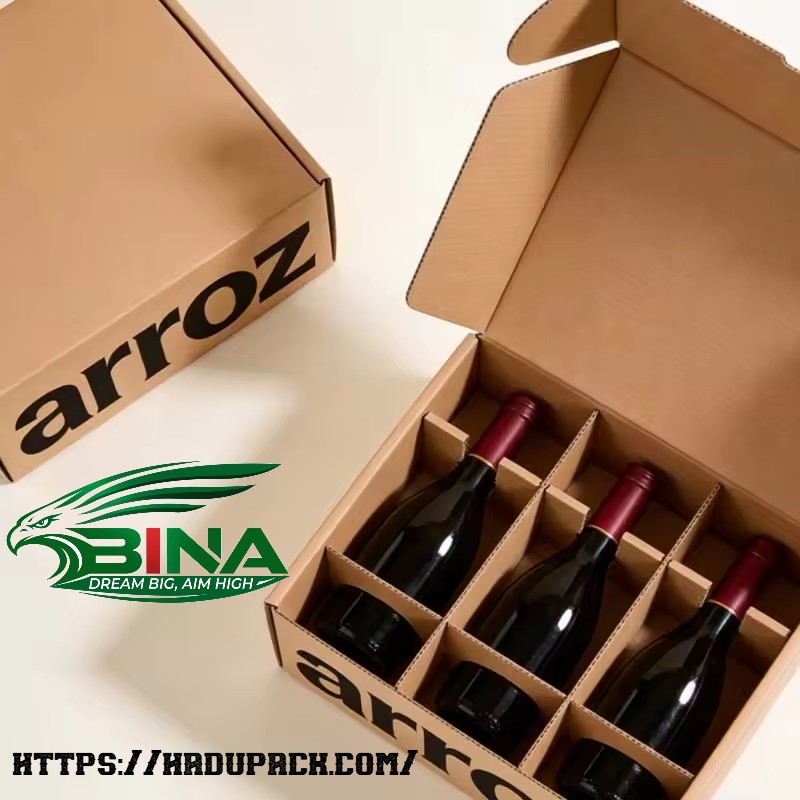
What is a paper wine box?
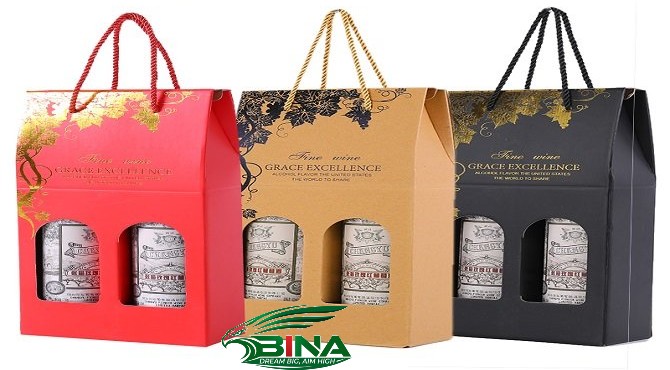
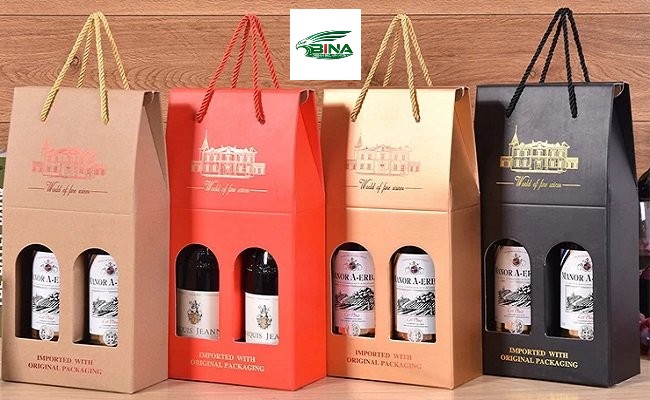
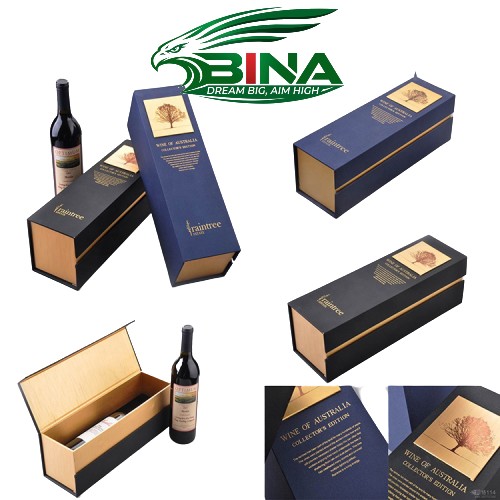
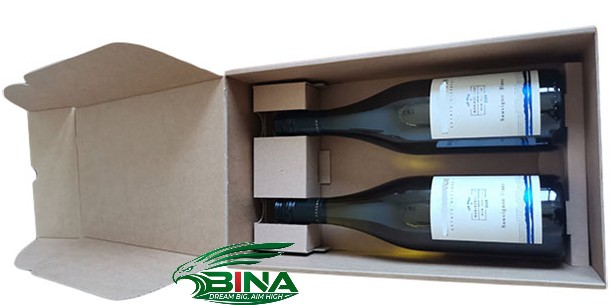
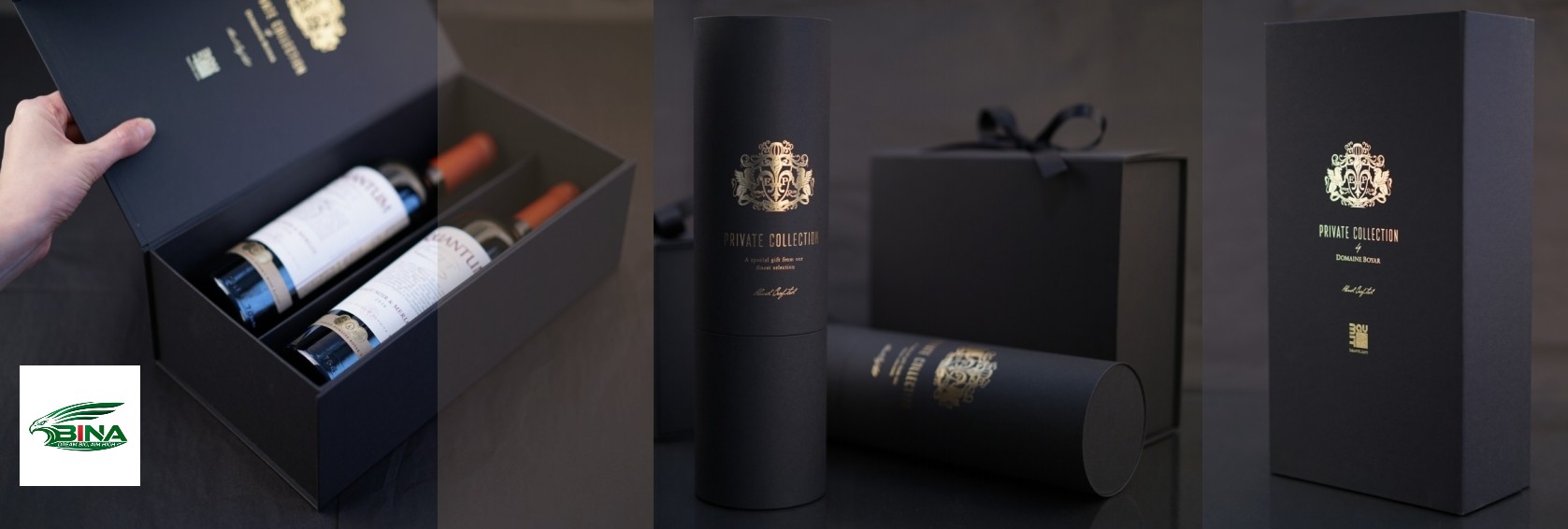
Paper wine boxes are wine packaging boxes made from paper materials such as cardboard and corrugated paper. They combine wine bottle protection, brand presentation, and environmental friendliness. They are often enhanced with special printing techniques, embossing, and foil stamping to create a premium feel, and feature internal structures (such as inserts) to securely hold the wine bottle. They are a popular wine packaging option that balances aesthetics and marketing appeal.
 |
◆Learn more:
- https://hadupack.com/san-pham/hop-giay-dung-thuc-an/
- https://hadupack.com/danh-muc/hop-giay/
- https://hadupack.com/san-pham/hop-giay-dung-giay/
- https://hadupack.com/san-pham/hop-dung-quan-ao/
Here are some important details about paper wine boxes:
Material composition:
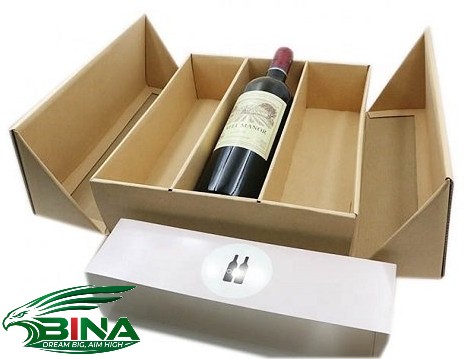
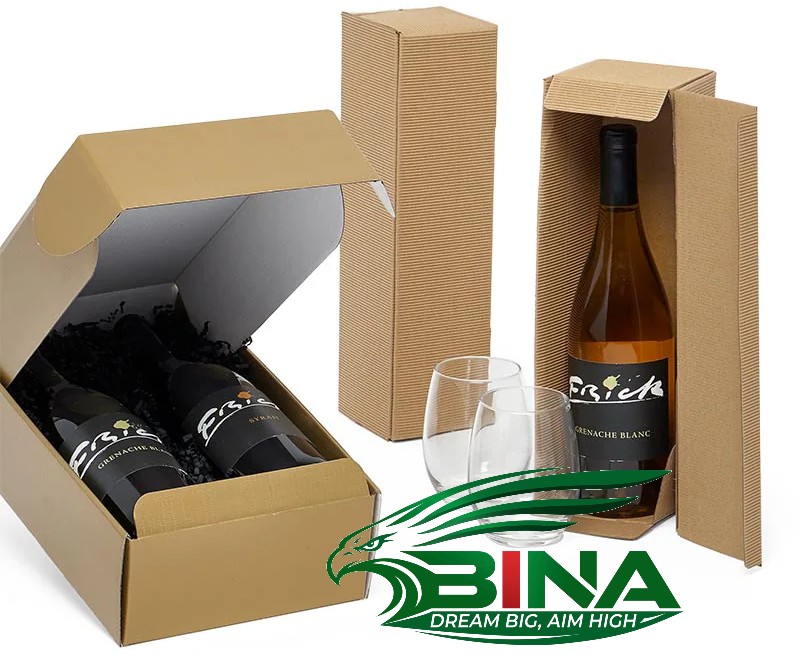
They are typically made from kraft paper, white cardboard, or gold/silver cardboard. Premium boxes often use corrugated paper to increase structural strength, such as a “cardboard laminated with corrugated paper” design.
 |
 |
Functions:
- Protection: Internal support or cushioning structures to protect against shocks and impacts.
- Eco-friendly: Compared with wooden boxes, paper packaging is generally easier to recycle.
- Printability: Paper surfaces are easy to color print, emboss, apply UV coating, and undergo other special processes, creating a refined appearance.
Types:
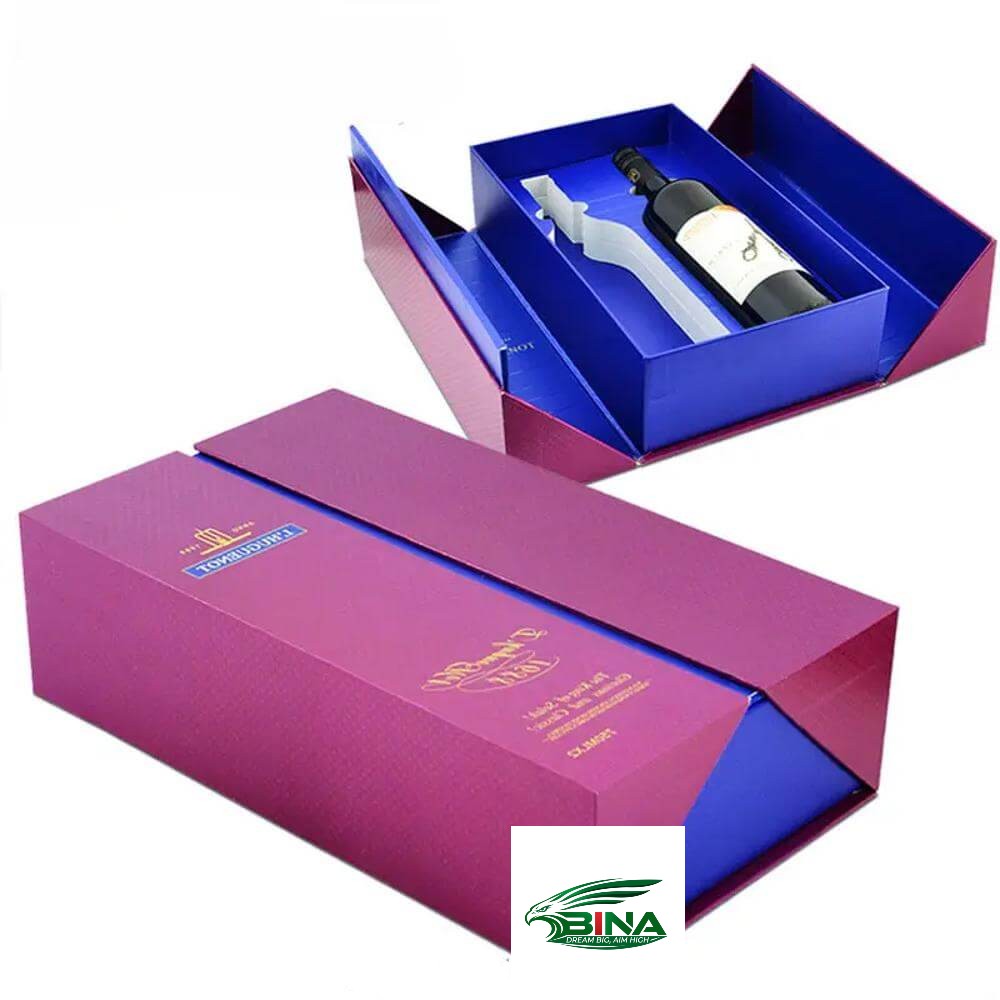
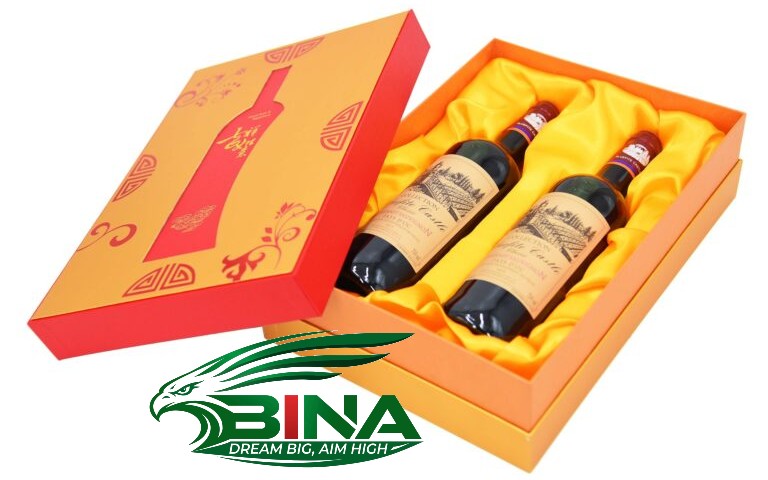
- Premium paper gift boxes: Focus on material quality and exquisite craftsmanship, suitable for gifts.
- Sturdy/eco-friendly wine boxes: One-piece molded design minimizes cushioning materials, balancing environmental protection and protection during transportation.
 |
Wine Box Printing Production Process
The core steps in producing printed wine boxes include designing and confirming the box shape, selecting the paper material, proofing, printing, post-print processing (hot stamping, lamination, etc.), die-cutting, and checking the quality of box gluing. Wine boxes typically use gold/silver cardboard or white cardboard, followed by high-quality processes such as offset printing and hot stamping, and finally die-cutting and gluing to form the final shape. Analysis of the steps in the printed wine box production process:
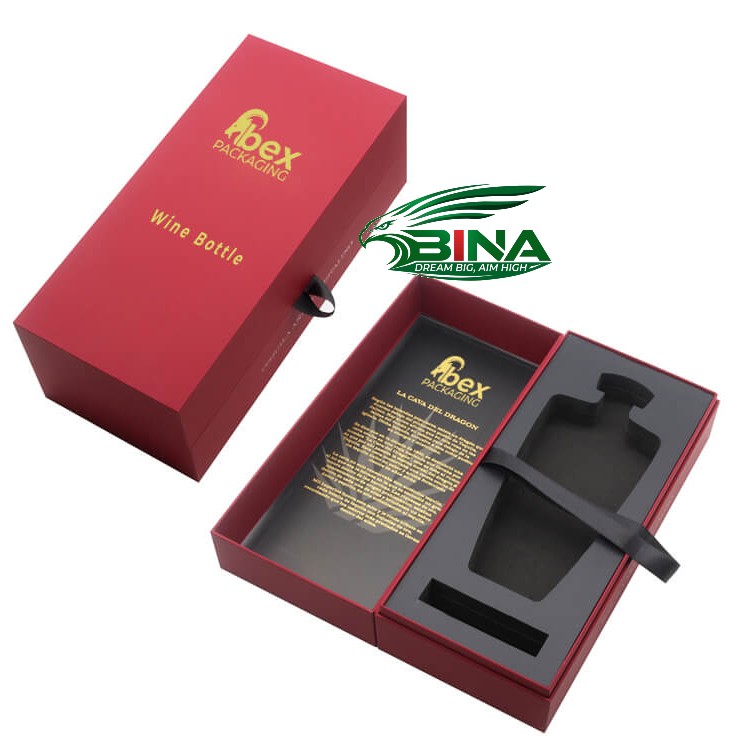 |
- Design & Planning: Design the box shape based on the shape of the wine bottle (e.g., book-style box, top and bottom lids).
Confirm the structure, dimensions, printed text, color mode (CMYK), and resolution (350dpi). - Material Selection: Commonly used materials include coated paper, gold/silver cardboard, white cardboard, or corrugated paper to increase rigidity.
- Prepress & Proofing: Design the layout, output film, and make printing plates (CTP). Conduct digital proofing or spot-color calibration to confirm the accuracy of colors and patterns.
- Printing: Primarily use offset printing. Use computer-controlled ink mixing to ensure color accuracy by comparing with the original design.
 |
Post-print finishing (Quality Enhancement):
- Surface treatment: Varnishing, lamination (matte, glossy).
- Special processes: Hot stamping, embossing, spot UV coating.
- Die cutting: The printed paper is shaped according to the die, and excess paper edges are removed.
- Folding & Gluing: Folding and gluing are done manually or by machine.
- Quality Inspection & Packaging: Quality inspection is carried out to ensure there are no color differences or scratches before packaging and shipping.
 |
Common mistakes in wine box printing:
- Color deviation management: Due to the high color requirements for wine boxes, accurate color matching is essential.
- Material suitability: Gold and silver cardboard are difficult to dry; pre-printing treatment needs to be confirmed.
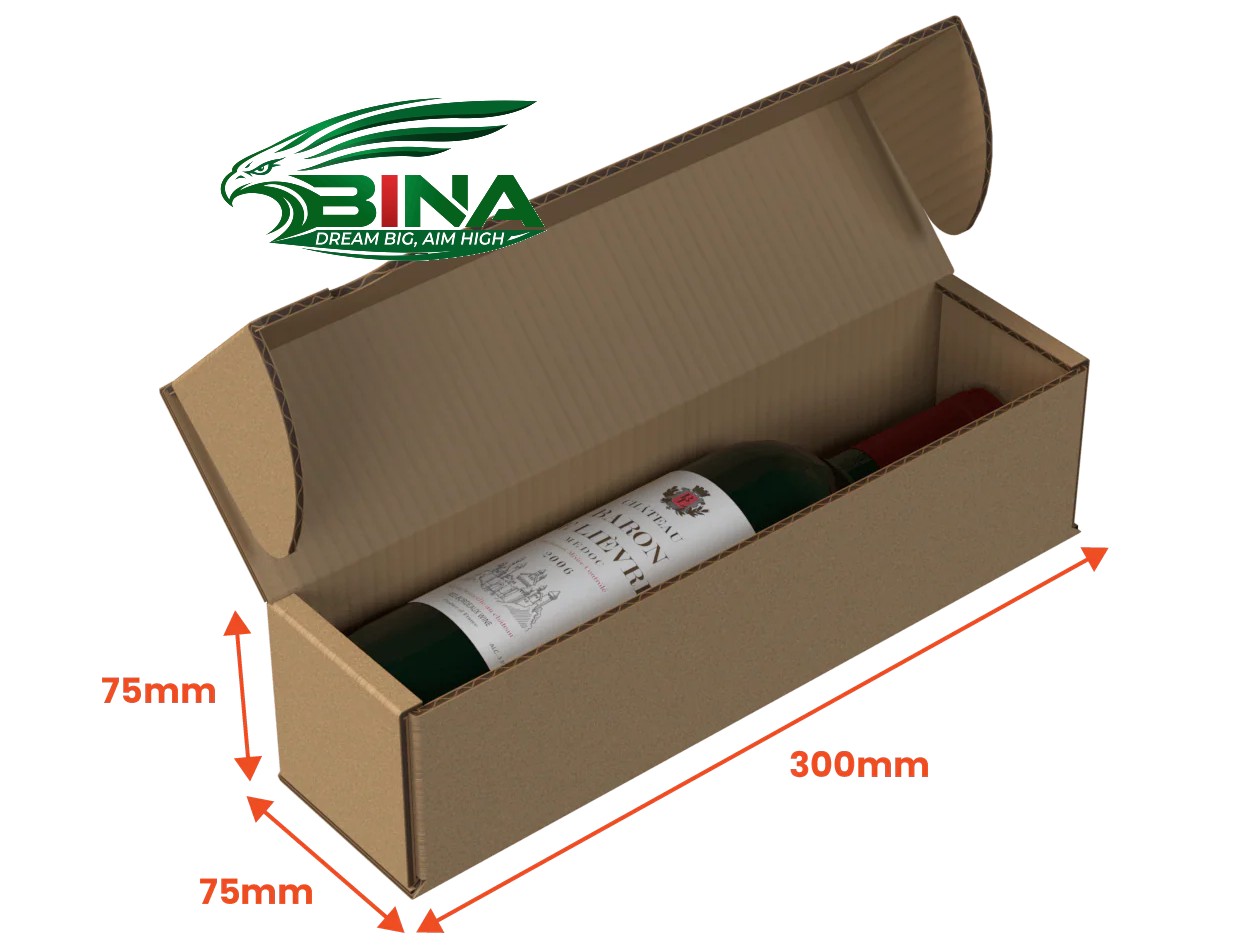
- Die-cutting accuracy: Space needs to be left for wine packaging in the design.
 |
Key factors of wine box printing:
Printing process:
- Offset printing: A traditional and refined printing method, suitable for mass production.
- Digital printing: Suitable for small-volume production and highly customized needs.
- Screen printing: Suitable for special surface materials such as foil paper.
 |
Paper selection:
- High-weight white cardboard/carton board: The basis weight is usually above [specific weight] to ensure structural durability.
- Art paper: Enhances texture.
- Silver paper/gold/silver cardboard: Creates a luxurious metallic sheen.
Post-print finishing (adds value):
- Gold/silver foil stamping: Creates a luxurious feel.
- Spot UV coating: Creates a three-dimensional effect and highlights details.
- Embossing: Creates a tactile feel.
- Gloss/matte/velvet lamination: Protects the box and changes the surface sheen.
 |
Types of structures:
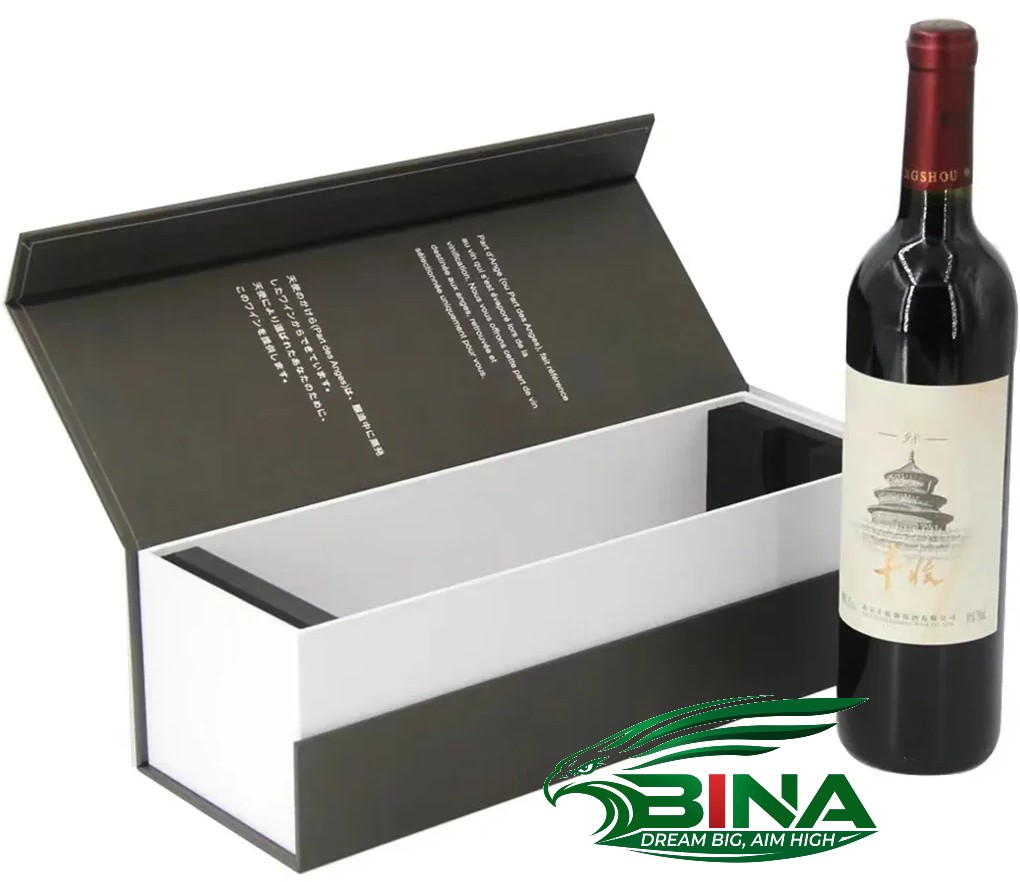
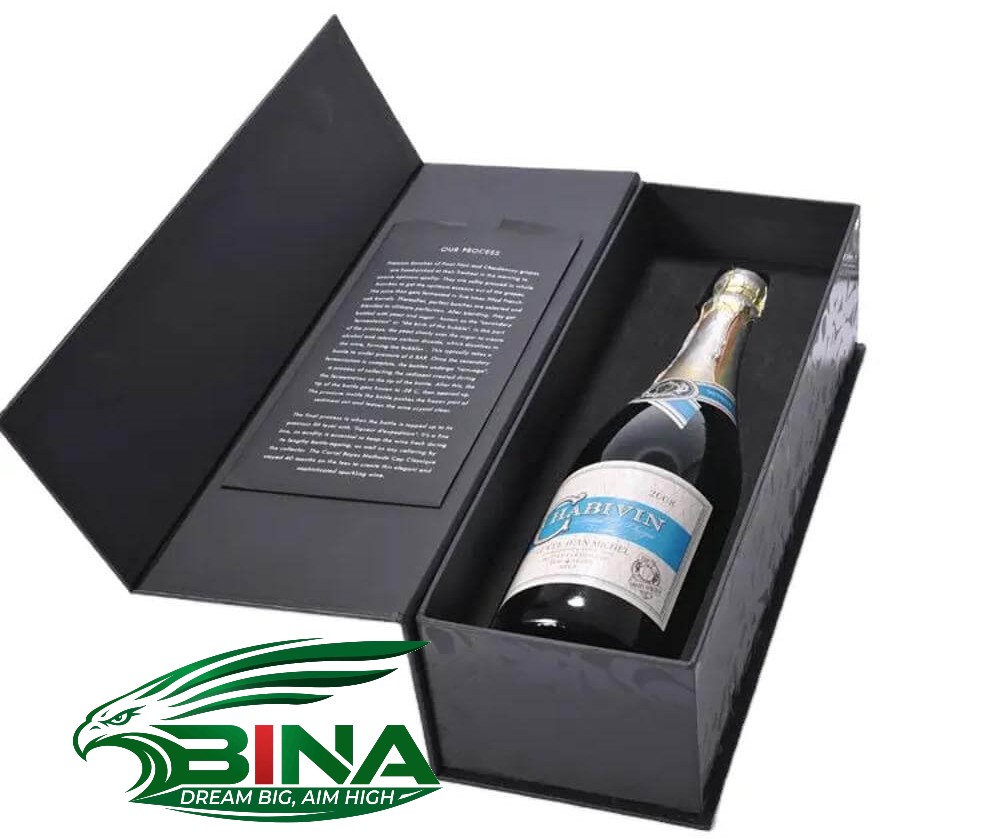
- Magnetic flap gift boxes: Commonly seen in premium gift boxes.
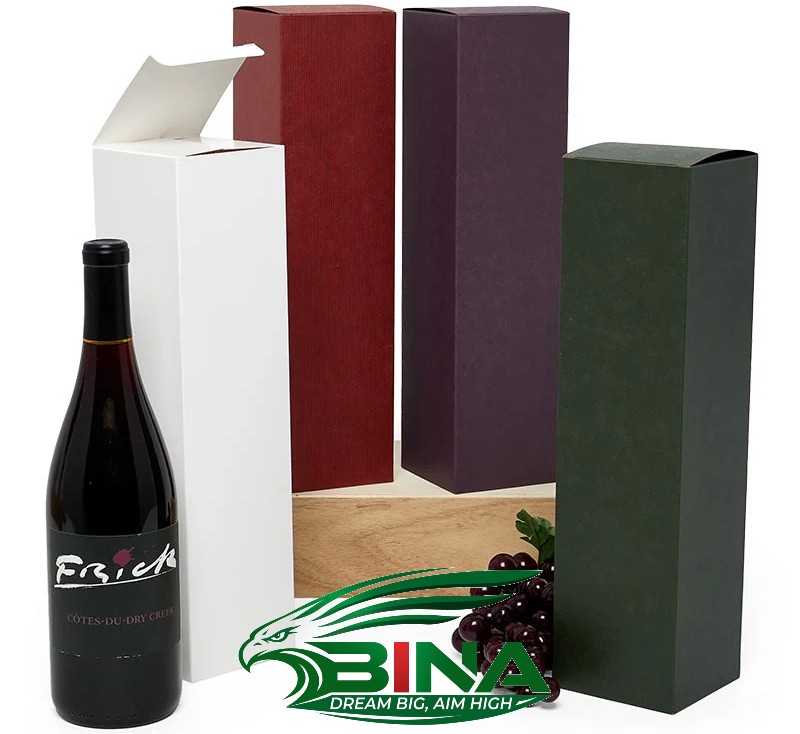
- Folding boxes/Colored corrugated cardboard boxes: Combining protection and display functions.
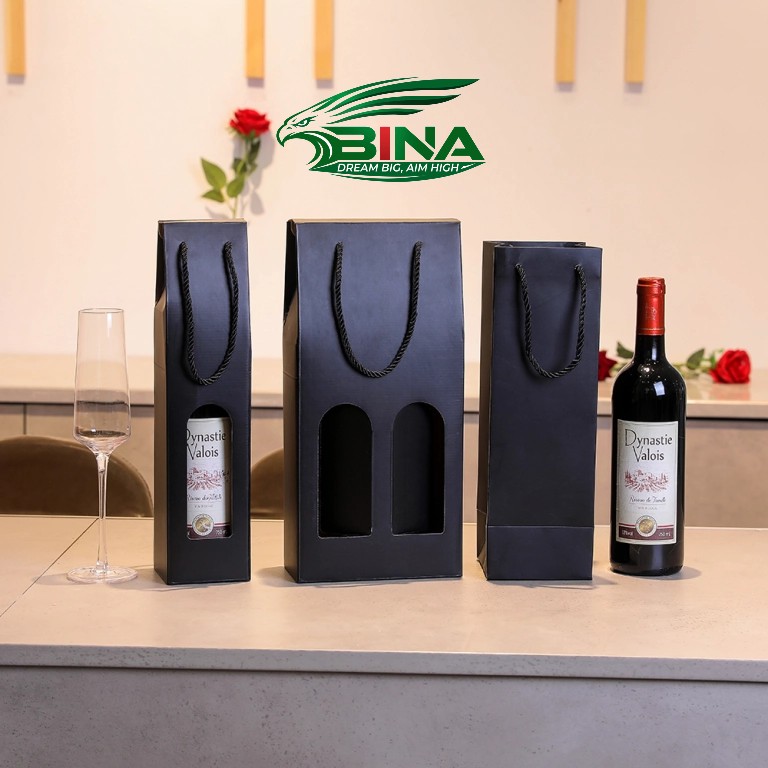
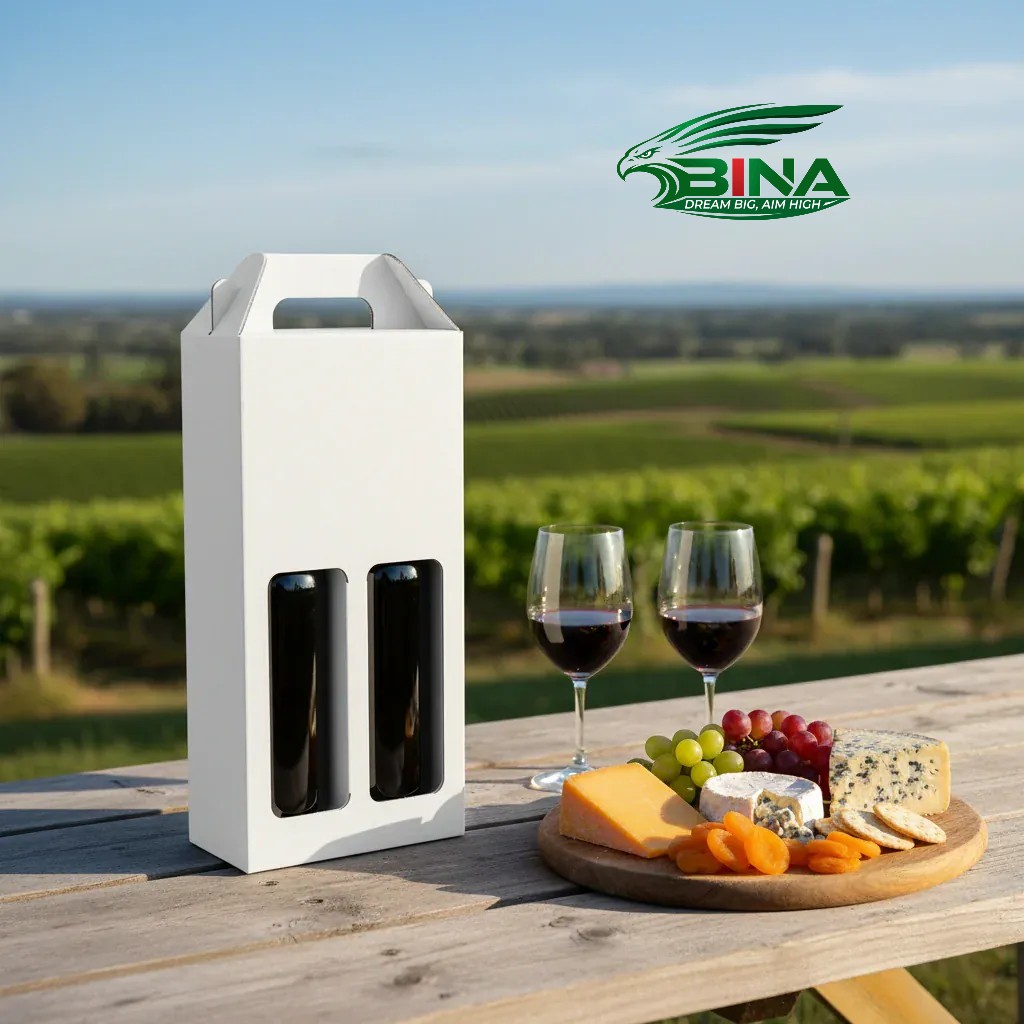
- Window packaging: Designed with a window to showcase the wine bottle.
 |
Common Problems When Printing Wine Boxes
Common problems in the production of wine boxes mainly involve color defects, surface treatment defects, printing position deviations, and paper deformation. Because wine boxes generally aim for a high-quality finish, issues such as cracking in embossed areas, blistering of the laminated layer, and cracking at glued points are common production defects. Resolving these issues often requires adjusting printing pressure, ink drying speed, and selecting the appropriate type of paper.
 |
 |
Common production issues:
Color discrepancies:
Different types of paper (such as art paper and coated paper) can cause differences in ink color; machine settings are also a contributing factor.
Surface treatment defects:
- Embossing cracks/peeling: Poor compatibility between the embossing material and the paper, or insufficient pressure.
- Lamination blistering: Uneven coating or environmental humidity issues.
Printing and finishing issues:
- Print registration errors: Material deformation due to stress during gravure or offset printing, with paper stretching causing image misalignment.
- Poor ink drying: An excessively thick ink layer leading to ink smearing or slow drying.
 |
 |
Structure and materials:
- Cracking at the glued joint: Incorrect paper grain direction or unsuitable adhesive selection.
- Paper deformation: Improper temperature and humidity control causes paper jams and warping.
 |
Solutions and response strategies:
- Color management: Request a proof before printing to confirm the color reproduction capabilities of special papers on specific machines.
- Printing process optimization: Check the tension control system to ensure stable paper transport.
- Environmental control: Ensure stable temperature and humidity in the workshop to prevent paper deformation.
- Material inspection: Select high-quality adhesives and hot stamping materials and test their adhesion on special art papers.