



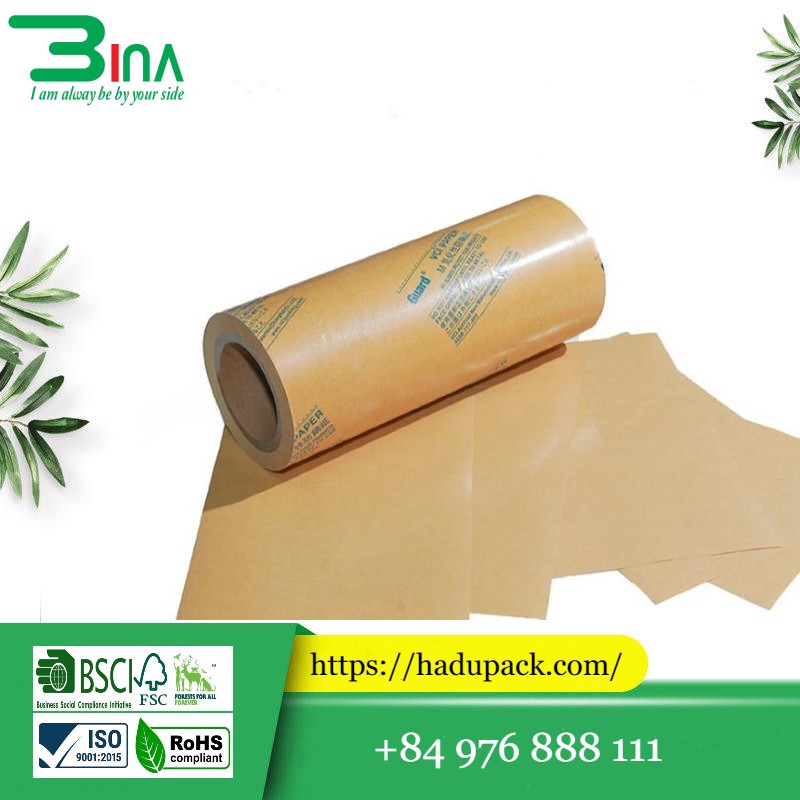
Description
How does VCI work ?
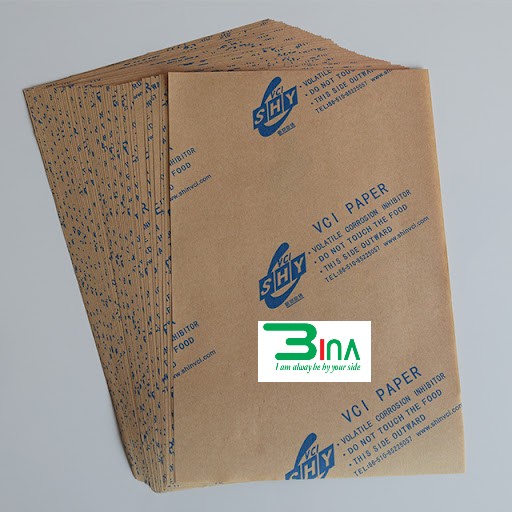
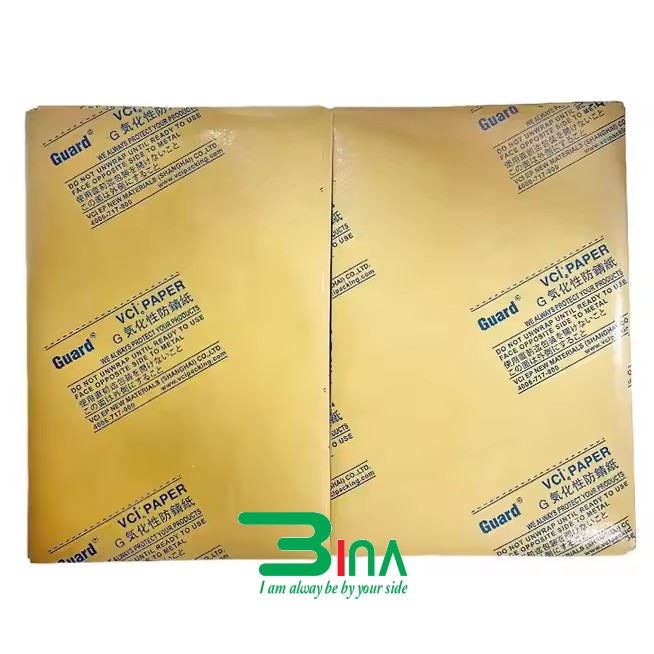
Before discussing VCI anti-rust paper packaging, let’s first define what VCI is? It is a general term for “volatile corrosion inhibitor”, “vapor corrosion inhibitor” or “vapor phase corrosion inhibitor”, a revolutionary technology that simplifies the corrosion protection process and is ideal for keeping enclosed spaces (e.g.: packaging, inside equipment or structural metal cavities) free from rust.
 |
 |
◆Learn more:
- https://hadupack.com/danh-muc/bao-bi-giay/
- https://hadupack.com/san-pham/bang-keo-in-logo/
- https://hadupack.com/san-pham/in-giay-huong-dan-su-dung/
How does VCI anti-rust paper work?
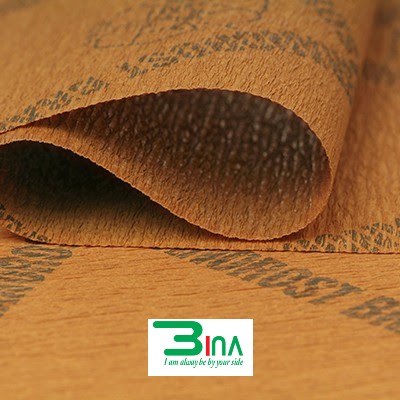
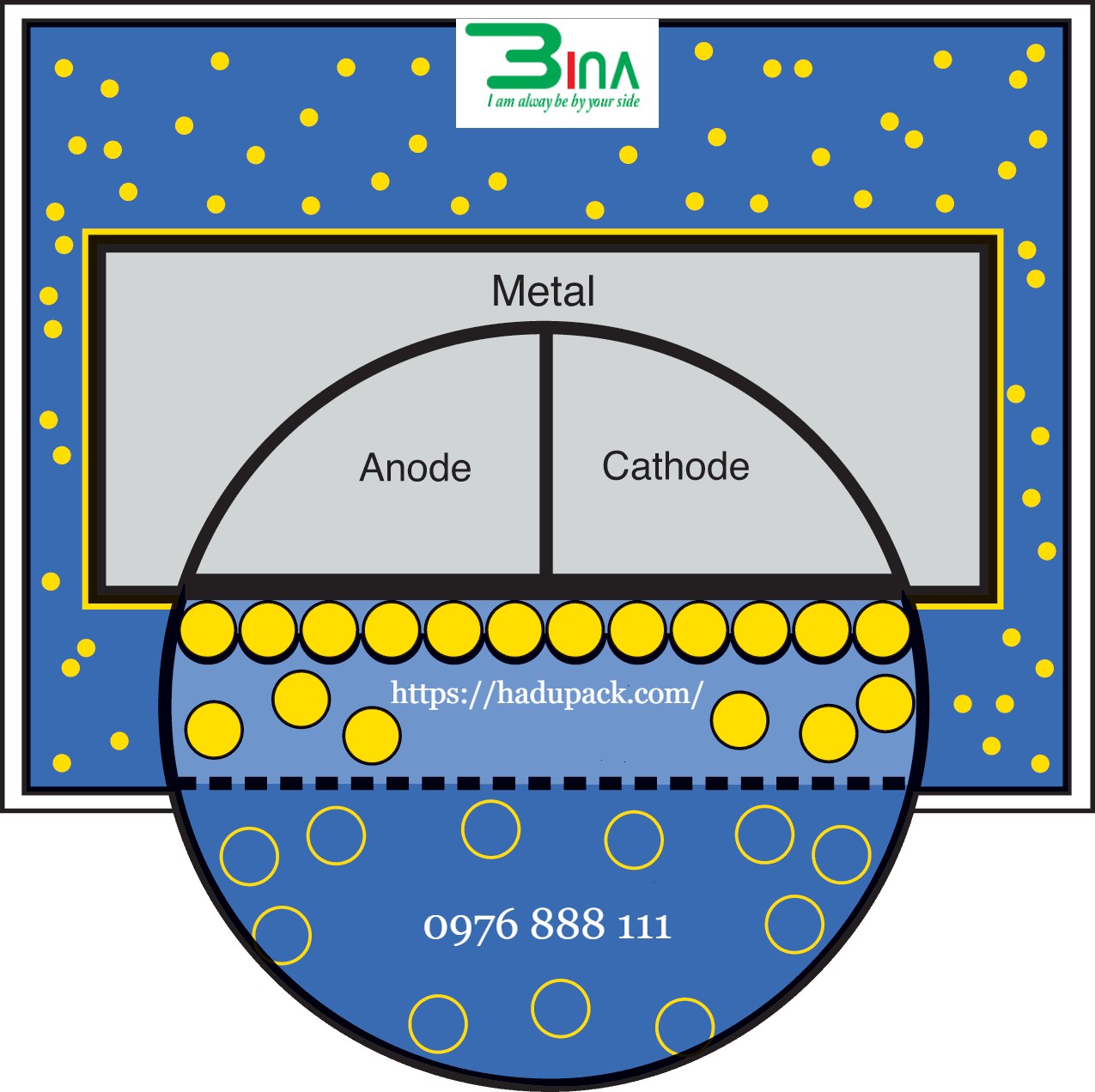
VCI technology works to create a protective environment inside each package or enclosure where it is applied. VCI in liquids, powders, or packaging materials moves through the air to form an invisible protective shield on metal surfaces within the enclosed space. This VCI shield does not alter the properties of the metal. Instead, it prevents oxygen, moisture, and other corrosive elements from attacking the metal surface and causing it to rust. Once the metal part is removed from the VCI anti-rust paper packaging or enclosed space, the VCI dissipates, and the metal components, machinery, or products are ready for immediate use, with no need for cleaning or degreasing.
 |
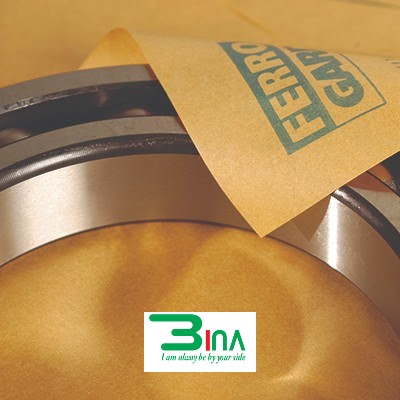 |
Diagram of how VCI works
 |
VCI anti-rust paper production process
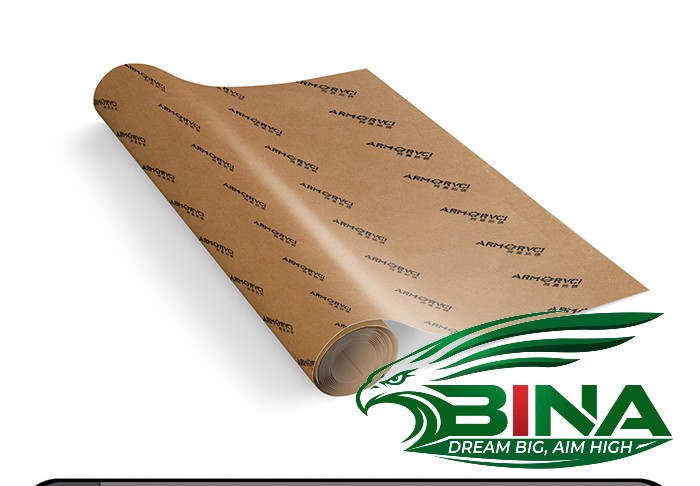
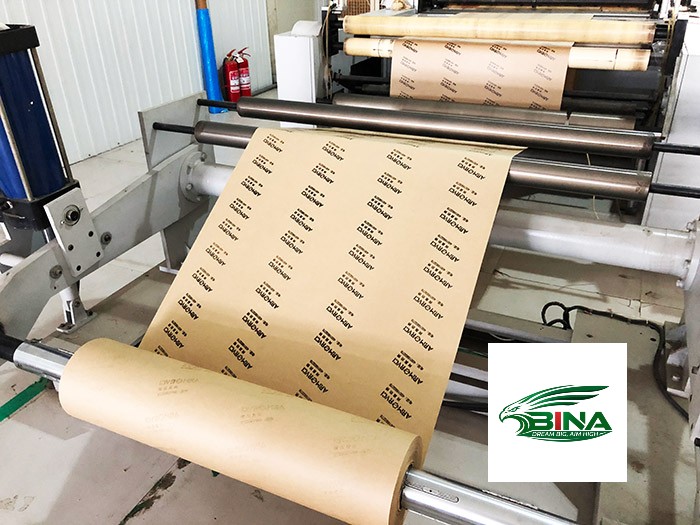
The VCI anti-rust paper production process mainly includes key steps such as selecting the base paper, preparing the VCI solution, coating (impregnation), drying, cutting, and packaging. By evenly coating vapor corrosion inhibitors (VCI) onto neutral kraft paper, VCI molecules evaporate and form a molecular protective film on the metal surface, thereby replacing traditional oiling processes and achieving effective and environmentally friendly metal rust prevention. The core production process of VCI anti-rust paper:
Selection and pretreatment of base paper
- Base paper: High-strength, low-acidity (neutral) industrial packaging base paper, such as kraft paper, is commonly used.
- Requirements: The base paper must have good absorbency and sealing properties to ensure that VCI molecules can adhere evenly and diffuse effectively within the packaging.
Preparation of VCI rust inhibitor solution
- Precisely mix various vapor corrosion inhibitors (VCI) with binders, additives, and solvents (water or alcohol).
- Adjust the pH of the solution according to the requirements of the packaged metal, ensuring stable rust prevention performance.
Coating and impregnation technology
- Dip coating: The base paper is completely immersed in the VCI solution, allowing the active components to penetrate deeply into the paper fibers.
- Brush coating/Coating method: The VCI solution is evenly sprayed or coated onto the surface of the base paper using a coating machine.
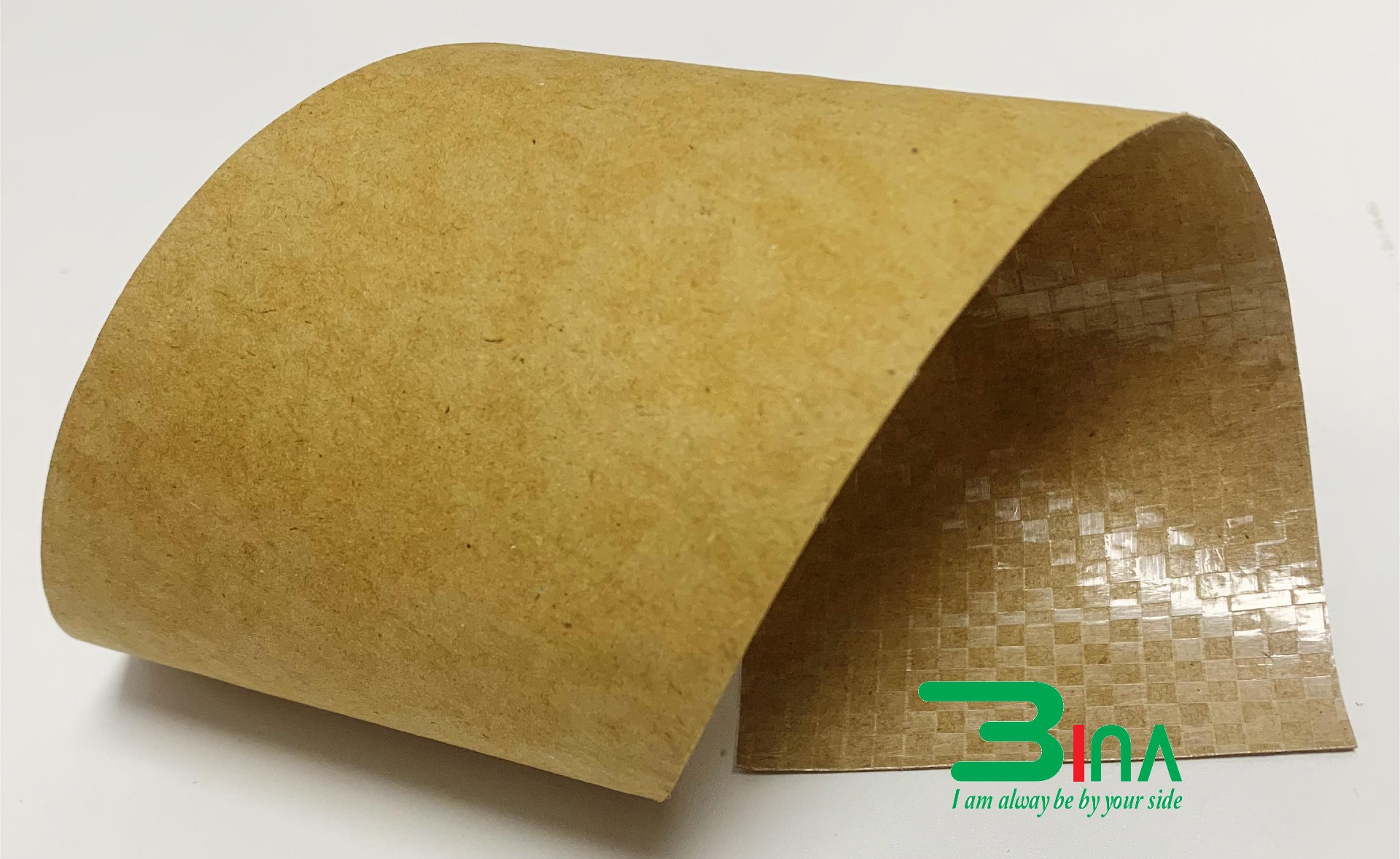
- Lamination process (Optional): To enhance physical properties (water resistance, oil resistance), the coated paper can be laminated with a layer of PE film or woven fabric.
Drying and curing
- The coated paper is dried in a drying oven at a constant temperature to remove the solvent (moisture), ensuring that the VCI corrosion inhibitors adhere firmly to the paper.
- This step requires strict temperature control to prevent the evaporation and loss of VCI active ingredients due to high temperatures.
Cutting and Packaging
The dried VCI paper is cut and packaged according to the size and shape required by the customer (rolls, cardboard sheets, etc.).
Process characteristics:
- Clean and environmentally friendly: Metal products using VCI anti-rust paper do not require any special cleaning process afterward, replacing traditional rust prevention methods using grease.
- Effective protection: VCI molecules can actively diffuse in an enclosed environment, covering complex metal components that traditional oiling methods cannot reach.
 |
Advantages of VCI technology
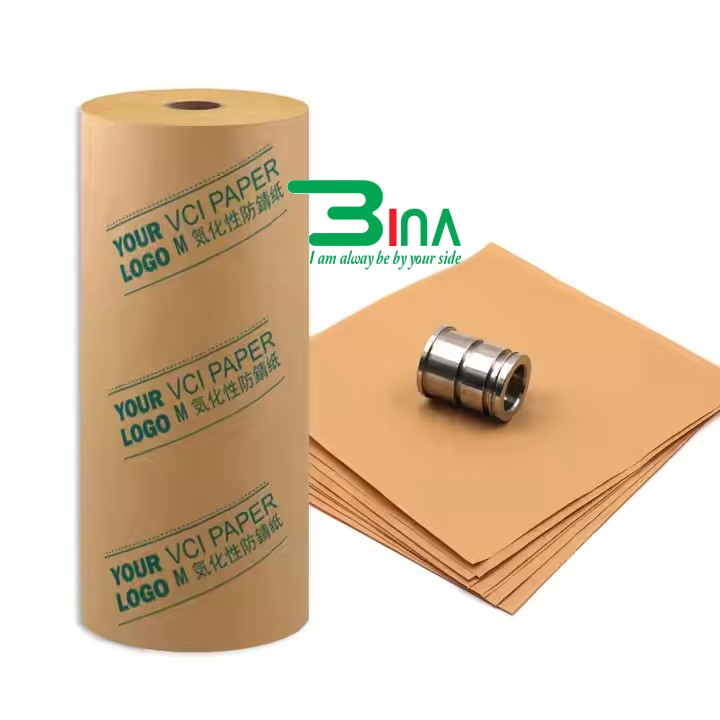
VCI technology has many advantages. According to the proposal, this technology generally does not require the removal of coatings or special grease-based rust inhibitors. This helps reduce labor time and hazardous waste treatment costs associated with cleaning traditional petroleum-based rust inhibitors, which are usually removed using solvent-based cleaners. This technology also addresses the challenge of protecting internal components of complex equipment (e.g.: pipelines, boilers, valves) in areas where applying coatings or liquid rust inhibitors is difficult or impossible. VCI does not require a continuous power supply as dehumidification systems do.
VCI technology protects many types of metals and operates in liquid, vapor, and interface phases. Therefore, it can be used to inhibit corrosion on metal surfaces below and above the liquid level in water treatment or oil and gas applications. The properties of VCI packaging materials work together to save time and money, while providing comprehensive, reliable protection that is much easier to use than many other metal preservation strategies.
 |
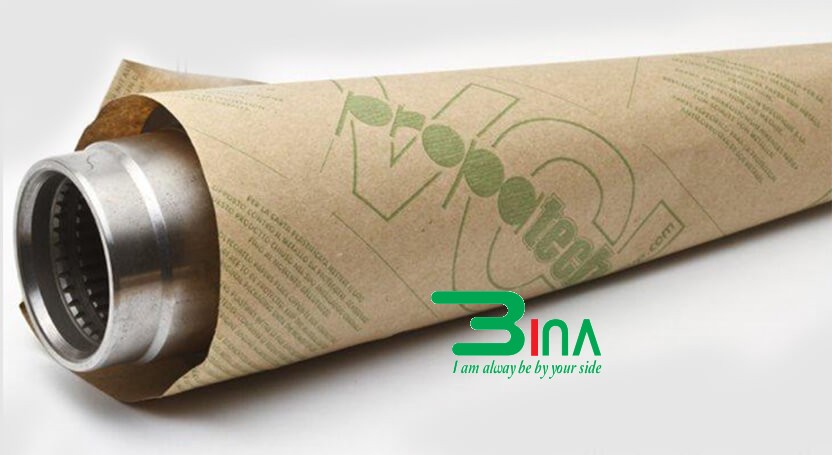 |
What benefits can VCI packaging bring to your business. It may seem obvious if you are shipping metal products, but VCI packaging offers many benefits.
- Protect your products: VCI packaging prevents corrosion and oxidation, ensuring your products remain in optimal condition during transportation, handling and shipping. Metal products always remain in pristine condition. This can proactively extend product lifespan by reducing the risk of rust and oxidation while maintaining product quality and functionality. VCI vapors can penetrate gaps, crevices and other hard-to-reach areas, providing complete protection for complex metal components. The continuous release of VCI compounds ensures ongoing protection even when the packaging is opened and resealed. VCI packaging can prevent damage to metal products caused by corrosion.
- Reduce costs: By providing effective protection, VCI packaging helps reduce costs arising from damage, replacement and reverse logistics. Similarly, less frequent inspection and maintenance of stored products is required due to the protective properties of VCI.
- Environmental and safety benefits: Unlike traditional corrosion protection methods, VCI packaging is generally less messy and reduces the need for hazardous materials, promoting a safer working environment. Furthermore, modern VCI solutions often include environmentally friendly and recyclable materials, helping reduce the environmental impact of your packaging process.
 |
Applications of VCI Anti-Rust Paper
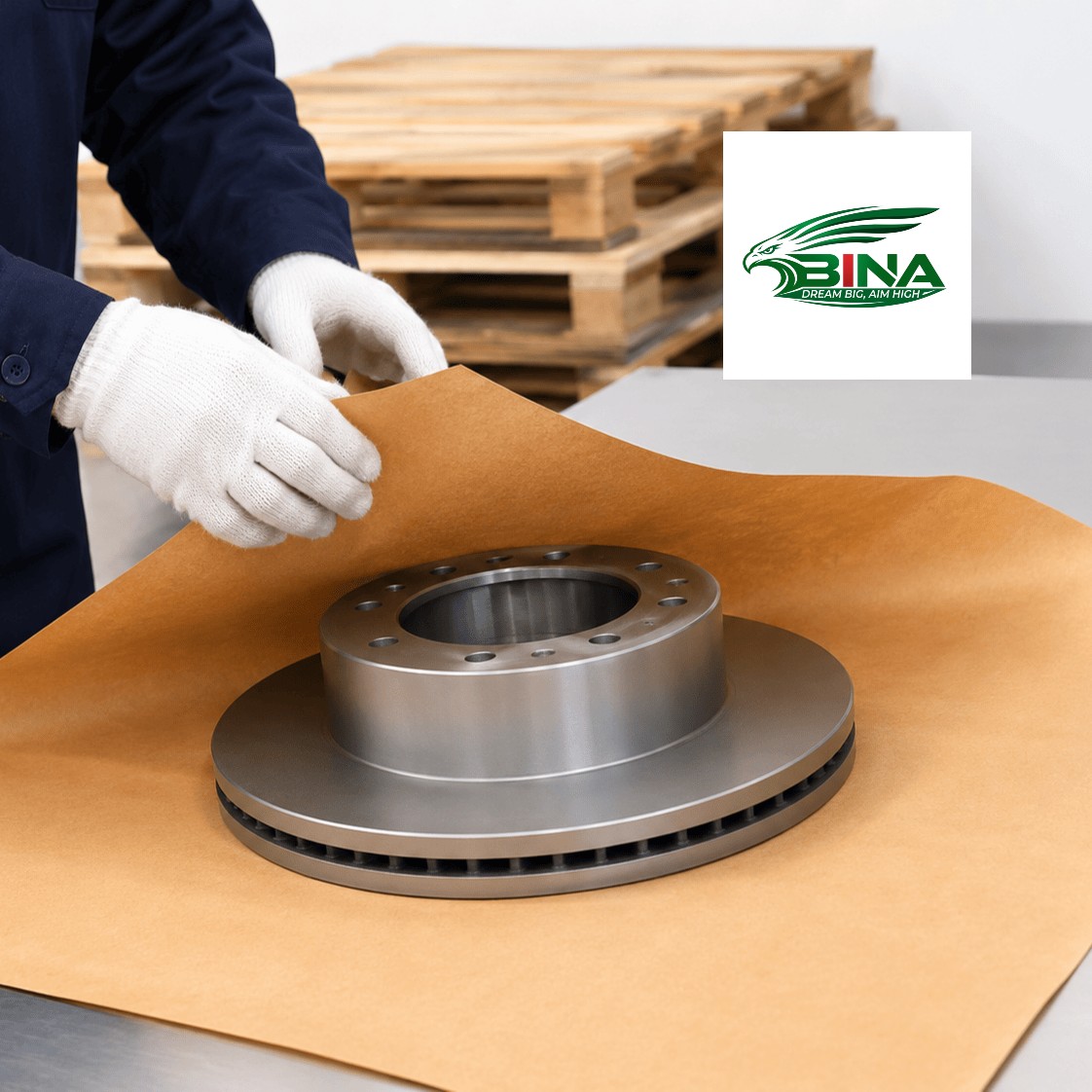
VCI anti-rust paper is widely used in industrial fields such as automotive parts, machinery and tools, and metal materials. It prevents rust by releasing vapor-phase corrosion inhibitors to form a protective film on the metal surface. Main application areas:
- Automotive manufacturing: for storing and transporting steel or aluminum parts such as engine components, brake discs, gears, and clutches.
- Machinery and hardware: protecting bearings, valves, springs, fasteners, and precision molds from oxidation in humid environments.
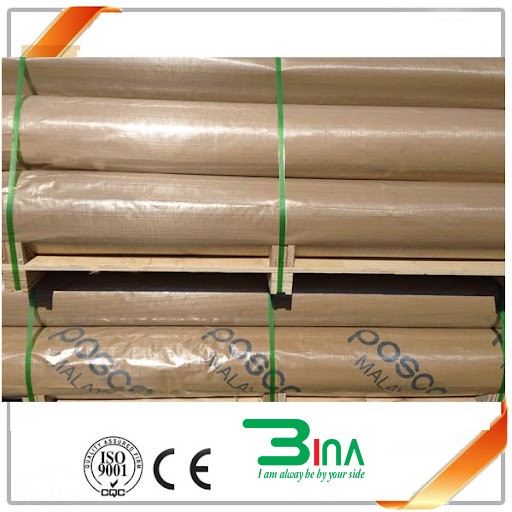
Electronics and household electrical appliances: for anti-rust packaging of electronic components containing metal conductors, heat sinks, or housings. - Metallurgy and steel: for wrapping large areas of cold-rolled steel sheets, copper strips, aluminum foil, and other metal coils and sheets.
 |
VCI, VPI, VPCI… What’s the difference?
While VCI stands for Volatile Corrosion Inhibitor, different companies may use different names and abbreviations. Examples include:
- VCI – Vapor Corrosion Inhibitor
- VPI – Vapor Phase Inhibitor
- VPI – Volatile Phase Inhibitor
- VPCI – Volatile Phase Corrosion Inhibitor
- VPP – Vapor Phase Paper
- MPI – Metal Phase Inhibitor
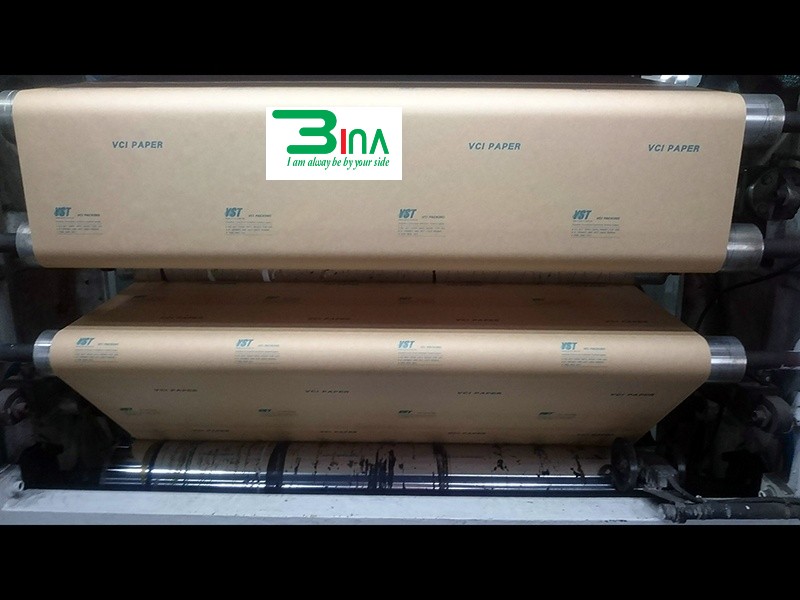
Basically, all of these terms refer to the same chemical process. Companies use different names or abbreviations for marketing purposes.
 |
 |
What VCI packaging options are available?
There are several different VCI packaging options, each with slightly different characteristics and used in slightly different ways. VCI packaging types include:
- VCI bags.
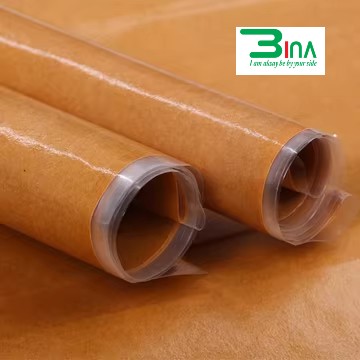
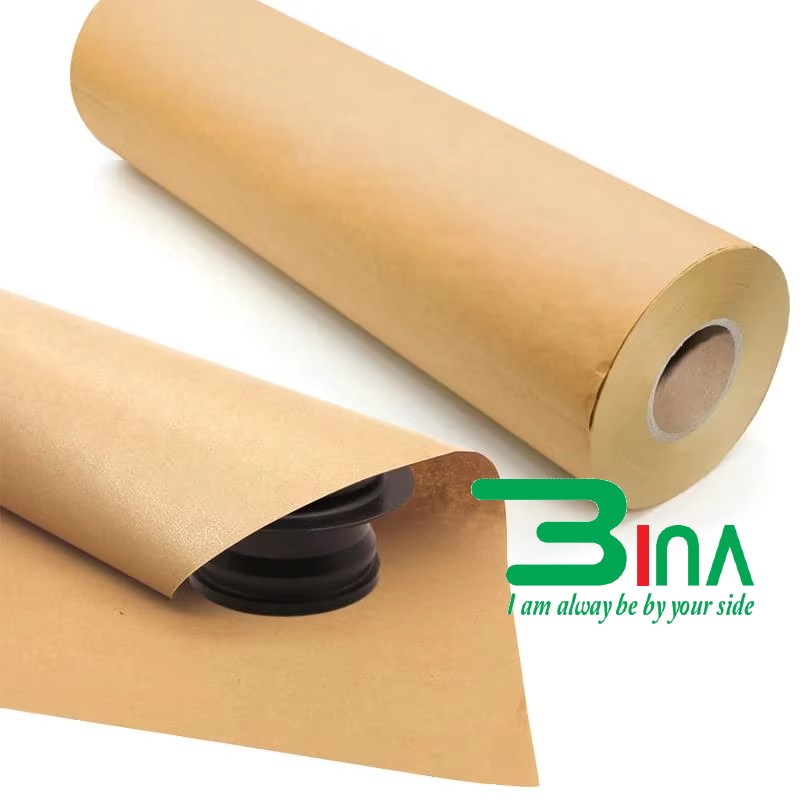
- VCI paper.
- VCI-coated cardboard boxes.
- VCI stretch wrap.
- VCI bubble wrap.
- VCI fabric.
VCI bags are the most common VCI packaging product. They are made from polyethylene coated with chemical compounds that provide VCI performance. Sometimes they are called Dolav liners or ribbed VCI bags for larger items. Similar to smaller sealable bags with handles, they offer excellent rust protection.
 |
 |
Storage of VCI anti-rust paper
VCI anti-rust paper should be stored in a dry, cool, well-ventilated place, away from light (for example: room temperature <30 degrees C, relative humidity < 50% RH). It is essential to keep the original packaging tightly sealed to prevent premature evaporation and loss of VCI vapor-phase corrosion inhibitors. When not in use, the packaging should be resealed. Avoid exposure to sunlight, acids, alkalis and high temperatures to ensure use before the expiration date. The following are specific guidelines for storage and use:
1. Storage environment and requirements
- Temperature and humidity: Store indoors in a dry, cool, well-ventilated place, avoiding high temperatures, high humidity and direct sunlight. The ideal temperature should be kept below 30 degrees C.
- Sealed storage: Unused anti-rust paper must be sealed in its packaging to prevent contact with air and prevent leakage of VCI active ingredients.
- Environmental cleanliness: Keep away from fire, heat sources, acids, alkalis and corrosive gases to prevent moisture and contamination.
- Original packaging: It is best to retain the original sealed packaging. If the paper is not used immediately after opening, the remaining paper must be resealed.
2. Usage and maintenance details
- Metal cleaning: Before using anti-rust paper, ensure that the metal parts are clean, dry and free from contamination. Dry gloves should be worn when handling to prevent fingerprints from affecting effectiveness.
- Packaging tightness: VCI anti-rust paper should be placed as close to the metal surface as possible, avoiding excessively large gaps. An enclosed space generally provides the best rust-prevention effectiveness.
- Avoid light: Avoid exposing the anti-rust paper directly to sunlight.
- Shelf life: VCI anti-rust paper generally has a certain shelf life (usually within one year; high-quality products can be used for up to two years under dry, light-protected conditions). Please use before the expiration date.
3. Common mistakes
- Do not place the paper directly on damp ground, as this will cause the paper to absorb moisture from the ground and lose its effectiveness.
- Do not leave anti-rust paper outdoors, as the VCI components will evaporate into the air.
- Following the above guidelines can maximize the rust-prevention effectiveness of VCI anti-rust paper.
 |
Safety Benefits of VCI Technology
Hadupack® VCIs under the BINAVCI® brand name are generally safer to handle and less hazardous than other VCIs such as DICHAN (one of the first highly toxic VCIs on the market) or those that rely heavily on nitrites. Many Hadupack® products containing vapor phase corrosion inhibitors can also be recyclable or water-based and generally have a much lower environmental impact than many harsher chemicals.
Contact Hadupack today to learn more about our many VCI®-branded corrosion protection solutions, including VCI technology and many other environmentally friendly rust prevention products!
Detailed information about Hadupack ordering VCI anti-rust paper
 |
- BiNa Vietnam Joint Stock Company
- No. 289 Thanh Am Street, Viet Hung Ward, Hanoi City, Vietnam
- +84 522 806 806
- MST: 0111436560
- www://hadupack.com
- Admin@binajsc.com.vn








Reviews
There are no reviews yet.