


Description
What Is Air Column Packaging?
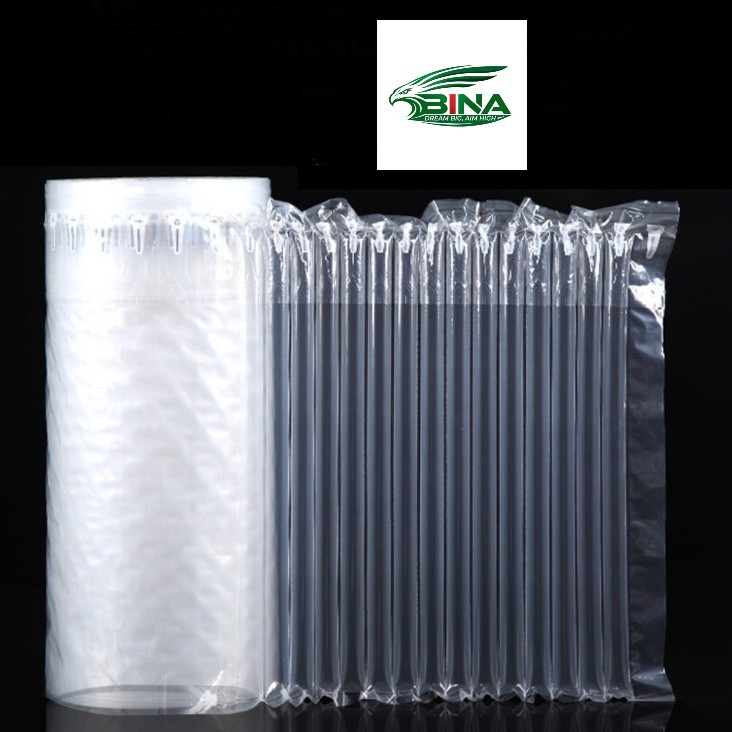
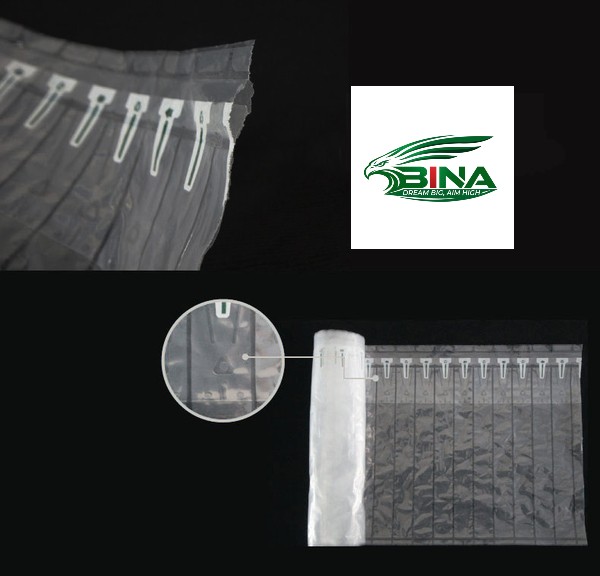
Air column packaging, also known as air column bags or air cushion bags, is a highly efficient protective packaging material made from PE/PA film. It forms multiple independent, sealed air columns through a single inflation process, providing cushioning, shock absorption, and impact protection for packaged products.
 |
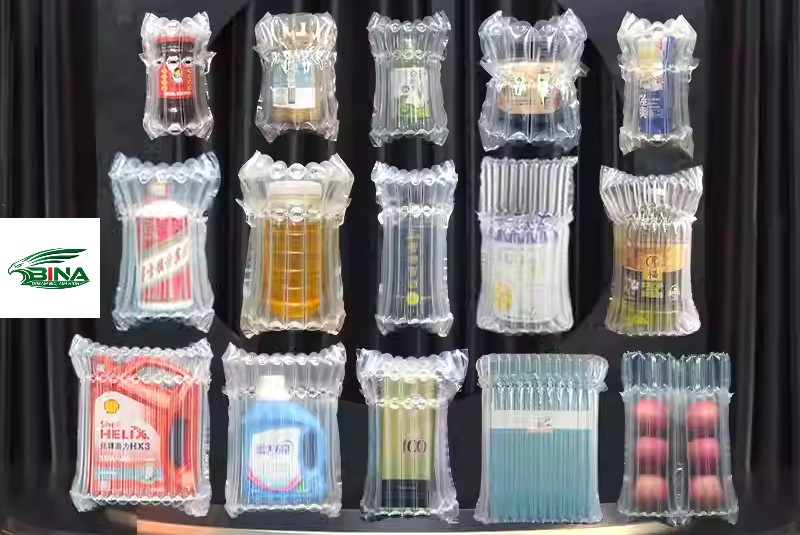
They are commonly used to package fragile items such as wine, electronic products, and fruit. With high pressure resistance and a low-carbon environmental profile, they are well suited for express delivery and logistics applications.
 |
◆ Learn more:
- https://hadupack.com/san-pham/tui-xop-bong-bong/
- https://hadupack.com/san-pham/tui-xop-pe-foam/
- https://hadupack.com/san-pham/mang-xop-hoi/
Key Features of Air Column Cushion Packaging
- Material: Typically made from a composite film of nylon (PA) and polyethylene (PE), offering excellent tensile strength and mechanical properties.
- Structure: Consists of multiple independent air-filled plastic columns. Even if one air column is damaged, the overall protective performance of the packaging remains unaffected.
- Air Valve Technology: Uses one-way valves that automatically seal in the air after inflation to prevent air leakage.
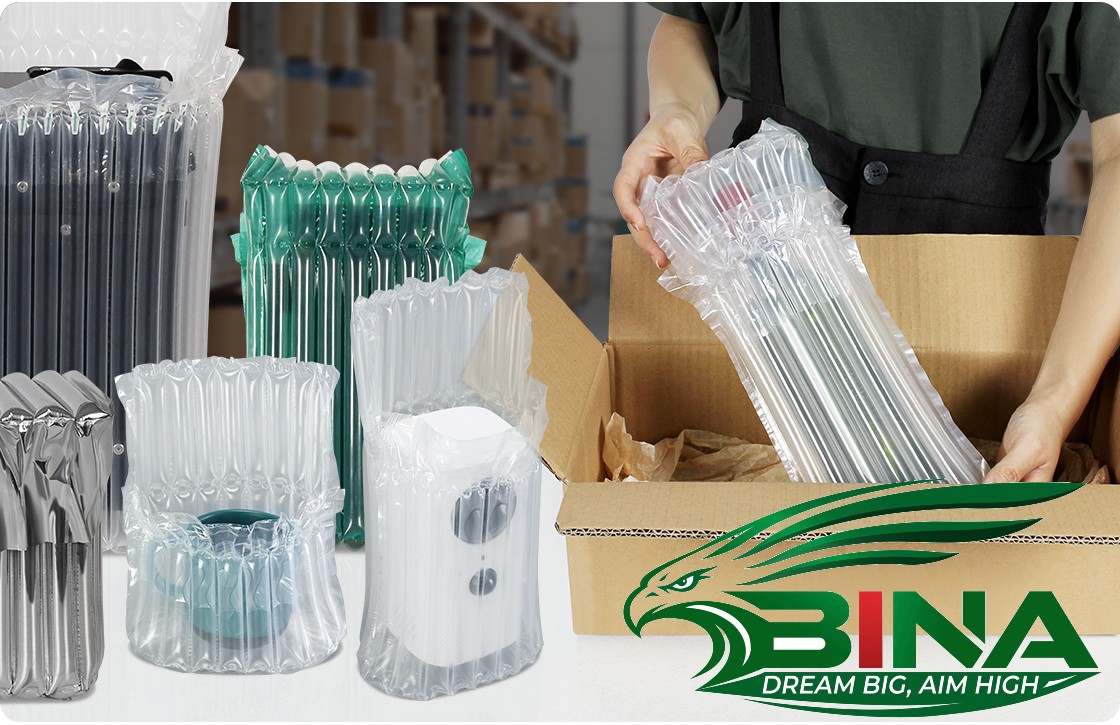
- Applications: Widely used to cushion and protect products such as wine bottles, electronic components, powdered milk, and fruit from impact damage.
- Advantages: Makes more efficient use of space than traditional packaging, saves storage space, and provides reliable protection.
 |
Manufacturing Process of Air Column Cushion Packaging
The manufacturing process of air cushioning columns (such as air column bags) primarily involves film material selection, heat sealing, air valve production, and cutting and assembly.
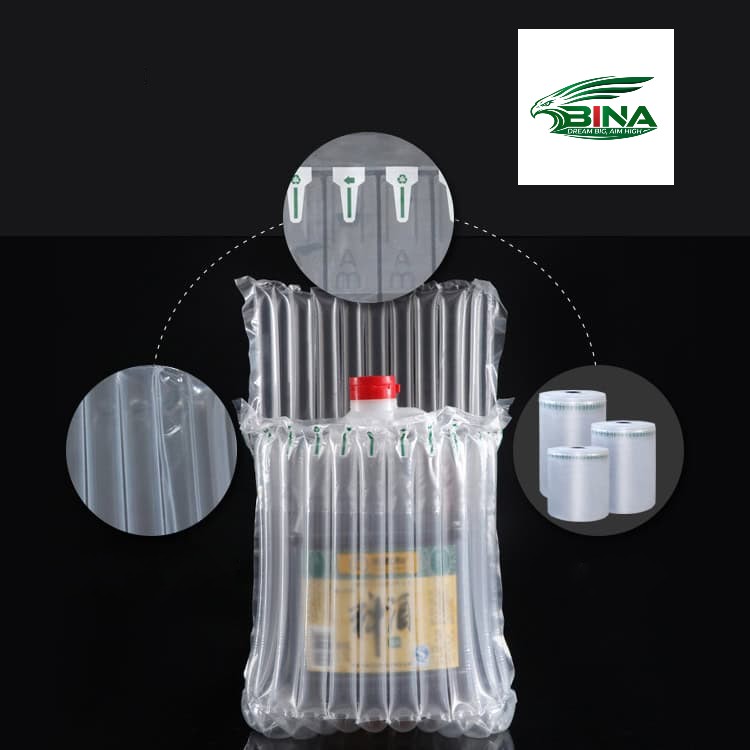
Multiple air columns are sealed through film lamination and heat sealing using high-barrier materials to prevent air leakage. A one-way inflation valve is installed to ensure independent protection for each air column and provide cushioning that disperses external impact forces.
 |
Detailed Manufacturing Process of Air Column Cushion Packaging
- Film Lamination and Material Preparation: Select composite plastic films with high tensile strength and excellent air-barrier properties. These films are typically manufactured using multilayer co-extrusion technology with nylon (PA) or low-density polyethylene (LDPE).
- Heat-Sealing Process: Use a heat-sealing machine to bond two or more layers of film together under specific temperature and pressure conditions, forming individual air column units.
- One-Way Valve Manufacturing: A special one-way valve film is installed at the air inlet of each air column. During inflation, air flows into the column. When inflation stops, the air pressure automatically closes the valve film, providing independent air retention for each column.
- Air Column Separation and Heat Sealing: The entire film is heat-sealed to form multiple independent, strip-shaped air columns. Each column functions as an independent unit, so damage to one column does not affect the others.
- Cutting and Finishing: The heat-sealed composite film roll is cut to predetermined dimensions, producing foldable, inflatable air column bags.
- Air column bags manufactured using this process are widely used in e-commerce packaging and electronic product packaging. They feature a compact shipping volume and excellent cushioning performance.
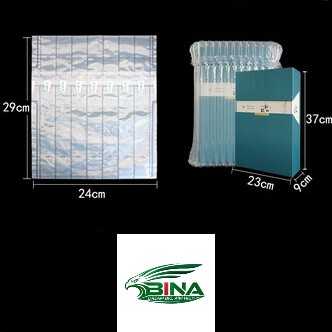 |
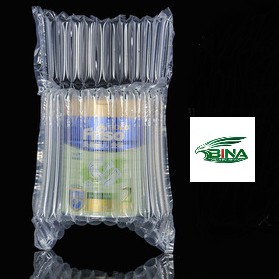 |
Dimensions of Air Column Cushion Packaging
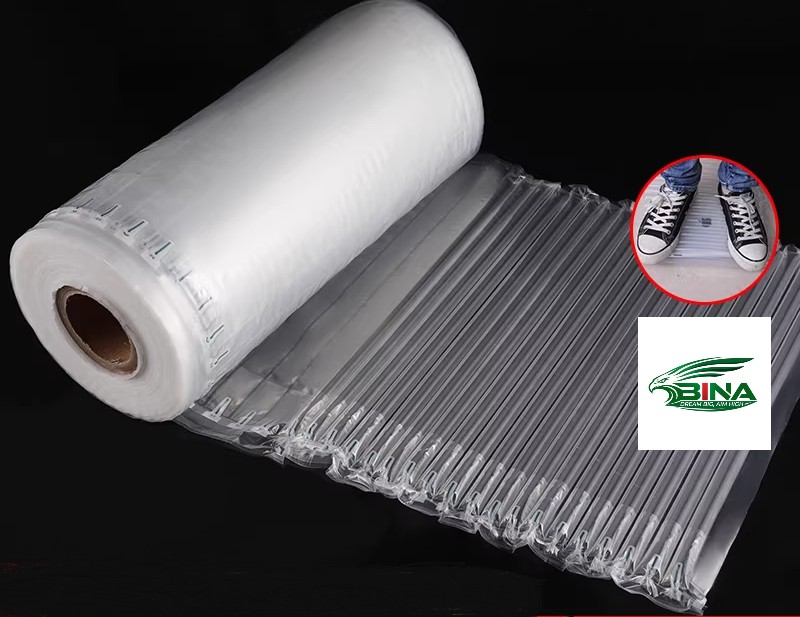
Air column cushion bags are available in various sizes, depending primarily on the dimensions of the items being packaged. The typical width of an individual air column ranges from 2 cm to 4 cm, while the overall roll width generally ranges from 20 cm to 100 cm. The length can be customized to meet specific requirements.
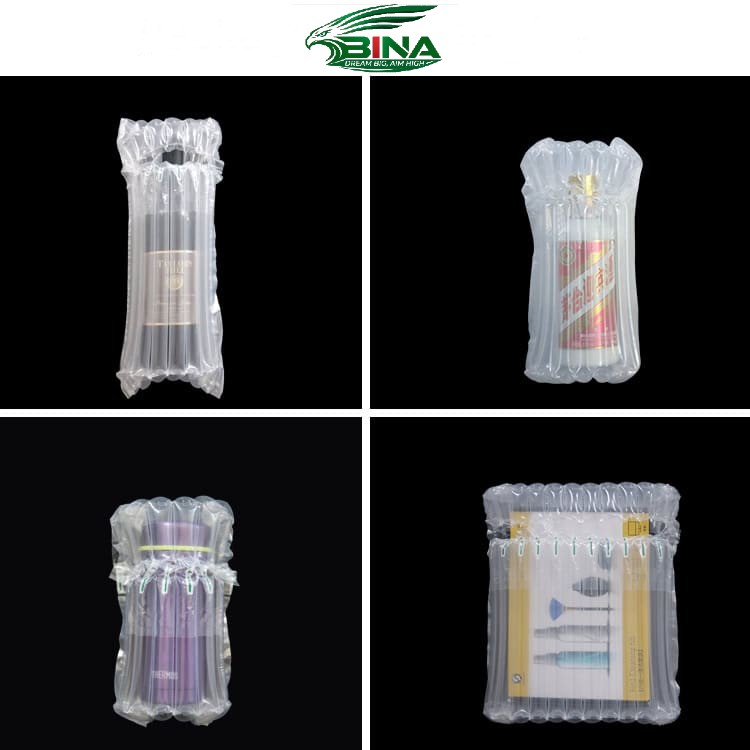
Common bag designs include wine bottle air column bags and protective packaging bags for digital products. These bags provide excellent compression resistance and cushioning performance.
 |
Common Sizes of Air Column Cushion Packaging
- Air Column Bag Roll Width: 20 cm, 30 cm, 40 cm, 50 cm, 60 cm, 80 cm, 100 cm, etc.
- Individual Air Column Width: Common sizes include 2 cm, 3 cm, and 4 cm, typically featuring a straight-valve design.
 |
Common Finished Bag Sizes
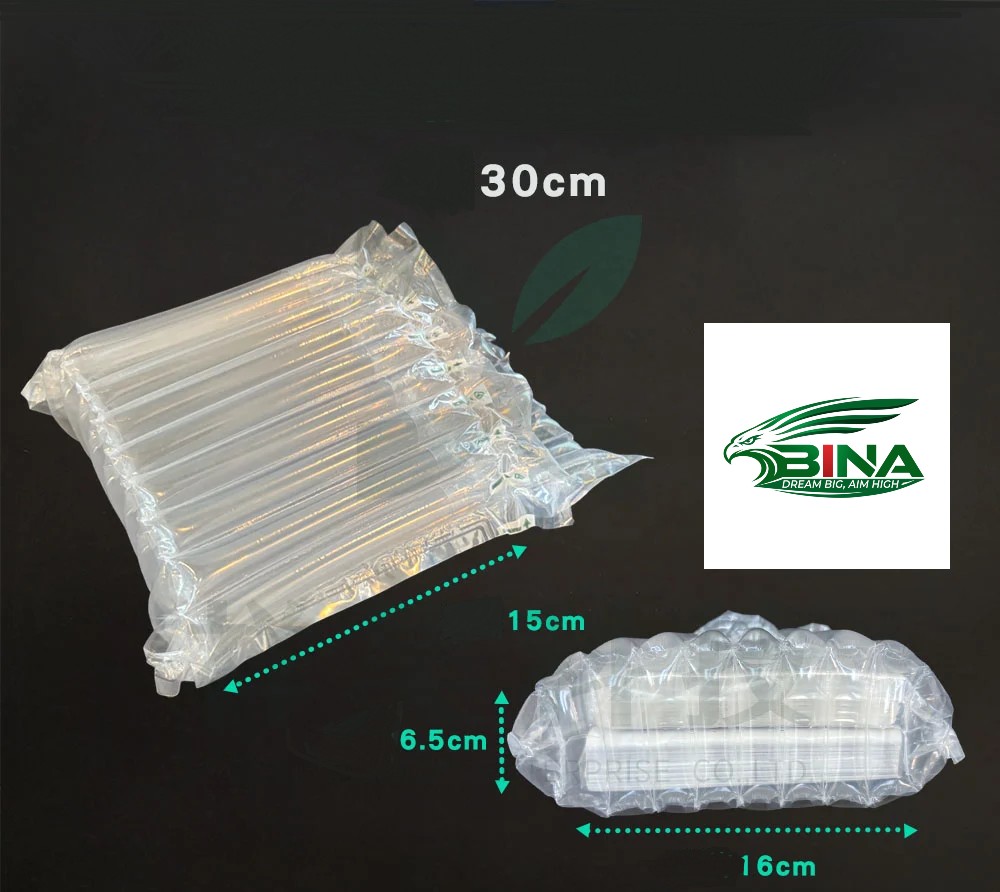
- Wine Bottle Air Column Bags: Approximately 7–8 cm in diameter × 30–40 cm in height.
- Electronic Product Bags / Protective Packaging Sheets: For example, 17 × 35 cm, suitable for small to medium-sized items.
- Custom Sizes: Air column cushion bags can be cut to customized widths and lengths according to the dimensions of the products being packaged.
Features: These bags offer excellent airtightness and superior shock-absorbing performance, making them ideal for protecting products against impact during express shipping and logistics operations.
 |
Features of Air Column Cushion Packaging
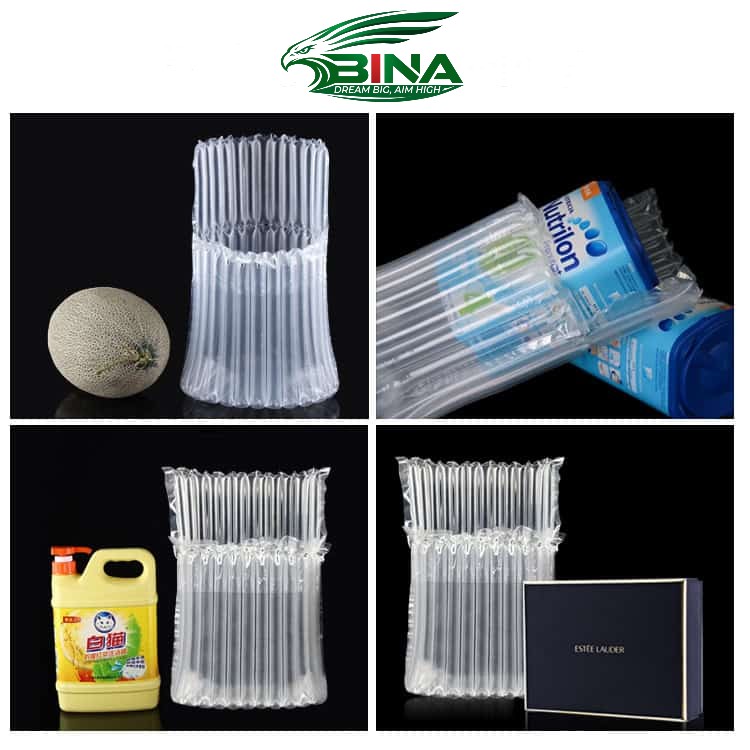
Air cushioning columns (also known as air column bags or air cushioning systems) primarily use compressed air to provide effective shock absorption. Their key features include one-way airflow prevention for excellent airtightness, independent air chambers (damage to one column does not affect the overall structure), and flexible cushioning that conforms to the shape of the packaged item.
The materials typically used are LDPE and nylon, offering high strength, puncture resistance, moisture resistance, and impact protection. These air columns can absorb a significant amount of impact energy, helping protect products from damage during transportation and handling.
 |
Key Features of Air Column Cushion Packaging:
- 1. High-Efficiency Shock Absorption and Protection: Air column bags convert the kinetic energy of impact into deformation energy through flexible air chambers, significantly reducing mechanical impact during collisions and protecting items from damage.
- 2. Independent Sealing and Leak Prevention: Air cushioning columns use one-way valve technology, with each column functioning as an independent inflatable unit. If one column is accidentally damaged, the remaining columns stay intact, helping maintain the overall protective performance.
- 3. Excellent Fit and Adaptability: The air columns adapt to and conform closely to the shape of the packaged item, providing more uniform support and coverage.
- 4. Moisture Resistance and Durability: In addition to shock absorption, air columns made from nylon composite materials typically offer moisture and water resistance, making them suitable for long-distance transportation.
- 5. Eco-Friendly and Lightweight: Compared with traditional foam packaging, air columns are primarily made from recyclable materials and are lighter in weight, helping reduce shipping costs.
This technology is also widely used in air suspension systems to improve the impact absorption performance of vehicle suspension systems.
 |
Applications of Air Column Cushion Packaging
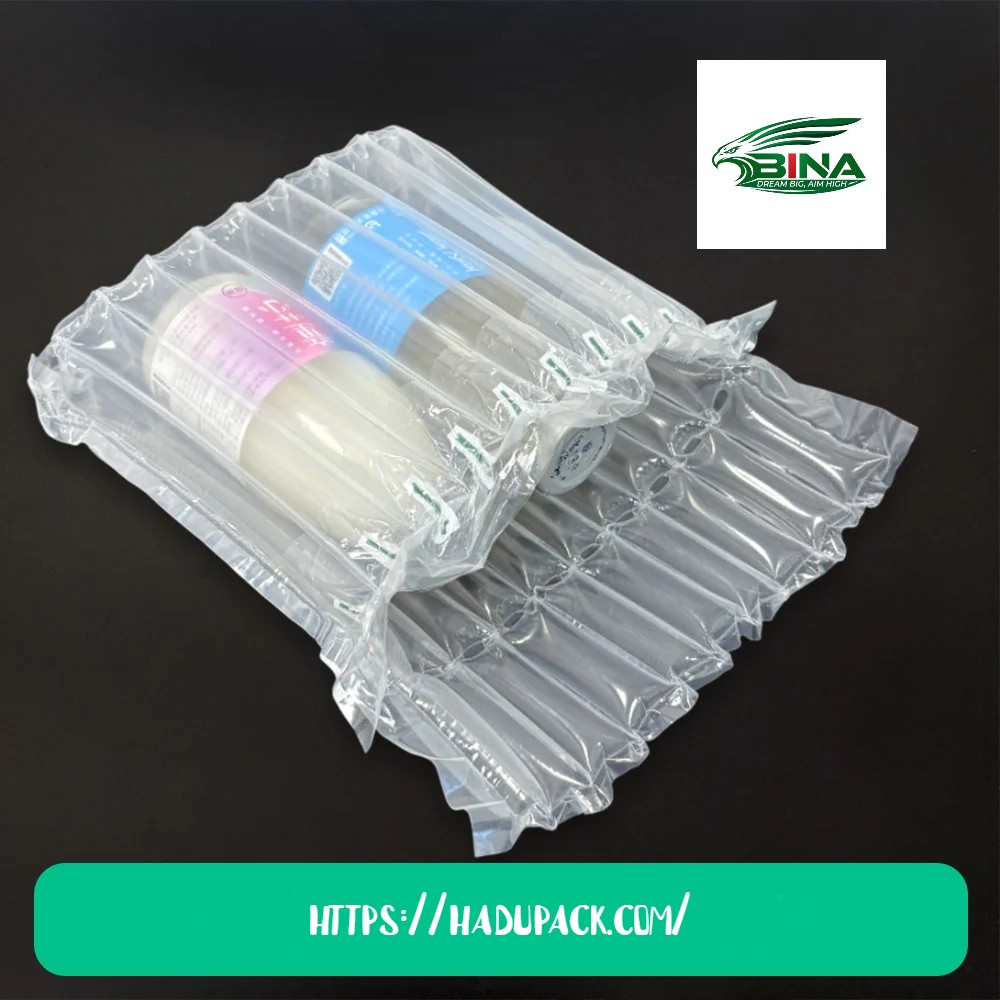
Air cushioning bags (air column bags) are a modern protective packaging material that offers excellent shock absorption, lightweight construction, eco-friendliness, space-saving storage, and high adaptability, thanks to the physical properties of air-based cushioning.
Through their independent air column design, these bags effectively absorb impact energy and distribute pressure, ensuring that fragile items are protected from damage during transportation.
 |
Key Advantages of Air Column Cushion Packaging
- 1. High Pressure Resistance and Superior Protection: Using soft air cushioning, air column bags can absorb a significant amount of impact energy and distribute pressure through the deformation and expansion of the air columns. Tests indicate that air column bags can withstand higher pressure than conventional bubble wrap (approximately 50–100 kg/cm²), demonstrating their excellent shock-absorption capabilities.
- 2. Independent Air Columns for Enhanced Safety: Each air column is inflated independently. If one column develops a leak, the others remain inflated, maintaining partial cushioning protection.
- 3. Low Carbon Emissions, Eco-Friendly, and Recyclable: Air column bags are primarily made from environmentally friendly materials, comply with international shipping packaging standards, and can be recycled, helping reduce carbon emissions.
- 4. Space-Saving Design and Reduced Shipping Costs: Their compact size before inflation eliminates the need for extensive storage space. Their lightweight design also helps reduce shipping costs.
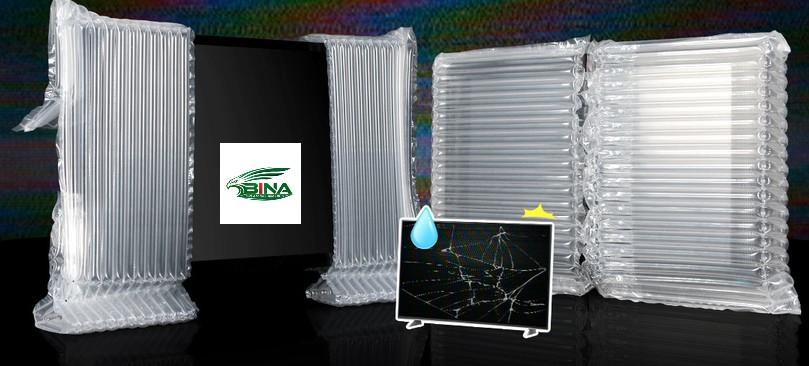
- 5. High Production Efficiency and Wide Applicability: Rapid inflation makes air column bags suitable for automated production lines. They are commonly used to package electronic products, high-value fragile items, furniture, and household appliances.
- 6. Moisture Resistance: The air column structure itself provides a certain degree of airtightness and moisture resistance.
Conclusion: In e-commerce logistics and precision equipment packaging, air column bags have become an excellent, environmentally friendly alternative to traditional foam packaging.