


Description
What is desiccant powder?
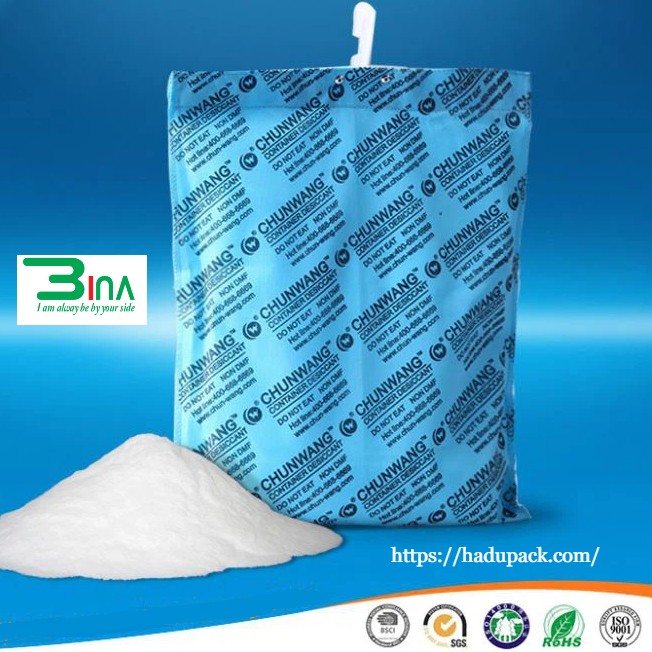
In a world where moisture can wreak havoc on our belongings and valuable items, finding effective solutions to combat excess humidity has become a top priority. This is where desiccant powder comes into play, offering a reliable and convenient way to protect your belongings from the harmful effects of moisture. In this comprehensive guide, we will delve into the world of desiccant powder, exploring its benefits, applications, and how it works.
 |
☞See more:
Learn about moisture-absorbing powder
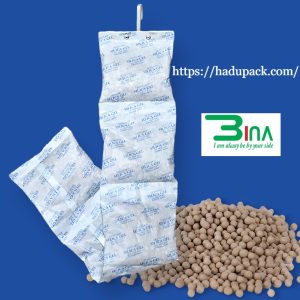
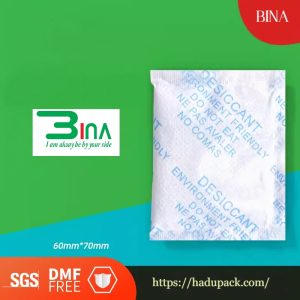
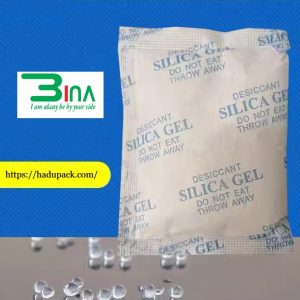
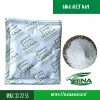
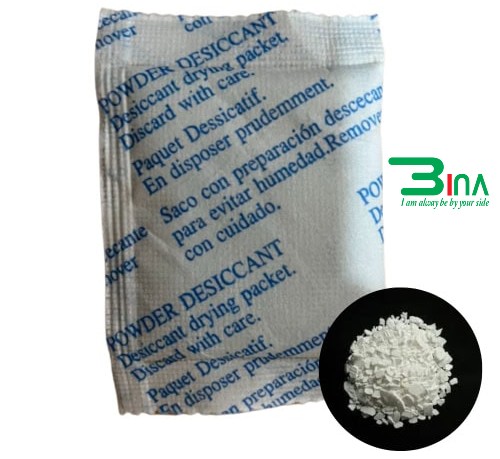
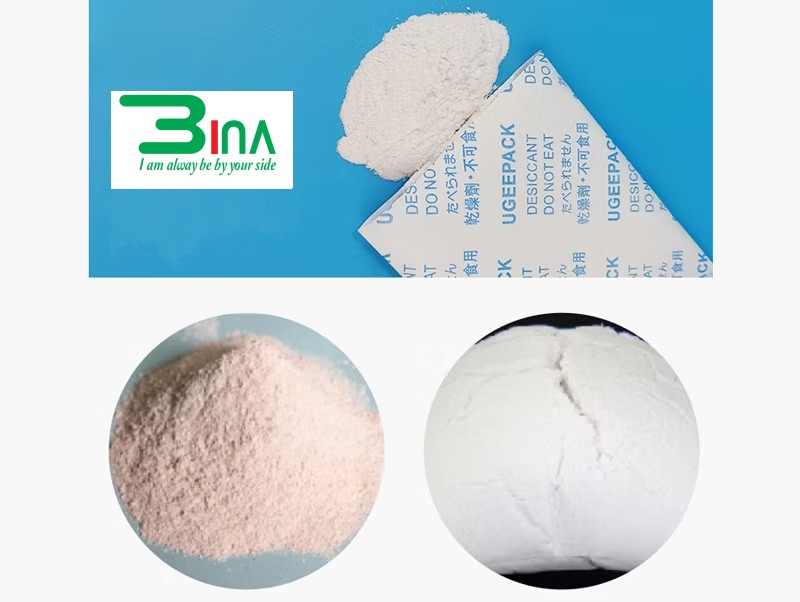
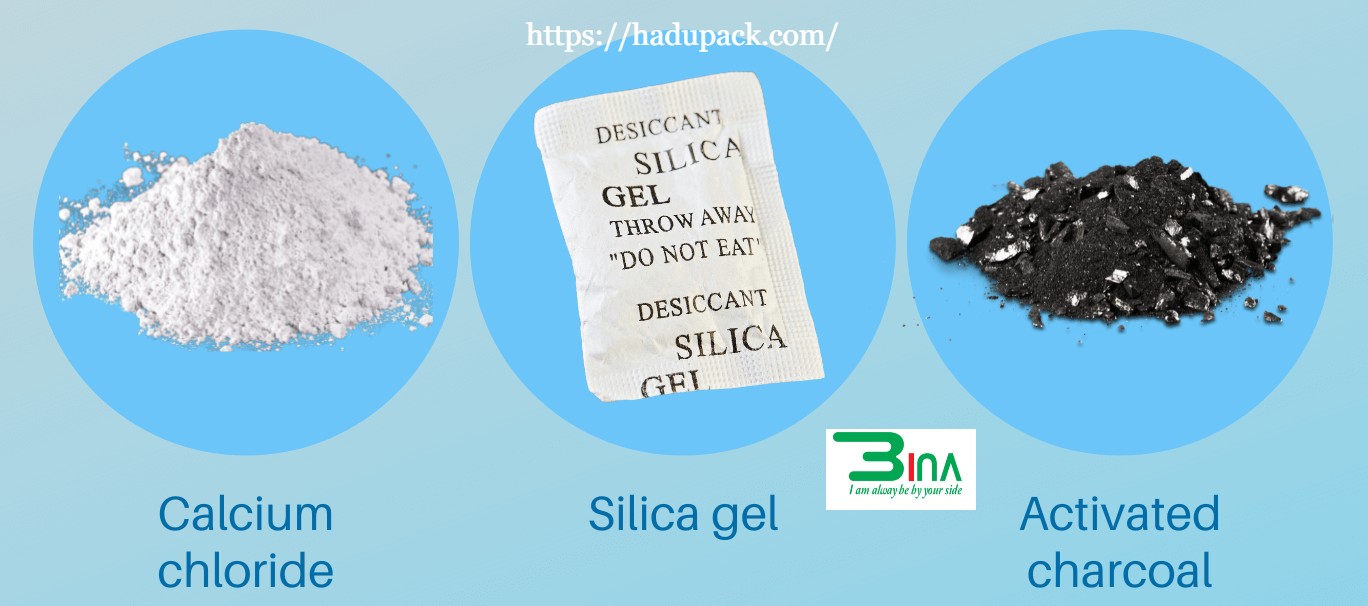
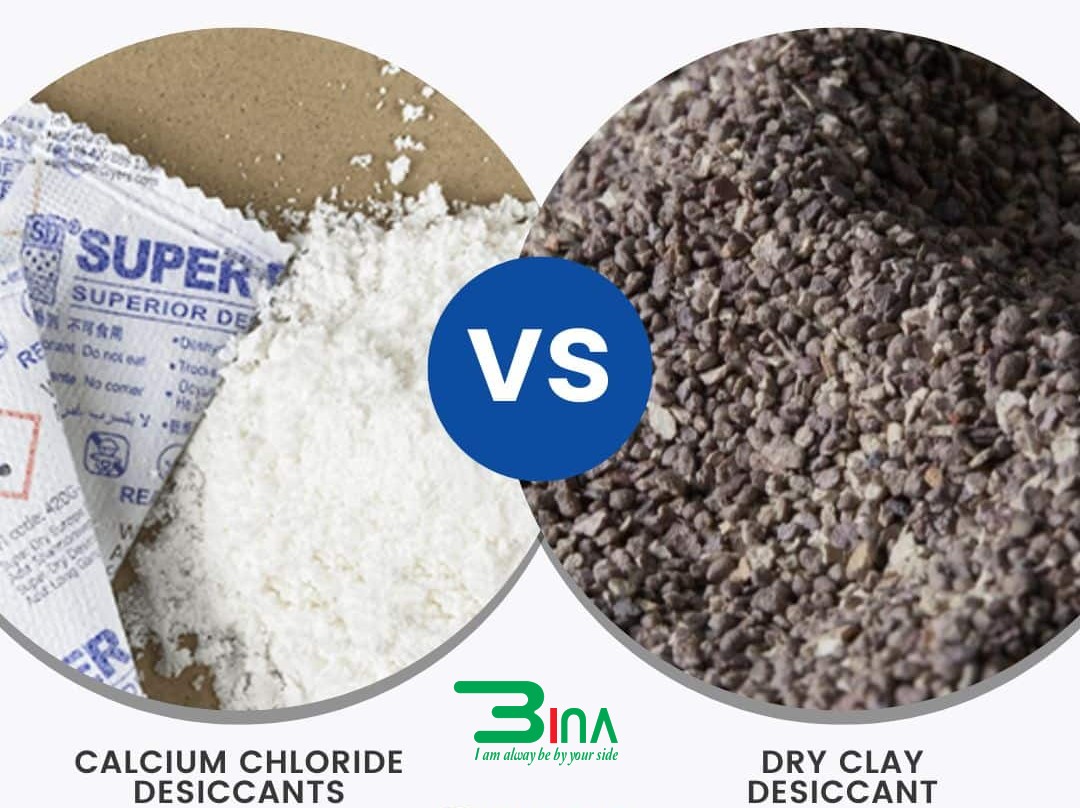
Moisture-absorbing powder, also known as desiccant powder, is a specialized absorbent material designed to combat moisture accumulation in various environments. It serves as an important tool in preventing mold growth, corrosion, and material deterioration caused by excessive moisture. Made from various moisture-absorbing materials such as silica gel, clay, or calcium chloride, it is a versatile solution with applications across many industries and settings.
How does moisture-absorbing powder work?
The science behind moisture-absorbing powder is simple yet effective. Moisture in the air naturally moves toward materials with a high affinity for water molecules. The moisture-absorbing materials used in this powder possess this property to a great extent. When placed in an area with high humidity, the absorbent material begins to absorb moisture, effectively reducing the humidity level in the environment.
When air comes into contact with the desiccant, water molecules adhere to its surface, gradually saturating the material. The absorbed moisture is then locked into the powder, preventing it from causing damage to surrounding items. This ingenious process not only protects items from moisture-related problems but also helps eliminate the musty odors commonly associated with humidity.
 |
Benefits of Using Moisture Absorbing Powder
As an experienced Moisture Absorbing Powder Manufacturer from Udaipur, we know that the benefits of using moisture absorbing powder are numerous and can significantly impact the preservation and longevity of your belongings:
- Mold Prevention: Excessive moisture creates a breeding ground for mold. This powder helps maintain an environment that is unfavorable for their growth, protecting your belongings from harmful and unsightly mold infestation.
- Corrosion Control: Items prone to rust and corrosion, such as tools, metal equipment, and electronics, benefit from the moisture-absorbing properties of this powder. By reducing humidity, the risk of corrosion is minimized.
- Preservation of Valuable Items: Valuable items such as documents, artwork, leather goods, and collectibles can deteriorate when exposed to moisture over time. Using this powder ensures their integrity and helps preserve their value.
- Odor Elimination: Humid environments often bring unpleasant odors. This powder not only addresses the root cause of these odors by reducing moisture but also absorbs existing odors, keeping your space fresh and clean.
- Electronics Protection: Electronic devices are highly sensitive to moisture. This powder can extend the lifespan of your electronics by keeping internal components dry and functioning properly.
- Long-Term Storage: Whether you are storing clothing, seasonal items, or equipment, this powder is indispensable. It ensures that the items you store are taken out of storage in the same condition as when they were packed.
 |
Applications of moisture-absorbing powder
The versatility of moisture-absorbing powder is evident in its many different applications:
- Household use: From wardrobes to basements, using moisture-absorbing powder helps prevent musty odors, mold, and damage to stored belongings.
- Automotive preservation: Commonly used to preserve classic cars, motorcycles, and other vehicles during storage.
- Industrial environments: Industries such as pharmaceuticals, electronics, and manufacturing rely on this type of powder to protect raw materials, finished products, and equipment.
- Shipping and packaging: Items shipped across different climates can benefit from this powder to prevent moisture-related damage during transit.
- Retail and warehousing: Businesses that store goods for extended periods can use this powder to ensure their products remain intact and appealing to customers.
 |
Desiccant powder production process
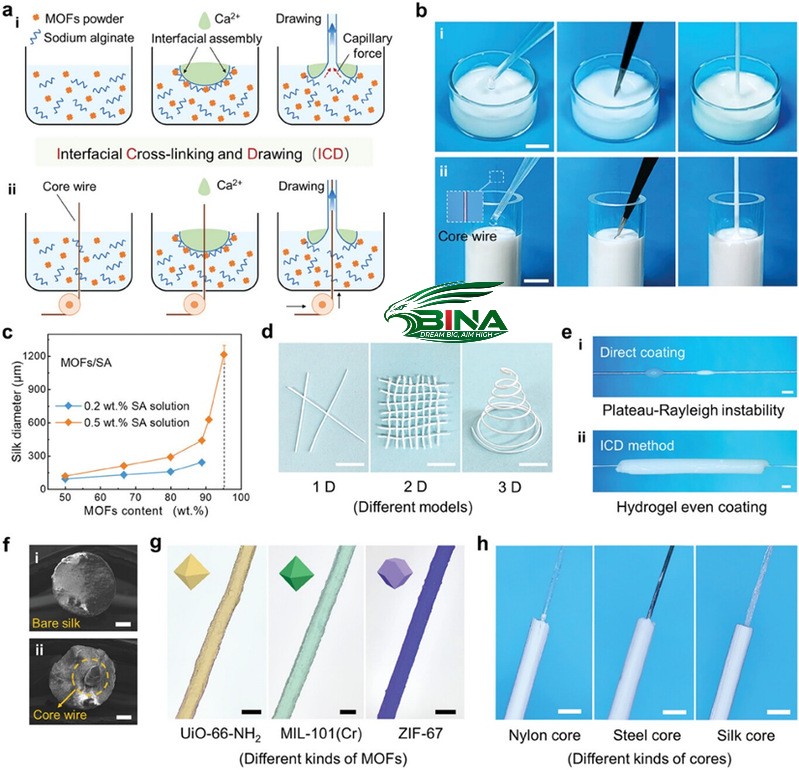
The core of the desiccant powder production process (such as silica gel, molecular sieves, and superabsorbent resins) lies in creating a large specific surface area and porous structure. This mainly includes raw material preparation, synthesis/pore formation, drying, fine grinding and classification, and surface treatment. Common methods include producing superabsorbent polymers through monomer polymerization, drying, and fine grinding; and creating pores in inorganic desiccants through the sol-gel process. Strict control of environmental humidity is crucial to prevent moisture absorption in the finished product.
I. Main production process
Raw material processing and mixing: The main desiccant raw materials (such as acrylic acid, sodium silicate, starch, etc.) are mixed with initiators and crosslinking agents in specific proportions.
Reaction synthesis/Pore formation:
- Organic superabsorbent polymers: A polymerization reaction is carried out to form a gel-like substance with high water absorption capacity.
- Inorganic desiccant powder (such as silica gel): Silica gel is produced by reacting water glass with acid, followed by aging and purification.
Drying (Key step):
- Spray drying: Suitable for directly converting liquid raw materials into powder, with a fast drying rate and good product flowability.
Oven/vacuum drying: Used to dry gel blocks. - Grinding and classification: The dried blocks are ground to the required mesh size and classified using a vibrating sieve.
- Surface treatment (Optional): Functional components, such as vapor corrosion inhibitors (VCI) or modifiers, are added to improve the moisture absorption rate.
- Packaging: Hermetically packaged in a dry environment to prevent clumping due to exposure to air humidity.
II. Main technical details
- Temperature control: The drying temperature must be appropriate to avoid excessive sintering that reduces micropores.
- Surface modification: Template methods or impregnation methods (such as treating porous powder with silicate) are used to increase the material’s surface area and accelerate moisture absorption.
- Balance between flowability and moisture absorption capacity: The reaction process is optimized to ensure that the powder has high moisture absorption capacity without losing flowability due to moisture absorption.
III. Main types of raw materials
- Inorganic desiccants: Silica gel, molecular sieves, activated alumina, calcium chloride (usually packaged).
- Organic desiccants: Sodium polyacrylate, starch-graft copolymers, and other highly absorbent resins.
IV. Safety and quality management
- Production environment: The desiccant powder production area needs to be dry and at a low temperature to prevent the materials from absorbing moisture from the environment during production.
- Particle size control: The grinding process determines the surface area and moisture absorption rate of the desiccant powder, requiring an accurate classification system.
 |
Conclusion about moisture-absorbing powder
In a world where moisture damage is a constant threat, moisture-absorbing powder emerges as a powerful ally in the fight against excessive humidity. With its ability to prevent mold growth, corrosion, and material deterioration, this humble powder can help you save on replacement and repair costs. From household items to industrial equipment, its diverse applications make it an indispensable tool for preserving the quality and integrity of your belongings. With moisture-absorbing powder from Hadupack, you are not only fighting moisture, you are investing in long-term protection for your valuable assets.