


Description
What are biodegradable bags?
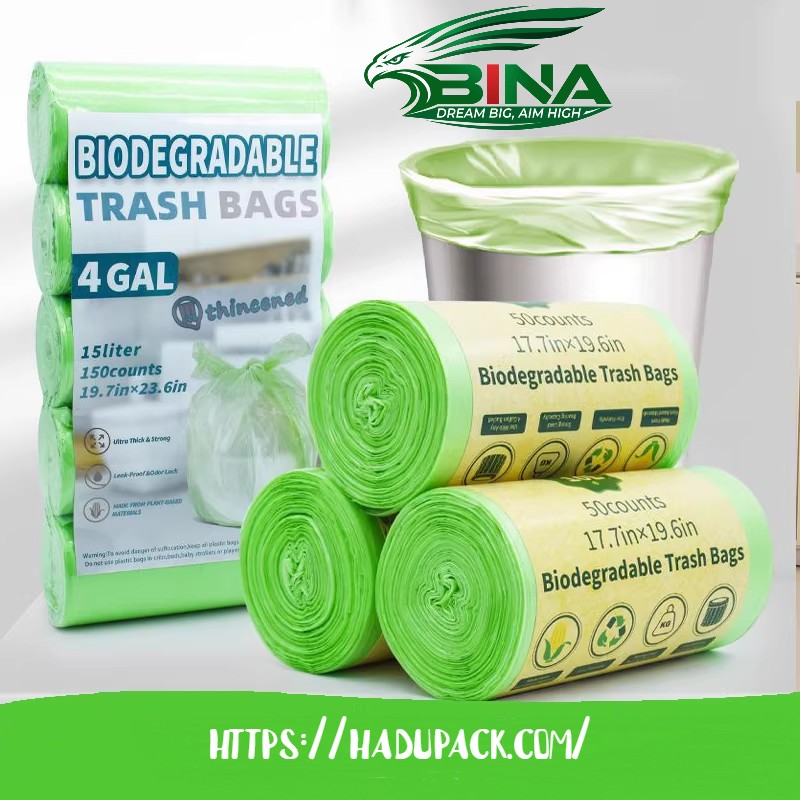
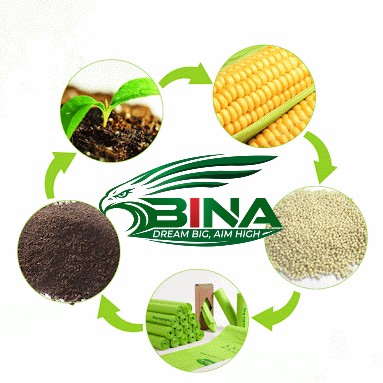
Biodegradable bags are types of plastic bags that, under specific natural environmental conditions (such as soil or seawater) or composting conditions, can be broken down by microorganisms (such as bacteria and fungi) into carbon dioxide, water, and biomass. Compared with traditional plastics, they significantly shorten the decomposition time and are often made from starch, soybeans, or biodegradable plastics (such as PLA and PBAT).
 |
◆Learn more:
- https://hadupack.com/san-pham/mang-co-nhiet-pet/
- https://hadupack.com/san-pham/mang-co-nhiet-pe/
- https://hadupack.com/san-pham/mang-co-pof/
Key characteristics and main understandings of biodegradable bags
- Not sustainable: Biodegradable bags are broken down by microorganisms over time, rather than simply breaking down into microplastics.
- Decomposition conditions: Many biodegradable bags require a “commercial composting” environment with high temperatures and high humidity to fully decompose within a few months; home composting conditions may not be sufficient for rapid decomposition.
- Diverse raw materials: Common raw materials include bio-based materials such as starch, cellulose and PLA (polylactic acid).
- Proper recycling: Mixing them with ordinary plastic waste will affect the quality of recycling. Improper disposal will also cause plastic waste to require a significant amount of time to decompose in unsuitable environments.
 |
The difference between biodegradable materials and compostable materials
- Biodegradable materials: A broader term referring to materials that can be broken down by microorganisms, but does not guarantee the rate of decomposition or the composition of the resulting breakdown products.
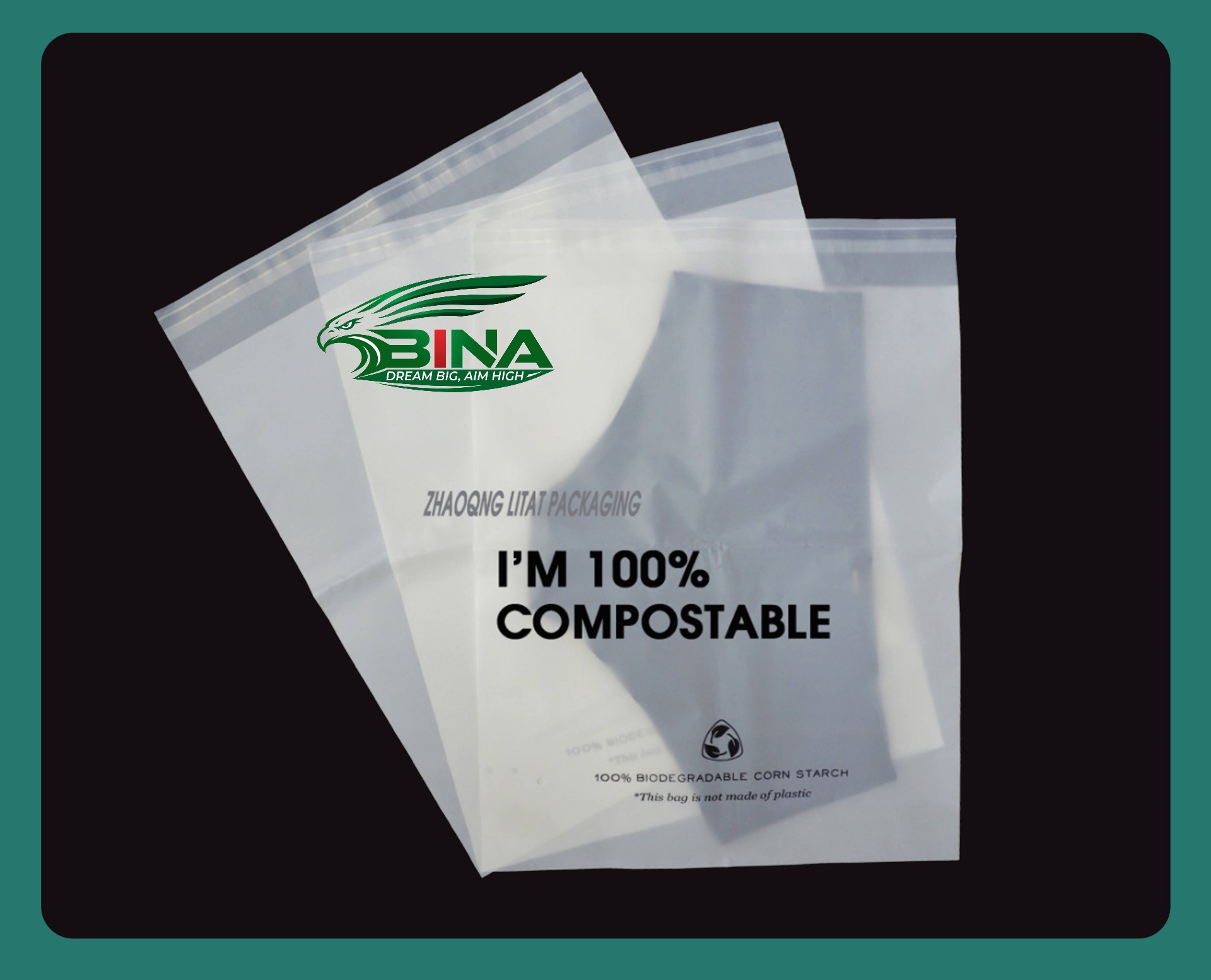
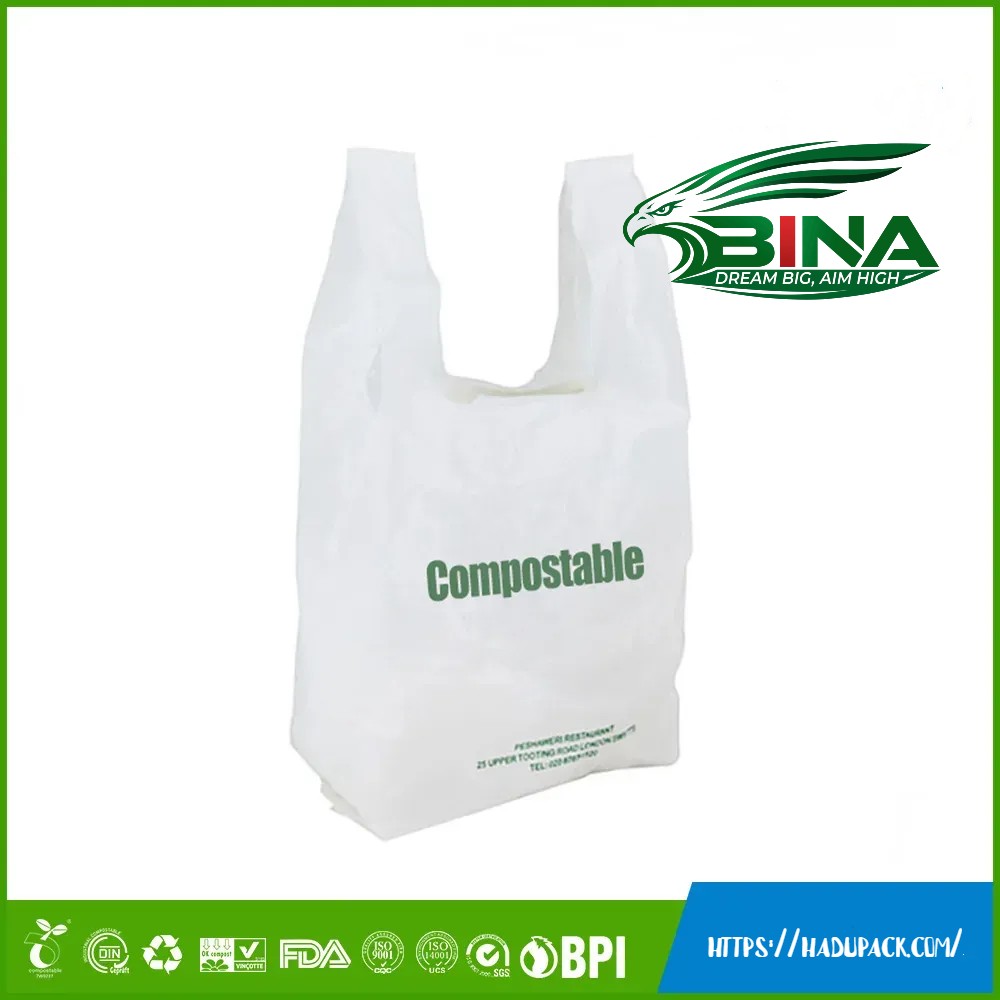
- Compostable materials: A subset of biodegradable materials. They guarantee that the material will completely decompose into compost within a specific period and under specific conditions, without causing toxicity.
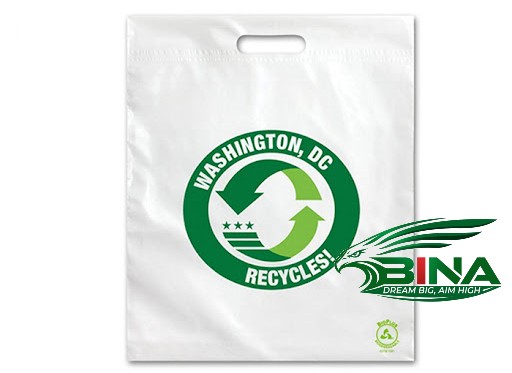
Biodegradable bags (such as those made from cassava starch, PLA and PBAT) are mainly used for single-use packaging, shopping bags, food packaging and agricultural films. Under certain conditions, they decompose into water and carbon dioxide in about 180 days. With the implementation of the “plastic ban”, they are widely used in large shopping malls, supermarkets, pet waste collection and compostable bags.
 |
Main application areas of biodegradable self-degrading bags:
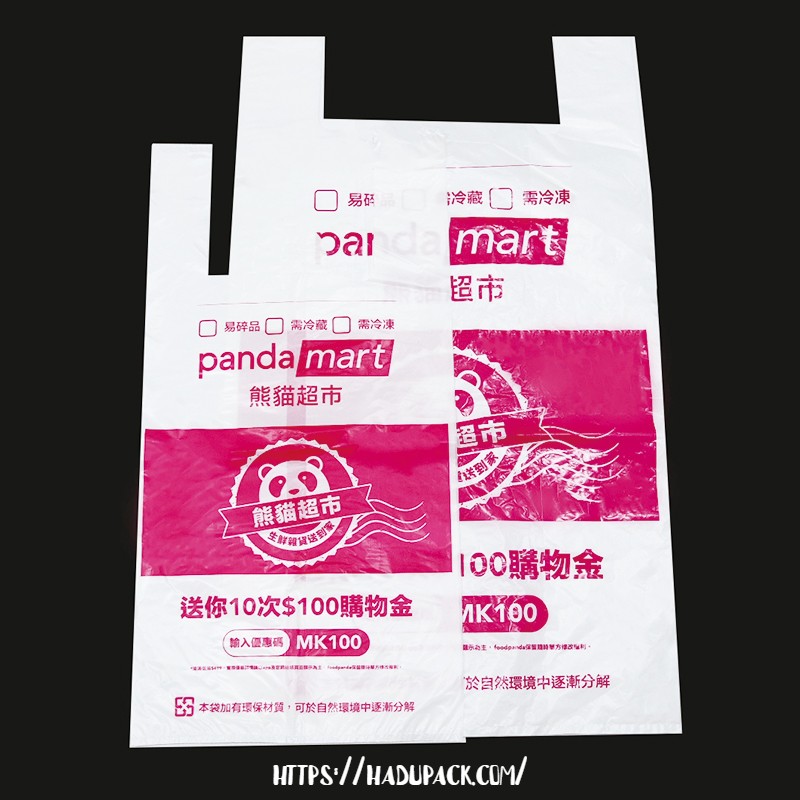
- Retail and supermarkets: Biodegradable vest bags, shopping bags (suitable for retail stores and supermarkets).
- Food and packaging: Food bags, bread bags, food service packaging and bags made from kraft paper composite materials.
- Logistics and express delivery: Biodegradable express delivery bags, reducing logistics waste from traditional plastic packaging.
- Environment and waste management: Kitchen waste bags, garden waste composting bags, which can be industrially composted together with their contents.
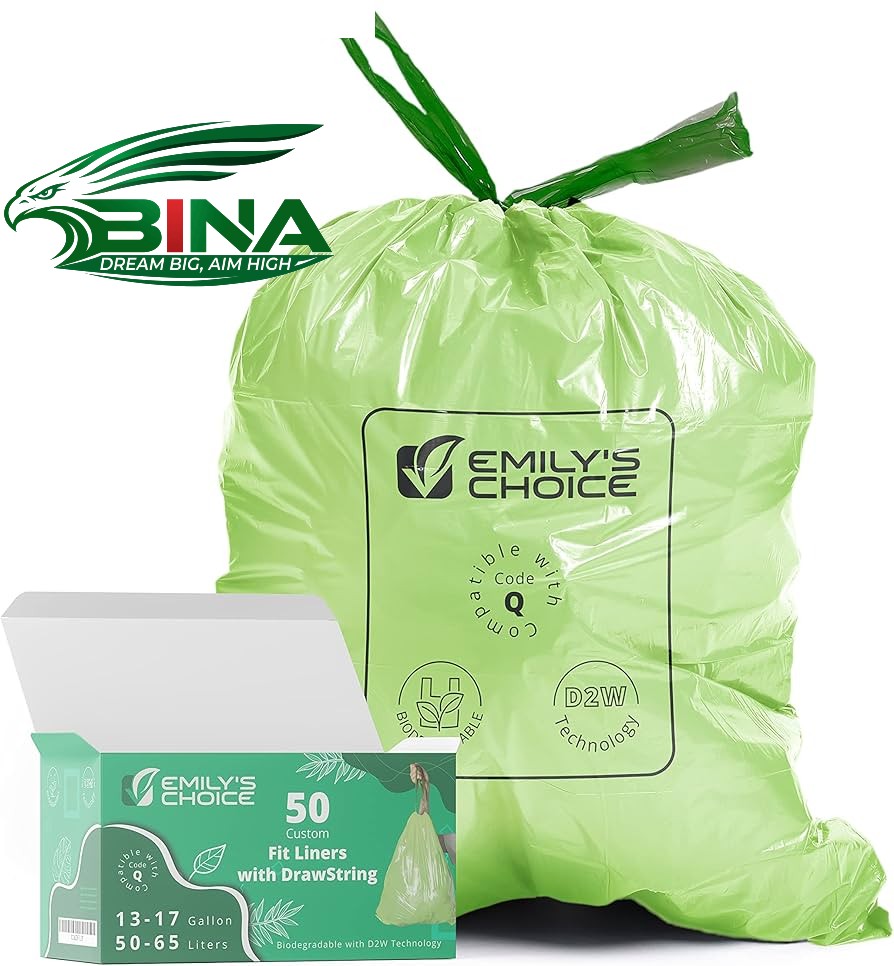
- Household and agriculture: Pet waste bags, seedling pots, agricultural mulch film.
 |
 |
Product features and advantages:
- Environmentally friendly: Fully biodegradable, does not produce toxic waste.
- Material: Usually made from starch and bio-based polyester materials.
- Function: Excellent tensile strength, water resistance, and sealing performance.
- Note: Biodegradable plastics often require an “industrial composting” environment with specific high temperatures and humidity to decompose quickly; decomposition occurs more slowly in ordinary environments or seawater.
 |
Biodegradable bag production process
The production process for biodegradable bags primarily uses bio-based or petroleum-based biodegradable plastics such as PLA (polylactic acid) and PBAT (polybutylene adipate/terephthalate), combined with polymer material compounding technology, and is completed through steps such as blown film extrusion, printing, cutting, and heat sealing. The core process is: mixing and adjusting raw materials, blown film extrusion (190-210℃), cooling and forming, printing and bag cutting, with the aim of producing environmentally friendly packaging that can naturally decompose under specific composting conditions. Details of the biodegradable bag production process:
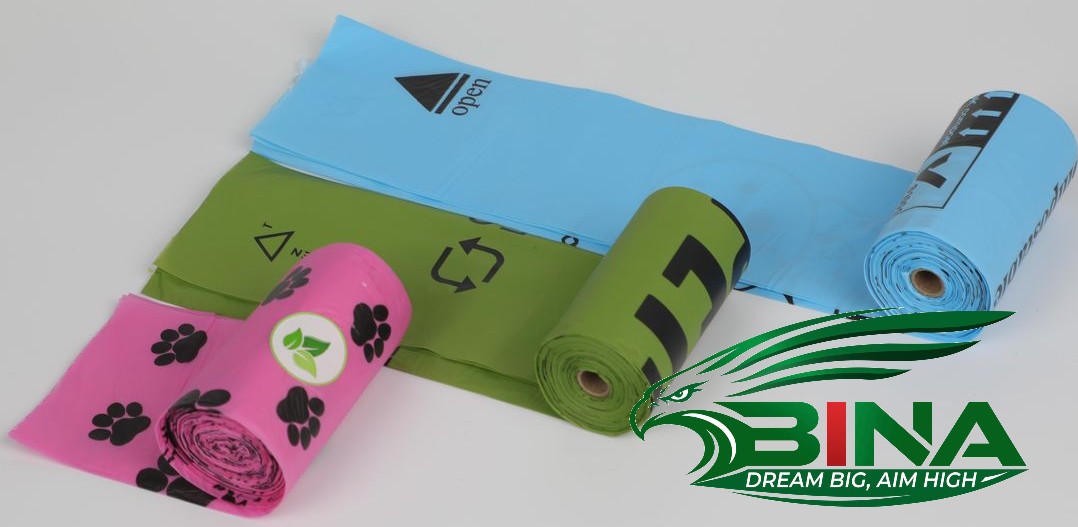 |
Preparation and mixing of raw materials (Formula adjustment):
- The main raw materials include polylactic acid (PLA, high rigidity) and PBAT (high flexibility), sometimes blended with inorganic powders such as calcium carbonate to enhance filling and reduce costs.
- The materials are thoroughly mixed in a mixer at high temperature, and the moisture content usually needs to be controlled to prevent degradation during processing.
 |
Film extrusion blowing (Main step):
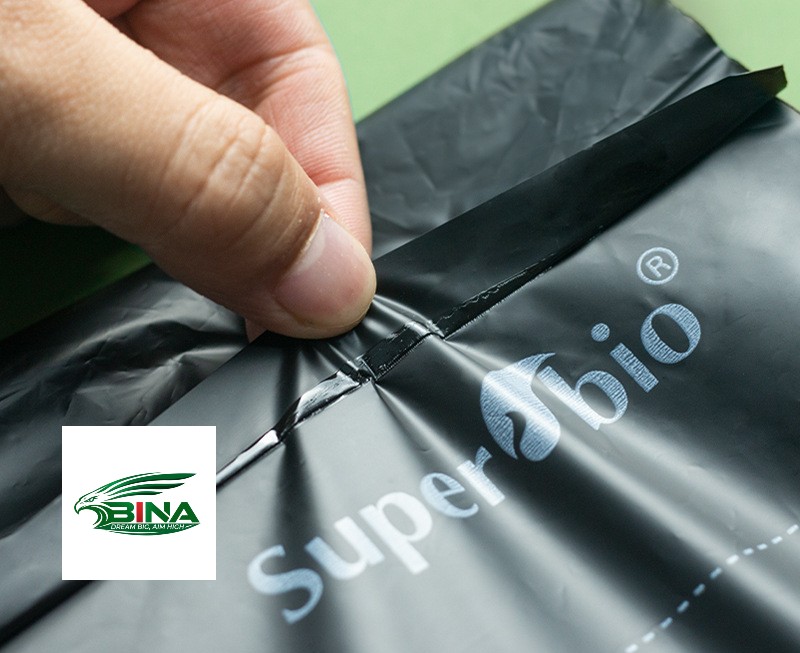
- The raw materials are thoroughly mixed and fed into the film extrusion blowing machine, then hot-melt extruded at a temperature of approximately 190℃ to 210℃.
- The material film with a certain thickness is blown using blow extrusion technology. Since biodegradable materials are sensitive to temperature, the equipment temperature and pressure need to be precisely controlled to maintain the material’s properties.
- Cooling and winding: The blown film is cooled and shaped by an air ring, then edge-pressed and wound into large rolls.
 |
Printing and Cutting:
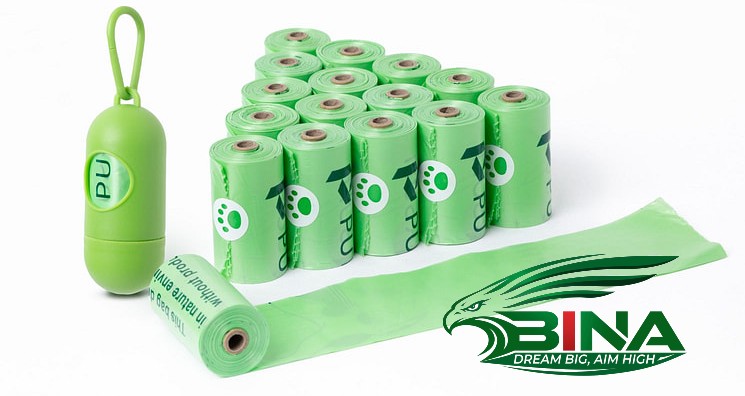
- Printing: Use environmentally friendly ink to print according to the customer’s requirements.
- Bag cutting: The film is fed into the bag-making machine for cutting, folding, and heat sealing (bottom sealing).
- Shaping: Produce various types of bags, such as flat bags, vest bags, etc., in different sizes.
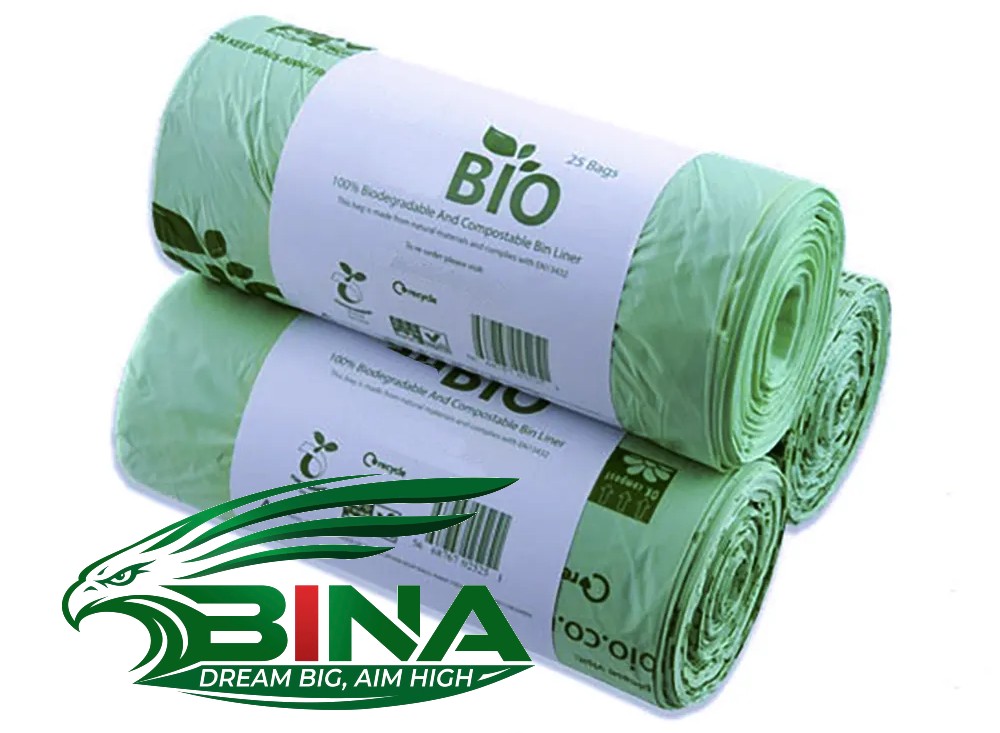
Important note: Biodegradable bags generally do not require additional stabilizers during the production process, and due to the hydrophilic nature of the material, the bag-making equipment needs to operate in a dry environment.
 |
Common issues when printing biodegradable bags
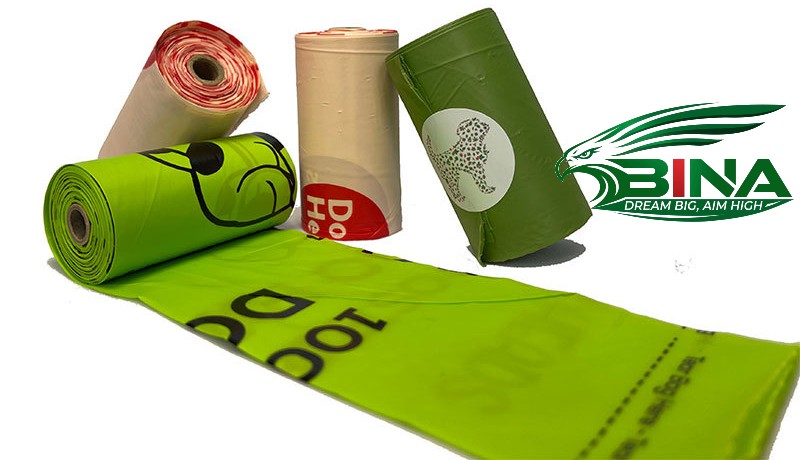
Common issues when printing biodegradable bags (such as PLA and PBAT) mainly involve poor ink adhesion due to the material’s low surface tension, high thermal sensitivity leading to easy deformation, and limitations in choosing environmentally friendly inks. This often requires the use of special water-based or soy-based inks and surface treatment techniques (such as corona treatment) to ensure print quality and biodegradation performance.
 |
Below is a detailed analysis of the issues:
1. Issues with printing characteristics and materials
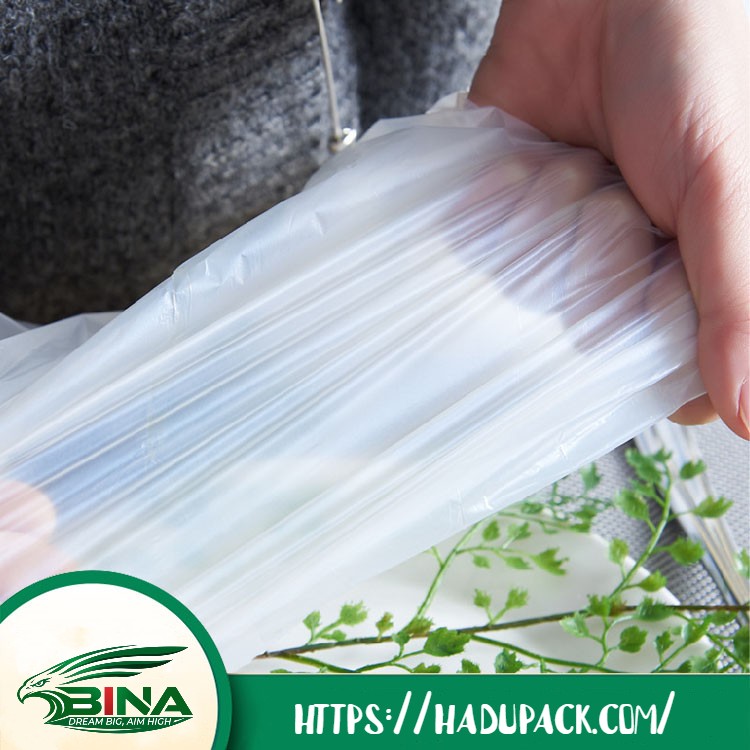
- Low surface tension, causing difficulties with ink adhesion: Biodegradable plastics (such as PLA) have a smooth surface and high chemical stability, making it difficult for ink to penetrate and adhere, which can easily lead to peeling and ink loss.
- High thermal sensitivity, making it prone to deformation: During the printing and drying process, if the temperature is too high, the bags can easily soften, shrink, or deform, affecting dimensional accuracy.
- Surface static electricity: The surface of the plastic film is prone to static electricity, attracting dust and resulting in an unclean printed surface.
 |
2. Environmental Impact and Degradation Performance
- Ink compatibility: If specialized environmentally friendly inks (such as soy-based or water-based inks) are not used, traditional inks may contain heavy metals or non-biodegradable components, causing the final product to fail to obtain biodegradable certification.
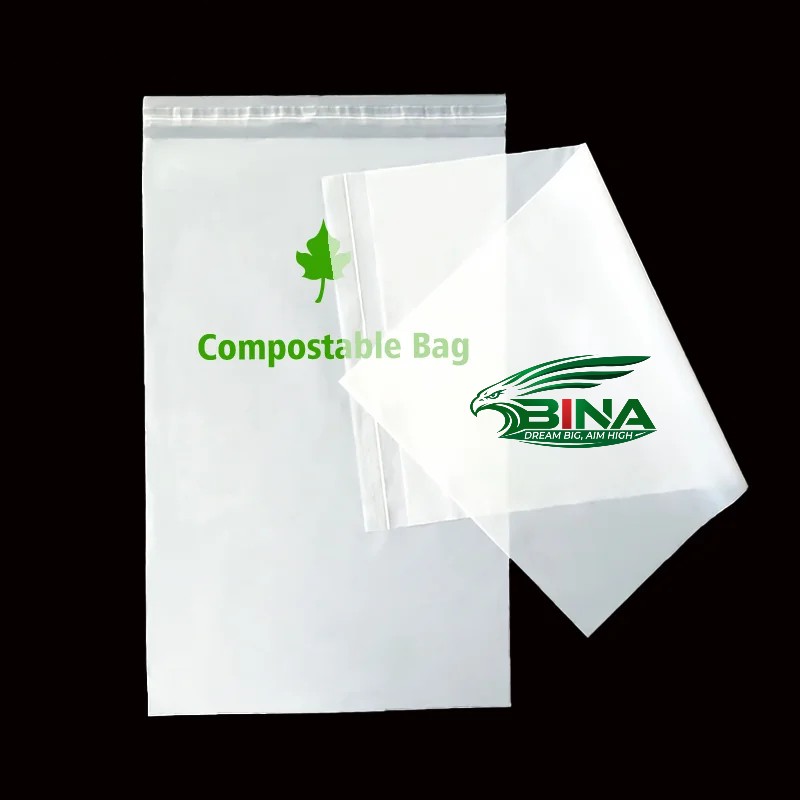
- Labeling violations: There are currently plastic bags on the market labeled “biodegradable” that contain non-biodegradable PE or PP components (i.e., “fake biodegradable”), failing to achieve true biodegradability and therefore not meeting environmental standards.
 |
3. Solution
- Pre-treatment: Use “corona treatment” to increase the surface tension of the film and enhance ink adhesion.
- Specialized ink: Choose ink certified as environmentally friendly and biodegradable to avoid the finished product becoming non-biodegradable due to ink-related issues.
- Precise temperature control: The printer needs to precisely control the drying temperature to prevent material deformation caused by high temperatures.