Description
What is woven PP packaging?
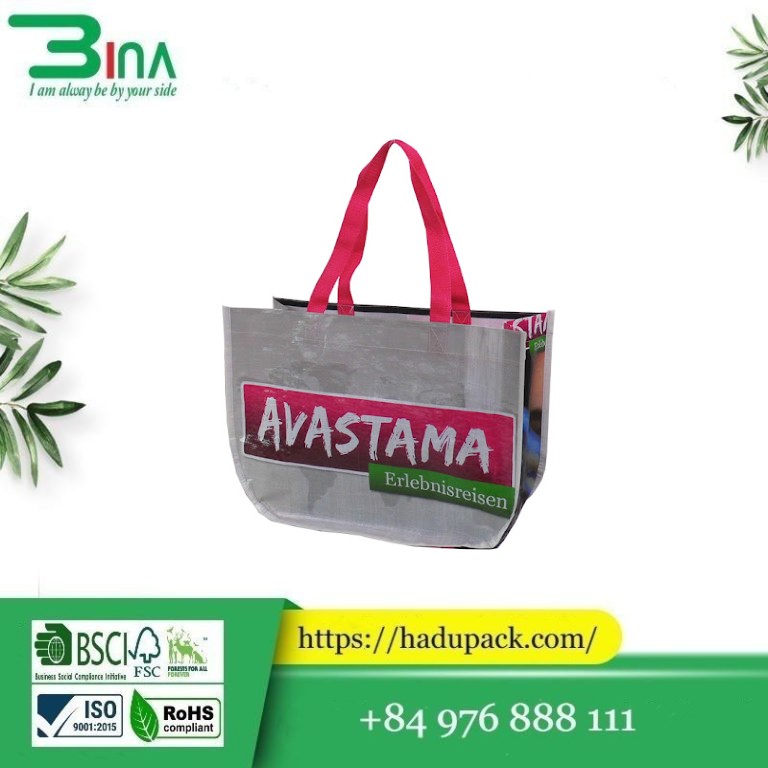
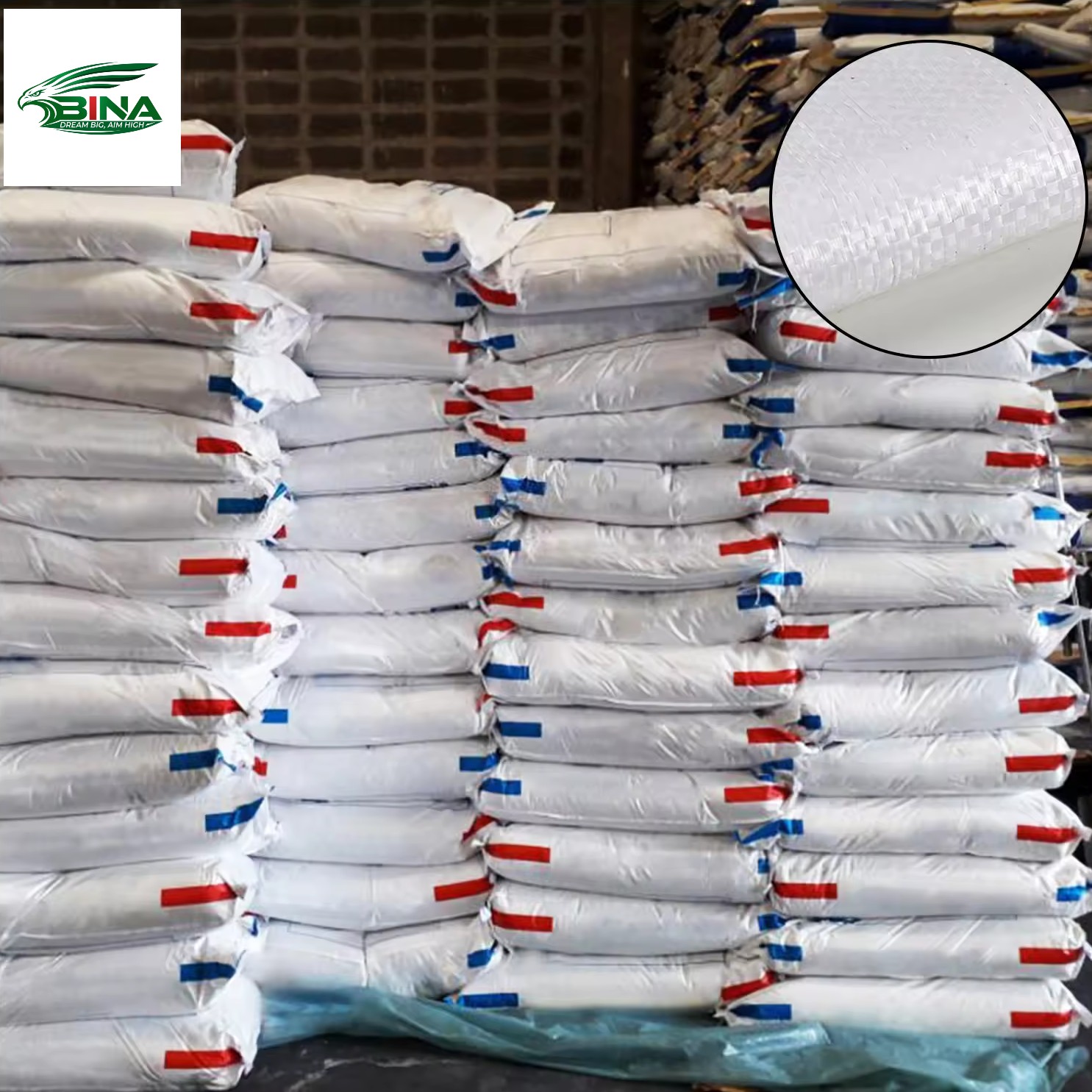
Woven PP bags are a type of bag made from PP plastic using a weaving method. Weaving, or woven weaving, is a method that uses multiple yarns or tapes in two directions (warp and weft) to create fabric for the needs of the plastics industry. Polypropylene (PP) is a type of thermoplastic material produced by polymerizing propylene.
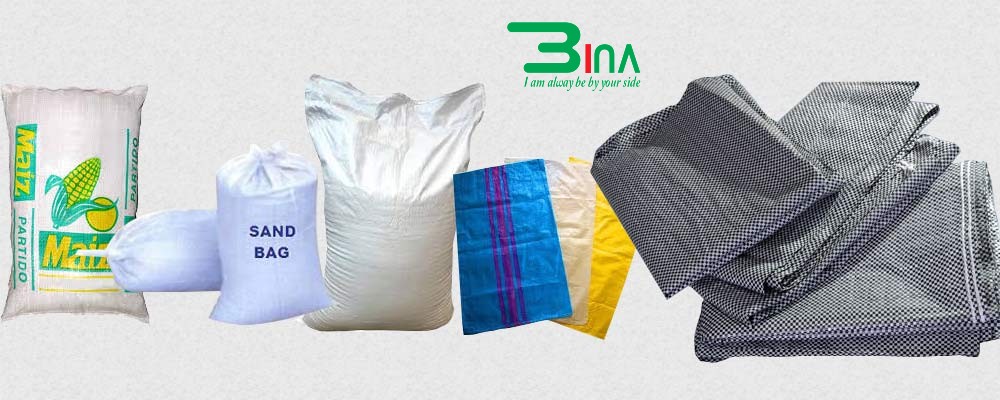 |
Woven polypropylene is polypropylene strips/fibers woven in two directions (warp and weft) to create a lightweight but durable and high-strength material. Woven polypropylene bags: Made from circular woven polypropylene fabric, one side is sewn to form the bottom, the other side is left open, they are the simplest type of woven polypropylene bag.
◆Learn more:
- https://hadupack.com/san-pham/mang-co-pof/
- https://hadupack.com/san-pham/mang-mpet/
- https://hadupack.com/san-pham/tui-pe-day-keo/
 |
 |
Woven PP packaging production process
The production process for woven polypropylene (PP) packaging is a continuous, automated process from plastic pellets to finished products. The main steps include: extrusion and film slitting, circular weaving into tubular fabric, coating/printing (optional), and cutting and sewing. First, PP plastic is melted and extruded into film, which is then slit into flat yarns, stretched and shaped, and finally wound into rolls. Next, the yarns are woven into tubular fabric on a circular loom. Finally, lamination, printing, cutting, and sewing are carried out to complete the packaging bags.
Detailed production process:
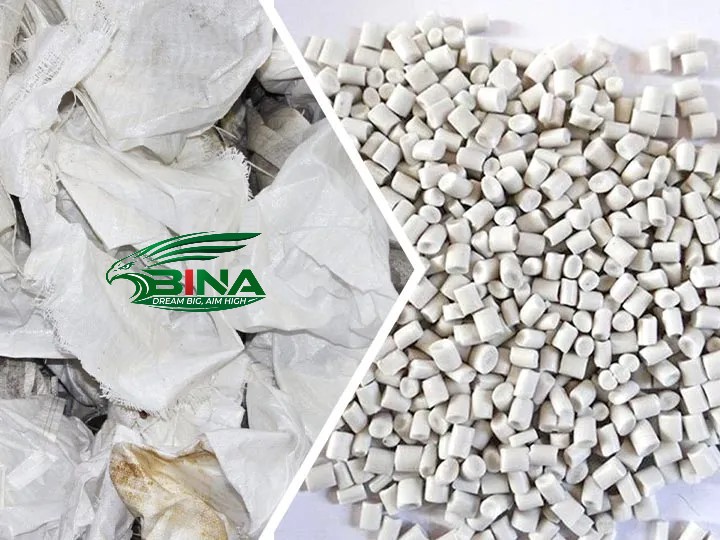
- Raw material preparation: PP plastic pellets (virgin or recycled) are mixed with additives (such as colorants and UV stabilizers) to ensure product performance.
- Extrusion & Film Slitting: The raw materials are heated and melted in an extruder, then extruded into PP plastic film.
- After cooling, the film is slit using a cutting blade roller into thin, long, flat yarns (raffia tapes), typically 2-3 mm wide.
- The flat yarns are stretched using a heating machine to increase their strength, shaped, and then wound into rolls.
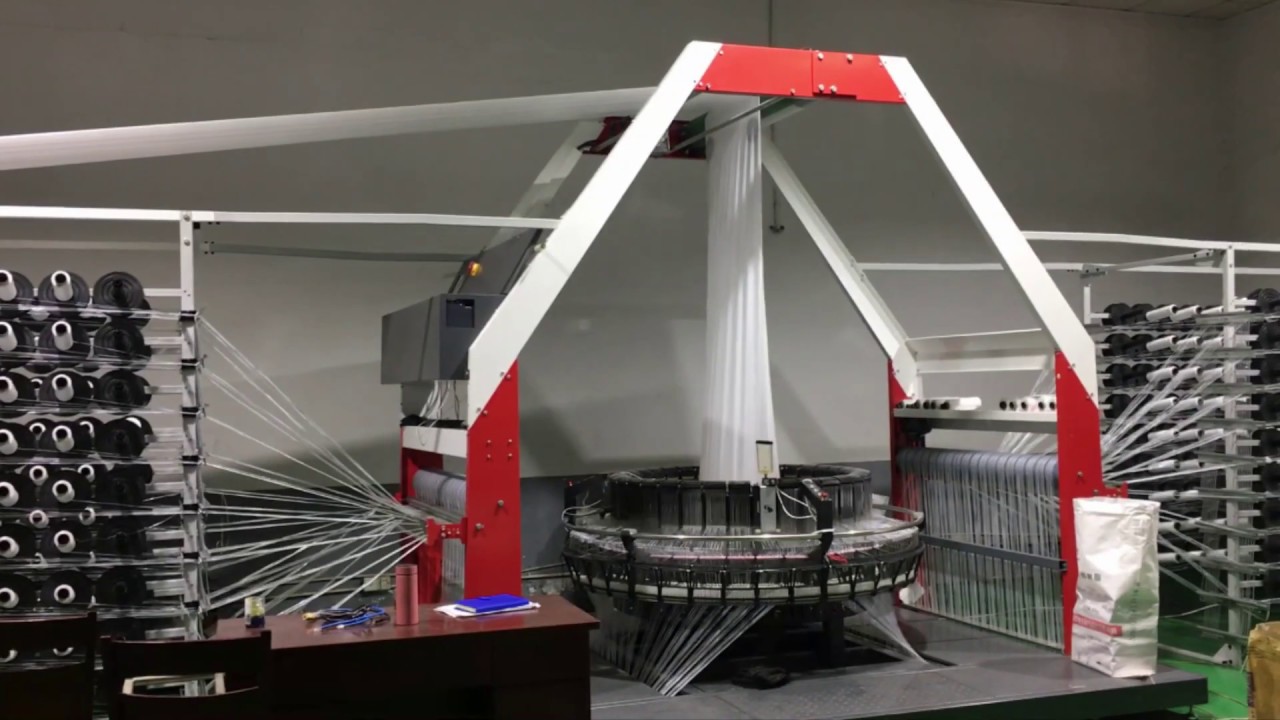
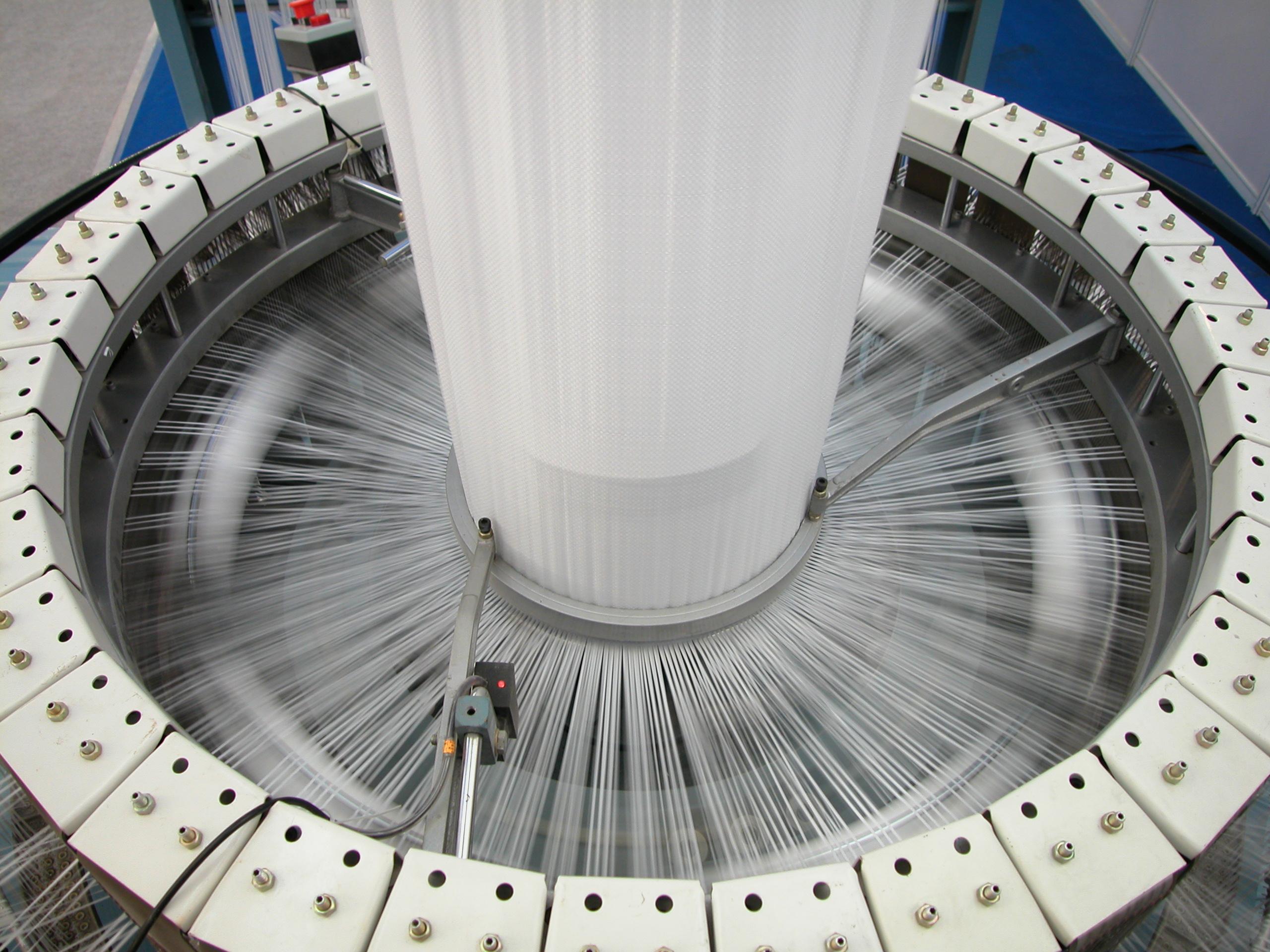
- Weaving: The PP flat yarn rolls are mounted on a circular loom, where the warp and weft yarns interlace to form rolls of tubular or flat woven fabric.
- Coating/Lamination: A PP plastic film layer approximately 30micromic thick is applied to the fabric to make it waterproof and moisture-resistant.
- Printing: Patterns are printed on the fabric or OPP film using gravure or flexographic printing methods.
- Cutting & Sewing: The woven fabric rolls are cut to predetermined dimensions.
- The bottoms and sides are sewn automatically; some bags require edge binding.
- Inspection & Packaging: Finished bags are inspected for seam quality and strength.
- They are automatically counted, compressed, and packaged for transportation.
Key technical points:
- Tensile strength: The elongation ratio of the flat yarns directly affects the load-bearing capacity of woven bags.
- Moisture-proof treatment: Applying a moisture-resistant coating enhances packaging protection and is commonly used for cement and fertilizer packaging.
- Circular loom: Ensures uniform woven fabric quality and continuous production efficiency.
 |
Classification of Woven PP Packaging
Woven polypropylene (PP) packaging is primarily classified by intended use, processing technology, and weight. Common classifications include: by intended use: rice/flour bags, fertilizer/chemical bags, animal feed bags, FIBC (bulk bags), valve bags; by process: conventional woven bags, color-printed woven bags, paper-plastic composite bags; by weight: lightweight (50-70 g/m²), medium-weight (70-100 g/m²), heavy-duty (100-140 g/m²), and extra-heavy-duty (>150 g/m²).
The specific classifications are as follows:
1. By intended use:
- Agricultural produce and agricultural product packaging: used for aquatic products, chicken and duck feed, crops such as rice, wheat flour, corn, etc., and also includes agricultural materials such as sunshade and windbreak fabrics.
- Industrial packaging: widely used for transporting and storing fertilizers, chemical raw materials, minerals, cement (certain types), etc.
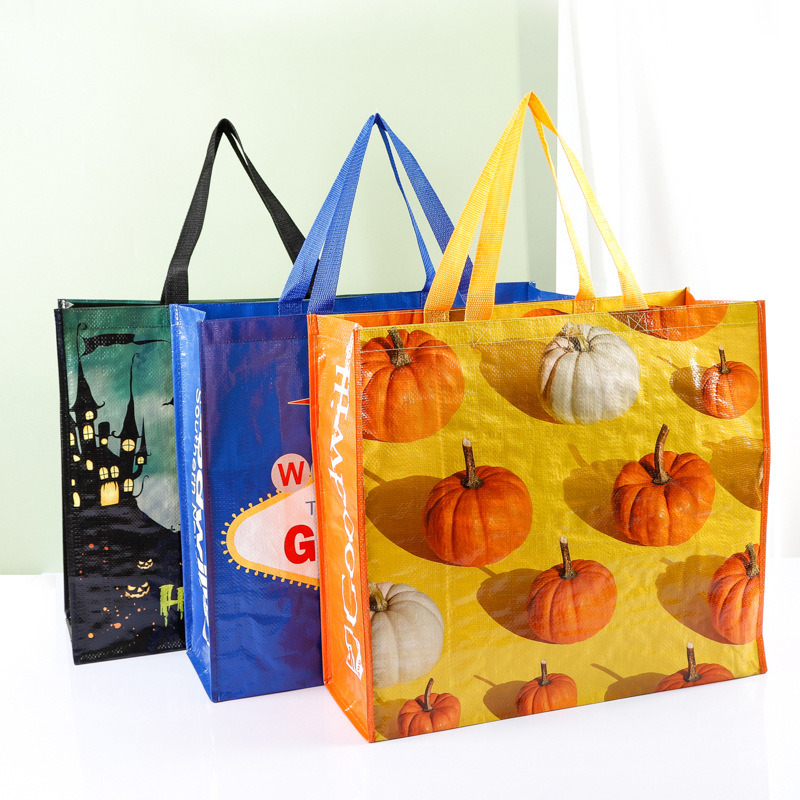
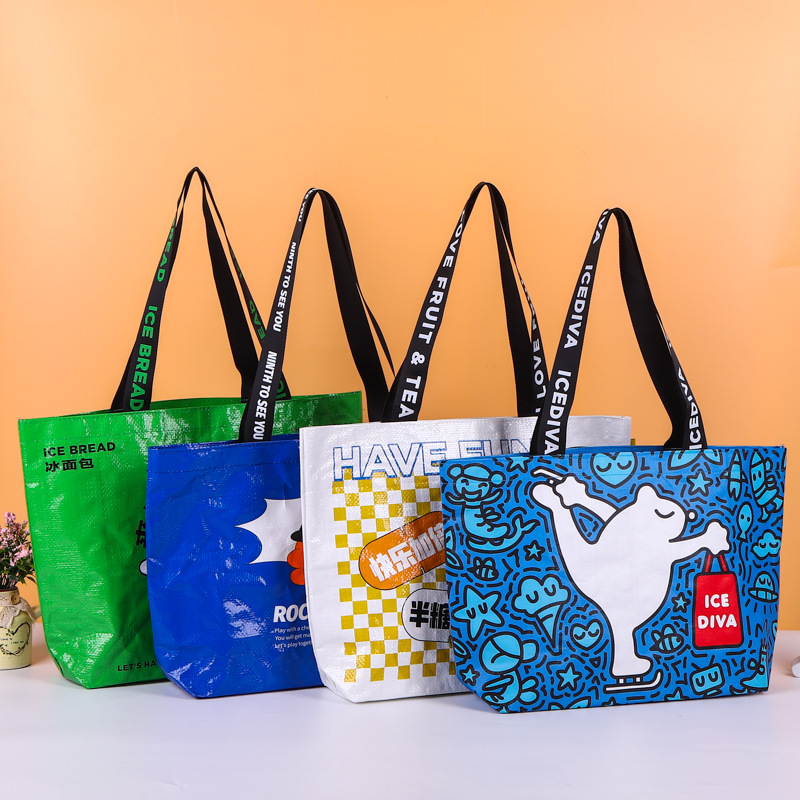
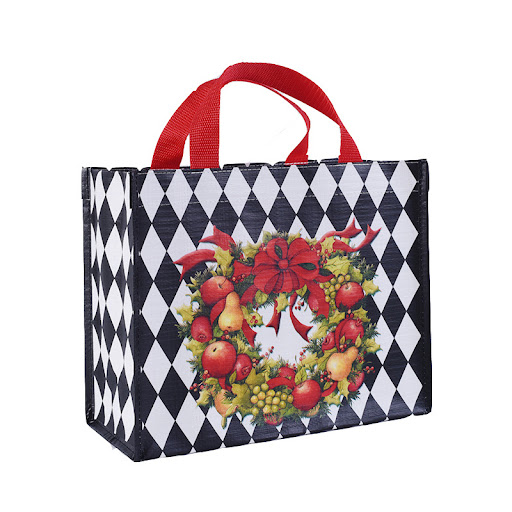
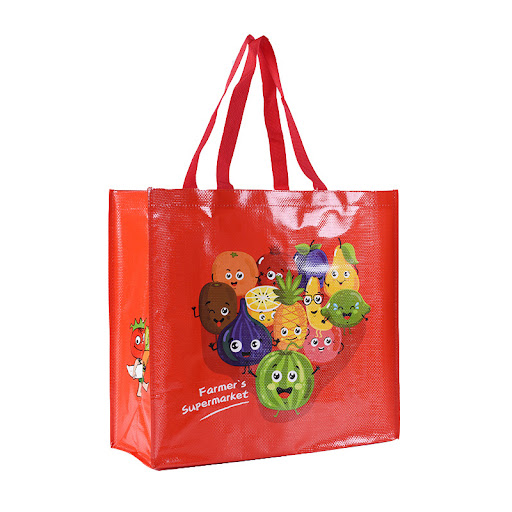
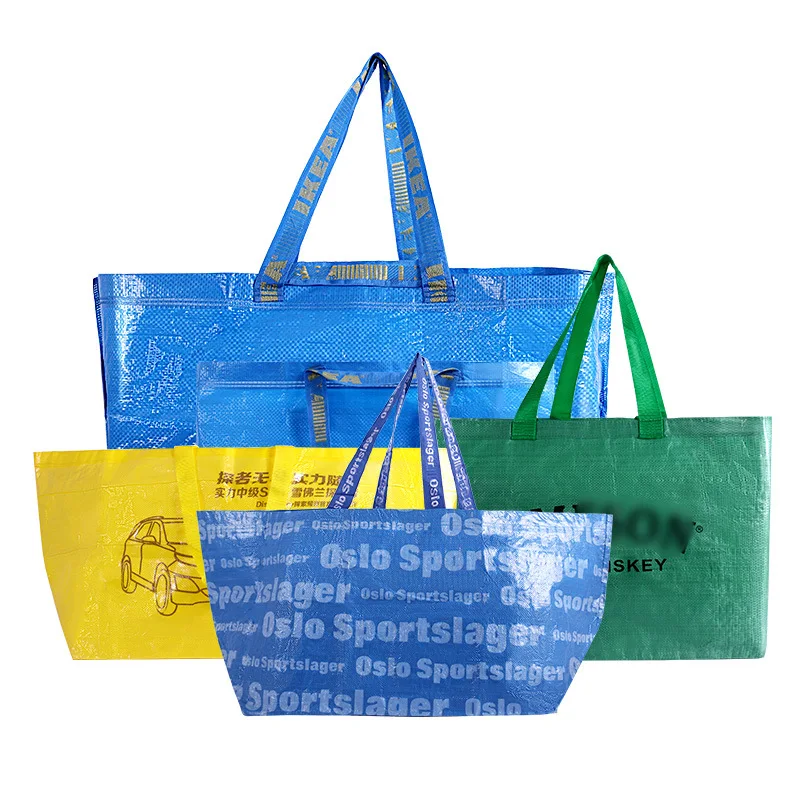
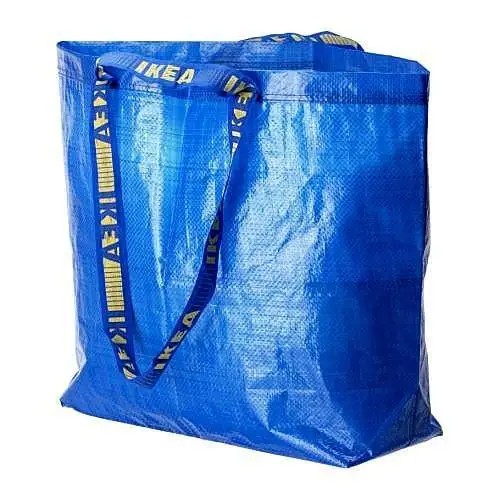
FIBC bags/ton bags, jumbo bags: suitable for bulk cement, industrial raw materials, etc., and used for large-volume sea and road transportation. - Everyday items: Eco-friendly shopping bags, storage bags, travel bags, etc.
- Geotechnical materials: Filter, drainage, waterproofing, and reinforcement materials used in highway, railway, and hydraulic engineering construction.
2. By processing technology:
- Conventional woven bags: Woven from basic PP raw materials, high strength, single-layer, commonly used for bulk goods.
- Color-printed woven bags: The surface features printed patterns, commonly used for packaging grains and animal feed, with high aesthetic appeal.
- Paper-plastic composite bags: PP woven fabric combined with kraft paper or plastic film, combining strength (woven bags) with aesthetics/sealing properties (paper/film), primarily used for fragile product packaging.
- Multi-layer woven bags: Coated with plastic film (such as PE) on the inside or outside, providing waterproof and moisture-resistant properties.
3. By physical properties (Basis weight/Strength):
- Lightweight (50-70): Lightweight and soft, primarily used for temporary packaging and mailing bags.
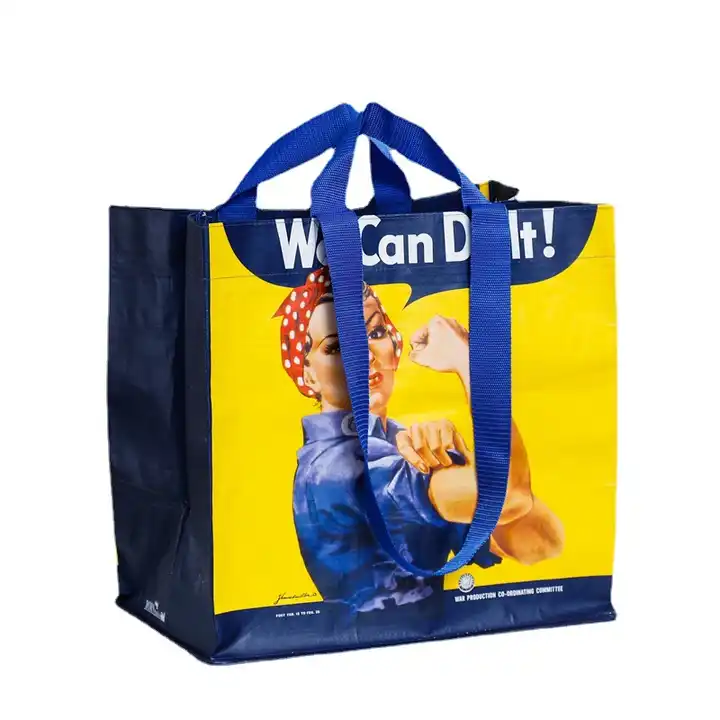
- Medium-weight (70-100): Common on the market, tear-resistant, commonly used for woven shopping bags and livestock feed bags.
Heavy-duty (100-140): High strength, used for packaging heavy goods. - Extra-heavy-duty (>150): High industrial grade, suitable for industrial bags containing construction waste, mining products, etc.
4. Typical product classifications
- Valve bags: The valve is positioned at one corner of the bag, suitable for automatic filling, applicable not only to bagged materials but also ensuring a tight seal.
- Polypropylene (PP) woven fabric/tarpaulin: Commonly used in the transportation industry as a covering material, replacing traditional tarpaulins.
 |
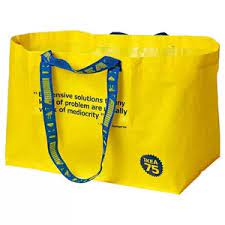
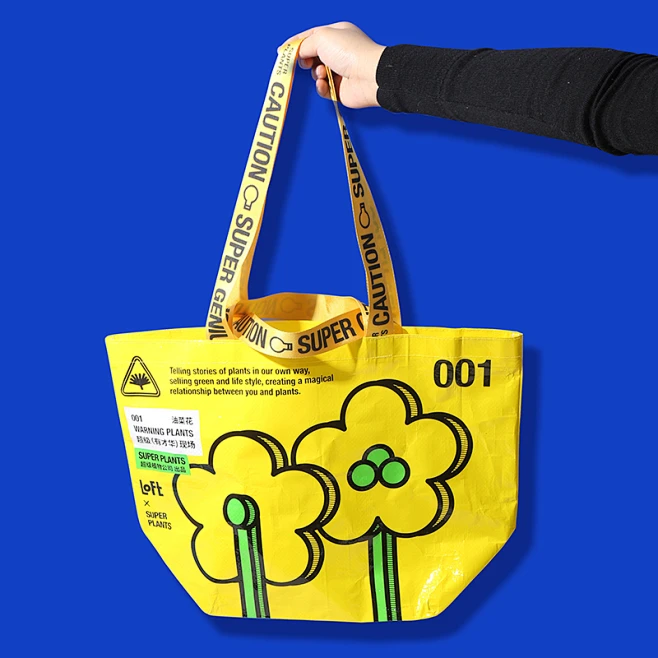
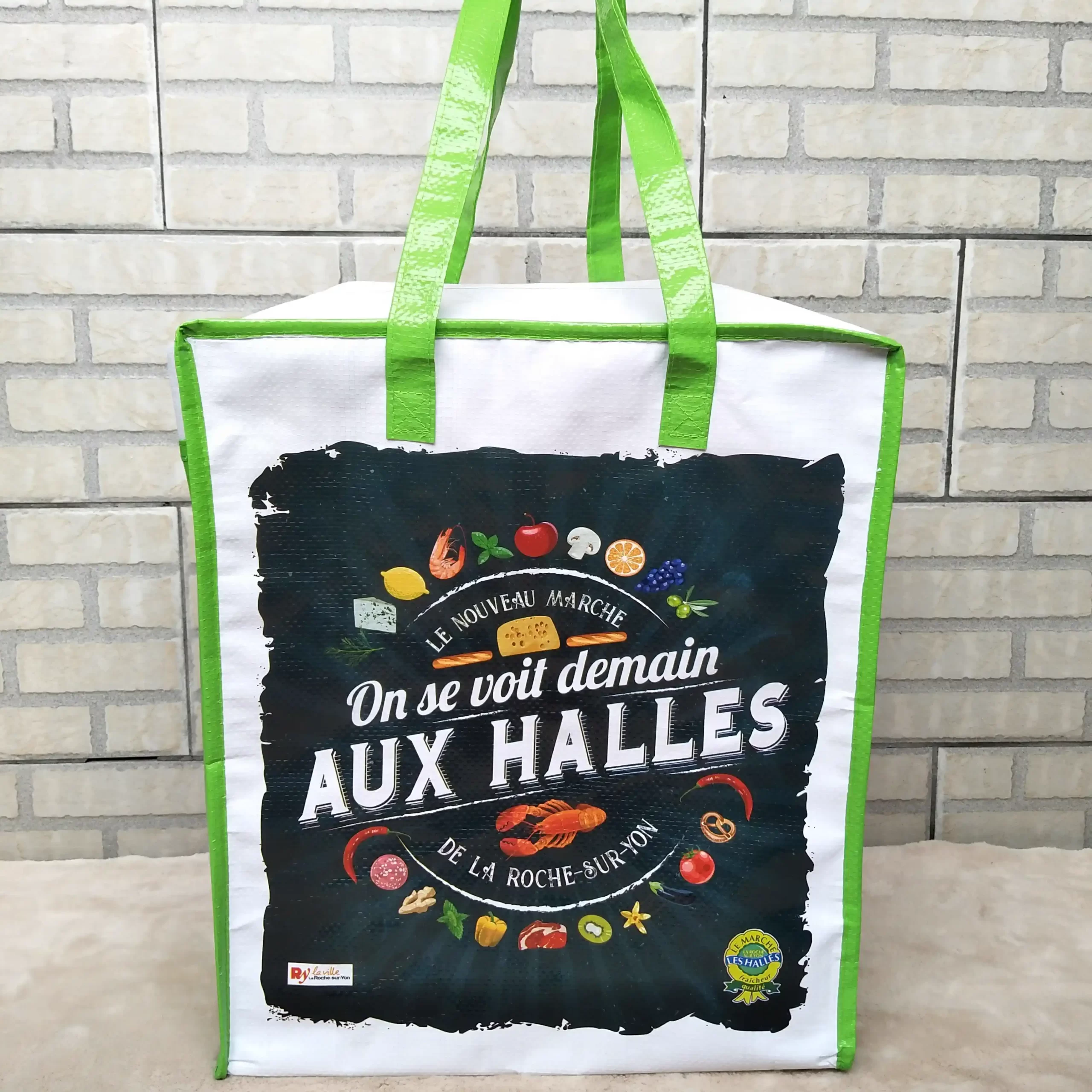
Benefits of using woven PP bags
- Woven fabric is flexible.
- It can retain its shape well.
- Woven fabric is very durable, so the bags can be reused many times.
- The bags can be machine-washed.
- They can be designed with multilayer or matte coatings. Non-laminated woven bags should not be used because they will look cheap.
- These types of bags do not break down when wet.
- They are naturally tear-resistant.
- The bags can be printed on one or both sides.
- The bags allow the contents to breathe until they air-dry.
- These bags have better resistance to breakage than plastic bags.
- Woven PP bags can be laminated to provide a barrier against water vapor and moisture.
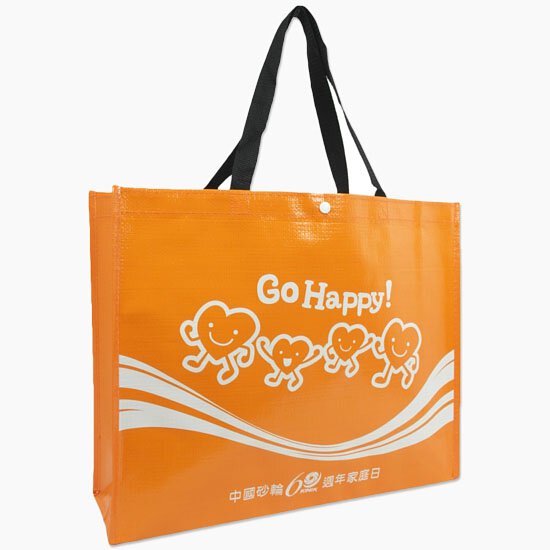
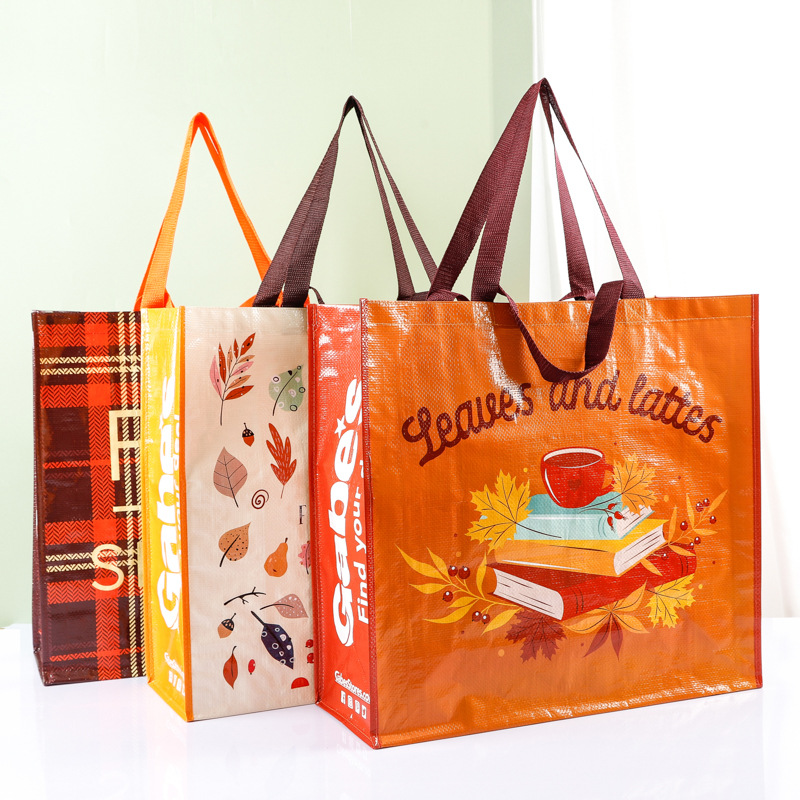
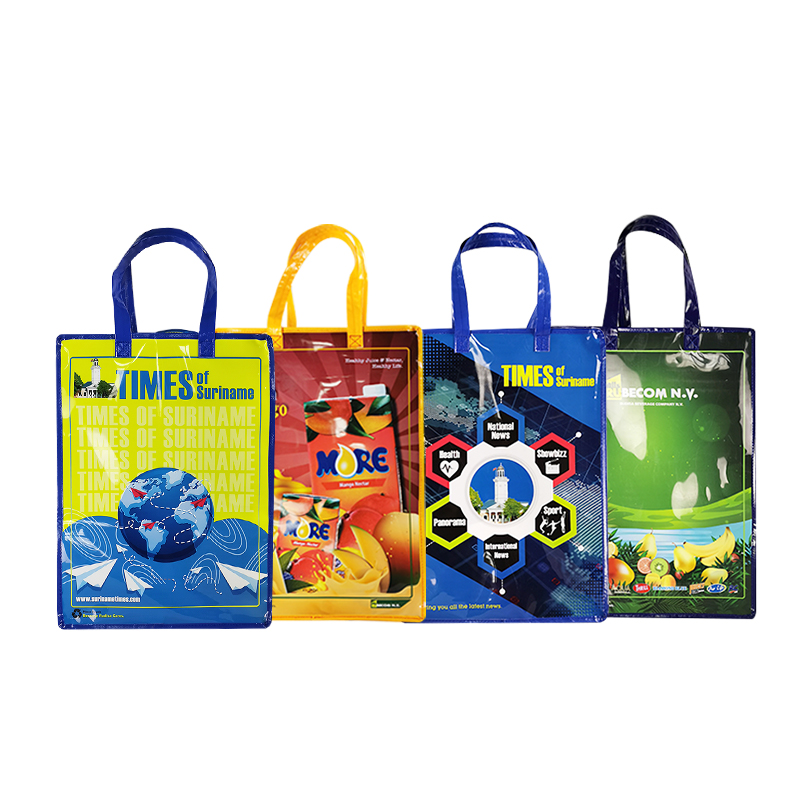
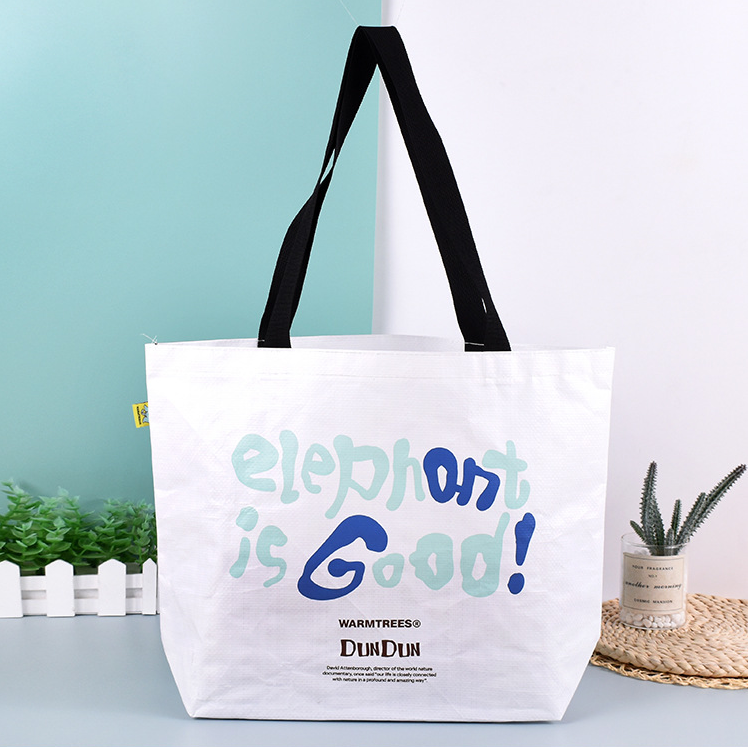
- Furthermore, the bags can be partially transparent for an eye-catching presentation.
- The bags can also have gusseted sides to easily accommodate bulky items.
 |
 |
 |
 |
 |
 |
 |
 |
 |
 |
 |
 |
 |
 |
 |
Applications of PP Woven Bags
- Agricultural product packaging: PP woven bags are widely used to store and transport agricultural products such as seafood, animal feed, fruits, vegetables, etc. PP woven bags used in the agricultural industry typically include PP feed bags, PP chemical bags, PP fertilizer bags, vegetable bags and fruit mesh bags.
- Food packaging: PP woven bags are increasingly used for food packaging. Common food-grade woven bags include PP rice bags, PP flour bags, woven corn bags, etc.
- Geotechnical engineering: PP woven fabric is widely used in the construction of hydraulic engineering projects, roads, railways, ports, mines, buildings and more. With functions such as filtration, drainage, isolation and waterproofing, PP woven fabric is one of the most common geotechnical materials.
- Travel and transportation: PP woven fabric can be used to make temporary tents, sunshades and various types of travel bags. In addition, woven plastic fabric can also be used as fencing and screening during construction.
- Daily necessities: Almost everyone uses PP woven bags, whether they are workers, farmers or transport agents, etc. You can find woven plastic products (such as shopping bags, logistics bags, etc.) in stores, warehouses and homes, almost everywhere.
- Flood control products: Woven bags play an important role in reducing or preventing the harmful effects of floodwater. They are widely used in the construction of dams, riverbanks, roads and railways. Woven polypropylene sandbags are widely used around the world.
- Special woven bags: Special woven bags are also used for certain specific purposes. For example, UV-resistant woven bags provide UV protection and anti-aging properties, giving them a longer service life under sunlight. UV-resistant woven polypropylene tubes can be used for earthbag buildings. Fillplas has PP filler granules for manufacturing PP woven bags.
Please visit our website https://hadupack.com for more information.




Reviews
There are no reviews yet.