


Description
What is PE foam?
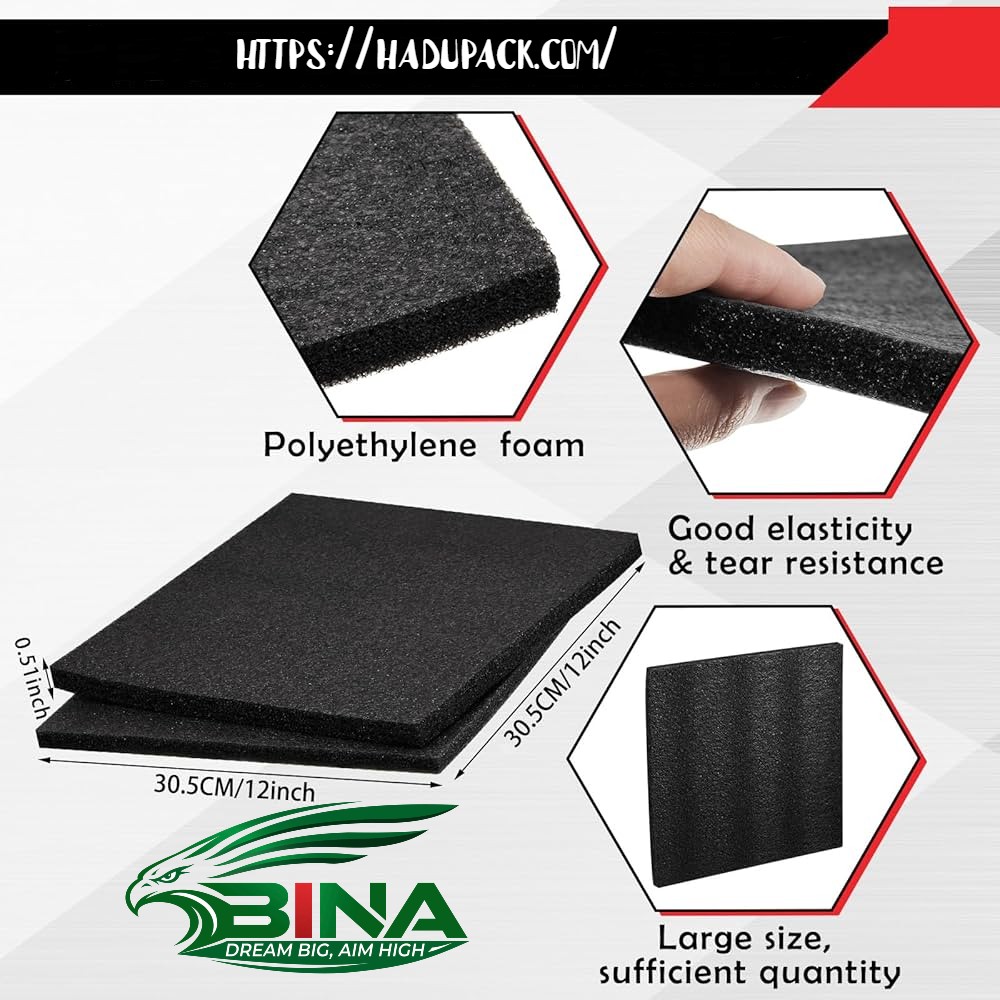
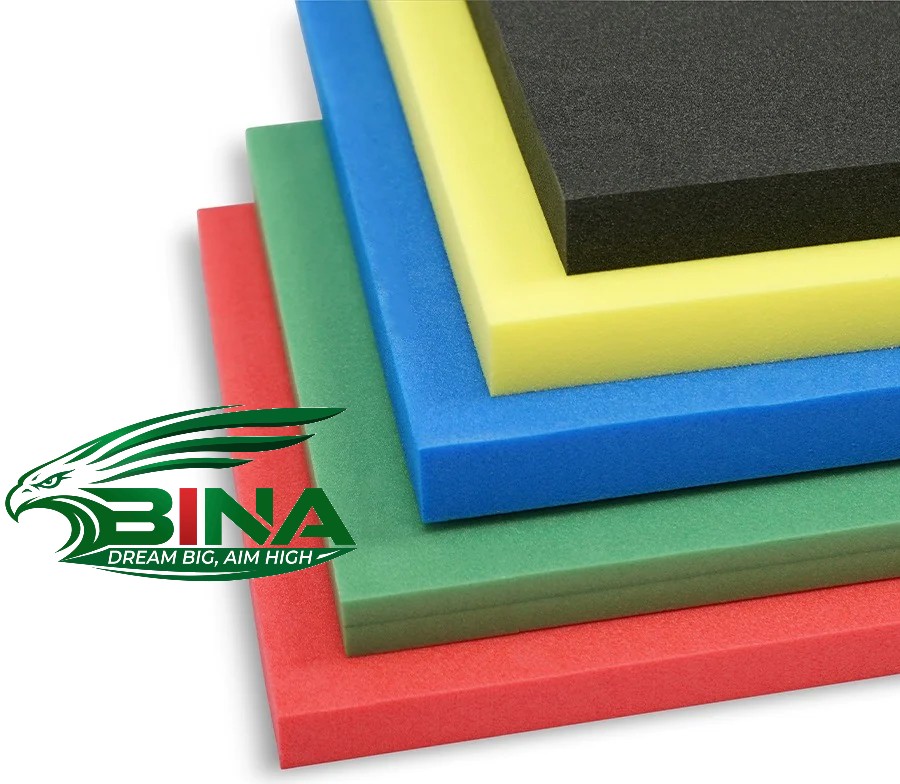
PE foam is a lightweight, eco-friendly material made from polyethylene (PE) through a foaming process. It features high elasticity and offers water resistance, shock absorption, sound insulation, and thermal insulation. The material’s characteristic closed-cell structure provides excellent water resistance and allows it to retain its shape under pressure. Common forms include “pearl foam” (EPE) and cross-linked foam; it is widely used in product packaging, the protection of electronic devices, and construction insulation.
 |
◆Learn more:
- https://hadupack.com/san-pham/tam-xop-chong-tinh-dien/
- https://hadupack.com/san-pham/tui-xop-bong-bong/
- https://hadupack.com/san-pham/tui-xop-pe-foam/
Key characteristics of PE foam sheets
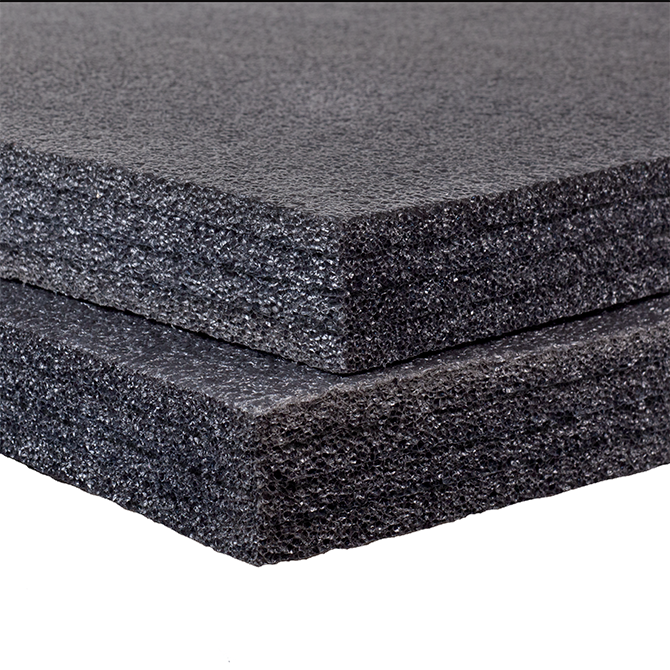
- Physical properties: Lightweight, highly elastic, rigid, durable (not easily broken), and capable of providing cushioning, shock absorption, and sound absorption.
- Eco-friendly and safe: Non-toxic, odorless, chemically stable (chemical resistant), and moisture- and water-resistant.
- Processability: Adjustable hardness and thickness; recyclable; suitable for hot and cold pressing, vacuum forming, and engraving.
 |
Common applications of PE foam sheets
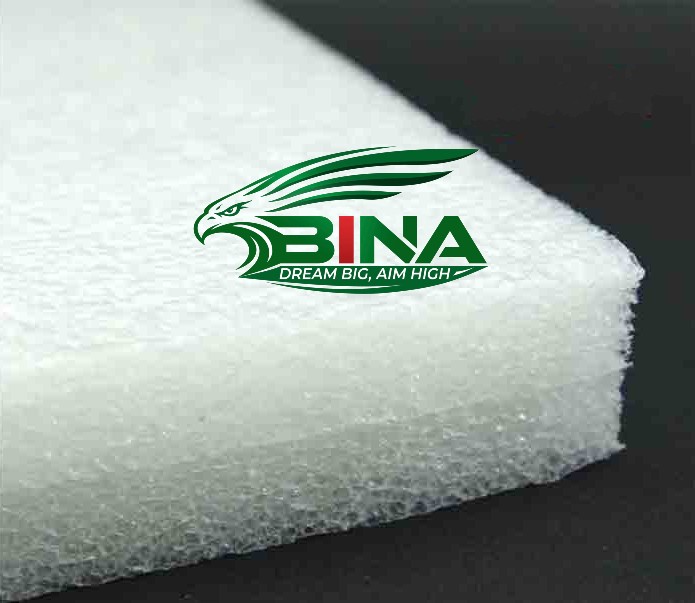
- Packaging protection: Commonly used as shock-absorbing lining for electronics, instruments, hardware tools, and bags.
- Sound and thermal insulation: Suitable for floor moisture proofing, floor soundproofing, and wall thermal insulation.
- Industrial and sports goods: Used in sports protective gear, footwear, automotive interiors, and sealing strips.
 |
PE Foam Sheet Production Process
PE (polyethylene) foam sheets are typically made from low-density polyethylene (LDPE) combined with blowing agents, cross-linking agents, and other additives through mixing, extrusion, and foaming processes. Production is primarily categorized into two types: “single-stage foaming (EPE)” and “two-stage foaming (cross-linked foaming),” resulting in an eco-friendly cushioning material with a closed-cell, micro-cellular structure.
I. Main Production Process
- Mixing: LDPE, blowing agents (such as AC blowing agent), cross-linking agents (if high durability is required), antistatic agents, and other additives are mixed according to specified ratios.
- Extrusion: Raw materials are fed into an extruder and melted into a homogeneous mixture at high temperatures.
Foaming & Shaping:
- Physical Foaming (EPE): A physical blowing agent (such as butane gas) is injected into the molten mixture through the extruder nozzle. A sharp pressure drop occurs at the die, causing the gas to expand and form foam cells. The material is then cooled and shaped into sheets.
- Chemical Foaming (XPE/IXPE): This method utilizes the decomposition of chemical blowing agents to generate gas, followed by cross-linking the foam using hot air or radiation. This process typically produces blocks (resembling a loaf of bread) that are subsequently sliced.
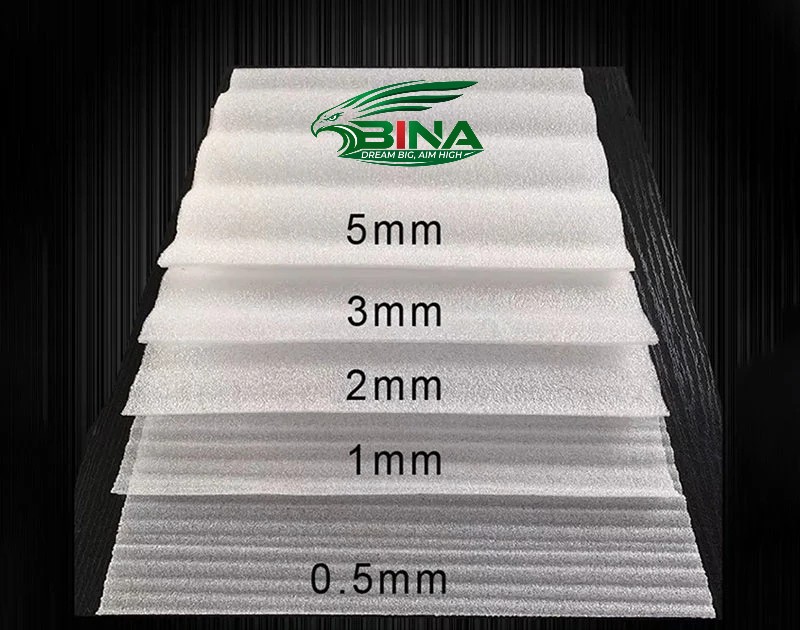
- Cooling & Winding: After shaping and cooling, the formed foam sheets are wound into large rolls. Post-processing: Depending on requirements, the sheets can be slit (thickness: 0.5mm–320mm), laminated, or die-cut.
II. Process differences between the main types
- Non-crosslinked PE foam (EPE foam): Simpler process, high expansion ratio (30–40 times), closed-cell structure.
- Advantages: Low cost, good cushioning properties, good water resistance.
 |
- Cross-linked PE foam (XPE/IXPE): The molecular chains are cross-linked through electron beam radiation (IXPE) or chemical cross-linking agents (XPE).
- Advantages: Finer pores, smoother surfaces, higher strength, and better heat resistance.
III. Key process parameters
- Temperature control: Must be lower than the decomposition temperature of the AC foaming agent (typically 120-150℃) to prevent premature foaming before extrusion.
- Foaming agent dosage: Determines the final density (11-130 kg/m³) and hardness.
IV. Application areas
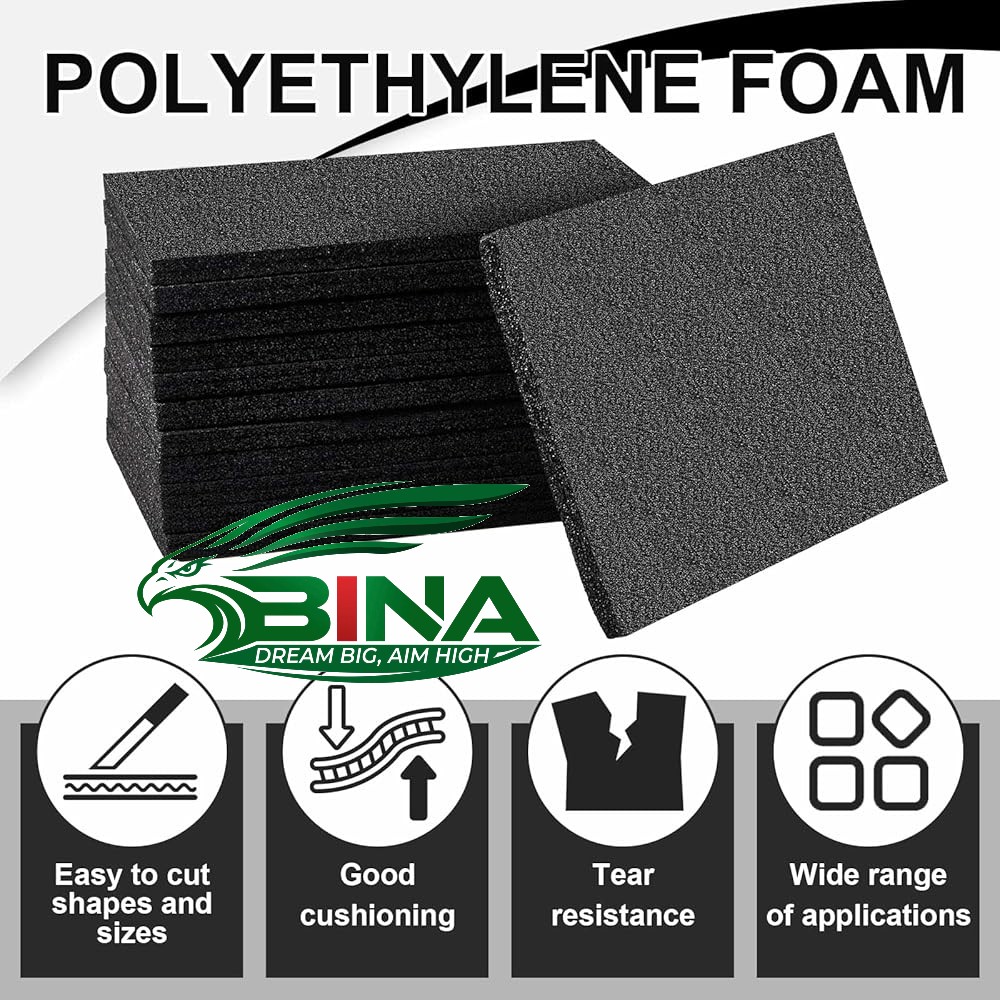
- Electronic product packaging: Shock-resistant and anti-static packaging for electronic components.
- Cushioning packaging: Environmentally friendly packaging for metal products, furniture, and fragile items.
- Building insulation: Underfloor heating mats, wall insulation.
 |
Common problems encountered in the production of foam sheets
Common quality issues in the production of PE foam sheets mainly focus on poor foaming, surface defects, uneven thickness, and dimensional instability of the products. These issues are often caused by inappropriate foaming agent dosage, poor temperature control, and unsuitable raw material properties or processing parameters, resulting in products that fail to meet standards for density, elasticity, and appearance. The following are specific common problems in PE foam sheet production:
 |
1. Foaming and structural issues
- Poor cell structure: Excessive foaming can lead to cell rupture (collapse), making the product brittle; insufficient foaming results in excessively high density and poor elasticity.
- Shrinkage and deformation: The foam sheet shrinks significantly during cooling after foaming, causing the finished product to become smaller, develop dents, or warp on the surface. This is often related to insufficient cross-linking or improper cooling and solidification.
- Uneven density: Non-uniform foam density within the foam sheet leads to an inconsistent product feel and reduced compressive strength.
2. Surface and appearance defects
- Rough surfaces, pinholes, or cracks: Due to high temperatures or uneven distribution of the foaming agent, gas escape can cause pinholes and small cracks on the surface, seriously affecting sealing and cushioning performance.
- Surface impurities and stains: Uneven mixing of raw materials or contamination in the production environment can lead to color differences and impurities in the finished product.
 |
3. Issues During Processing
- Uneven thickness: During rolling or extrusion processes, improper die adjustment or unstable extrusion volume can lead to uneven thickness of the finished sheet, with one side being thicker than the other.
- Surface hardening or brittleness: Excessively high temperatures can cause oxidation or molecular chain breakage on the PE surface, resulting in reduced strength and brittleness of the sheet.
4. Other Quality Issues
- Poor adhesion (Composite foam): In the production of multilayer composite sheets, delamination between layers and poor adhesion are common.
- Exceeding environmental standards: If green manufacturing requirements are not followed, residual foaming agents or auxiliary materials may cause unpleasant odors or VOC content in the product to exceed permitted levels.
To address these issues, it is generally necessary to adjust the foaming agent ratio, optimize production line temperatures (especially the cross-linking temperature), improve die precision, and ensure uniform mixing of raw materials.
 |
Hướng dẫn chọn tấm mút xốp PE foam
Yếu tố then chốt để lựa chọn tấm xốp PE (xốp polyetylen, bao gồm cả loại bông ngọc trai EPE thông dụng) nằm ở việc xác định “mật độ” và “độ dày” dựa trên mục đích sử dụng. Xốp mật độ cao phù hợp cho bao bì chính xác và khả năng chịu tải cao, trong khi xốp mật độ thấp phù hợp cho vật liệu đệm nhẹ. Nó có cấu trúc tế bào kín và khả năng chống ẩm, hấp thụ sốc và cách nhiệt tuyệt vời.
 |
I. Core indicators for selecting PE foam
Density (kg/m3 ): Determines load-bearing capacity and durability
- Low density (<25kg/m3 ): Lower cost, suitable for disposable cushioning materials and fruit packaging.
- Medium-high density ( 25-45+kg/m3): Sturdy structure, strong compression resistance, suitable for high-end precision tools, precision machinery liners and electronic product packaging.
Thickness and dimensions:
- Thickness: Sheets are typically 3mm to 70mm thick, depending on the cushioning space and weight of the item.
- Dimensions: Common dimensions include 1200mm x 2300mm. It is recommended to confirm the actual area required and calculate the amount of excess material when cutting.
Closed-cell structure characteristics
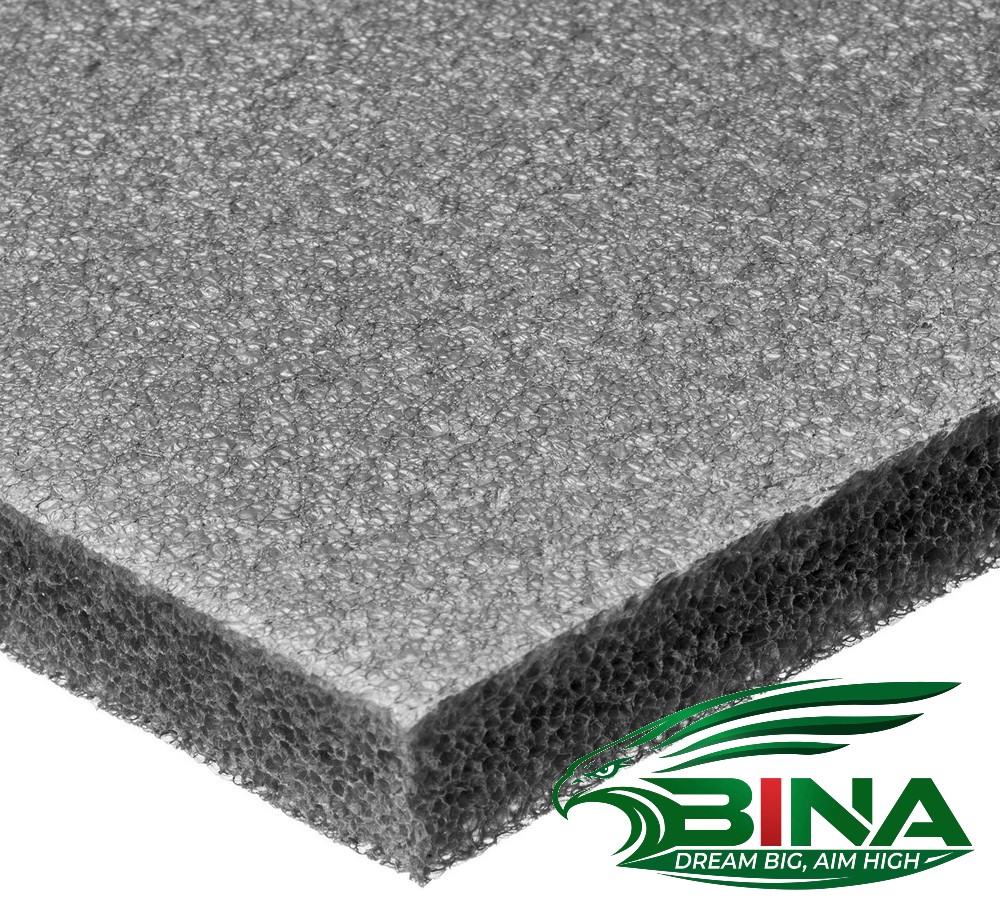
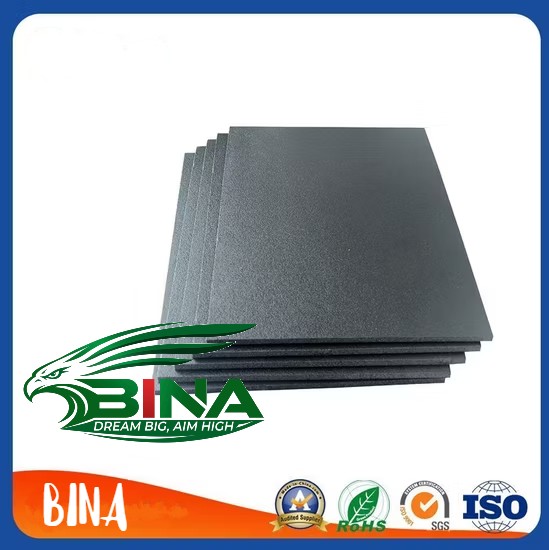
- High-quality PE foam has a closed-cell structure, providing high stability and low water absorption, making it suitable for humid environments.
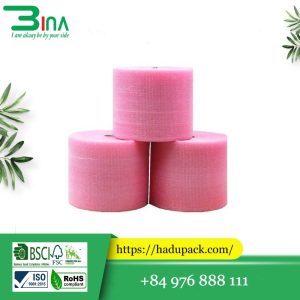
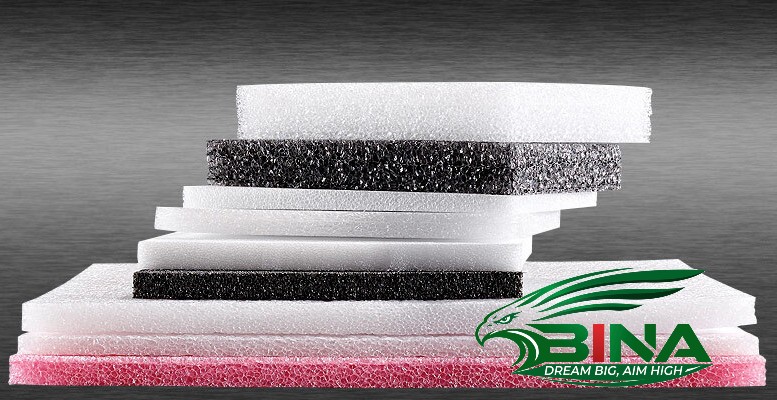
- For anti-static protection, choose pink EPE foam or foam specially treated for anti-static properties.
 |
II. Recommended purchasing scenarios
- Lining for precision tools and machinery: Choose sheets with high density, high elasticity, and good resilience to ensure long-term pressure resistance and prevent collapse.
- Cushioning packaging for transportation: Use lightweight EPE foam (pearl cotton) with high shock absorption capacity.
- Thermal insulation and moisture resistance for construction: Choose PE sheets with a closed-cell structure.
- Handicrafts or lining: Choose thinner PE foam with standard density, available in a variety of colors.
III. Factors to consider when purchasing
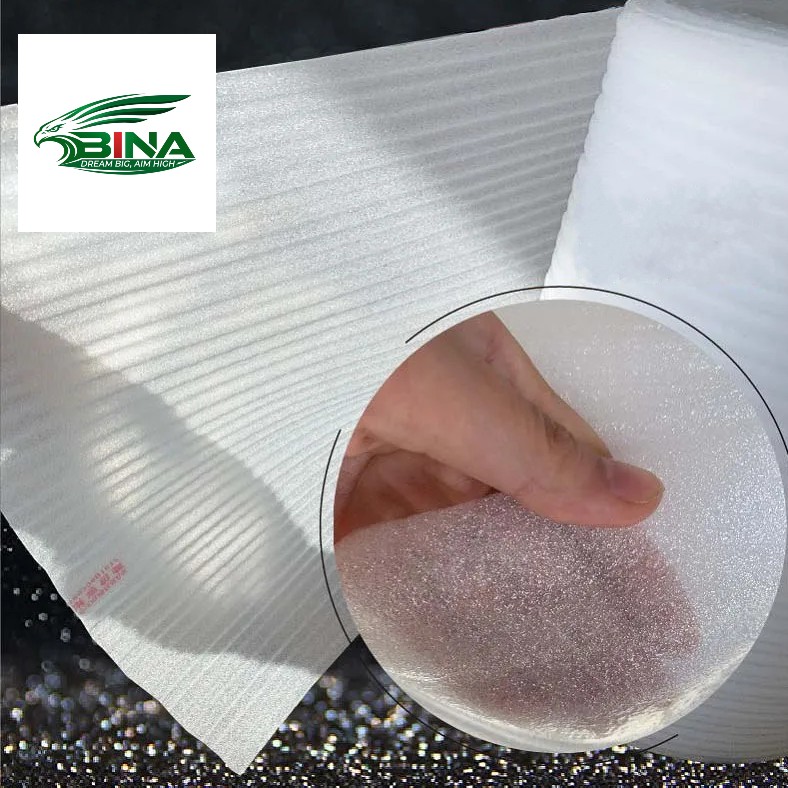
- Elasticity: When selecting, try pressing it lightly; high-quality foam quickly returns to its original shape, with minimal edge indentation during stamping or cutting.
- Production process: Choose products made using hot-melt bonding technology to reduce the use of adhesives and solvents, making the products more environmentally friendly and non-toxic.
In summary, when purchasing, prioritize confirming the load-bearing requirements (determine the density) and filling space (determine the thickness), and check whether the product has a good independent closed-cell structure.