


Description
What is the purpose of bubble wrap?
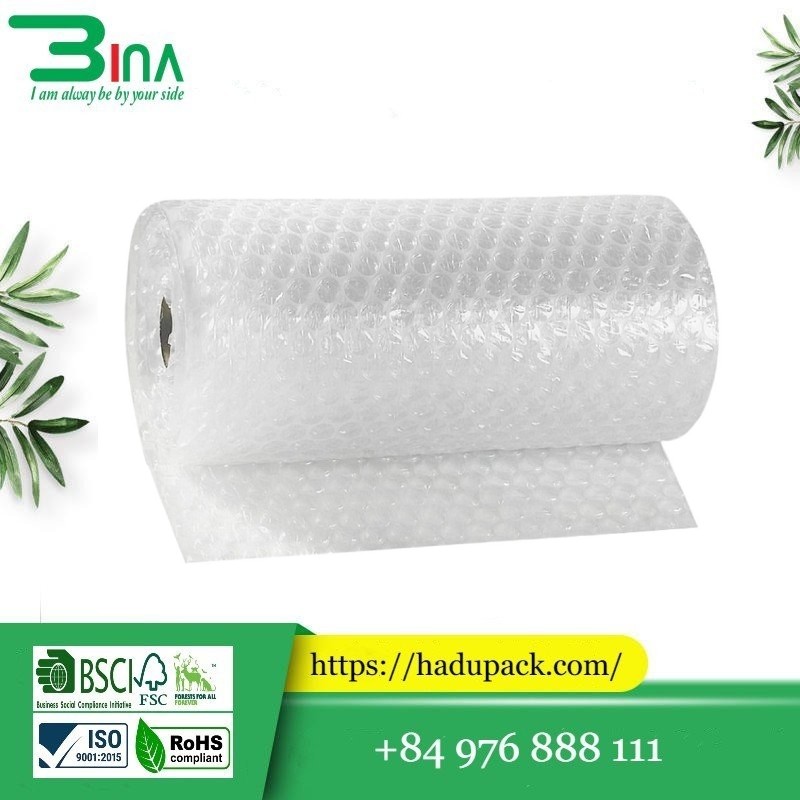
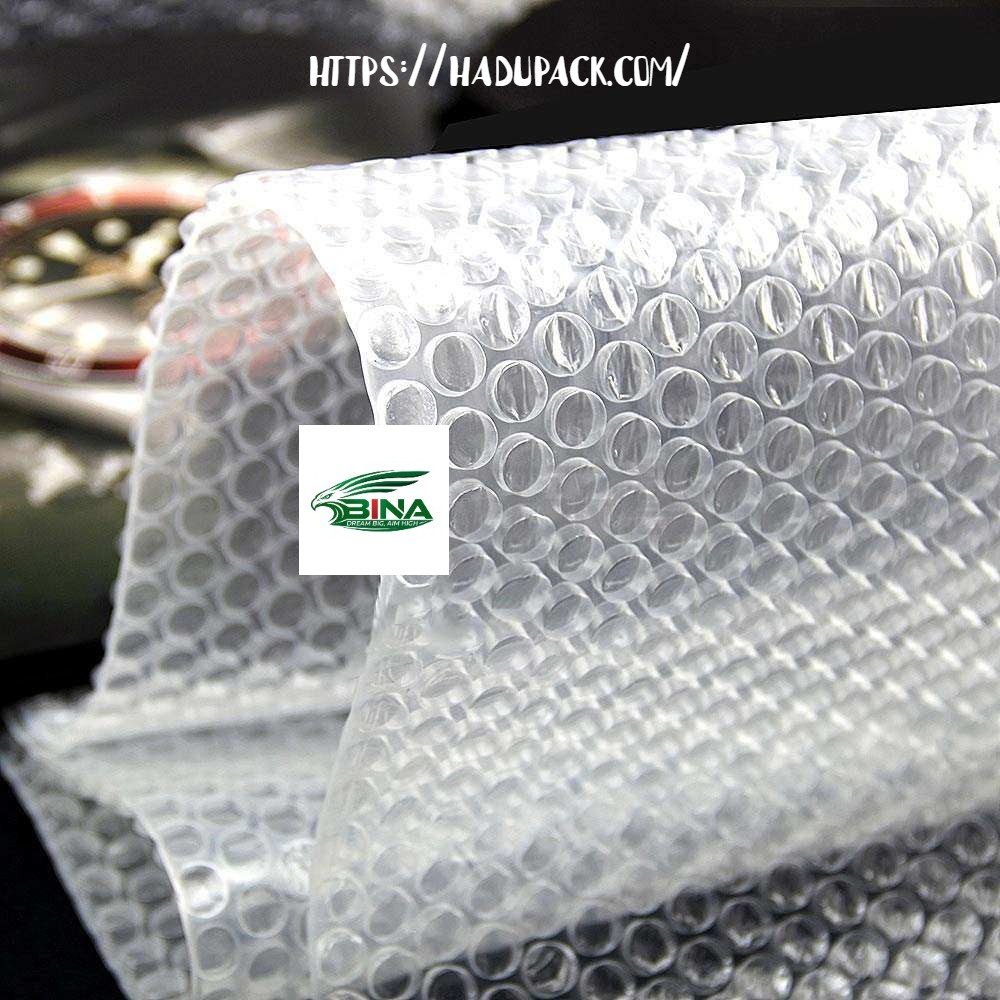
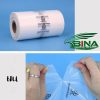
Bubble wrap – revolutionary bubble packaging is one of the most popular protective packaging solutions today. Using bubbles, packing items well is a convenient and extremely effective way to protect fragile items during shipping, moving, and storage due to its soft cushioning layer.
◆Learn more:
- https://hadupack.com/san-pham/tui-xop-bong-bong/
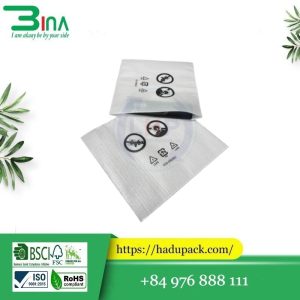
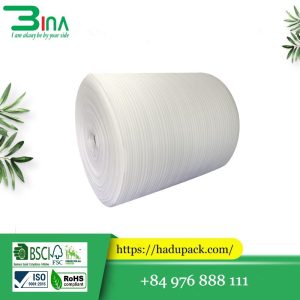
- https://hadupack.com/san-pham/mang-xop-pe-foam/
- https://hadupack.com/san-pham/tam-xop-chong-tinh-dien/
- Designed to protect everything from small, lightweight items to large, fragile products, bubble wrap is an extremely versatile material. It comes in a variety of types and sizes.
- Our standard small and large bubble wrap is ideal for protecting light to medium-weight products, while our premium bubble wrap is used for fragile and heavy items.
- Anti-static bubble wrap is perfect for protecting electronic items, as it will not generate static electricity.
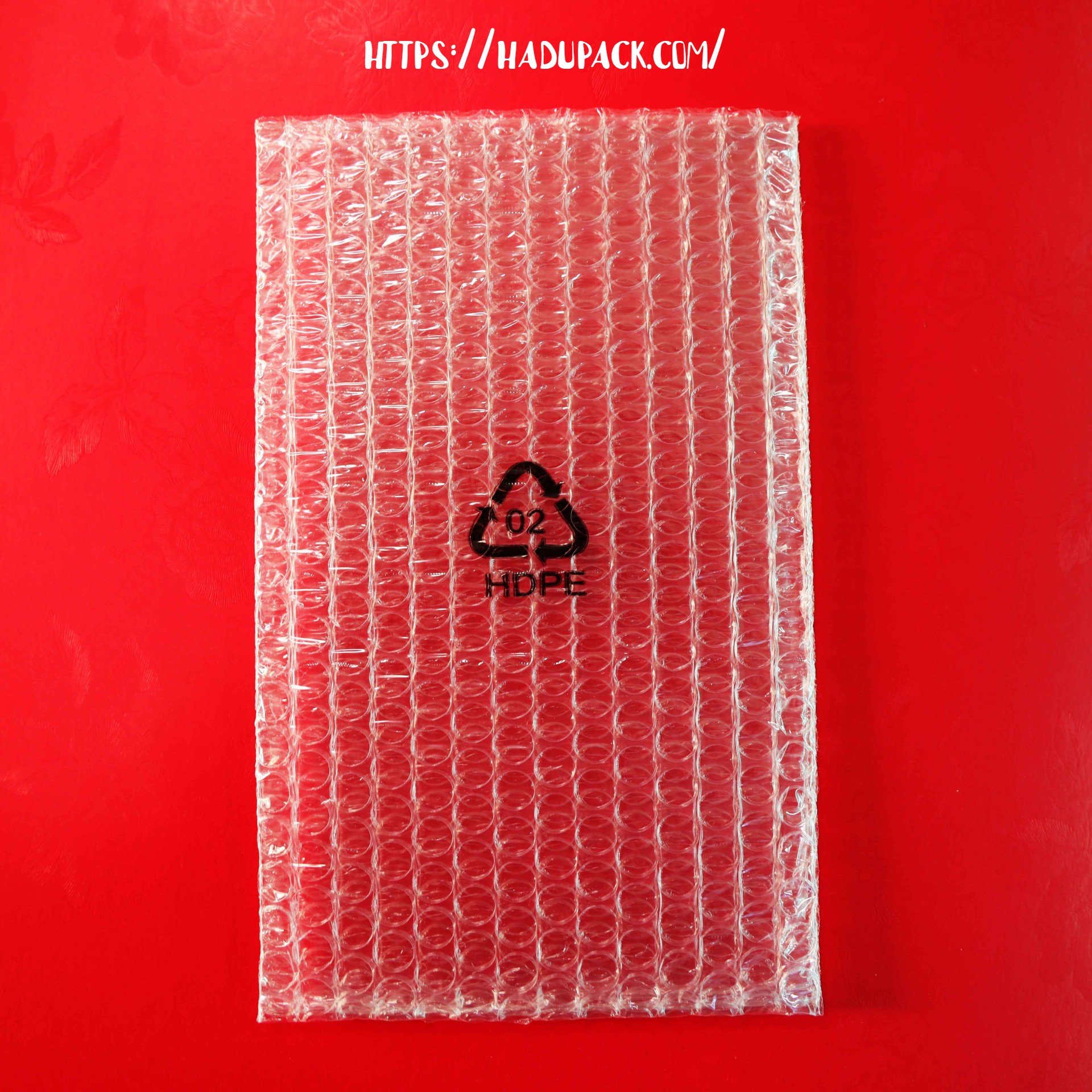
- Bubble bags are another quick and easy-to-use option with self-sealing extended flaps for easy loading and closing, making them ideal for protecting small, delicate items.
 |
What is bubble wrap?
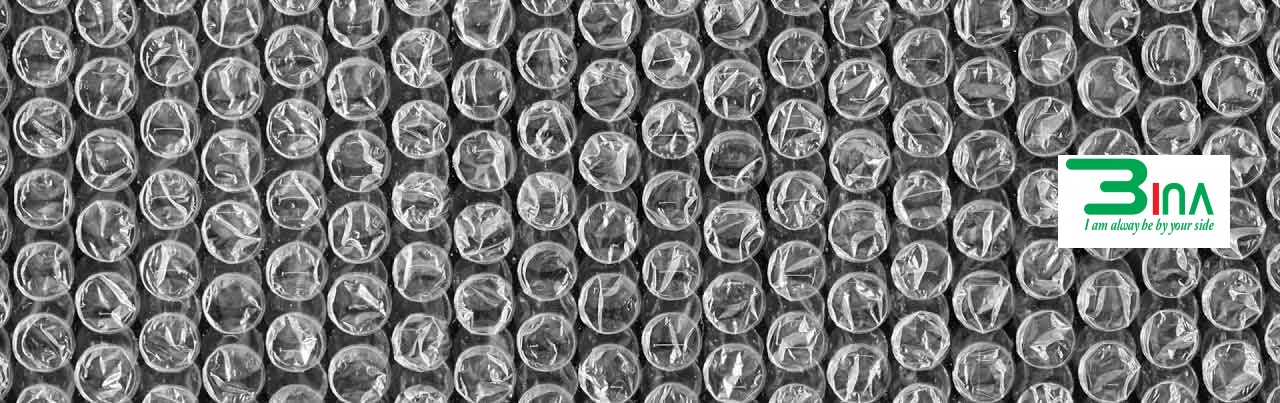
Bubble wrap is made from low-density polyethylene (LDPE) film, which can be identified for recycling under Plastic Code 4. Originally invented by Alfred Fielding and Marc Chavannes in 1957 as textured wallpaper, it is now one of the most commonly used packaging materials.
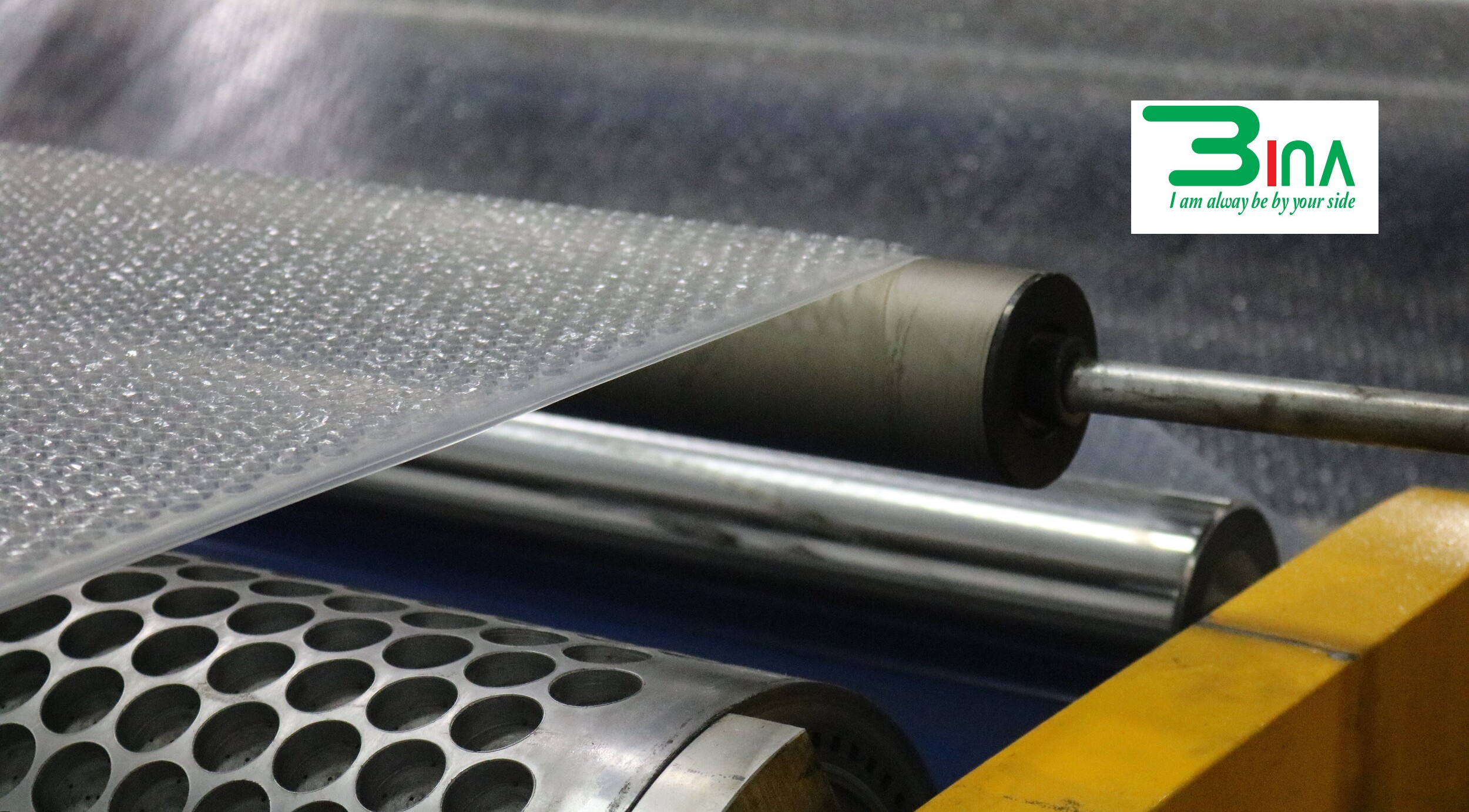
The first bubble wrap was created by melting various types of plastic pellets and granules. The film was then extruded through a specialized cylinder with a uniform set of holes that trapped air between two layers. The bubble film was then cooled before being cut to size.
 |
Bubble Wrap Film Production Process
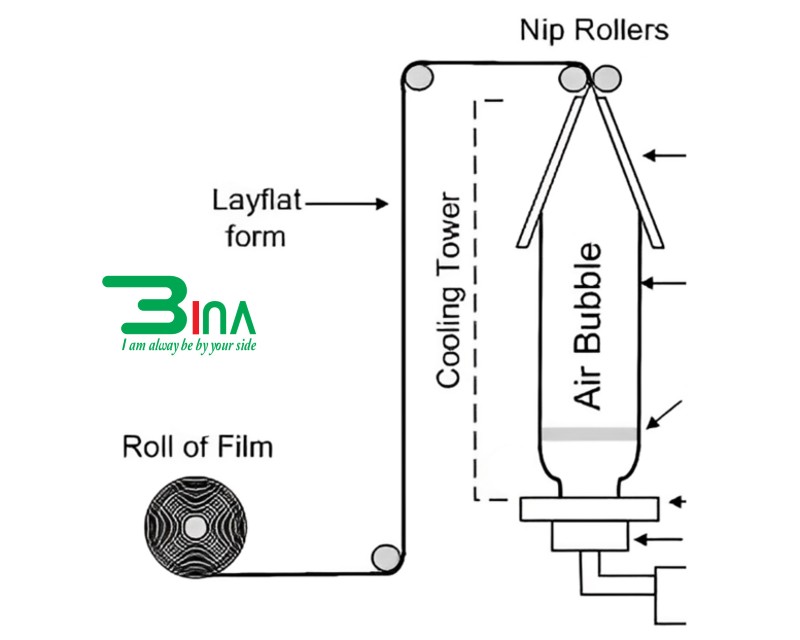
The production process of bubble wrap film (air cushion film) is mainly based on the principle of plastic extrusion. Low-density polyethylene (LDPE), HDPE, or linear polyethylene is heated and melted, then extruded into film using an extruder. Next, a vacuum forming roller is used to draw air bubbles from one layer of film, which is then heat-sealed with another layer of film. The final product undergoes cooling, forming, and cutting. The detailed steps of the bubble wrap film production process:
- Raw material mixing and plasticization ratio: Low-density polyethylene resin, linear polyethylene resin, and auxiliary materials such as film-opening agents and whitening agents are mixed according to specific ratios. The mixture is gradually melted in the extruder barrel through friction and heating. The processing temperature in the plastic barrel is usually around 130–220℃ to ensure sufficient plasticization.
- Extrusion: The molten material is extruded through the extrusion die to form two specific layers of plastic film.
- Bottom film (bubble film): The bubble layer is usually produced using a vacuum machine (vacuum forming machine) to draw air bubbles from the film. The typical bubble diameter is from 100mm – 30mm
- Top film (sealing film): Used as the sealing layer combined with the bubble film.
- Vacuum forming and lamination: The bubble forming machine draws the bottom film into bubble shapes under vacuum, then heat-seals it with the top film (sealing layer) to form a complete air-filled bubble film.
- Cooling and forming: The laminated bubble film is rapidly cooled and formed by cooling equipment to prevent film shrinkage and bubble collapse, ensuring excellent impact resistance and shock absorption.
- Winding and cutting: The cooled bubble film is automatically wound by a winding machine and cut into finished bubble rolls according to the required dimensions.
Bubble wrap film making machines commonly used mainly include automatic temperature control systems and air pressure adjustment systems. Some advanced equipment can improve production efficiency and meet different packaging needs.
 |
Small and large bubble wrap
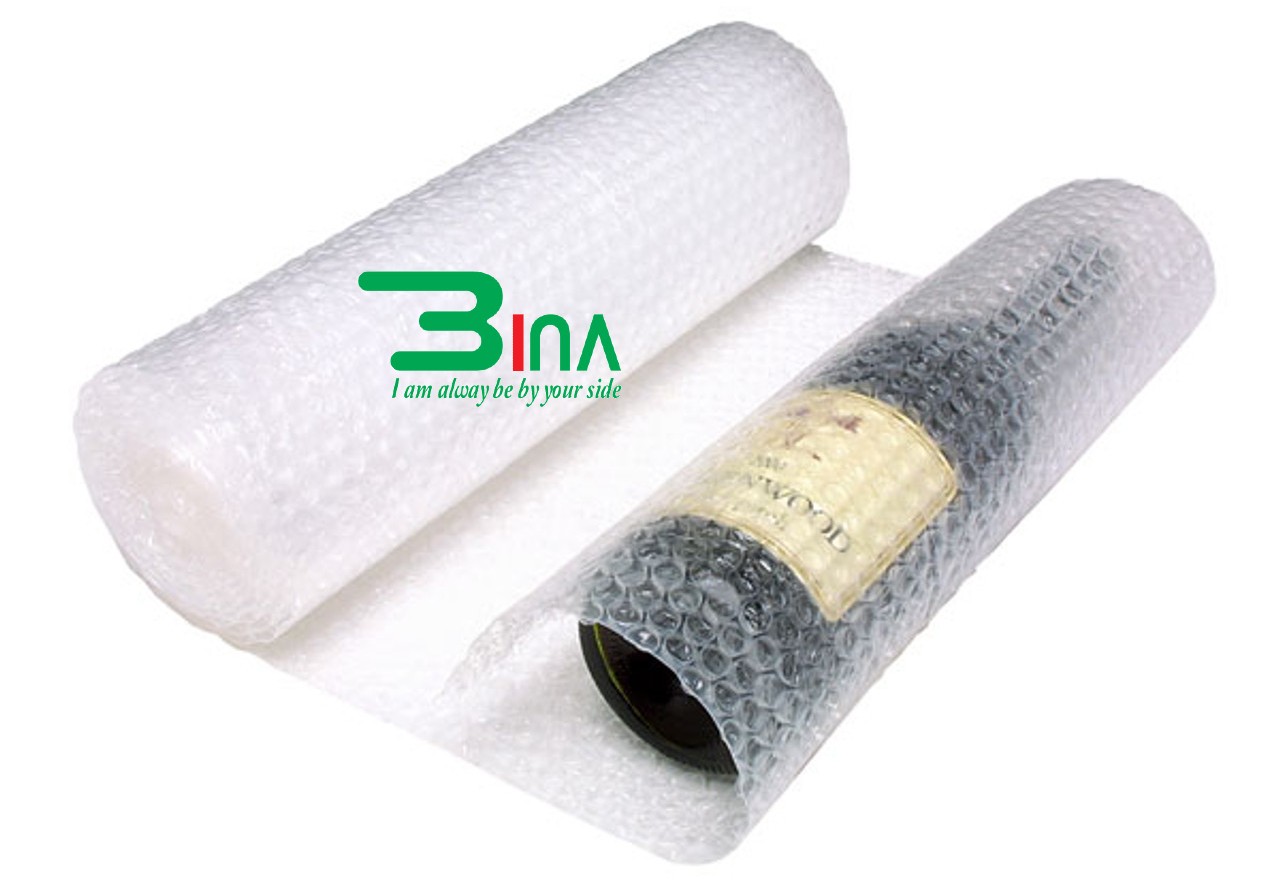
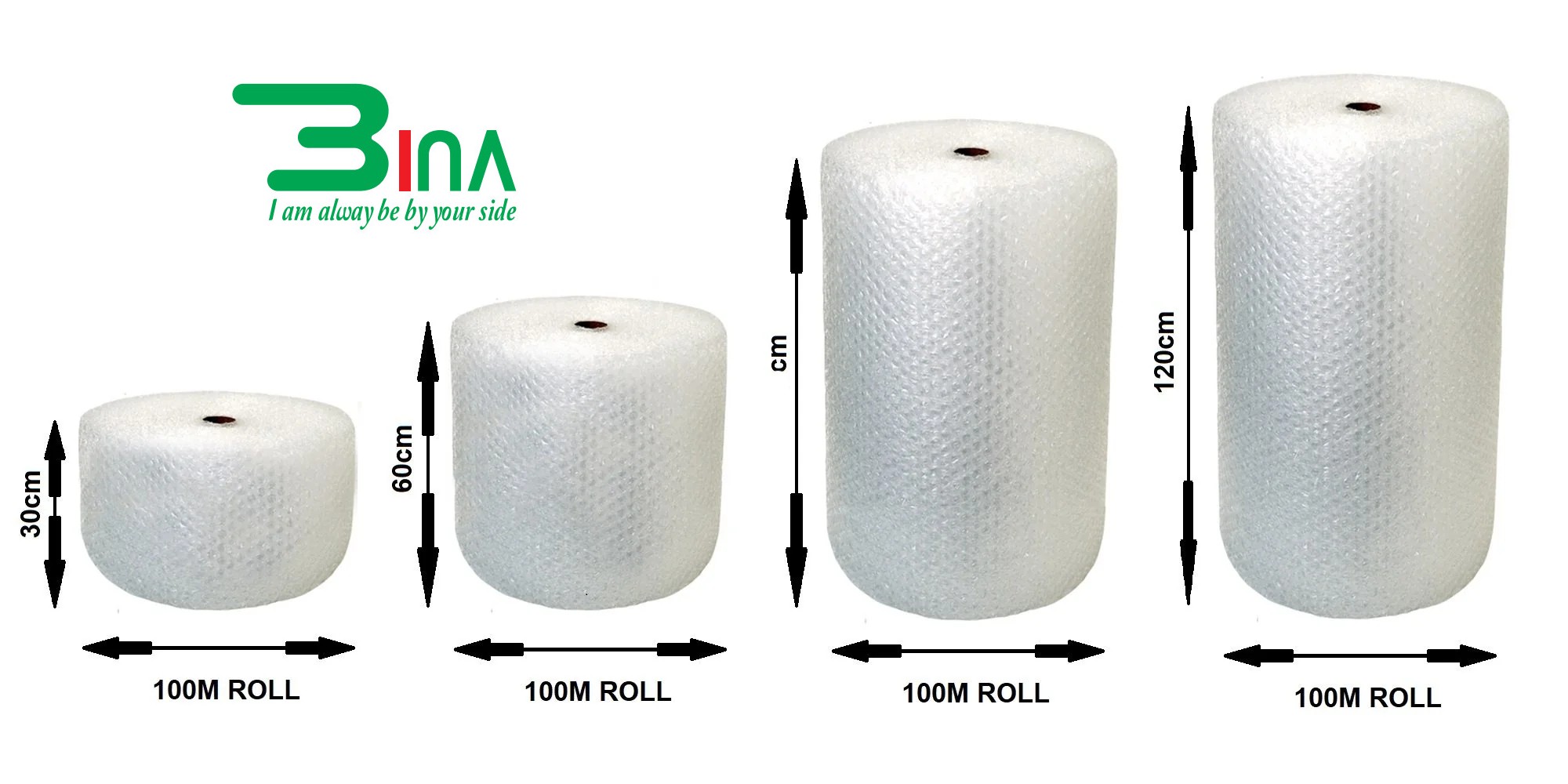
Our extremely popular small and large bubble wrap rolls are the perfect general-purpose protective packaging. The terms ‘small bubbles’ and ‘large bubbles’ refer only to the size of the air bubbles, not the size of the roll. Small bubbles provide effective protection for smaller, more intricate objects with 4mm-high bubbles. Our large bubbles are much bigger, with 9mm-high bubbles, making this product more suitable for bulky, heavy-duty items.
We stock these rolls in a variety of sizes, each roll is 100m long and can be purchased in widths from 300mm to 1500mm.
 |
Alternatives to bubble wrap
If you are looking for a more environmentally friendly protective packaging solution, we have many paper-based alternatives. They are made from 100% recycled materials and provide a level of protection equivalent to standard bubble wrap. Many people believe that bubble wrap cannot be recycled, so by switching to paper-based alternatives, you will reduce the amount of bubble wrap sent to landfill.
Our bubble wrap paper rolls are made from 100% recycled fibres. This paper has an embossed bubble pattern to protect goods. This type of paper is widely used as protective cushioning for ceramics, glass and other fragile items.
Our Hadupack products are an innovative protective packaging solution that is fully recyclable and biodegradable. The rolls of air-filled material have been precisely cut to form hexagonal honeycomb cells when used with a stretch dispenser. These cells provide protective cushioning for products and the interlocking hexagonal cells eliminate the need for adhesive tape. We have these rolls in brown, white and black, each with an expanded length of 420m.
 |
Specialized bubble wrap
Our specialized bubble wrap range is manufactured to suit specific industries and product categories. It provides customers with high-quality, cost-effective protection for products during storage and transportation.
For electrical products that are susceptible to damage from static electricity, we offer pink anti-static bubble wrap. This type of bubble wrap contains special additives that help prevent static buildup by dissipating any surface charge.
Our Oxo biodegradable bubble wrap is the perfect choice if you are conscious of your green credentials. This fully biodegradable option provides excellent product protection along with environmental benefits. When the bubble wrap is exposed to the combined effects of sunlight, stress, bacteria and heat, the resulting product is harmlessly digested by microorganisms and converted into the basic components of carbon dioxide, water and biomass.
 |
Is bubble wrap packaging a good insulating material?
Bubble wrap is not only perfect for protecting items but is also a good insulating material. Air in confined spaces tends to resist temperature changes as air molecules move around, making energy transfer more difficult. Since bubble wrap is nothing more than air bubbles enclosed in plastic, it is a popular choice for insulating homes and other facilities.
There are several advantages to using bubble wrap as an insulating material. First, bubble wrap can be easily cut with scissors to fit any shape or size. It can be used without any technical requirements.
Due to its lightweight nature, bubble wrap can be moved from one place to another without any problems. Bubble wrap can be attached to windows simply by spraying water onto the glass and pressing the bubble wrap against the glass, without the need for adhesive.
Bubble wrap can also be reused, depending on whether the bubble wrap remains intact, for use over multiple seasons.
 |
Can bubble wrap be recycled?
Bubble wrap is an environmentally friendly material that can be recycled. There are several ways that both end users and manufacturers can recycle this material. Some local councils collect it along with other plastics such as milk cartons and bags, during their regular collection.
Another way to recycle bubble wrap is to find a recycling facility where you can dispose of it properly. If you have difficulty finding a place that accepts it, you can easily reuse bubble wrap.
If you manufacture products or handle goods in transit that need to be protected, bubble wrap is a great environmentally friendly solution. At Hadupack, we can reduce your packaging costs by supplying materials in bulk without compromising material quality. We can help you save significantly and always offer low prices.
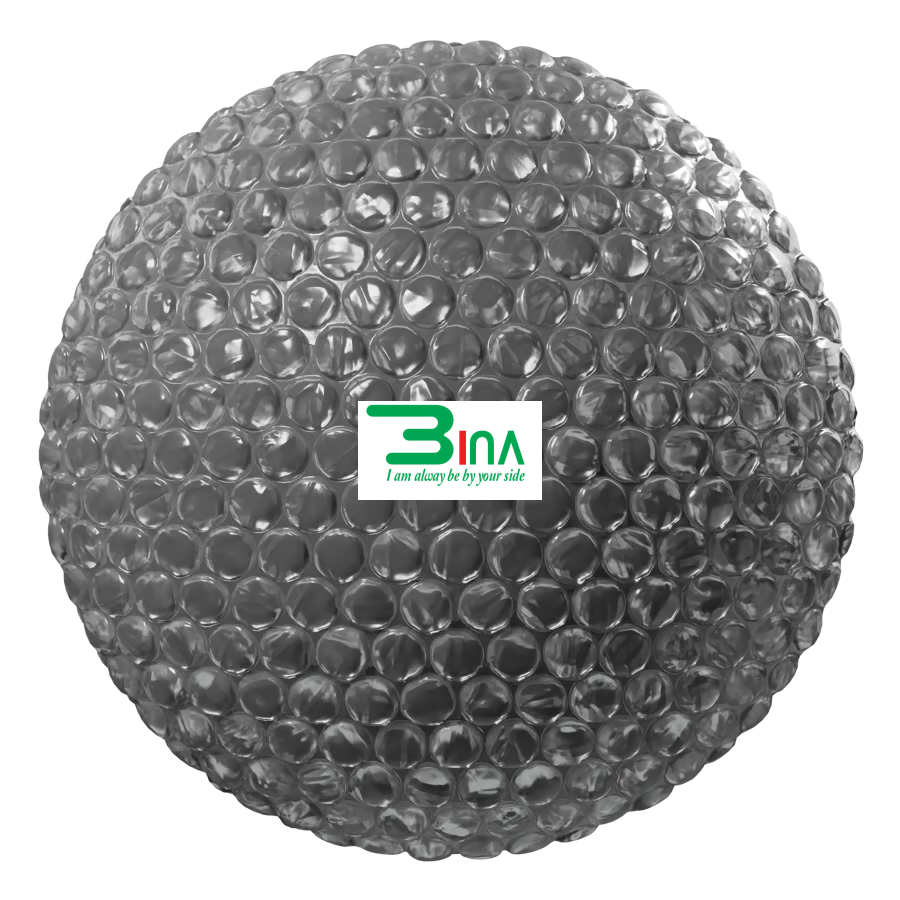
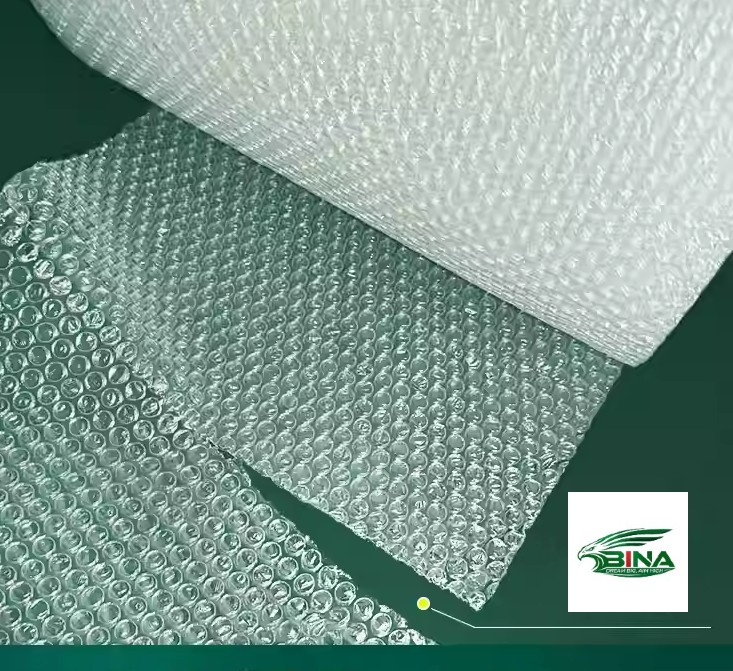
Bubble wrap is made from polyethylene, a type of plastic containing hundreds of evenly spaced air pockets. These air pockets then act as a soft cushioning layer that absorbs impact forces during unexpected movement. It helps prevent damage to any products wrapped inside the material.
Bubble wrap starts as polyethylene plastic in the form of small pellets. These small plastic pellets are then melted and formed into a thin film that is used as the base material for bubble wrap. This film is flattened and passed through rollers with small perforations. As the film moves through the rollers, suction is applied to push the film into the holes to create air bubbles.
After the air bubbles are blown into the film, the film is sealed with a second layer of film. This layer keeps the air inside the bubble wrap and ensures that the air bubbles are contained within it. The film is then cut and perforated before being packaged into rolls.
 |
Anti-static bubble wrap
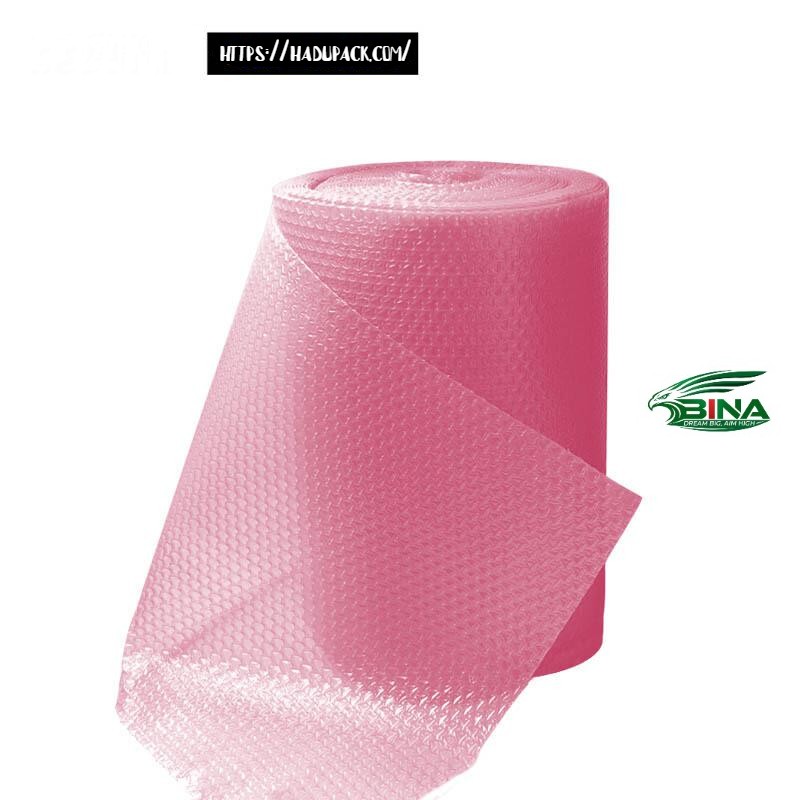
Anti-static bubble wrap is a type of plastic cushioning packaging material produced by adding an anti-static agent to plastic film. It is usually pink in color and has a surface resistivity of 10 to the power of 8 – 10 to the power of 10. While retaining the shockproof, pressure-resistant, moisture-resistant, and cushioning properties of ordinary bubble wrap, it also prevents the accumulation of static electricity and damage to electronic components caused by electrostatic discharge. It is commonly used for packaging electronic products, precision instruments, and circuit boards.
Key features:
- Anti-static function: Its special material eliminates static electricity, effectively protecting electronic components.
- Cushioning protection: Bubble wrap contains air bubbles, providing shock and abrasion resistance during impacts.
- Visual identification: To distinguish it from ordinary transparent bubble wrap, an anti-static agent is usually added, giving it a pink color.
- Customizable structure: Single-sided and double-sided versions are available, with flexible specifications. It can also be processed into bag shapes (e.g., anti-static bubble bags).
Main uses: Primarily used for packaging electronic components, printed circuit boards (PCB), communication equipment, instruments, and other electronic industrial products that require both anti-static and shockproof protection.
 |
Detailed Applications of Bubble Wrap
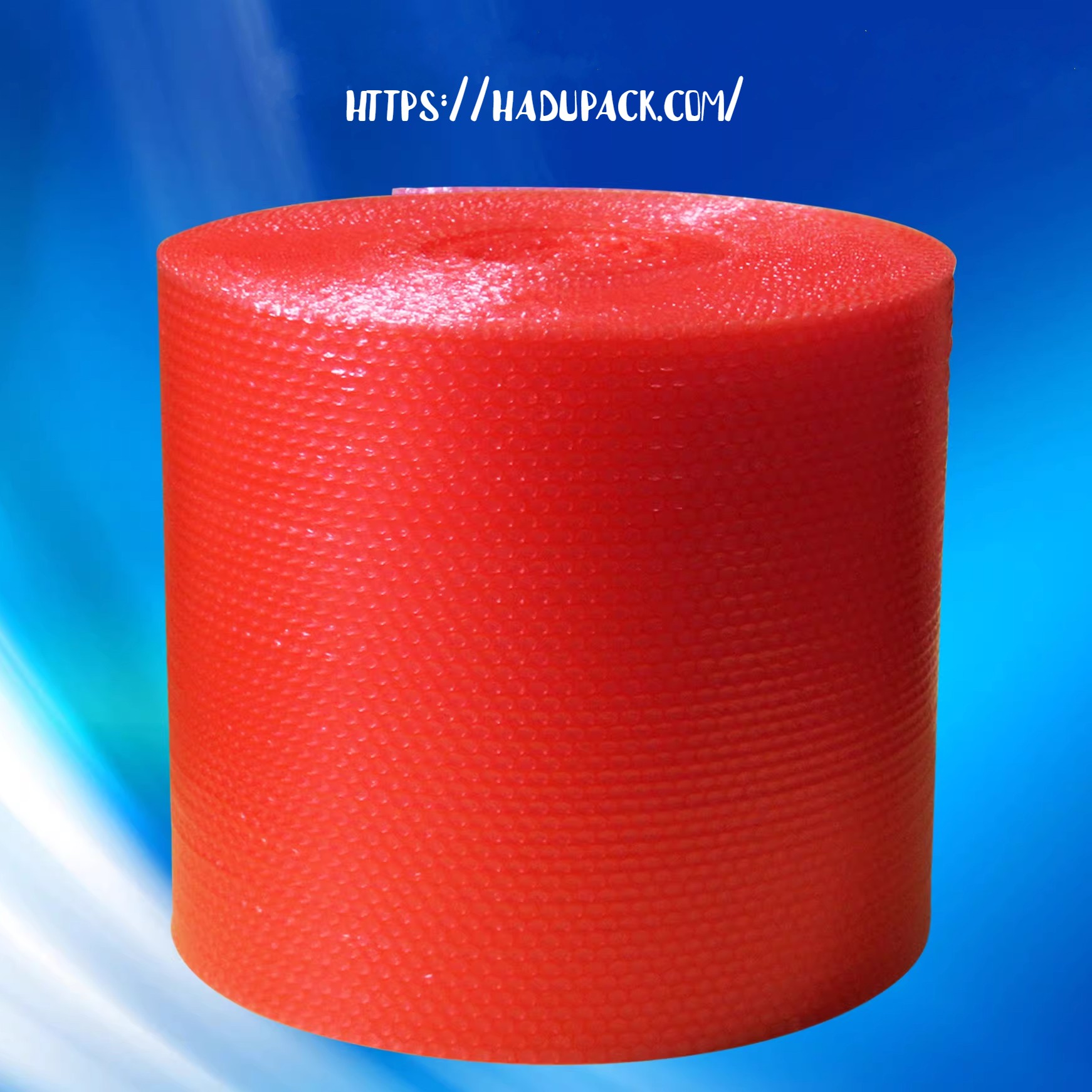
Bubble wrap (air cushion film) is a lightweight, transparent, and elastic packaging material made from polyethylene (PE). It primarily uses air bubbles to provide excellent cushioning, shock absorption, abrasion resistance, waterproofing, and moisture resistance. It is widely used for electronic products, precision instruments, handicrafts, ceramics, household appliances, furniture, logistics and transportation, parcel packaging, garden insulation, and special anti-static packaging.
- Cushioning packaging in logistics and transportation: Widely used for packaging parcels and e-commerce envelopes, effectively helping prevent damage to fragile items such as glass, ceramics, and cosmetics during transportation.
- Protection of electronic and industrial equipment: Especially anti-static bubble wrap, which can be used to protect integrated circuits, circuit boards, and other electronic components from damage caused by static electricity.
- Product packaging: Can be made into bubble bags and envelopes for packaging small devices, books, photo frames, etc., providing pressure resistance and cushioning.
- Household and garden applications: Can be used as a scratch-resistant material during moving, for greenhouse insulation, and even in DIY home craft projects.
- Customized for specific industries: Used to package special collections in art galleries and museums, providing gentle protection with the plastic side in contact with the artifacts and the bubble film layer facing outward.
Types and functions of bubble wrap:
- Single-layer/double-layer bubble wrap: Suitable for packaging general goods.
- Anti-static bubble wrap: Specially designed for packaging electronic products to prevent static electricity generated by friction.
- Extra-large/thick bubble wrap: Intended for heavier items that require better impact resistance.
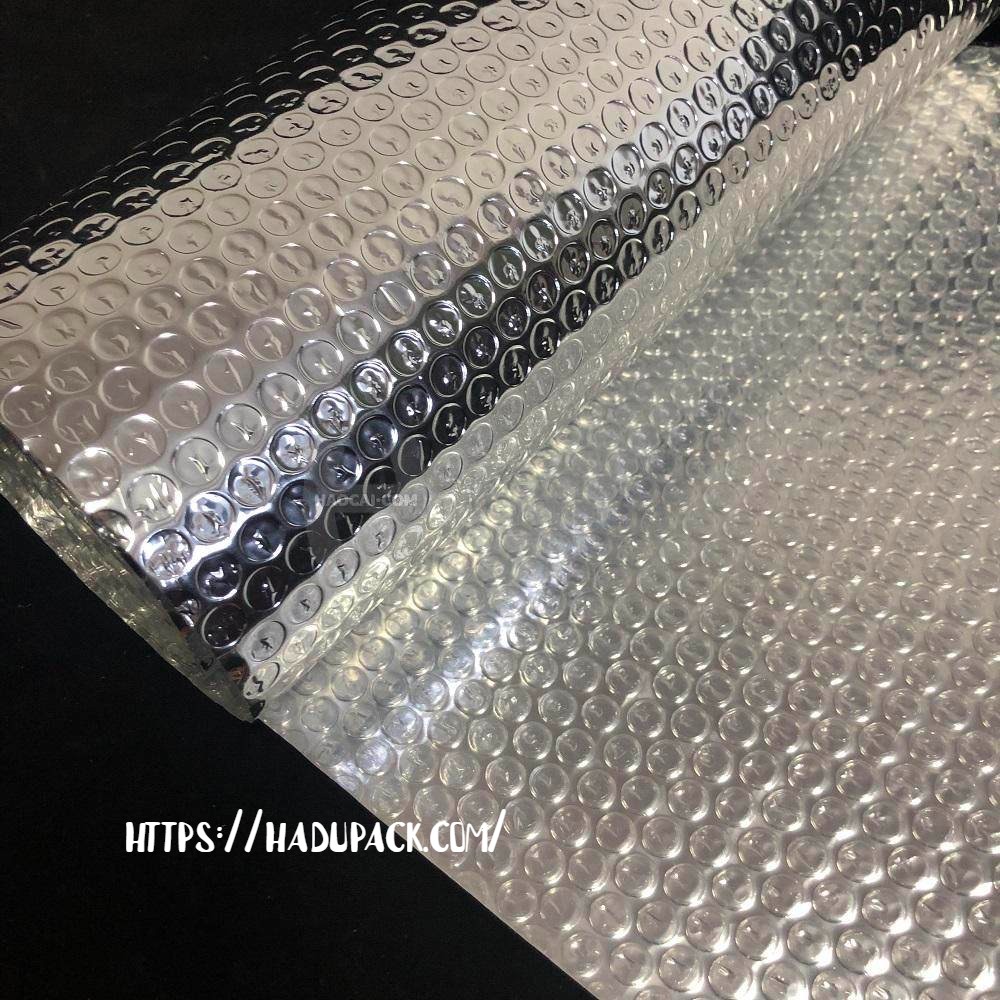
- Composite materials: Such as kraft paper bubble wrap and aluminum foil composite film, which enhance tensile strength or insulation performance.
 |
What are the advantages and disadvantages?
There are many benefits to using bubble wrap to protect your items. These include:
- Easy to use
- Durable and strong
- Lightweight
- Good insulating properties
- Easy to cut to the required shape and size
- Transparent, allowing the product to be visually inspected
- Recyclable
When wrapping polished items, bubble wrap should not be used. There is a risk of leaving small square marks on the items that are difficult to remove. In this case, an alternative protective packaging material, such as foam, would be more suitable.
 |
How long does it take to place an order?
If you need bubble wrap and other protective packaging solutions, all of our orders are dispatched from the huge warehouse we have at our distribution center. This allows us to offer nationwide next-day delivery for all orders received before 3:30 p.m. However, if you place your order a little later than this time, we will do our very best to deliver it to you as soon as possible.
 |
How to buy bubble wrap
Bubble wrap (cushioning film) can be purchased online through e-commerce platforms (search for “bubble wrap” or “impact-resistant film” on Shoppe, Tiki, Lazada) or directly at packaging material stores, stationery stores, and hardware stores. When purchasing, choose the thickness, width, and bubble size that suit your needs (large bubbles are suitable for heavy items, while small bubbles are suitable for light items). Specific purchasing channels and suggestions:
Online platforms (most convenient):
- Channels: Shoppe, Tiki, Lazada, https://hadupack.com/
- Keywords: Bubble wrap, thick bubble roll, packaging cushioning film, express delivery foam paper.
- Advantages: Wide variety, transparent pricing, home delivery. Thicker types with high bubble durability are available.
Direct purchase (fastest):
- Channels: Stationery stores, large supermarkets, logistics company stores, plastic product or packaging material stores at wholesale markets.
- Advantages: Immediate use, allowing you to directly experience the thickness and material of the bubble wrap.
Key points to note when purchasing:
- Purpose: For valuable electronic products, it is recommended to purchase a thicker type with a higher bubble density for better cushioning.
- Bubble diameter: Divided into small bubbles and large bubbles.
- Purchase specifications: Retail is usually sold by the meter, while wholesale is sold by the roll.
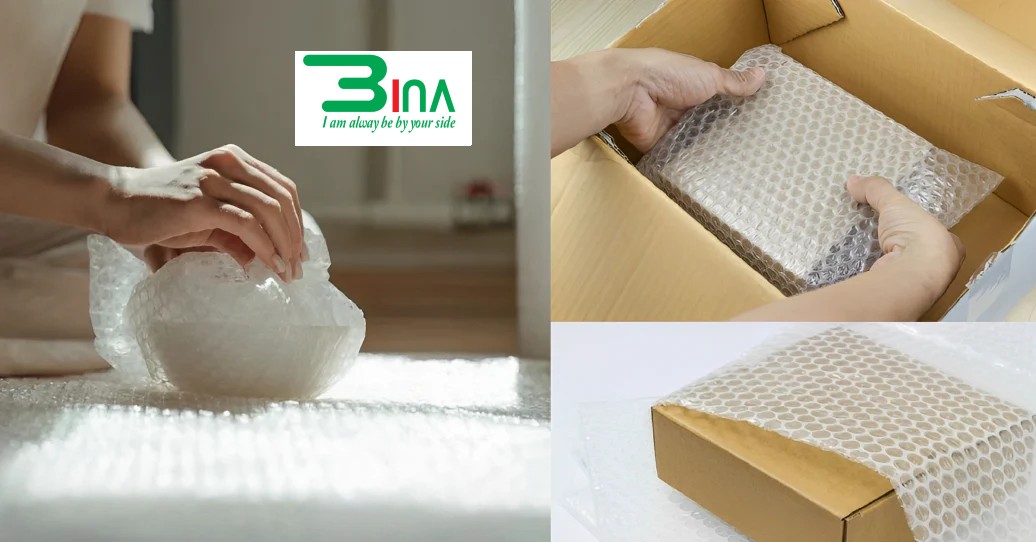
Bubble wrap is a type of chemical plastic packaging material, mainly used for shock absorption and protection. When using it, wrap the item with the bubble side facing outward for the best protection.



Reviews
There are no reviews yet.