

Description
What is nylon cargo tie-down rope?
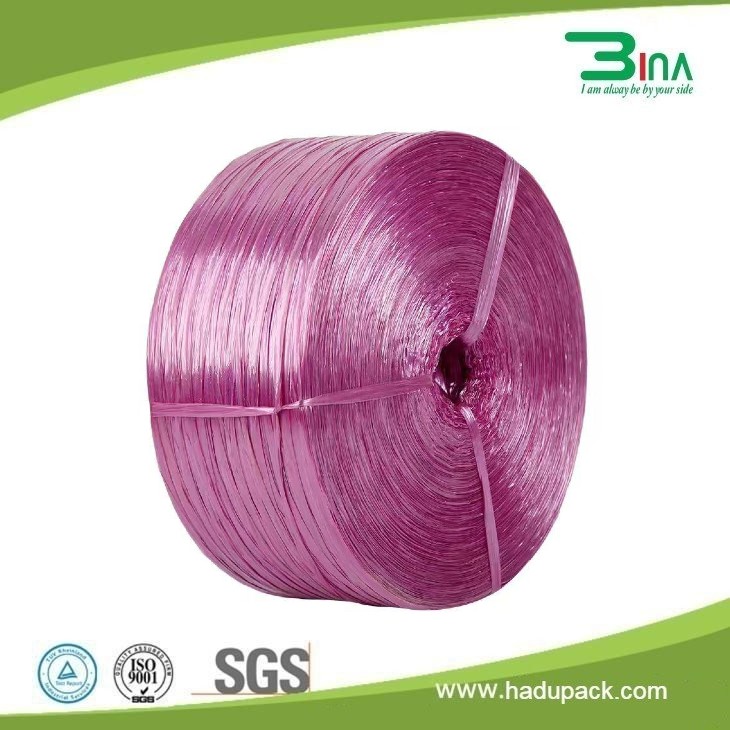
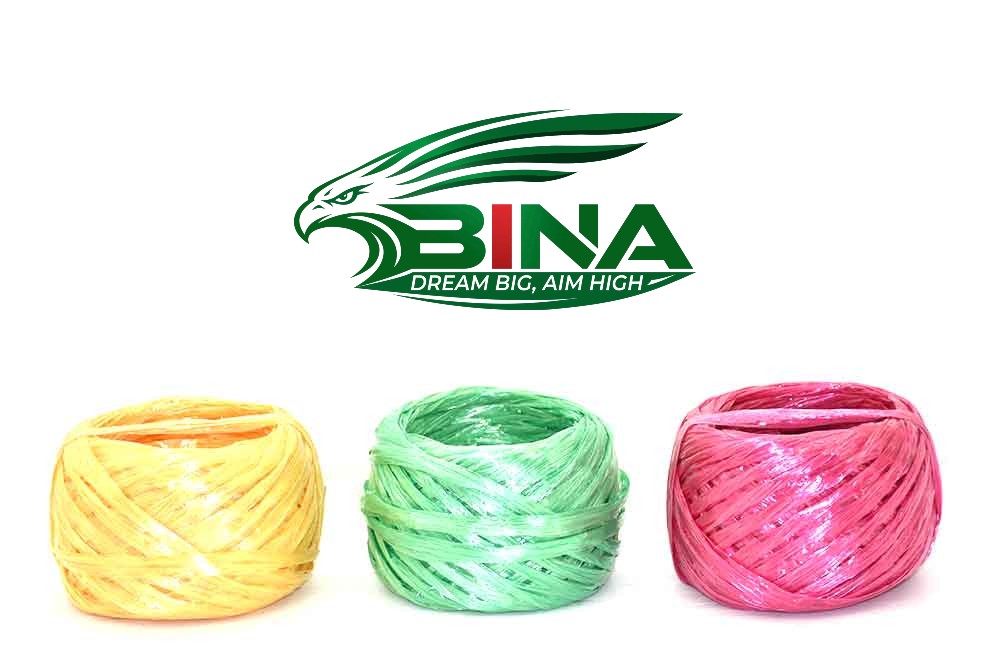
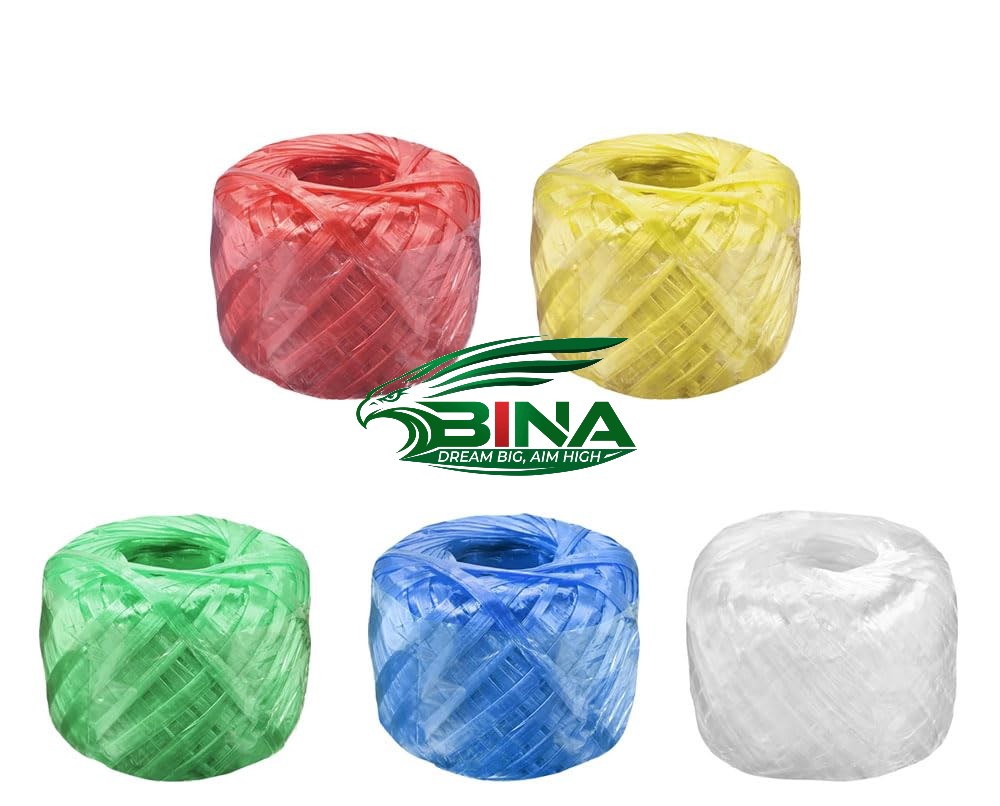
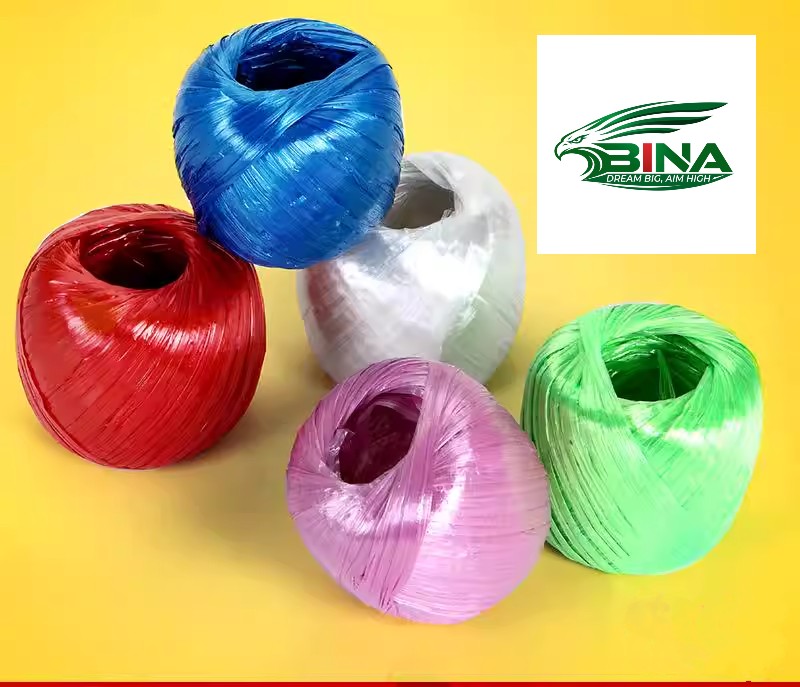
Nylon cargo tie-down rope, or polypropylene rope (PP rope), is a lightweight synthetic rope made from polypropylene synthetic fibers (polypropylene fibers) by twisting or weaving. It is characterized by high strength, resistance to corrosion, aging, acids and alkalis, and low water absorption. Its most notable advantage is its ability to float on water, making it widely used in marine, fishing, transportation, construction, and general household applications.
 |
◆Learn more:
- https://hadupack.com/san-pham/day-rut-nhua/
- https://hadupack.com/san-pham/day-dai-composite/
- https://hadupack.com/san-pham/day-dai-nhua-pp/
Nylon cord production process
The production process for polypropylene (PP) rope mainly includes steps such as raw material mixing, melt extrusion, stretching and fiber formation, twisting, drawing, and braiding. This process takes advantage of the thermoplasticity of polypropylene (PP), melting and shaping the raw materials through an extruder, then cooling and stretching them to increase the strength of the fibers. The fibers are then twisted together into a strong rope, suitable for fishing, packaging, and industrial tying.
Raw material preparation and mixing:
- Polypropylene resin pellets are thoroughly mixed with colorants (such as black colorant), anti-aging agents, antioxidants, etc., to ensure that the finished product has the required color and durability.
- Common formulations use 50%–99% polypropylene, with calcium carbonate added to improve rigidity, or a small amount of polyethylene (PE) added to improve toughness.
Melt extrusion:
- The mixed pellets are heated and melted using a single-screw or twin-screw extruder.
- The molten material is pumped into a die by a melt pump and extruded into PP mesh film or fibers.
 |
Stretching/Drawing:
- The extruded film or fibers are stretched through multiple stages using heating plates or rollers.
- This step orients the molecules, significantly improving the tensile strength and abrasion resistance of the fibers.
Fiber Forming and Twisting:
- The stretched fibers are typically processed into split film or fine monofilaments.
- Multiple fibers are combined using twisting machines and interwoven by rotation to form monofilament ropes.
Braiding/Rope Making:
- 3-strand/4-strand rope: Monofilament ropes are twisted together to form complete round ropes.
- Rope braiding: Monofilaments are braided into high-strength flat or cylindrical ropes using braiding machines.
Finishing:
The formed PP ropes are wound and packaged into coils and drums with various specifications.
Key points in the process:
- Temperature control: The temperature of the heating zone must be precise to prevent degradation of the PP resin.
- Stretch ratio: Directly determines the breaking strength and elongation of the rope; high-strength PP ropes generally require a high stretch ratio.
- Improvement technology: Adding additives can enhance the aging resistance and chemical resistance of PP ropes, making them suitable for special environments such as deep-sea aquaculture and cable packaging.
 |
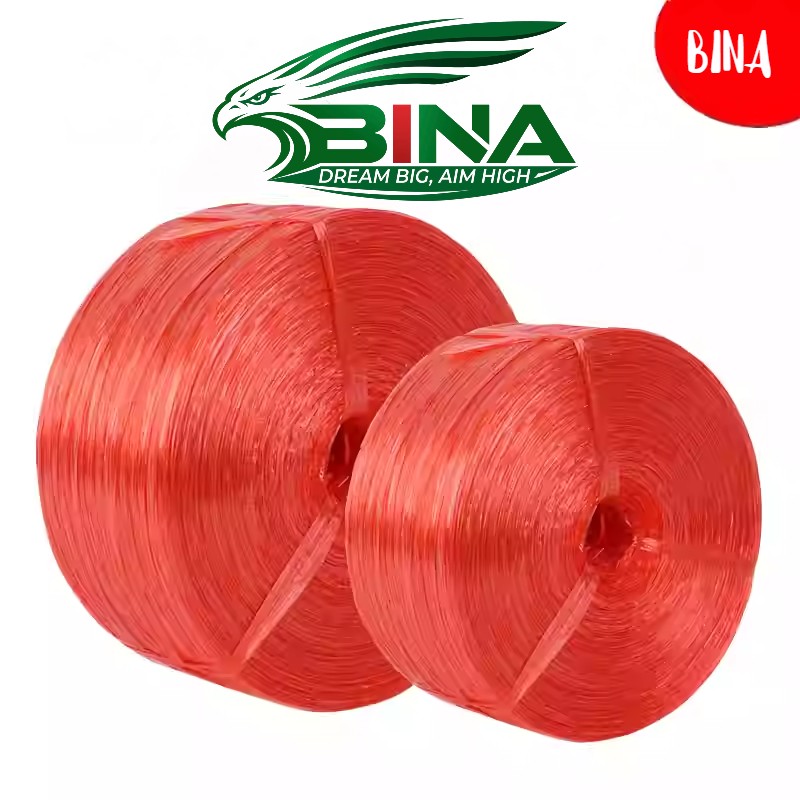
Nylon twine roll dimensions specifications
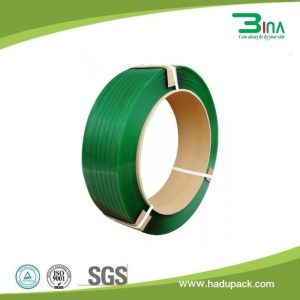
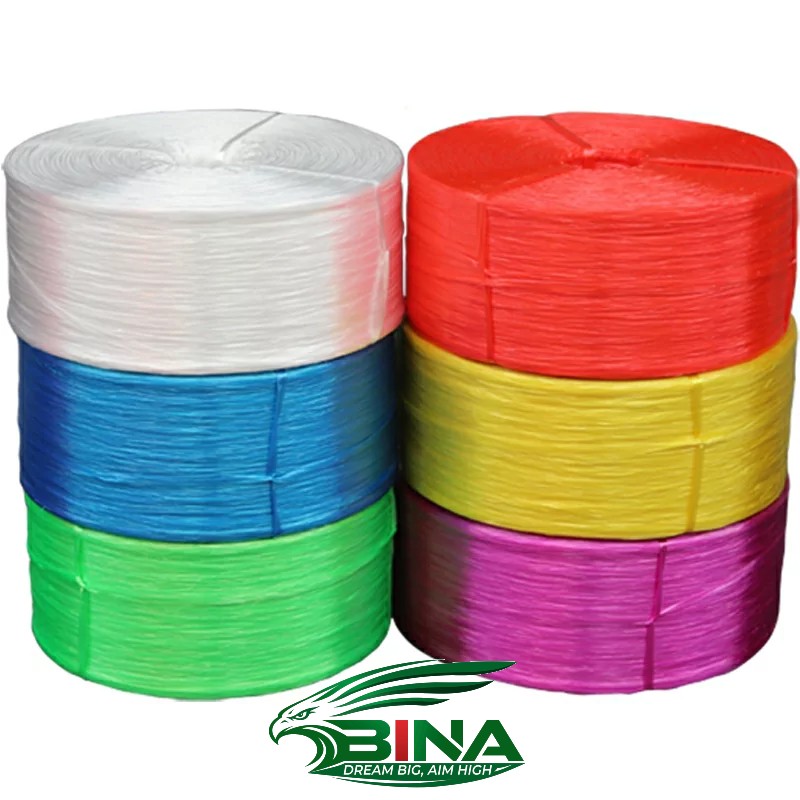
Polypropylene (PP) rope comes in various sizes, with diameters typically ranging from 3mm to 150mm, suitable for packaging, bundling in logistics, marine fishing, and mooring applications. Standard braided rope mainly has diameters of 3mm – 10mm, while large industrial three-strand or multi-strand twisted ropes can reach 100m – 3600m. The length can be customized to meet specific needs, and they are typically packaged into rolls of various sizes.
- Material: PP (Polypropylene)
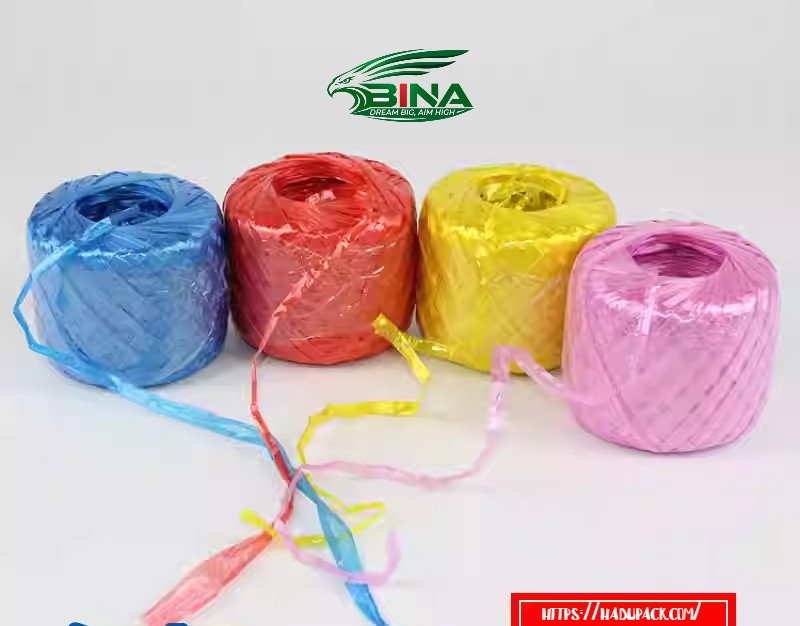
- Colors: Red, White, Transparent White
- Sizes: Large, Medium
 |
Core characteristics and advantages:
- Low density, buoyant: Lighter than water, it floats on the surface, making it ideal for water activities.
- Lightweight and high strength: High strength-to-weight ratio, making it easy to handle.
- Corrosion and chemical resistance: Excellent resistance to most chemicals, seawater and oil; it will not rot or develop mold.
- Economical: Low production cost, making it one of the most economical types of synthetic rope.
- Rigidity and elasticity: Like a rigid plastic strip, it has low elongation (typically <5%), helping it slip less when tied in knots.
- A special manufacturing process creates wrinkles on the surface, increasing friction and preventing the rope from loosening when tied.
- PP is soft but has high impact resistance, strong and durable, and is commonly used for tying by hand in gardening and general tasks.
- Widely used in industry; good toughness, high tensile strength and low cost.
 |
Main applications:
- Fisheries and maritime industry: Fishing nets, ship mooring lines, dock ropes, yacht ropes.
- Industrial and agricultural applications: Cargo packaging, bundling, cargo safety nets, cable ties.
- Household applications: Decoration, tent guy lines, outdoor activities, clotheslines.
- Packaging of electronic equipment and machinery for manufacturing and processing.
- Industrial electrical wires and mail.
Note: Although it has a certain degree of UV resistance, prolonged exposure to strong direct sunlight may reduce the product’s performance. Avoid prolonged exposure to direct sunlight during use.
 |
The advantages of plastic nylon cable ties lie not only in their superior performance but also in their environmentally friendly characteristics. Compared with traditional hemp ropes and steel cables, the production process of plastic nylon cable ties is more environmentally friendly and they are easier to recycle after use. This aligns with the environmental protection goals of modern society and embodies the concept of sustainable development.
Whether it is PP plastic rope used in packaging or eight-strand polyethylene cable, both have smooth and uniform surface textures, allowing them to bond better with packaging or binding materials. During use, they are less prone to slipping, deforming, or breaking, helping to secure goods effectively. This makes plastic nylon cable ties popular in the packaging industry.
Furthermore, plastic nylon ties are corrosion-resistant and flame-retardant, allowing them to be used in various harsh environments. Whether in humid coastal areas or high-temperature industrial environments, plastic nylon cable ties can maintain good performance, ensuring the safety of goods.
When selecting plastic nylon ties, we need to choose products with different materials and specifications based on specific needs and usage scenarios. In terms of packaging safety and stability, PP plastic rope is a good choice. When higher tensile strength and wear resistance are required, eight-strand polyethylene cable is more suitable.
In summary, plastic nylon cable ties have broad application prospects and great development potential. In the future, with the continuous advancement of society and growing packaging demand, plastic nylon cable ties will continue to play an important role. Through continuous improvement in product quality and technological innovation, the plastic nylon cable tie industry will contribute even more to the development of the packaging industry.