


Description
What is a PVC plastic bag?
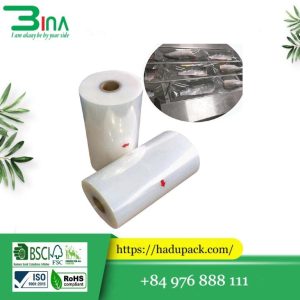
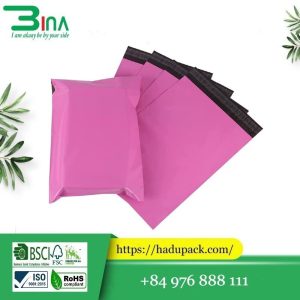
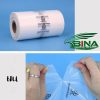
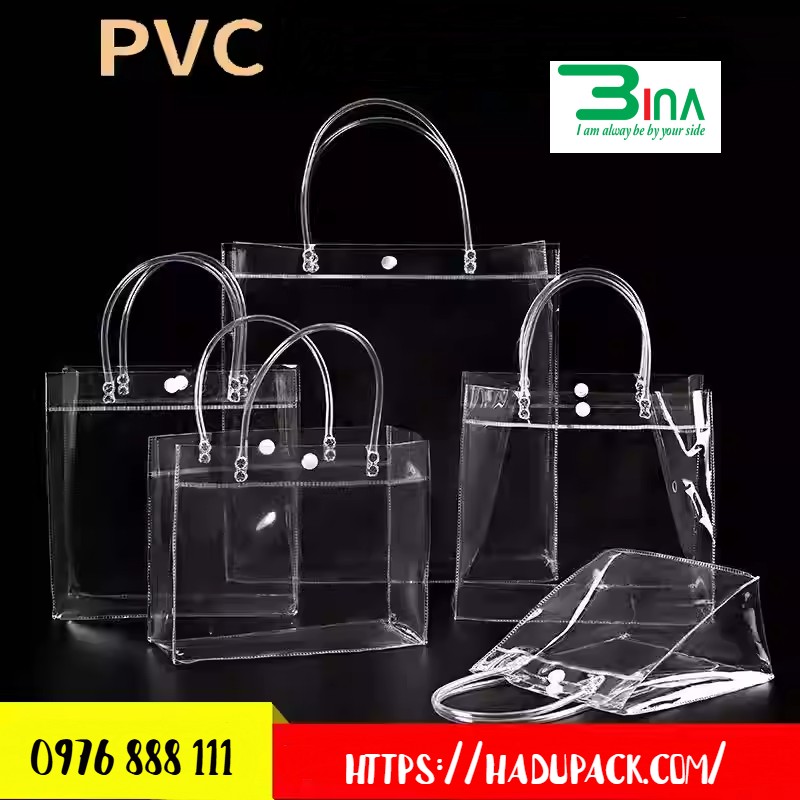
PVC plastic bags are a type of plastic packaging bag made primarily from polyvinyl chloride (PVC) film, manufactured through high-frequency heat sealing or sewing. They feature high transparency, water and moisture resistance, high flexibility and durability, and a slightly rough surface. They are commonly used for packaging cosmetics, clothing, stationery, and handicrafts.
 |
PVC plastic bag production process
The core of the PVC plastic bag production process lies in raw material preparation, extrusion/calendering, printing, and heat sealing. First, PVC resin powder is mixed with plasticizers, stabilizers, etc., and then extruded or calendered to form a transparent film. After printing, heat-sealing technology is used to cut and seal the film roll, creating the finished product. PVC plastic bags are characterized by high transparency, good strength, water resistance, and support for color printing, and are widely used in the packaging industry.
 |
I. Main steps in the production process
Raw material preparation
- Raw materials: Mainly include PVC resin powder, plasticizers (to improve flexibility), stabilizers (for heat resistance and anti-aging), lubricants and colorants.
- Mixing: A high-speed mixer is used to thoroughly mix the raw materials, allowing the plasticizer to be fully absorbed into the PVC particles, forming a dry blended powder.
Film formation
- Calendering: The mixed materials are fed into a calender, where they are rolled into transparent PVC plastic film through multiple heated rollers. This is commonly used to produce thicker or higher-quality PVC film.
- Blown extrusion: A strip of material is extruded through a die head and blown into a cylindrical film.
- Printing: Intricate designs are printed on the PVC film (e.g., gravure printing). PVC film generally has good printability.
- Cutting and bag making: Film cutting: Large rolls of printed film are cut into suitable widths for bag making.
- Heat sealing: The edges of the film are welded and sealed using high-frequency welding or heat-sealing technology. PVC is particularly suitable for high-frequency heat sealing, producing strong welds.
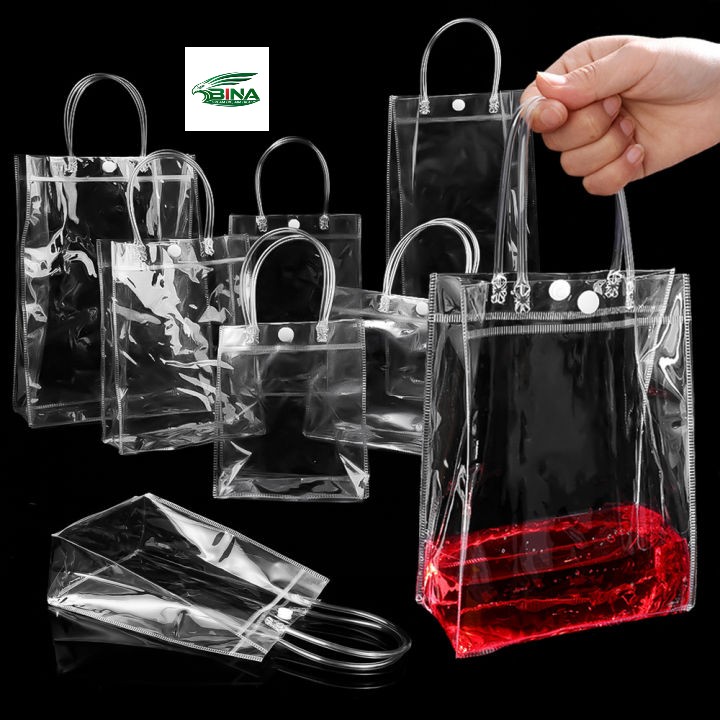
- Processing and inspection: Zippers, buttons, handles and other components are added as needed. Finally, the bags are tested for tear strength and seal strength.
 |
II. Characteristics and Applications of PVC Plastic Bags
- High transparency and gloss: Suitable for displaying goods, such as cosmetic bags and document bags.
- Durable and reusable: PVC material is thicker and more durable than PE plastic bags.
- Waterproof and crease-resistant: Excellent waterproofing properties, widely used in document bags and tool bags.
III. Notes
- The addition of stabilizers (such as environmentally friendly stabilizers) needs to be strictly controlled during PVC production to ensure safety.
- PVC film materials are divided into rigid and flexible types. Packaging bags mainly use flexible PVC with better plasticity.
 |
Key characteristics of PVC plastic bags:
- Material and appearance: A thermoplastic material, usually transparent or semi-transparent, with a relatively rigid feel and a sticky (rough) surface.
- Physical properties: Good tensile strength and tear resistance, not easily torn, and resistant to acids, alkalis, and corrosion.
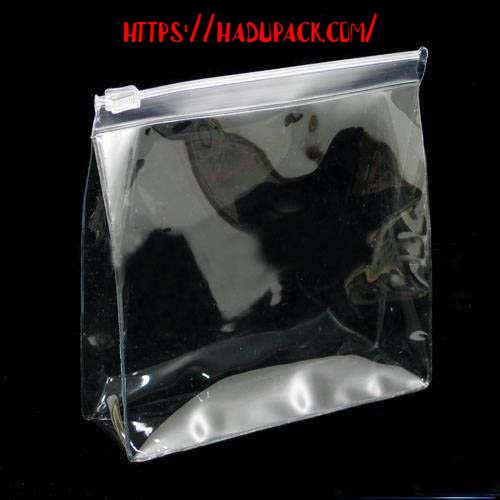
- Processing technology: Mainly produced using high-frequency hot pressing (welding), such as zipper bags without teeth and sleeve bags, but can also be sewn.
- Environmental friendliness: Stabilizers or plasticizers are often added during production. Compared with other materials, its environmental friendliness is relatively poor; It may release toxic substances when burned.
 |
Classification of PVC Plastic Bags
PVC (polyvinyl chloride) plastic bags are mainly classified according to hardness, transparency, and processing technology. They are generally divided into soft bags (containing plasticizers) and rigid bags (without plasticizers), and are commonly used for waterproof packaging, clothing bags, stationery bags, and industrial products. They have high transparency, good tensile strength, and good heat-sealing properties, but are generally not used for direct contact with ready-to-eat food; they are mainly used as outer packaging.
Specific classifications and applications include:
By hardness:
- Soft PVC bags: Contain a large amount of plasticizer, with excellent flexibility, fold resistance, and tear resistance. They are commonly used for clothing, bedding, and soft packaging bags.
- Rigid PVC bags/sheets: Contain little or no plasticizer, are rigid and transparent, and are commonly used for blister packaging (such as packaging for tools and electronic products).
By transparency:
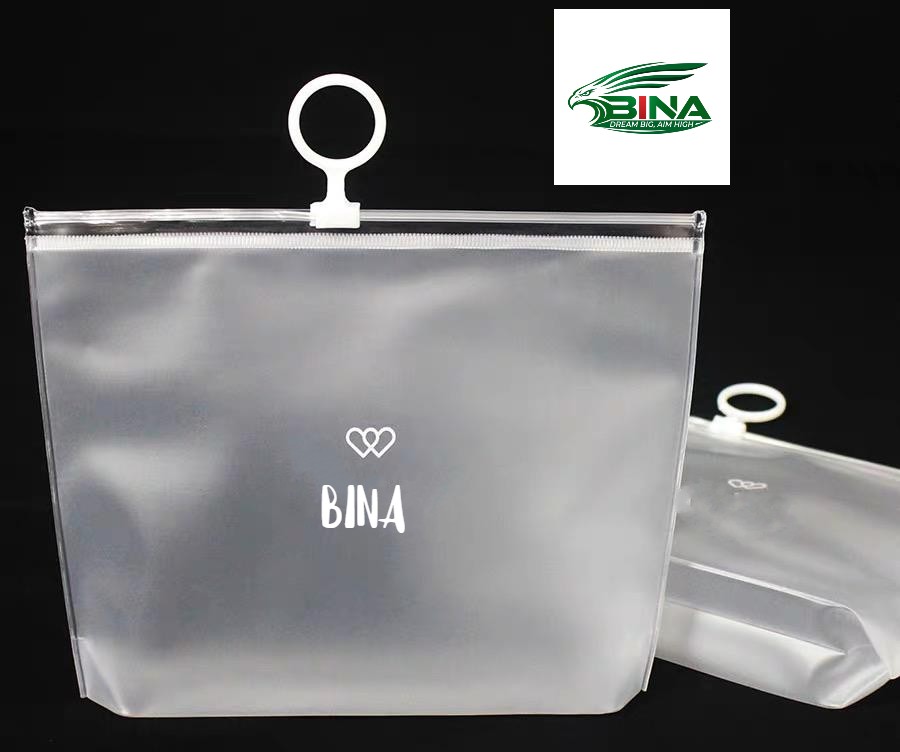
- High-transparency PVC bags: Have good gloss and transparency that is even higher than that of PE and PP.
- Semi-transparent/colored PVC bags: Used for packaging brightly colored goods or packaging that requires a distinctive appearance.
By common use:
- Daily-use packaging bags: Due to their flexibility and higher cost, they are often used for high-end packaging, such as raincoats, quilt covers, and gift bags.
- Stationery and tool bags: Take advantage of their rigidity and durability, such as business card holders and zippered tool bags.
Note: PVC plastic bags may release additives at high temperatures or under low-quality conditions, and their recycling code is generally number 3. It is necessary to distinguish whether they are environmentally friendly PVC.
 |
How to distinguish between PE plastic bags and PVC plastic bags
In daily life, the types of plastic film (bags) that are most commonly encountered and easiest to distinguish are PVC and PE.
◆Learn more:
Simple methods:
- Touch test: Non-toxic polyethylene film bags will feel smooth to the touch, with a glossy surface (chemically referred to as gloss). Polyvinyl chloride (PVC) film bags will feel sticky.
- Shake test: Polyethylene film bags will make a crisp sound when shaken and will be light and easy to float. PVC film bags will make a dull sound when shaken.
- Burn test: Non-toxic polyethylene film bags will ignite easily, producing a yellow flame. When burning, they will drip oil like paraffin and emit a gas similar to that of a burning candle. If it does not ignite easily, goes out immediately when the flame is removed, and has a green flame, then it is a polyvinyl chloride (PVC) film bag. Careful observation is required. If a bright green, multicolored flame appears, this indicates that the plastic material contains chlorine and is PVC.
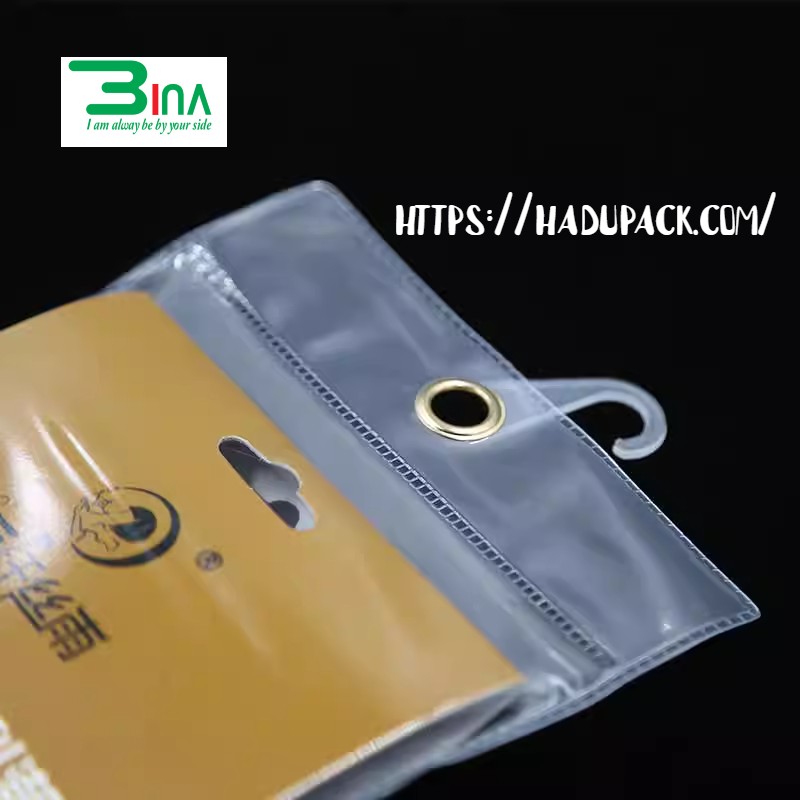
- Water immersion method: Immerse the plastic bag in water. Press the bag down with your hand. Bags that float are polyethylene (PE), while bags that sink are PVC (polyvinyl chloride). (PE has a lower density than water, while PVC has a higher density; at room temperature, they are approximately 0.92 g/cm³ and 1.4 g/cm³, respectively). Alternatively, take a copper wire, heat it until it glows red, then bring it into contact with the plastic film to be tested. A chemical reaction will occur, and the copper wire, now coated with a layer of the plastic component, will be returned to the flame.
 |
PVC Bag Applications
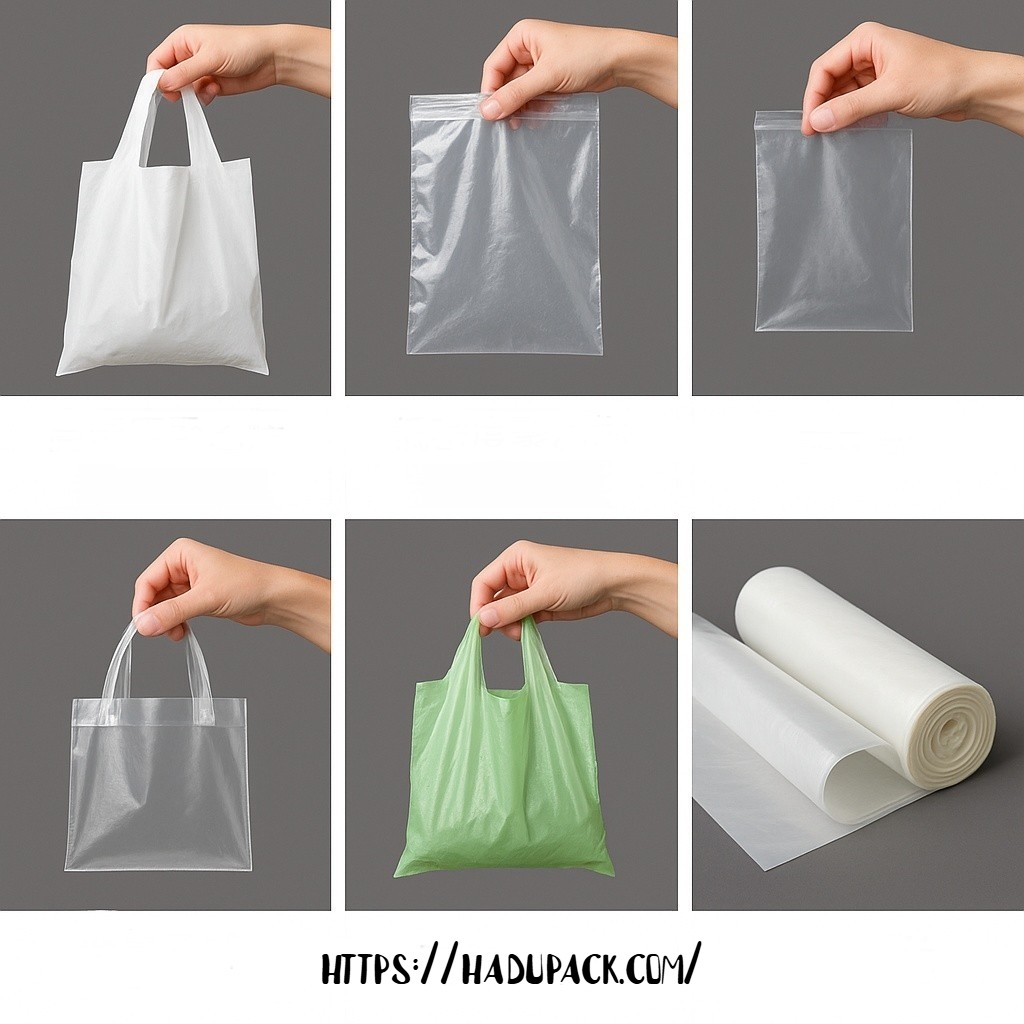
PVC plastic bags (polyvinyl chloride plastic bags), with high transparency, strong durability, water resistance, and good flexibility, are widely used in high-end product packaging, daily storage, and special industrial protection. The main applications include garment dust bags, hardware packaging, stationery bags, cosmetic bags, and jewelry bags, often used to enhance the perceived quality of products. The following is a summary of the specific applications of PVC plastic bags:
 |
1. Premium product packaging
- Clothing packaging: Individual dust bags for clothing, set bags, 3D hanging bags, widely used in clothing stores and dry cleaners.
- Cosmetics and gift packaging: Due to their high transparency and refined appearance, they are often used in gift bags, cosmetic bags and cosmetic pouches.
- Stationery and handicraft packaging: Stationery bags, jewelry bags, handicraft decoration bags, etc.
2. Household goods storage and transportation
- Home storage: Plastic bags can be used to organize household items and provide waterproof protection, such as vacuum compression bags for bedding and toiletry bags.
- Tool and hardware storage: Thick and durable PVC material is suitable for storing hardware parts, tools, etc.
 |
3. Industrial and specialized packaging
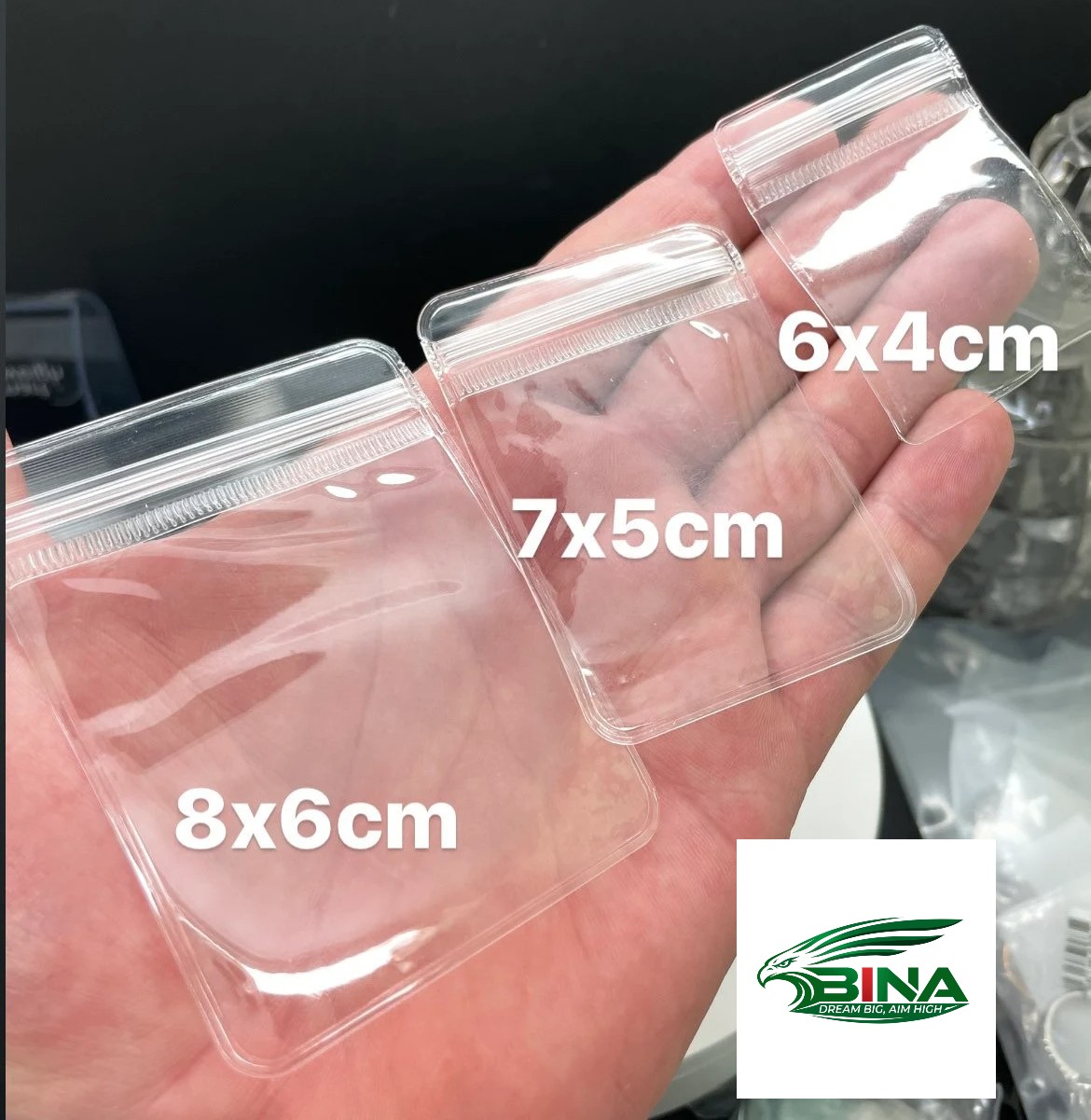
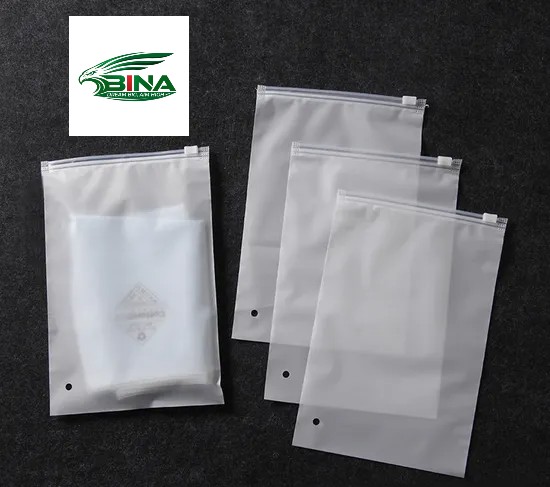
- Antioxidant packaging: PVC plastic bags (especially resealable zipper bags) have antioxidant properties and are suitable for sealing small items such as coins, rings, beads, and medicines.
- Waterproof bags: Used for electronic products, books, and documents that need protection from moisture.
4. Advertising and commercial use
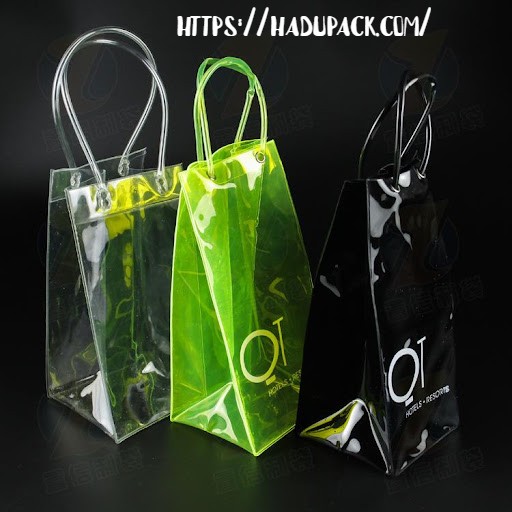
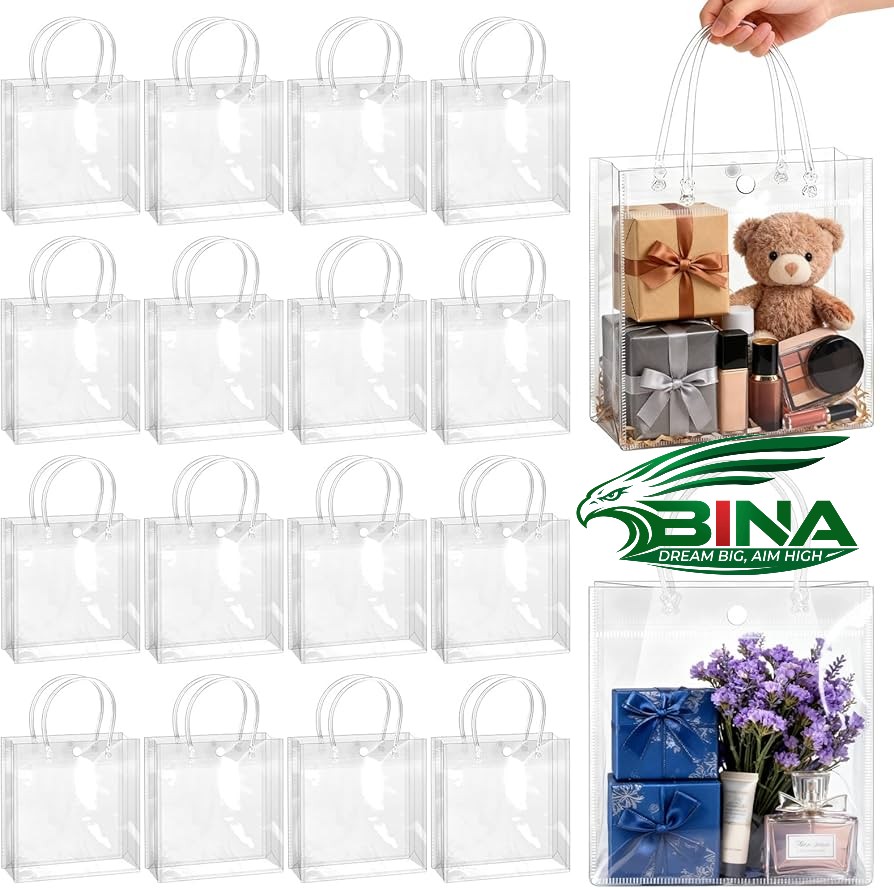
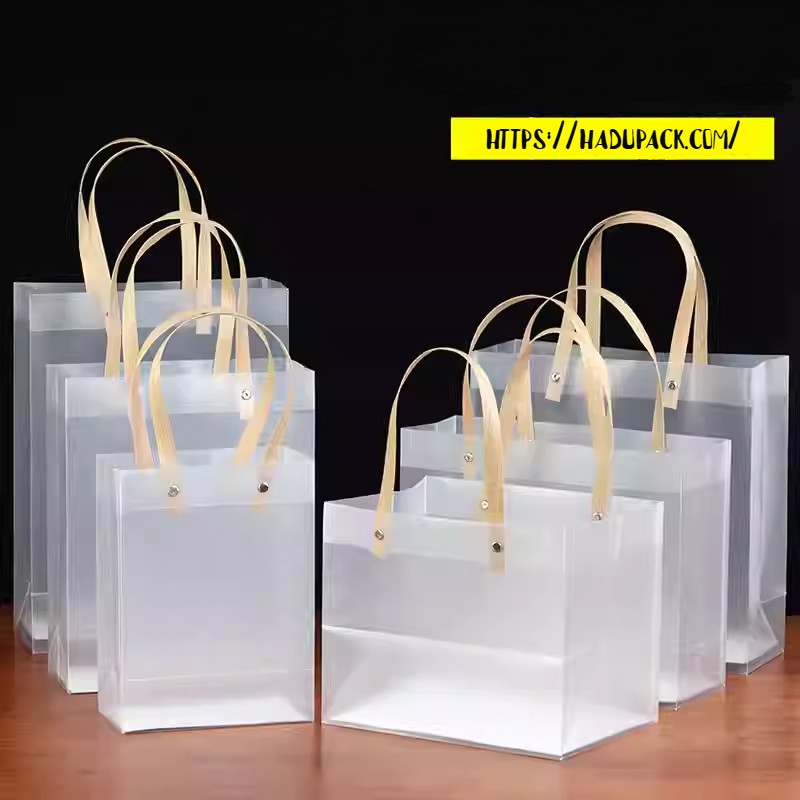
- Tote bags: PVC tote bags are commonly used as gift bags and packaging bags due to their durability and aesthetic appeal.
- Summary: Thanks to its good transparency and durability, PVC is considered a relatively high-end plastic packaging material. Although its cost is slightly higher than OPP/PE bags, it is widely used in industries with high appearance requirements.
 |
Tips for Choosing PVC Plastic Bags
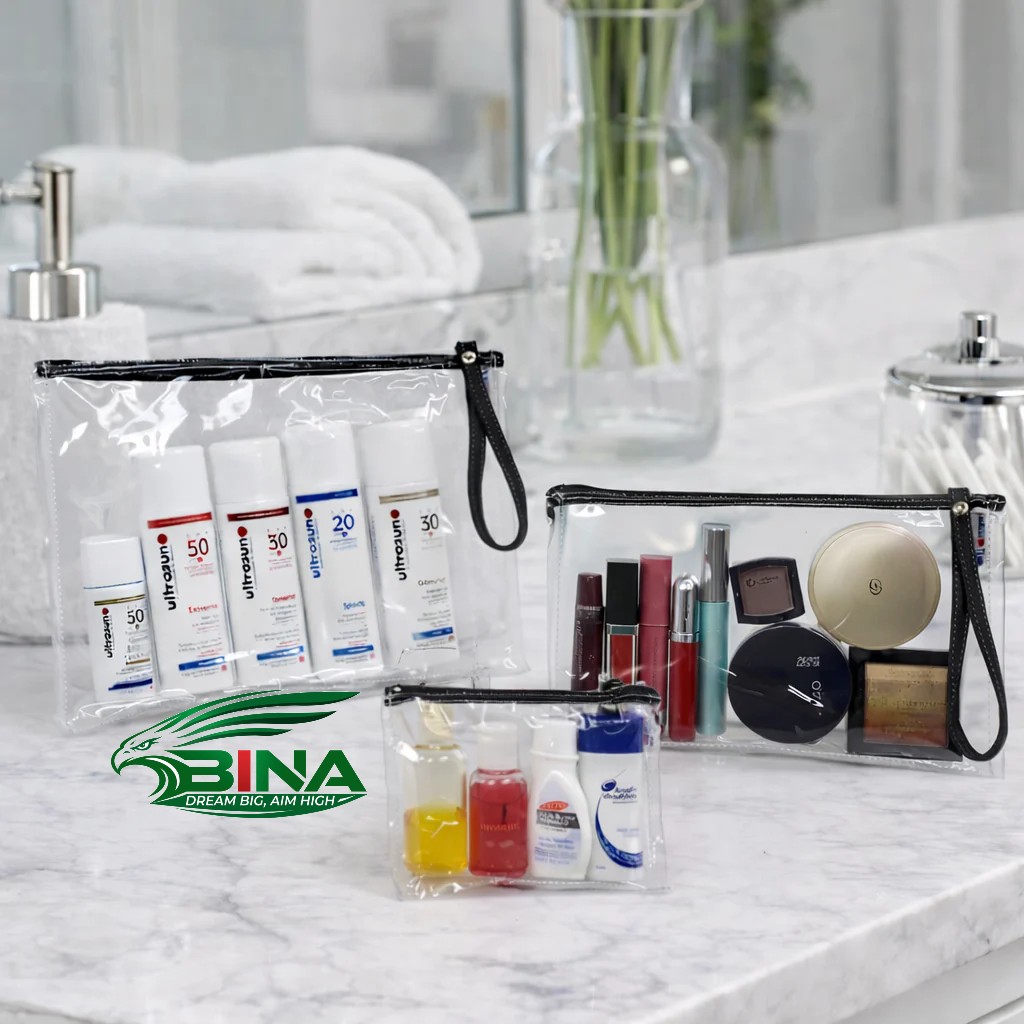
When choosing PVC plastic bags, important factors to consider include thickness (measured in micrometers), transparency, environmental rating (eco-friendly versus standard), and sealing process. PVC material offers advantages such as high transparency, good flexibility, and resistance to water and oil, so it is often used in premium packaging (e.g., clothing, cosmetics). High transparency and a matte surface depend on product positioning, while thickness should be determined based on the weight of the product inside (typically 10-20 micrometers). Attention should also be paid to odor to assess the material’s environmental friendliness.
 |
Important dimensions when choosing PVC plastic bags:
- Check transparency and quality (feel): High-quality PVC has high transparency, a soft and durable texture, and no pungent odor. It has good tensile strength, is not easy to tear, and the sealing seams do not easily come apart.
- Choose the thickness (in micrometers): Regular packaging (lightweight items): Usually 10-15 micrometers (1 micrometer = 0.01mm).
- High-end items/structured packaging: It is recommended to choose 20 micrometers or thicker for better texture and less deformation.
- Customization: The thickness can be customized according to the product weight and requirements.
- Choose based on the application: High transparency/frosted high transparency: Suitable for gifts, high-end clothing, and transparent product packaging where high aesthetics are required.
- Flexibility/hardness: PVC can be soft or rigid. Clothing and accessories generally use softer PVC, while industrial products may require slightly harder PVC.
- Consider environmental friendliness: PVC products are divided into regular and environmentally friendly types. For children’s products, food packaging (PVC generally does not come into direct contact with food), or goods with export requirements, ensure compliance with environmental standards (such as RoHS, REACH).
- Check the sealing process: High-quality PVC bags are heat-sealed using high-frequency machines, producing clear, strong sealing seams and good adhesion between the two layers.