


Description
What Is Cosmetic Label Printing?
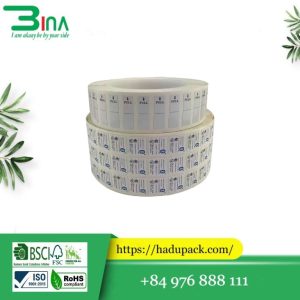
Cosmetic label printing is the process of printing product names, ingredients, manufacturer information, expiration dates, and other text and graphics onto self-adhesive materials, films, or paper, which are then applied to or printed on cosmetic packaging.
Common materials include films such as BOPP and PE, which offer water resistance, oil resistance, abrasion resistance, and vibrant colors. These features enhance the product’s visual appeal and strengthen brand identity.
 |
 |
◆Learn More:
- https://hadupack.com/san-pham/tem-nhan-chiu-nhiet/
- https://hadupack.com/san-pham/in-tem-nhan-chai-nuoc/
- https://hadupack.com/san-pham/tem-nhan-chai-lo/
Key Features and Core Requirements of Cosmetic Label Printing
- 1. High Printing Precision: Since cosmetic bottles are often small and require a large amount of information, printed text must be clear, sharp, and easy to read.
- 2. Material Characteristics: Common materials include paper and synthetic films, such as transparent, matte, and pearlescent films. These materials offer resistance to corrosion, moisture, and peeling.
- 3. Packaging Labeling Requirements: Labels must clearly display the brand/product name, net weight, ingredient list, manufacturer’s address, production license, batch number, and expiration date in Chinese.
- 4. Post-Printing Finishing: The process often includes special finishing techniques such as lamination, gold or silver foil stamping, and debossing to enhance the product’s visual appeal.
- 5. Labeling Formats: These include direct printing on packaging and the use of self-adhesive labels.
 |
Materials Used for Cosmetic Label Printing
The following is a detailed classification:
1. Common Plastic Film Materials (Most Widely Used)
- PE (Polyethylene): Offers excellent flexibility and compression resistance, making it suitable for flexible plastic bottles and containers used for shampoo, body wash, and hand cream.
- PET (Polyethylene Terephthalate): Features high transparency, relatively high rigidity, excellent moisture resistance, and good chemical resistance. It is commonly used for premium product packaging and transparent labels.
- BOPP (Biaxially Oriented Polypropylene): Available in glossy or matte finishes, with a smooth surface that delivers refined printing results at a cost-effective price.
- Pearlescent Coated Film: Features a glossy, pearlescent
 |
2. Special-Effect Materials and Synthetic Paper
- Synthetic Paper / Synthetic Film: Combines the printability of paper with the durability of plastic, offering excellent water resistance.
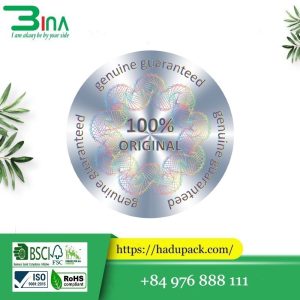
- Silver Dragon Paper / Laser Paper: Used for packaging that requires a premium feel, metallic appearance, or rainbow laser effects, such as serum and lipstick packaging.
- Ultra-Clear Film: Creates a “no-label” appearance, making it ideal for highly transparent bottles.
3. Paper MaterialsPremium Coated Paper / Specialty Paper: Primarily used for premium outer packaging boxes for dry cosmetics or sealing labels that do not require water resistance. Surface lamination is recommended for added protection.
4. Adhesive SelectionCosmetic labels often require specialized adhesives to prevent peeling:
- High-Strength Adhesive: Used for bottles with uneven surfaces or containers that are frequently squeezed.
- Oil and Chemical Resistance: Helps resist the corrosive effects of cosmetic ingredients, including oils, alcohols, and esters.
5. Surface Finishing Processes
To enhance the appearance of cosmetic labels, materials are often finished using the following techniques:
- Lamination: Gloss lamination delivers vibrant colors, while matte lamination creates a soft, refined appearance.
- Hot Foil Stamping (Gold/Silver): Highlights brand logos and enhances the premium look of the packaging.
- Screen Printing: Creates a three-dimensional effect for text and graphic elements.
- Conclusion: Skincare product packaging commonly uses PE or PET films to meet requirements for compression resistance, durability, and a premium appearance.
 |
Detailed Manufacturing Process for Cosmetic Label Printing
The manufacturing process for cosmetic labels primarily includes design approval, material selection (PET, PE, or paper), printing (flexographic, screen, offset, or digital printing), surface finishing (lamination and hot foil stamping), die-cutting, quality inspection, trimming and waste removal, packaging, and shipping.
The key factors are precise color management, high-precision processing, and strong adhesive performance. Self-adhesive film materials are commonly used to meet demanding requirements such as water and oil resistance.
Detailed Cosmetic Label Manufacturing Process
- 1. Design Approval and Artwork Preparation: Confirm the design artwork, colors, and dimensions provided by the customer. Optimize the design and layout before printing to ensure accuracy and consistency.
- 2. Material Selection: Select self-adhesive materials based on the bottle material and storage conditions, such as pearlescent film, PET film, transparent film, and synthetic paper.
 |
3. Printing Methods
- Screen Printing: Suitable for direct printing onto bottle surfaces, delivering dense ink coverage and a strong three-dimensional effect.
- Flexographic Printing: Ideal for mass production, offering vibrant colors and high production efficiency.
- Offset / Digital Printing: Suitable for multicolor printing with high precision, as well as customized small-batch production.
4. Post-Printing Surface Finishing
- Lamination: Gloss or matte lamination enhances moisture resistance and abrasion resistance.
- Hot Foil Stamping (Gold/Silver): Enhances the metallic texture and refined appearance of product packaging.
- Embossing / Special Finishing Techniques: Enhance the tactile texture and visual appeal of labels.
5. Die-Cutting
Cut the printed labels into the required shapes using a custom die.
6. Inspection and Waste Removal
Remove excess material around the label edges and conduct high-speed quality inspections to ensure there are no stains or color variations and that barcodes can be scanned correctly.
7. Rewinding and Packaging
Cut large label rolls into smaller rolls that meet the specifications of labeling machines. The labels are then shipped in rolls or vacuum-sealed packages.
Key Considerations
- Materials: Premium cosmetics commonly use self-adhesive film labels that offer water resistance and abrasion resistance.
- Finishing Techniques: Hot foil stamping, screen printing, and other specialized processes help enhance the brand’s premium image.
 |
Important Considerations for Cosmetic Labels
Cosmetic labels must be clear, durable, and use standard Vietnamese text. Each smallest retail unit must include the product name, information about the registrant/applicant, the complete ingredient list, net weight, expiration date, and ingredient descriptions. Labeling issues unrelated to product quality or safety, such as incorrect font sizes, spelling errors, or an incorrect ingredient order, may require correction. False advertising, the absence of Vietnamese labels, or failure to provide the required ingredient information is prohibited by law.
The following are the detailed compliance requirements for cosmetic labeling:
1. Core Labeling Requirements (Mandatory)
- Vietnamese Language Labeling: Cosmetics sold in Vietnam must have labels in Vietnamese. If another language is used, the corresponding information must also be provided in Vietnamese.
- Basic Information: The product name (in Vietnamese), the name and address of the registrant/applicant, and the name and address of the contract manufacturer must be provided.
- Ingredient Labeling: Use the heading “Ingredients” and list all ingredients in descending order of concentration. Ingredients below a specified concentration threshold do not necessarily need to be listed in descending order.
- Net Weight, Standards, and Expiration Date: Ensure that all information is complete, clear, and easy to read.
 |
2. Special Requirements and Prohibited Labeling Practices
- Efficacy Claims: Medical or therapeutic claims are strictly prohibited. Ordinary cosmetics are also prohibited from making certain special efficacy claims that are not permitted under applicable regulations.
- Key Compliance Requirement: All ingredients must be identified using the standard Vietnamese names for the respective raw materials.
- Prohibited Practices: False, exaggerated, or misleading cosmetic labeling is strictly prohibited.
3. Small-Size Product Labels (Example)
For products with a net weight not exceeding 15 grams or a net volume not exceeding 15 ml, the smallest retail packaging unit only needs to display the product name in Vietnamese, the name of the registrant/applicant, the net weight or volume, and the expiration date.
Other information may be provided in the accompanying leaflet.
4. Penalties and Corrective Actions for Common Labeling Errors
Issues such as incorrect font sizes, missing characters, loose labels, and non-standard ingredient names may result in a request from the regulatory authorities to make corrections.
For errors that do not affect product quality or safety and do not mislead consumers, corrective action may be required.
Conclusion: Cosmetic labeling is essential to fulfilling a company’s social responsibilities. Regulatory compliance has become a core focus of cosmetic product management.