

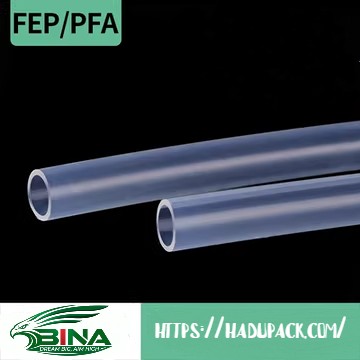
Description
What is a Teflon tube?
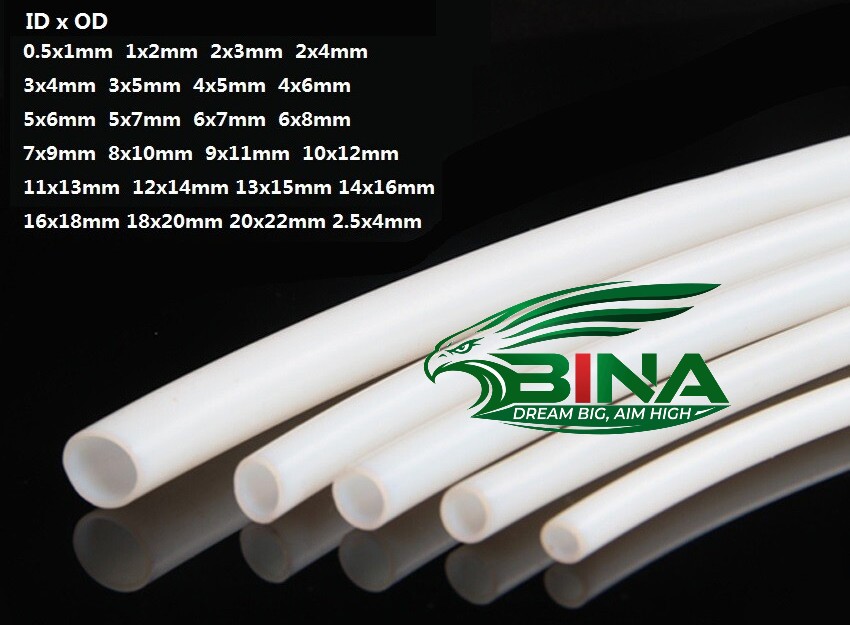
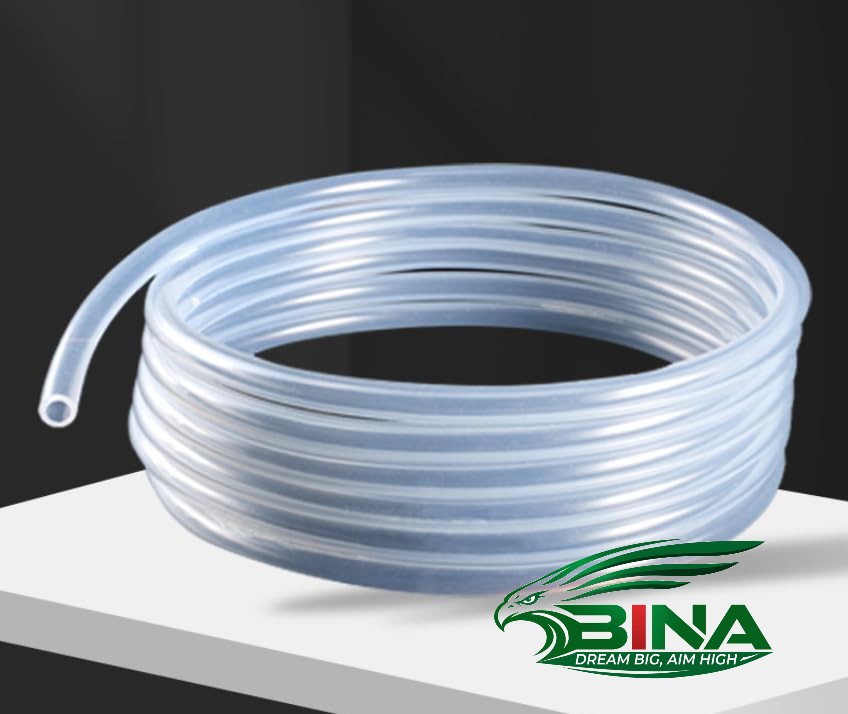
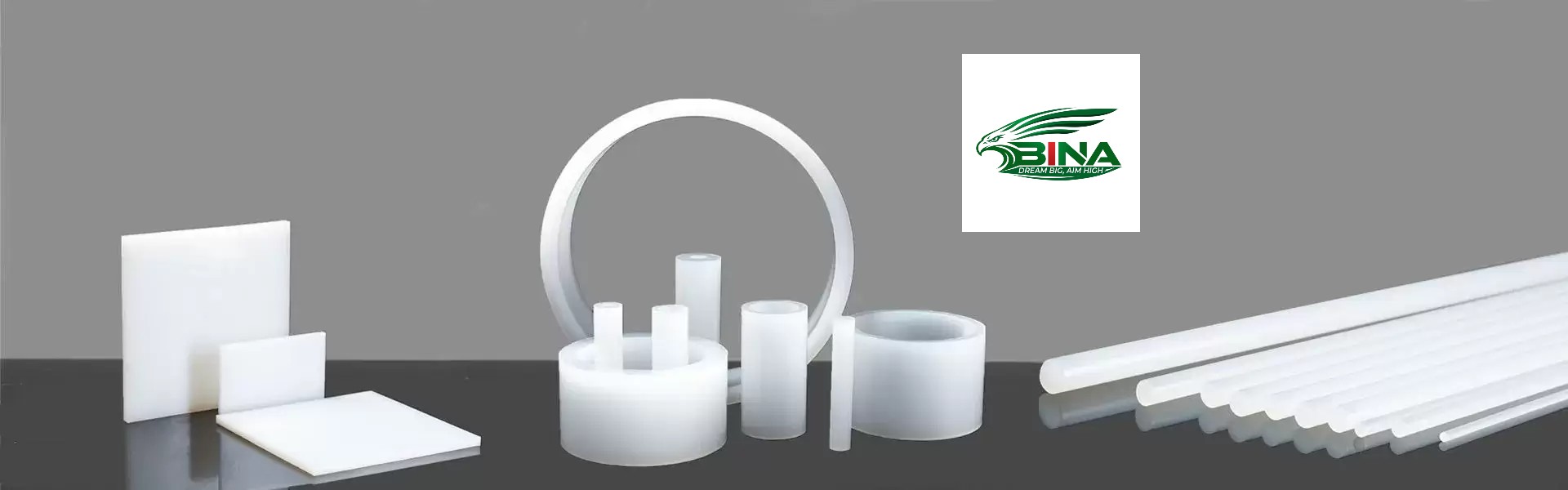
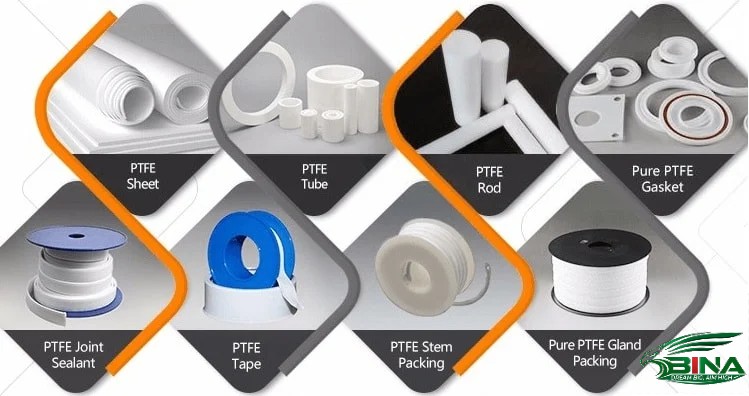
Teflon tubes (also known as PTFE plastic tubes or polytetrafluoroethylene tubes) are a special type of tubing made from PTFE, the “king of plastics”. They have excellent resistance to high and low temperatures (from -100°C to 100°C), resistance to strong acids and alkalis, corrosion resistance, self-lubricating properties, and a low coefficient of friction. They are widely used in electronics and electrical applications, machinery, chemical pipeline transportation, and medical equipment.
 |
◆Learn more:
- https://hadupack.com/san-pham/bang-dinh-teflon/
- https://hadupack.com/san-pham/thung-nhua/
- https://hadupack.com/san-pham/tui-nhua-cpe/
Detailed introduction to Teflon plastic tubing:
- Material and characteristics: Teflon tubing is primarily made from polytetrafluoroethylene (PTFE) through extrusion and sintering processes. Due to the strong bonds between carbon and fluorine atoms, its properties are extremely stable and it can resist most chemicals.
- Other names: Teflon tubing, polytetrafluoroethylene tubing, PTFE tubing, F4 tubing, “king of plastics” tubing.
Outstanding characteristics:
- Corrosion resistance: Resistant to strong acids, strong alkalis, strong oxidizing agents, and many organic solvents. Wide temperature range: Can operate continuously under normal pressure in environments with varying temperatures.
- Non-stick properties: Has the lowest coefficient of friction and does not stick.
- Electrical insulation: An excellent insulating material, non-polar and non-absorbent.
 |
Applications of Teflon plastic tubing:
- Industrial transportation: Used to transport gases, corrosive liquids, or in heat exchanger piping.
- Wire insulation: Insulating sheaths for wires and cables with different frequencies.
- Mechanical components: Self-lubricating components such as those used in electric heating systems, computers, automobiles, and bearings.
- Other: Medical equipment, analytical instruments, etc.
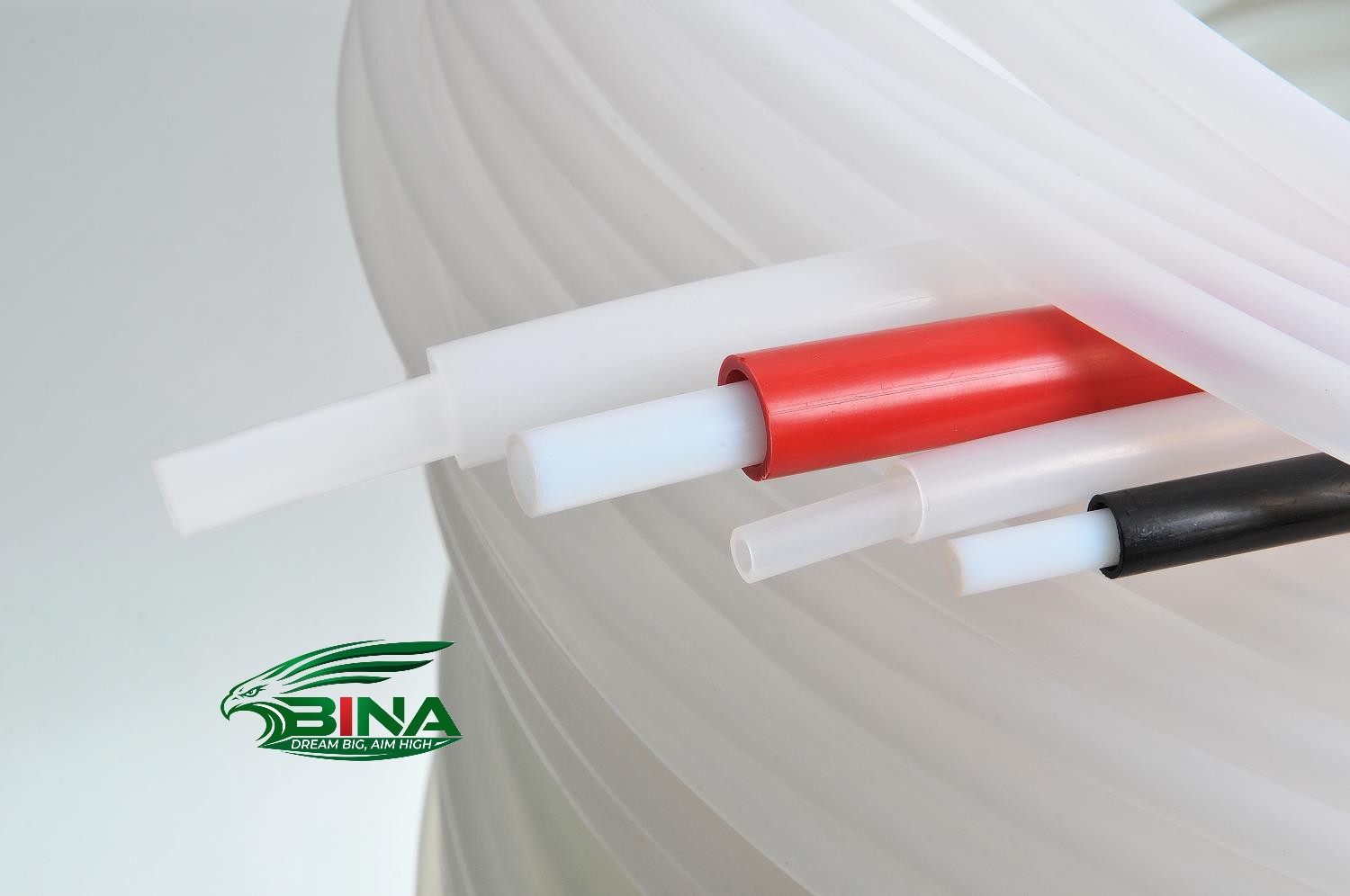
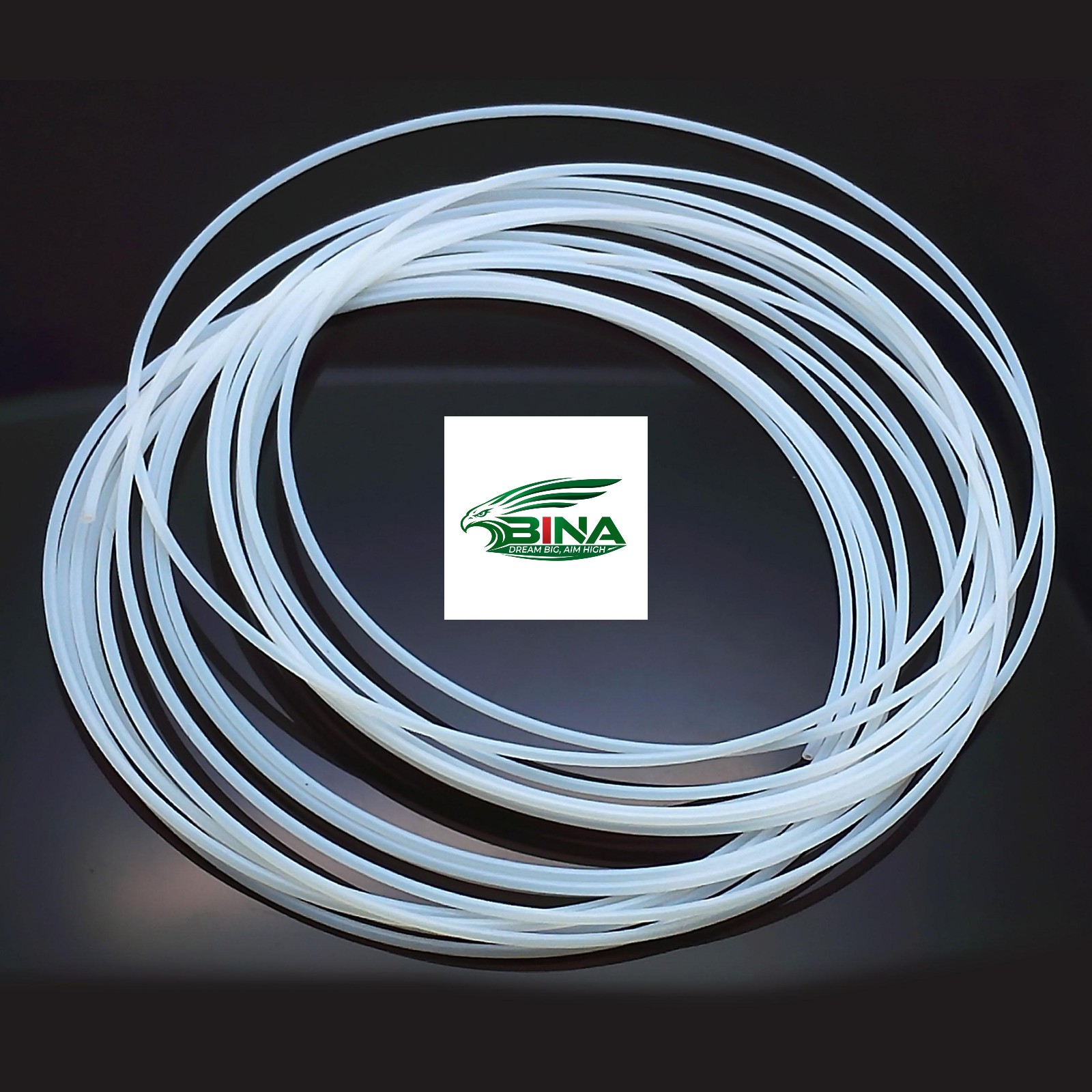
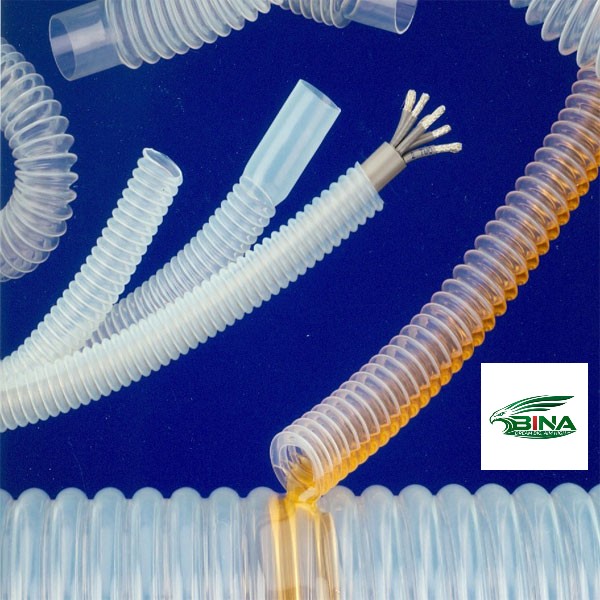
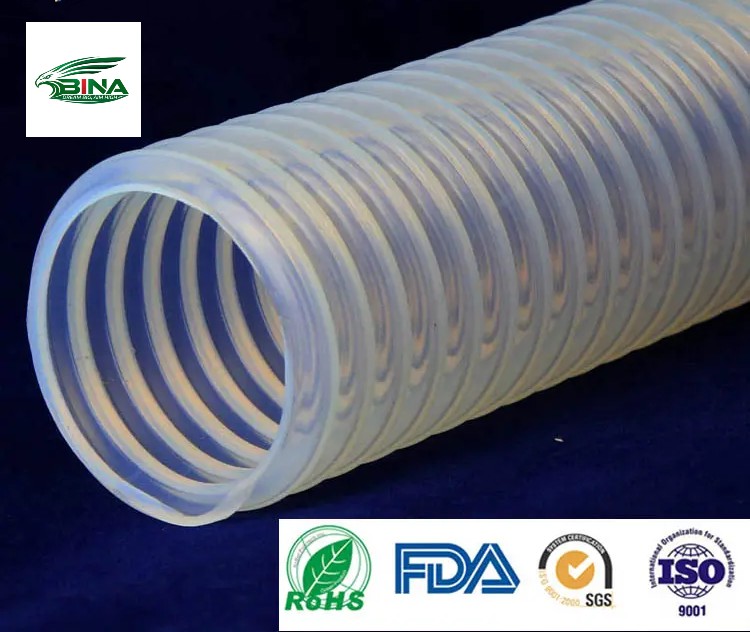
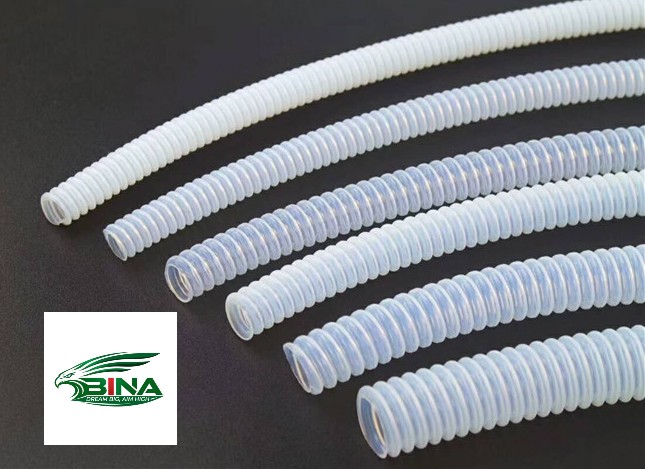
Due to its “rigid” physical properties, Teflon tubing is often used in flexible tubing form for applications requiring flexibility, such as PTFE tubing from BiNa Vietnam Joint Stock Company. In addition, Teflon materials such as FEP and PFA are also available on the market, classified according to different requirements.
 |
Teflon tube manufacturing process
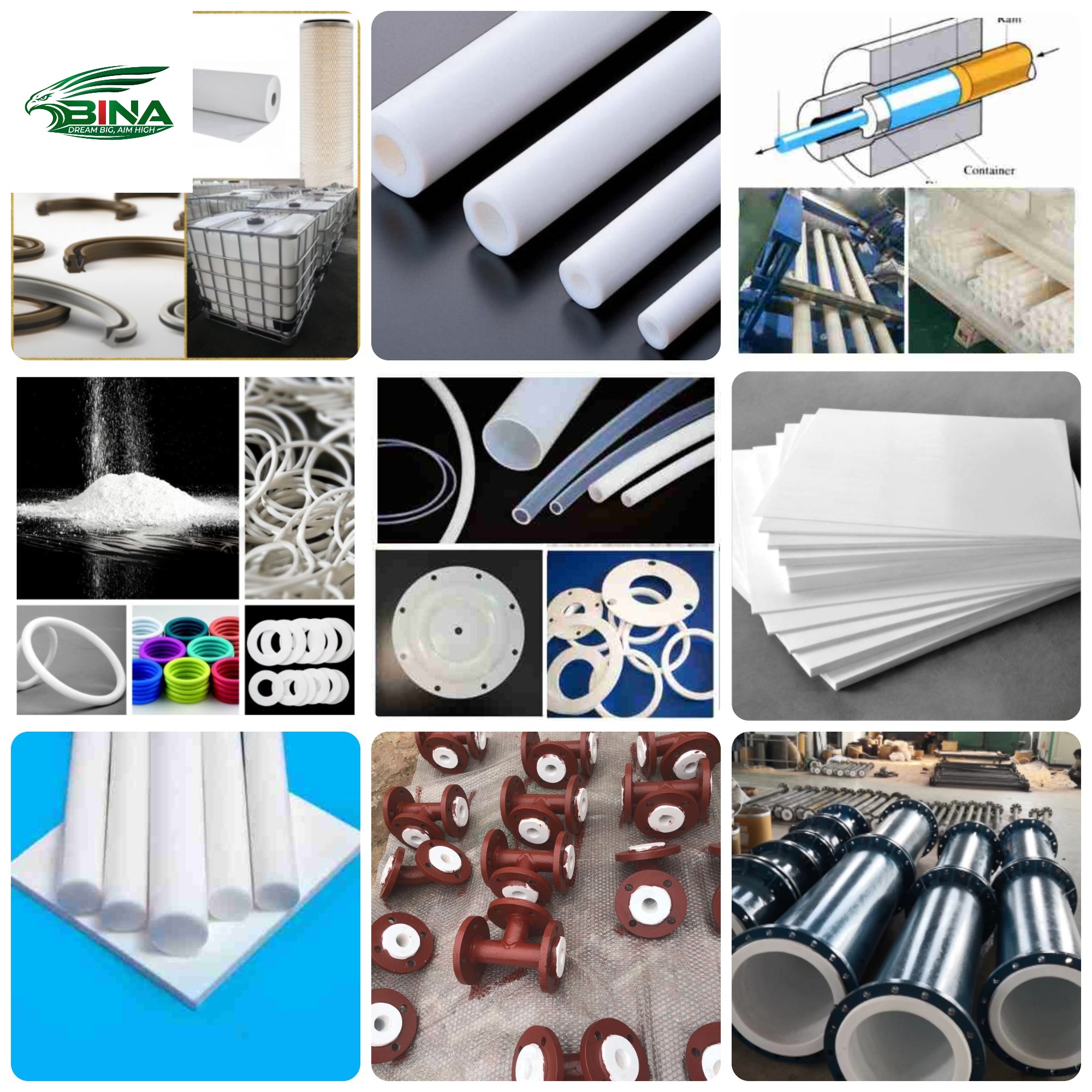
The core processes for manufacturing Teflon (PTFE/PFA/FEP) tubes include raw material processing, extrusion (ram extrusion or melt extrusion), sintering and curing, cooling and shaping, and inner-surface polishing. PTFE is typically processed using the “ram extrusion” technique, which involves powder filling, preforming, and sintering, ensuring high-temperature stability and corrosion resistance. PFA/FEP, on the other hand, have melt-processability and are suitable for continuous extrusion. Core manufacturing processes:
Raw material preparation (Pre-treatment)
- PTFE resin powder usually needs additives to improve processing performance and is screened.
- PFA/FEP materials need to be sufficiently dried to prevent air bubbles during processing.
 |
Tube Forming Technologies
- Ram Extrusion: Primarily used for PTFE. Blended PTFE powder is pushed into an extruder and formed into tubes through a die.
- Melt Extrusion: Suitable for PFA and FEP. After being heated to a molten state, tubes are produced through a continuous extrusion process.
- Compression Molding: Used to produce PTFE tubes with special dimensions. The steps include preforming, sintering, and slow cooling.
- Sintering: The formed “green” tube is heated to a high temperature in a sintering furnace (typically reaching a temperature above the melting point of PTFE), causing the powder particles to bond at the molecular level, forming a continuous and dense tube.
- Cooling and Forming: Controlled cooling helps the tube achieve its final dimensions, preventing deformation caused by internal stresses.
 |
Finishing and quality inspection:
- Polishing the inner wall: Significantly reduces the coefficient of friction and minimizes liquid adhesion to the tube wall.
- Inspection: Check pressure resistance, dimensional accuracy, and cleanliness (especially for food-grade applications).
Key process characteristics
- PTFE (Teflon) tubing: Highly inert surface, corrosion resistance, high melt viscosity, does not flow, requires a special sintering process.
- PFA/FEP tubing: Good thermoplastic properties, high transparency, can be formed using conventional extrusion and injection molding processes.
- Heat-shrink tubing: Requires special processing including radiation cross-linking, thermal expansion, and rapid cooling.
 |
Finishing and quality inspection:
- Polishing the inner wall: Significantly reduces the coefficient of friction and minimizes liquid adhesion to the tube wall.
- Inspection: Check pressure resistance, dimensional accuracy, and cleanliness (especially for food-grade applications).
Key process characteristics
- PTFE (Teflon) tubing: Highly inert surface, corrosion resistance, high melt viscosity, does not flow, requires a special sintering process.
- PFA/FEP tubing: Good thermoplastic properties, high transparency, can be formed using conventional extrusion and injection molding processes.
- Heat-shrink tubing: Requires special processing including radiation cross-linking, thermal expansion, and rapid cooling.
 |
2. Quality control issues
- Poor sintering (brittleness or insufficient hardness): Improper control of the sintering temperature (too high or too low) can lead to loose bonding of the PTFE molecular chains, resulting in brittleness, a rough surface, or insufficient mechanical strength in the finished product.
- Surface porosity and impurities: Air bubbles may form during the sintering process, resulting in tiny pores in the tube wall, affecting pressure resistance and airtightness.
- Uneven thickness: Uneven extrusion pressure during the production of thin-walled tubes can easily lead to inconsistent wall thickness.
3. Adhesion issues (For coated tubes)
- Coating peeling: Teflon has extremely high non-stick properties. Improper surface treatment of the substrate (such as the inside of a metal tube) (e.g.: insufficient sandblasting, incomplete cleaning) can lead to insufficient adhesion between the Teflon coating and the substrate, resulting in peeling.
- Coating cracking: Excessive coating thickness or rapid cooling after coating can easily cause cracking.
 |
4. Physical limitations
- Material is too “rigid”: Compared with rubber tubing, pure PTFE tubing is generally more rigid, limiting its use in applications that require frequent bending or have limited space.
- Stress caused by processing: Poor cooling control during extrusion can easily lead to the accumulation of residual stress inside the tubing, causing deformation during cutting or subsequent use.
5. Cost and environmental factors
- High processing costs: Due to the need for specialized equipment and slow sintering processes, production efficiency is relatively low, resulting in higher finished product costs compared with conventional plastic tubing.
- Environmental regulations: Some additives (such as processing aids) or raw materials used in the manufacturing process (such as PFOA in older processes) may not comply with modern environmental regulations, requiring the use of green and non-toxic raw materials.
To ensure the quality of Teflon tubing, it is generally necessary to strictly control the smoothness of the raw materials, extrusion pressure, sintering temperature profile, and substrate treatment processes.
 |
Guide to Choosing Teflon Plastic Tubing
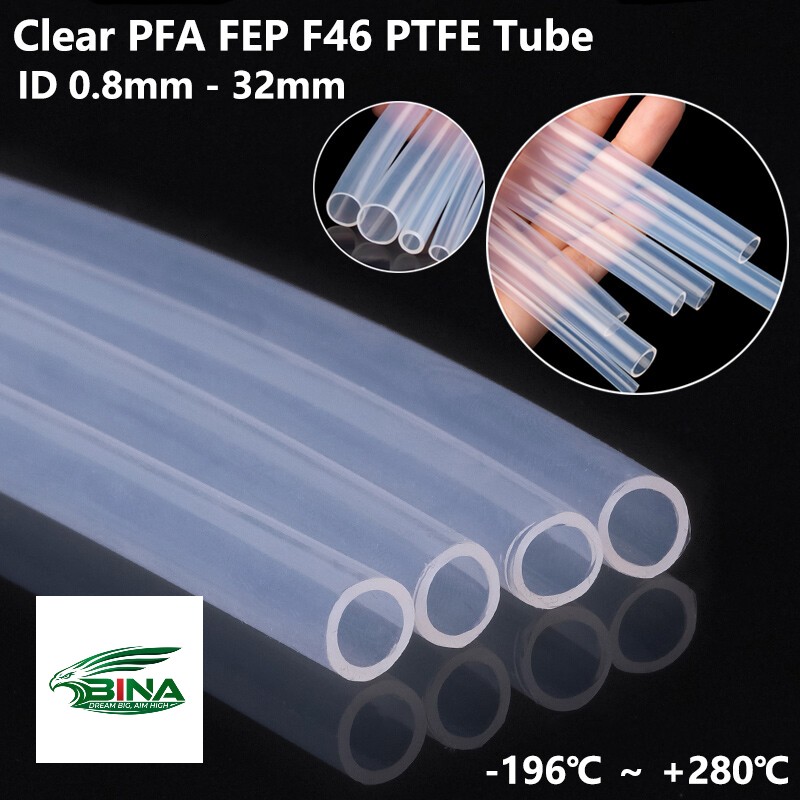
When choosing Teflon tubing (Teflon™, scientifically known as PTFE/PFA/FEP), its excellent chemical resistance, ability to withstand high and low temperatures (-73°C to 260°C), and low coefficient of friction make it suitable for harsh industrial environments such as chemicals, semiconductors, food, and pharmaceuticals. The following are the key guidelines for choosing Teflon tubing:
 |
1. Selection by Material Type
Different types of Teflon (fluoropolymers) have different properties:
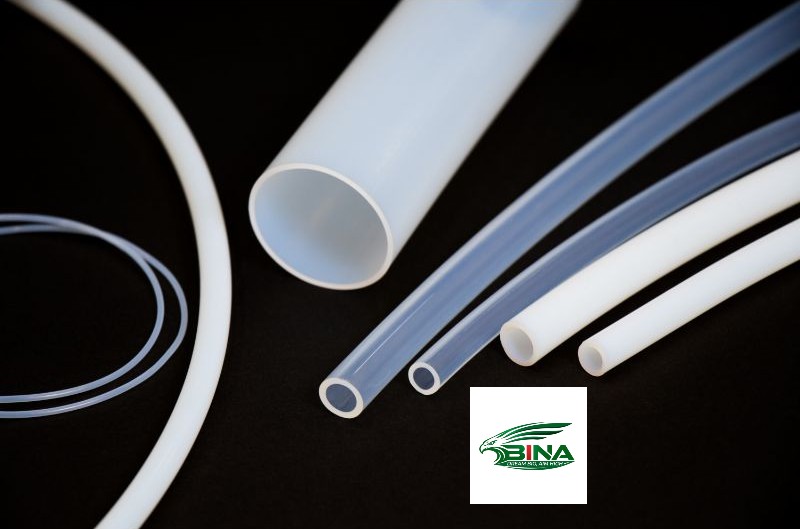
- PTFE (Polytetrafluoroethylene): The most commonly used type of Teflon, with the highest heat resistance, strongest chemical resistance, and lowest coefficient of friction. Suitable for transporting high-temperature, highly corrosive liquids and gases.
- PFA (Perfluoroalkylene): Combines PTFE’s chemical resistance and high transparency, while its mechanical properties (fatigue resistance, resistance to plastic deformation) are superior to those of PTFE, making it ideal for precision semiconductor processing and laboratory equipment connections.
- FEP (Fluorinated Ethylene Propylene Copolymer): High transparency and long flex life, suitable for applications requiring observation of the fluid inside. Its heat resistance is slightly lower than that of PTFE/PFA (approximately -254°C to 205°C).
 |
2. Core technical factors to consider
Working pressure and pressure-bearing structure: Does the hose need reinforcement with a braided layer (e.g., stainless steel braid) to withstand high pressure? Common industrial hoses are suitable for pressure-bearing applications with inner diameters of 5mm-20mm.
- Temperature range: Confirm the system’s highest and lowest operating temperatures. Most Teflon hoses maintain performance within a range of -73°C to 260°C.
- Chemical compatibility: Teflon is resistant to most chemicals (strong acids, strong alkalis, solvents), but caution is required with strong oxidizing agents.
- Size and flexibility: Determine the inner diameter (ID) and outer diameter (OD). For applications requiring high flexibility, corrugated hoses (spiral hoses) can be selected.
3. Application scenario classification guidelines
- Semiconductor and high-purity environments: PFA hoses are recommended due to their low extractables and high cleanliness.
- Chemical and corrosive substance transport: PTFE hoses are preferred, capable of handling acids, alkalis, fuels, and solvents.
- Laboratory and analytical equipment: PFA/FEP hoses, due to their semi-transparent properties, make it easy to observe the liquid level.
- Wire insulation: Thin PTFE tubing or sheathing.
 |
4. Important points when choosing a manufacturer
Choosing a reliable manufacturer is very important to avoid leaks, contamination, or safety accidents caused by hose aging:
- Raw materials: Does the manufacturer use high-purity PTFE raw materials? Recycled materials should be treated with caution.
- Test reports: Does the manufacturer provide test reports on pressure resistance, burst strength, and purity?
- Production process: Ensure that the braiding or extrusion process is stable.
In summary, PTFE is the choice for those who require high chemical and temperature resistance; PFA/FEP is the choice for those who require high transparency and precision applications.
Detailed information about Hadupack from us
 |