

Description
What Are Pesticide and Crop Protection Product Labels?
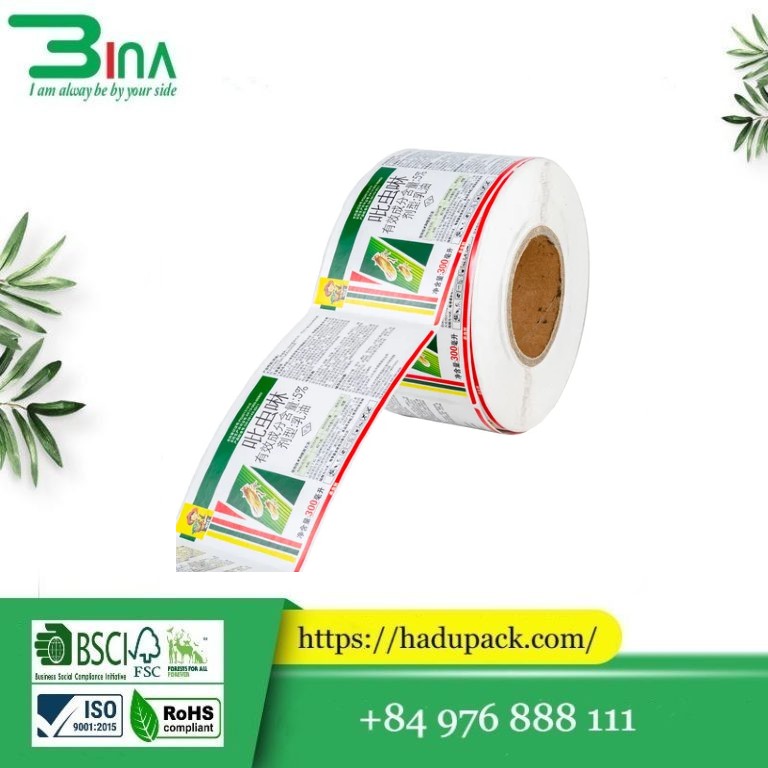
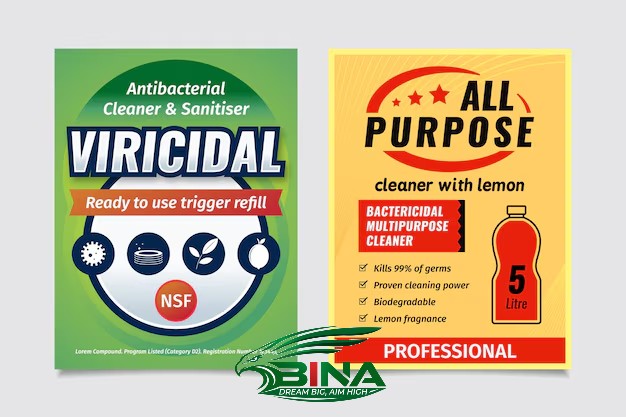
Pesticide and crop protection product labels are printed or adhesive labels containing text, images, and symbols displayed on pesticide packaging. They serve as the product’s “identity card” and are subject to approval by the relevant national regulatory authorities.
Pesticide labels provide essential information, including the product name, active ingredients, toxicity classification, target pests, application methods, safety precautions, and manufacturer details.
Their primary purpose is to guide the safe, effective, and proper use of pesticides, prevent phytotoxicity (damage to crops caused by chemicals), and minimize environmental contamination.
 |
◆Learn More:
- https://hadupack.com/san-pham/nhan-mac-dau-thuc-vat/
- https://hadupack.com/san-pham/nhan-mac-bao-bi-khau-trang/
- https://hadupack.com/san-pham/decal-giay-kraft-nau/
I. Essential Information on Pesticide Labels
According to Vietnamese laws and regulations, pesticide labels must include the following information:
- 1. Product Information: Product name (common name, active ingredients, and formulation), pesticide registration certificate number, manufacturing license number, and net weight or volume.
- 2. Safety Information: Toxicity classification and corresponding hazard labels (such as high or low toxicity levels and their respective color codes).
- 3. Instructions for Use: Target pests, applicable crops, application methods, dosage, application timing, and pre-harvest intervals (PHI).
- 4. Warnings and Precautions: First-aid measures in case of pesticide poisoning, safety precautions, storage requirements, and transportation instructions.
- 5. Company Information: Name, address, and contact details of the manufacturer.
II. Importance and Functions
- 1. Safe Handling and Application Guidance: Provide users with instructions on the proper use of personal protective equipment (PPE), safe handling of hazardous chemicals, and appropriate disposal of pesticide residues to protect human and animal health.
- 2. Regulatory Compliance and Product Authentication: Serve as an essential reference for distinguishing genuine pesticides from counterfeit products. Labels must contain the required registration and regulatory information.
- 3. Technical Guidance: Provide scientifically based instructions for pesticide application, help prevent phytotoxicity (chemical damage to crops), and improve pest control effectiveness.
III. Precautions
- 1. Approved Label Information: All information on pesticide labels must comply with the approved registration and must not be altered without authorization.
- 2. Read Before Use: Carefully read the label before using the product to understand the approved crops, target pests, restrictions, and contraindications. Do not use the pesticide for unauthorized crops, pests, or applications.
 |
Materials Used for Pesticide Label Printing
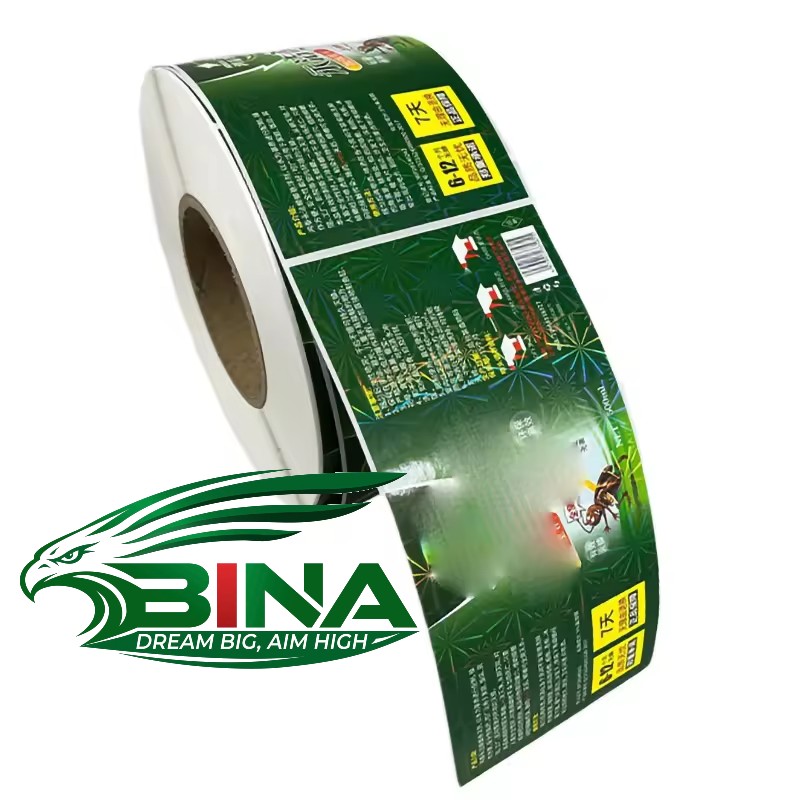
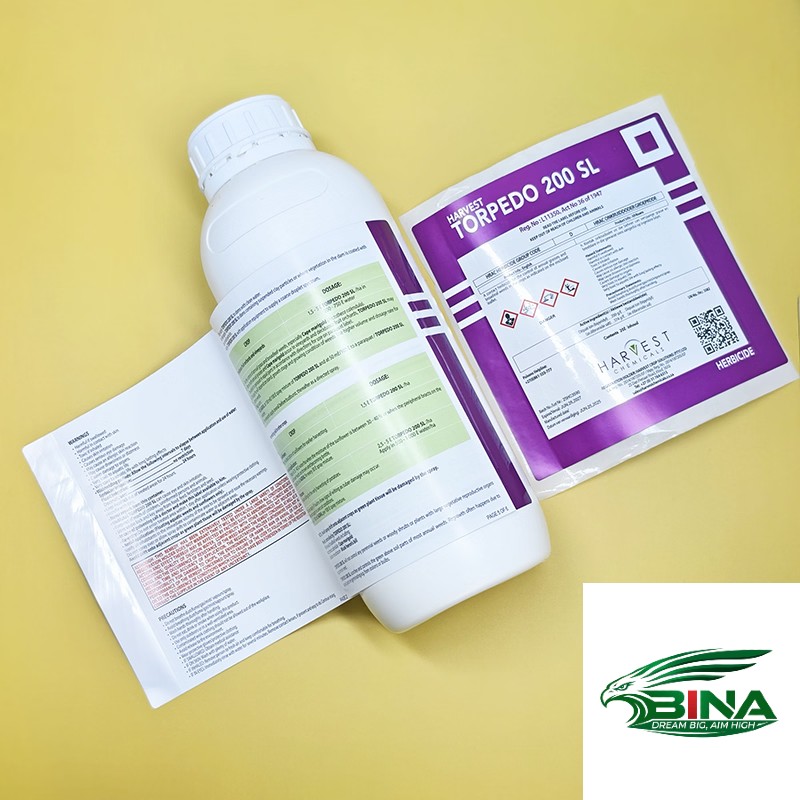
Materials used for pesticide label printing must offer excellent weather resistance, water resistance, oil resistance, chemical resistance, tear resistance, and strong adhesion to withstand demanding environmental conditions.
Commonly used materials include matte or glossy synthetic paper (PP/PE), pearlized films, transparent BOPP films, and coated paper with protective lamination. These labels must also be compatible with HDPE or PET bottles commonly used for pesticide packaging.
I. Main Label Face Materials
Synthetic Paper (PP/PE):
- 1. Features: Waterproof, moisture-resistant, environmentally friendly, tear-resistant, and highly rigid. Compatible with UV inkjet printing and thermal transfer printing, making it one of the preferred materials for pesticide labels.
- 2. Applications: Suitable for most rigid plastic bottles made from HDPE or PET.
Pearlized Film:
Features: Available in high-gloss or matte pearl finishes, offering excellent water resistance and low-temperature resistance. Commonly used in the household chemical and pesticide industries.
Transparent BOPP Film:
Features: Offers high transparency and is commonly combined with high-strength adhesives for packaging applications that require a clear, transparent appearance.
Coated Paper:
Features: Cost-effective, with good ink absorption and printability. Moisture resistance can be improved through surface lamination using matte or glossy protective films.
II. Key Performance Requirements
- 1. High-Strength Adhesives: Due to the risk of pesticide spills and leakage, label adhesives must provide long-term resistance to solvents and acidic or alkaline chemicals. Strong acrylic-based adhesives with excellent chemical resistance are recommended to prevent labels from peeling or detaching.
- 2. Water Resistance and Gloss Retention: Label materials must support vibrant color printing, maintain color stability, and resist peeling or deterioration under high humidity and prolonged outdoor sunlight exposure.
III. Types of Printed Labels and Their Applications
- 1. Self-Adhesive Labels: The most commonly used type, suitable for high-speed automatic labeling processes.
- 2. Shrink Sleeve Labels / In-Mold Labels: Commonly used for bottled liquid pesticides, offering excellent durability and enhanced anti-counterfeiting protection.
- 3. Thermal Paper Labels (Three-Proof Thermal Paper): Suitable for on-site pesticide label printing applications, providing resistance to water, oil, and plasticizers.
When selecting label materials, ensure that the finished labels comply with relevant pesticide registration and labeling requirements, including mandatory information on ingredients, safety precautions, hazard classifications, and color-coded warning bands.
 |
Pesticide and Crop Protection Product Label Printing Process
The pesticide and crop protection product label printing process involves several key stages: design approval, material selection, printing, traceability code printing, and quality inspection.
Due to strict regulatory requirements (including compliance with regulations issued by Vietnam’s Ministry of Agriculture and Rural Development), pesticide labels must include a unique QR code, pesticide registration certificate number, and other essential product information.
Label materials must be waterproof, corrosion-resistant, and abrasion-resistant. Common printing methods include offset printing and flexographic printing, combined with lamination and die cutting to produce finished labels in rolls or individual sheets.
The detailed production process is as follows:
Label Design and Approval (Critical Step)
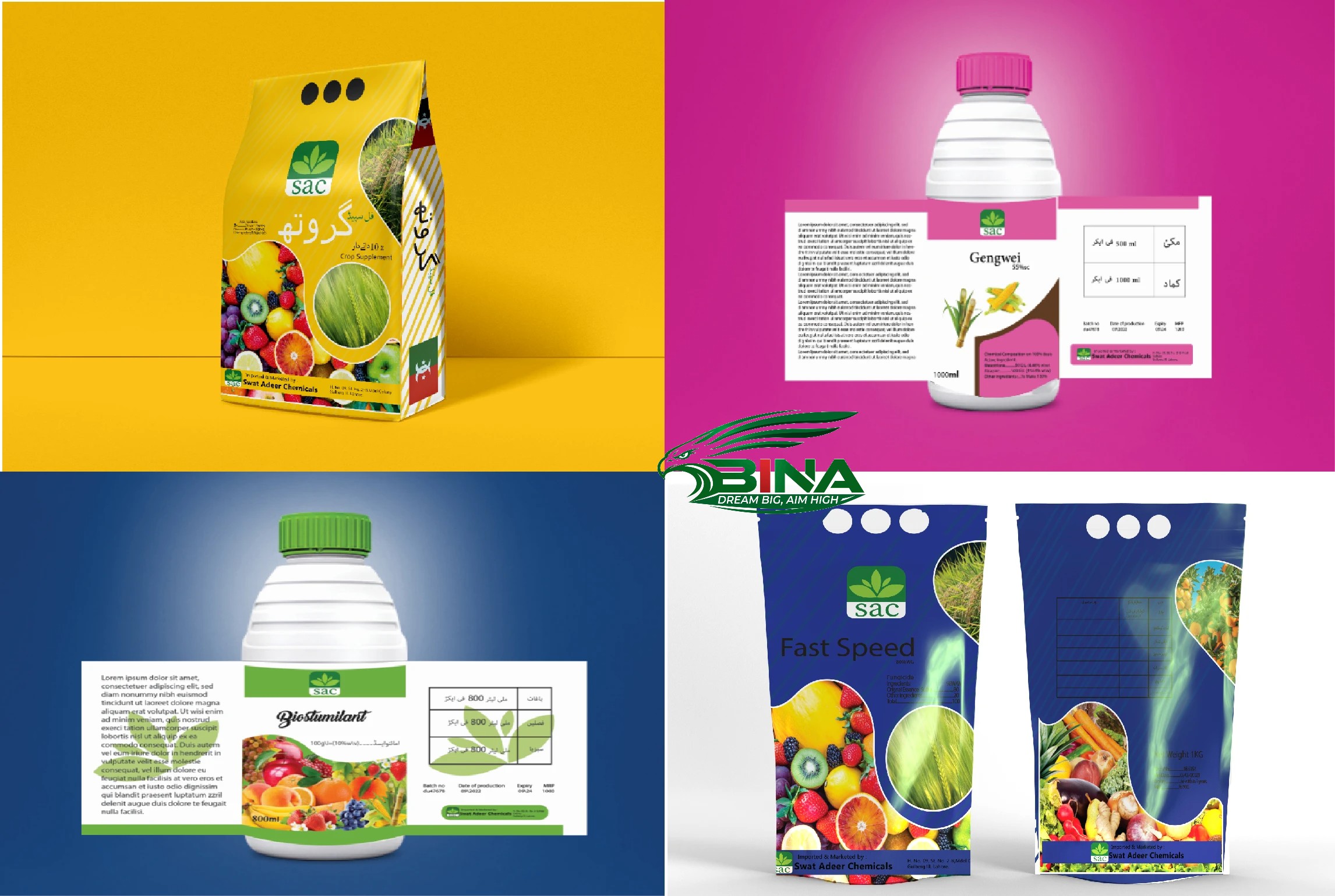
- 1. Standard-Compliant Label Design: The label design must comply with the regulations on pesticide labeling and instructions for use. It must clearly display essential information, including the product name, active ingredient concentration, toxicity symbols, pesticide registration certificate number, manufacturing license number, product standard number, company information, and application instructions.
- 2. Regulatory Compliance Review: The label artwork must undergo thorough review and final approval by the company’s quality assurance department and, where required, the relevant agricultural regulatory authorities to ensure compliance with applicable laws and labeling standards.
 |
Material Selection and Preparation
- 1. Label Materials: Select oil-resistant, acid-resistant, and alkali-resistant paper or plastic films (such as BOPP, PE, and PET) based on the chemical properties and characteristics of the pesticide product.
- 2. Printing Inks: Choose environmentally friendly printing inks with UV resistance (fade resistance) and chemical resistance to ensure long-lasting print quality.
Prepress Preparation and Process Planning
- 1. Prepress Processing: Perform color separation, film output, or direct plate making using flexographic printing plates or presensitized (PS) offset printing plates.
- 2. Process Planning: Determine whether special finishing processes are required, such as lamination (protective coating), hot stamping, and embossing.
Printing Production
- 1. Printing Methods: Commonly used methods include flexographic printing (suitable for high-volume, roll-to-roll production), offset printing, and digital printing (ideal for small-batch production and a wide variety of products).
- 2. Process Control: Strictly control print registration accuracy and color consistency to prevent smudging, fading, or peeling of printed information caused by poor ink quality.
Post-Printing Finishing (Important Details)
- 1. Lamination / Corrosion Protection: Apply a corrosion-resistant protective film to enhance label durability and resistance to chemical corrosion.
- 2. Die Cutting / Slitting and Rewinding: Cut the printed material into the required label shapes, remove excess waste material, and rewind the finished labels into rolls.
Traceability Code Printing (One Unique Code per Product)
- Printing Equipment: At the end of the label production line or at a separate printing station, digital inkjet printing systems (such as Anojet or Domino) are used to print a unique traceability QR code on each label.
- The QR code contains seven key information elements, including company details, product information, and formulation type, enabling product identification and traceability throughout the supply chain.
Quality Inspection and Packaging
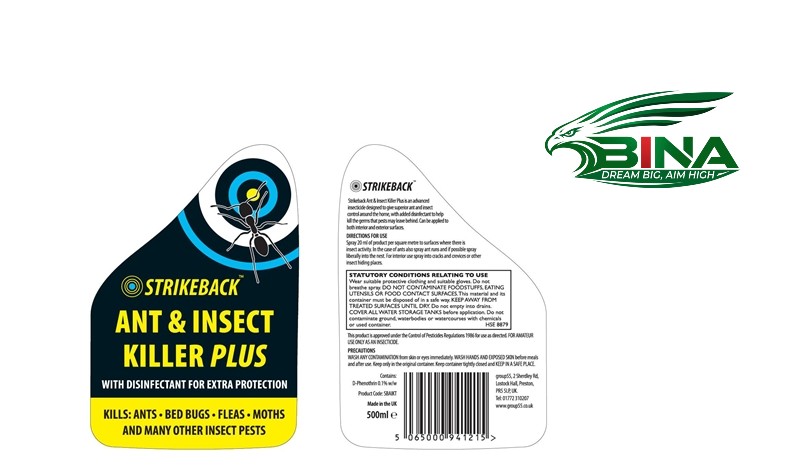
- 1. Visual Inspection: Use automated inspection equipment to verify printed text accuracy (ensuring no errors), barcode readability, and QR code scanning performance.
- 2. Packaging: Qualified labels are packaged in rolls or individual sheets and accompanied by the required certificates of conformity.
 |
Common Issues with Pesticide Labels
The main issues associated with pesticide labels include counterfeit or misused registration certificates, unauthorized changes to trade names, non-compliant labeling information (such as product names, ingredients, and toxicity classifications), exaggerated efficacy claims, and unreadable QR codes.
Compliant pesticide labels must be written in Vietnamese and include accurate information such as the pesticide name, registration certificate number, active ingredients, toxicity classification, and other mandatory details. Label information must not be altered, covered with stickers, or modified without authorization.
I. Common Violations in Pesticide Labeling
- 1. Registration Certificate Authenticity: Products without valid registration certificates, counterfeit registration certificates, or improperly used certificates. Such violations may occur among small-scale or unlicensed manufacturers.
- 2. Unauthorized Product Name Changes: Trade names that do not match the registered product names, including cases where a single registration certificate is improperly used for multiple products.
- 3. Incorrect or Incomplete Label Information: Non-compliant or inaccurate information regarding the pesticide’s common name, active ingredients, manufacturing date, contact details, product classification, warning color bands, and toxicity indicators.
- 4. Exaggerated Efficacy Claims: Making misleading claims about pest control effectiveness or illegally expanding the approved scope of application, including unauthorized crops and target pests.
- 5. QR Code Issues: Missing QR codes, unreadable QR codes, or codes that fail to provide traceable information corresponding to the product may constitute labeling non-compliance where traceability codes are legally required.
II. Essential Information on Pesticide Labels
- 1. Product Name: The common name or trade name, active ingredients, and formulation type.
- 2. Registration Certificate Number: Clearly indicate the pesticide registration certificate number and the name of the registration certificate holder.
- 3. Active Ingredients: Specify the names and concentrations of the active ingredients.
- 4. Toxicity Classification: Clearly display the applicable toxicity category, such as extremely hazardous, highly hazardous, moderately hazardous, slightly hazardous, or unlikely to present acute hazard, according to the relevant classification system.
- 5. Product Specifications and Classification: Clearly identify the pesticide category, such as insecticide, fungicide, herbicide, or other crop protection products.
- 6. Traceability QR Code: Include a scannable electronic traceability code that enables product information to be accessed and verified, where required by applicable regulations.
- 7. Safety Precautions: Clearly state the pre-harvest interval (PHI), safety precautions, and first-aid measures in case of pesticide poisoning.
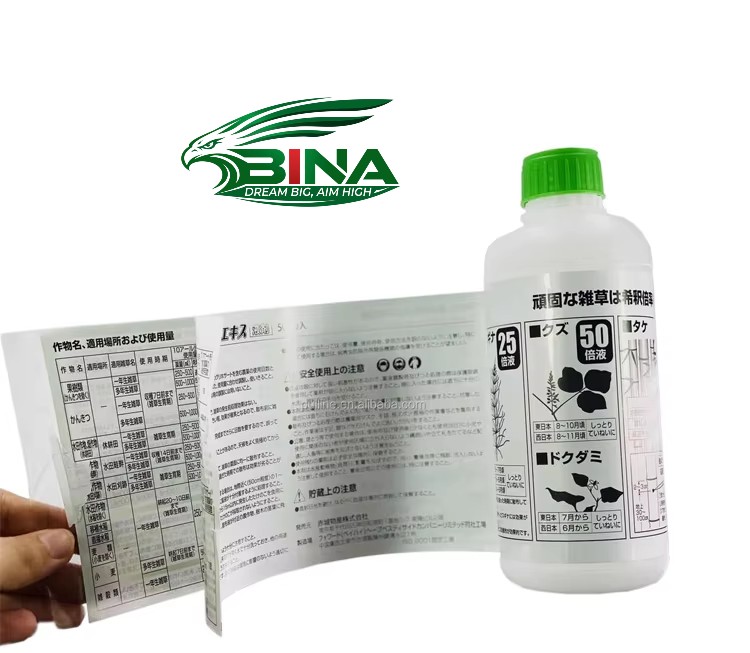 |
III. How to Identify Genuine and Counterfeit Pesticide Labels
- 1. Verify the Registration Certificate: Access Vietnam’s official pesticide registration information system to check whether the pesticide registration certificate number matches the product information.
- 2. Verify Using QR Codes: Use your smartphone to scan the QR code on the product packaging to verify the pesticide name, manufacturer, and other relevant product information.
- 3. Check Label Compliance: Examine whether the label information has been altered, whether the product carries a legally compliant label, and whether toxicity warning symbols (such as blue or black triangles, where applicable) are clearly displayed.
- 4. Inspect the Product Formulation: Check whether the physical appearance of the pesticide matches the information on the label. For example, observe whether an emulsifiable concentrate appears cloudy or whether a suspension concentrate shows signs of separation.
IV. Precautions
- 1. Reporting Substandard or Counterfeit Pesticides: If you discover that you have purchased a substandard or counterfeit pesticide, retain the original packaging, purchase receipts, and any available photo or video evidence. Report the issue promptly to the local agricultural regulatory authorities.
- 2. Restricted-Use Pesticides: Labels for restricted-use pesticides must clearly specify any crops on which their use is prohibited, along with relevant restrictions and specific safety warnings