

Description
What is PE shrink film?
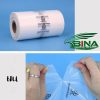
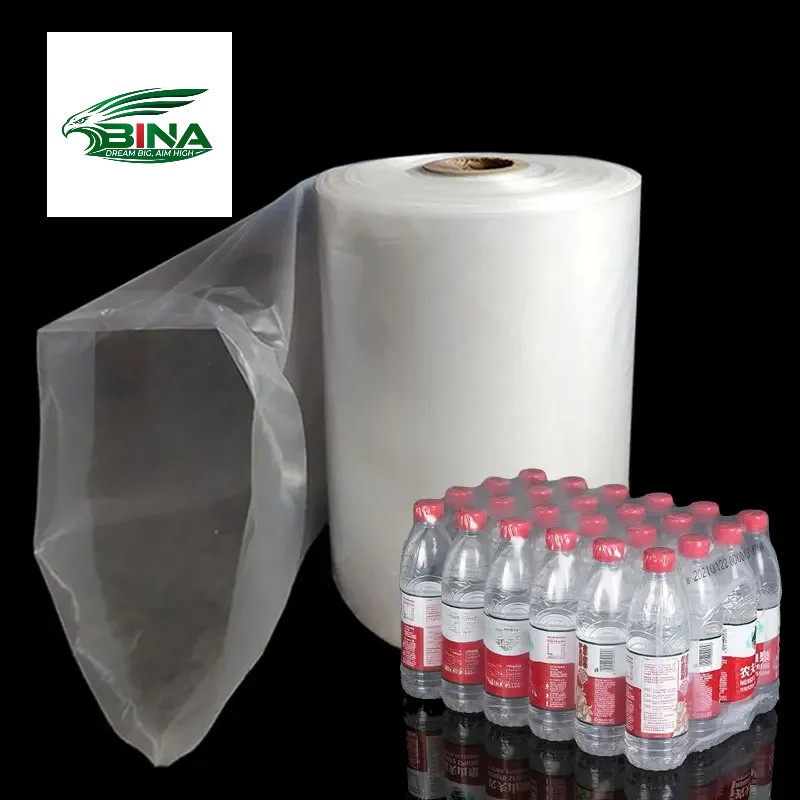
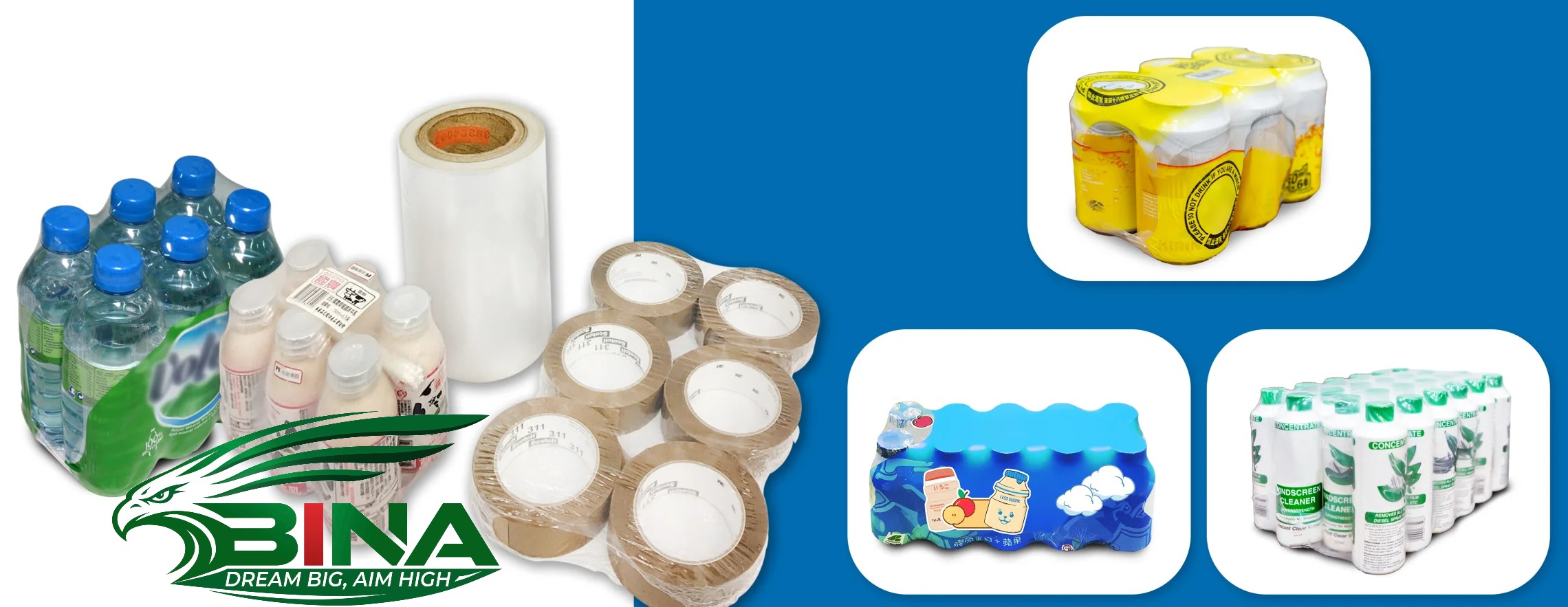
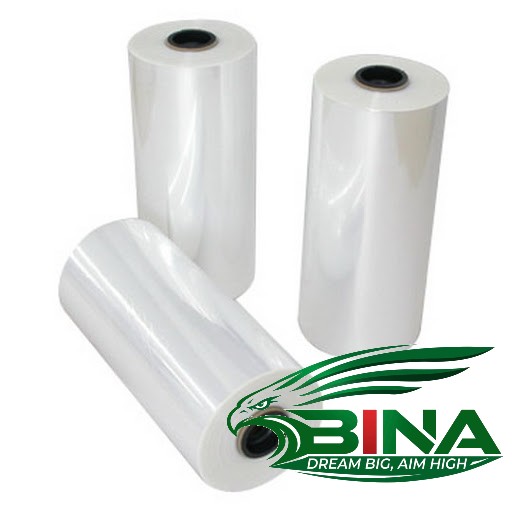
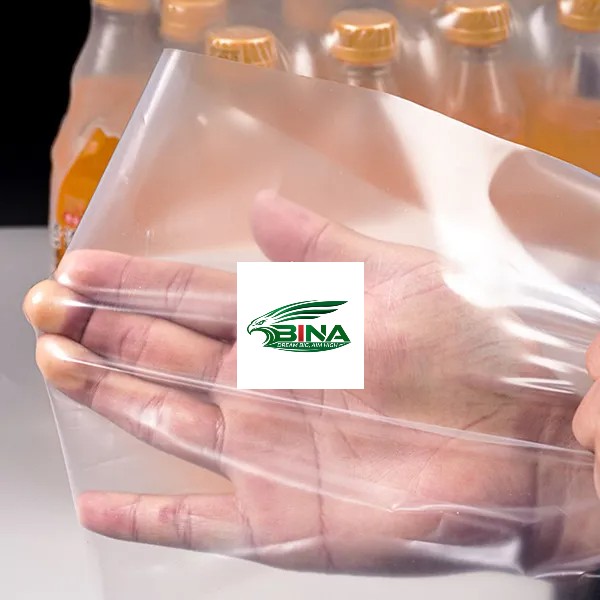
PE shrink film (polyethylene shrink film) is a transparent packaging material made primarily from low-density polyethylene (LDPE) with additives added through a blown film extrusion process. It shrinks when heated, tightly wrapping items to protect them against moisture, dust, oil and scattering. It is widely used for packaging large quantities of alcohol, beverages, mineral water, building materials and heavy industrial goods.
 |
◆Learn more:
- https://hadupack.com/san-pham/mang-co-nhiet-pvc/
- https://hadupack.com/san-pham/mang-co-nhiet/
- https://hadupack.com/san-pham/mang-cang-pe/
PE heat shrink film production process
The main production process of PE heat shrink film includes blown film extrusion, in which raw materials such as LDPE, HDPE, or metallocene PE are melted and extruded, formed under the influence of the blow-up ratio and draw ratio, undergo cooling, stretching, and in-line orientation, and are finally cooled and rewound to obtain the finished product. The key lies in the stretching and orientation process under high elasticity, which causes physical shrinkage when heated.
1. Raw material ratio
PE heat shrink film typically combines the properties of different types of PE to balance transparency, tensile strength, and shrinkage ratio:
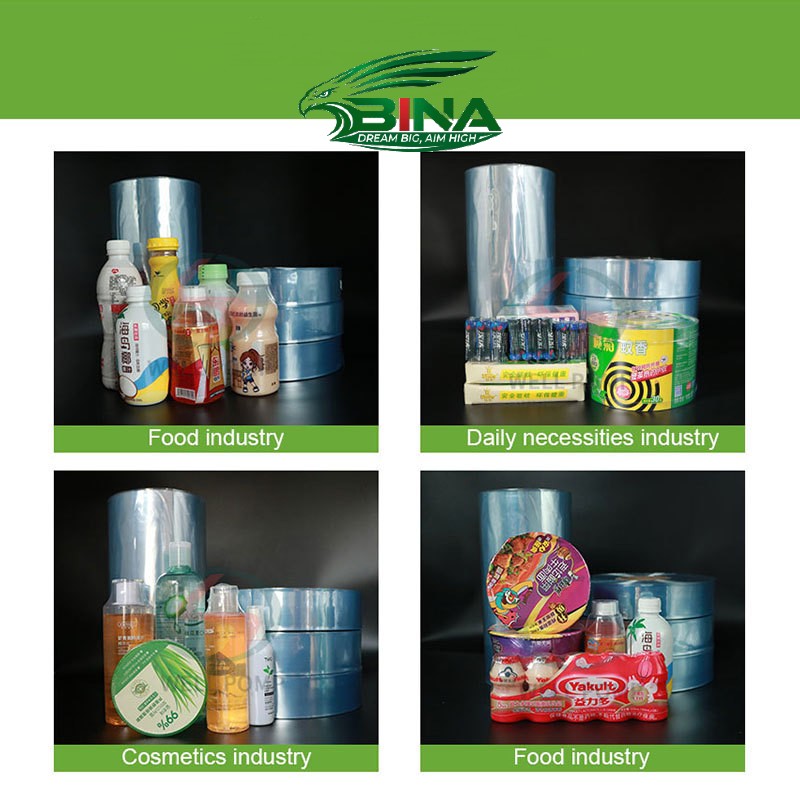
- Low-density polyethylene (LDPE): Provides good transparency and flexibility.
- High-density polyethylene (HDPE): Increases the film’s stiffness and heat resistance.
- Metallocene polyethylene (mLLDPE): Improves strength and toughness.
- Additives: Such as anti-fog agents and slip agents, are added according to the specific application.
 |
2. PE heat-shrink film production process
PE heat-shrink film is mainly produced using the blown film method (blown extrusion):
- Mixing and plasticizing: Various raw materials are added to the mixer according to the specified proportions, melted, thoroughly mixed, and plasticized at a temperature of 140-160℃.
- Extrusion: The melt enters the die head (140-150℃) through the extruder to form a film bubble.
- Blown orientation: During extrusion, compressed air is used to inflate the film bubble, while a high take-up speed is used to stretch it longitudinally and transversely. At this stage, the molecular chains are stretched and oriented in a highly elastic state, generating shrinkage force.
- Cooling and shaping: The film bubble is rapidly cooled by an air ring to fix the oriented molecular structure.
- Winding: The formed film is flattened and spread out, then wound into finished products using winding equipment.
3. Technical points of PE heat-shrink film
- Stretching technology: To ensure shrinkage performance, high-ratio longitudinal and transverse stretching is generally used, especially for orientation at temperatures above the softening temperature and below the melting temperature.
- Equipment parameters: An extruder with a large length-to-diameter ratio (L/D) is generally required to ensure thorough mixing.
- Thickness control: PE shrink film generally requires a relatively thick film to provide sufficient strength; for example, goods weighing less than 400 kg usually require a thickness of 120 μm or more.
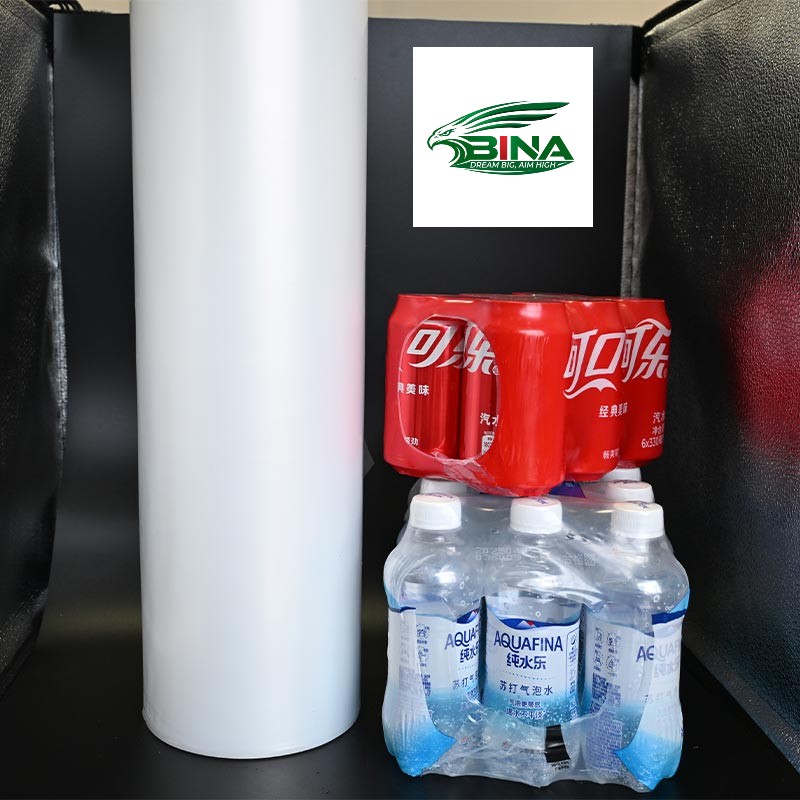
Film produced by this process has good toughness and high puncture resistance, and is widely used for the bulk packaging of beverages, building materials, chemicals and other products.
 |
Key features of PE shrink film:
- High shrinkage rate and strength: It has an extremely high shrinkage rate (0-55% horizontally, 50-80% vertically) and strong resistance to tearing and impact.
- Excellent physical properties: The shrinkage temperature is generally in the range of 150-220°C, and it is less prone to forming holes during shrinkage, allowing heavier items to be securely fixed.
- Environmentally friendly and aesthetically pleasing: It has good transparency (light transmittance of up to 80%), is non-toxic and odorless, making it an environmentally friendly and printable material.
- Low-temperature adaptability: The product has excellent cold resistance, maintaining stable physical properties even at -50°C, making it suitable for packaging frozen food for transportation.
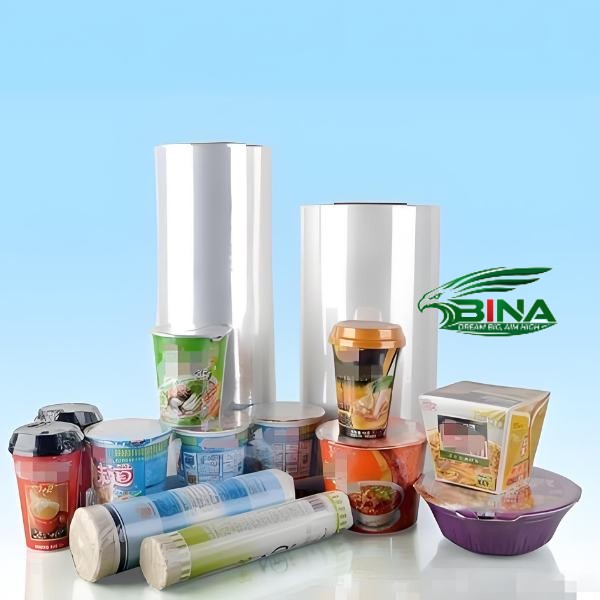
- Applications: In addition to packaging lightweight daily necessities, the product’s extremely high toughness and strength make it ideal for group packaging of canned or bottled beverages and cans, as well as industrial packaging for heavy items such as mining machinery.
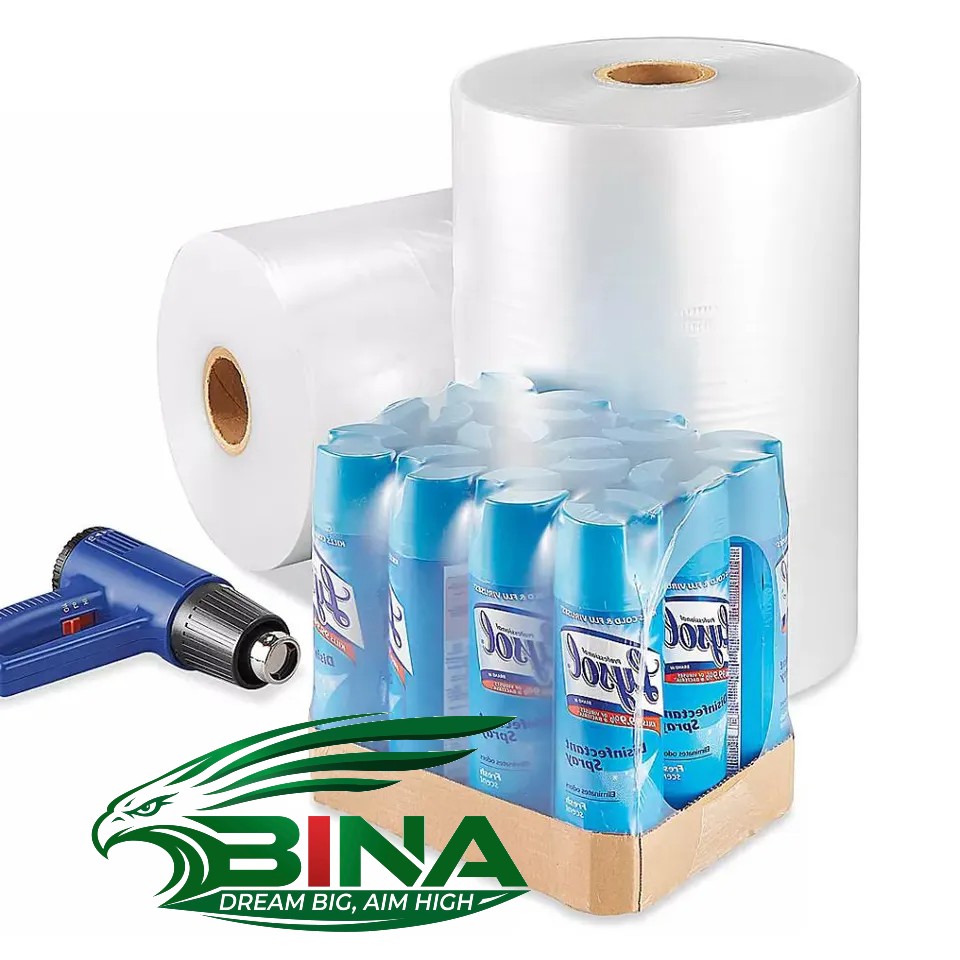
Compared with PVC film, PE shrink film has higher toughness and strength.
 |
Applications of PE shrink film
PE shrink film (polyethylene shrink film) is widely used in many industries thanks to its high strength, puncture resistance, water and dust resistance, and high shrinkage ratio. Its main applications include: bulk packaging of beverages and alcoholic drinks (replacing cardboard boxes), standard packaging for construction materials and hardware products, frozen food preservation, waterproof packaging for express delivery, and protection of outdoor machinery and equipment. Below are the detailed application areas of PE shrink film:
1. Bulk packaging of beverages, food, and consumer chemicals (Industrial Packaging)
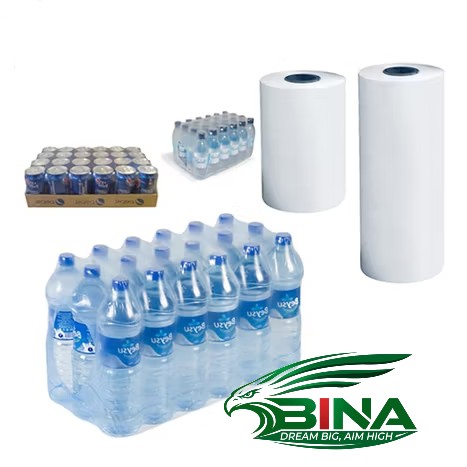
- Beverages and mineral water: Bulk packaging of bottled beverages, canned drinks, and mineral water (such as Coca-Cola, Uni-President, Wanglaoji, etc.), often combined with paper trays or virgin film for sealed packaging, replacing traditional cardboard boxes and reducing costs.
- Alcoholic beverages and food: Fully sealing cases of wine, seasonings, and fragile glass bottles for easy transportation and warehouse storage.
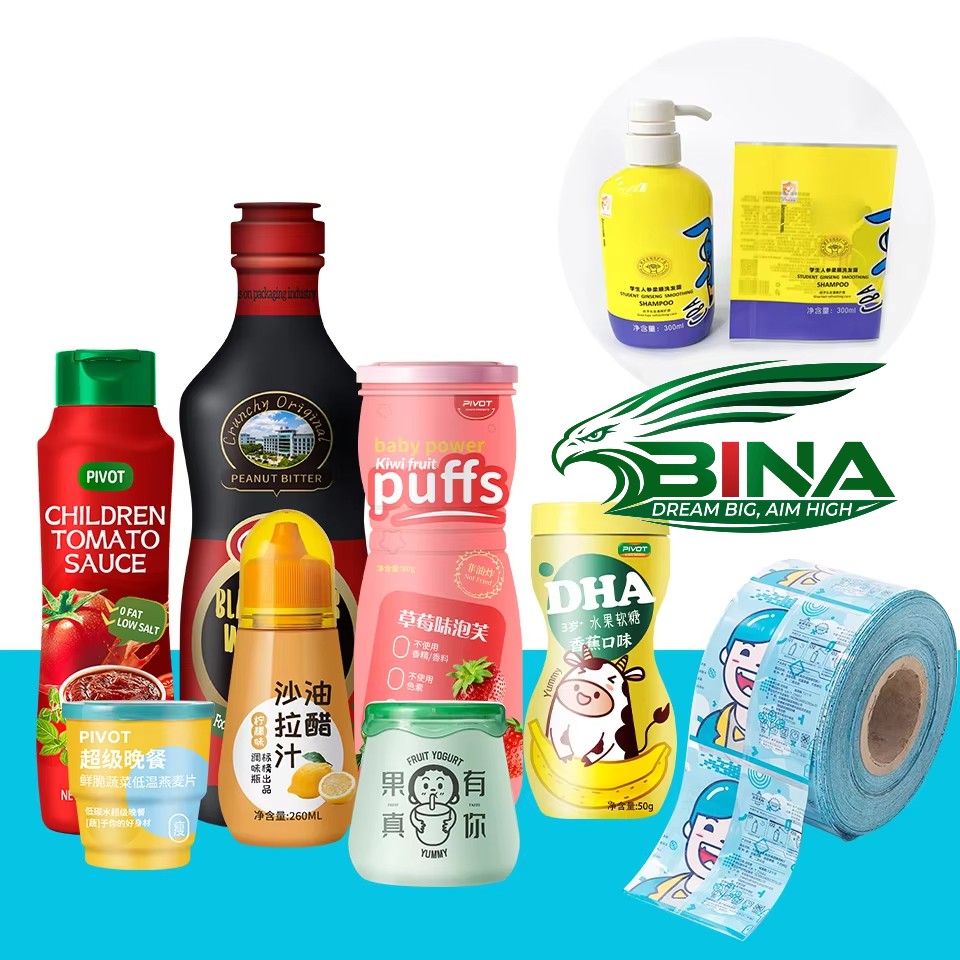
- Consumer chemicals: Combined film packaging for cosmetics, laundry detergent, shampoo, and other daily necessities, providing moisture and dust resistance.
 |
2. Transportation, protection of building materials
- Transportation and shipping: PE film is used for shrink wrapping and tightly packaging express parcels and e-commerce goods, protecting them from breakage and vibration during transportation. It is commonly used as a replacement for sealing tape.
- Building materials and hardware: Form-fitting packaging for irregularly shaped objects such as glass, aluminum profiles, cement boards, ducts and hardware tools, providing puncture resistance and robust protection.
- Large machinery/outdoor protection: Large machinery, boats and yachts stored outdoors or at sea are completely wrapped with large-sized white PE shrink film to protect against UV rays, waterproofing and rust.
3. Other specialized applications
- Electronics and household electrical appliances: Sealed packaging for electronic components, battery packs and stationery.
- Printing materials: Surface sealing of paper products such as books, flyers and cards, enhancing the perceived quality of the products.
- Customization: Custom-designed bags can be used in fields with specific hygiene standards such as medical supplies and sterilization supplies.
Summary of the advantages of PE shrink film:
- Low cost: Saves 60-75% in costs compared with carton packaging.
- Durability: High shrinkage rate (50%-80%), high rigidity, allowing products to be tightly packaged.
- Adaptability: Good cold resistance, stable at -50 degrees C, suitable for frozen foods and outdoor environments.
 |
 |
Disadvantages of PE shrink film
- The main disadvantages of PE shrink film (mainly LDPE) include: poor heat resistance (it usually deforms and softens at temperatures above 60-80°C, making it unsuitable for high-temperature environments), lower transparency and gloss compared with POF film, relatively weaker puncture and impact resistance, generally lower printability, and poorer shrinkage and forming performance compared with some specialized films. Specific disadvantages are analyzed below:
- Poor heat resistance: PE material is not heat-resistant; it usually begins to soften and deform at temperatures above 60°C, making it unsuitable for packaging products that require high-temperature sterilization or high-temperature environments.
- Insufficient transparency and surface gloss: Compared with environmentally friendly shrink films such as POF, PE shrink film generally looks more opaque and has lower transparency, resulting in packaged products that are less visually appealing.
- Limitations in physical strength and material toughness: Although it has good toughness, it has poor puncture and tear resistance and is easily torn by sharp objects.
- Poor shrinkage and forming performance: Its shrinkage rate is generally lower than that of POF shrink film or PVC shrink film, and the tightness and aesthetic appearance after packaging may not be as good as those of other materials.
- Sensitivity to the environment and odors: High-temperature processing may produce a characteristic odor, making it unsuitable for packaging items with strict odor-control requirements.
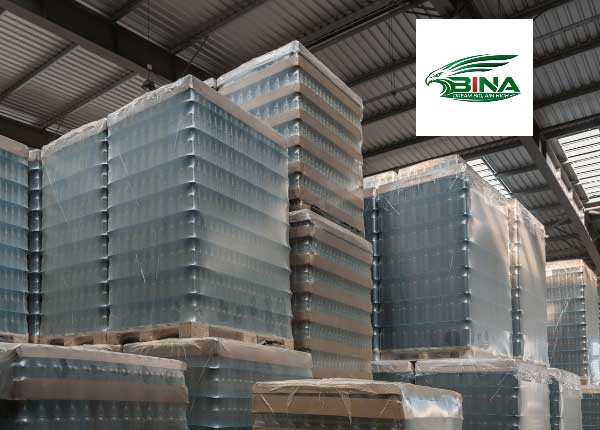
PE shrink film is commonly used for mass production, heavy-duty product packaging, or pallet packaging due to its lower cost and low-temperature resistance.
 |
Common Problems with PE Shrink Film
Common problems with PE shrink film (polyethylene shrink film) in packaging production mainly focus on film quality and shrinkage performance. Common quality issues include uneven thickness, crystalline spots/fisheyes, air bubbles, and unstable shrinkage rates. In applications, issues such as loose shrinkage, cracking, scorching, and breakage at the seal often occur. These issues are mainly related to temperature, shrinkage rate, and film properties.
Below is a detailed analysis of common problems with PE shrink film and their solutions:
1. Film Production and Quality Issues
- Uneven thickness: Characterized by large thickness differences on both sides of the film roll or at the same point. This is often caused by low efficiency of the blown film machine’s cooling system or improper adjustment of the die gap.
- Fisheyes, crystalline spots (Impurities): White spots or unmelted particles on the film surface, mainly caused by impurities in the raw materials (such as excessively high ash content) or an insufficient number of filter mesh screens.
- Air bubbles on the surface or unstable air bubbles: Caused by large fluctuations in melt temperature (>5℃) or improper control of airflow speed.
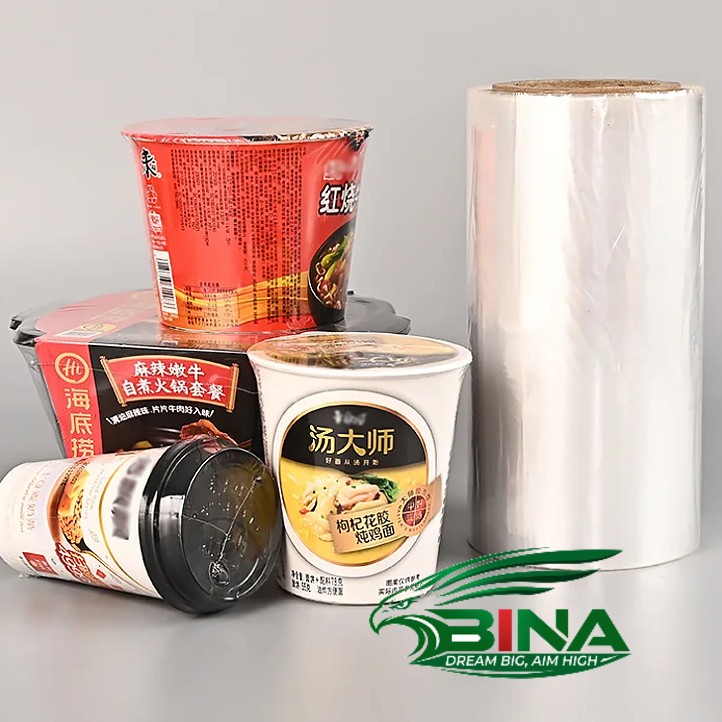
- Low transparency: Although PE itself has good ductility and strong shape-memory properties, its transparency is lower than PVC, making it prone to becoming opaque.
 |
2. Issues with the shrinkage process and applications
- Incomplete shrinkage/Loosening: The shrinkage temperature is too low, the time is too short, or the shrinkage ratio selected for the PE shrink film is inappropriate (usually 15%-30% in the transverse direction, 50%-70% in the longitudinal direction).
- Cracking/scorching: The heating temperature is too high (usually 120-180 degrees C) or the heating rate is too slow, causing localized melting of the film.
- Seal breakage: Insufficient strength due to sealing being too cold or too hot, or incorrect sealing parameter settings.
- Film brittleness: Low storage temperature or improper addition of antioxidants, resulting in poor performance at low temperatures.
3. Common causes and solutions
- Raw material formulation: Ensure the use of high-quality low-density polyethylene (LDPE) or linear low-density polyethylene (LLDPE).
- Production process: Ensure stable barrel and die-head temperatures, uniform cooling airflow, and improved stability of the draw speed.
- Operation: For shrink tunnels or hot air guns, the heating time and temperature must be controlled. It is recommended to rotate the packaged product to ensure even heating.
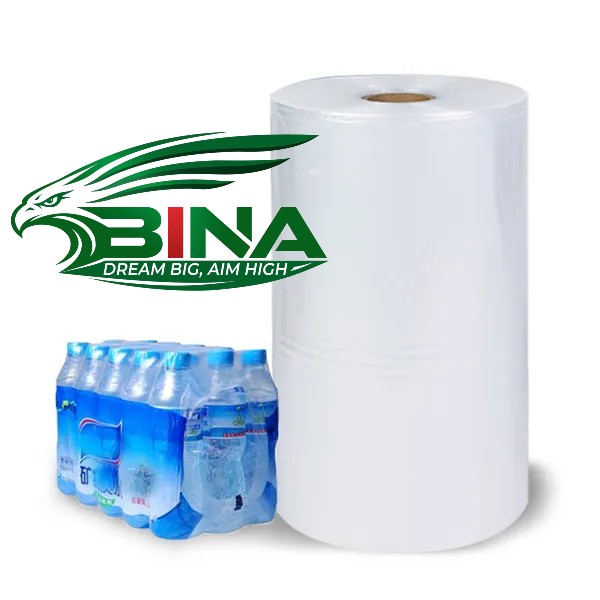
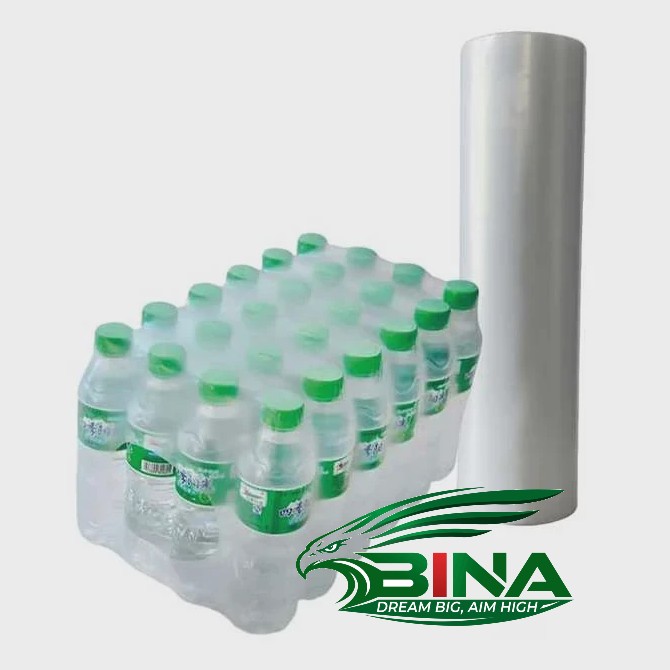
PE shrink film is mainly used for packaging wine, cans, various plastic products, beverages, building materials, etc., and has good impact resistance and cushioning properties.
 |
 |
Comparison of PE shrink film and PVC shrink film
The main differences between PE (polyethylene) shrink film and PVC (polyvinyl chloride) shrink film lie in their environmental friendliness, physical properties, and applications.
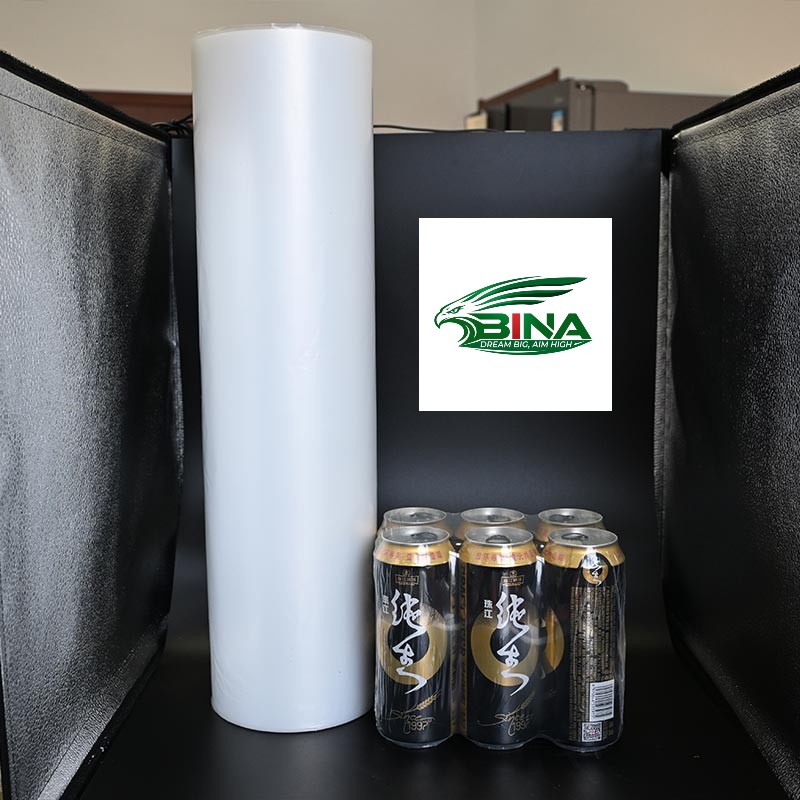
- PE shrink film is an environmentally friendly material with high durability and low-temperature resistance (around 100°C), making it suitable for packaging heavy products such as beverages, building materials, etc.
- PVC shrink film has high transparency, is harder and more brittle, is prone to tearing at low temperatures, and produces toxic gases during processing. It is commonly used for lightweight packaging of products such as food, stationery, etc., but is gradually being phased out.
 |
1. Detailed comparison table of PE shrink film and PVC shrink film
| Characteristics | PE (polyethylene) shrink film | PVC (polyvinyl chloride) shrink film |
| Protect the environment | Non-toxic, environmentally friendly, and compliant with FDA standards. | Toxic gases generated during the production/processing process and are gradually being phased out. |
| Material properties | Soft material, excellent durability and high tear resistance. | This material is relatively hard and brittle, with high transparency but a slightly yellowish tint. |
| Low-temperature resistance | Excellent cold resistance ( ), does not become stiff | It becomes brittle at low temperatures and is not suitable for use in freezing environments. |
| Contractile force | Low shrinkage rate (about 20%) and relatively small. | This material has a high shrinkage rate and is suitable for complex shapes. |
| Protect | The four corners of the patch are soft and will not cut your hands. | The welded edges are very hard and sharp, and can easily cut people’s hands. |
| Application areas | Heavy products such as beverages, mineral water, alcoholic drinks and construction materials. | Food, stationery, gifts, bottle cap packaging |
2. In-depth analysis of core characteristics
Advantages of PE shrink film:
- Cold resistance and high durability: PE film retains its toughness and is not easily torn even in freezing or cold weather conditions in northern regions, making it ideal for cold-chain transportation.
- Wide range of applications: Thanks to its abrasion resistance and resistance to wrinkling and crushing, it is suitable for large-scale automated packaging lines.
Advantages of PVC shrink film:
- Packaging appearance: Although it is gradually being phased out, PVC shrink film offers high transparency, good gloss, and tighter sealing.
- Handling performance: Due to its relatively rigid material, it provides a more aesthetically pleasing packaging appearance for lightweight products that do not require high impact resistance.
 |
 |
3. Differences in application scenarios
- Applications of PE film: Mainly used for products requiring heavy-duty packaging and logistics transportation, such as carton packaging for canned beverages, large household appliances, and building materials.
- Applications of PVC film: Mainly used for sealing various stationery products, books, medicines, and bulk plastic products in supermarkets, or for items requiring high transparency for display.
In summary, if you prioritize the safety and durability of packaging for transportation and logistics, you should choose PE shrink film; if you require high transparency and the goods are lightly packaged and do not require highly elastic materials (non-frozen goods), you can use PVC shrink film.