


Description
What is an ESD anti-static plastic tray?
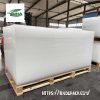
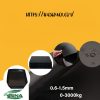
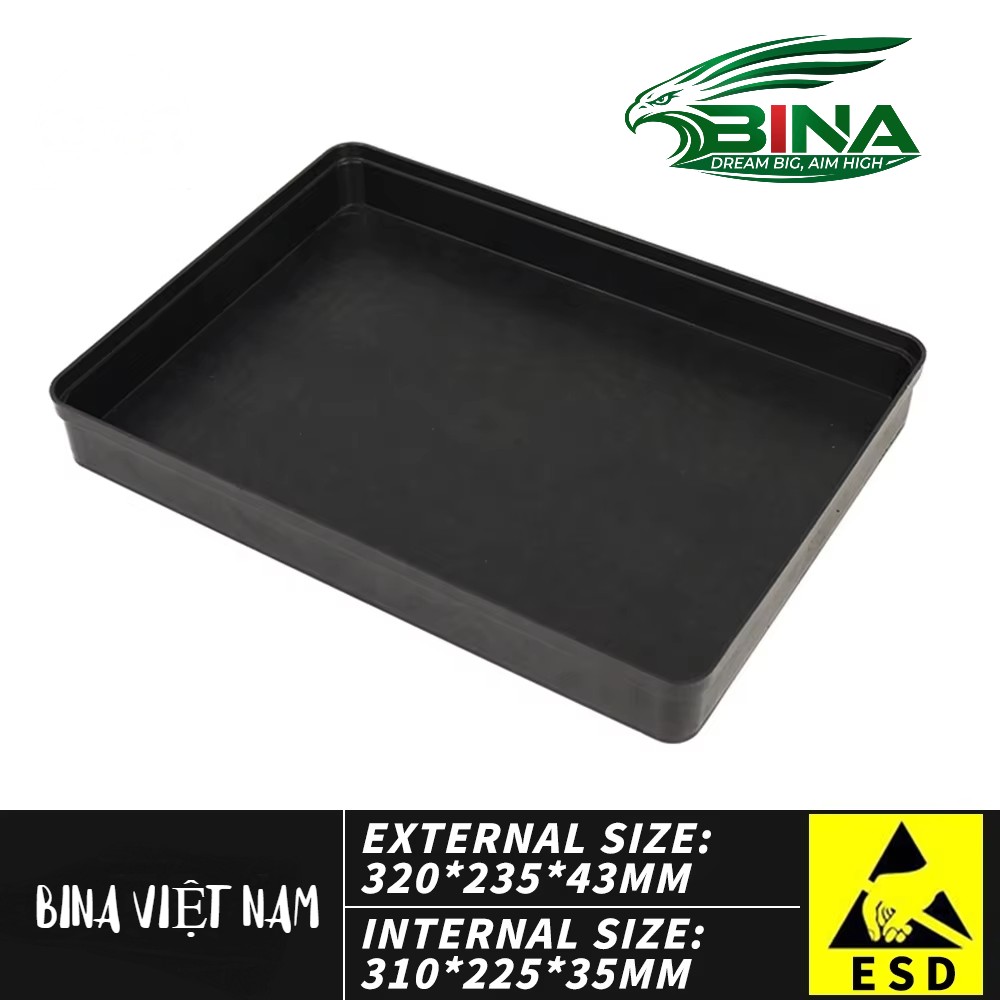
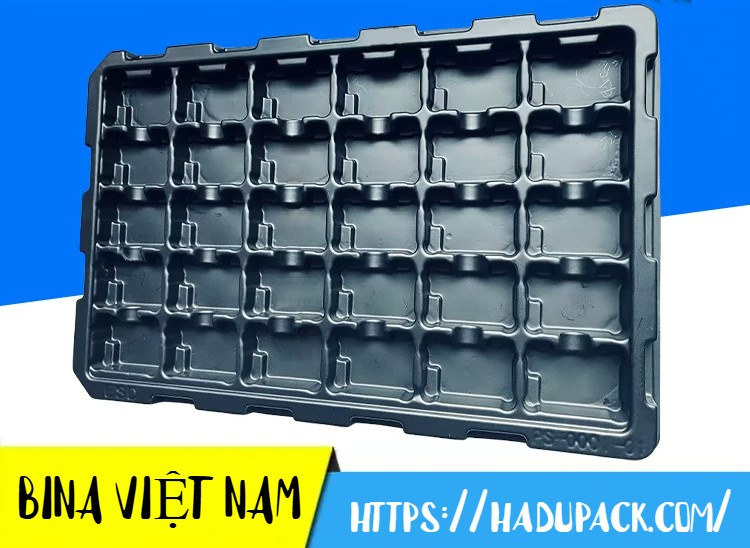
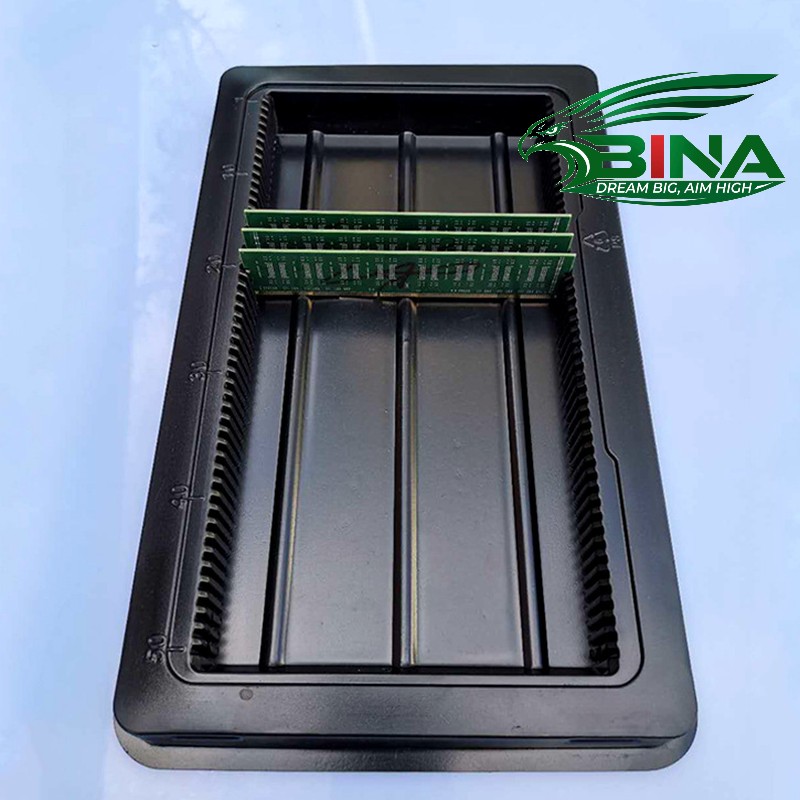
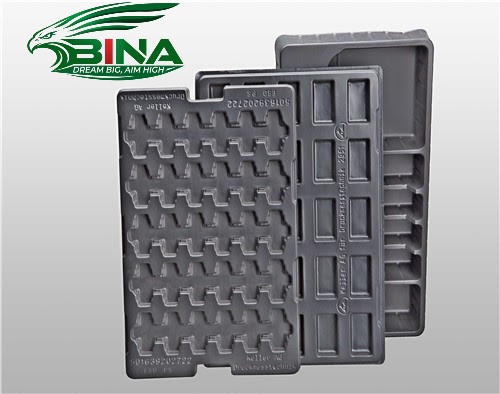
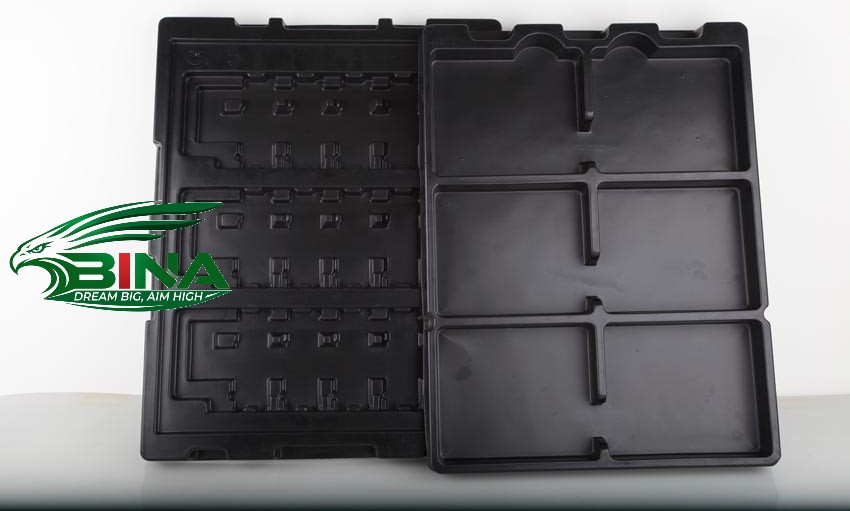
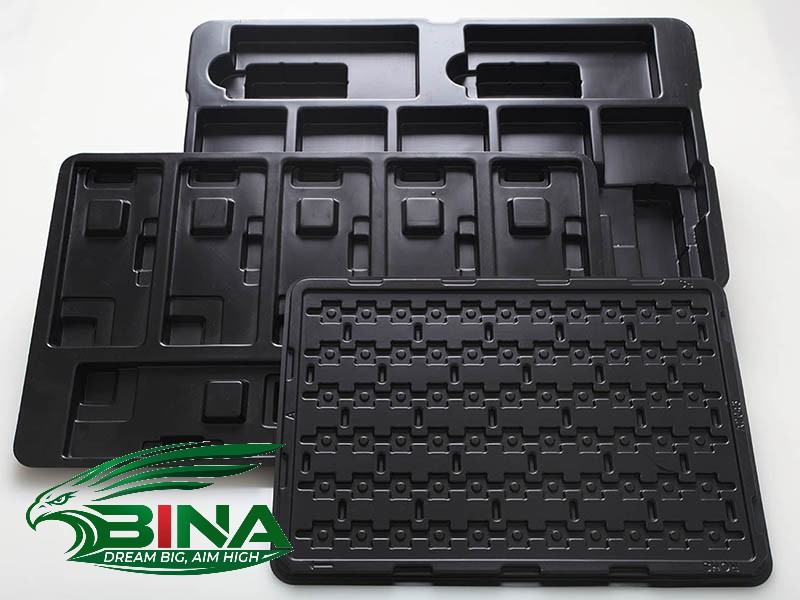
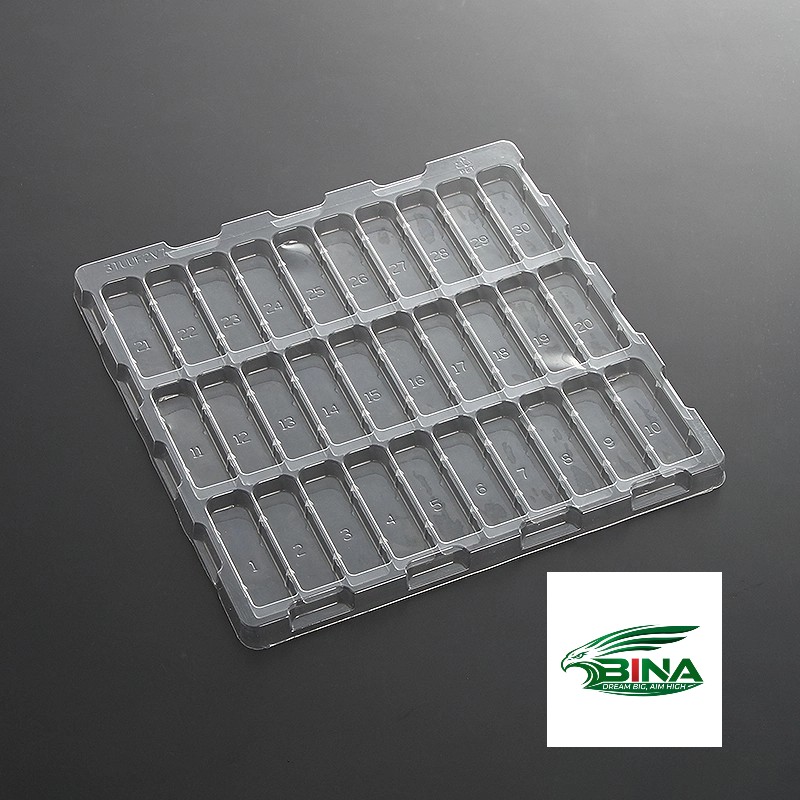
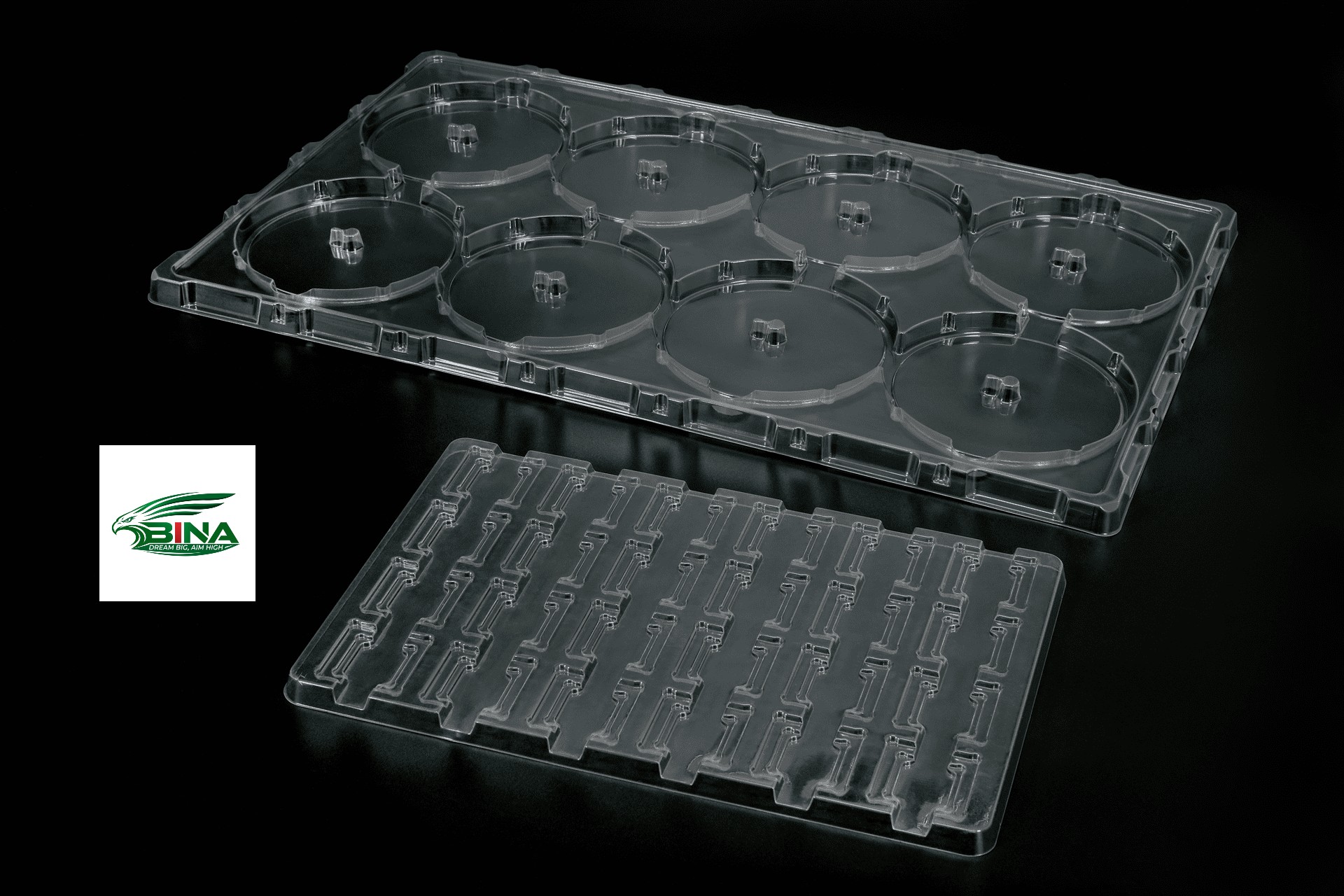
An anti-static plastic tray (ESD tray) is a storage and handling tool for electronic components made from PP/PS plastic with added conductive or anti-static additives. Its surface resistance is typically in the range of 10 to the power of 4 – 10 to the power of 11. It effectively dissipates static electricity, preventing damage to electronic components during production, packaging, and transportation. It is commonly used for electronic component packaging, circuit board handling, and SMT processes. ESD handling trays and anti-static blister trays are also similar products.
 |
☞See more:
- https://hadupack.com/san-pham/giay-chong-tinh-dien/
- https://hadupack.com/san-pham/xe-day-chong-tinh-dien/
- https://hadupack.com/san-pham/gang-tay-chong-tinh-dien/
I. Characteristics and functions of anti-static plastic trays
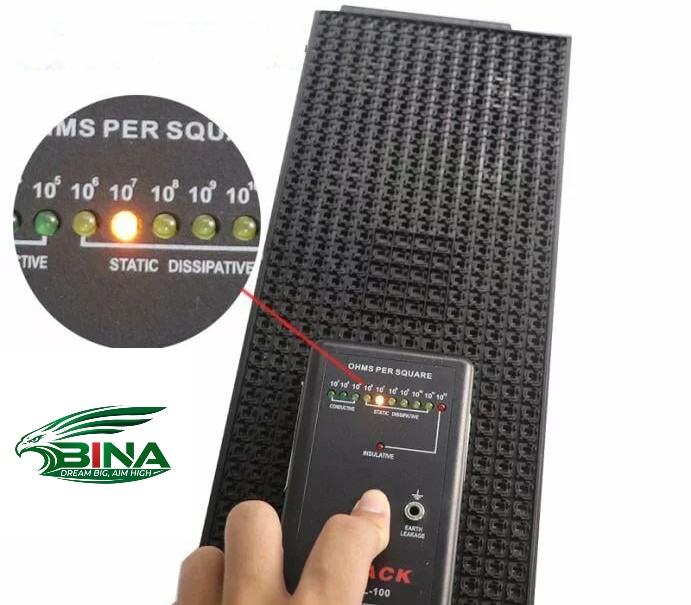
- Static dissipation capability: Quickly conducts static electricity to ground. Surface resistance is typically controlled within 10 to the power of 6 – 10 to the power of 11 (anti-static) or 10 to the power of 4 – 10 to the power of 6 (conductive).
- Component protection: Prevents voltage incidents or damage to small and fragile electronic components caused by electrostatic discharge (ESD).
- Material: Usually made from PP (polypropylene) or PS (polystyrene), manufactured through thermoforming or injection molding processes.
- Permanent: If special permanent conductive materials are used, anti-static performance will be less affected by temperature and humidity.
 |
II. Common applications of ESD anti-static trays
Anti-static plastic trays are widely used in industrial environments sensitive to static electricity:
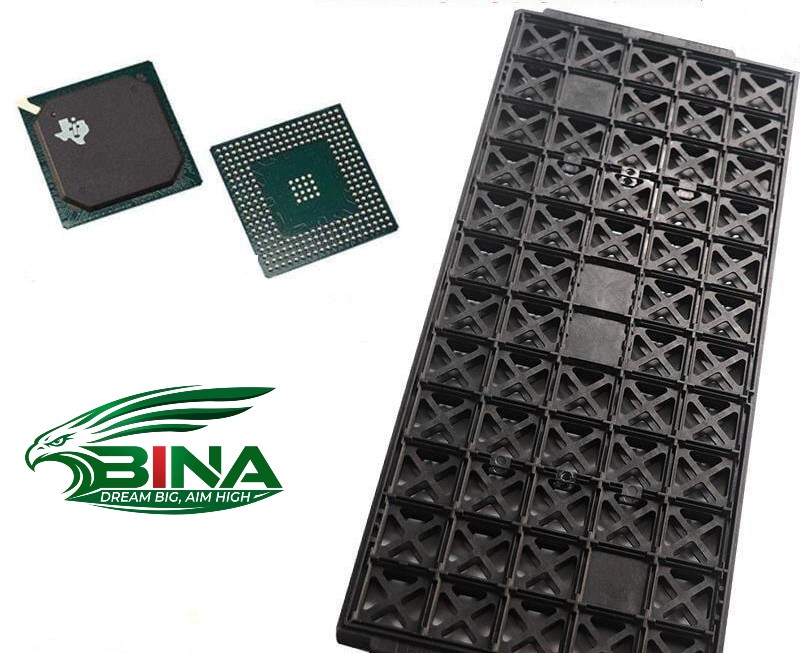
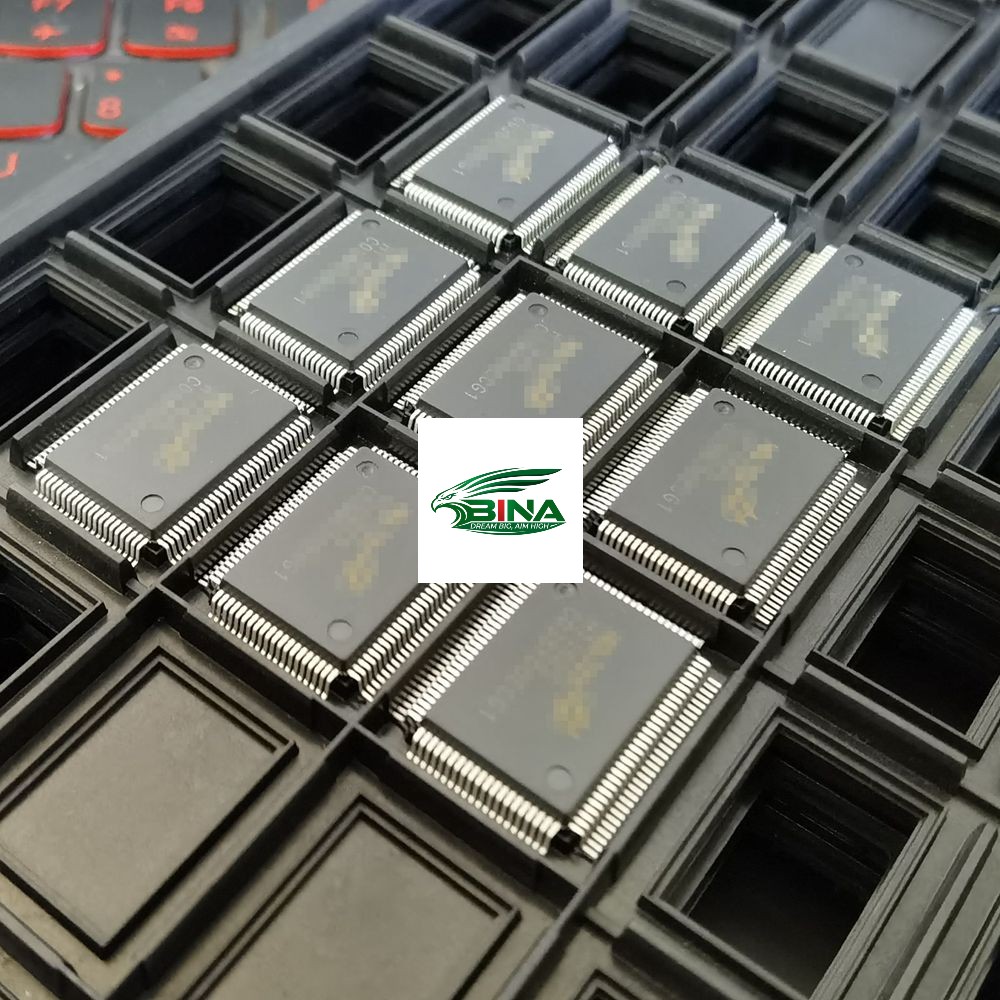
- Electronic component storage: Used for handling and storing components such as IC chips, diodes, transistors, etc.
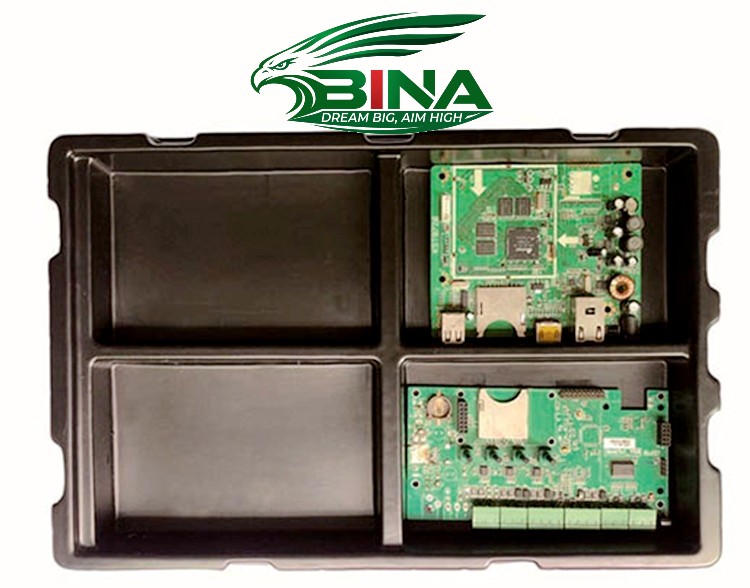
- Production line transportation: Used to transport and transfer PCB boards and microprocessors during the manufacturing process.
- Automotive parts packaging: Used for transport packaging of electronic components or precision sensors.
- Vacuum suction cup applications: Used to secure components in ultra-precision processing such as semiconductor manufacturing.
 |
 |
III. Synonyms and alternative names
- ESD tray (anti-static tray)
- Anti-static blister tray
- Conductive tray (usually referring to the low-resistance type)
- Anti-static component tray
- Anti-static shipping tray
Anti-static plastic trays are core consumable materials that ensure “potential equalization” in electronic products during the manufacturing process and prevent damage caused by instantaneous electrostatic discharge.
 |
ESD anti-static plastic tray production process
The production process of anti-static plastic trays is primarily intended to give plastic materials the ability to conduct electricity or dissipate static electricity, thereby protecting electronic components from damage caused by static electricity. The core production process is divided into two aspects: material improvement and forming process.
 |
I. Technology for improving antistatic materials (How antistatic functionality is created)
Antistatic plastics commonly use polypropylene (PP) or polyethylene (PE) as the base material, with conductive substances added in the following ways:
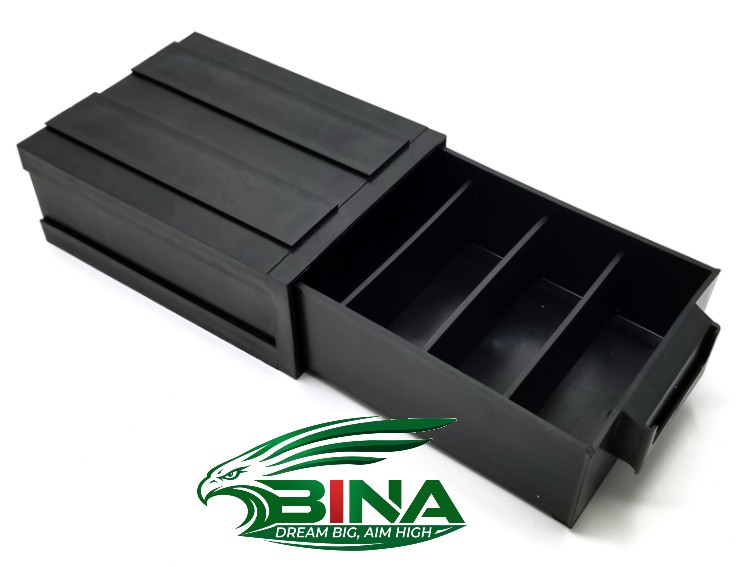
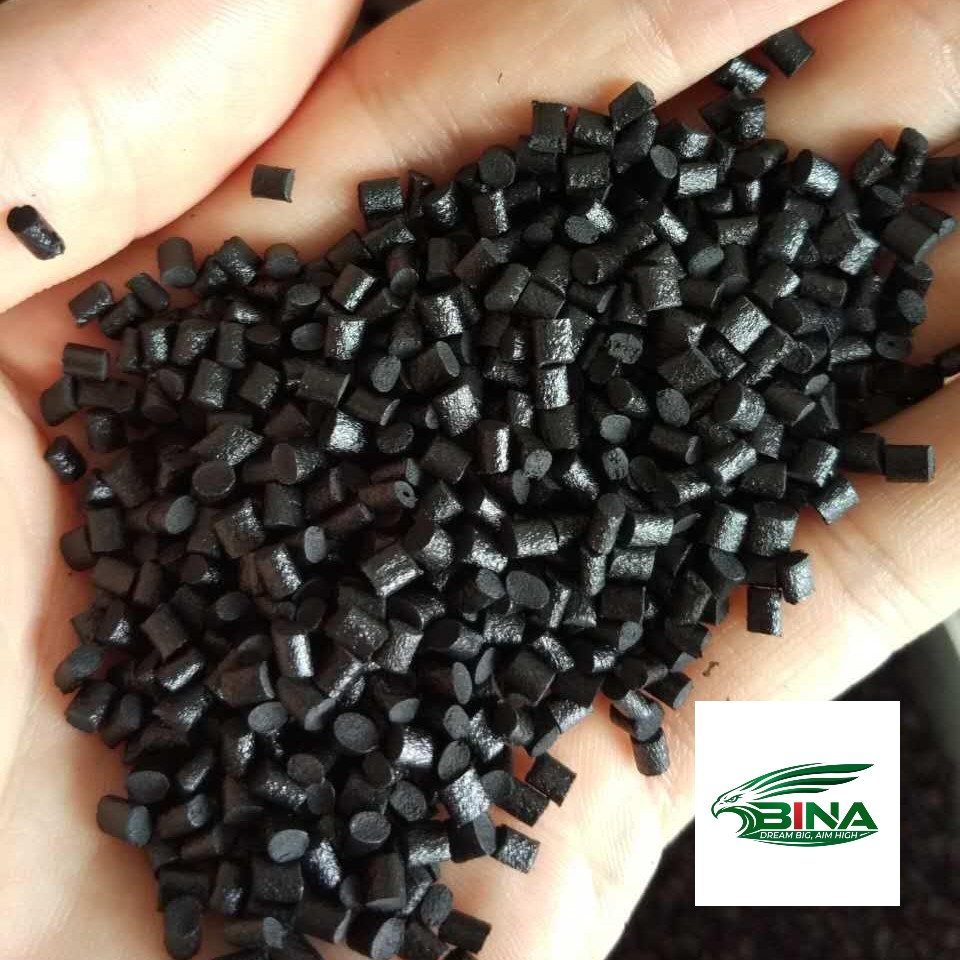
- Permanent antistatic protection (adding conductive fillers): Conductive additives such as metal powder, carbon fibers, and carbon black are added to the plastic raw materials to create a conductive or permanently antistatic masterbatch, which is then processed. This method provides long-lasting and stable antistatic performance.
- Coating technology (surface treatment): The surface of ordinary molded plastic trays is sprayed or dipped with an antistatic liquid. This method has low production costs, but its durability is poor and it is easily damaged by friction or cleaning.
 |
II. Molding and Production Processes (How Trays Are Manufactured)
Common production processes for anti-static plastic trays include:
Injection Molding:
- Principle: Molten plastic mixed with conductive materials (such as printing ink) is injected under high pressure into a precision tray mold and then cooled to form the tray.
- Features: High structural strength, smooth surface, sturdy and durable, with strong load-bearing capacity. Suitable for storing electronic components that need to be used for a long time.
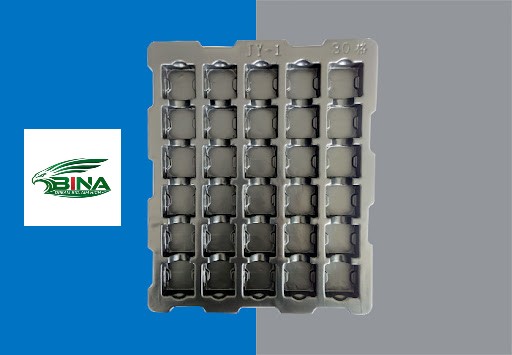
Blister/Vacuum Forming:
- Principle: The anti-static plastic sheet is heated and softened, then formed against the mold using vacuum suction. After cooling, a thin tray is formed.
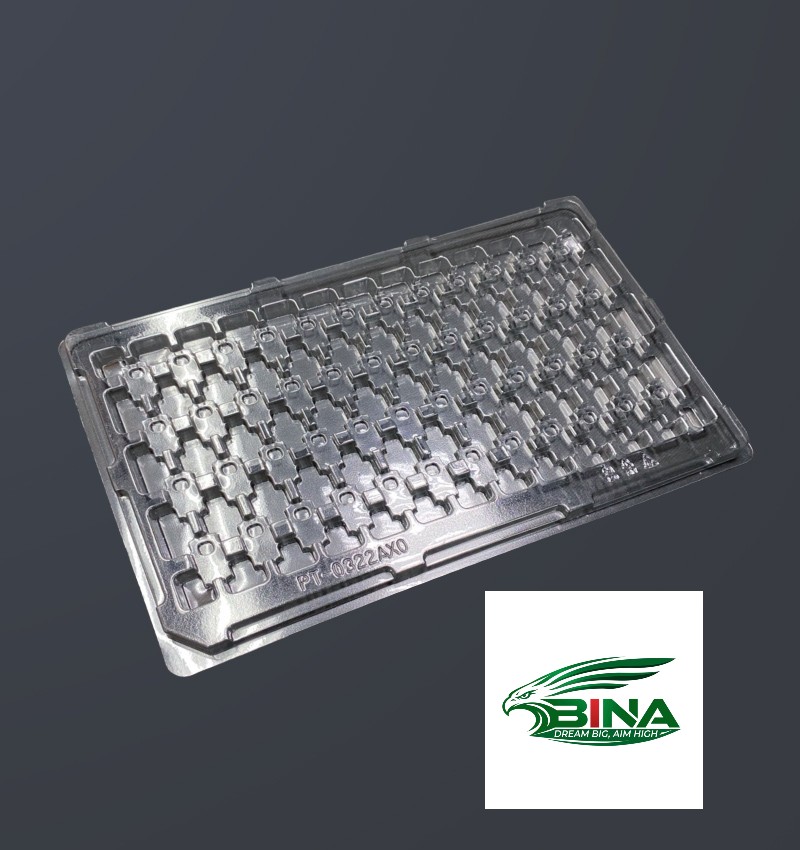
- Features: Suitable for making trays for lightweight components with complex shapes (ESD blister trays), commonly used for packaging and transporting electronic components.
Blow Molding:
- Principle: Molten plastic material is extruded into a mold, compressed air is blown in to make the plastic adhere to the mold walls, and then it is cooled to form the tray.
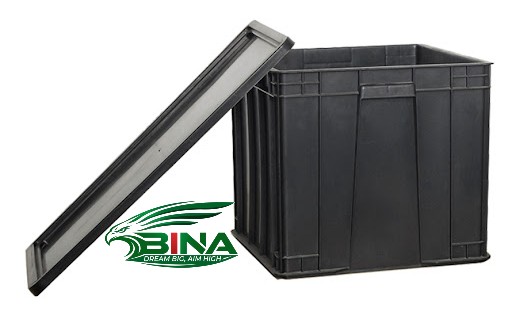
- Features: Suitable for producing hollow, complex, heavy-duty pallets with high strength.
 |
 |
III. Summary of the production process
Production of modified plastic pellets:
- Plastic raw materials (PP/PE) + carbon black/conductive carbon fibers + additives
- Extrusion and pelletizing
- Antistatic and conductive modified material.
Molding:
- Modified material
- Placed into a mold (injection molding) or sheet heating (compression molding)
- Cooling and shaping.
Post-processing:
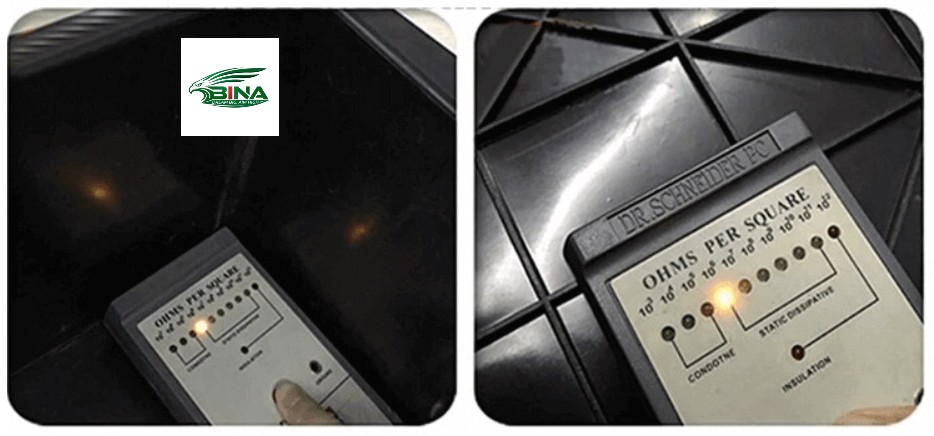
Remove flash, check antistatic performance (surface resistance testing), clean, package.
IV. Anti-static performance specifications
High-quality anti-static plastic pallets typically have the following characteristics:
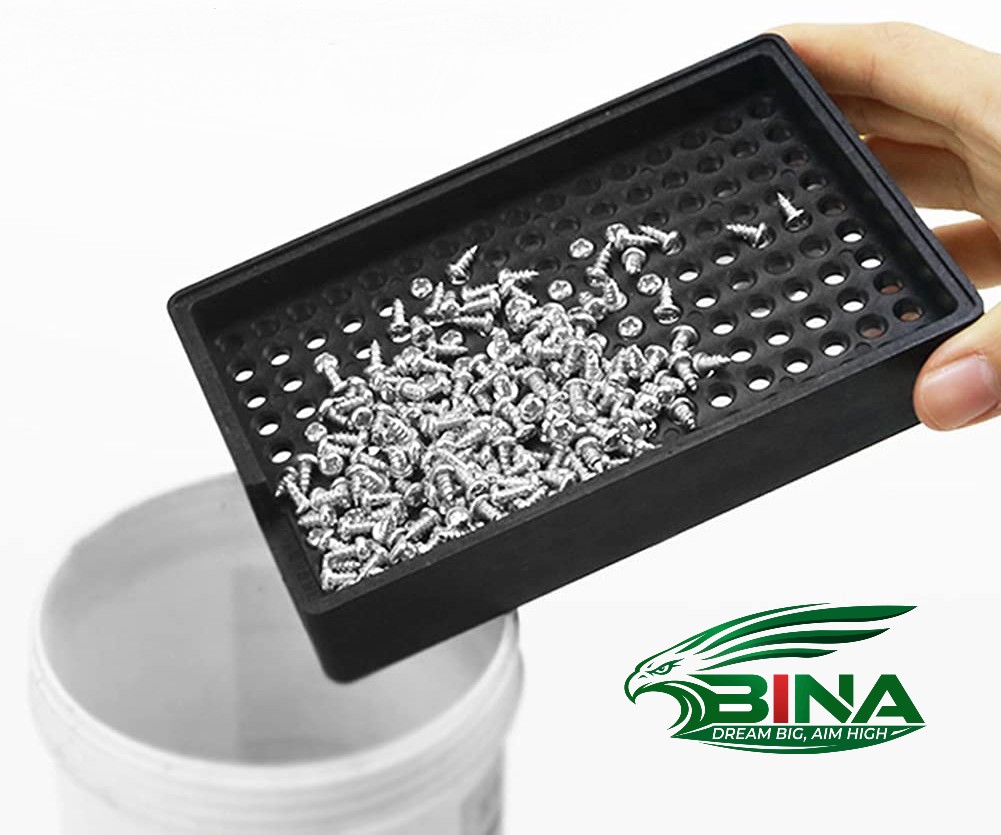
- Electrical conductivity: Surface resistivity is typically between 10 to the power of 4 – 10 to the power of 6 (conductive) and 10 to the power of 6 – 10 to the power of 9 (dissipative).
- Stability: Pallets with added carbon fibers and other substances exhibit permanent anti-static properties.
 |
 |
Common Issues in the Production of Anti-Static Plastic Trays
When producing anti-static plastic trays (typically blister trays), common issues involve multiple aspects, such as performance degradation, structural design, processing technology, and raw material properties. The following are some common issues:
1. Unstable or Lost Anti-Static Performance
- Environmental humidity: Anti-static agents (internal additives or surface coatings) are highly sensitive to humidity. In overly dry environments, anti-static performance will decrease.
- Loss of surface coating: For trays coated with liquid anti-static agents, after washing, cleaning, or prolonged friction, the anti-static liquid may dissolve or wear off, resulting in increased resistance and loss of anti-static effectiveness.
- Softening at high temperatures: Excessively high temperatures may soften the plastic material, leading to reduced stability of the anti-static coating and even changes in the structure of the permanent conductive material.
 |
 |
2. Structural Design and Physical Performance Defects
- Deformation and warping: Internal stresses may develop during cooling after molding, or uneven thickness may cause twisting and deformation after demolding, making the tray unusable.
- Bubbling/Microcracks during vacuum forming: Insufficient drying of the material or improper heating temperature control may cause bubbles, voids, or microcracks on the formed surface (commonly seen with PET or PVC materials).
- Insufficient load-bearing capacity: An unreasonable tray structural design (e.g., shallow ribs) may cause the product to collapse or break when holding heavy items or when stacked.
3. Production Process Control Issues
- Uneven thickness: Improper mold design or inadequate control of vacuum forming pressure may result in material that is too thin at the corners or bottom, affecting strength.
- Difficulty in demolding: If the draft angle is not designed properly, the tray may become stuck in the mold; forceful demolding may cause product deformation or damage.
- Material aging and breakage: Selecting unsuitable raw materials or mixing in too much recycled material may cause the tray to become brittle and prone to breaking during use.
 |
4. Limitations of the application environment
- Triboelectricity: Although it has antistatic properties, slight static charge accumulation may still occur when it is frequently rubbed against certain materials.
- Brittleness at high and low temperatures: In low-temperature environments, some plastic materials become brittle and rigid, reducing their impact resistance.
Proposed solutions:
- Ensure the use of permanently antistatic plastic materials (by adding permanent conductive carbon black or permanent antistatic agents), rather than relying solely on surface coatings.
- Strictly control the humidity and temperature of the production environment.
- Optimize the vacuum forming mold design and add reinforcing ribs to improve structural strength.
 |
Tips for choosing ESD anti-static plastic trays
- When choosing an anti-static plastic tray, prioritize the “resistance range” to meet the product’s level of protection (usually 10 to the power of 6 ~ 10 to the power of 9) or 10 to the power of 9 ~ 10 to the power of 11
- Second, confirm the dimensions, load-bearing capacity, stacking stability, and environmentally friendly materials (PS, PP, PET). Finally, consider the cost and the supplier’s reputation to ensure that the material has permanent conductivity or highly effective static dissipation capabilities.
 |
Here are the detailed selection guidelines:
1. Core indicator: Antistatic performance (Resistivity)
- Conductive trays (10 to the power of 4 – 10 to the power of 6): Low resistance, quickly dissipate static electricity. Suitable for high-precision electronic components and semiconductors.
- Antistatic trays (10 to the power of 6- 10 to the power of 11): Prevent the generation and release of static electricity, suitable for packaging ordinary electronic components. Commonly used for surface-mount trays.
- Testing standard: Confirm whether the material is “permanently conductive (e.g.: contains conductive carbon black inside)” or “temporarily antistatic (e.g.: has an external antistatic coating).”
2. Material classification and characteristics
- PS (Polystyrene): The most common blister packaging material, rigid and inexpensive, but relatively brittle.
- PP (Polypropylene): Highly resistant to heat and chemicals, tough, suitable for environments requiring cleaning.
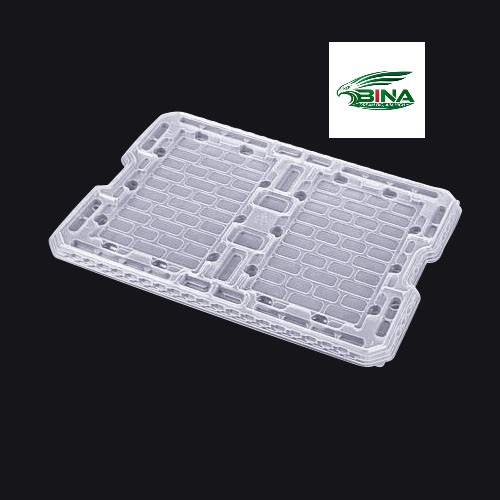
- PET (Polyester): Highly transparent, environmentally friendly, but has poor heat resistance.
- PVC (Polyvinyl Chloride): Affordable, but less environmentally friendly, with applications gradually declining.
 |
 |
 |
 |
3. Design Structure and Usage Requirements
- Dimensions and technical specifications: Accurately measure the length, width, and depth according to the specifications of the electronic product to be packaged.
- Load-bearing capacity: If stacking is required, ensure the tray material is thick enough to prevent deformation that could affect electrostatic shielding effectiveness.
- Stacking stability: Choose trays with grooves and lifting/lowering structures to ensure they do not wobble when stacked.
4. Other Precautionary Measures
- Environmental protection: Ask the seller whether the material complies with RoHS 2.0 certification, especially for products with external antistatic agents, as these substances may have expired.
- Factory visit: It is recommended to find a manufacturer with professional thermoforming capabilities to verify the accuracy of the antistatic resistance measurement method.
- In summary, during the production of electronic and IT products, properly selecting antistatic trays can significantly reduce the risk of component damage caused by static electricity.
Detailed information about Hadupack from us
 |