


Description
What is custom printing on shopping bags?
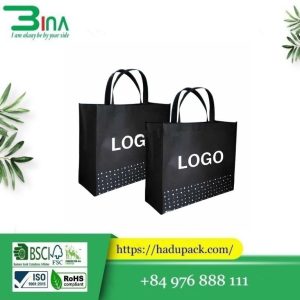
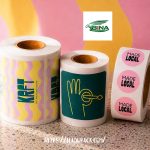
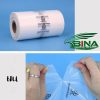
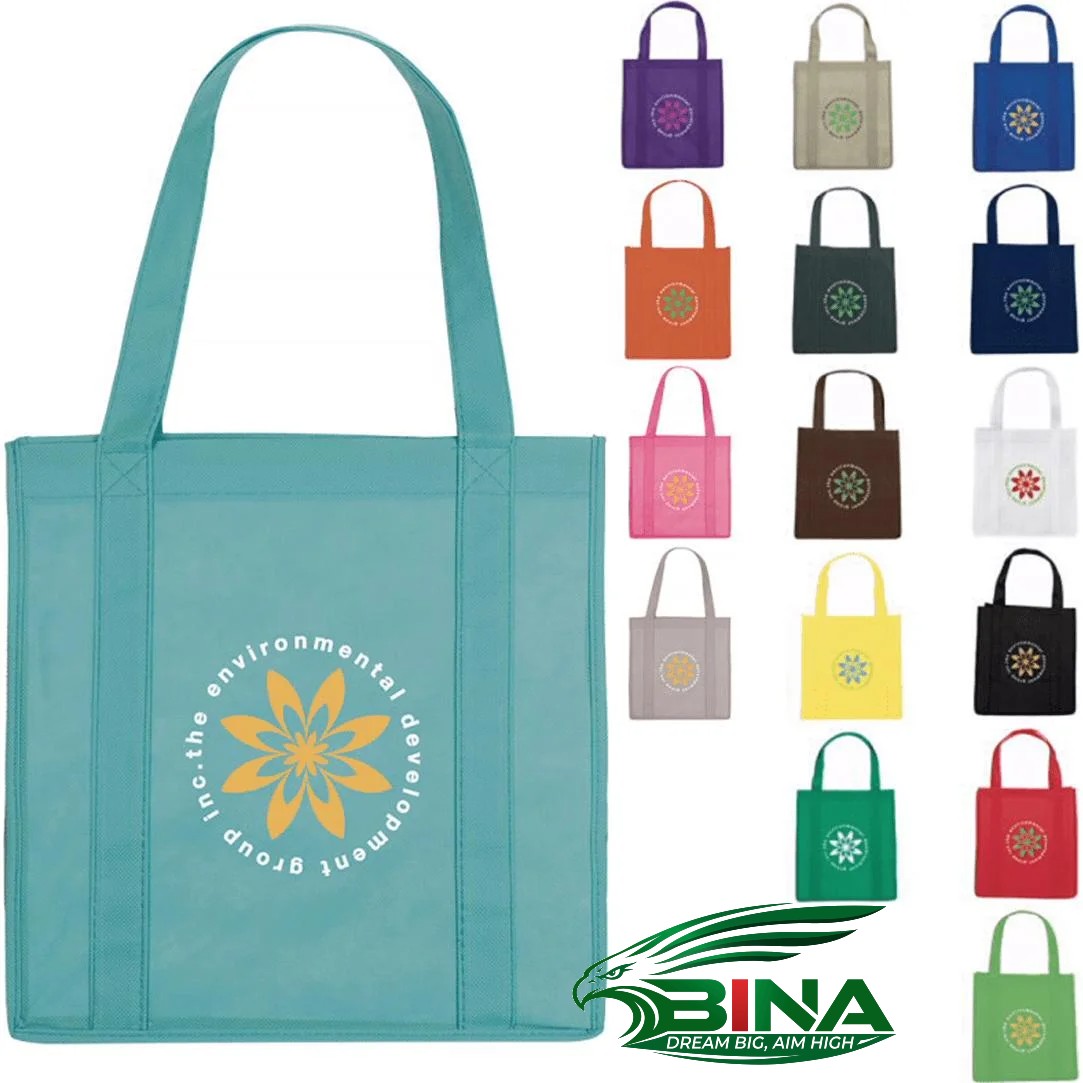
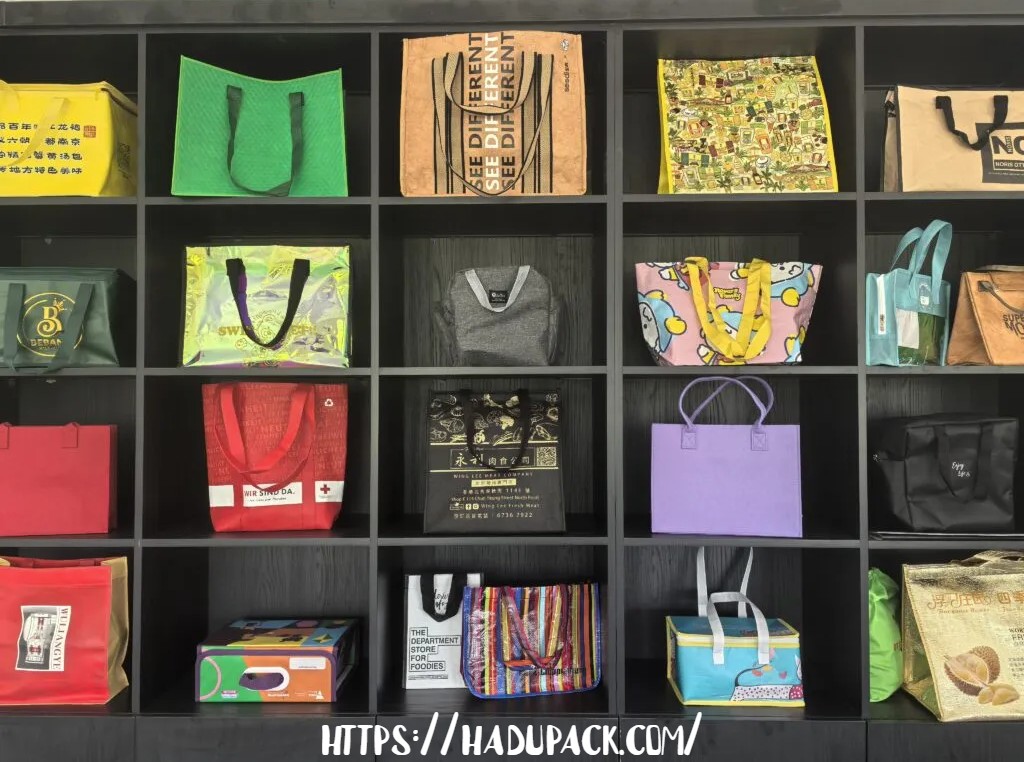
Custom printing on shopping bags is a service that prints brand logos, patterns, promotional messages, or barcodes onto shopping bags made from materials such as plastic, non-woven fabric, or canvas. This is an effective form of advertising, aimed at enhancing brand image, conveying store information, and leveraging the reusable nature of eco-friendly bags to achieve long-term brand promotion.
 |
◆Learn more:
- https://hadupack.com/san-pham/ly-nhua/
- https://hadupack.com/san-pham/gang-tay-pe/
- https://hadupack.com/san-pham/bao-bi-pp-det/
Key points of supermarket shopping bag printing services:
Diverse materials: Commonly used materials include plastic (PE/PP), non-woven fabric, canvas, or environmentally friendly recycled materials, meeting different budgets and material requirements.
 |
Printing methods:
- Screen printing: Suitable for large areas and vibrant colors; applicable to most types of bags.
- Heat transfer/sublimation printing: Suitable for complex patterns, delicate layers, or gradient designs.
- Laminated printing: High-quality color printing on PP woven bags.
- Printed content: In addition to logos, it often includes brand slogans, environmental warnings, barcodes, and distinctive brand mascots.
- Applications: Besides being used at checkout counters, these bags also include insulated bags, fresh food bags, and even promotional gifts for brands.
 |
Supermarket bag printing production process
The production process for printed shopping bags for supermarkets (using the most common type of PE plastic shopping bag as an example) is a highly automated process, mainly consisting of five core steps: design, film blowing, printing, bag making, inspection and packaging. The overall cycle is usually around 10 days. The detailed production process is as follows:
1. Design & Printing Plate Making
- Design confirmation: The design is created based on the supermarket’s requirements, confirming the size, colors, brand, logo, etc.
- Laser engraving: Color separation is carried out based on the design. The number of printing plates required corresponds to the number of colors to be printed (gravure printing usually uses copper plates).
2. Film Blowing
- Raw material melting: Plastic pellets (such as PE, HDPE, LDPE, etc.) are fed into the film blowing machine and melted at high temperatures.
- Film blowing: Hollow plastic film is blown out through the die, cooled and formed into rolls of film.
 |
3. Printing
- Gravure printing: The film roll is mounted on a high-speed printing machine and printed using pre-engraved copper plates. Supermarket shopping bags are usually printed in 1-2 colors on one or both sides, while the printing machine dries the ink.
- Color separation printing: If multiple colors are required, multiple color layers are printed sequentially.
4. Bag making
- Folding and cutting: The printed film roll is fed into a bag-making machine to fold (the bottom or sides) and cut it into individual bag shapes.
- Sealing: The bottom and sides of the bags are sealed using heat-sealing technology.
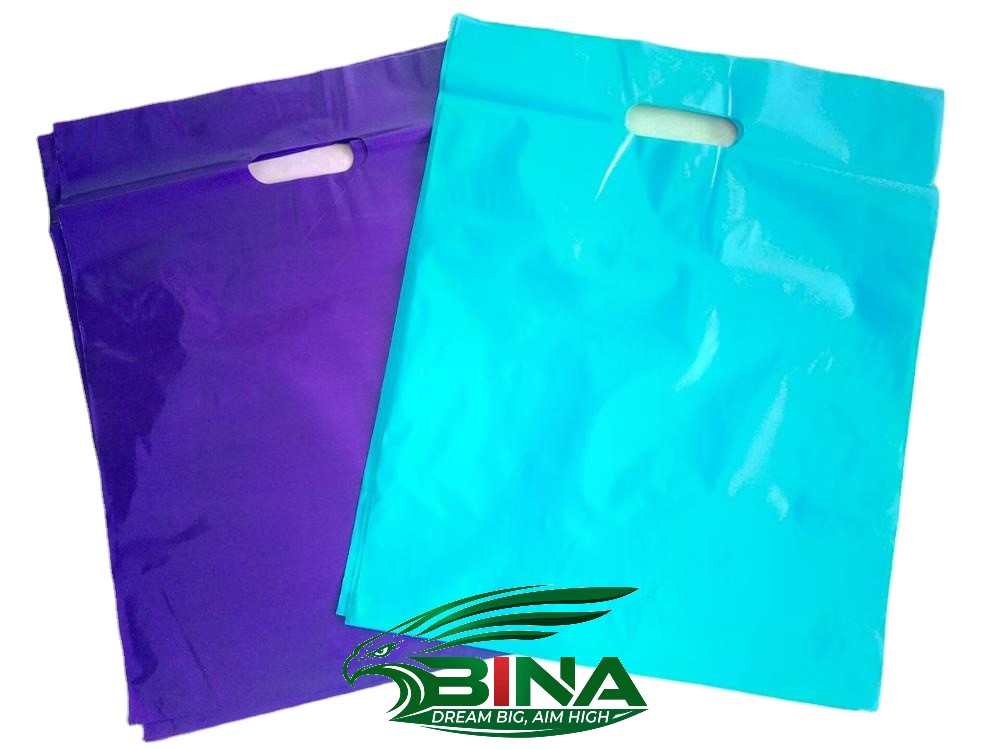
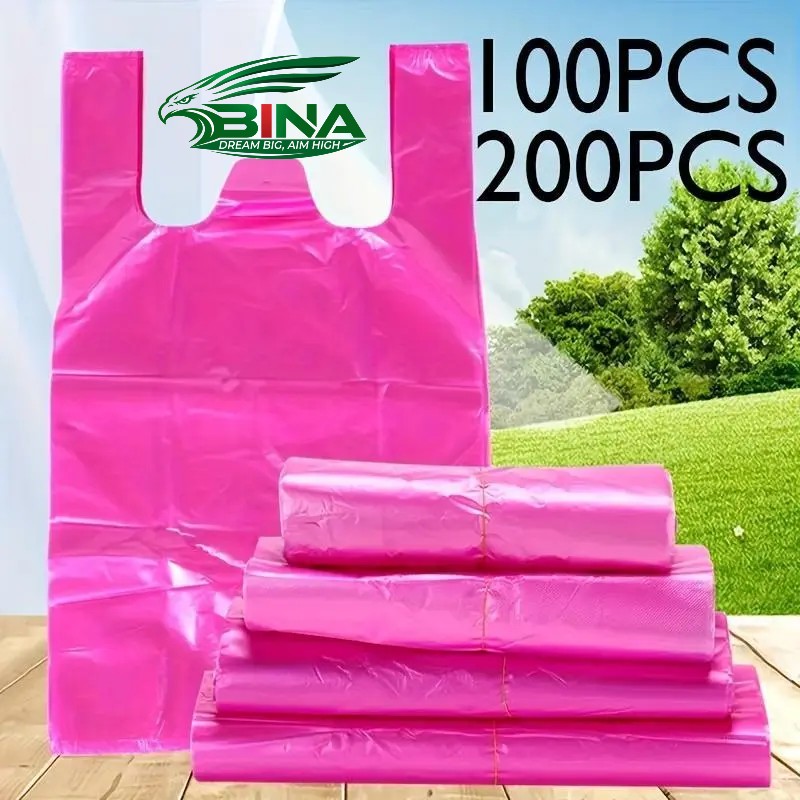
- Hole punching/Handle processing: The bag-making machine automatically cuts the shape and punches holes at the bag opening, creating T-shirt bags (vest bags) or tote bags.
5. Finished product inspection and packaging
- Quality inspection: Check the clarity of the printed image, the tightness of the bag, and the uniformity of its thickness.
- Counting and packaging: Automatic counting and packaging into boxes, ready for shipment.
 |
Classification of supermarket shopping bags
Supermarket shopping bags are mainly divided into reusable shopping bags (bring-your-own) and paid plastic shopping bags. Reusable bags can be classified by material, such as nylon, canvas, non-woven fabric, and insulated bags, among which “foldable” and “basket-style” types are the most common. Plastic bags are classified by material, such as PE and PP; attention should be paid to whether they are “multi-purpose reusable bags” (e.g.: eco-friendly bags). When disposing of bags, it is necessary to distinguish between “clean plastic bags” and “non-recyclable bags”.
 |
I. Classification of reusable shopping bags (bring your own)
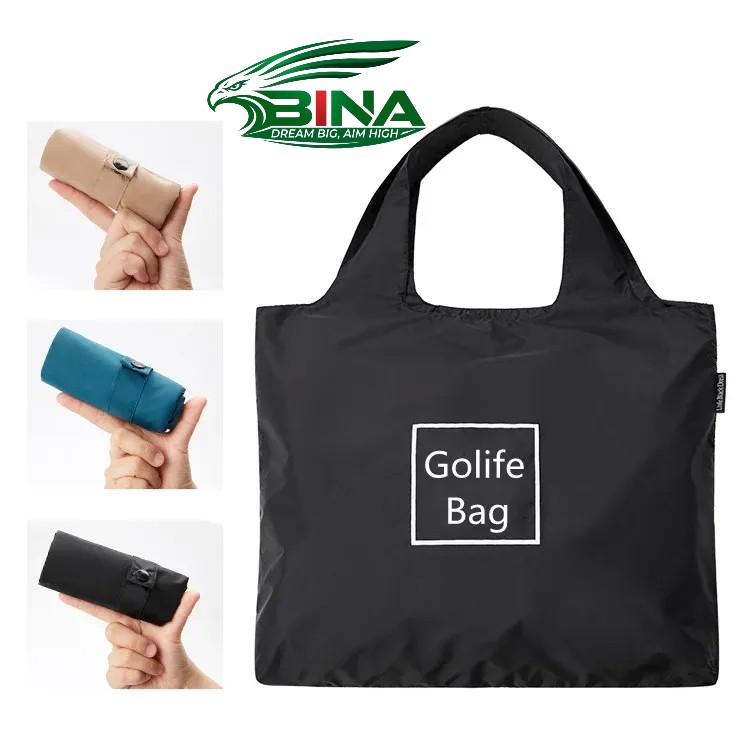
- Foldable shopping bags: Lightweight and durable, usually made from nylon or polyester, such as BAGGU or MARNA.
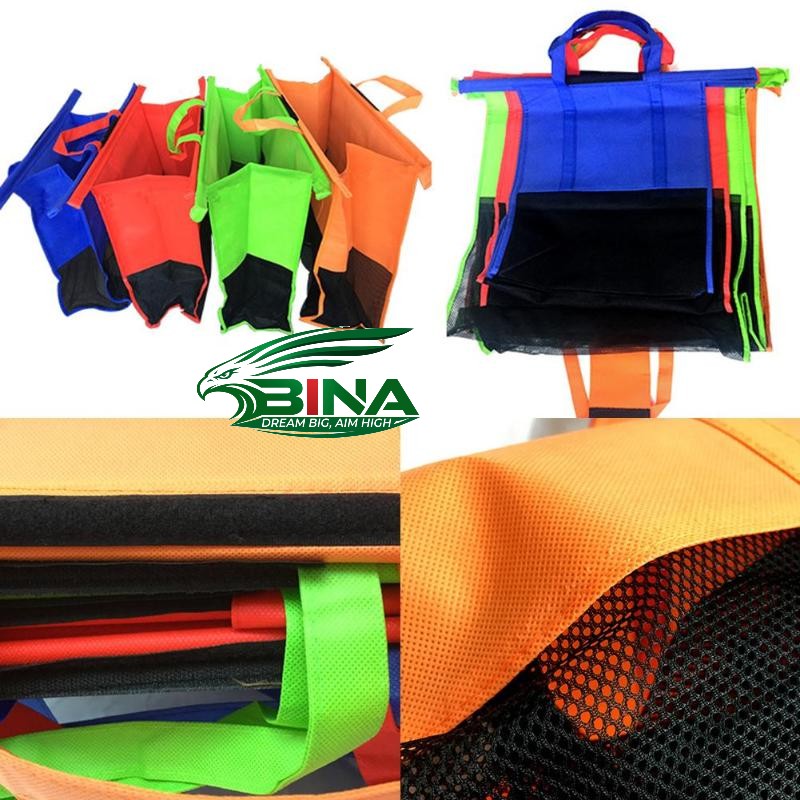
- Basket-style bags (basket bags): Sturdy bottoms, can be placed directly in shopping carts, large capacity, suitable for bulk shopping.
Insulated/cooler bags: Have a foil lining inside, suitable for buying frozen and chilled foods. - Material classification: Non-woven fabric (lightweight and inexpensive), canvas (thick and durable), Oxford fabric (water-resistant and durable).
 |
II. Classification of plastic shopping bags at supermarkets
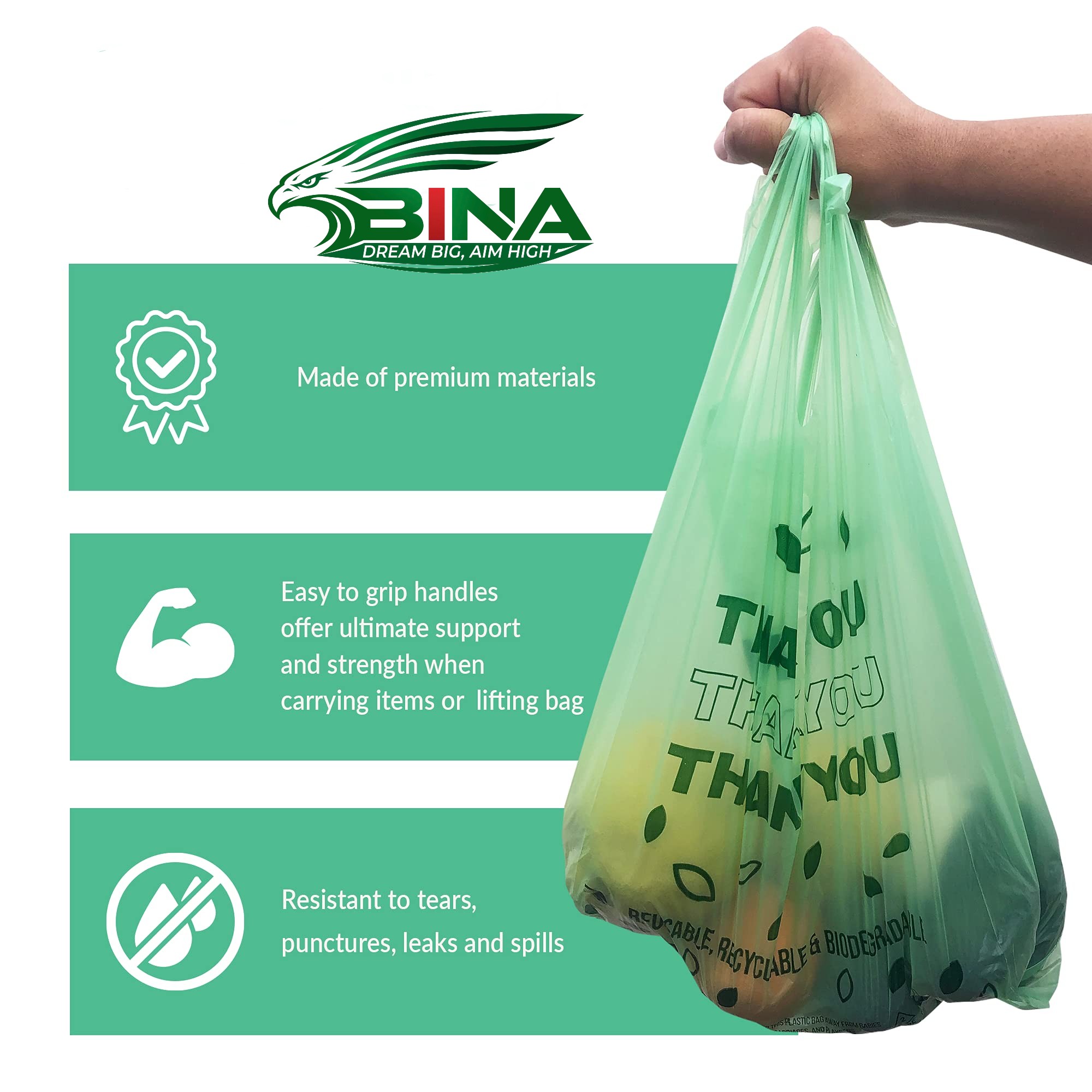
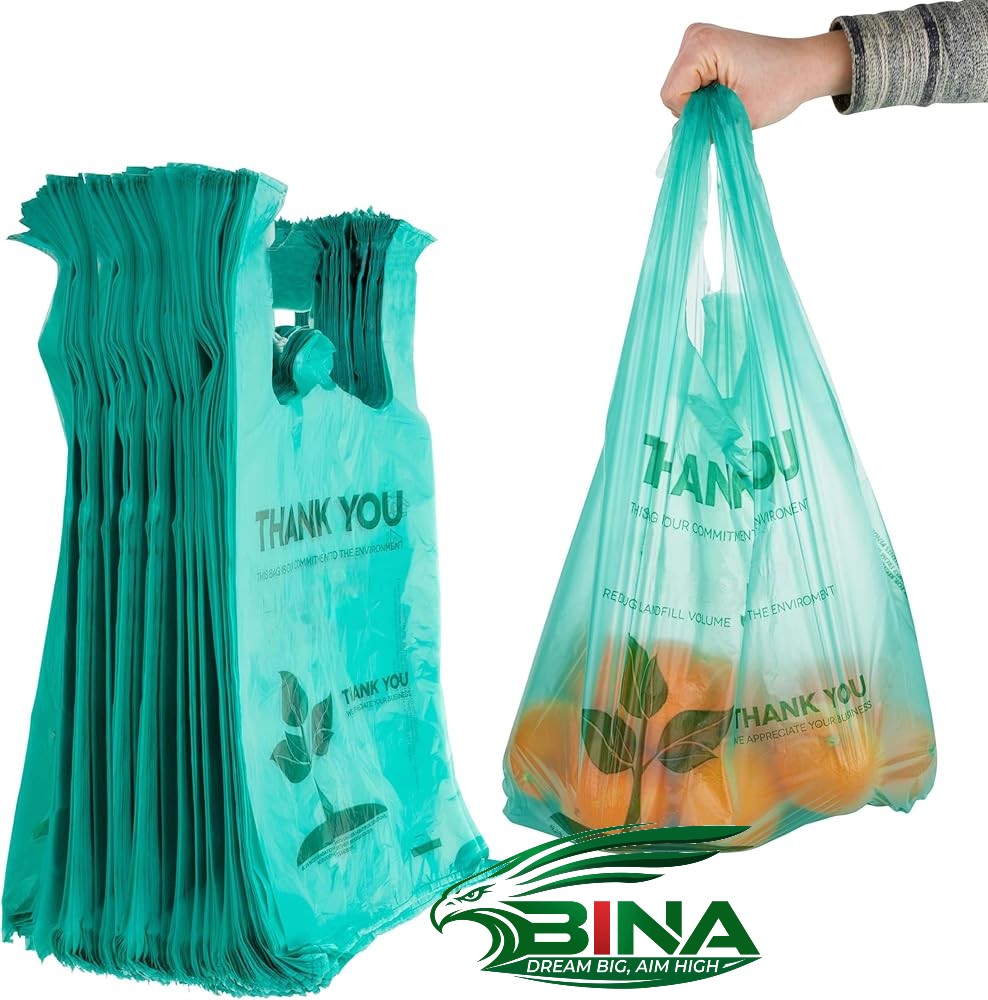
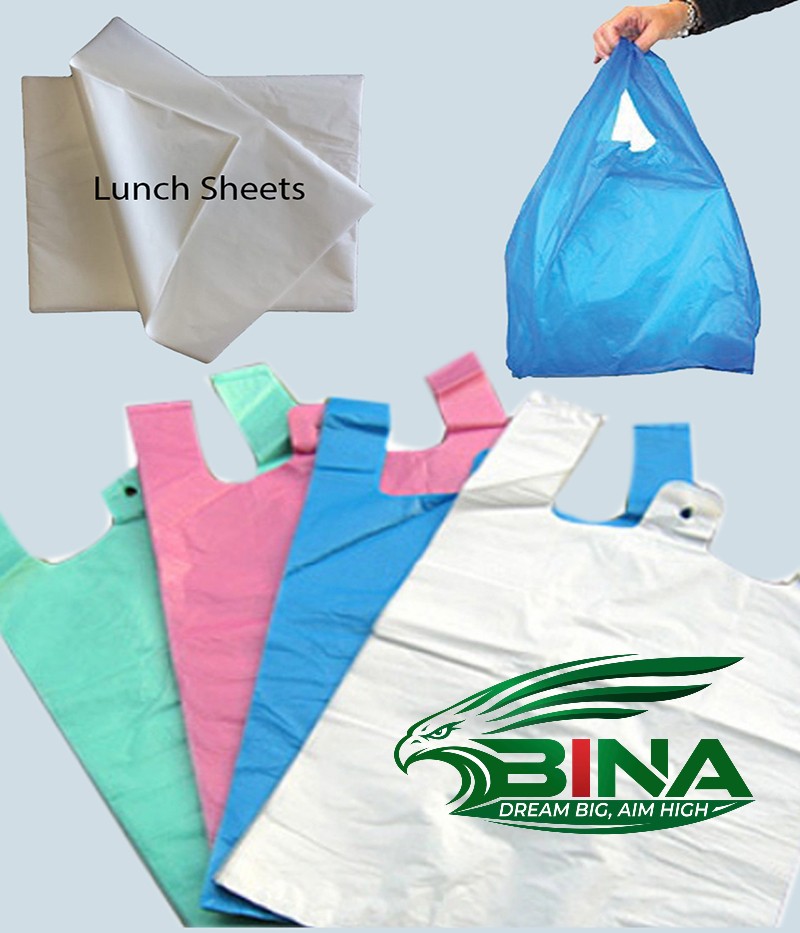
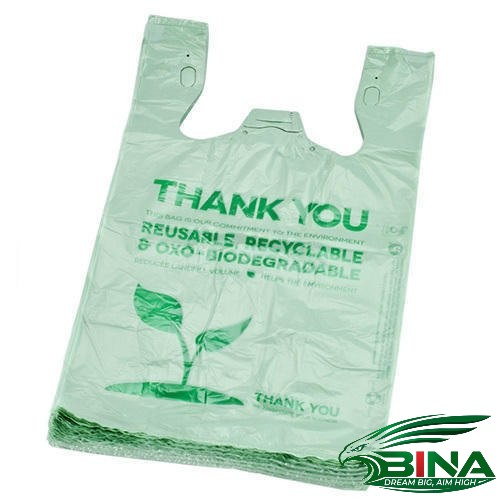
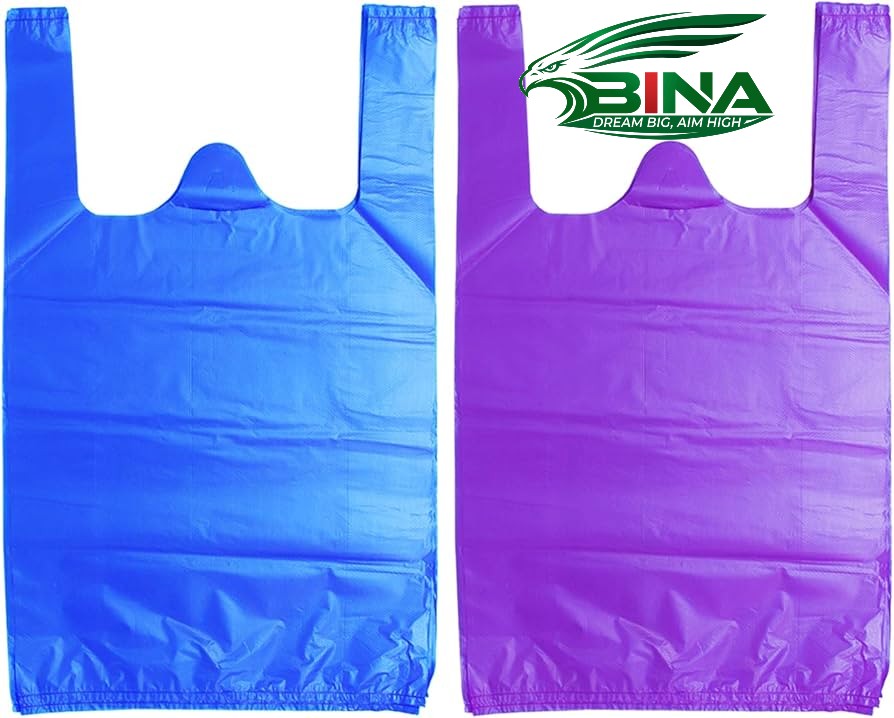
- Eco-friendly multifunctional bags: Can be used as shopping bags and then as specialized garbage bags at home. Commonly seen in Hanoi, Ho Chi Minh City, Hai Phong, etc.
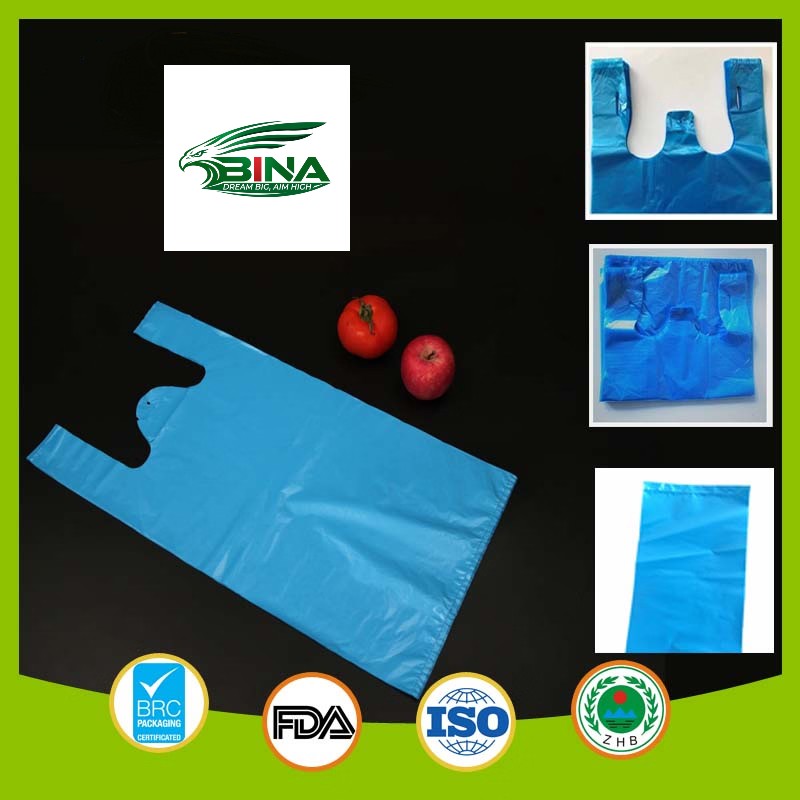
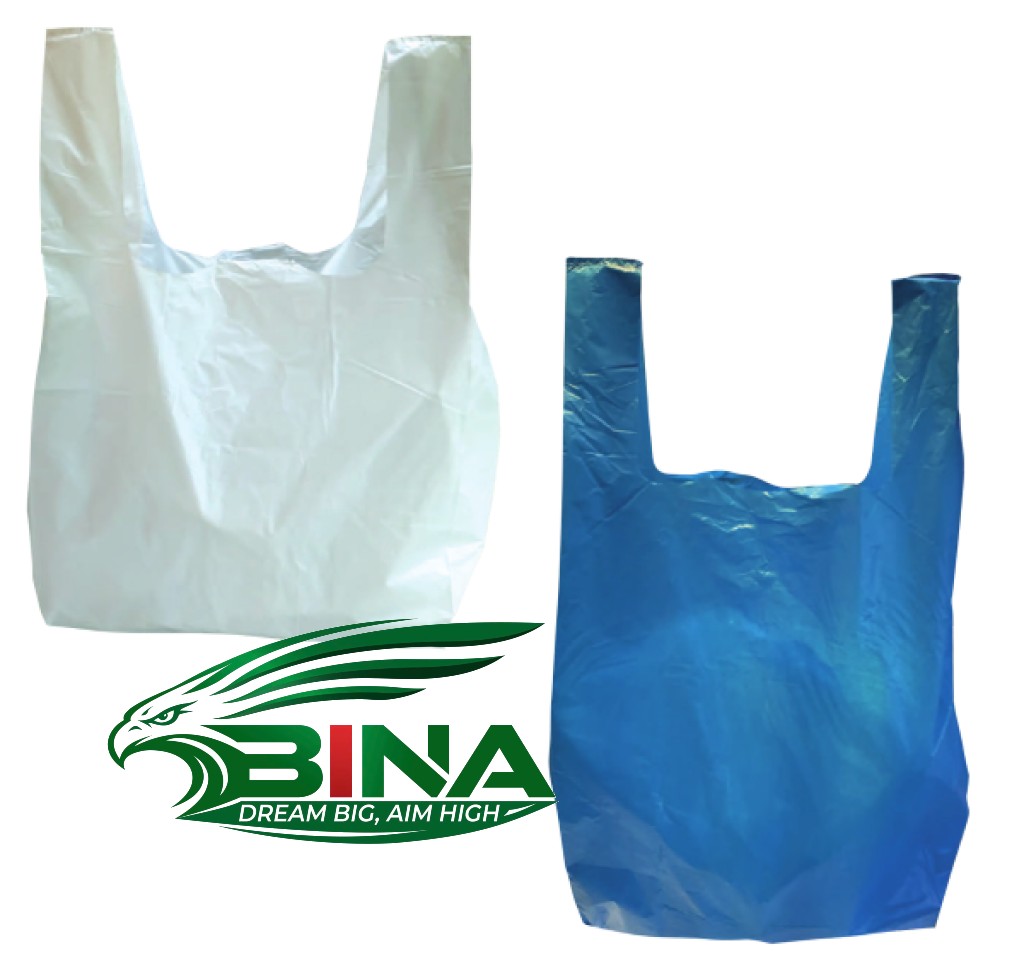
- Ordinary plastic tote bags: Plastic shopping bags, usually made of polyethylene (PE), must be purchased separately.
- Material classification: PE bags (softer, more common) and PP bags (more prone to breaking).
III. Classification of recyclable shopping bags at supermarkets
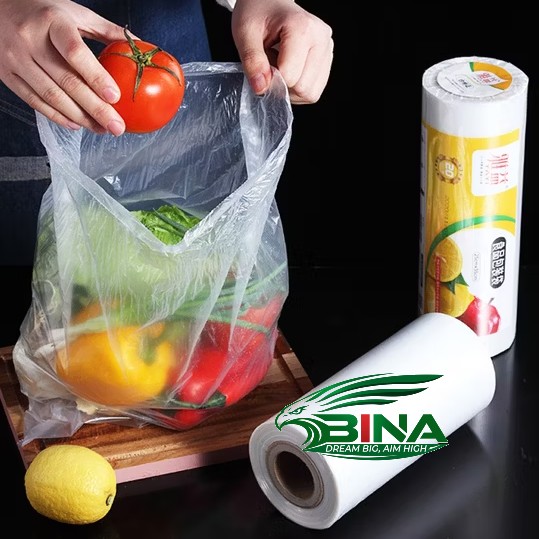
- Recyclable plastic bags: Must be “clean” and made from a single material (PE, PP), such as transparent shopping bags, clean food bags and fruit mesh bags.
- Non-recyclable bags: Bags containing composite materials such as aluminum foil and paper, or heavily soiled plastic bags.
Notes:
- Thickness limit: Supermarkets must not provide ultra-thin plastic bags with a single-layer thickness of less than 0.025 mm.
- Eco-friendly habits: Developing the habit of using reusable bags can minimize single-use plastic waste.
 |
 |
Common Issues in the Production of Printed Supermarket Shopping Bags
When producing printed shopping bags for supermarkets (especially plastic bags), the common issues mainly focus on print quality, material properties, and production efficiency. Below are some common issues and points to note:
I. Print Quality Issues
- Unstable Color (Color Differences): This is the most common issue, manifested as color deviations, colors being too light or too dark. The causes are usually related to the properties of the plastic bag material (such as insufficient surface treatment durability), changes in ink viscosity, improper operation of the printing machine, or differences in ink between different batches.
- Adhesion: When printed bags are rolled or stacked, poorly dried ink or poor ink adhesion may cause the inner and outer surfaces of the bags to stick together, making them impossible to separate.
- Blurring and Scratching: Unclear printed text (blurring) or scratches and ink smears on the printed surface occur during printing, affecting the overall print quality.
- Poor Ink Adhesion: Printed brands or patterns are prone to peeling off. This usually occurs because the surface of the plastic bag has not been properly corona treated (insufficient surface tension), resulting in the ink not adhering firmly.
- Odor Issues: Composite bags often have residual solvent odors after production, usually related to incompletely dried printing ink or inappropriate solvent selection.
 |
II. Production and Processing Issues
- Dimensional and specification errors: Due to the material’s expansion and contraction characteristics, the actual dimensions of the bag may differ from the design drawings.
- Bag damage and leakage: Insufficient heat-sealing strength may cause the bottom or sides of the bag to tear (leak) when heavy items are placed inside.
- Tight production schedule: Standard bags usually require 3-5 working days, while printed bags require 5-7 working days. Late design confirmation or complex processes can easily delay delivery.
 |
III. Solutions and Preventive Measures
- Check color matching and color deviations before printing: Conduct continuous color transition checks for complex colors and record the parameters for calibration.
- Optimize the drying process: Adjust the ink viscosity, increase the drying temperature, or appropriately increase the printing speed.
- Enhance surface treatment: Ensure that corona treatment of plastic materials meets the requirements to ensure ink adhesion.
- Accurate design drawings: Mark the actual dimensions and allowable error range during the design process.
These issues generally need to be addressed through high-quality printing materials, stable operating procedures, and rigorous inspection processes.
 |
Notes on Using Supermarket Shopping Bags
When using shopping bags at supermarkets, for the purposes of environmental protection, hygiene, and your own convenience, we recommend that you follow the following precautions:
1. Minimize waste generation and reuse
- Bring your own reusable bags: The most environmentally friendly approach is to bring your own shopping bags, minimizing plastic waste at the source.
- Reuse bags: Plastic bags purchased from supermarkets can be reused until they are damaged.
- Use as garbage bags: In areas such as Hanoi, where “garbage fees are collected together with the bags”, supermarket shopping bags are often “reusable multipurpose bags”, which can be used directly as dedicated garbage bags after shopping.
2. Recycling and disposal of plastic shopping bags
- Clean recycling: Before recycling plastic bags, please remove all contents and flatten them or tie them together into a bag for recycling.
- Wash and dry: If the bags have grease or food residue on them, they must be washed and dried before recycling, and must be free of dirt, paper, aluminum foil, or other composite materials.
- Single material: Recyclable bags are generally made from single plastic materials such as polyethylene (PE) and polypropylene (PP). Hanoi City Resource Recycling Network.
 |
3. Cleaning reusable shopping bags
- Clean regularly: Reusable shopping bags can easily harbor bacteria and should be cleaned regularly, especially bags used for meat or raw foods.
- Separate raw and cooked foods: When purchasing fresh raw ingredients, they should be packaged separately from ready-to-eat or dry foods to prevent cross-contamination.
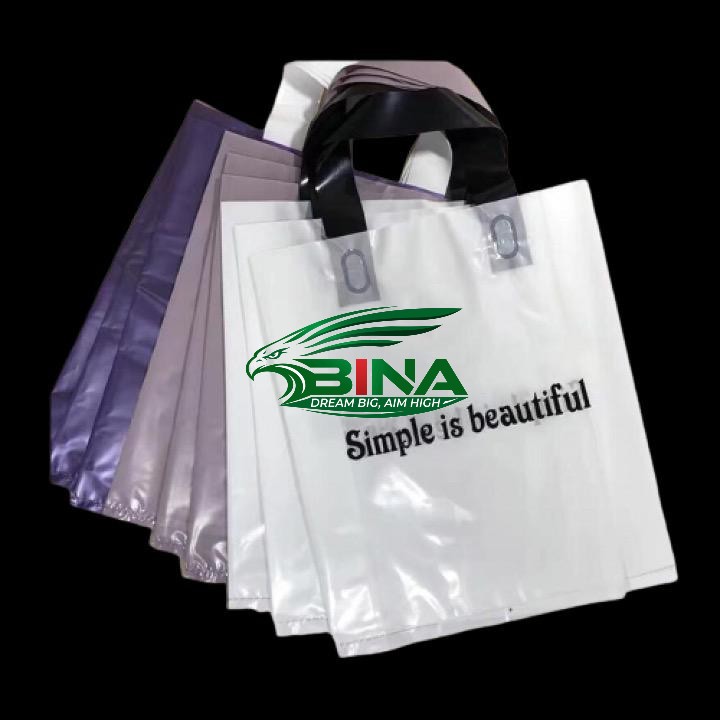
- Material selection: Choose reusable shopping bags with thick handles, sturdy stitching, and a foldable design for storage, suitable for heavier bottled beverages or milk.
 |
4. Policies and regulations
- Paid purchase: In Vietnam, supermarkets, convenience stores, and hypermarkets require customers to purchase plastic bags; they are not provided free of charge.
- Specific restrictions: Supermarkets often have special regulations regarding plastic bags that come into direct contact with fresh fruits and vegetables, while reusable shopping bags are safer to use for products that do not come into direct contact with food.
Following the above principles not only achieves the goals of environmental protection and reducing carbon emissions, but also ensures hygiene and convenience during shopping.
Detailed information about Hadupack
 |